15 Near-Miss Aviation Disasters Prevented by Split-Second Decisions
Aviation history is filled with stories of heroism, quick thinking, and the razor-thin margin between catastrophe and survival. While we often hear about tragic accidents, there’s another side to the story that deserves recognition—the countless times disaster was averted by pilots, air traffic controllers, and aviation professionals who made life-saving decisions in moments when every second counted.
These near-misses remind us that flying remains remarkably safe, largely thanks to the skill and training of those who keep us airborne. Here is a list of 15 aviation disasters that came terrifyingly close to happening but were prevented by split-second decisions and quick thinking.
United Flight 232 Sioux City
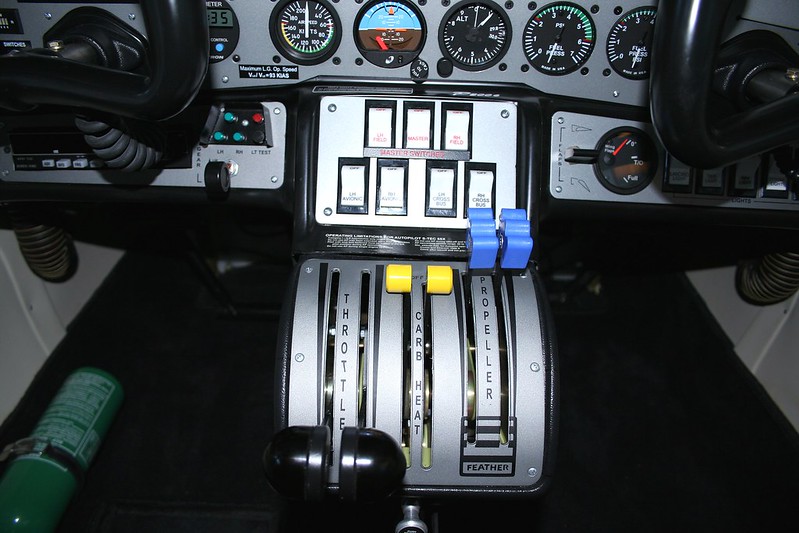
Captain Al Haynes faced every pilot’s nightmare when a catastrophic engine failure severed all hydraulic systems on his DC-10 in 1989. Without any flight controls, the plane should have been impossible to fly. Haynes and his crew used differential engine thrust to guide the aircraft, essentially steering with throttles alone. Their improvised technique brought the plane down at Sioux City Airport, and while the landing was rough, 185 of the 296 people aboard survived what should have been an unsurvivable situation.
Aloha Airlines Flight 243
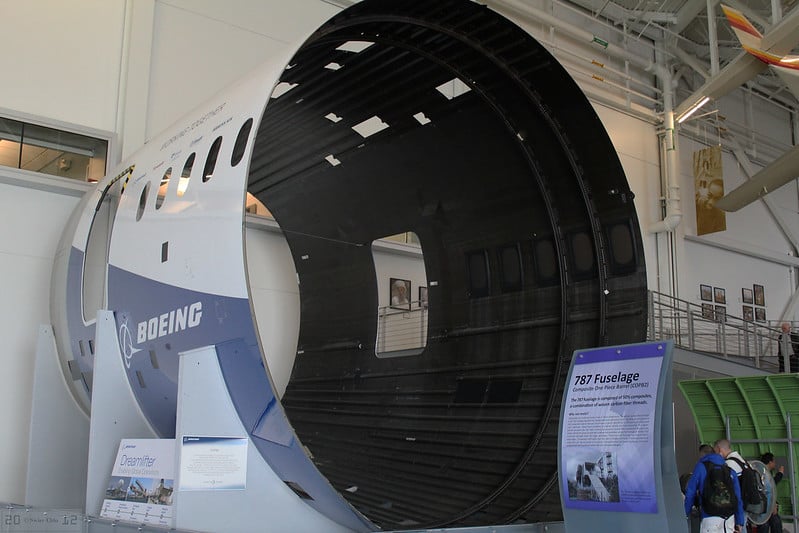
When an 18-foot section of the Boeing 737’s fuselage peeled away at 24,000 feet, Captain Robert Schornstheimer found himself flying what looked more like a convertible than an airplane. The explosive decompression created hurricane-force winds in the cabin, but Schornstheimer kept his cool and executed an emergency descent. His steady hands brought the damaged aircraft to Kahului Airport, saving 94 of the 95 people on board in 1988.
US Airways Flight 1549 Hudson River
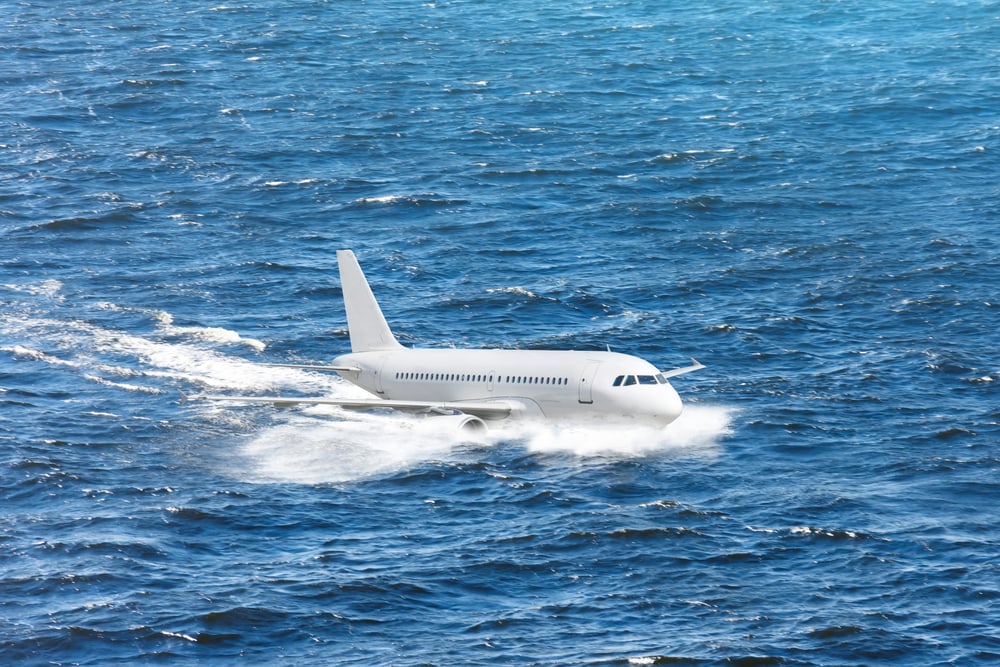
Captain Chesley Sullenberger had less than four minutes to save 155 lives when both engines failed after a bird strike over New York City. With no time to reach any airport, he made the unprecedented decision to land on the Hudson River. His perfect water landing and the crew’s flawless evacuation turned what could have been a massive tragedy into the ‘Miracle on the Hudson’ in 2009.
British Airways Flight 5390
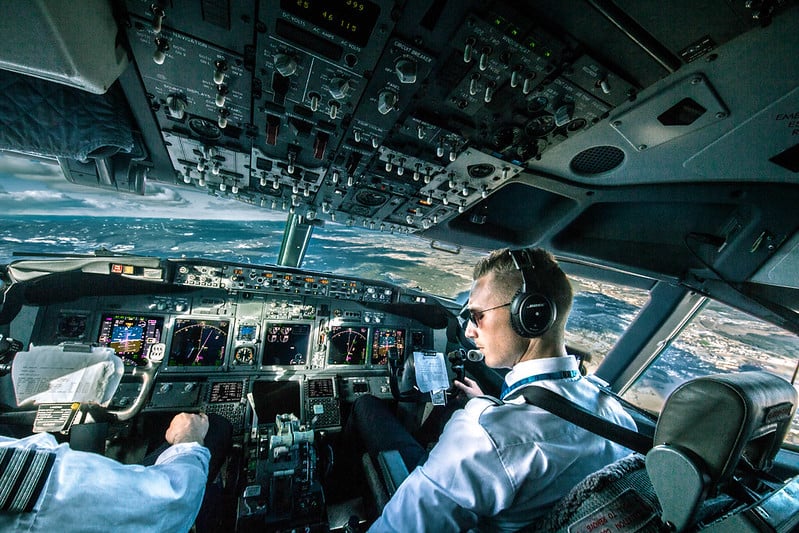
When a cockpit window blew out at 23,000 feet, Captain Tim Lancaster was literally sucked halfway out of the plane, held only by his seatbelt and the grip of flight attendant Nigel Ogden. First Officer Alastair Atchison took control while the crew held onto their captain for 20 terrifying minutes. Atchison’s precise flying brought everyone home safely, and remarkably, Lancaster survived his ordeal with only minor injuries.
Air Canada Flight 143 Gimli Glider
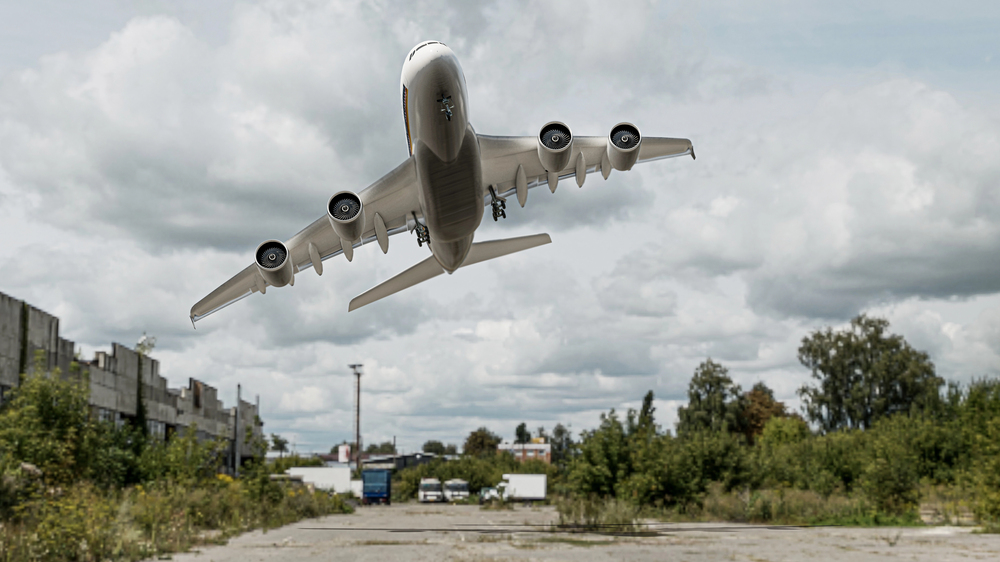
Captain Bob Pearson faced a fuel crisis like no other when his Boeing 767 ran completely dry at 41,000 feet due to a metric conversion error. With both engines dead, he turned the massive jet into a glider and aimed for a former air base at Gimli, Manitoba. Pearson’s gliding skills, honed in small aircraft, allowed him to execute a dead-stick landing that saved all 69 people aboard in 1983.
Eastern Air Lines Flight 401 Prevention
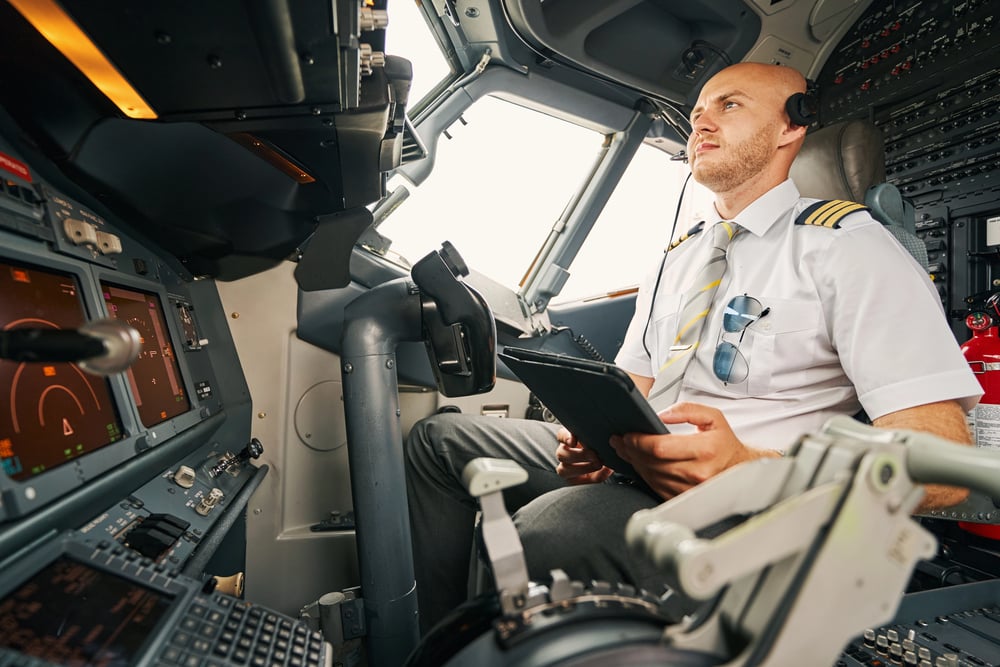
Learning from the 1972 Everglades crash that killed 101 people, aviation developed new protocols that prevented similar disasters. When crews became distracted by landing gear issues, new training emphasized the critical phrase ‘Who’s flying the plane?’ This lesson saved countless lives in subsequent incidents where pilots maintained altitude awareness during equipment malfunctions.
JAL Flight 123 Mount Fuji

Before the tragic 1985 crash, there was an earlier incident where a Japan Airlines crew successfully handled similar rear pressure bulkhead damage. Their quick response to the emergency checklist and immediate declaration of emergency allowed for a safe landing. This earlier success highlighted how proper training and swift action could manage even catastrophic structural failures.
Northwest Flight 85 Rudder Hardover
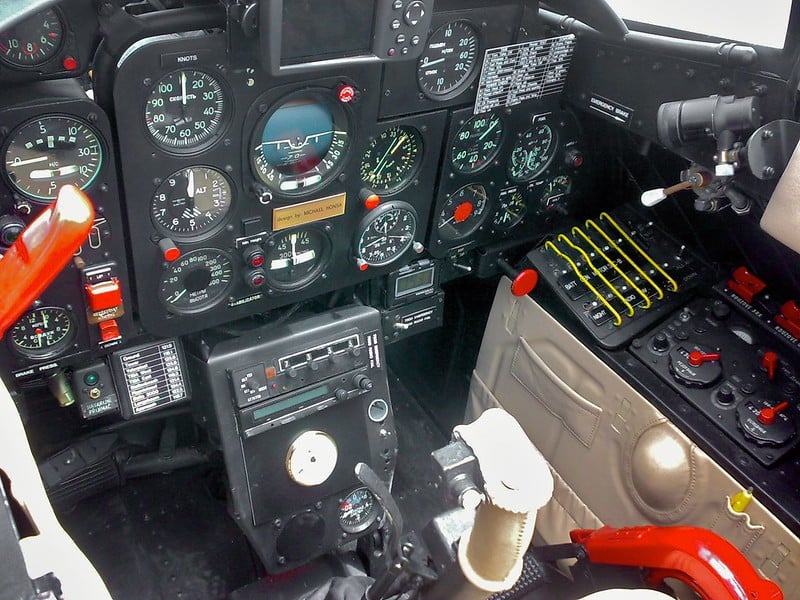
In 2002, Captain Frank Geib felt his Boeing 747 suddenly veer toward Russian airspace when the rudder jammed hard left. Rather than fight the controls, he used asymmetric thrust and aileron inputs to maintain control during the eight-hour flight to Anchorage. His unconventional technique, developed on the spot, prevented what could have been a repeat of previous rudder-related crashes.
Scandinavian Airlines Flight 751
When both engines failed on takeoff from Stockholm due to ice ingestion, Captain Stefan Rasmussen had only seconds to decide the fate of 129 people. Instead of attempting to return to the airport, he chose to crash-land in a forest, using the trees to slow the aircraft. His split-second choice of the softest possible landing spot resulted in no fatalities despite the aircraft being destroyed.
United Flight 811 Cargo Door Blowout
Captain David Cronin was flying over the Pacific when a cargo door failure tore a massive section from his Boeing 747’s fuselage. Nine passengers were lost, but Cronin’s immediate response saved the remaining 346 people aboard. He declared an emergency, descended rapidly to a breathable altitude, and executed a challenging single-engine approach to Honolulu despite significant control difficulties.
TACA Flight 110 Engine Flameout
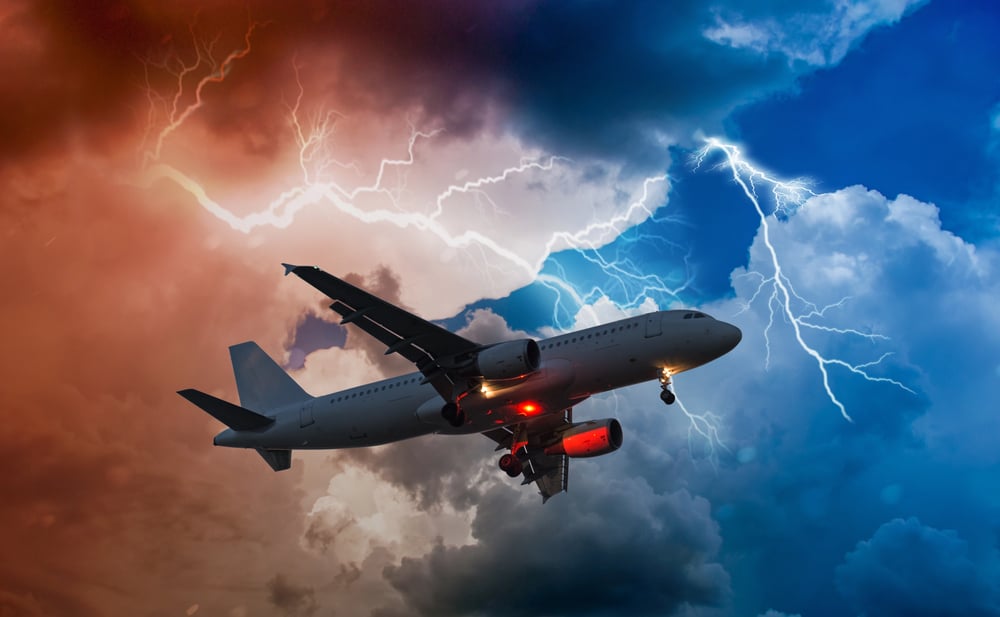
Captain Carlos Dardano faced every pilot’s worst fear when both engines failed in a thunderstorm over New Orleans. With no airports within gliding range, he spotted a narrow levee road and executed a precision landing that seemed impossible. His decision to aim for the levee instead of attempting to stretch his glide to an airport saved all 45 people aboard the Boeing 737.
DHL Airbus A300 Baghdad
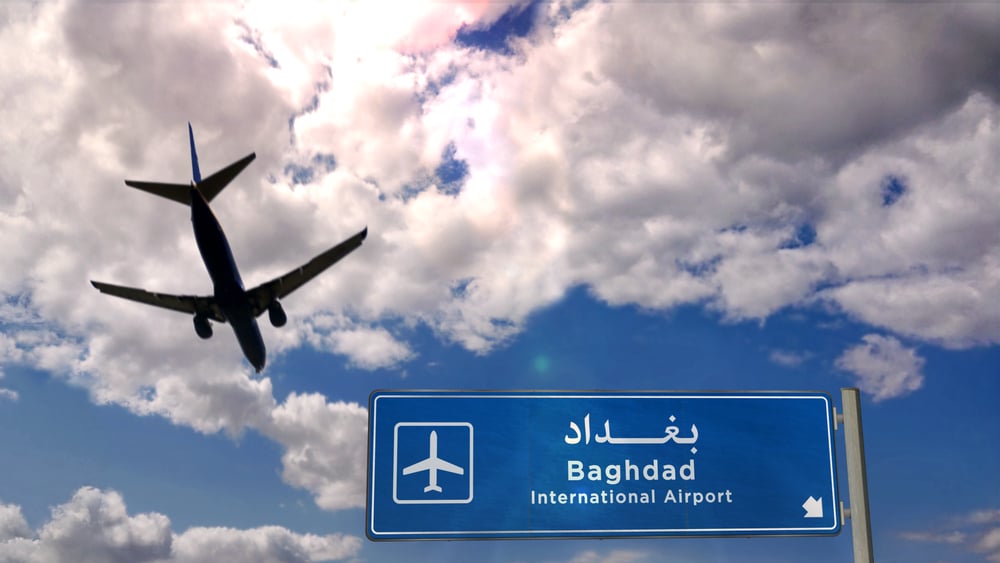
In 2003, a DHL cargo flight was struck by a surface-to-air missile over Baghdad, severing all hydraulic lines. The crew, like those on United 232, used only engine thrust to control their Airbus A300. Their successful emergency landing at Baghdad International Airport proved that the engine-only flying technique could work on different aircraft types.
Qantas Flight 32 Engine Explosion
When the largest uncontained engine failure in aviation history shredded the Airbus A380’s wing systems, Captain Richard de Crespigny faced a checklist with over 100 warnings. Instead of panicking, his crew methodically worked through each system failure over nearly two hours. Their patient, systematic approach brought the damaged superjumbo back to Singapore with all 469 people safe.
Continental Flight 1713 Runway Awareness
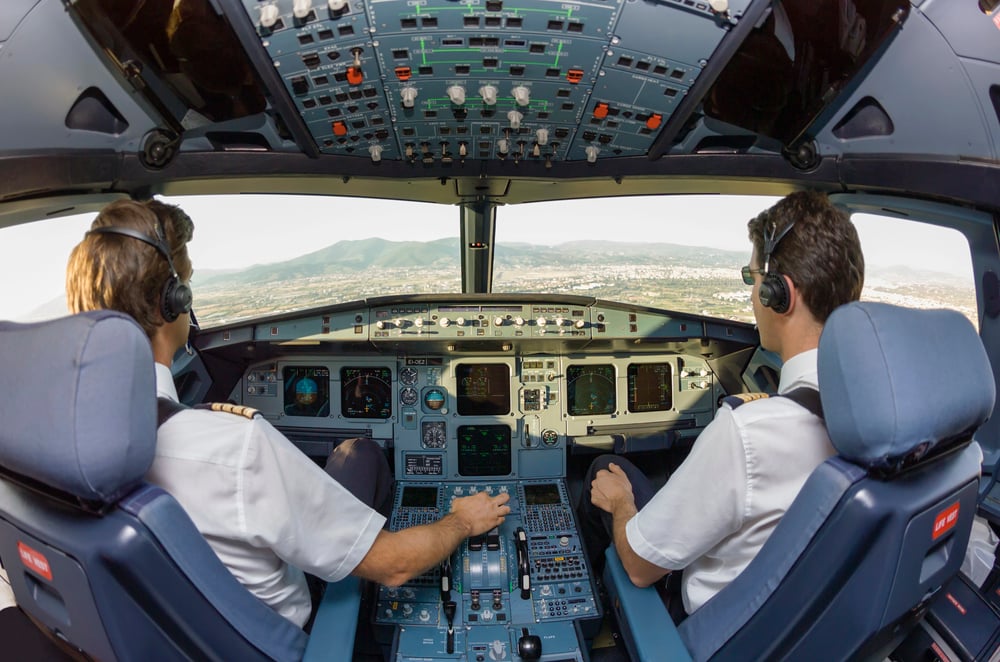
Following a 1987 crash in Denver, improved runway awareness training prevented numerous similar accidents. Pilots learned to recognize the subtle signs of inadequate deicing, and new protocols required crew input on takeoff decisions. These changes turned potential disasters into routine returns to the gate when conditions weren’t quite right.
Southwest Flight 1380 Window Failure
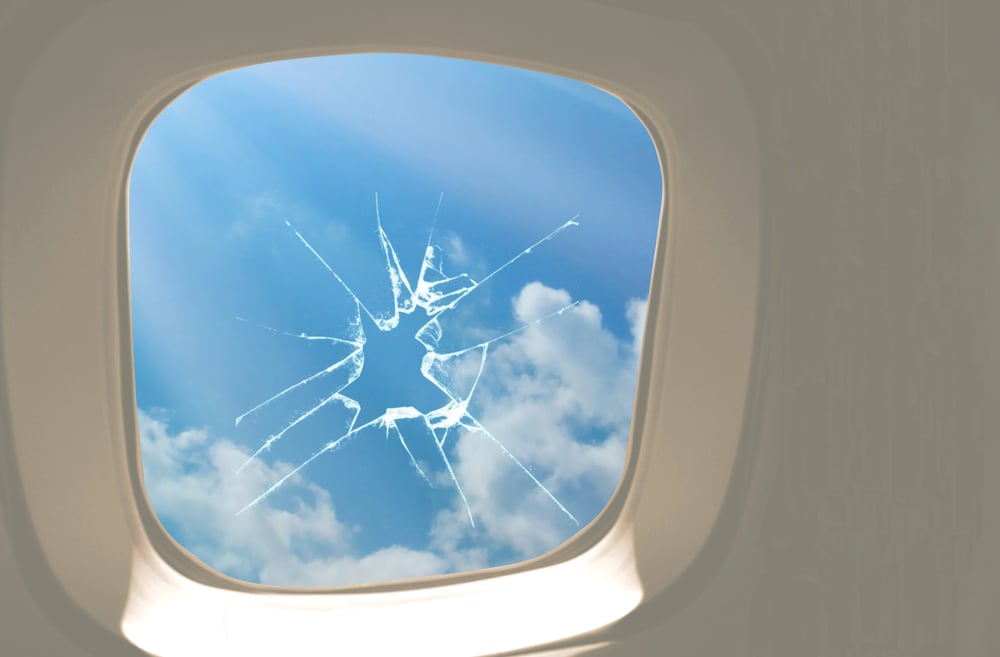
When an engine explosion shattered a window and partially ejected passenger Jennifer Riordan, Captain Tammie Jo Shults had to balance multiple emergencies simultaneously. Her Navy training kicked in as she executed an emergency descent while her crew managed the cabin crisis. Shults’ precise flying brought the damaged Boeing 737 to Philadelphia, limiting the tragedy to one fatality instead of many.
When Seconds Define Decades
These stories remind us that aviation safety isn’t just about technology and regulations—it’s about human beings making extraordinary decisions under unimaginable pressure. Each of these incidents taught the industry valuable lessons that continue to protect passengers today. The next time you board an aircraft, remember that you’re traveling in a system refined by countless professionals who chose courage over panic when it mattered most. Their split-second decisions echo through every flight that follows, making commercial aviation the safest form of travel ever devised.
More from Go2Tutors!

- The Romanov Crown Jewels and Their Tragic Fate
- 13 Historical Mysteries That Science Still Can’t Solve
- Famous Hoaxes That Fooled the World for Years
- 15 Child Stars with Tragic Adult Lives
- 16 Famous Jewelry Pieces in History
Like Go2Tutors’s content? Follow us on MSN.



