15 Cold War Secrets Finally Declassified
The Cold War wasn’t just about nuclear standoffs and space races—it was a shadowy world of espionage, covert operations, and secrets so classified that many remained hidden for decades. While history books covered the major events, the real intrigue happened behind closed doors, in unmarked buildings, and through coded messages that governments swore would never see daylight.
After years of freedom of information requests and the natural declassification process, we now have access to some of the most fascinating secrets from this tense period. Here is a list of 15 Cold War secrets that have finally been declassified.
Operation Paperclip

The United States secretly recruited over 1,600 Nazi scientists, engineers, and technicians after World War II ended. Among them was Wernher von Braun, who later became the father of the American space program and helped put humans on the moon.
The operation was so sensitive that the government created entirely new identities for these individuals and buried their past affiliations with the Nazi regime.
The Glomar Explorer

Howard Hughes built what appeared to be a deep-sea mining vessel, but it was actually a CIA front designed to recover a sunken Soviet submarine from the Pacific Ocean floor. The ship successfully raised part of the submarine in 1974, though the Soviets never learned the full extent of what the Americans recovered.
This operation cost around $800 million and required one of the most elaborate cover stories in intelligence history.
Like Go2Tutors’s content? Follow us on MSN.
Project MKUltra
The CIA conducted mind control experiments on unwitting subjects for over two decades, using everything from LSD to electroshock therapy. Researchers tested these methods on mental patients, prisoners, and even CIA employees without their knowledge or consent.
The program was so controversial that CIA Director Richard Helms ordered most of the records destroyed in 1973, though some documents survived and were later released.
The Berlin Tunnel
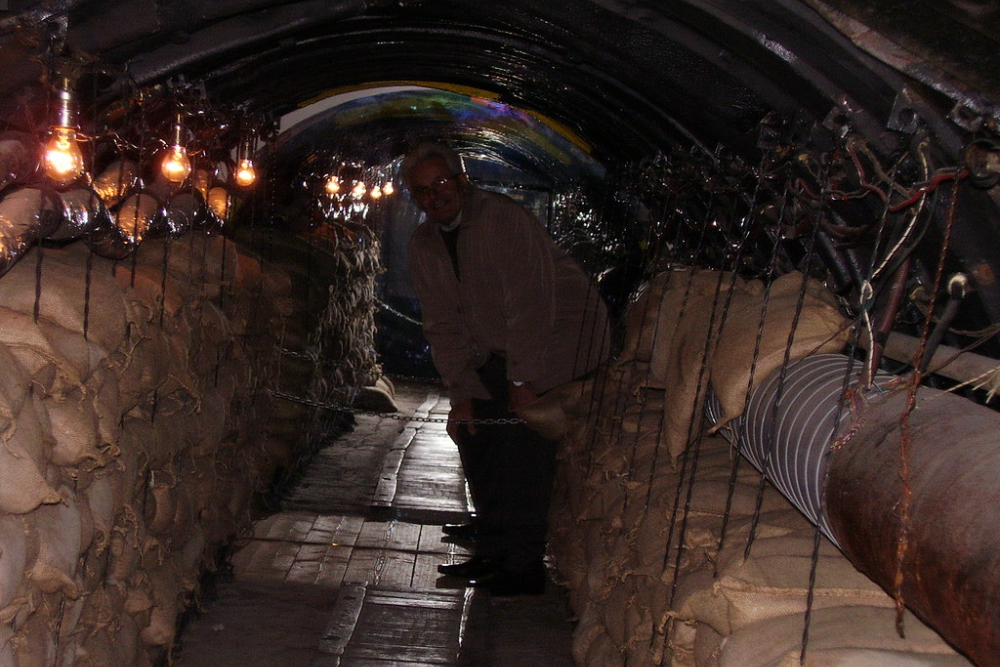
American and British intelligence agencies dug a 1,476-foot tunnel from West Berlin into East Berlin to tap Soviet communication cables. For nearly a year, they intercepted thousands of hours of conversations between Soviet military officials and their headquarters in Moscow.
The operation provided invaluable intelligence about Soviet military capabilities and intentions, though the Soviets eventually discovered the tunnel through a double agent.
U-2 Spy Plane Overflights
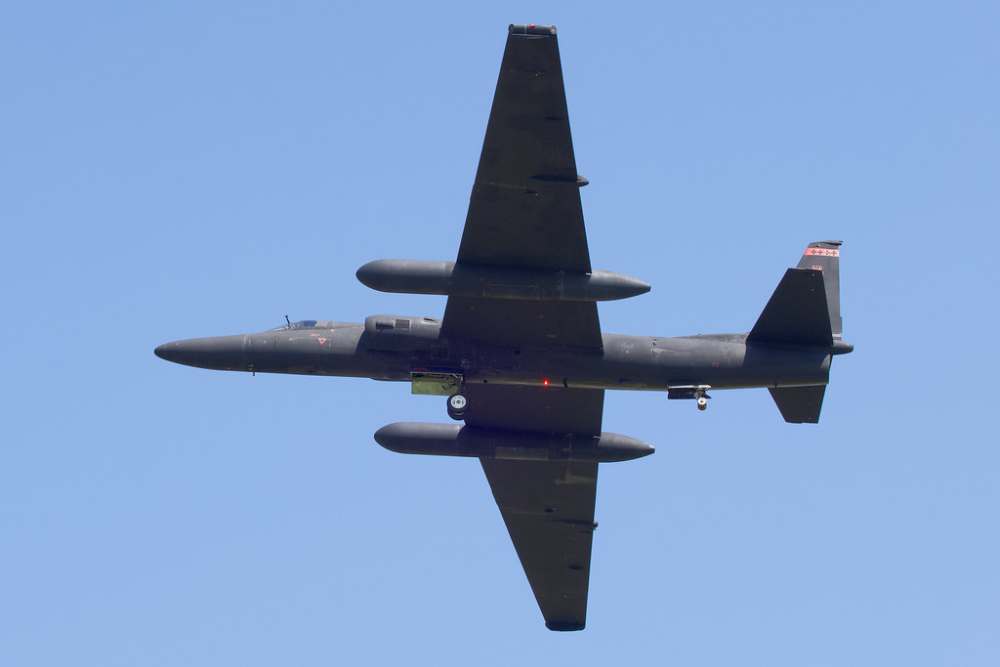
Long before satellites became commonplace, the CIA flew high-altitude spy planes over the Soviet Union to photograph military installations and nuclear facilities. These missions were so secret that President Eisenhower personally approved each flight, knowing that being caught could trigger a major international incident.
The program came to an abrupt end in 1960 when the Soviets shot down pilot Francis Gary Powers over their territory.
Like Go2Tutors’s content? Follow us on MSN.
Operation Chaos
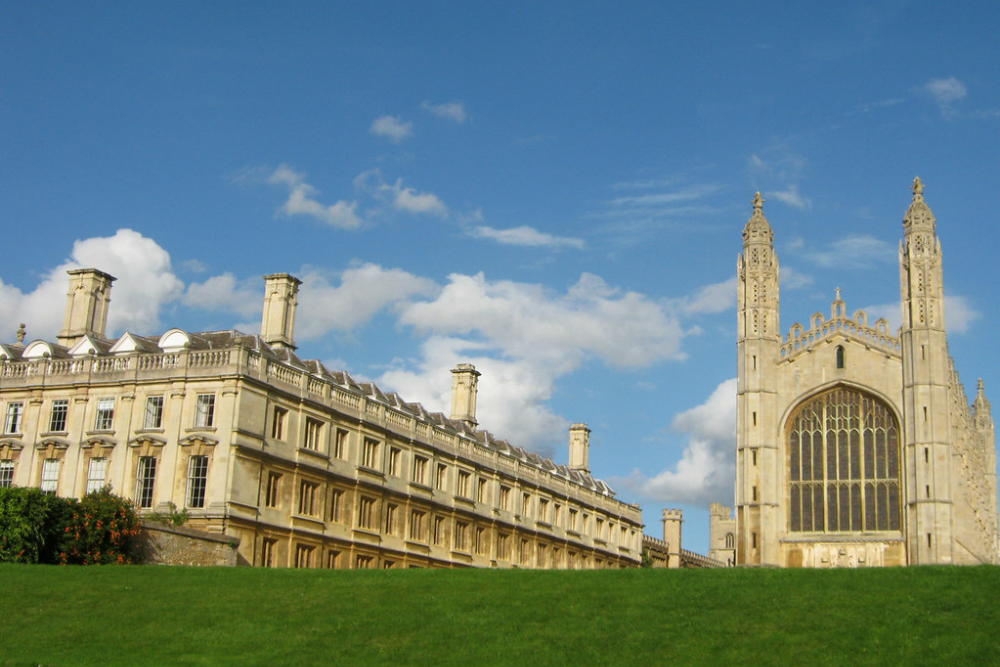
The CIA turned its surveillance apparatus inward, spying on American citizens who opposed the Vietnam War and other government policies. Agents infiltrated peace organizations, collected mail, and maintained files on over 300,000 Americans during the 1960s and 1970s.
The program was completely illegal under the CIA’s charter, which prohibited domestic operations, but it continued until congressional investigations exposed it in the mid-1970s.
The Cambridge Five
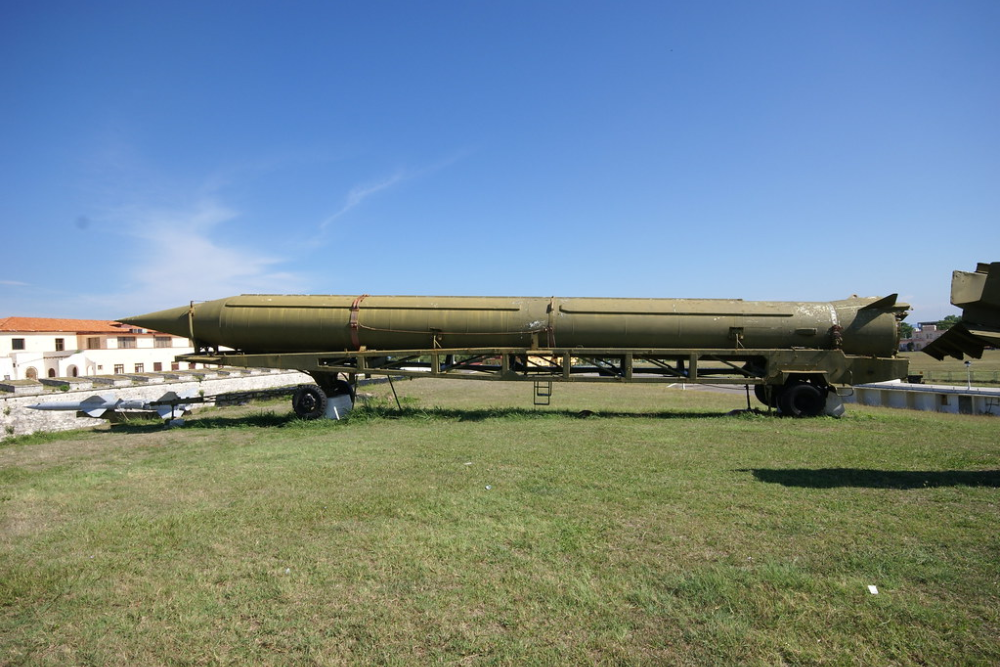
Five British intelligence officers were secretly working for the Soviet Union for decades, passing along some of the West’s most sensitive secrets. The group included Kim Philby, who rose to become head of Soviet counterintelligence at MI6, giving him access to nearly every British and American operation against the USSR.
Their betrayal was so complete that it forced intelligence agencies to completely overhaul their security procedures.
Nuclear Close Calls
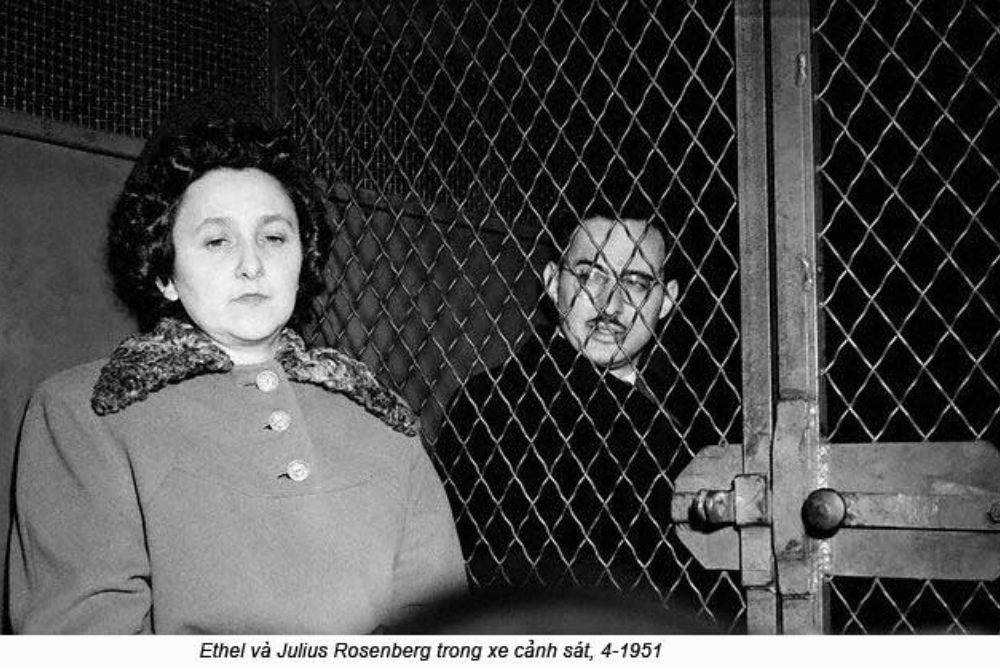
The world came far closer to nuclear war than the public knew, with multiple incidents where technical failures or human error nearly triggered automatic retaliation systems. During the Cuban Missile Crisis, a Soviet submarine commander almost launched a nuclear torpedo, but was stopped only because all three senior officers had to agree unanimously.
These near-misses happened regularly throughout the Cold War, often resolved by individual officers who chose to disobey orders.
Like Go2Tutors’s content? Follow us on MSN.
The Venona Project
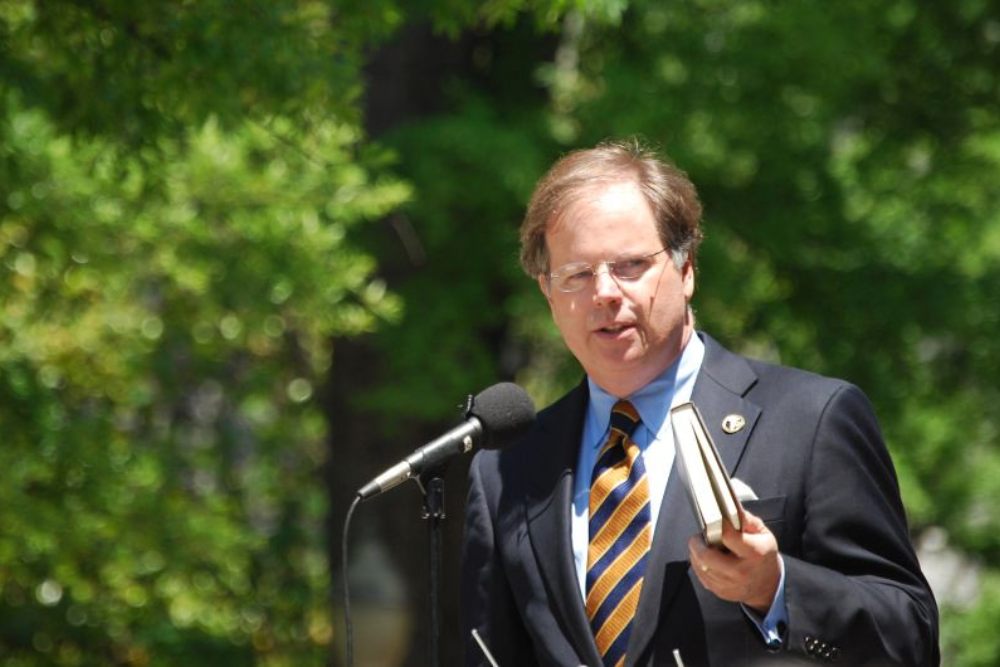
American codebreakers secretly cracked Soviet diplomatic and intelligence communications, revealing the names of hundreds of Soviet spies operating in the United States. The project confirmed that Julius and Ethel Rosenberg were indeed Soviet agents, along with many other Americans who had been passing secrets to Moscow.
Intelligence agencies kept this breakthrough secret for decades to protect their sources and methods.
Operation Mockingbird

The CIA secretly recruited journalists and news organizations to spread propaganda and influence public opinion during the Cold War. The agency had relationships with reporters at major newspapers, magazines, and television networks, using them to plant stories that supported American foreign policy objectives.
This program reached into the highest levels of American media, with some of the country’s most respected journalists unknowingly serving as intelligence assets.
The Able Archer 83 Exercise
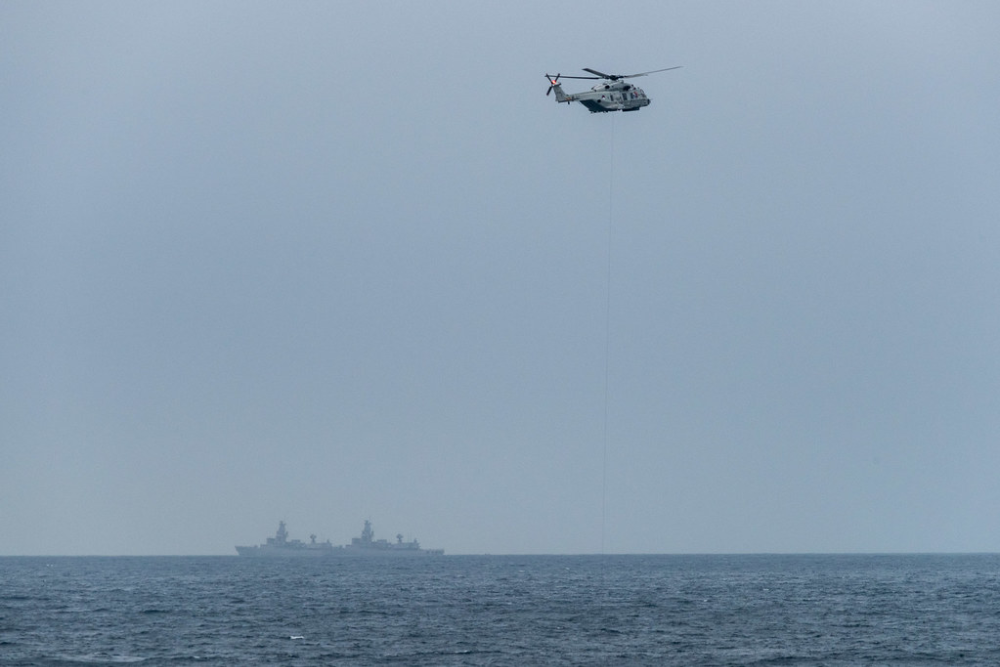
NATO conducted a realistic war game in 1983 that simulated the escalation from conventional conflict to nuclear war, complete with authentic procedures and communication protocols. Soviet intelligence was so convinced that this exercise was cover for an actual first strike that they placed their nuclear forces on high alert and prepared for immediate retaliation.
The exercise brought the superpowers closer to accidental nuclear war than anyone realized at the time.
Like Go2Tutors’s content? Follow us on MSN.
Mongoose Operations
The CIA launched over 600 attempts to eliminate Fidel Castro, ranging from poisoned cigars to exploding seashells to mafia hit contracts. The agency partnered with organized crime figures and developed increasingly bizarre assassination methods, including a plan to make Castro’s beard fall out during a television appearance.
None of these attempts succeeded, but they demonstrated the lengths to which intelligence agencies would go to remove unfriendly leaders.
The Farewell Dossier
French intelligence recruited a Soviet engineer who provided detailed information about Moscow’s technology theft operations in the West. The intelligence revealed that the Soviets were systematically stealing American computer technology, software, and military secrets through a network of spies and front companies.
The CIA used this information to feed the Soviets modified technology that would malfunction at critical moments, including software that caused a massive explosion in a Siberian gas pipeline.
Project Azorian Cover-Up
When the CIA’s attempt to raise a Soviet submarine was partially exposed, they created an elaborate disinformation campaign to hide the true extent of their success. The agency spread stories claiming the operation was a complete failure, while actually recovering nuclear warheads, code books, and other intelligence materials.
This cover-up lasted for decades, with the full details only emerging through declassified documents in the 2000s.
Like Go2Tutors’s content? Follow us on MSN.
The Third Man
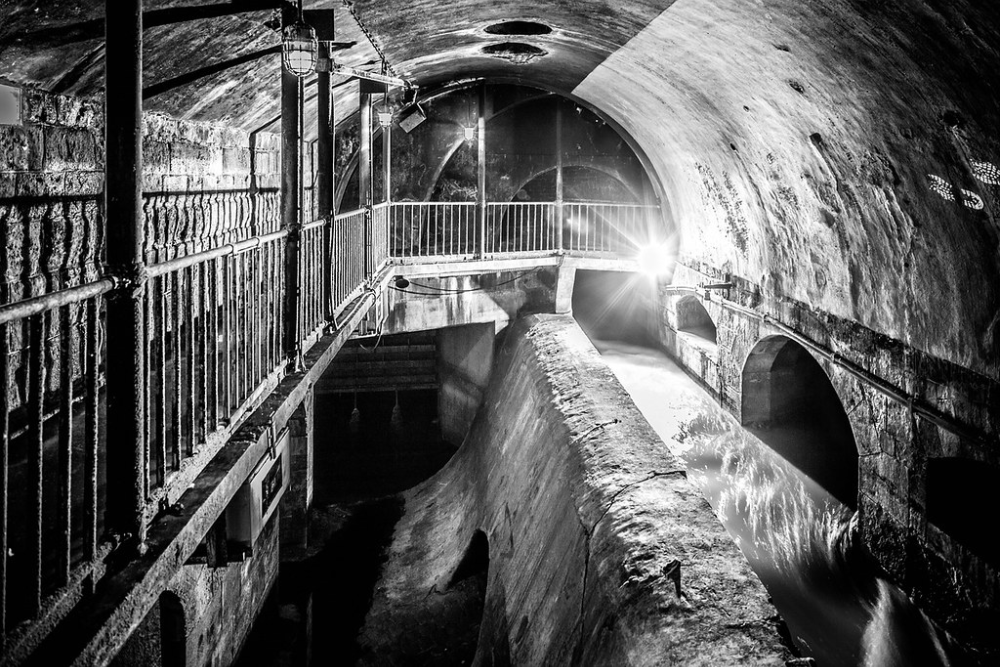
British intelligence operations in postwar Vienna involved a complex web of double agents, black market dealings, and divided loyalties that inspired Graham Greene’s famous novel. The reality was even more intricate than the fiction, with British, American, Soviet, and French intelligence services all operating in the same small city.
These operations laid the groundwork for many Cold War intelligence techniques and revealed how quickly former allies could become adversaries.
When Secrets Become History
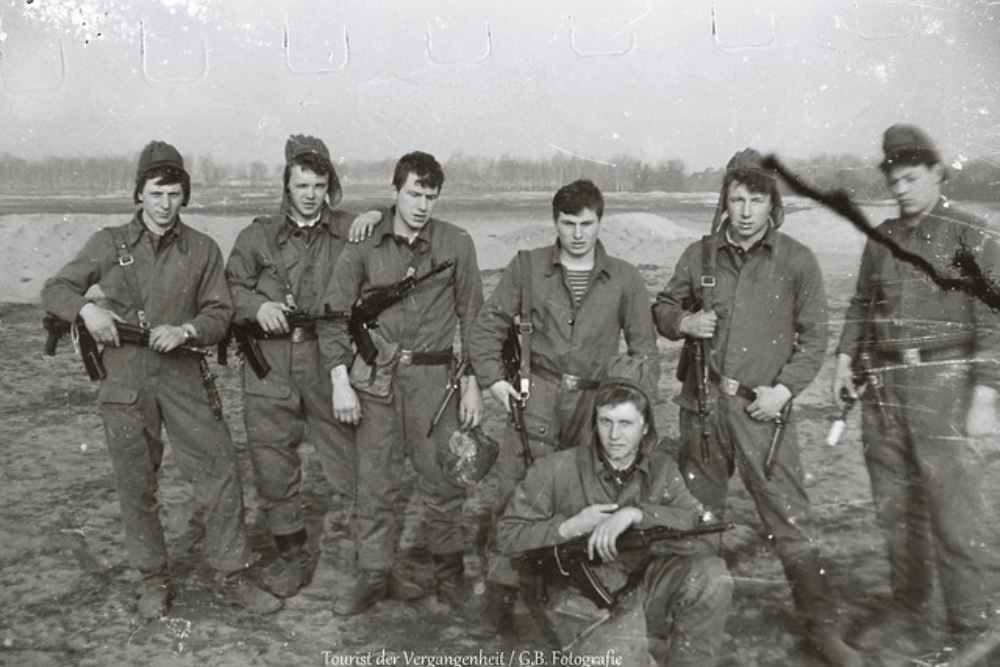
These declassified revelations remind us that the Cold War’s most important stories weren’t always the ones making headlines at the time. The real battles were fought in shadows, through coded messages, and by people whose names we’re only now learning.
What seemed like paranoid fiction during those decades often turned out to be documented fact, while the events that dominated news cycles sometimes masked far more significant operations happening just out of sight. The gradual release of these secrets shows us that history’s most fascinating chapters are often the ones we have to wait decades to read.
More from Go2Tutors!

- 16 Historical Figures Who Were Nothing Like You Think
- 12 Things Sold in the 80s That Are Now Illegal
- 15 VHS Tapes That Could Be Worth Thousands
- 17 Historical “What Ifs” That Would Have Changed Everything
- 18 TV Shows That Vanished Without a Finale
Like Go2Tutors’s content? Follow us on MSN.