Vintage Cars Valued Like Fine Art
Walk into any major auction house today and you might see a Picasso hanging next to a 1962 Ferrari 250 GTO—and the car could easily be worth more.
The classic car market has quietly transformed into one of the most sophisticated luxury asset classes in the world, where provenance matters as much as performance, and authenticity is scrutinized like a Renaissance painting.
Collectors no longer just drive these machines.
They curate them, display them, and trade them with the same reverence once reserved for Impressionist masterpieces or rare manuscripts.
Here’s how vintage automobiles became the unexpected darlings of the investment world.
The Numbers Tell the Story

The classic car market has grown by 185% over the past decade, outpacing most traditional investment categories and trailing only rare whiskey among collectibles.
The market was valued at $39.7 billion in 2024 and is projected to reach $77.8 billion by 2032, reflecting compound annual growth that makes Wall Street analysts take notice.
These aren’t casual hobby purchases anymore.
When a 1955 Mercedes-Benz 300 SLR Uhlenhaut Coupe sold for $142.3 million in 2022, it became one of the most expensive objects ever sold privately, surpassing countless paintings and sculptures.
Ferrari 250 GTOs routinely command prices above $70 million, putting them in the same financial stratosphere as works by Monet or Van Gogh.
The sheer scale of these transactions has forced the financial world to recognize classic cars as legitimate stores of wealth rather than expensive toys.
Why Rarity Drives Value
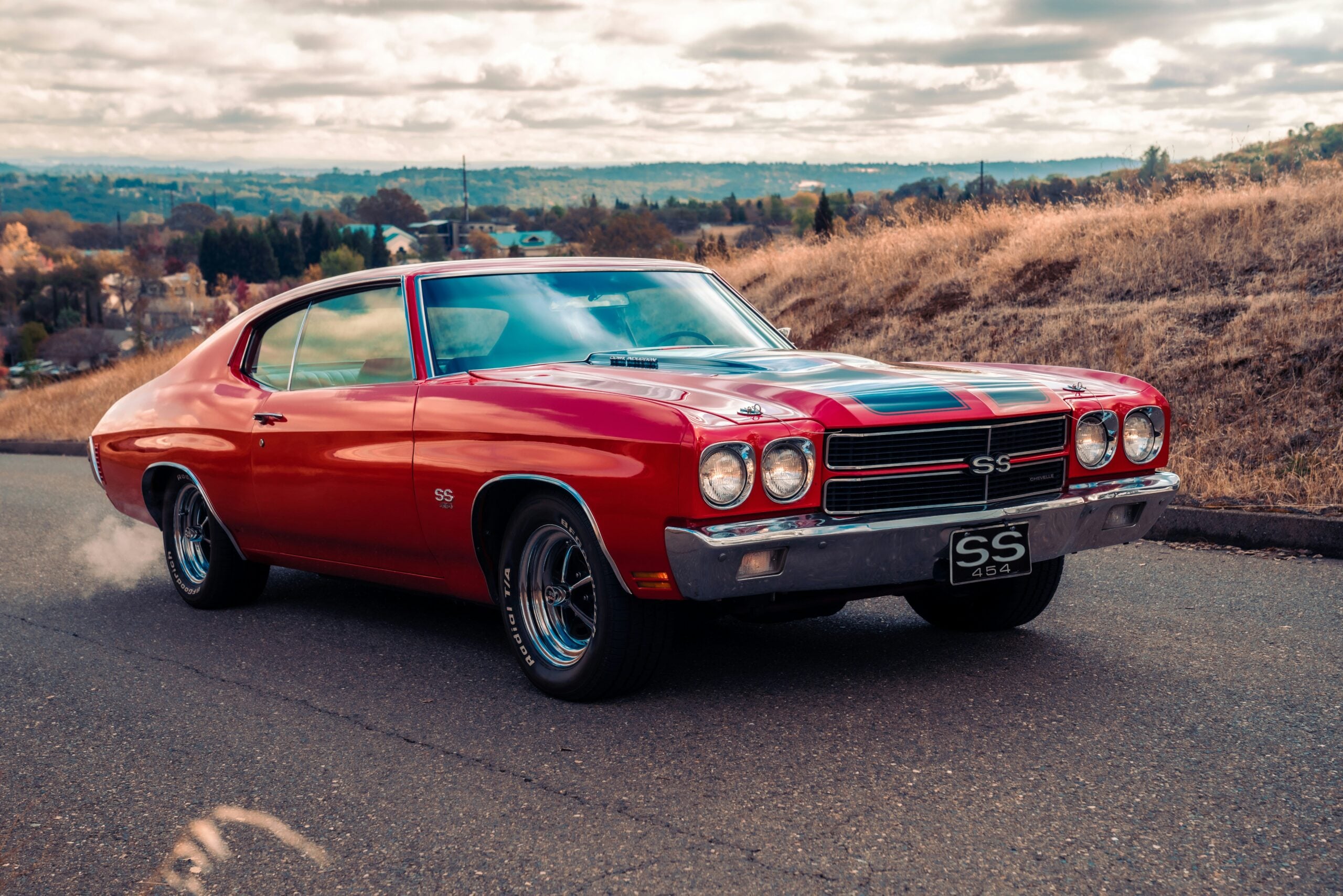
The fundamental economics of the classic car market mirror the fine art world in nearly every way.
Production numbers were finite, and time has only made these vehicles scarcer.
Ferrari built just 36 examples of the 250 GTO between 1962 and 1964, and attrition from crashes and neglect means even fewer survive today.
That scarcity creates a bidding war among ultra-wealthy collectors who view ownership as entry into an exclusive club.
Unlike modern supercars produced by the hundreds, these vintage machines can never be replicated with original components and factory authentication.
The rarity isn’t artificial or manufactured—it’s a historical fact.
When Aston Martin built the DB5 in the 1960s, nobody imagined they’d one day sell for millions.
Now, those same cars represent a closed set of artifacts from a vanished era of automotive design and engineering, much like Old Master paintings from artists who’ve been dead for centuries.
Provenance and Storytelling

Ask any serious car collector what drives value, and provenance tops the list.
A Ferrari with documented racing history at Le Mans or owned by a celebrity like Steve McQueen can sell for double or triple what an identical model without that background would fetch.
This parallels the art world exactly, where a painting’s exhibition history and previous ownership significantly impact its price.
Auction houses now employ full-time researchers who trace the ownership chains of significant automobiles, tracking them through decades of sales, restorations, and modifications.
Cars that spent time in famous collections or competed in historic races come with thick binders of documentation—period photographs, race results, correspondence, and invoices that prove authenticity.
The story becomes inseparable from the object itself.
A 1967 Ford GT40 that raced at Daytona isn’t just a car; it’s a piece of motorsport history with a narrative that collectors want to own and preserve.
Authentication and Expertise
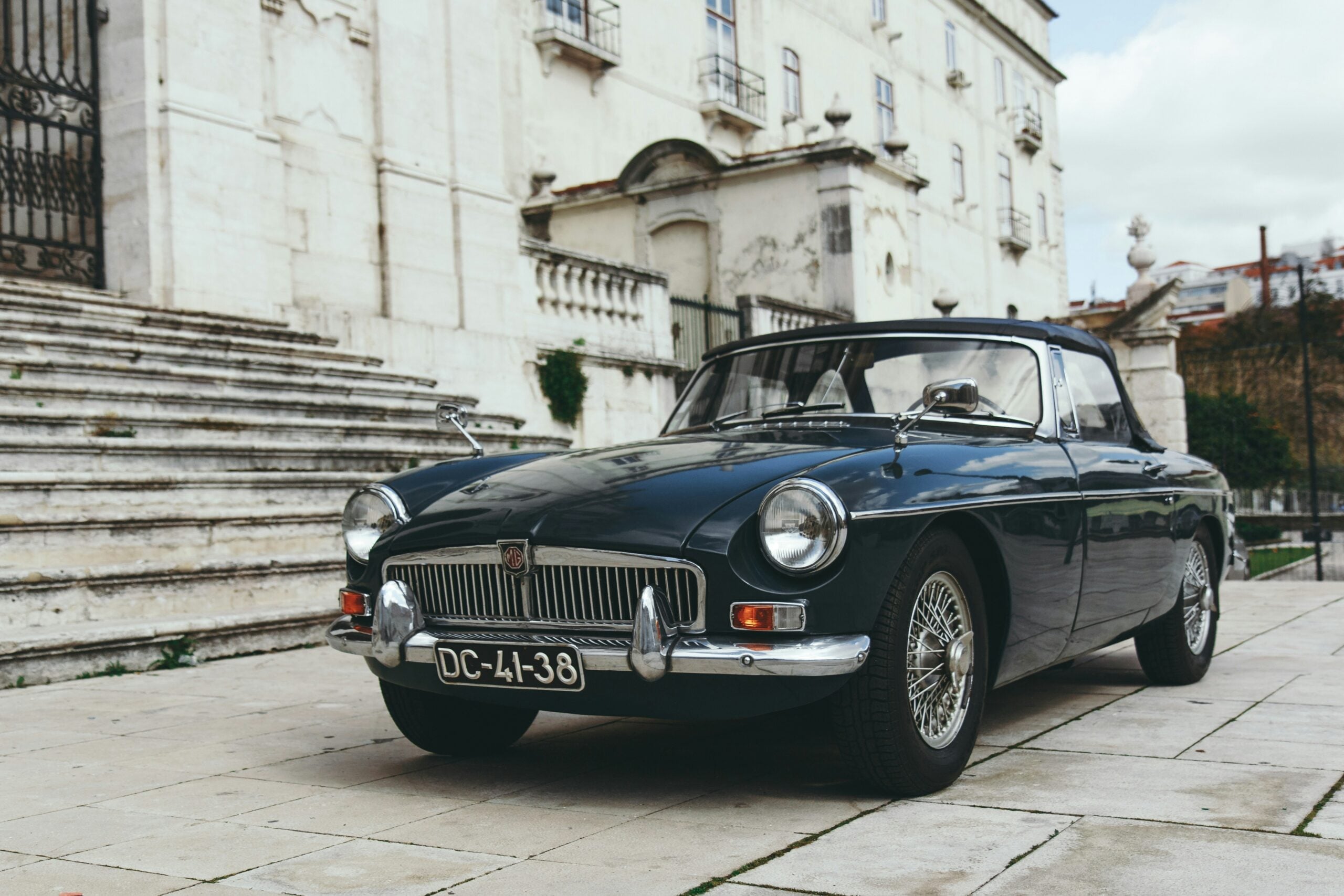
The classic car world has developed its own network of experts, restorers, and authenticators who function much like art historians and conservators.
Matching numbers—when the engine, transmission, and chassis all carry original factory stampings—can add hundreds of thousands to a car’s value.
Specialists spend careers learning to identify correct components, original paint, and period-appropriate modifications.
Ferrari Classiche, the company’s official certification program, has become the automotive equivalent of provenance research from a major museum.
Cars that pass this rigorous authentication process receive official documentation that dramatically enhances their market value.
Counterfeit parts and fraudulent restorations exist just as they do in the art market, making expertise essential.
Buyers now routinely hire independent inspectors to verify a car’s authenticity before committing millions of dollars, understanding that a single incorrect component can crater its value.
The Auction House Phenomenon

Monterey Car Week, held annually in California, has become the automotive equivalent of Art Basel or the Venice Biennale.
Over one week in August, multiple auction houses—RM Sotheby’s, Gooding & Company, Bonhams, and others—stage competitive sales that generate hundreds of millions in transactions.
Wealthy collectors fly in from around the world, bidding on everything from prewar Bugattis to 1990s supercars.
The atmosphere feels more like a gallery opening than a car show, with champagne receptions, catalog presentations, and carefully staged vehicle displays.
Some cars never even run during preview days; they’re presented as static sculptures, appreciated for their lines and historical significance rather than mechanical function.
The auction process itself mirrors fine art sales, with telephone bidders, absentee bids, and dramatic bidding wars that sometimes push prices far beyond pre-sale estimates.
Auction houses take similar commissions—typically around ten to fifteen percent from both buyer and seller—recognizing that they’re facilitating transactions between serious collectors, not just used car sales.
Investment Performance and Risk

Financial advisors have started treating classic cars as alternative investments suitable for portfolio diversification, though with significant caveats.
The best-performing cars have delivered returns that outpace the S&P 500 over the past twenty years, particularly for blue-chip models like certain Ferraris, Porsches, and Mercedes-Benzes.
That said, the market lacks the liquidity of stocks or bonds.
Selling a multimillion-dollar car can take months and requires finding exactly the right buyer at the right moment.
Storage, insurance, and maintenance costs add up quickly, particularly for cars that need climate-controlled facilities and specialized mechanical attention.
Market timing matters enormously—values fluctuate with broader economic conditions, and cars bought at market peaks can take years to recover their purchase price.
Still, for ultra-high-net-worth individuals looking to diversify beyond traditional assets, classic cars offer tangible enjoyment that a stock certificate never will.
Some collectors even participate in historic rallies and exhibitions, extracting experiential value alongside potential financial appreciation.
Fractional Ownership Emerges

Just as fine art has seen the rise of fractional ownership platforms, the classic car market now offers similar opportunities.
Companies like Rally and Classics allow enthusiasts to purchase shares in significant automobiles without needing millions in capital.
A collector might own five percent of a rare Porsche 911, with professional management handling storage, maintenance, and eventual sale.
Returns depend on appreciation when the car eventually sells, with profits distributed proportionally among shareholders.
This democratization of access mirrors trends in art investment, where platforms like Masterworks let everyday investors buy shares in Basquiat paintings or Warhol prints.
The model isn’t without controversy—traditional collectors argue that fractional ownership commodifies machines meant to be driven and enjoyed rather than sliced into investment vehicles.
Even so, it opens the market to a broader audience and provides liquidity in a traditionally illiquid asset class.
Cultural Shifts and Changing Tastes
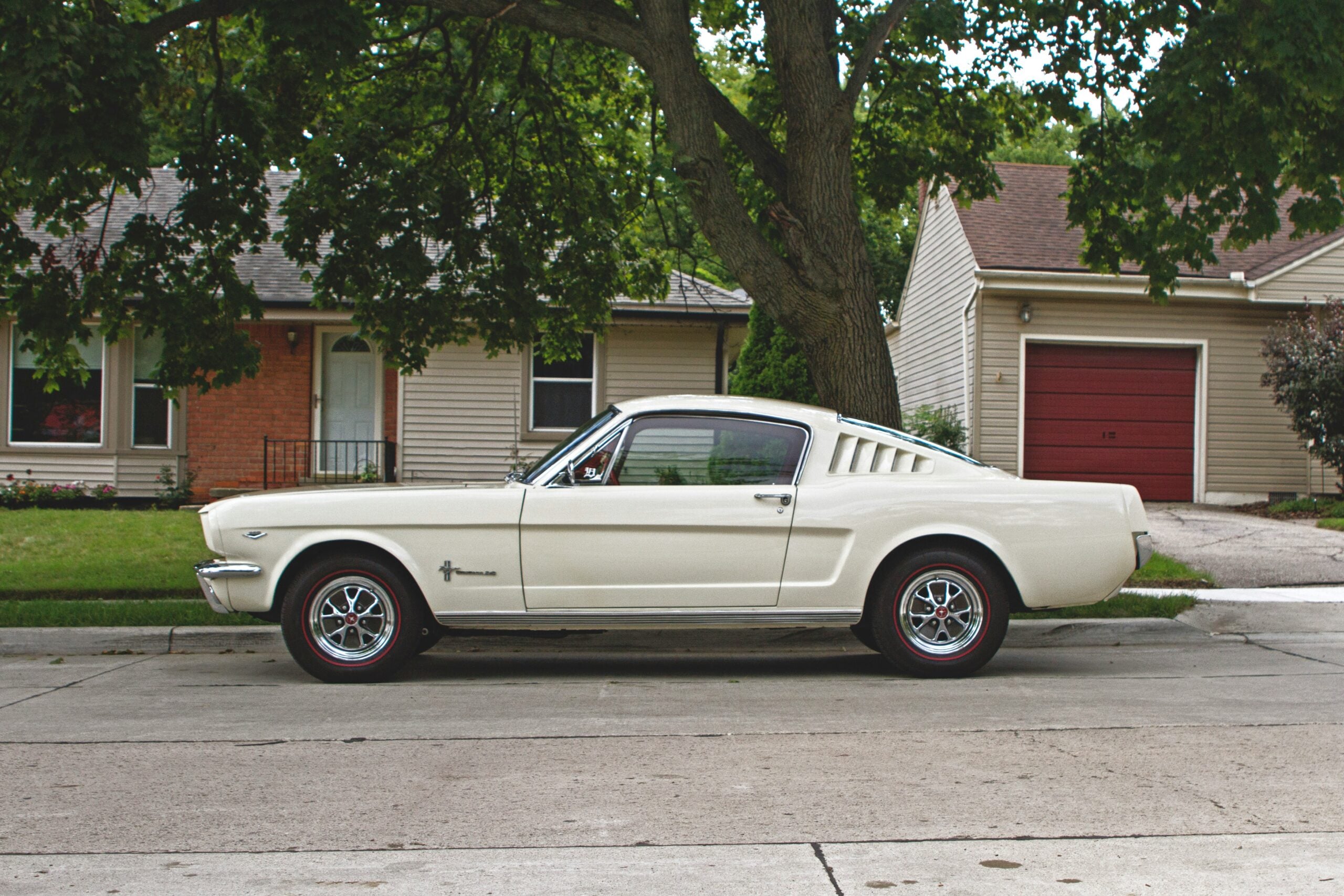
The classic car market is experiencing generational turnover that’s reshaping which vehicles command premium prices.
Baby boomers who drove muscle cars in their youth are aging out of the market, while younger collectors are gravitating toward 1980s and 1990s models they remember from childhood.
Cars like the Ferrari F40, Porsche 959, and even certain Japanese sports cars are appreciating rapidly as new money enters the hobby.
This mirrors patterns in contemporary art, where younger collectors favor different artists and styles than their parents’ generation.
The definition of “classic” continues to evolve, expanding beyond prewar European exotics to include postwar American muscle, 1970s supercars, and even carefully preserved 1990s performance vehicles.
Market watchers predict that electric vehicles and unique hybrid models may eventually join the collector ranks, though that remains speculative.
What’s certain is that the market adapts to new collectors with different values and preferences, ensuring its continued evolution.
The Experience Factor
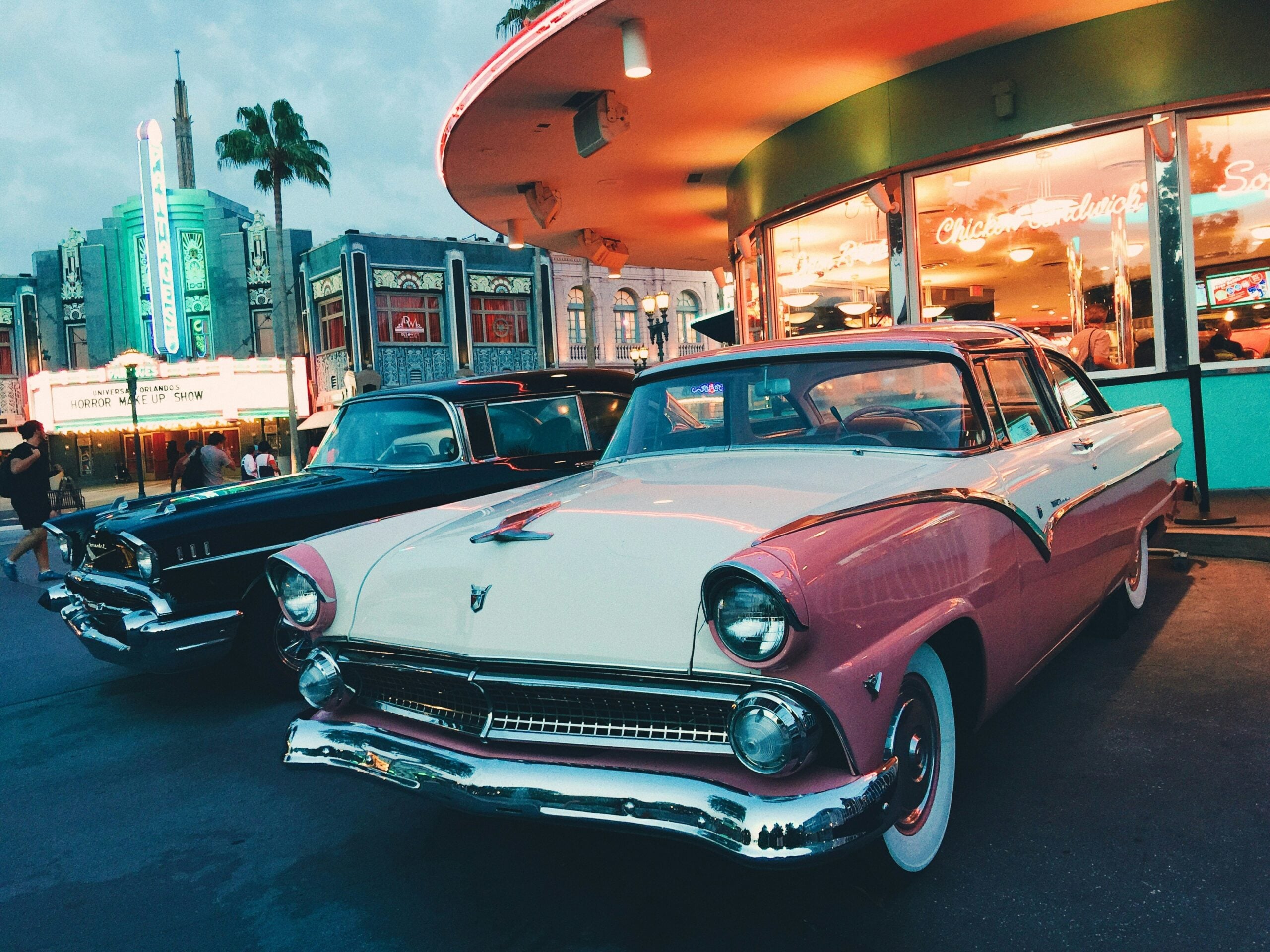
Unlike stocks or bonds, classic cars offer experiential value that justifies their prices beyond pure investment returns.
Owners can drive them at track days, display them at concours events, or simply enjoy them on weekend drives through scenic roads.
This tangibility distinguishes cars from most other alternative investments and explains why some collectors never sell, even when offered substantial profits.
The sensory experience—the sound of a Ferrari V12 at full throttle, the smell of aged leather in a vintage Jaguar cockpit, the mechanical satisfaction of shifting a manual transmission—creates emotional connections that pure financial assets cannot replicate.
Museums like the Petersen Automotive Museum in Los Angeles and the Mullin Automotive Museum present cars as sculptural objects, emphasizing their design and cultural significance.
This institutional recognition further legitimizes cars as art objects worthy of preservation and study, not merely transportation devices or investment vehicles.
Where This Road Leads

The classic car market has matured into a sophisticated ecosystem where passion and profit coexist in complex ways.
Museums now compete with private collectors at auctions, seeking to preserve significant automobiles for public benefit.
Restoration shops have evolved into boutique firms charging hundreds of thousands for concours-quality work that brings cars back to factory specifications.
Young collectors are entering the market with tech wealth, driving prices for models that previous generations overlooked.
As with fine art, the top tier of the market—the Ferraris, Bugattis, and Mercedes that command eight-figure prices—exists in a realm almost completely detached from practical considerations.
More from Go2Tutors!

- The Romanov Crown Jewels and Their Tragic Fate
- 13 Historical Mysteries That Science Still Can’t Solve
- Famous Hoaxes That Fooled the World for Years
- 15 Child Stars with Tragic Adult Lives
- 16 Famous Jewelry Pieces in History
Like Go2Tutors’s content? Follow us on MSN.