18 Corporate Espionage Cases That Shocked Industries
Corporate espionage might sound like something straight out of a spy thriller, but it’s actually a multibillion-dollar reality that affects companies across every industry. From stolen trade secrets to infiltrated boardrooms, these cases reveal just how far some organizations will go to gain a competitive edge.
The world of business intelligence gathering has produced some truly jaw-dropping stories that read like fiction yet cost real companies millions of dollars and years of research. Here are 18 corporate espionage cases that sent shockwaves through their respective industries.
Volkswagen’s GM Infiltration

— Photo by Skorzewiak
Back in 1993, Volkswagen hired Jose Ignacio Lopez — General Motors’ former purchasing chief — along with several of his colleagues. What looked like typical executive poaching turned into one of the automotive industry’s biggest espionage scandals. GM accused Lopez and his team of stealing thousands of confidential documents, including supplier lists, cost data, and future product plans. The case dragged on for years while GM claimed that VW had essentially bought their way into GM’s most sensitive operational secrets. VW eventually settled the lawsuit for $100 million and agreed to purchase $1 billion worth of GM parts, though the damage to both companies’ reputations lingered for years.
Coca-Cola’s Recipe Theft Attempt

Three individuals — including a Coca-Cola executive assistant — attempted to sell the company’s most guarded secrets to rival PepsiCo in 2006. The conspirators offered to hand over confidential documents and samples of new products in development for $1.5 million. However, PepsiCo immediately contacted Coca-Cola and the FBI instead of engaging with the would-be sellers. The FBI set up a sting operation, and all three conspirators were arrested and eventually sentenced to prison. This case highlighted how even the most iconic trade secrets remain vulnerable to insider threats.
Airbus vs. Boeing Intelligence War
— Photo by canyalcin
The aerospace giants have been locked in a decades-long intelligence battle that’s involved government agencies from multiple countries. European officials accused the U.S. National Security Agency of intercepting communications to help Boeing win contracts at Airbus’s expense during the 1990s. The allegations suggested that the NSA’s ECHELON surveillance system was being used to gather commercial intelligence on European aircraft deals. While both companies have denied direct involvement in espionage activities, the controversy highlighted how national security apparatus can sometimes blur the lines between state and corporate interests.
DuPont’s Titanium Dioxide Secrets
— Photo by ricochet69
Walter Liew — a consultant and businessman — orchestrated a complex scheme to steal DuPont’s proprietary titanium dioxide technology for Chinese companies. Over several years, Liew recruited former DuPont employees to provide trade secrets worth an estimated $20 million. The stolen technology related to manufacturing processes for titanium dioxide, a white pigment used in paints, plastics, and paper. In 2014, Liew was sentenced to 15 years in prison, and the case demonstrated how foreign competitors were increasingly targeting American chemical companies’ intellectual property.
Apple’s Prototype Theft
— Photo by wolterke
Apple employee Xiaolang Zhang was arrested in 2012 for stealing trade secrets related to the company’s autonomous vehicle project. Zhang had downloaded proprietary information about Apple’s self-driving car technology before attempting to flee to China to work for a competitor. The case revealed that Apple’s secretive car project — known internally as ‘Project Titan’ — had been targeted by industrial espionage efforts. Zhang eventually pleaded guilty and was sentenced to 120 days in jail, though the incident highlighted the challenges tech companies face in protecting their most sensitive research and development projects.
Starwood’s Hotel Secrets

Two former Starwood Hotels executives were accused of stealing confidential information about the company’s luxury hotel development plans to benefit a competing Chinese hotel company in 2009. The executives allegedly took sensitive documents about Starwood’s expansion strategy in China — including financial projections and market analysis. The case involved complex international legal proceedings and highlighted how the hospitality industry’s expansion into emerging markets created new opportunities for corporate espionage. Starwood eventually reached a settlement with the defendants, yet the case cost the company millions in legal fees and damaged business relationships.
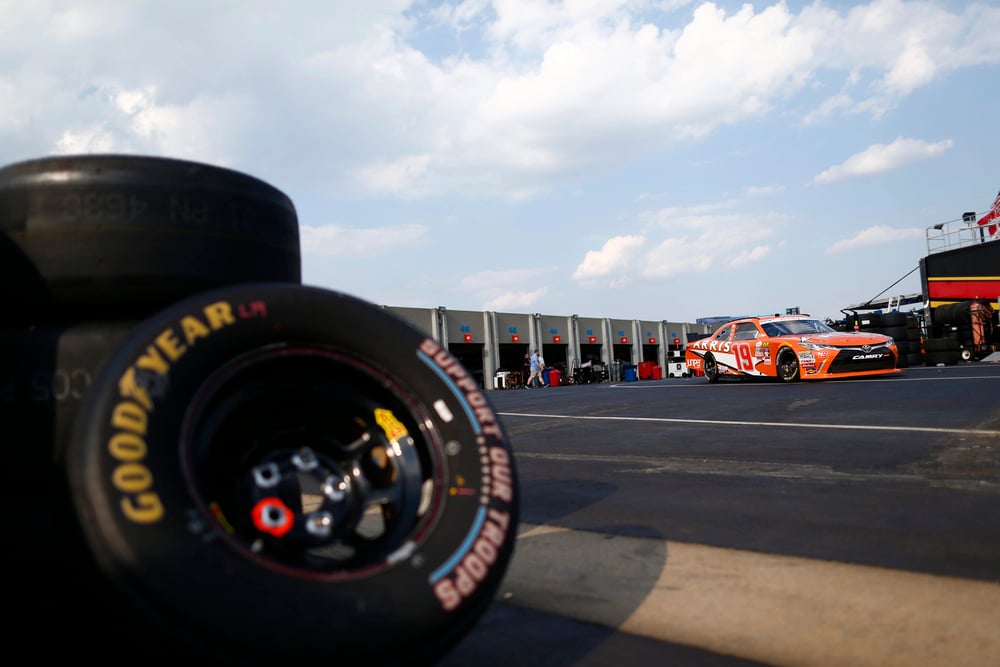
Goodyear’s Tire Technology Heist
— Photo by actionsports
A former Goodyear Tire & Rubber Company engineer was sentenced to prison in 2007 for stealing trade secrets related to tire manufacturing technology. The engineer — who’d worked for Goodyear for over 20 years — copied confidential documents and attempted to sell them to foreign competitors. The stolen information included details about Goodyear’s proprietary tire compounds and manufacturing processes that had taken decades to develop. The case demonstrated how even seemingly mundane industrial processes could be worth millions of dollars to competitors while highlighting the vulnerability of companies to insider threats.
Motorola’s Mobile Secrets

— Photo by rafapress
Motorola accused several former employees of stealing trade secrets related to mobile phone technology before joining Chinese competitor Huawei in 2012. The case involved allegations that the employees had downloaded thousands of confidential documents — including technical specifications and product development plans. Motorola claimed that the stolen information was worth hundreds of millions of dollars and gave Huawei an unfair advantage in developing competing products. The legal battle continued for years and contributed to broader concerns about Chinese companies’ acquisition of American technology through industrial espionage.
Gillette’s Razor Edge Secrets
— Photo by esthermm
Procter & Gamble’s Gillette division became the target of a sophisticated espionage operation in 2006 when competitors attempted to steal information about the company’s razor blade manufacturing processes. The case involved foreign intelligence services allegedly targeting Gillette’s research and development facilities to obtain details about new blade technologies and manufacturing techniques. While the full extent of the espionage was never publicly disclosed, the incident prompted Gillette to significantly upgrade its security measures — highlighting how even consumer product companies could become targets of state-sponsored industrial espionage.
Tesla’s Autopilot Betrayal
— Photo by ifeelstock
Tesla filed a lawsuit against former employee Guangzhi Cao in 2019 — accusing him of stealing trade secrets related to the company’s Autopilot technology. Cao allegedly uploaded confidential source code to his personal cloud storage account before leaving to join Chinese competitor Xpeng Motors. The case highlighted the intense competition in the autonomous vehicle industry and the lengths to which companies would go to acquire advanced technology. Tesla’s lawsuit sought to prevent Cao from working on similar projects while demonstrating how electric vehicle manufacturers were becoming prime targets for industrial espionage.
Uber’s Waymo Heist

— Photo by CristiCroitoru
One of the most publicized tech espionage cases involved Anthony Levandowski, a former Google engineer who allegedly stole trade secrets related to self-driving car technology before joining Uber. Waymo, Google’s autonomous vehicle unit, accused Levandowski of downloading thousands of confidential files before leaving the company. The case revealed that Uber had acquired Levandowski’s startup, which allegedly used the stolen technology to accelerate its own self-driving car development. The legal battle resulted in a $245 million settlement and Levandowski’s eventual criminal conviction, highlighting the high stakes in the autonomous vehicle industry.
Monsanto’s Seed Secrets

Agricultural giant Monsanto became the target of a complex espionage operation involving the theft of genetically modified seed technology. Chinese nationals were accused of stealing corn seed varieties from Monsanto test fields in Iowa and other states in 2013. The stolen seeds contained proprietary genetic modifications that had taken years and millions of dollars to develop. The case highlighted the increasing value of agricultural biotechnology while showcasing the challenges of protecting intellectual property in an industry where products are literally grown in open fields.
IBM’s Mainframe Mysteries
— Photo by josekube
IBM accused several former employees of stealing trade secrets related to mainframe computer technology before joining competitors in 2010. The case involved allegations that the employees had taken confidential technical documentation and source code for IBM’s System z mainframe systems. IBM claimed that the stolen information was worth hundreds of millions of dollars and gave competitors unfair access to proprietary technology that had taken decades to develop. The legal battles that followed demonstrated the ongoing value of legacy computer systems, though they also highlighted the challenges of protecting intellectual property in the technology industry.
Ford’s Hybrid Secrets
— Photo by kozzi2
Ford Motor Company discovered in 2019 that a former employee had stolen trade secrets related to hybrid and electric vehicle technology before joining a Chinese competitor. The employee had downloaded confidential documents about Ford’s electrification strategy and battery technology development. The case highlighted the automotive industry’s transition to electric vehicles while emphasizing the increasing value of related intellectual property. Ford’s investigation revealed that the theft was part of a broader pattern of Chinese companies targeting American automotive technology, leading to increased security measures across the industry.
Yahoo’s Email Espionage

— Photo by wolterke
It was revealed in 2017 that Yahoo had been the target of a massive espionage operation that compromised billions of user accounts and corporate secrets. The attack, allegedly conducted by foreign intelligence services, gave hackers access to Yahoo’s internal systems and confidential business information. The breach not only exposed user data yet also revealed sensitive details about Yahoo’s business operations, merger discussions, and strategic plans. The espionage operation ultimately contributed to Yahoo’s decline and affected its acquisition by Verizon, demonstrating how cyber espionage could destroy company value.
Micron’s Memory Theft
— Photo by MichaelVi
Semiconductor company Micron Technology accused Chinese firm Fujian Jinhua of stealing trade secrets related to memory chip manufacturing. The case involved allegations that former Micron employees had taken confidential information about dynamic random-access memory technology to help Jinhua develop competing products. Micron claimed that the stolen technology was worth billions of dollars and represented years of research and development. The legal battle involved multiple countries though it highlighted the strategic importance of semiconductor technology in the global economy.
Toshiba’s Nuclear Secrets
— Photo by HJBC
Japanese conglomerate Toshiba became the victim of a sophisticated espionage operation targeting its nuclear technology business. Foreign intelligence services allegedly infiltrated Toshiba’s systems to steal confidential information about nuclear reactor designs and manufacturing processes. The case revealed how state-sponsored espionage operations were targeting critical infrastructure technologies, raising concerns about the security of nuclear technology. Toshiba’s experience led to increased security measures across the nuclear industry while highlighting the dual-use nature of many industrial technologies.
Siemens’ Industrial Infiltration

— Photo by servickuz
German industrial giant Siemens discovered that competitors had infiltrated its research and development operations to steal trade secrets related to industrial automation technology. The espionage operation involved the theft of confidential documents about Siemens’ programmable logic controllers and industrial software systems. The stolen information was allegedly used to develop competing products and gave rivals unfair access to technology that had taken years to develop. The case demonstrated how industrial espionage was targeting the backbone technologies of modern manufacturing, highlighting the challenges of protecting intellectual property in an increasingly connected world.
The New Reality of Corporate Warfare

These cases reveal that corporate espionage has evolved from Cold War-era industrial spying into a sophisticated, global phenomenon that threatens companies across every sector. The digital age has made it easier than ever for competitors, foreign governments, and criminal organizations to access valuable trade secrets, while the increasing value of intellectual property has made such theft incredibly lucrative. As companies continue to invest billions in research and development, the stakes for protecting these innovations have never been higher, making corporate espionage one of the most pressing security challenges of the modern business world.
More from Go2Tutors!

- 16 Historical Figures Who Were Nothing Like You Think
- 12 Things Sold in the 80s That Are Now Illegal
- 15 VHS Tapes That Could Be Worth Thousands
- 17 Historical “What Ifs” That Would Have Changed Everything
- 18 TV Shows That Vanished Without a Finale
Like Go2Tutors’s content? Follow us on MSN.