Places Still Offline in the Digital Age
You probably take internet access for granted. Check your email, stream a show, order food, find directions.
These actions feel as natural as turning on a light switch. But for 2.6 billion people across the globe, the digital world remains out of reach.
They live in places where connectivity is either impossible, unaffordable, or deliberately blocked.
North Korea: The Hermit Network
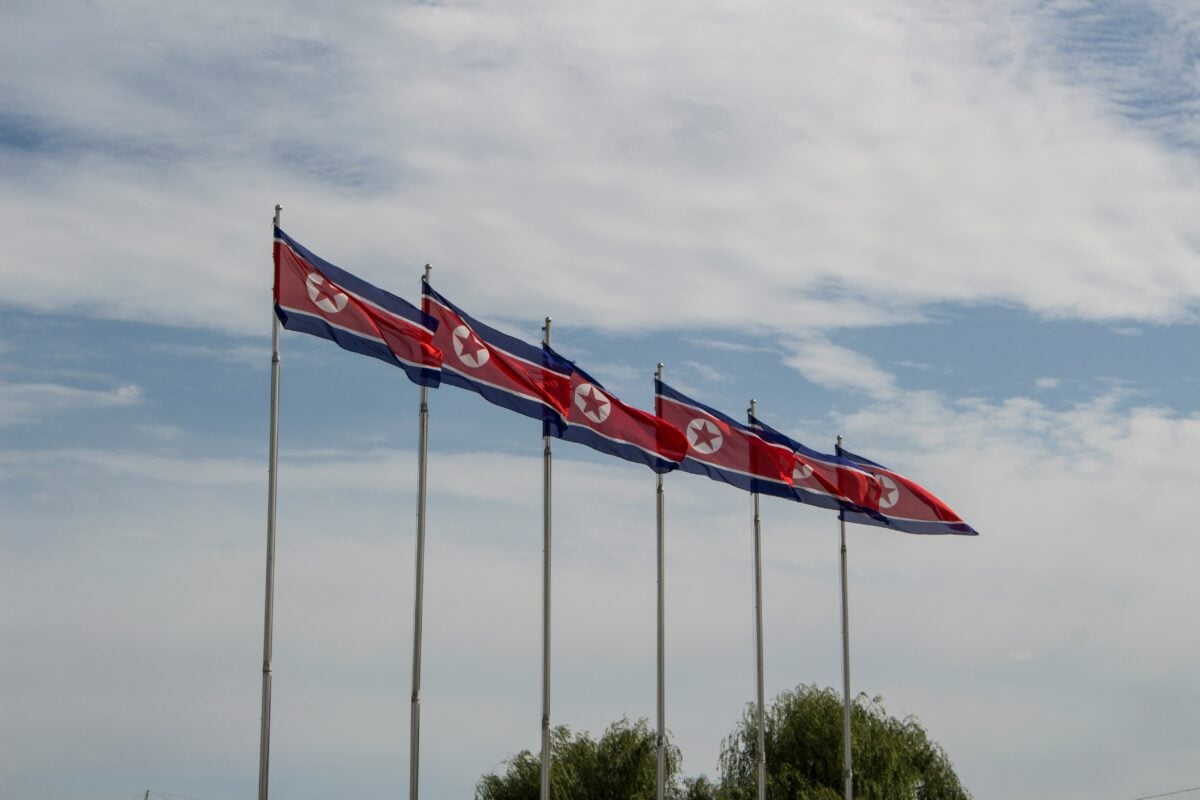
North Korea operates the most extreme internet restriction system on Earth. Citizens cannot access the global internet at all.
Only government officials, researchers, and a select group of elite students get monitored access to the outside web. Everyone else uses Kwangmyong, a closed intranet hosting government-approved content.
The regime views the open internet as an existential threat. Exposure to outside information could undermine state ideology and control.
Citizens who attempt to bypass these restrictions face imprisonment. The system works so effectively that North Korea’s internet penetration rate sits at nearly zero percent.
This isolation goes beyond simple censorship. The country built an entirely separate digital infrastructure disconnected from global networks.
Kwangmyong contains a small collection of websites, all created and monitored by the state. News, entertainment, and educational content all filter through government approval before reaching citizens.
Eritrea: Africa’s Digital Desert
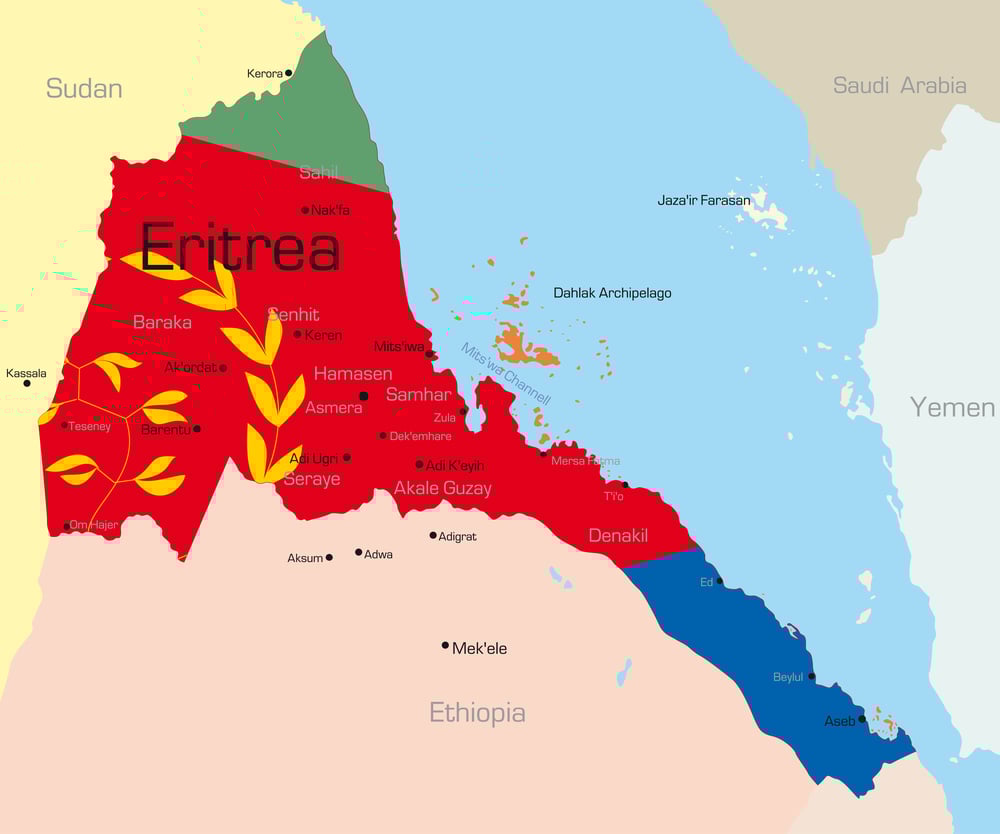
Eritrea stands as one of the few countries that remain almost completely offline in 2025. The government maintains tight control over telecommunications, and internet access stays limited to a tiny fraction of the population.
Most Eritreans have never touched a computer or sent an email. The country’s isolation stems from political decisions rather than infrastructure challenges alone.
The government views internet freedom as a potential threat to its authoritarian control. Only one internet service provider operates in the entire country, and the state owns it completely.
Those few Eritreans who do get online face heavy surveillance and slow speeds. The cost of connection exceeds what most families can afford.
This keeps the population disconnected from global information, job opportunities, and educational resources that others access daily.
Sub-Saharan Africa: The Connectivity Gap
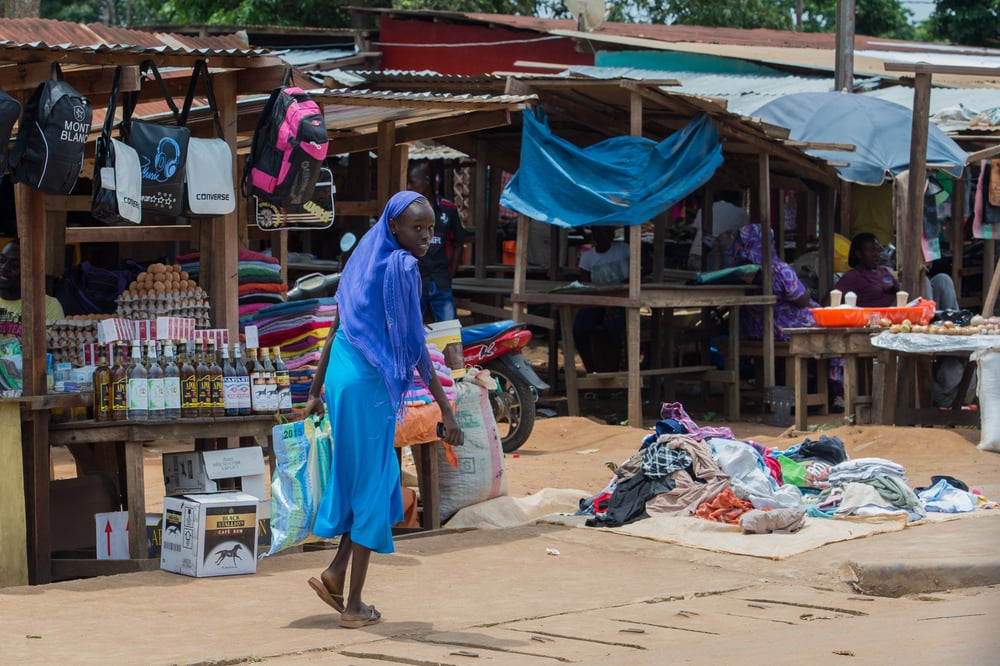
Sub-Saharan Africa hosts the lowest internet penetration rates globally. Countries like Burundi and Chad keep more than 86 percent of their populations offline.
The Central African Republic, South Sudan, Somalia, and Guinea-Bissau report similarly dismal numbers. Infrastructure remains the primary barrier.
Many regions lack basic electricity, making internet access a secondary concern. Civil wars and insurgencies destroy cables and disrupt mobile networks.
Governments impose high taxes on telecommunications services, driving prices beyond reach for average citizens. Only 29 percent of people in sub-Saharan Africa connect to the mobile internet.
This figure reveals how far the region lags behind global averages. Even where coverage exists, affordability keeps people offline.
A single gigabyte of data can cost more than a day’s wages in some areas.
Rural America: Forgotten Territory
Nearly 8 million American households remain offline despite living in one of the world’s wealthiest nations. The digital divide in America splits along rural and urban lines.
Approximately 12 percent of rural residents lack internet access compared to 5 percent in cities. Telecommunications companies avoid rural areas because the profit margins look unattractive.
Installing fiber optic cables across sparsely populated regions costs more than companies earn from the small customer base. This leaves rural communities relying on satellite internet or nothing at all.
The homework gap affects millions of American children. Students without home internet struggle to complete assignments that assume constant connectivity.
Libraries and cafes once provided backup access, but those options disappeared during pandemic lockdowns and never fully returned for everyone.
Appalachian Communities: Mountain Isolation

Appalachian regions in states like West Virginia, Kentucky, and rural Pennsylvania face particularly severe connectivity challenges. The mountainous terrain makes infrastructure installation expensive and complicated.
Companies must run cables across difficult topography for relatively few customers. Many Appalachian families earn incomes that put internet costs out of reach even where service exists.
Nearly 20 percent of West Virginia residents lack broadband access. The combination of poverty and geographic isolation creates a double barrier to connectivity.
This digital exclusion limits economic opportunities. Remote work jobs that flourished during the pandemic remain inaccessible to Appalachian workers without reliable internet.
Students fall behind peers in better-connected regions. Healthcare telemedicine services that could help isolated communities cannot function without connectivity.
Indigenous Territories: Overlooked Communities

Indigenous populations worldwide face disproportionate digital exclusion. Remote reservations in North America, Aboriginal communities in Australia, and indigenous territories throughout Latin America lack adequate internet infrastructure.
Native American reservations in the United States have internet access rates far below the national average. Some reservations have penetration rates as low as 30 percent.
The combination of poverty, geographic isolation, and government neglect creates barriers that persist despite federal promises to expand access. These communities often sit on tribal lands with complex jurisdictional issues that complicate infrastructure development.
Telecommunications companies face additional regulatory hurdles when building on tribal territory. Many simply choose to skip these markets entirely.
Conflict Zones: War on Connectivity
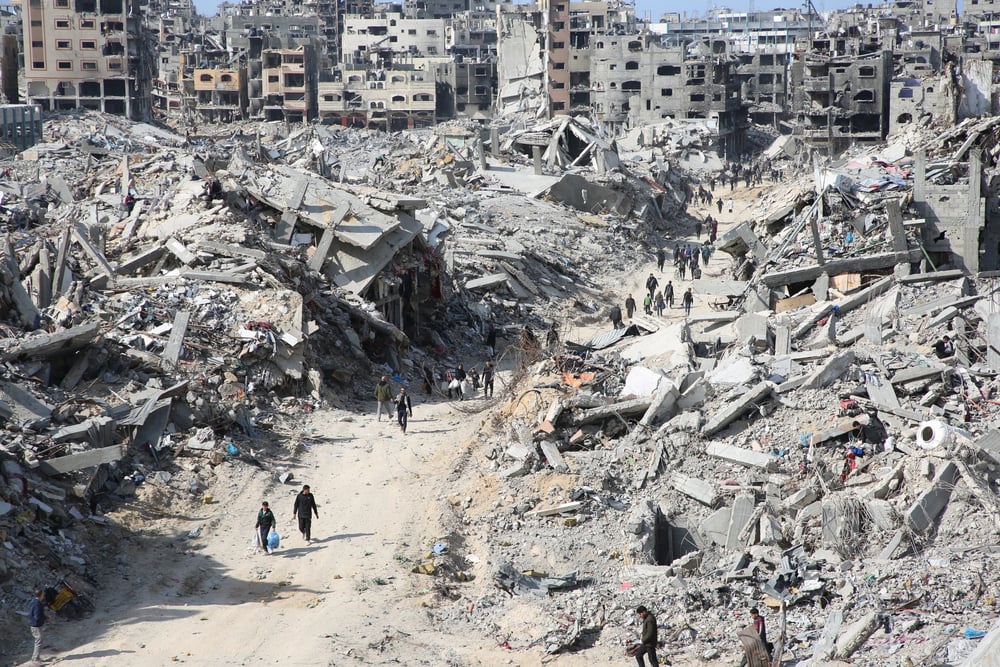
— Photo by thenews2.com
Active war zones create complete communication blackouts. Gaza saw over 70 percent of its telecommunications infrastructure destroyed during recent conflicts.
Residents experience sudden blackouts that cut them off during critical moments. Bombings target communication towers along with other infrastructure.
The Sahel region of Africa faces similar disruptions from insurgencies. Armed groups frequently destroy mobile towers and cut fiber networks to limit government communication and control.
This leaves civilian populations without access to emergency services, news, or contact with distant family members. Sudan, Ethiopia, and the Democratic Republic of Congo all experienced deliberate internet shutdowns during political unrest in recent years.
Governments flip the switch to prevent protest organization and limit information flow. These shutdowns can last days or weeks, affecting millions of people simultaneously.
Island Nations: Ocean Barriers
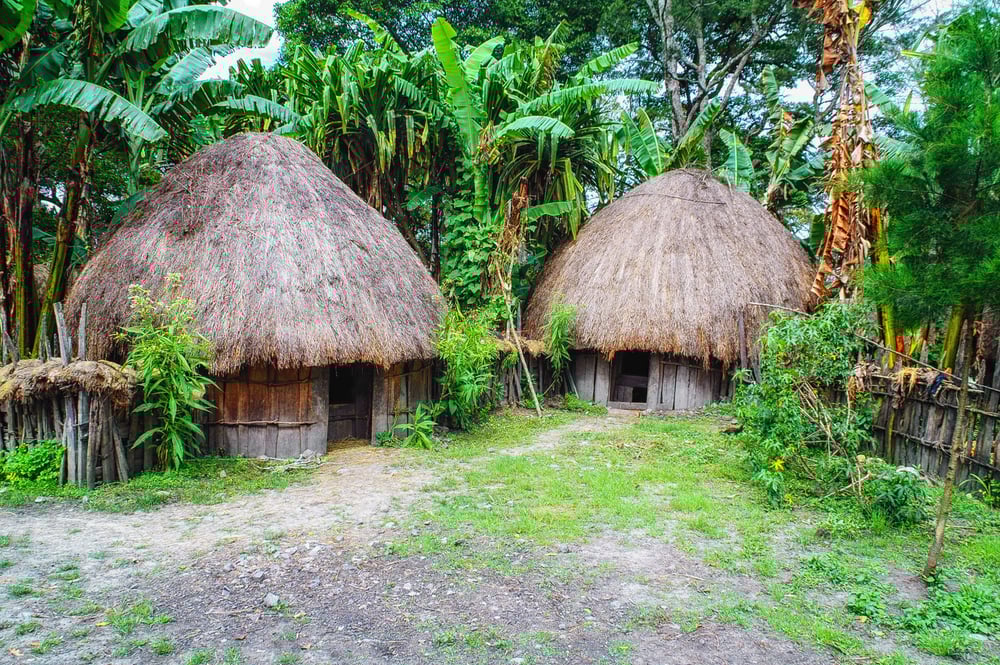
Remote island nations face unique connectivity challenges. Papua New Guinea maintains one of the lowest internet penetration rates globally, with 80 percent of the population living in rural areas with minimal modern infrastructure.
The geographic dispersion across hundreds of islands makes comprehensive coverage nearly impossible. Undersea cables carry most international internet traffic, but installing these cables costs enormous amounts.
Small island nations cannot justify the expense for their limited populations. This leaves them relying on expensive satellite connections that few residents can afford.
Kiribati, Tuvalu, and other Pacific nations struggle with similar issues. Their small populations spread across vast ocean expanses create economic challenges that discourage investment from telecommunications companies.
The few connections that exist often fail during tropical storms.
Turkmenistan: Controlled Access
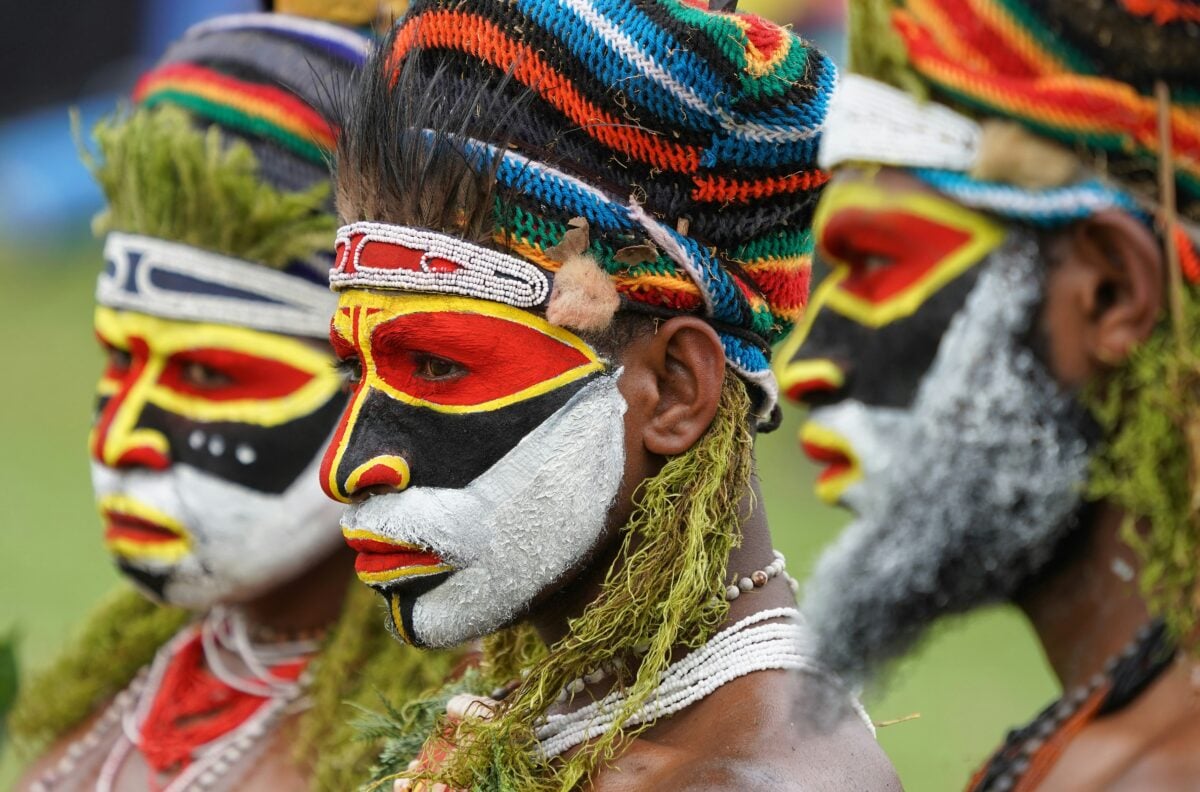
Turkmenistan operates one of the world’s most restrictive internet environments. While not completely offline like North Korea, citizens face heavy censorship and surveillance.
The government monitors all traffic and blocks access to most international websites and social media platforms. Internet speeds in Turkmenistan rank among the slowest globally.
The government deliberately throttles connections to maintain control over information flow. Only a small percentage of the population bothers to maintain internet access given the restrictions and costs.
This creates a situation where technical connectivity exists but practical access remains limited. Citizens with internet connections cannot freely browse or communicate.
The system functions more as a controlled information delivery mechanism than an open network.
Urban Poverty: Disconnected Cities

The digital divide splits urban areas as much as it separates rural from urban regions. Approximately 15 million urban American households lack broadband access.
Poverty creates barriers even where infrastructure exists. Low-income neighborhoods often lack competition among internet providers, keeping prices artificially high.
Families must choose between internet access and other necessities like food or rent. Even when service technically reaches an area, not everyone can afford to connect.
Digital redlining echoes historical housing discrimination. Maps showing modern internet access patterns closely resemble redlining maps from the 1930s.
Neighborhoods marked red decades ago for denying mortgages now show the poorest connectivity and highest costs today.
India: Half Connected
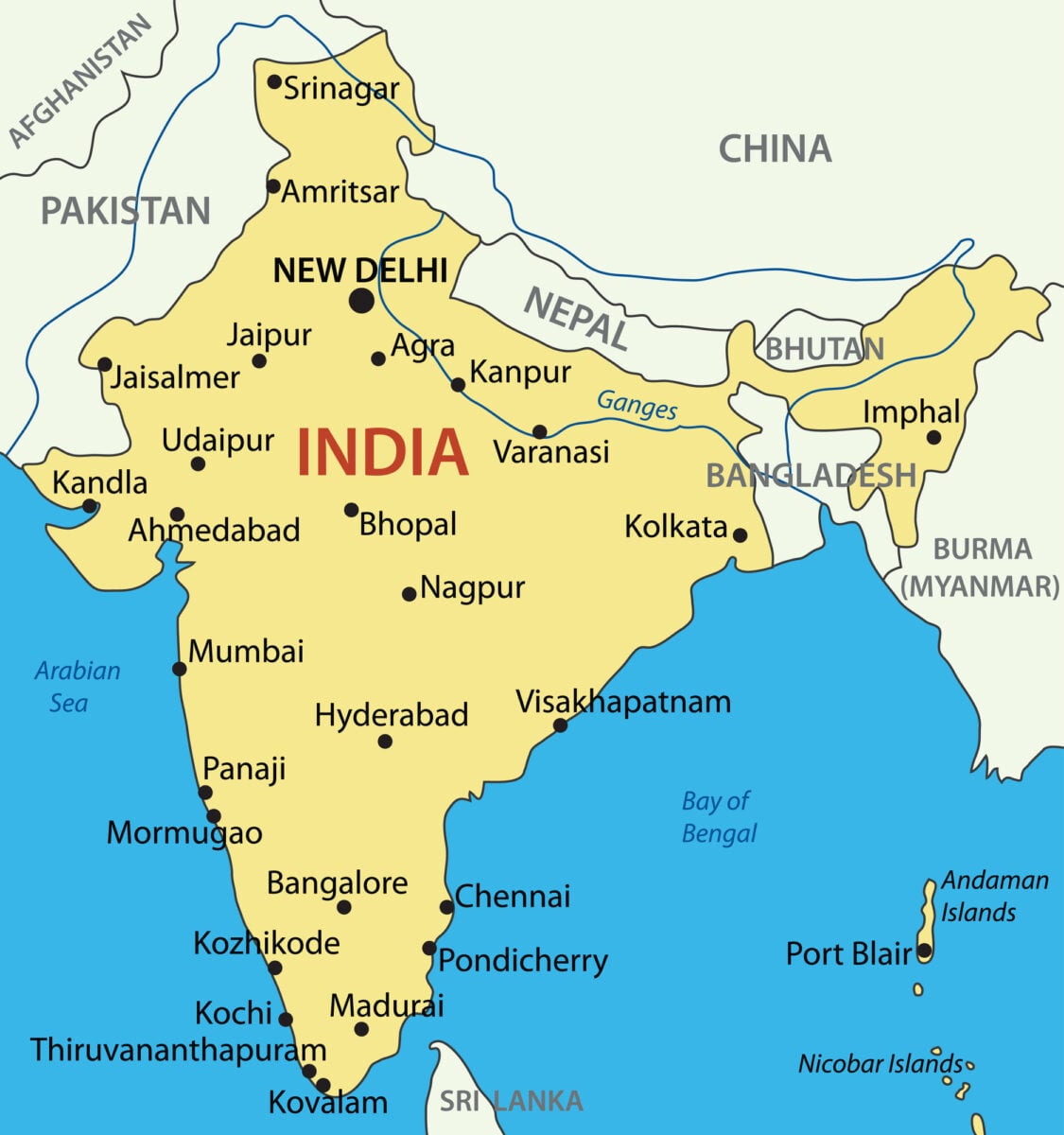
India contains over 680 million offline people, the largest disconnected population globally. Despite having the second largest online market worldwide, half the country still lacks internet access. The divide splits between urban and rural populations, with cities generally well-connected while villages lag far behind.
Affordability remains the primary barrier. Internet costs consume a large percentage of income for poor families. Many rural areas still lack reliable electricity, making internet access impossible regardless of infrastructure.
Women face particular barriers, with literacy and numeracy gaps limiting their ability to use digital devices effectively. The country shows rapid growth in connectivity, with 128 million people coming online in a single recent year.
This massive expansion demonstrates both the scale of the problem and the potential for change. Yet at current rates, bringing everyone online will take decades.
Afghanistan: Education Denied
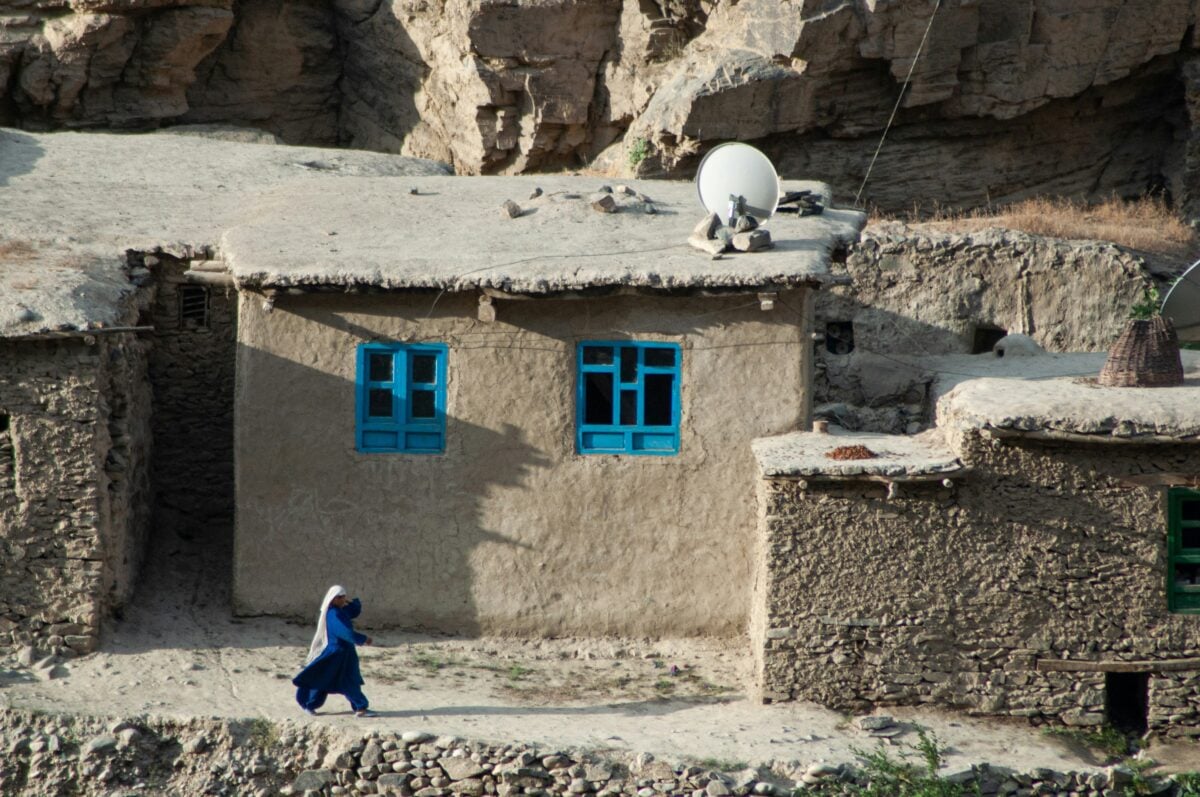
Afghanistan faces compounded connectivity challenges. Limited infrastructure combines with political instability and deliberate restrictions on internet access.
The situation particularly affects education, where students cannot access online learning resources. Women and girls face additional barriers.
Taliban restrictions on female education extend to digital access. Many families cannot afford devices or connections even where service exists.
Libraries and schools that might provide public access often lack resources or face political restrictions. The disconnect affects more than just internet access.
It represents a broader exclusion from modern economic and educational opportunities. Afghan students fall further behind global peers with each passing year of limited connectivity.
Ethiopia: Government Control
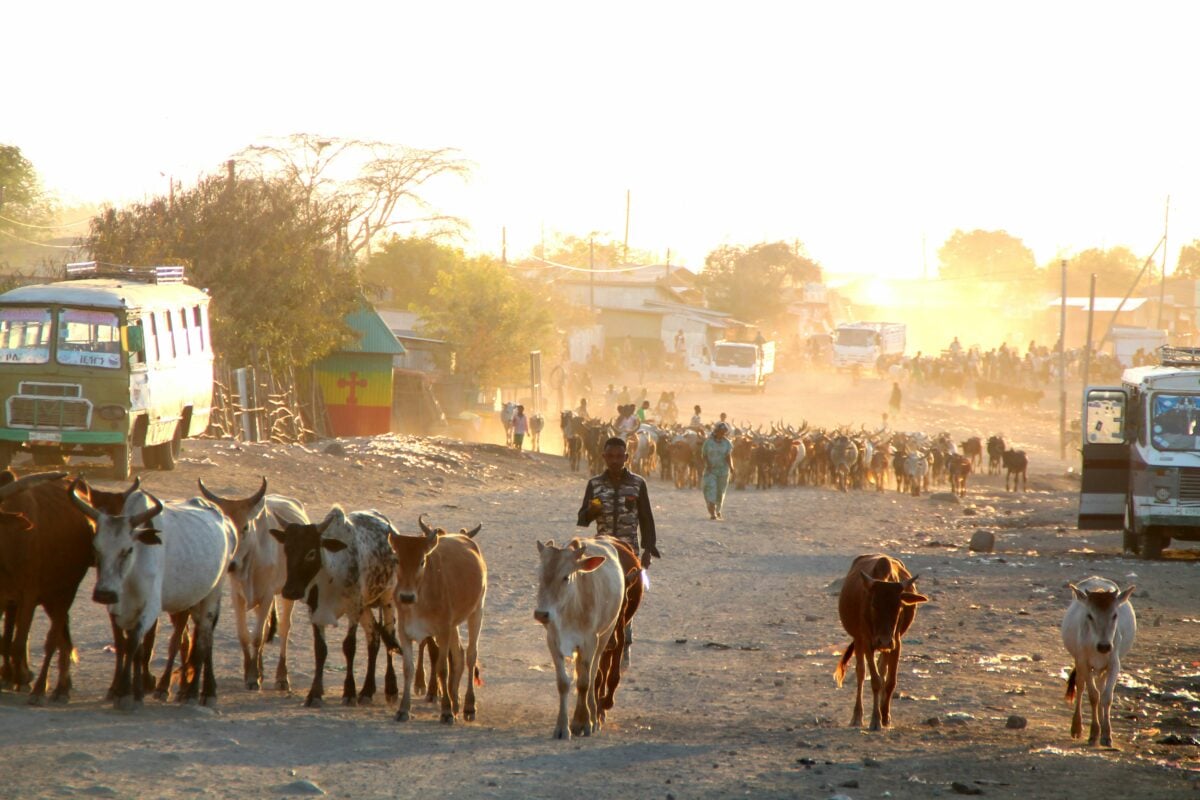
Ethiopia has internet access rates below 10 percent despite being one of Africa’s most populous nations. The government maintains tight control over telecommunications and regularly implements internet shutdowns during political tensions.
State ownership of the telecommunications infrastructure allows for easy censorship and monitoring. Opposition groups struggle to organize or communicate.
Independent media cannot reliably reach audiences. Economic development suffers as businesses cannot operate normally during blackout periods.
When the internet does function, speeds remain slow and costs stay high. Most rural Ethiopians have never been online.
The urban elite enjoys relatively better access, but even they face restrictions and surveillance that limit practical use.
Where Cables Don’t Reach

The physical reality of internet infrastructure creates unavoidable gaps. Fiber optic cables follow profitable routes, connecting cities and wealthy regions while bypassing less lucrative areas.
Satellite internet offers an alternative, but costs remain prohibitive for most offline populations. Mountain ranges, deserts, and dense forests create natural barriers to infrastructure development.
Companies calculate return on investment and often conclude that serving these regions makes no business sense. Government intervention could close these gaps, but many nations lack the resources or political will to subsidize connectivity.
The ocean floor holds thousands of kilometers of undersea cables connecting continents. These cables determine which regions get fast, reliable internet and which get left behind.
Islands and coastal nations without cable landings face permanent disadvantages unless satellite technology becomes affordable and reliable.
When Digital Becomes Essential

Internet access shifted from a luxury to a necessity over the past two decades. Government services moved online.
Employers expect digital literacy. Schools assign homework requiring internet research.
Healthcare providers offer telemedicine options. Banking goes digital.
For the 2.6 billion people still offline, these shifts create impossible barriers. They cannot access government benefits designed to help them. Job applications happen online, locking out those without connections.
Students without home internet fall behind classmates who can research and submit assignments digitally. The pandemic amplified these problems dramatically.
When schools closed, connected students shifted to remote learning. Disconnected students simply lost education.
When offices closed, connected workers shifted home. Disconnected workers lost jobs.
The digital divide became a determinant of who suffered and who adapted.
Between Two Worlds

The offline population concentrates in specific regions and demographics. Sub-Saharan Africa contains the largest share, followed by parts of Asia.
Poverty correlates strongly with disconnection. Rural residents face longer odds than urban dwellers.
Women lag behind men globally. Older adults rarely go online compared to youth.
But the divide also exists in wealthy nations among vulnerable populations. Homeless people rarely maintain internet access.
Elderly Americans on fixed incomes choose between medicine and connectivity. Recent immigrants without digital literacy skills struggle even where infrastructure exists.
These gaps compound existing inequalities. The rich get richer by accessing opportunities online.
The poor fall further behind without those same tools. The digital divide becomes just another mechanism through which advantage reproduces itself across generations.
Signals Across the Silence
Nowhere is change steady or reliable. In one year alone, Congo’s web access jumped 122 percent after building new networks. Each year brings another wave of Indians coming online.
Because mobile data moves quicker than wired setups, areas without cables can still move ahead. Still, huge numbers stay cut off. Not a hint of change in North Korea’s online access.
Eritrea holds tight to its separation. Where fighting rages, broken networks pile up quicker than fixes arrive.
Even where signals reach, high costs block access for countless individuals near mobile coverage. Out here, online life rewires work, study, and school talk.
For folks left out, days unfold as they did thirty years back. No way inside the web-driven marketplace, none of the gadgets taken for granted elsewhere.
What hangs in balance: does this gap shrink by design or stretch forever? It turns on what leaders decide – inclusion for all, or silence accepted as normal for millions unseen.
More from Go2Tutors!

- The Romanov Crown Jewels and Their Tragic Fate
- 13 Historical Mysteries That Science Still Can’t Solve
- Famous Hoaxes That Fooled the World for Years
- 15 Child Stars with Tragic Adult Lives
- 16 Famous Jewelry Pieces in History
Like Go2Tutors’s content? Follow us on MSN.



