17 Viral Trends That Got Quietly Banned
Social media has a funny way of turning the most random things into worldwide phenomena. One day everyone’s doing some harmless-looking challenge, and the next thing you know, schools are sending warning letters home and governments are stepping in. While some trends fade naturally, others get the official boot when they cross the line from silly fun to genuine danger.
The internet moves fast, and so do the bans that follow when things go too far. Here are 17 viral trends that authorities decided needed to disappear from our feeds.
The Tide Pod Challenge

This trend turned laundry detergent into forbidden fruit, with people filming themselves biting into colorful detergent pods. The bright colors and squishy texture made them look almost like candy, but ingesting them caused serious poisoning cases. YouTube and other platforms quickly banned content showing people eating non-food items, while poison control centers saw a spike in calls from teenagers who thought they were being edgy.
Ice Bucket Challenge Copycats
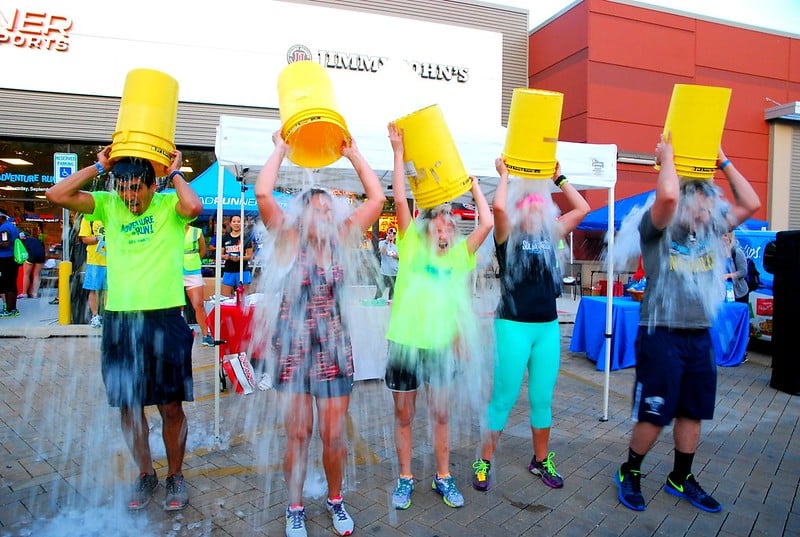
While the original ALS Ice Bucket Challenge was harmless and raised millions for charity, dangerous spin-offs started appearing that involved scalding water, chemicals, or doing the challenge in unsafe locations. Several copycat versions resulted in severe burns and injuries. Social media platforms began removing videos that showed people using anything other than plain ice water, effectively killing the more dangerous variations.
The Blackout Challenge

This disturbing trend involved people deliberately cutting off their oxygen supply to achieve a temporary high or altered state of consciousness. Participants would strangle themselves or have others do it until they passed out, often filming the experience. Multiple deaths, particularly among younger users, prompted platforms like TikTok to aggressively remove this content and ban related hashtags entirely.
Kiki Challenge
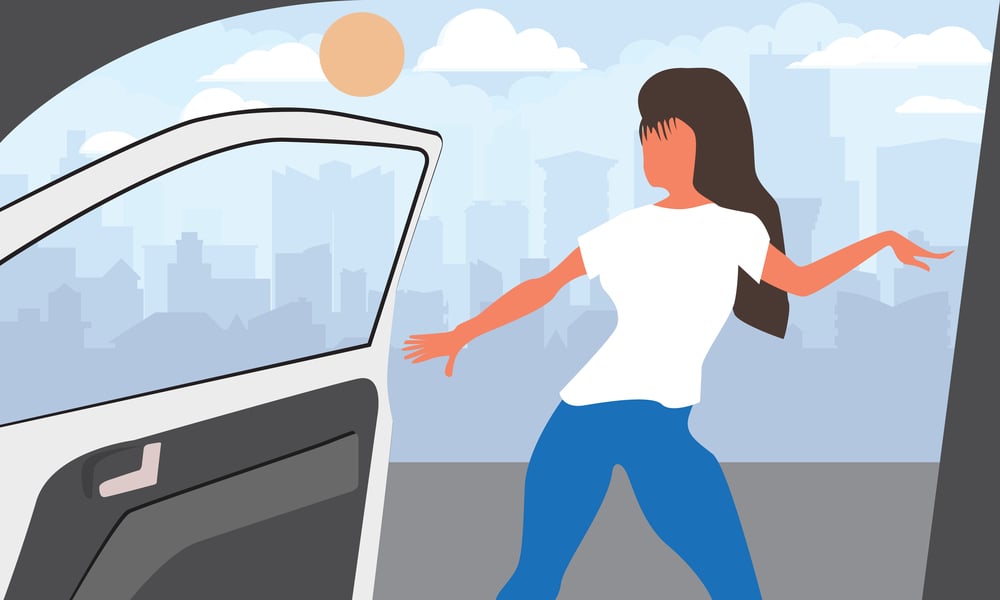
Also known as the ‘In My Feelings’ challenge, this trend had people jumping out of moving cars to dance alongside them to Drake’s hit song. The combination of moving vehicles and distracted dancing led to numerous accidents, with people getting hit by cars or causing traffic incidents. Law enforcement agencies worldwide issued warnings, and social media platforms started removing videos that showed people endangering themselves or others with moving vehicles.
Fire Challenge

Perhaps one of the most obviously dangerous trends, participants would douse themselves in flammable liquid and light themselves on fire, expecting to quickly extinguish the flames. Predictably, this led to severe burns and hospitalizations among teenagers who underestimated how quickly fire spreads. YouTube, Instagram, and other platforms banned any content showing people intentionally setting themselves ablaze, no matter how briefly.
Penny Challenge
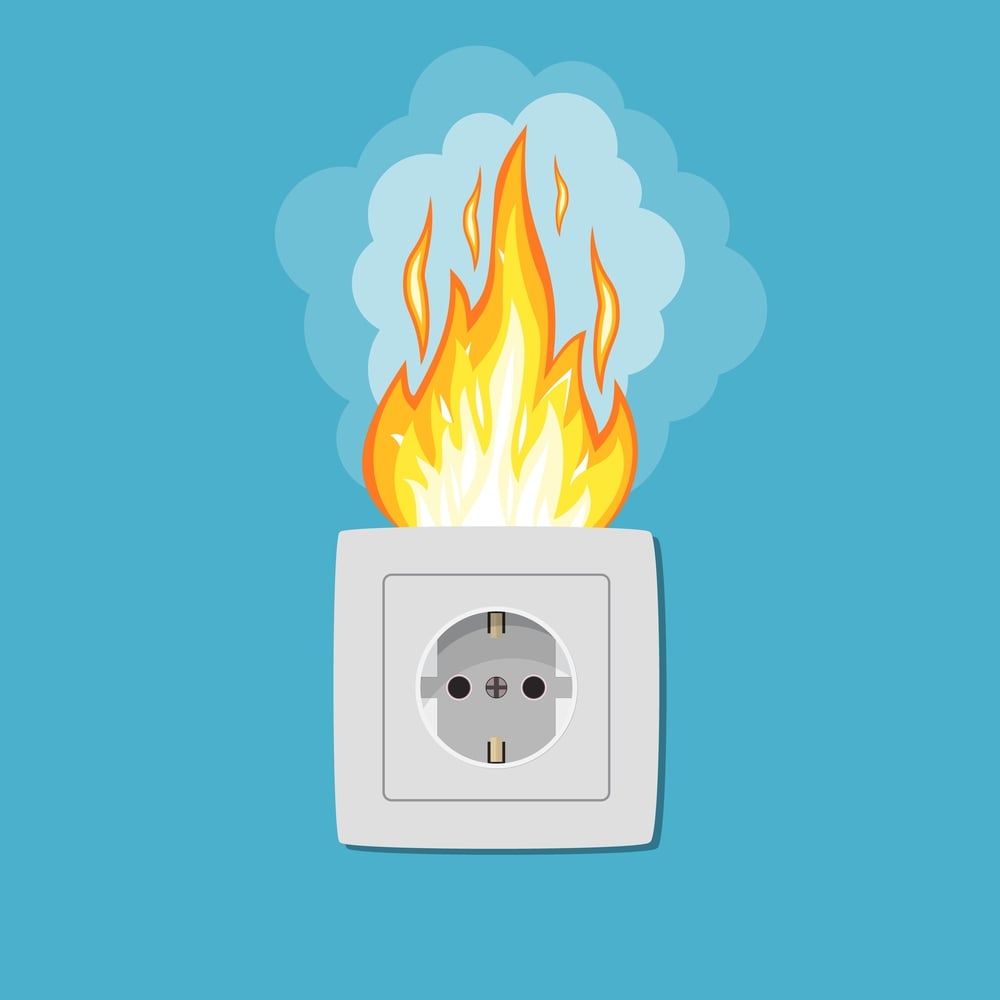
This trend involved sliding a penny down between a partially inserted phone charger and an electrical outlet, creating sparks and potentially starting fires. The dangerous combination of metal, electricity, and curious teenagers led to house fires and electrical damage in schools. Educational institutions banned the practice immediately, while social media platforms removed instructional videos and related content.
Benadryl Challenge
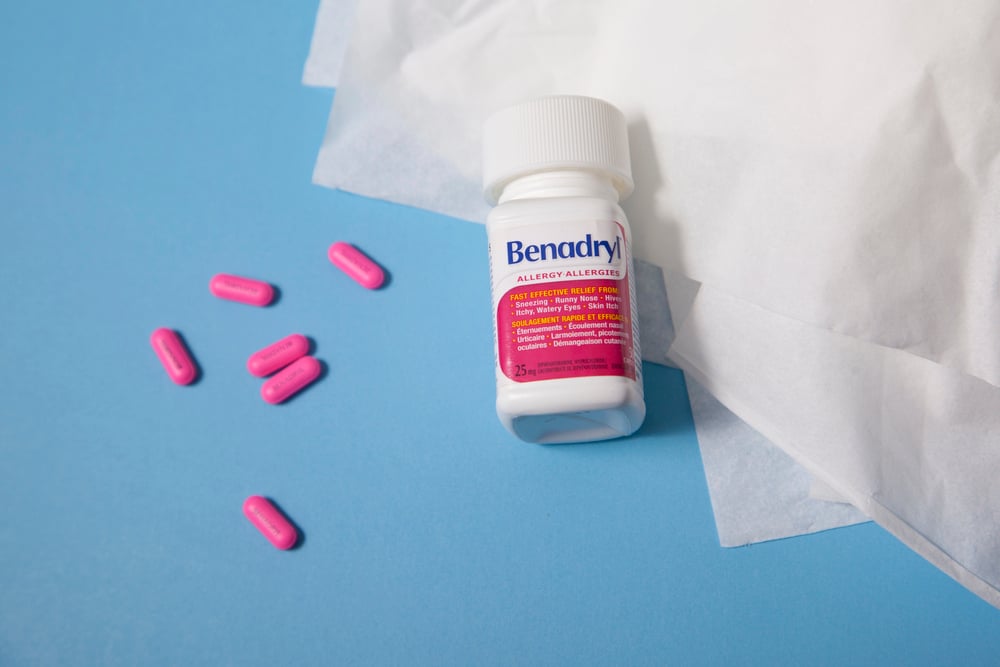
Users took excessive amounts of the antihistamine Benadryl to achieve hallucinations, not realizing the drug can cause seizures, heart problems, and even death in large doses. Several teenagers died attempting this challenge, prompting widespread medical warnings. TikTok and other platforms banned content promoting the misuse of over-the-counter medications, while pharmacies began limiting purchases of Benadryl in some areas.
Salt and Ice Challenge
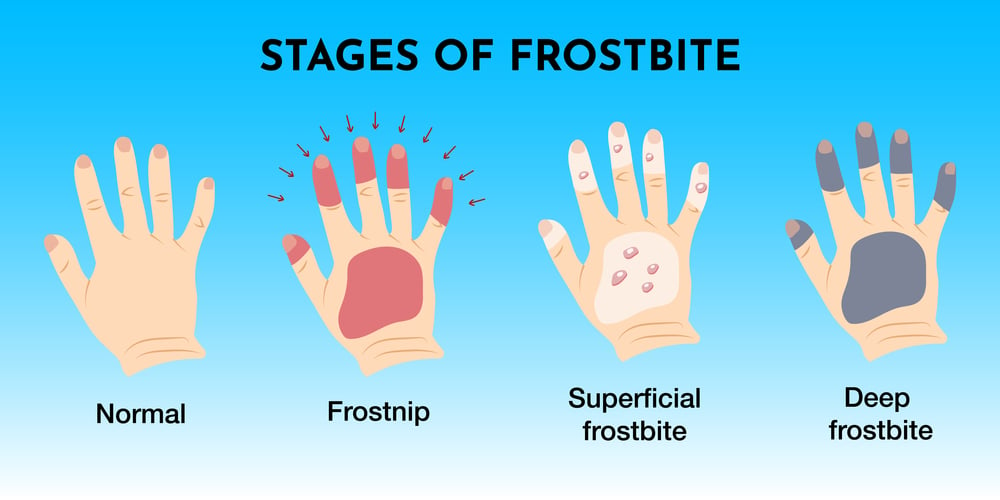
This deceptively simple trend involved placing salt on skin and then adding ice, creating a chemical reaction that can cause frostbite-like injuries. The combination can drop temperatures to as low as negative 17 degrees Fahrenheit, causing severe burns that look and feel like frostbite. Schools and health authorities banned the practice after numerous students required medical treatment for serious skin damage.
Hot Water Challenge
Participants either poured boiling water on themselves or others, or drank extremely hot water through straws. This trend caused severe burns and scalding injuries, particularly among younger users who didn’t understand the serious consequences. Social media platforms removed videos showing people deliberately burning themselves or others with hot liquids, while medical professionals issued urgent warnings about the dangers.
Choking Game

Long before social media, this dangerous activity involved temporarily cutting off oxygen to the brain for a brief high. Social media gave it new life with instructional videos and peer pressure elements. The trend has been linked to numerous accidental deaths when participants passed out and couldn’t remove whatever was restricting their breathing. Schools and platforms banned any content that showed or encouraged self-strangulation techniques.
Eraser Challenge
Students would rub erasers vigorously against their skin while reciting words or phrases, creating friction burns that could leave permanent scars. The seemingly innocent school supply became a tool for self-harm disguised as a test of endurance. Schools banned the practice and removed erasers from some classrooms, while social media platforms removed instructional videos showing the technique.
Condom Challenge
This trend involved people snorting condoms through their nose and pulling them out through their mouth, creating obvious choking hazards. Medical professionals warned about the risks of inhaling foreign objects, including suffocation and internal injuries. The challenge was banned from most social media platforms due to its potential for serious harm, though enforcement proved challenging given the seemingly innocent nature of the props involved.
Duct Tape Challenge
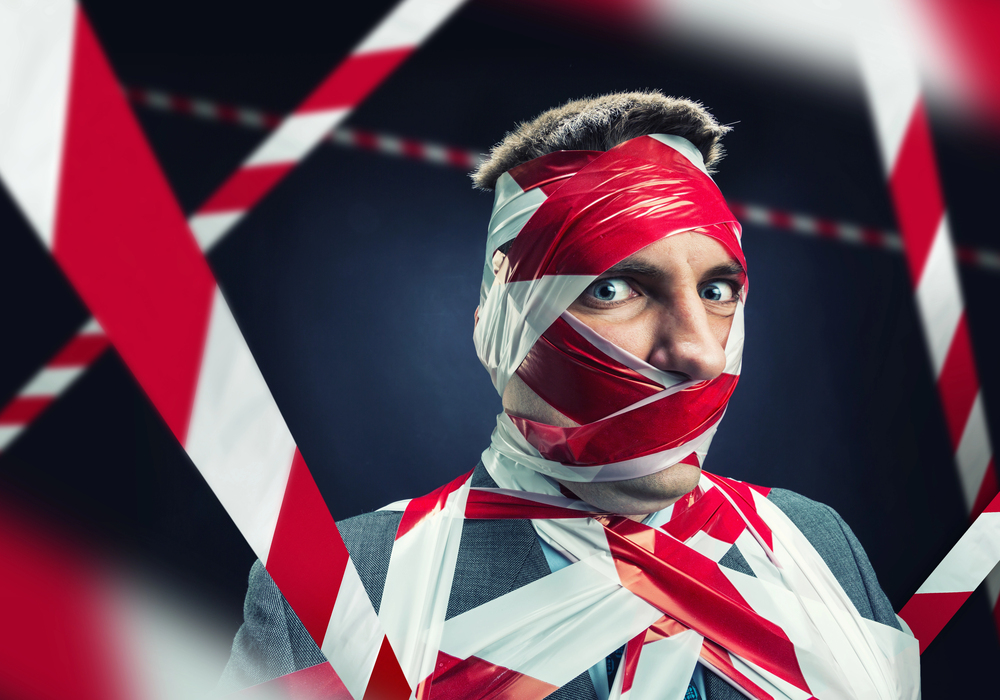
Participants would wrap themselves or others in duct tape and then try to escape, turning a simple adhesive product into a dangerous restraint. The trend led to injuries when people fell while wrapped up or couldn’t free themselves quickly enough. Several serious accidents, including head injuries from falls, prompted schools and platforms to ban content showing people restraining themselves or others with tape.
Boiling Water Challenge
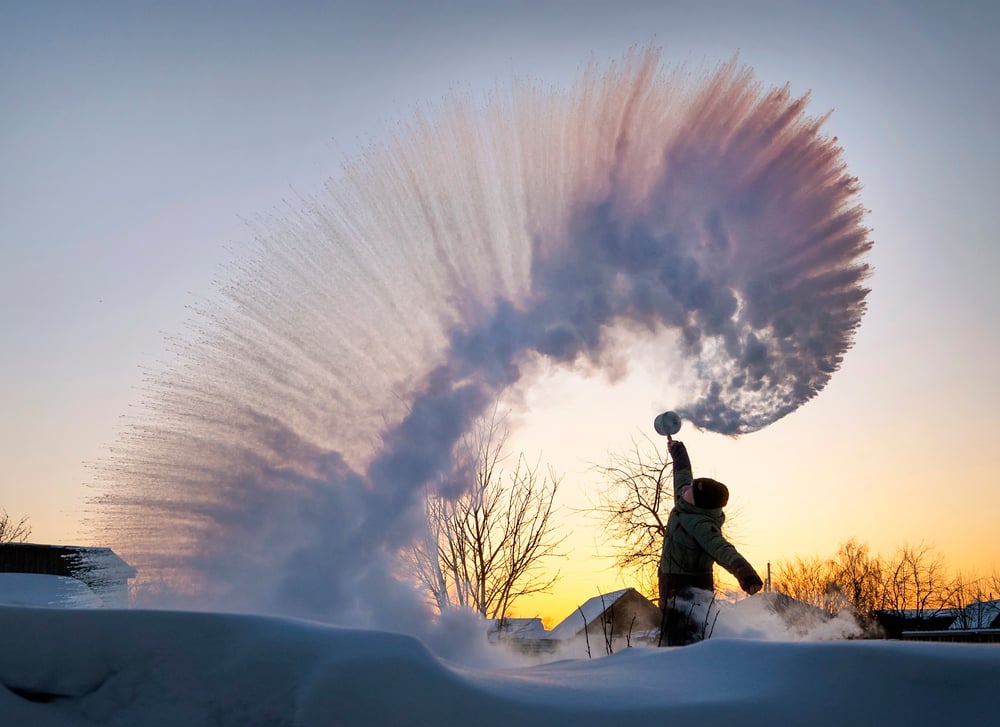
During cold weather, people would throw boiling water into freezing air to create instant steam clouds. While this can be done safely, many participants threw the water toward themselves or others, causing severe burns. The combination of extremely hot water and social media peer pressure led to numerous emergency room visits for scalding injuries.
Slap a Teacher Challenge

This trend encouraged students to slap teachers and film their reactions, turning assault into social media content. The obvious legal and safety issues led to immediate bans on platforms, while schools increased security measures and pursued criminal charges against participants. The trend highlighted how social media could encourage actual crimes disguised as pranks.
Skull Breaker Challenge

Three people would jump together, but the two on the outside would kick the middle person’s legs out from under them, causing them to fall backward and potentially hit their head. The name alone should have been a warning, but the trend caused serious head injuries and spinal damage. Platforms banned the content immediately after medical professionals highlighted the severe risks of traumatic brain injury.
Outlet Challenge
Similar to the penny challenge, this involved inserting various metal objects into electrical outlets to create sparks and potentially start fires. The trend put both participants and entire buildings at risk of electrical fires and electrocution. Schools and platforms banned any content showing people tampering with electrical systems, while electricians issued warnings about the serious dangers involved.
The Digital Cleanup Era
Looking back at these banned trends reveals how quickly harmless fun can turn dangerous when combined with social media’s amplification power and teenage invincibility complex. What started as creative challenges evolved into genuine public health crises, forcing platforms to develop better content moderation and safety protocols. The bans weren’t just about protecting individual users, but about preventing entire communities from normalizing dangerous behaviors that could have lasting consequences far beyond a few viral videos.
More from Go2Tutors!

- The Romanov Crown Jewels and Their Tragic Fate
- 13 Historical Mysteries That Science Still Can’t Solve
- Famous Hoaxes That Fooled the World for Years
- 15 Child Stars with Tragic Adult Lives
- 16 Famous Jewelry Pieces in History
Like Go2Tutors’s content? Follow us on MSN.