16 species only found in the Australian Outback
The Australian Outback covers nearly three-quarters of the continent, stretching across vast deserts, scrublands, and arid grasslands that seem impossibly harsh to outsiders. Yet this seemingly barren landscape pulses with life that exists nowhere else on Earth.
More than 80% of Australia’s plants, mammals, reptiles and frogs are unique to Australia and are found nowhere else in the world, with many specifically adapted to the extreme conditions of the interior. The Outback’s isolation for millions of years has created a natural laboratory where evolution took unique turns.
This high level of endemism can be attributed to the continent’s long geographic isolation, tectonic stability, and the effects of a unique pattern of climate change on the soil and flora over geological time. Here’s a journey through 16 remarkable species that call only the Australian Outback home.
Greater Bilby
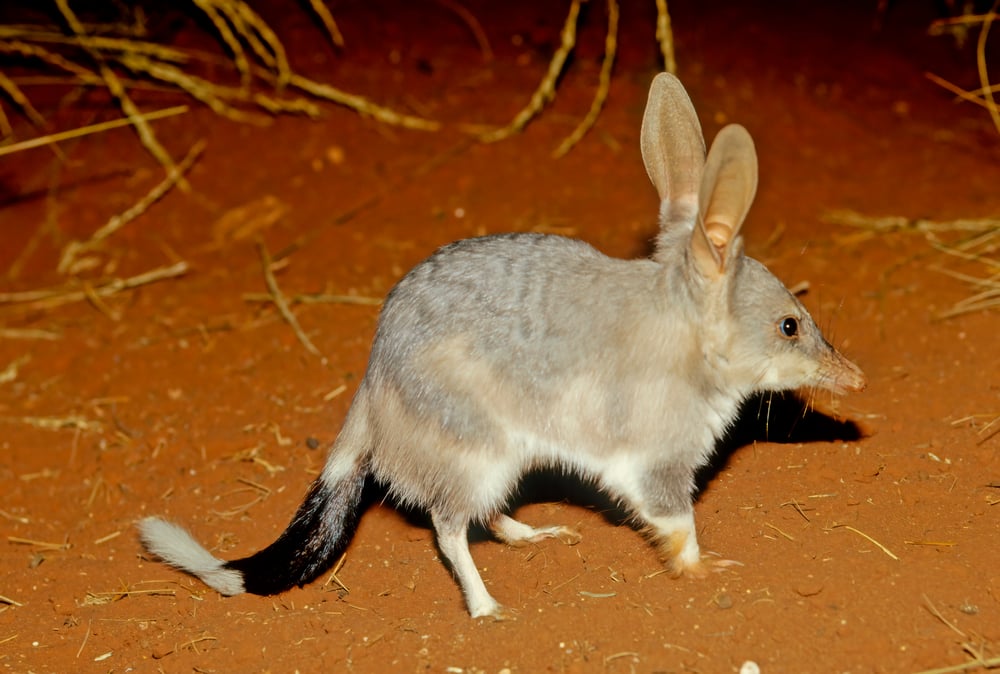
The Greater Bilby looks like nature’s experiment in combining a rabbit’s ears with a kangaroo’s hind legs and a pig’s snout. Known as the largest of all bandicoots, the greater bilby is a ground-dwelling marsupial that is roughly the size of a small cat.
These extraordinary diggers create burrow systems that can extend up to 10 feet underground, complete with multiple entrances and nursery chambers. Today, greater bilbies can only be found in certain dry desert areas in the Northern Territory and Western Australia, and in a small corner of southwest Queensland, making them one of the Outback’s most treasured residents.
Perentie

Australia’s largest lizard prowls the red earth like a prehistoric survivor from another age. The perentie (Varanus giganteus) is a species of monitor lizard.
It is one of the largest living lizards on earth, after the Komodo dragon, Asian water monitor, and the crocodile monitor. Growing over 8 feet long, these powerful predators can take down kangaroos and use their muscular tails as weapons.
Found west of the Great Dividing Range in the arid areas of Australia, it is rarely seen because of its shyness and the remoteness of much of its range from human habitation. Aboriginal communities have long revered the perentie, featuring prominently in traditional stories and as an important food source.
Like Go2Tutors’s content? Follow us on MSN.
Spinifex Hopping Mouse
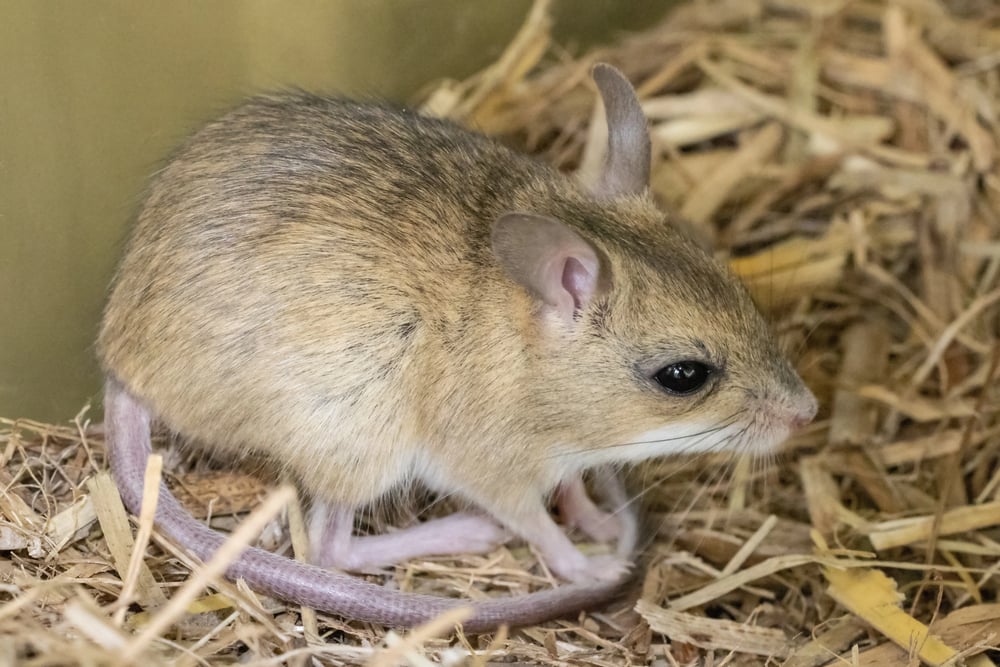
This tiny acrobat has mastered life in the harshest corners of the continent. The spinifex hopping mouse (Notomys alexis) can be found throughout the arid zones of Central and Western Australia.
As their name suggests, these shy mice make their homes in the spinifex grass-covered sand flats and dunes of the desert. They never need to drink water, extracting all moisture from their food and producing highly concentrated urine.
When threatened, they bound away on powerful hind legs like miniature kangaroos, covering remarkable distances with each hop.
Central Bearded Dragon
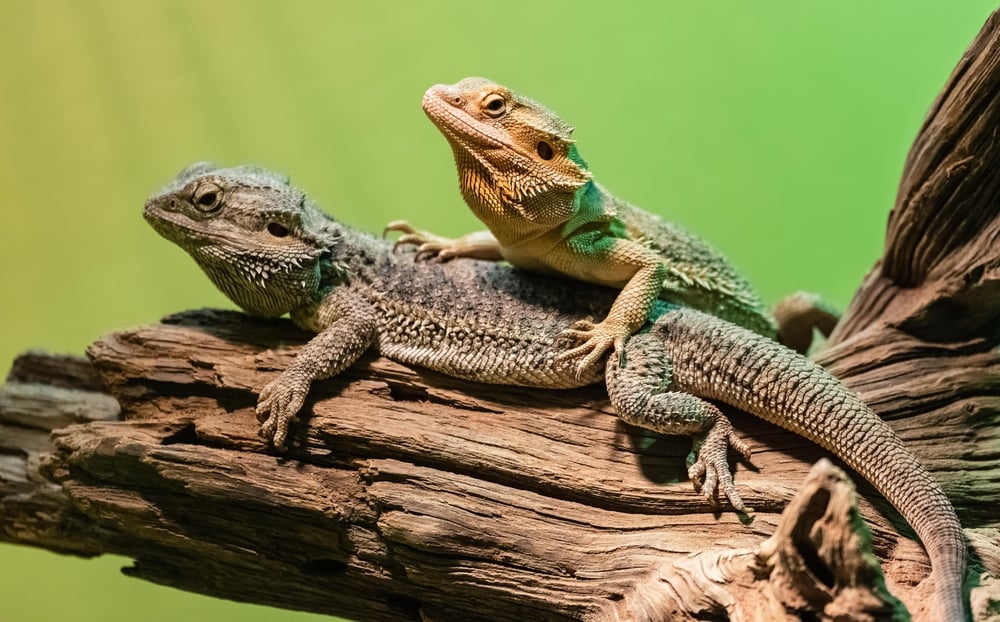
The Outback’s most charismatic reptile earns its name from the dramatic black throat display it flashes when defending territory or courting mates. The central bearded dragon (Pogona vitticeps), also known as the inland bearded dragon, is a species of agamid lizard found in a wide range of arid to semiarid regions of eastern and central Australia.
Unlike their coastal cousins, these dragons show remarkable color variation from sandy browns to deep reds that mirror the desert landscape. A study conducted in 2014 established the existence of endogenous circadian rhythm in pigmentation changes in P. vitticeps; if exposed to sun, the dorsal skin of the lizard becomes darker, and if exposed to darkness, it becomes lighter.
Thorny Devil
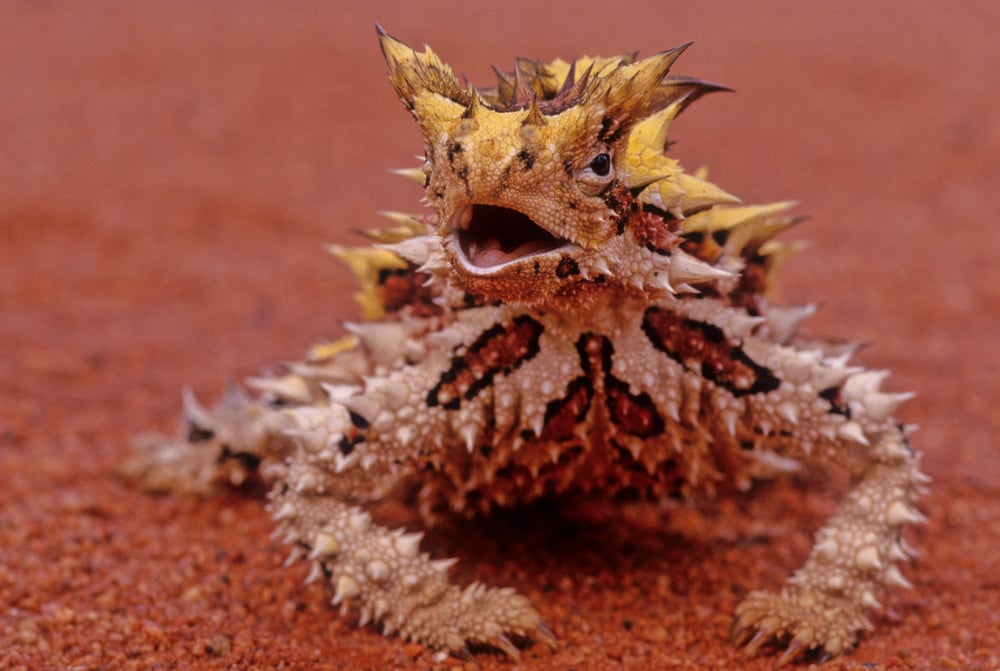
Looking like a walking piece of abstract art, the Thorny Devil represents one of nature’s most ingenious water collection systems. This small lizard’s entire body is covered in thorn-like scales that channel morning dew directly to its mouth through tiny grooves.
The thorny devil (Moloch horridus), covered in spines and known for its unusual method of water collection through its skin, can drink from any part of its body surface. It even sports a fake head on the back of its neck to confuse predators while its real head stays safely hidden.
Like Go2Tutors’s content? Follow us on MSN.
Woylie

Once abundant across much of Australia, the Woylie now clings to existence in just a few scattered populations. As with potoroos and other bettong species, the Woylie has a largely fungivorous diet.
They dig for a wide variety of fruiting bodies. When the Woylie was widespread and abundant, they played an important role in the dispersal of fungal spores within desert ecosystems that helped native plants grow.
These rabbit-sized marsupials are nature’s underground farmers, digging up and dispersing fungal spores that form crucial partnerships with desert plants.
Great Desert Skink
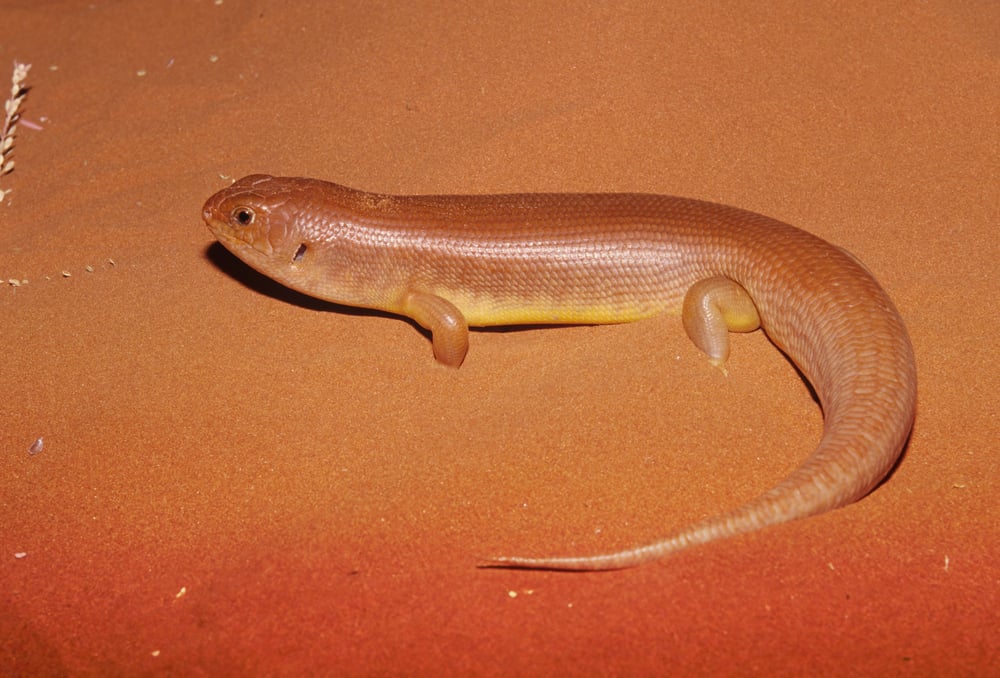
This hefty skink represents one of the Outback’s most industrious engineers. The desert includes many types of lizards, including the vulnerable great desert skink (Egernia kintorei).
Growing up to 14 inches long, they construct elaborate burrow systems with multiple chambers, some extending 6 feet deep and featuring separate areas for nesting, food storage, and temperature regulation. These communal burrows often house multiple generations of skinks and provide refuge for other small desert animals during extreme weather.
Painted Finch

Among the Outback’s most striking birds, the Painted Finch brings splashes of vibrant color to the dusty landscape. Emblema pictum, ‘Painted Finch’. Striking black and red.
These hardy little birds have mastered survival in areas where water sources are scarce and unpredictable. They build dome-shaped nests in thorny shrubs and can survive on minimal water by efficiently processing dry seeds and extracting moisture from insects.
Like Go2Tutors’s content? Follow us on MSN.
Southern Marsupial Mole

Perhaps the most mysterious mammal in Australia, the Southern Marsupial Mole spends its entire life swimming through sand dunes. A number of the desert’s animals, including the southern marsupial mole (Notoryctes typhlops), have evolved to burrow into the sands.
Completely blind with no external ears, this golden-furred creature navigates by touch and vibration. Its silky fur repels sand, and powerful digging claws allow it to ‘swim’ through dunes in pursuit of insect larvae and earthworms.
Spinifex Pigeon

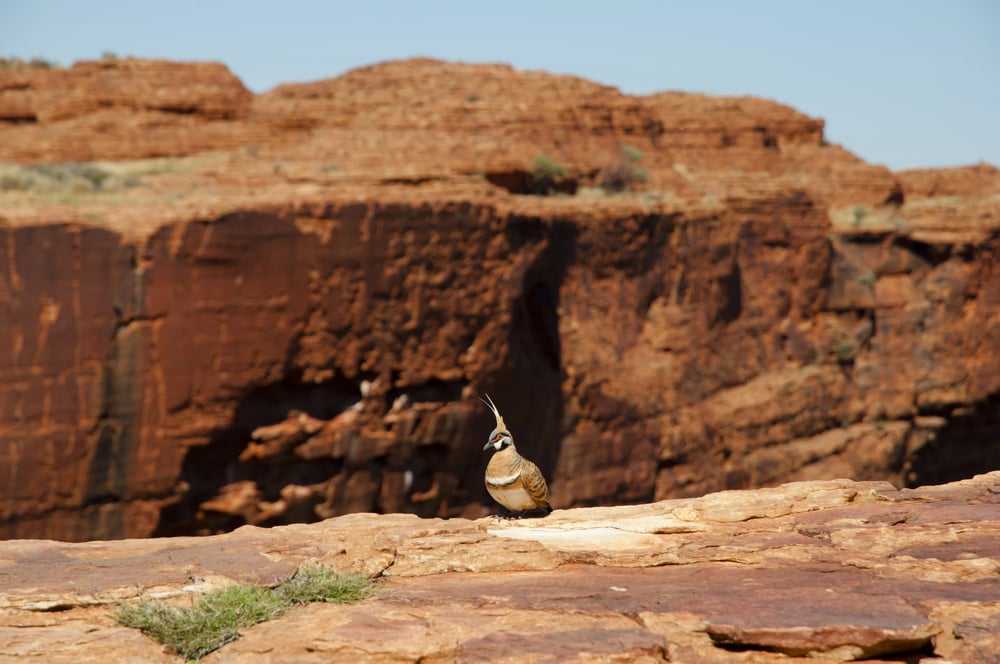
This ground-dwelling bird has become the quintessential symbol of Outback resilience. The ‘Spinifex Pigeon’ is found, as the names suggests, around spinifex communities.
With a distinctive crest and mottled plumage that perfectly matches the rocky terrain, these pigeons can survive without drinking water for extended periods. They’ve learned to time their breeding with sporadic rainfall, quickly taking advantage of the brief periods when food becomes abundant.
Major Mitchell’s Cockatoo

Often referred to as Major Mitchell’s Cockatoo, these spectacular parrots of the Australian Desert will not tolerate other nesting pairs close by. Unlike galahs that have benefitted greatly from agriculture, Pink Cockatoos have declined since European settlement as they need vast undisturbed areas of woodland to survive and breed successfully.
Their salmon-pink plumage and dramatic white and red crest make them among Australia’s most beautiful birds. These intelligent parrots require enormous territories and nest in tree hollows that can be over 100 years old.
Like Go2Tutors’s content? Follow us on MSN.
Sandhill Dunnart
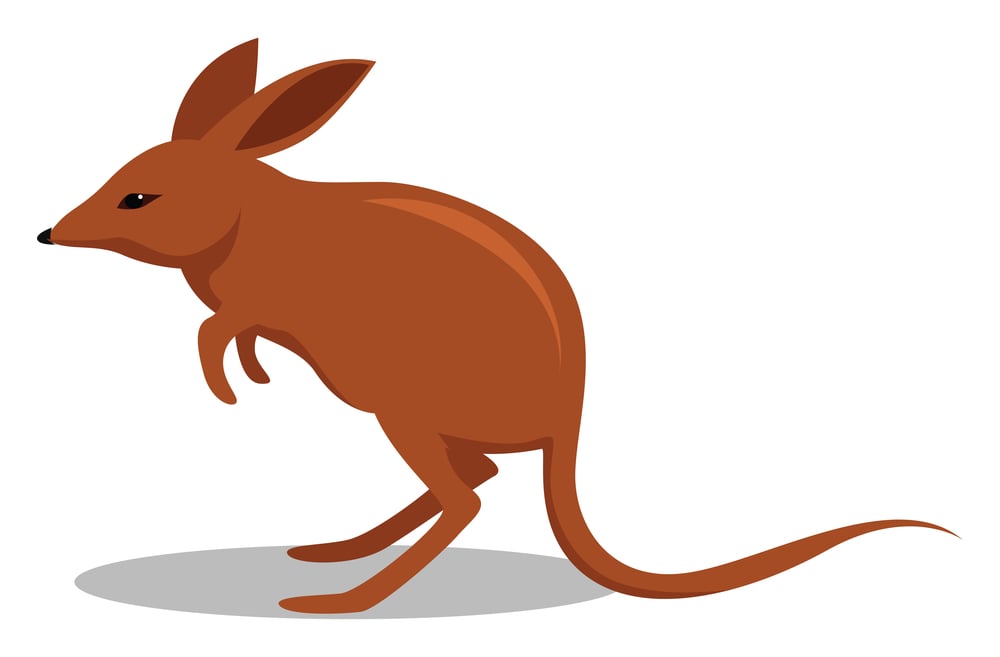
This tiny predator packs the hunting instincts of a much larger animal into a mouse-sized body. The endangered sandhill dunnart (Sminthopsis psammophila) weighs less than an ounce but can take down prey nearly its own size.
These fierce little marsupials can enter torpor during cold nights, dramatically slowing their metabolism to conserve energy. They build spherical nests in burrows and can survive on minimal water by obtaining moisture from their insect prey.
Desert Frogs

In one of evolution’s most remarkable adaptations, several species of Neobatrachus frogs have learned to thrive in the heart of the desert. There are 9 or so species in this genus Neobatrachus, the ‘Desert Frogs’.
They are round, squat frogs, with pupils that constrict vertically. During the dry times they are buried underground; once it starts to rain, they emerge to breed.
All the species are endemic to Australia, are usually distributed across arid areas of the continent. These remarkable amphibians can remain buried underground for years, encased in a moisture-retaining cocoon, emerging only when rare rains signal breeding opportunities.
Sturt’s Desert Pea

South Australia’s floral emblem brings unexpected elegance to harsh desert landscapes. The bright scarlet Sturt Pea is often called the Desert Pea because of its pod-like shapes.
Its color is brilliant red and it has two little black ‘eyes’ looking at you from its ‘face’ of crimson. This remarkable flower only blooms after sufficient rainfall, creating spectacular displays across the red earth.
The plants are extremely difficult to cultivate, having evolved specifically for the unpredictable climate and poor soils of the Australian interior.
Like Go2Tutors’s content? Follow us on MSN.
Australian Bustard
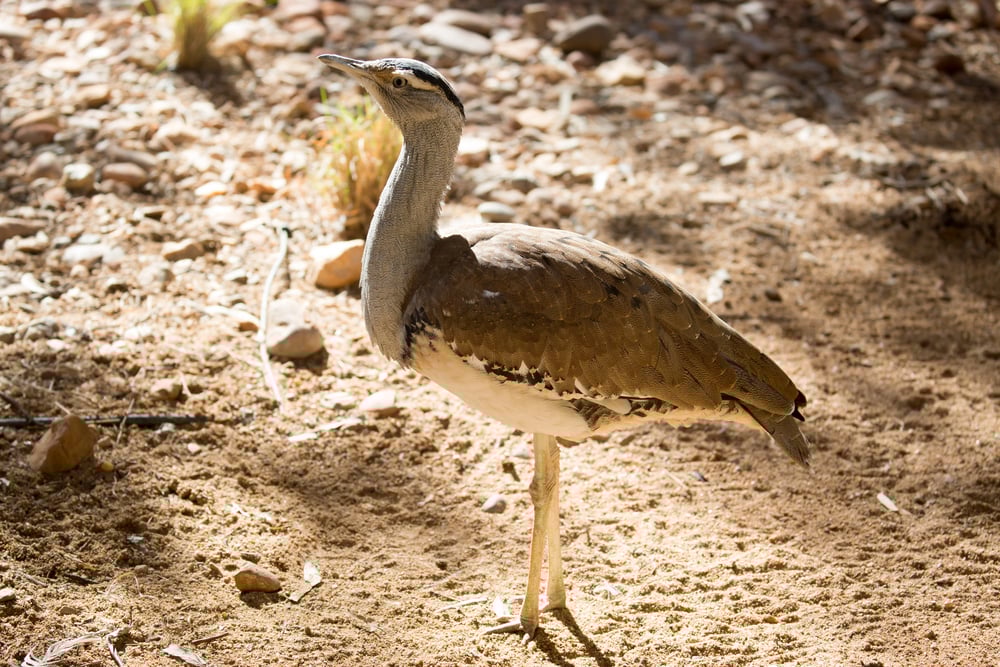
Standing nearly 4 feet tall, the Australian Bustard is the Outback’s gentle giant. The next largest bird of the arid Australian habitats after the Emu is the ‘Australian Bustard’, Ardeotis australis.
They are about a metre in height. Despite the size, they are often not noticed by drivers as they race past on outback roads.
These impressive birds prefer to walk rather than fly, using their long legs to cover vast distances in search of food. Males perform elaborate courtship displays, inflating throat sacs and strutting with spread wings to attract females during breeding season.
Bush Stone-curlew
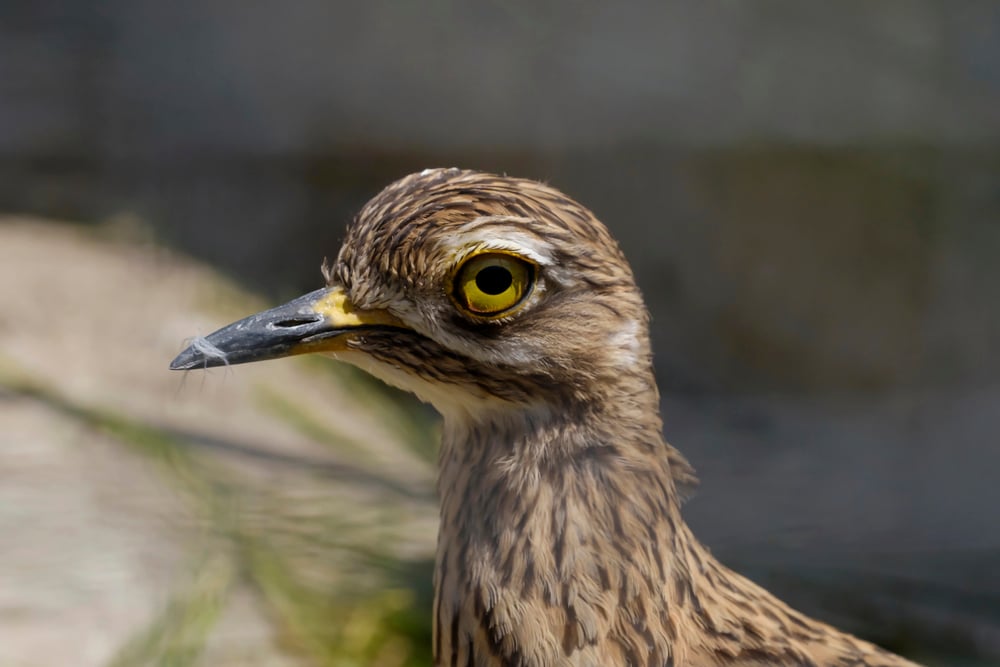
The ground-dwelling bush stone-curlew (Burhinus grallarius) is one of the more unusual birds of Australia. With a leggy, ungainly appearance and a sinister stare, bush stone-curlews have a habit of freezing motionless when disturbed, often in odd-looking poses.
These nocturnal hunters have enormous yellow eyes perfectly adapted for spotting insects, small reptiles, and frogs in moonlight. Their eerie, wailing calls echo across the Outback night, earning them the nickname ‘bush thick-knee’ from early European settlers.
Life’s Persistence in the Red Heart
These 16 species represent just a fraction of the remarkable life that thrives in Australia’s seemingly inhospitable interior. Each has evolved extraordinary adaptations – from water collection systems to underground survival strategies – that allow them to flourish where other life forms cannot.
Despite these extreme conditions, the vast red landscapes of the outback are home to a remarkable array of animals, many of which have evolved unique adaptations for survival. As climate change and human activities continue to pressure these ancient landscapes, protecting these unique species becomes increasingly critical for maintaining the biological heritage that makes Australia unlike anywhere else on Earth.
More from Go2Tutors!

- 16 Historical Figures Who Were Nothing Like You Think
- 12 Things Sold in the 80s That Are Now Illegal
- 15 VHS Tapes That Could Be Worth Thousands
- 17 Historical “What Ifs” That Would Have Changed Everything
- 18 TV Shows That Vanished Without a Finale
Like Go2Tutors’s content? Follow us on MSN.