16 Toys That Changed the Lunchbox Game
Opening your lunchbox used to feel like unwrapping a present. Toy companies discovered that kids’ meal times were prime real estate for fun—they went all out to make eating an adventure. These weren’t random trinkets thrown in for good measure; they were carefully designed miniature worlds that turned every lunch break into playtime.
The genius was simple: combine food with toys, and suddenly even the pickiest eaters would beg their parents to buy specific products. Here’s a list of 16 toys that completely transformed what it meant to pack a lunch.
Happy Meal Toys
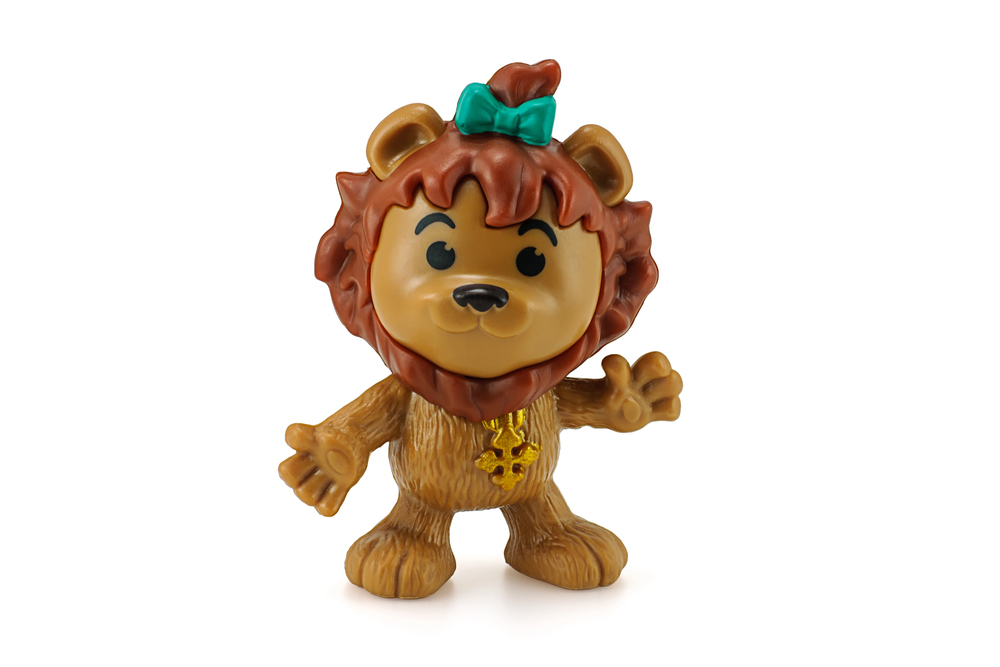
McDonald’s basically invented the playbook when they launched Happy Meals in 1979. These weren’t just cheap plastic throwaways—they were legitimate collectibles that had kids planning their McDonald’s visits like military operations. The toys ranged from simple puzzles to elaborate action figures. Parents quickly learned that the four-piece chicken nuggets were really just the delivery system for whatever treasure was hidden inside that colorful box.
Cracker Jack Prizes
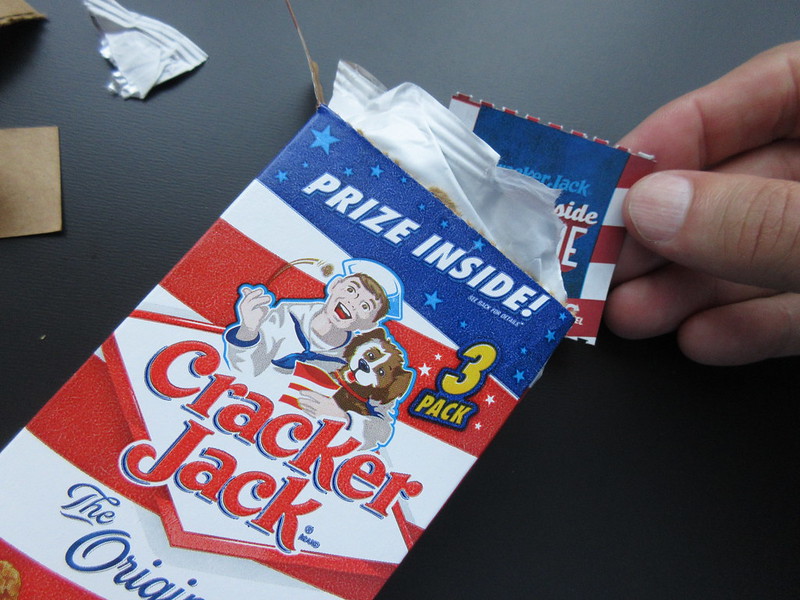
Long before Happy Meals existed, Cracker Jack was already mastering the art of the food-toy combo. Their little prizes were legendary—tiny compasses, miniature books, temporary tattoos, plus plastic rings that made every kid feel like they’d struck gold. The phrase ‘prize in every box’ became so iconic that it’s still used today. Honestly, half the fun of eating those caramel-coated popcorn kernels was digging around to find your treasure.
Cereal Box Toys
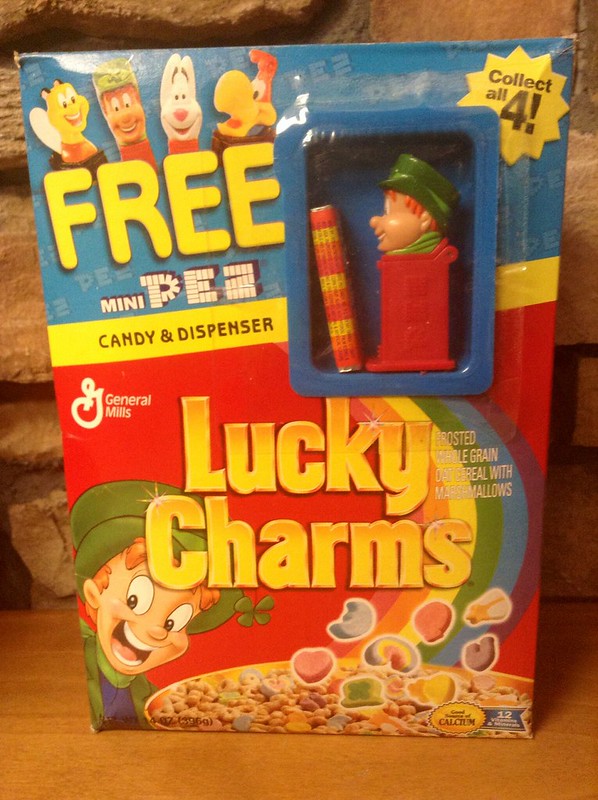
Saturday morning cartoons and cereal box prizes were a match made in heaven. Companies like Kellogg’s and General Mills turned breakfast into an event by stuffing everything from decoder rings to toy cars right into the cereal box. Kids would literally turn boxes upside down—shaking them like maracas while trying to locate the prize before their parents poured the cereal. It was like a treasure hunt that happened every morning at the kitchen table.
Yogurt Lid Collectibles
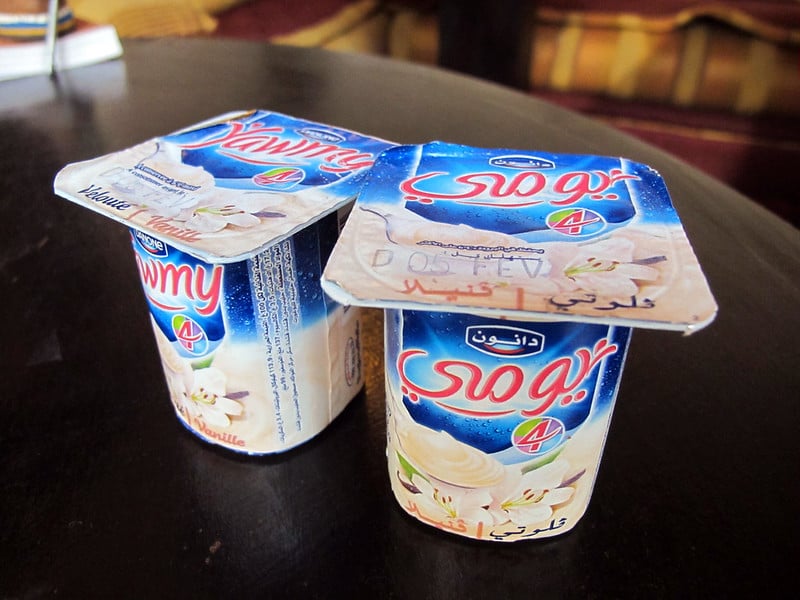
Dannon figured out that kids would eat pretty much anything if you slapped a collectible on top of it. Their yogurt lids featured everything from cartoon characters to educational facts, though kids started treating them like trading cards. Suddenly, yogurt wasn’t just a healthy snack—it was a gateway to building the ultimate collection. Lunch tables became impromptu trading floors.
Pudding Cup Surprises
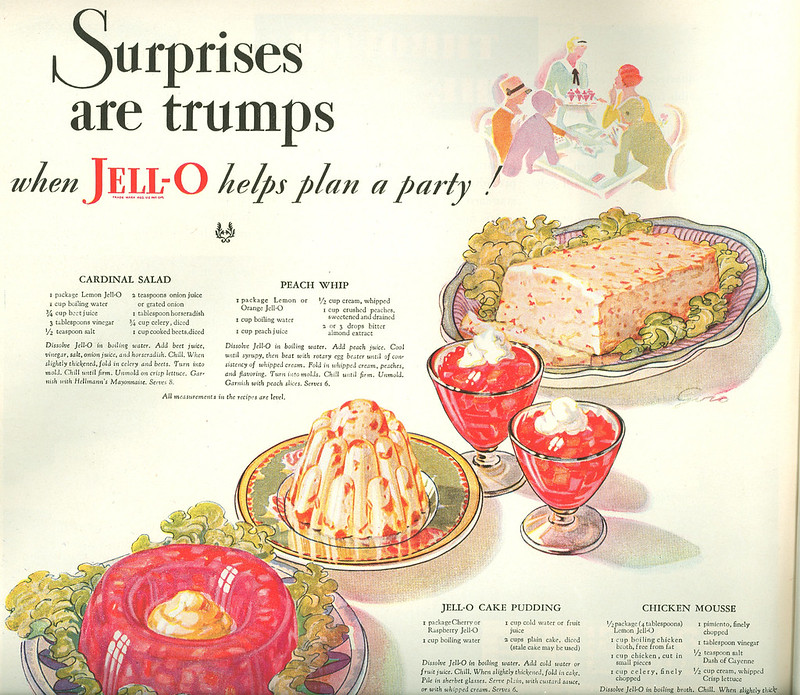
Jell-O pudding cups took the toy game to the next level by hiding surprises right in the pudding itself. Kids would dig through chocolate or vanilla pudding like archaeologists, searching for tiny toys or gummy treats. The anticipation was half the fun, yet parents loved it because their kids were actually excited to eat something that wasn’t candy.
Lunchables Fun Packs
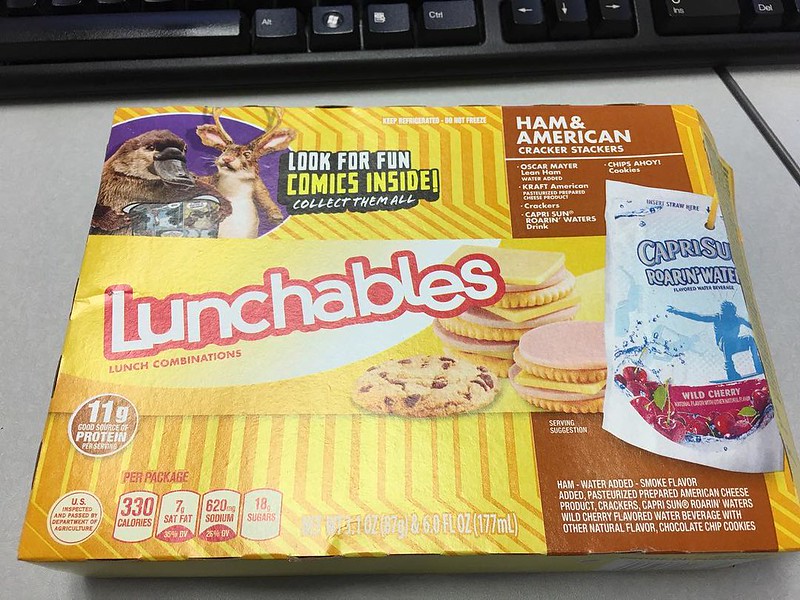
Lunchables revolutionized lunch by making it interactive. These weren’t just pre-packaged meals—they were DIY food kits that let kids build their own crackers, sandwiches, plus mini pizzas. The plastic compartments felt like a grown-up tackle box, while the little spreader tools made every kid feel like a chef. It was the perfect combination of food and play that made lunch feel less like a chore—more like a craft project.
Kinder Surprise Eggs
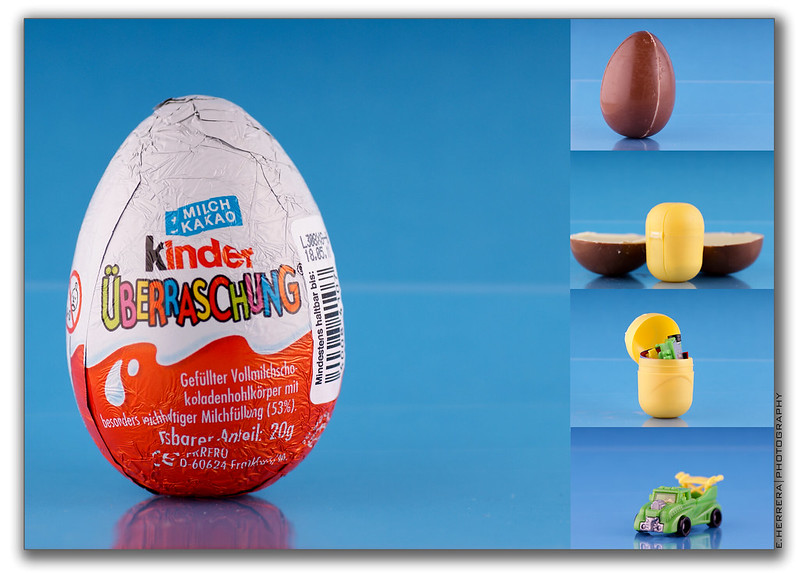
Though banned in the United States, Kinder Surprise Eggs were the holy grail of food toys in many other countries. These chocolate eggs contained plastic capsules with tiny toys inside, creating a three-layer surprise that kids couldn’t resist. The toys were often intricate little figures or puzzles that required assembly—making them feel more valuable than typical promotional items.
Popsicle Stick Puzzles
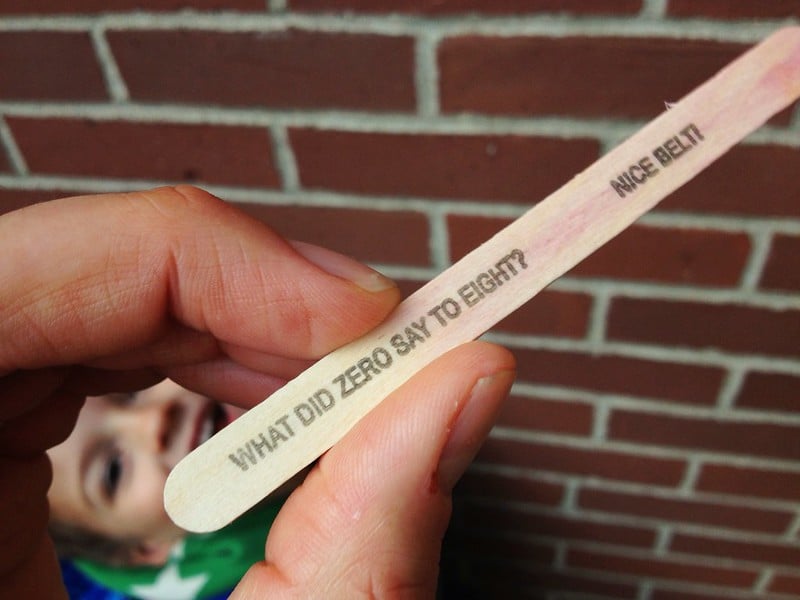
Popsicle took their frozen treats to the next level by printing puzzles, jokes, and riddles right on the wooden sticks. Kids would save these sticks like precious artifacts, trying to collect complete sets or solve multi-stick puzzles. It was genius marketing that turned a simple frozen treat into an interactive experience—lasting long after the popsicle was gone.
Bubble Tape Dispensers
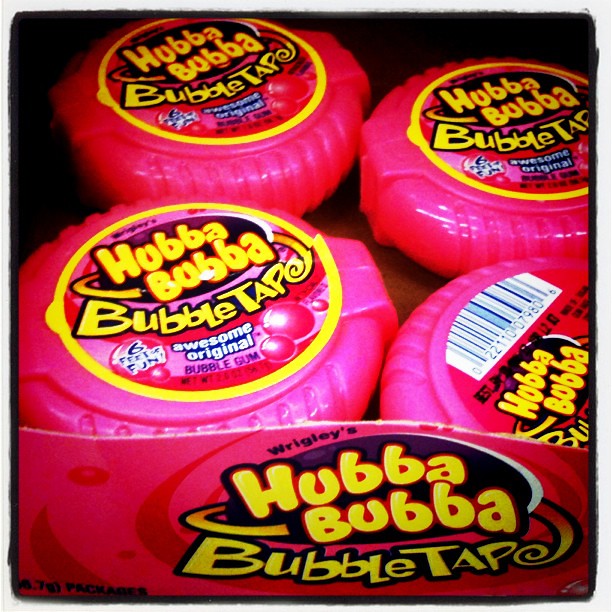
Hubba Bubba’s Bubble Tape came in a container that looked like a miniature tape dispenser, complete with a cutting edge. Kids could pretend they were office workers while dispensing their gum, though the container itself became a toy that lasted long after the gum was gone. The six-foot length of gum felt impossibly generous—the dispensing action was oddly satisfying.
Ring Pop Candy Jewelry
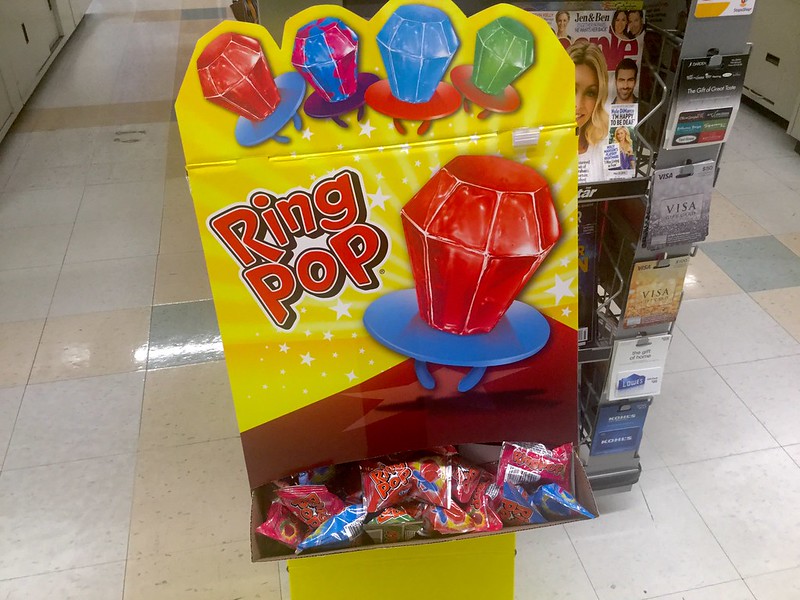
Ring Pops turned candy into wearable accessories, letting kids play dress-up while they ate. These weren’t just lollipops—they were edible jewelry that made every kid feel fancy. The plastic rings were sturdy enough to wear long after the candy was gone, while trading different flavors became a serious business on school playgrounds.
Dunkaroos Cookie Sticks
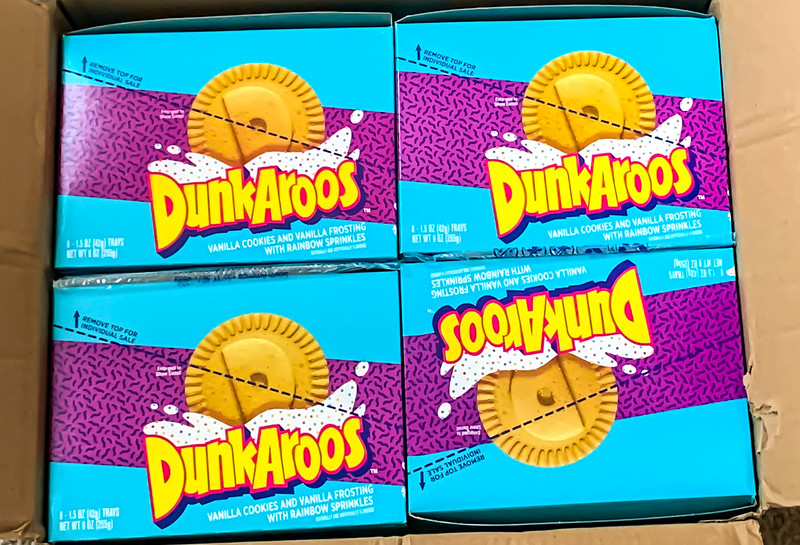
Dunkaroos came with tiny cookie sticks that were perfectly sized for dipping into the included frosting. The real genius was in the packaging though—those little compartments made it feel like you were conducting a science experiment every time you opened one. Kids would strategically ration their cookies to make sure they didn’t run out before finishing the frosting, turning snack time into a lesson in resource management.
Fruit by the Foot Tattoos
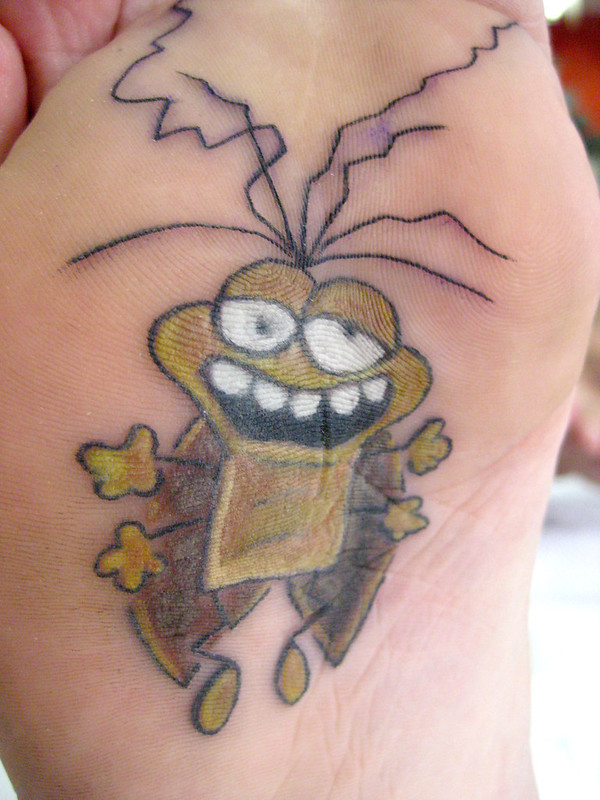
General Mills printed temporary tattoos right on their Fruit by the Foot products, creating edible art that kids could apply to their skin. It was the perfect combination of candy and craft project, yet kids would carefully plan which part to eat and which part to save for tattoo purposes. The tattoos were surprisingly detailed and would last for days, making them feel like legitimate prizes.
Capri Sun Pouches
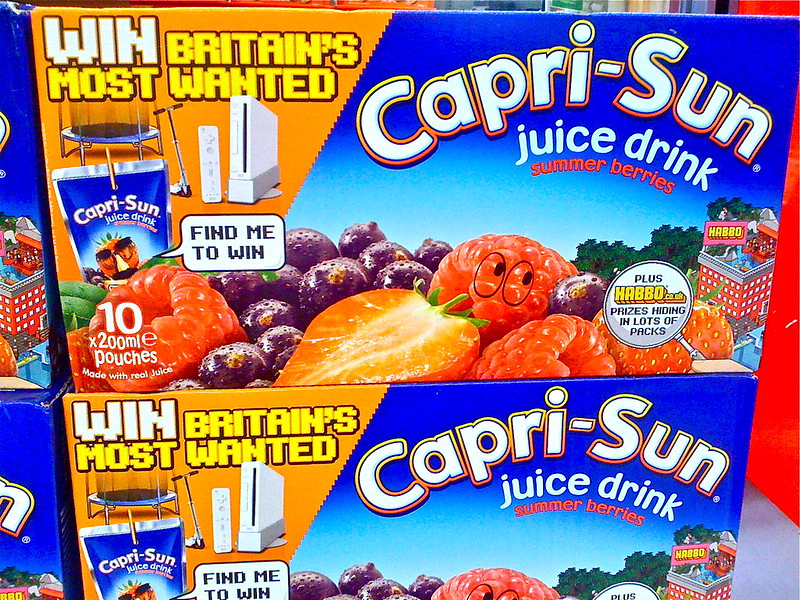
While Capri Sun pouches themselves weren’t toys, they became the canvas for countless collectible campaigns. The shiny pouches featured everything from cartoon characters to sports teams, while kids would carefully peel off the labels to save as stickers. The silver pouches also made excellent noise makers when you blew them up and popped them, giving them a second life as playground entertainment.
Squeeze-It Bottle Caps
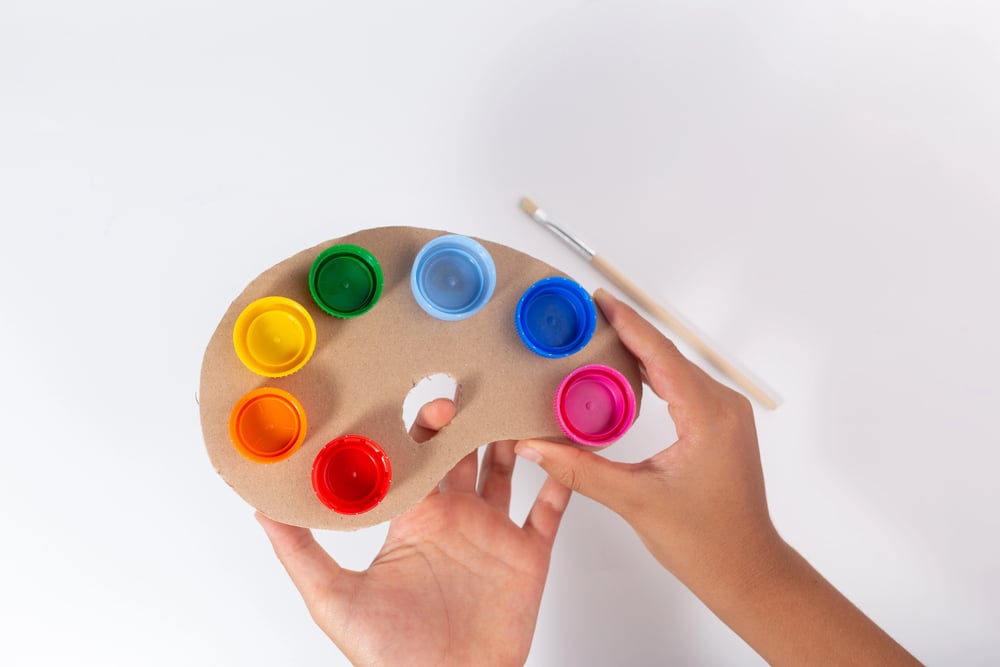
Squeeze-It drinks came in bottles with caps that could be collected and traded like currency. Each cap featured different colors and designs, though kids would line them up like trophies or use them as game pieces. The bottles themselves were perfectly sized for small hands, while the squeezing action felt satisfying in a way that regular bottles just couldn’t match.
Twinkies Collectible Cards
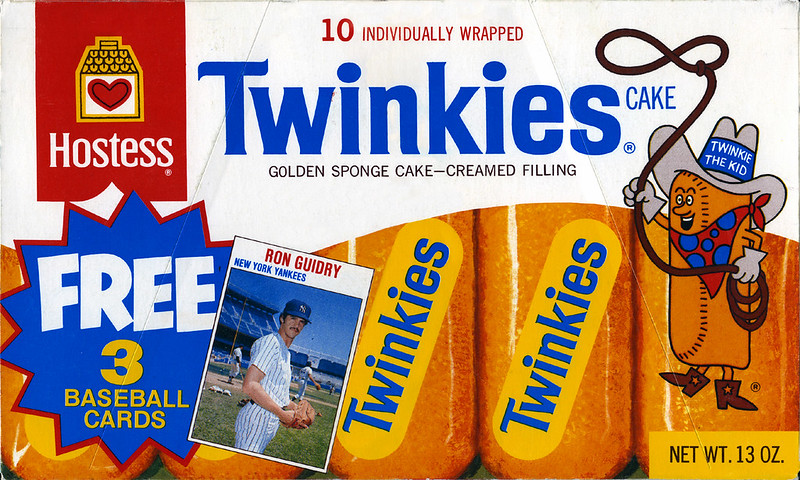
Hostess occasionally included collectible cards with their Twinkies, featuring everything from sports players to cartoon characters. These cards were treated with the same reverence as baseball cards, yet kids would buy Twinkies specifically to build their collections. The cards were usually tucked right into the packaging, making every purchase feel like a blind box opening.
Fruit Snacks Character Shapes
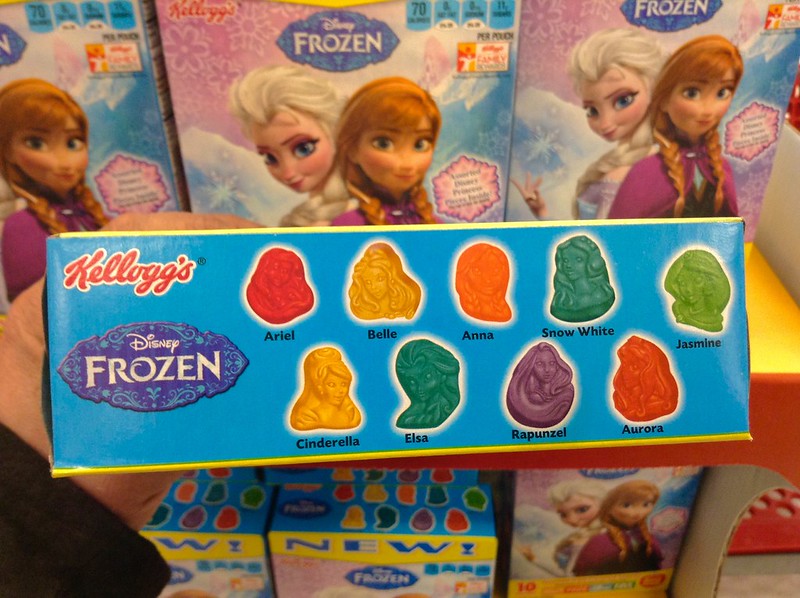
Fruit snacks shaped like popular cartoon characters turned a simple snack into a miniature action figure collection. Kids would sort through the packages looking for their favorite characters, while the chewy texture made them feel more substantial than regular candy. Companies would rotate character lineups seasonally, keeping kids engaged and always hunting for the next rare find.
The Lasting Impact on Lunch Culture
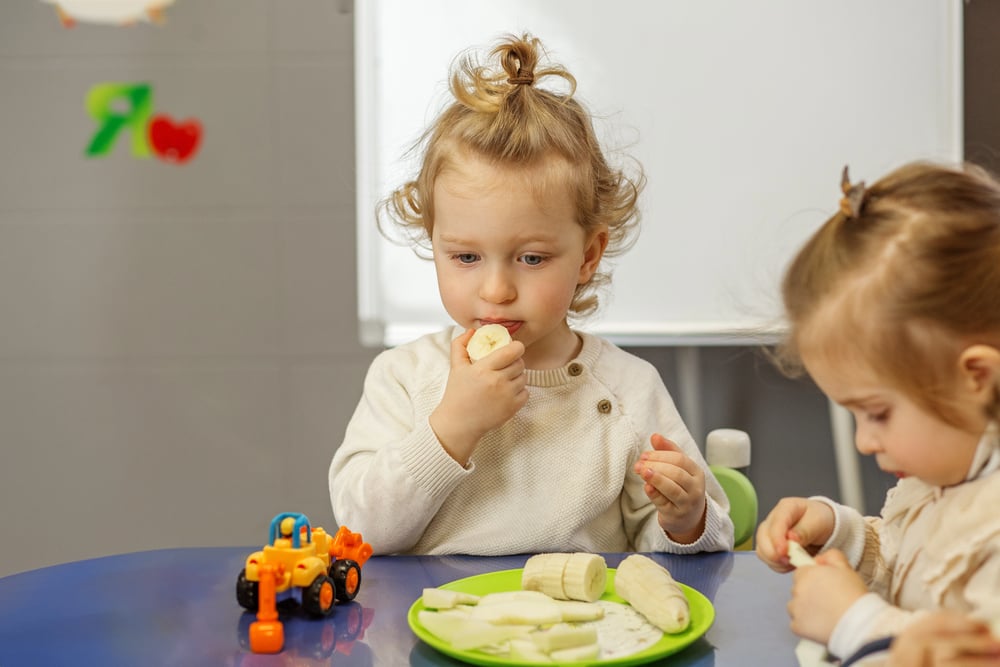
These toy-food combinations did more than just entertain kids—they fundamentally changed how we think about meal times and marketing. Today’s lunchboxes might look different, yet the principle remains the same: make eating fun, and kids will actually want to eat. The collectible culture these toys created laid the groundwork for everything from Pokemon cards to Funko Pops, proving that the simple act of combining food with play was nothing short of revolutionary. Modern parents might roll their eyes at the marketing tactics, though there’s no denying that these little treasures made childhood lunches infinitely more exciting.
More from Go2Tutors!

- The Romanov Crown Jewels and Their Tragic Fate
- 13 Historical Mysteries That Science Still Can’t Solve
- Famous Hoaxes That Fooled the World for Years
- 15 Child Stars with Tragic Adult Lives
- 16 Famous Jewelry Pieces in History
Like Go2Tutors’s content? Follow us on MSN.



