16 Fishing Techniques Every Angler Should Know
Fishing blends art, science, and patience – creating a pursuit that continues to captivate millions across generations. Whether you’re casting lines from shorelines or venturing into deep waters, mastering various techniques transforms frustrating outings into productive adventures. Beyond the basic cast-and-wait approach lies a world of specialized methods that experienced anglers employ to land impressive catches in diverse conditions consistently.
Here is a list of 16 fishing techniques that can elevate your angling skills from amateur to accomplished.
Bottom Bouncing

This technique excels in rivers and lakes where fish feed near the bottom – particularly effective for walleye, catfish, and various bottom-dwellers. A weighted line drags slightly across the lake or riverbed, creating small disturbances that attract predatory fish while keeping your bait in the strike zone.
The subtle bumping action mimics injured prey, triggering the predatory instinct that compels even hesitant fish to strike.
Trolling
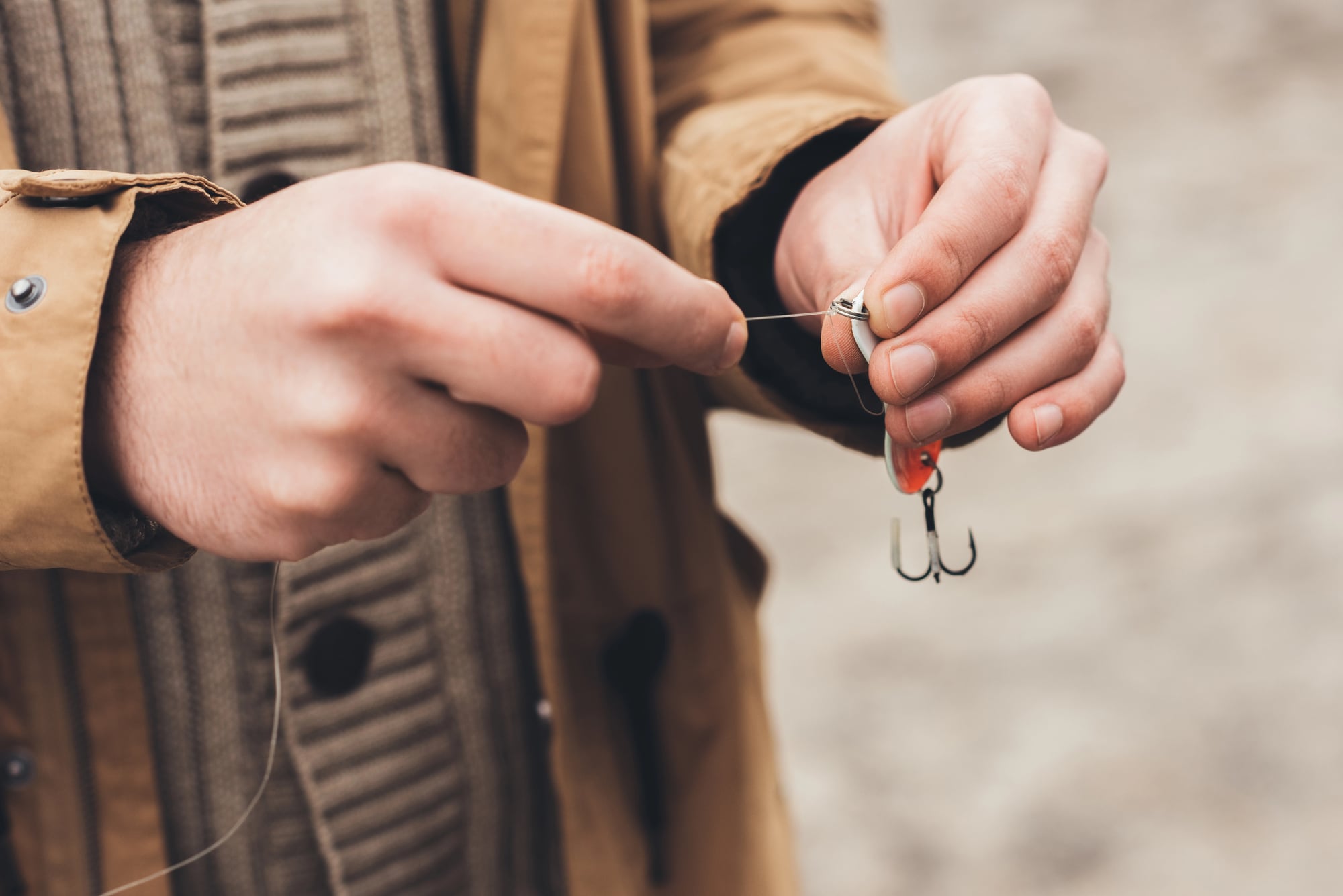
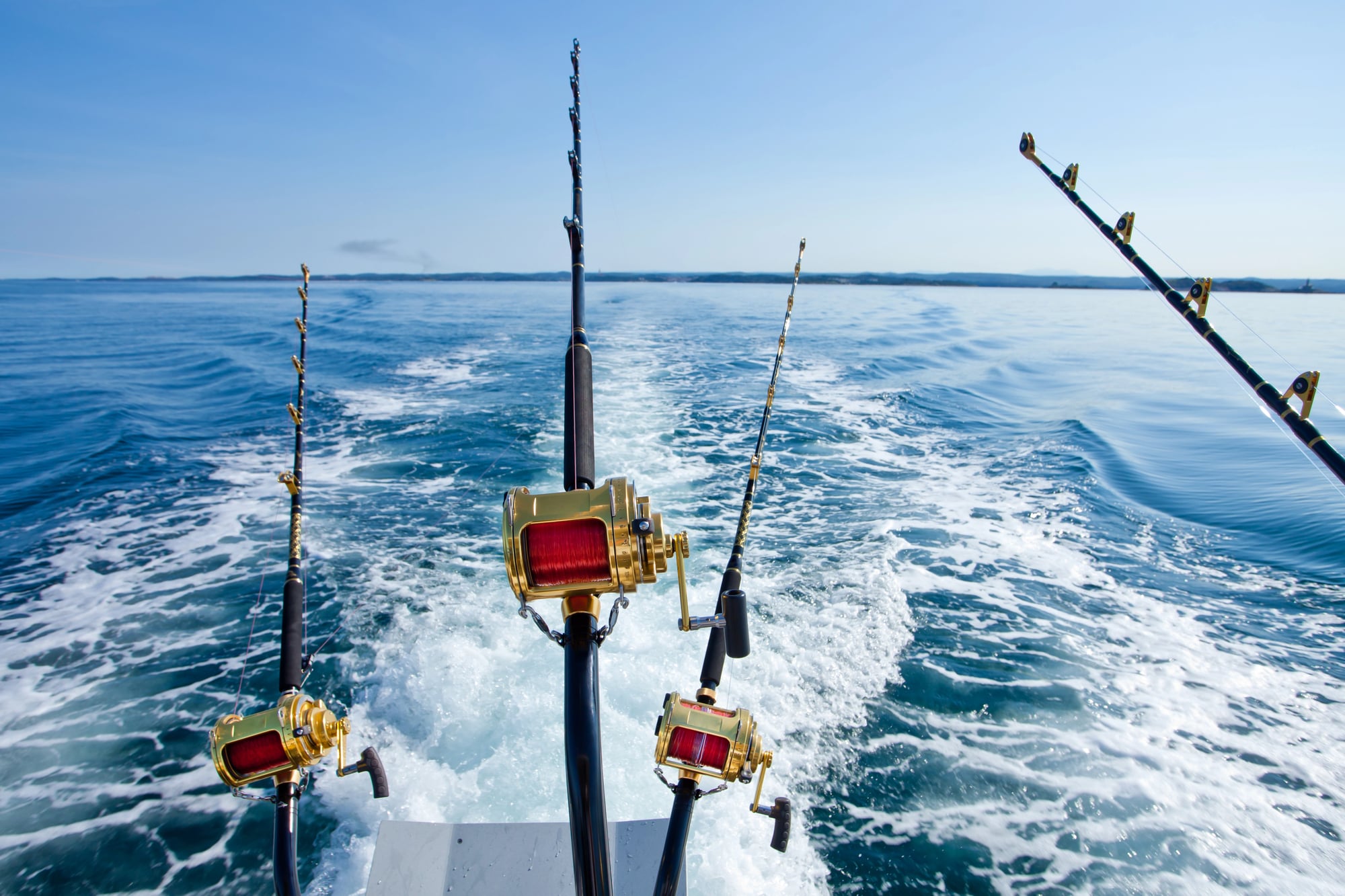
Covering vast expanses of water makes trolling essential for locating scattered fish – especially in unfamiliar lakes or during seasonal transitions. Multiple lines trail behind a slowly moving boat, allowing different lures to work at various depths simultaneously.
The boat’s constant movement creates the perfect action for many lures that require steady retrieves, essentially turning your vessel into a mobile fishing platform that tests multiple presentations at once.
Fly Fishing
Perhaps the most graceful angling method, fly fishing uses lightweight artificial flies cast with specialized weighted lines rather than relying on lure weight. The rhythmic casting technique creates a mesmerizing dance between angler and water, delivering nearly weightless flies with remarkable precision.
This approach excels for surface-feeding trout, panfish, and numerous freshwater and saltwater species that target insects or small baitfish near the water’s surface.
Jigging
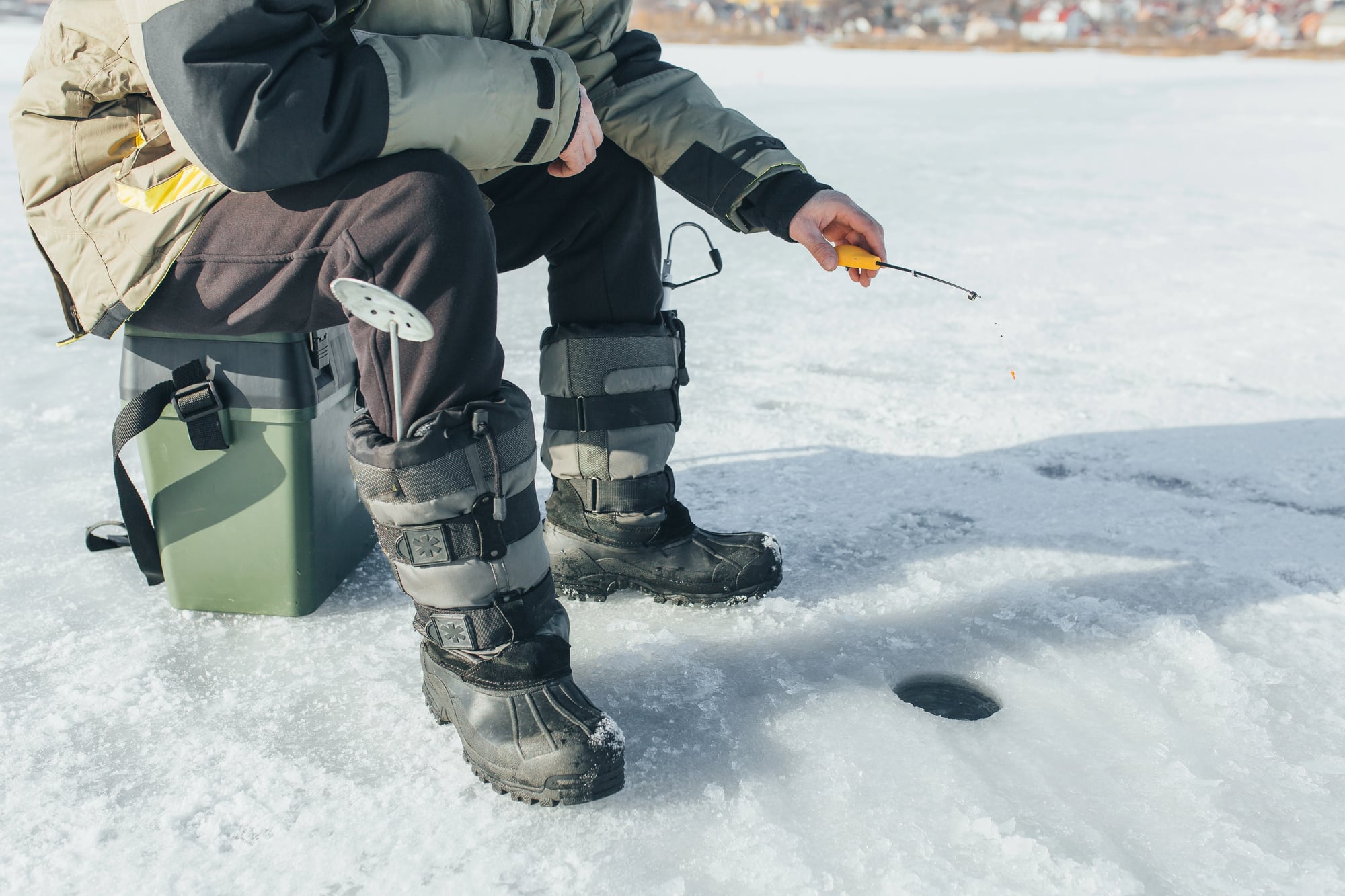
The vertical bobbing motion of jigging creates an irresistible action that triggers reaction strikes from predatory fish – particularly effective through ice or in deep water. The quick upward snap followed by a controlled fall mimics injured baitfish, while allowing complete depth control throughout the water column.
Mastering different jigging cadences for various species transforms this simple technique into a versatile approach that works year-round in nearly any waterbody.
Nymphing

About 90% of trout feeding activity is accounted for by subsurface fly fishing using weighted imitations of aquatic insect larvae—nymphs. Unlike conventional dry fly fishing, nymphing methods provide flies that naturally float with bottom currents where fish feed most regularly.
When fish disregard surface offerings, the delicate presentation lets flies act precisely like natural food sources, hence killing them.
Carolina Rigging

Maintaining continuous bottom contact, this bottom-fishing system efficiently covers vast areas. Above a swivel, a heavy weight slides freely along the line; then, a leader and bait follow to form a presentation that lets fish take the offer without feeling instant resistance.
Particularly when fish remain firm to bottom characteristics under difficult circumstances, the configuration works wonderfully for bass around underwater structures.
Texas Rigging

Weedless presentations define the Texas rig – where the hook point embeds back into the soft plastic bait creating a snag-resistant system that slides through heavy cover. This technique allows anglers to target fish hiding in places most wouldn’t dare cast – thick vegetation, submerged timber, and other snag-filled zones that typically harbor the largest fish.
The weedless design delivers your bait precisely where other anglers fear to fish.
Topwater Walking
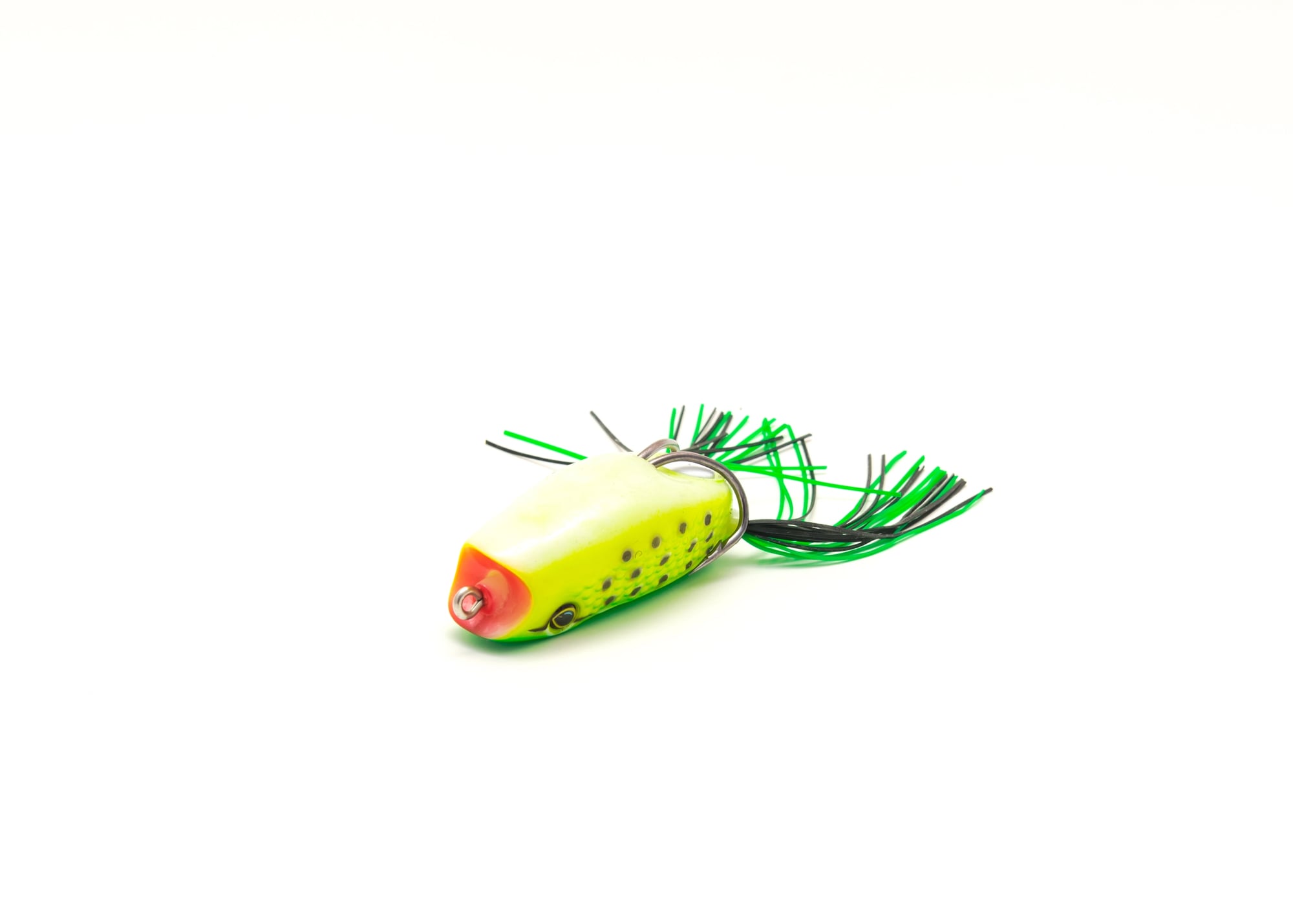
The hypnotic side-to-side “walk-the-dog” action creates a surface commotion that bass, pike, and other predators find impossible to resist. This technique requires rhythmic rod tip movements that make your lure dart unpredictably across the surface – mimicking a wounded baitfish.
Few fishing moments compare to the explosive strike of a predator demolishing a topwater lure – making this technique as thrilling as it is effective during warm-weather months.
Float Fishing
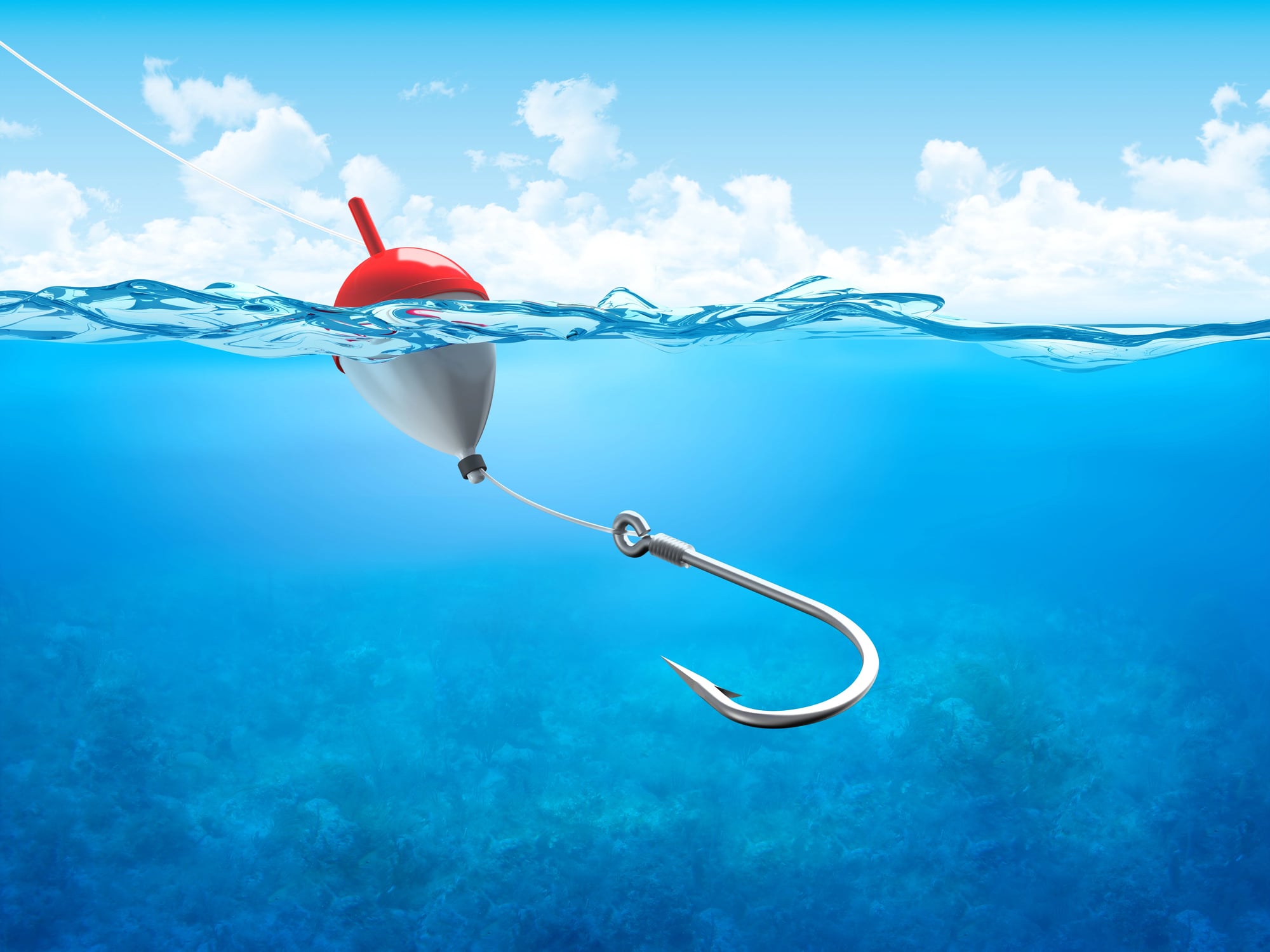
Perfect for presenting live bait to depth-specific fish, this adaptable method uses a bobber or float to suspend bait at exact depths. Modern floats go beyond just indicating bites to enable drift control, depth changes, and ideal bait presentation in flowing water.
For species like crappie, bluegill, and trout that commonly suspend at particular depths connected to temperature, oxygen levels, and accessible food sources, the approach excels.
Dropshot Fishing
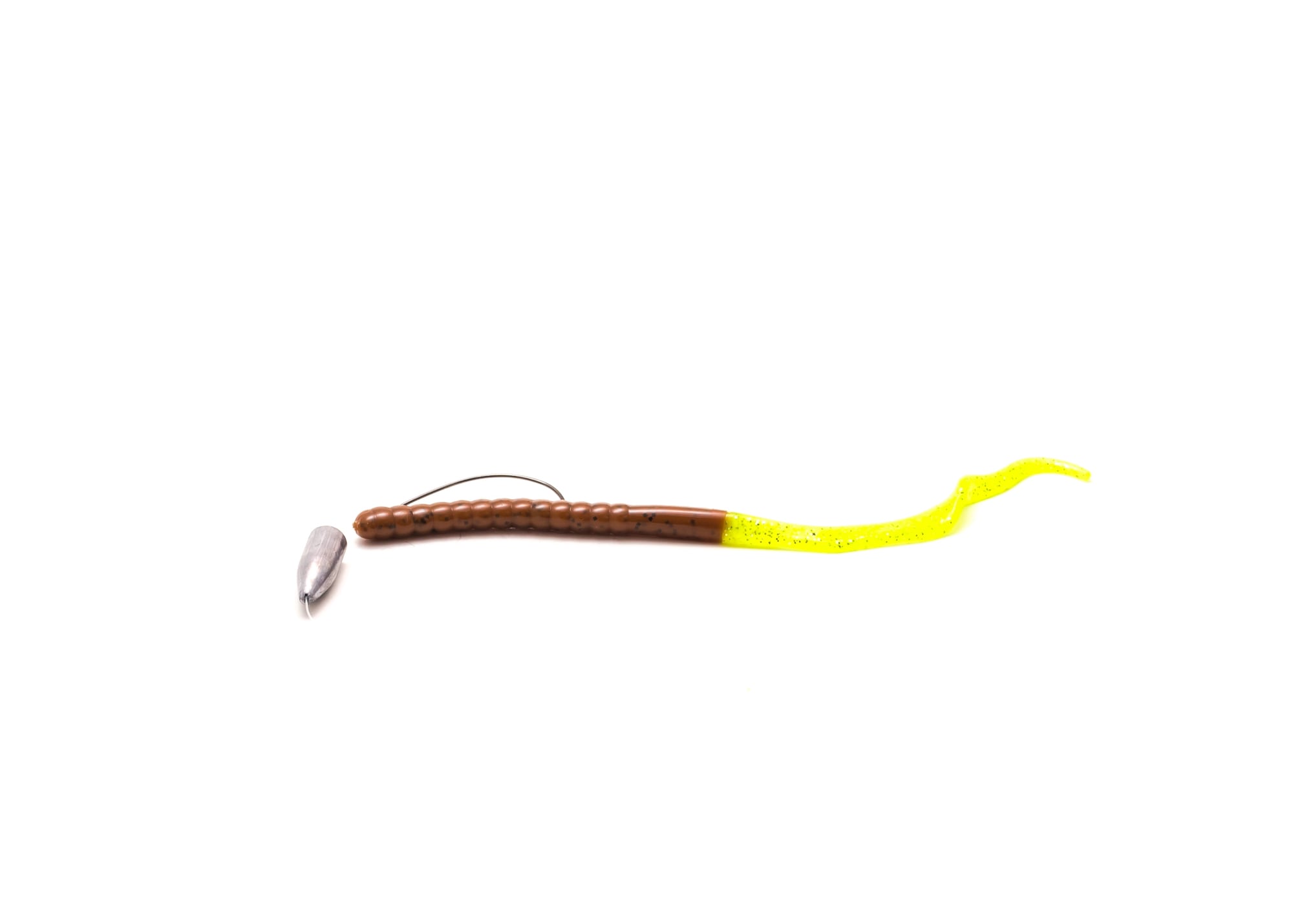
This finesse technique keeps your bait suspended above the bottom while maintaining constant bottom contact with the weight. Unlike traditional rigs, the dropshot positions your offering at eye level for bottom-oriented fish – creating an irresistible presentation that excels when fish grow selectively.
The rig allows for subtle, lifelike movements that trigger strikes even from pressured fish that ignore more aggressive presentations.
Spinnerbait Slow-Rolling
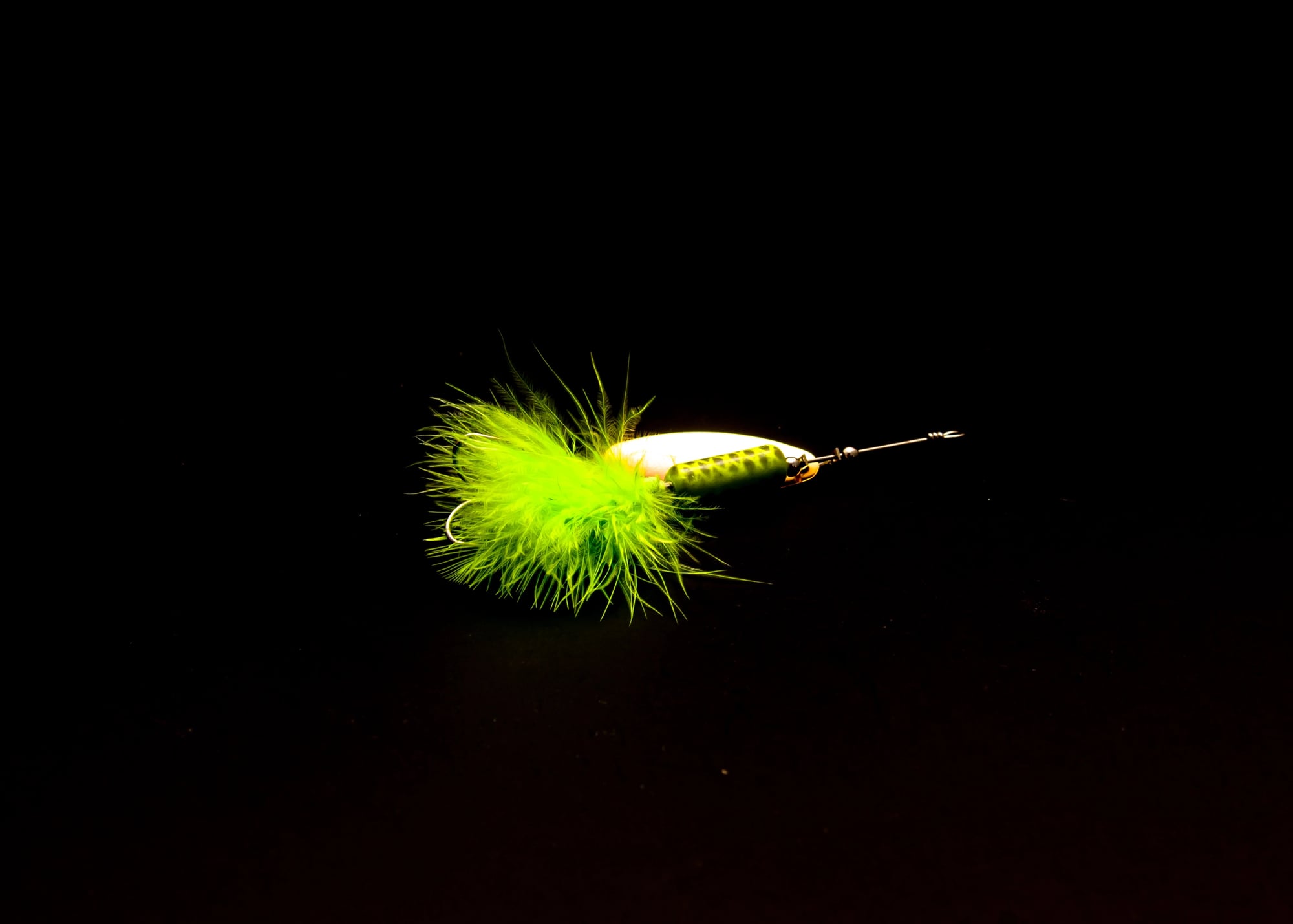
The throbbing vibration of a slow-rolled spinnerbait sends irresistible signals through murky water or low-light conditions – allowing fish to locate your lure using their lateral line sensory system. The technique involves casting and retrieving just fast enough to keep the blade turning while maintaining depth along bottom contours.
This approach excels during spring and fall when bass hunt actively in shallower water zones, particularly around submerged structures.
Split Shotting
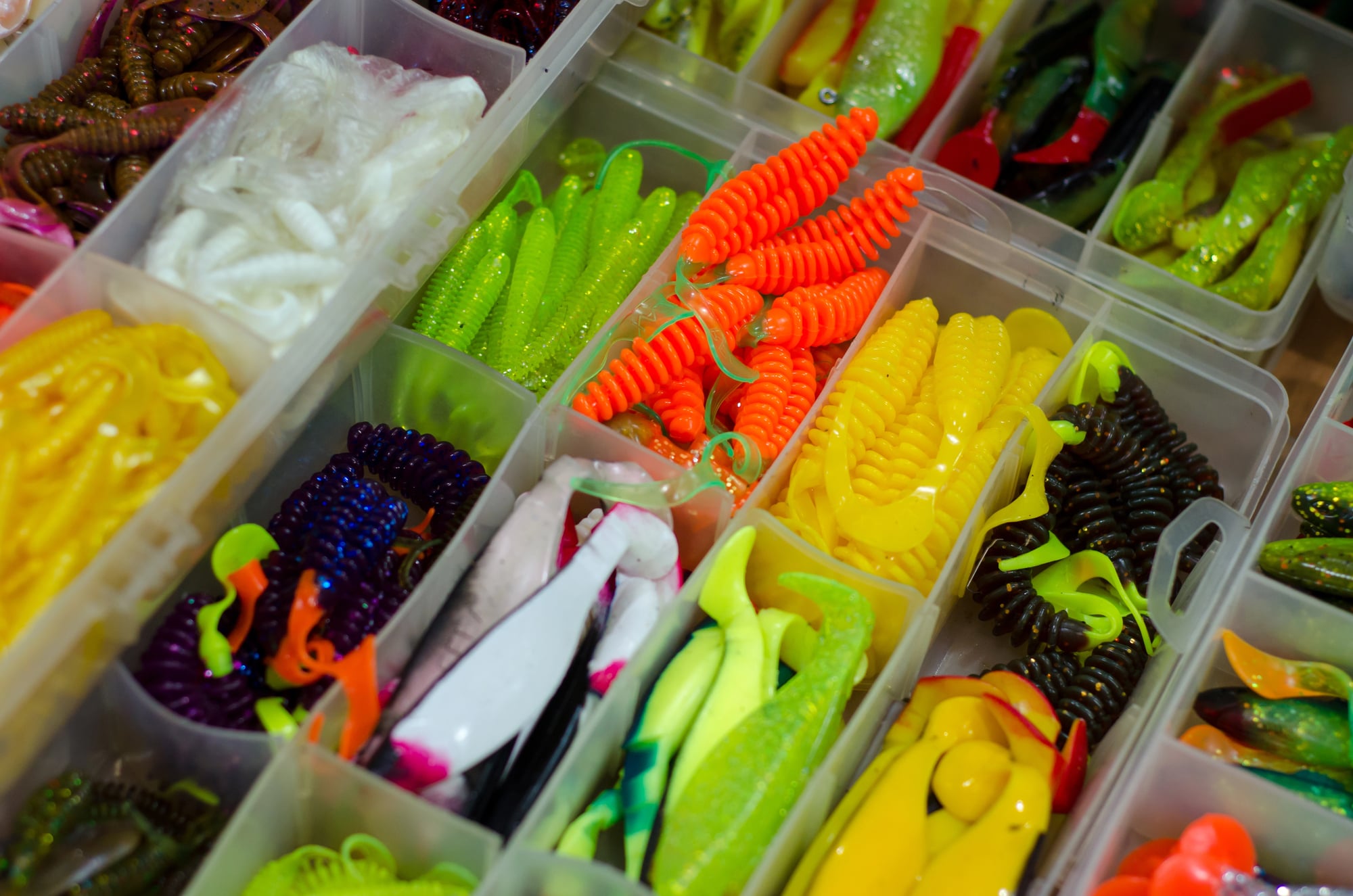
This finesse approach uses small weights pinched onto your line above a small hook and plastic bait – creating an ultra-natural presentation for pressured fish. The multiple weights distribute along the line instead of concentrating at one point, allowing your bait to drift naturally with currents or subtle rod movements.
Tournament anglers often turn to split shotting when facing heavily fished waters where bass have grown suspicious of more conventional presentations.
Punch Fishing
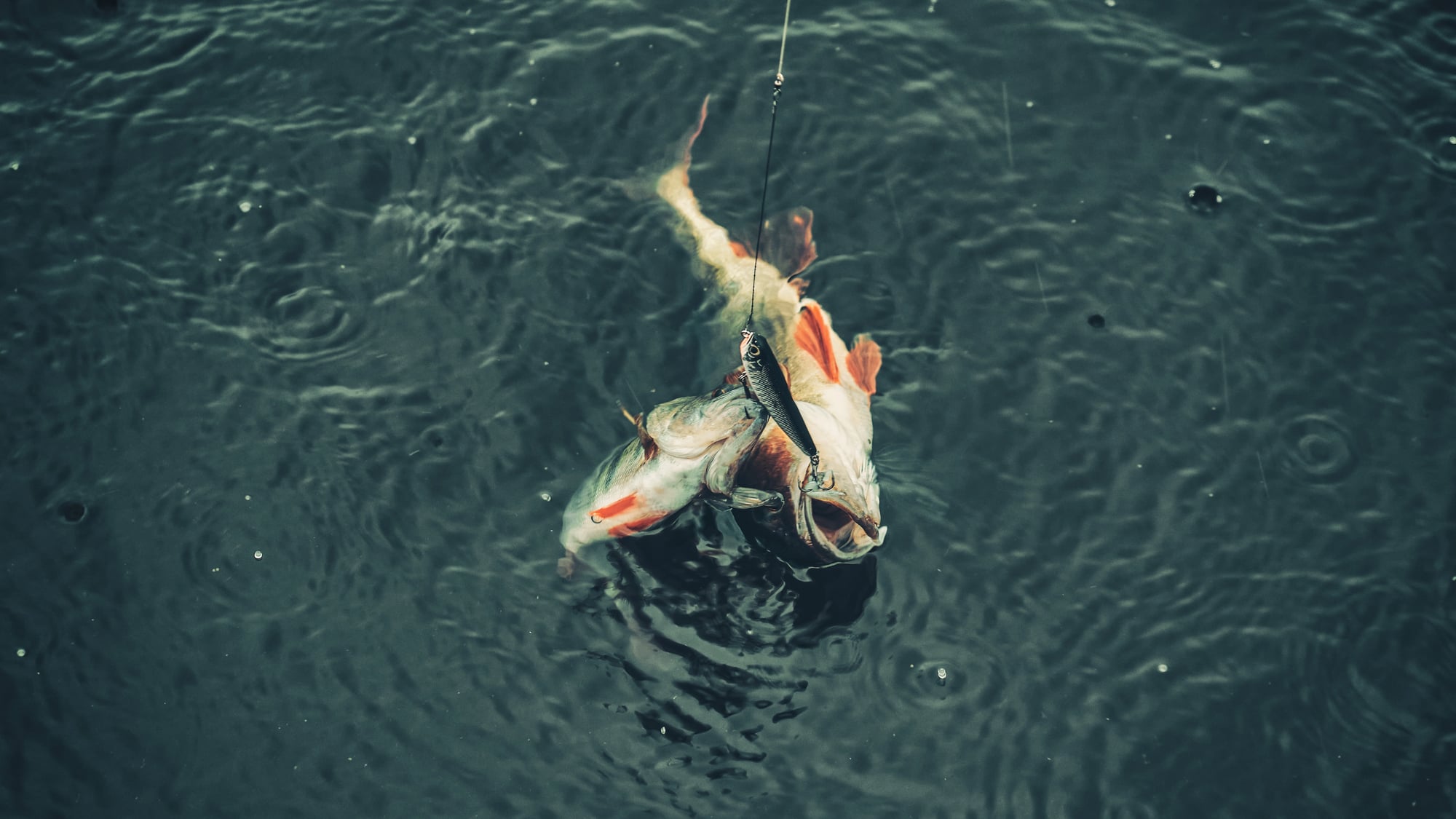
Targeting fish beneath dense surface vegetation requires the specialized “punching” technique – using heavyweight sinkers to drive baits through thick cover. The heavy weight – often 1-2 ounces – creates an entry point through matted vegetation, allowing your bait to drop into open water pockets below where big fish hide.
This aggressive approach reaches untapped fish that find security beneath floating vegetation mats that most anglers bypass entirely.
Drift Fishing
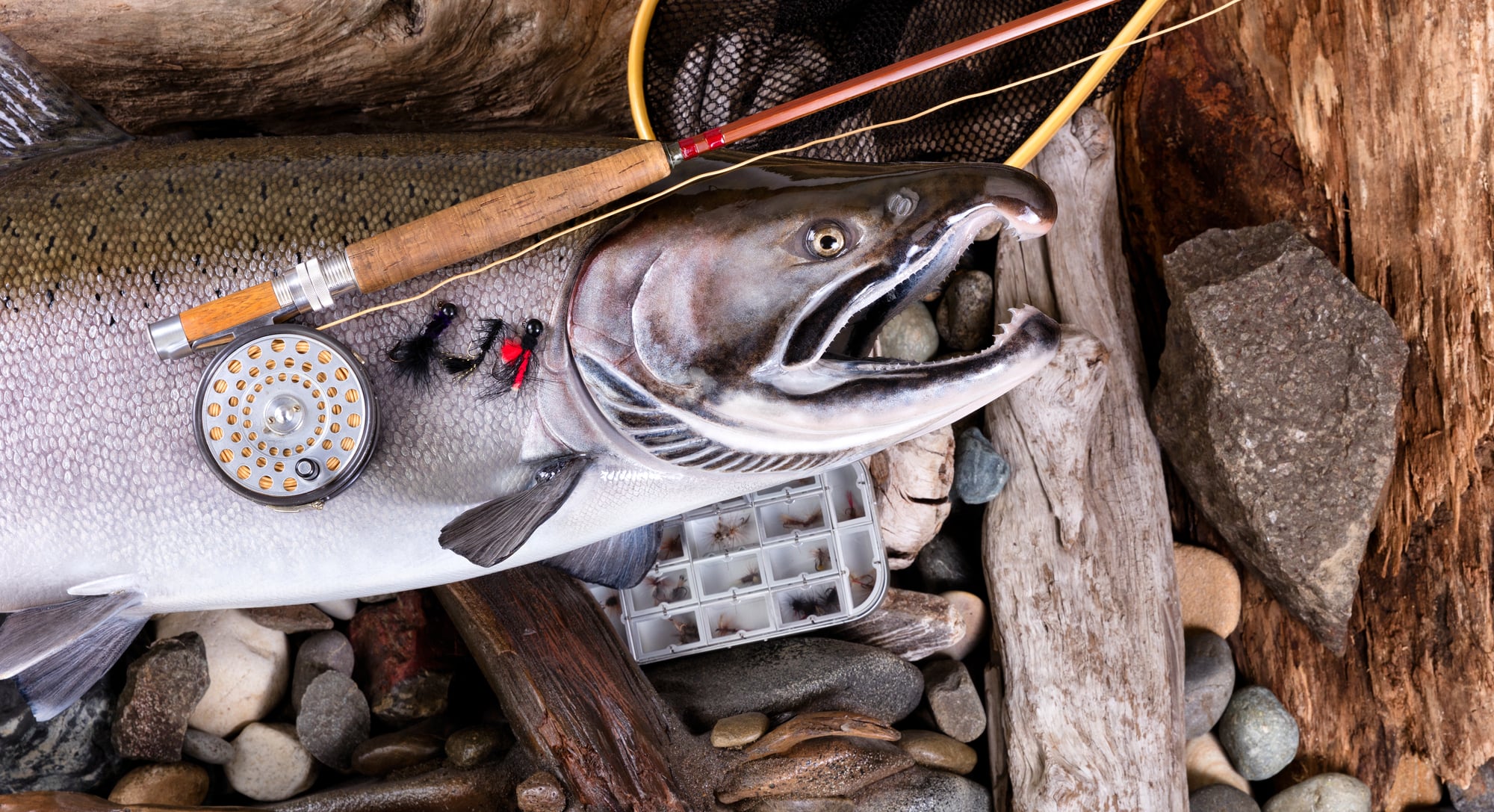
Allowing natural currents to move your bait through productive areas defines drift fishing – a technique particularly effective in rivers or tidal zones. Rather than fighting the current, this approach harnesses water movement to present baits naturally while covering substantial water.
Stream anglers use this presentation for trout, steelhead, and salmon, while coastal anglers employ drifting techniques for numerous saltwater species in tidal flows.
Skipping
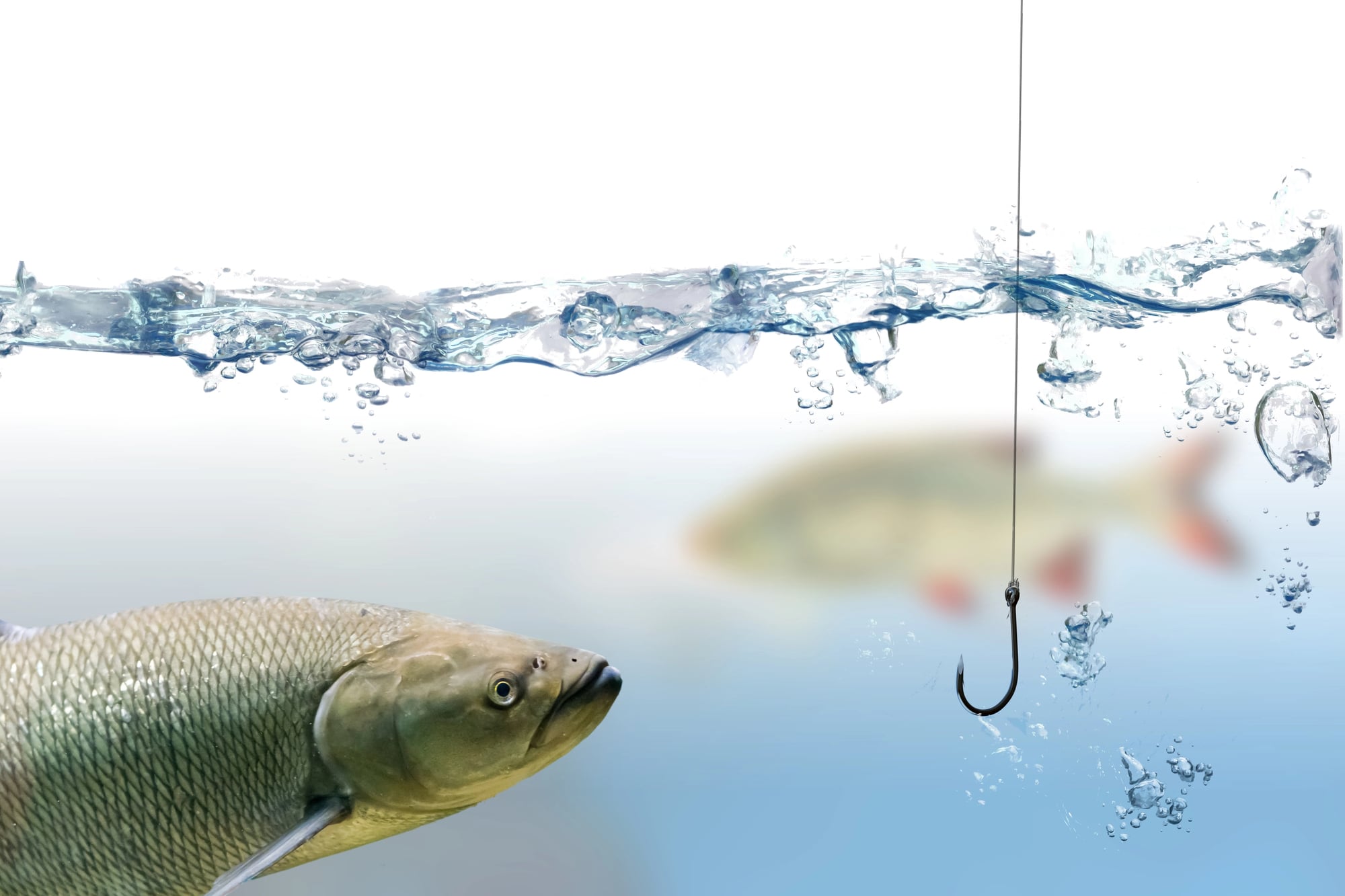
Casting underneath docks, overhanging trees, and other hard-to-reach areas requires the specialized skipping technique – where lures skim across the surface like flat stones. The low-angle cast creates multiple surface contacts, propelling your bait far under objects unreachable with conventional casts.
Mastering this technique unlocks areas where the biggest fish often hide – spots that receive minimal fishing pressure due to casting difficulty.
Sight Fishing

Visually targeting visible fish creates the ultimate connection between angler and quarry – requiring stealth, accuracy, and fish behavior knowledge. This technique works brilliantly for bedding bass, cruising carp, tailing redfish, and other scenarios where fish become visible.
Beyond simply seeing fish, successful sight fishing demands understanding how to position casts, which baits to select, and how to trigger strikes from fish you’re directly observing.
Evolution of Angling Approaches
Fishing techniques continue evolving through technological advances and knowledge sharing among angler communities worldwide. What remains constant is the fundamental connection between humans and fish that transcends mere food gathering – becoming a passionate pursuit that combines skill development with nature appreciation.
Today’s angler benefits from generations of collective wisdom while contributing new innovations to this ancient practice.
These techniques represent starting points rather than rigid formulas, as successful anglers constantly adapt their approaches to changing conditions. Mastering several methods creates versatility that keeps fishing productive throughout seasons and locations.
The most accomplished anglers understand that fish behavior dictates technique selection – developing an intuitive sense for matching their approach to the specific scenario each fishing day presents.
More from Go2Tutors!

- The Romanov Crown Jewels and Their Tragic Fate
- 13 Historical Mysteries That Science Still Can’t Solve
- Famous Hoaxes That Fooled the World for Years
- 15 Child Stars with Tragic Adult Lives
- 16 Famous Jewelry Pieces in History
Like Go2Tutors’s content? Follow us on MSN.