17 Sugar Trade Facts That Changed History
Few commodities have shaped human civilization quite like sugar. What started as people chewing sweet cane stalks in New Guinea around 8000 BCE eventually became the driving force behind global empires, revolutionary wars, and economic systems that still influence our world today. This seemingly innocent white crystal sparked the largest forced migration in human history, toppled governments, and created wealth that built some of the world’s most powerful nations.
The sugar trade didn’t just sweeten our food—it fundamentally altered the course of human history in ways that continue to impact us centuries later. Here is a list of 17 sugar trade facts that transformed the world.
Sugar Started as Ancient Medicine

Crystallized sugar was found in medicinal records of both Roman and Greek civilizations; it was used to treat indigestion and stomach ailments. Before sugar became a culinary staple, ancient civilizations prized it as a powerful medicine. The sweet substance was so rare and valuable that doctors prescribed it like we might prescribe expensive pharmaceuticals today. This medical connection helped establish sugar’s reputation as something precious and worth trading across vast distances.
India Jealously Guarded Sugar-Making Secrets
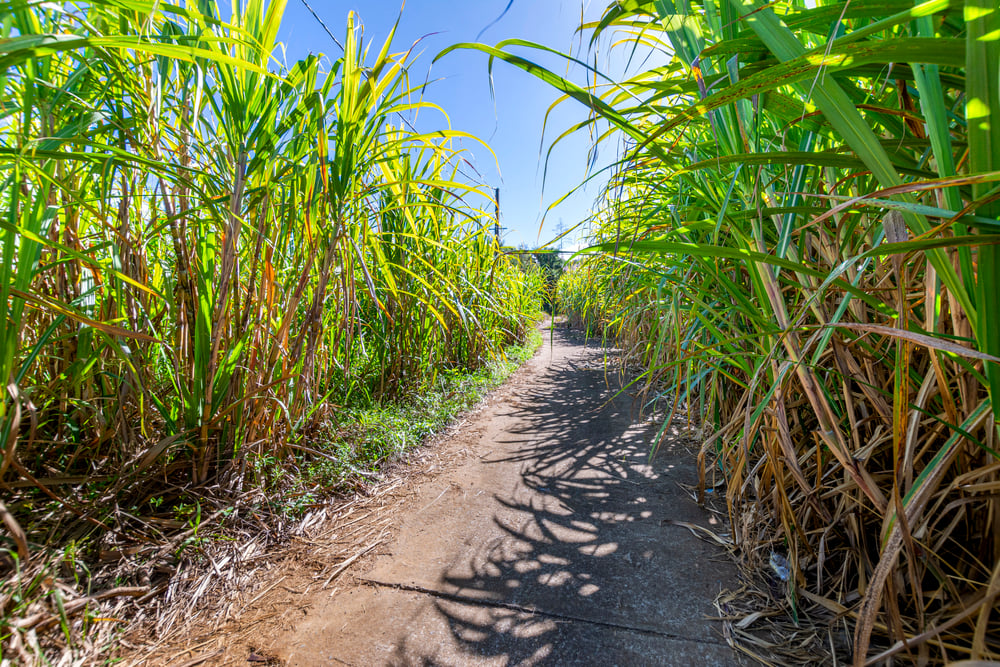
For a long time, the Indian people kept the whole process of sugar-making a closely guarded secret, resulting in rich profits through trade across the subcontinent. Ancient Indians were the first to master the art of extracting sugar from cane around 3,000 years ago. They treated this knowledge like a state secret, creating a monopoly that generated enormous wealth. The secrecy was so effective that sugar remained mysterious to other civilizations for centuries, making it more valuable than gold in many markets.
Persian Conquest Broke India’s Sugar Monopoly
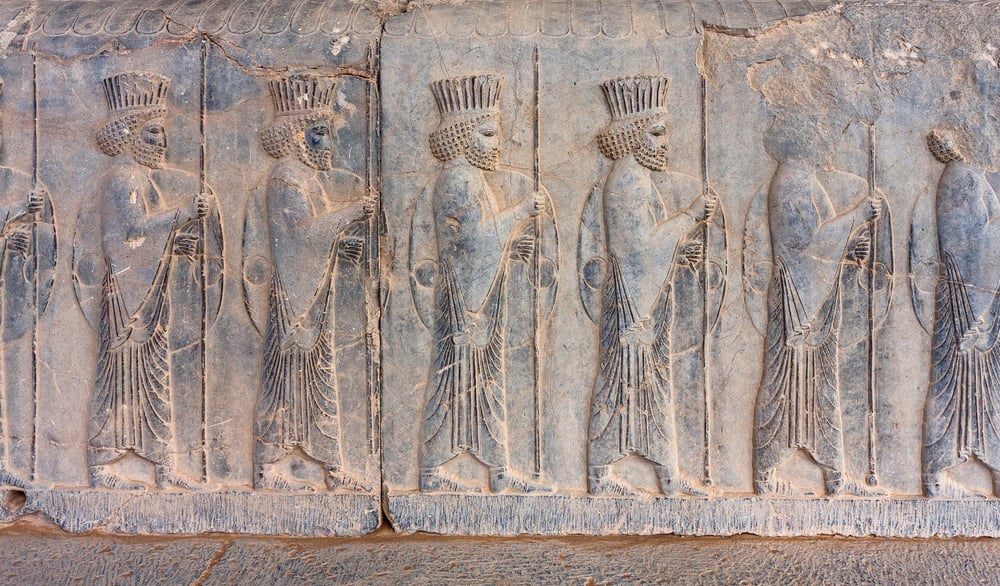
This all changed when Darius I (r. 522-486 BCE), ruler of the Persian Achaemenid Empire, invaded India in 510 BCE. The victors took the technology back to Persia and began producing their own sugar. When the Persian Empire conquered parts of India, they didn’t just take territory—they stole the secrets of sugar production. This knowledge transfer marked the beginning of sugar’s spread westward and broke India’s exclusive control over the lucrative trade. The Persians quickly established their own sugar industry, setting the stage for sugar to become a global commodity.
Islamic Expansion Triggered an Agricultural Revolution

When the Prophet Muhammad began his Holy War to convert the world to Islam in 632 CE, his followers simultaneously started an agricultural revolution. Islamic conquests weren’t just about religion—they created one of history’s greatest agricultural exchange programs. Muslim armies and traders carried sugar cultivation techniques across North Africa, Spain, and the Mediterranean, introducing new farming methods and crops wherever they went. This agricultural revolution laid the groundwork for Europe’s eventual encounter with sugar.
Mongols Accidentally Destroyed Persian Sugar Production

Sugar manufacturing continued in Persia for nearly a thousand years, under a revolving set of rulers, until the Mongol invasions of the 13th century destroyed the industry. For nearly a millennium, Persia remained a major sugar producer, but the Mongol invasions devastated this established industry. The destruction was so complete that it created a supply shortage that would eventually drive European powers to seek sugar production elsewhere. This disruption contributed to the shift of sugar production westward and ultimately to the Americas.
Medieval Europe Treated Sugar Like Precious Spice
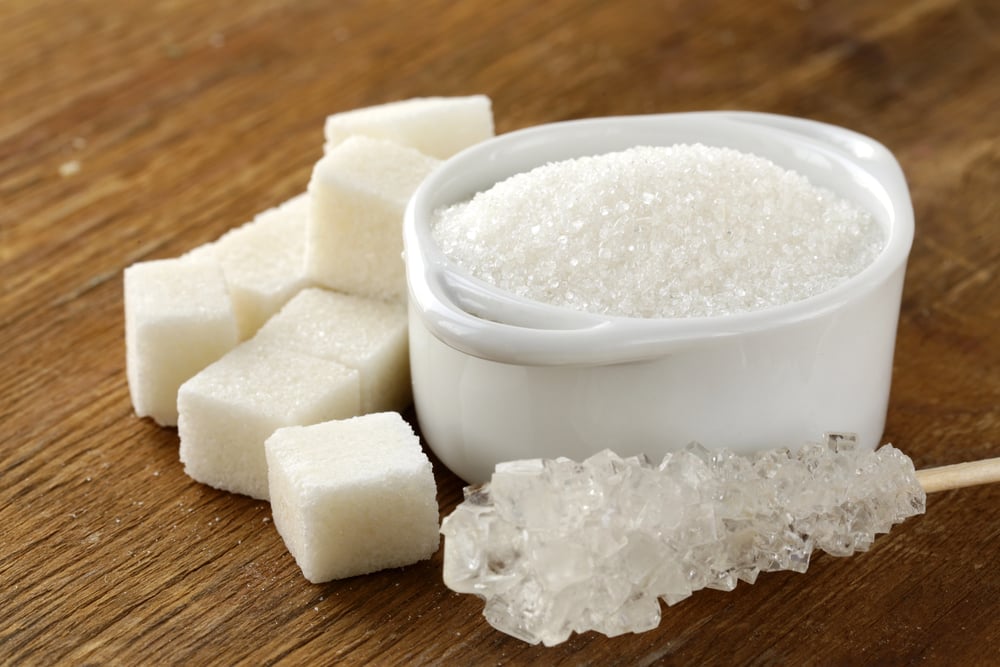
The presence of sugar was first acknowledged in England in the 12th century, where it was treated predominantly as a spice and a medicine. When sugar first reached medieval Europe, it was so rare and expensive that only the wealthy could afford it. People used tiny amounts like we might use saffron today—sparingly and for special occasions. This scarcity made sugar a symbol of status and wealth, setting the stage for the massive demand that would later drive colonial expansion.
Madeira Became Europe’s First Major Sugar Colony

It started in Madeira in 1455, using advisers from Sicily and (largely) Genoese capital for the mills. By 1480 Antwerp had some seventy ships engaged in the Madeira sugar trade, with the refining and distribution concentrated in Antwerp. The Portuguese island of Madeira marked Europe’s first successful large-scale sugar production outside the Mediterranean. This Atlantic island became a testing ground for the plantation system that would later devastate the Americas. The success in Madeira proved that European powers could profitably produce sugar using enslaved labor, creating a blueprint for future colonial exploitation.
Columbus Brought Sugar to the New World
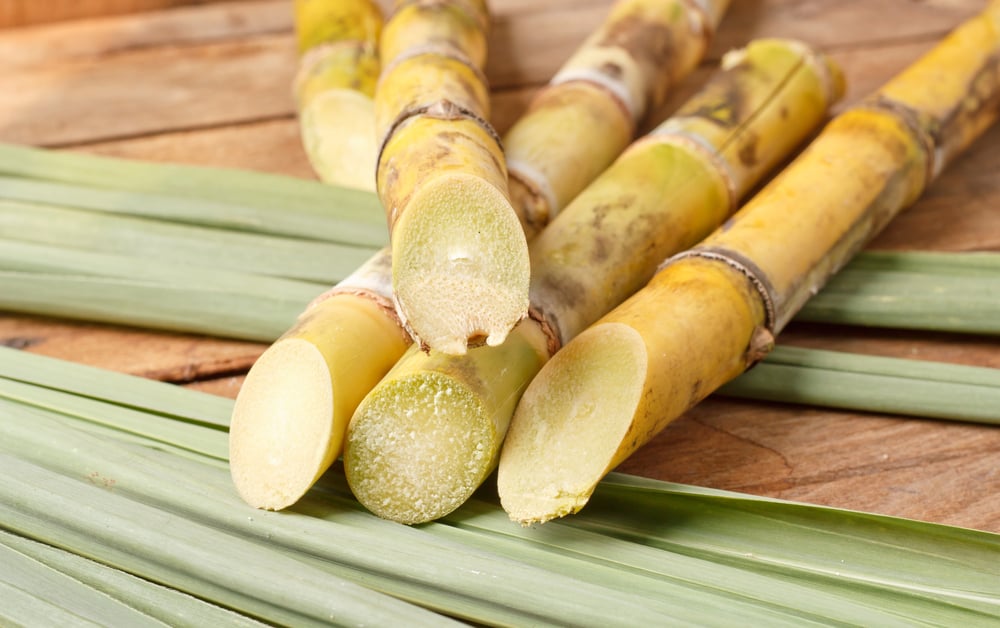
The Portuguese brought sugar to the New World (Brazil). Hispaniola (Haiti/Dominican Republic) had its first sugar harvest. When European explorers reached the Americas, they quickly realized the potential for sugar cultivation in the tropical climate. 800 sugar cane mills were developed on Santa Catarina Island, along with another 2,000 mills along the north coast of Brazil. This rapid expansion transformed the New World economy and set the stage for centuries of exploitation and wealth extraction.
Sugar Drove the Largest Forced Migration in History
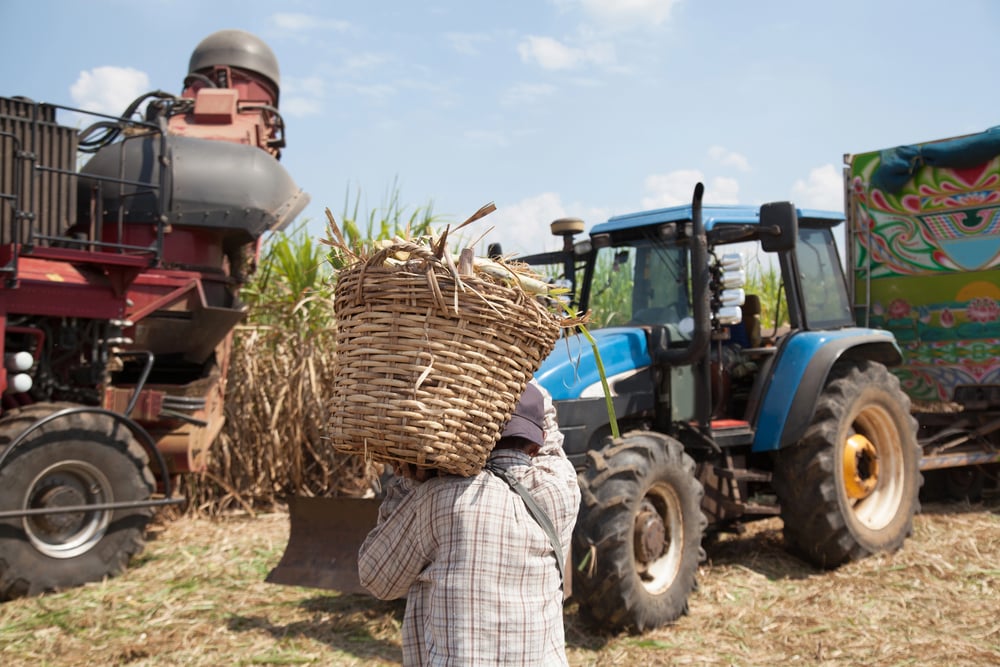
Sugar slavery was the key component in what historians call The Trade Triangle. Overall, of the approximately 12.5 million people who were kidnapped in Africa and survived their transport across the Atlantic, nearly two-thirds ended up on sugar plantations. The demand for sugar labor created the transatlantic slave trade, forcibly moving more people than any other migration in human history. This massive displacement of African peoples forever changed the demographics and cultures of three continents, creating the foundation for centuries of racial inequality and economic exploitation.
Haiti Became the World’s Sugar Powerhouse
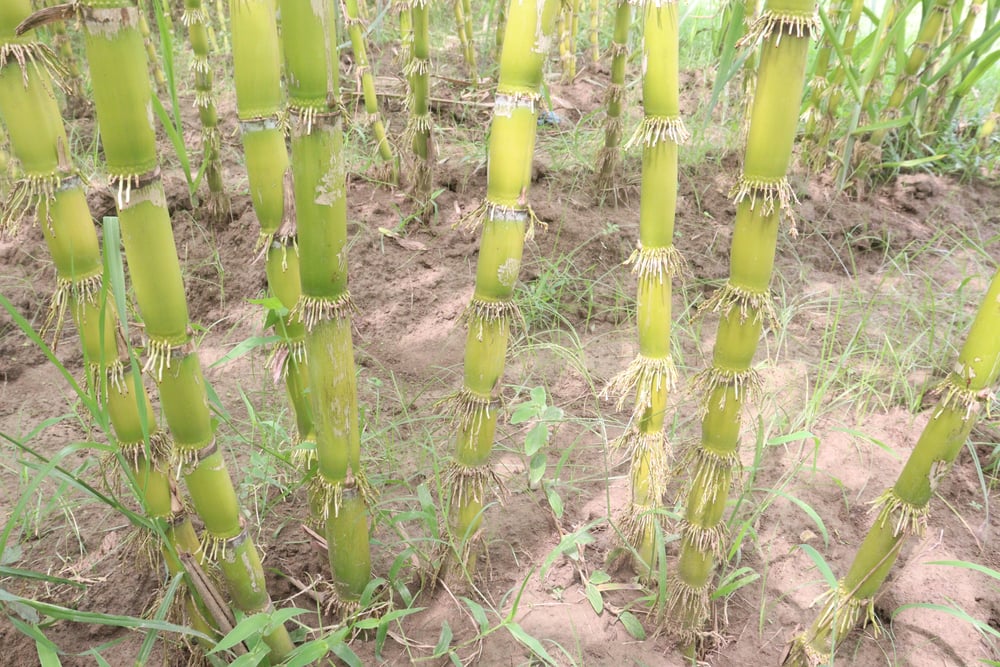
By the time of the French Revolution Haiti was producing more than half of all the coffee produced in the world and Haiti was producing 40 percent of the sugar for France and Britain. Shortly before the Haitian Revolution, Saint-Domingue produced roughly 40 percent of the sugar and 60 percent of the coffee imported to Europe. The French colony of Saint-Domingue (now Haiti) became the most profitable piece of real estate on Earth, generating more wealth than entire European countries. This tiny Caribbean island supplied nearly half of Europe’s sugar and dominated global markets, making it so valuable that France considered it worth more than all of North America.
Sugar Conditions Were History’s Most Brutal
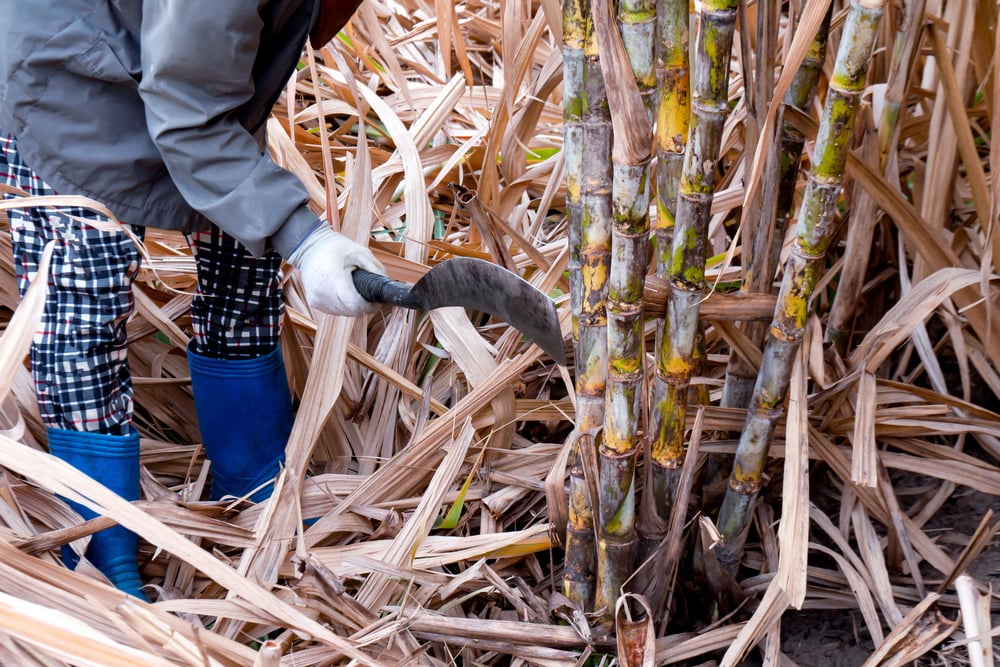
The average lifespan of an enslaved sugar plantation worker was only 7-9 years after arrival in the Americas. Sugar plantation work was so deadly that it essentially became a death sentence for enslaved people. The combination of backbreaking labor, dangerous machinery, tropical diseases, and deliberate brutality created mortality rates that shocked even contemporaries accustomed to harsh working conditions. This human cost was deliberately ignored in favor of the enormous profits sugar generated.
The Haitian Revolution Shocked the World

Taking place in 1791, it occurred a mere two years after the French Revolution and only eight years after the end of the American Revolution. Through the struggle, the Haitian people ultimately won independence from France and thereby became the first country to be founded by former slaves. The successful slave revolt in Haiti terrified slave owners across the Americas and challenged fundamental assumptions about race and power. This revolution proved that enslaved people could organize, fight, and win against European military forces, inspiring resistance movements while causing panic among colonial authorities worldwide.
Napoleon’s Sugar Losses Changed American History
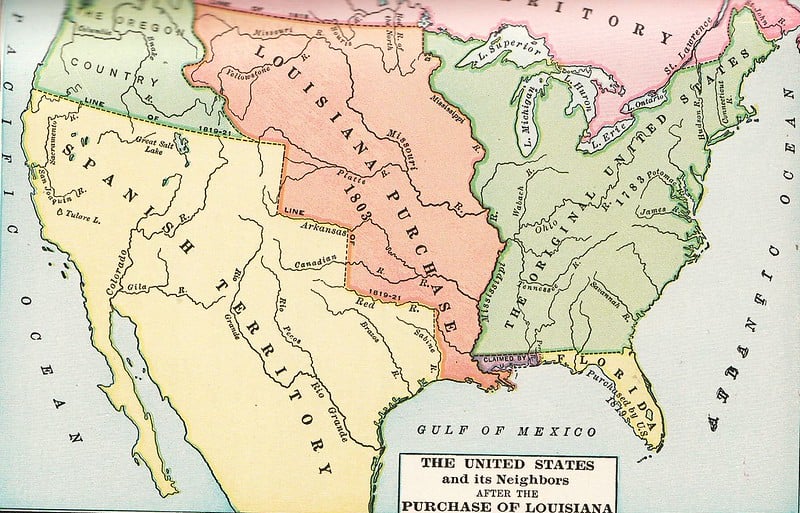
It ended Napoleon’s attempts to create a French empire in the Western Hemisphere and arguably caused France to decide to sell its North American holdings to the United States (the Louisiana Purchase)—thus enabling the expansion of slavery into that territory. When Napoleon lost Haiti, he abandoned his plans for a French empire in the Americas and sold the Louisiana Territory to the United States. This decision, driven by sugar plantation losses, doubled the size of America and ironically expanded slavery into new territories, fundamentally altering the trajectory of American expansion and the eventual Civil War.
Sugar Made Some Islands Worth More Than Continents
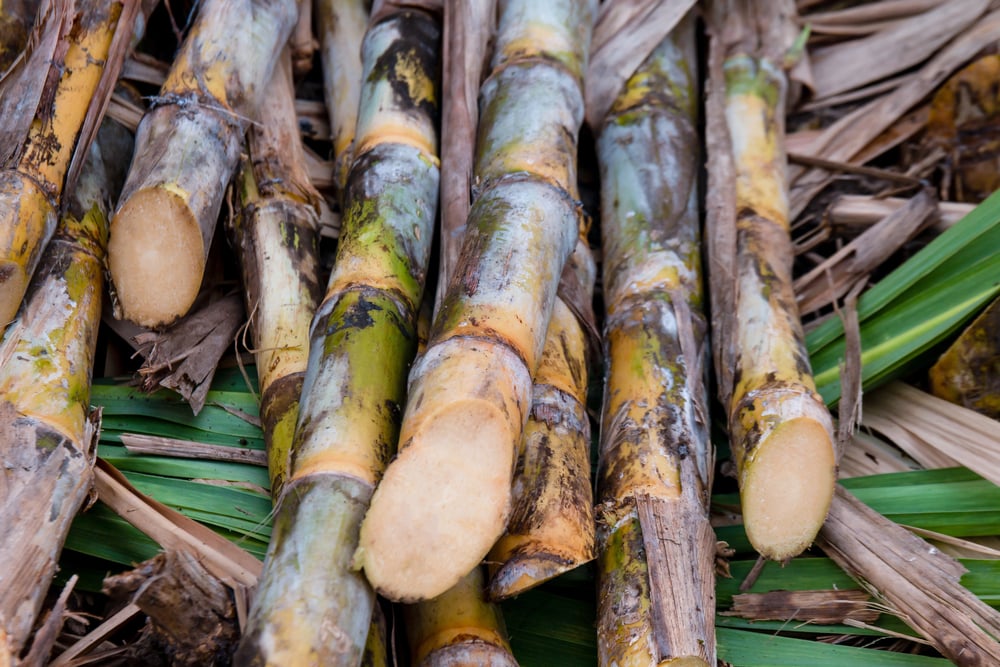
Britain lost its 13 American colonies to independence in part because its military was busy protecting its sugar islands, many historians have argued. The British Empire considered its Caribbean sugar islands so valuable that it diverted military resources from defending the American colonies during the Revolutionary War. This strategic decision, prioritizing sugar profits over territorial control, contributed to American independence and demonstrated how economic interests in small islands could outweigh vast continental territories.
Sugar Consumption Exploded Across Social Classes

Sugar became an extremely popular commodity, representing 20% of all European imports; toward the end of the century, the British and French colonies in the West Indies produced 80% of the sugar. By the 18th century, sugar had transformed from a luxury spice into a mass commodity that ordinary people could afford. This democratization of sweetness changed European diets, created new industries, and generated enormous wealth for colonial powers. The scale of consumption grew so rapidly that entire island economies became devoted to satisfying Europe’s sweet tooth.
Boycotts Became an Early Form of Ethical Consumerism

Though more expensive than sugar produced by enslaved people, Georgian confectionery shops would advertise that they only used East India sugar to distance themselves from the slave trade. Aware consumers in the late 1700s began choosing ‘free-grown’ sugar from India over slave-produced sugar from the Caribbean, creating one of history’s first ethical consumption movements. This early form of consumer activism demonstrated how purchasing decisions could become political statements and helped build momentum for the abolition movement.
Industrial Sugar Production Created Modern Labor Systems

After slavery, sugar plantations used a variety of forms of labour including workers imported from colonial India and Southern China working as indentured servants on European owned plantations (coolie). When slavery was finally abolished, sugar producers developed new forms of exploitative labor that brought millions of Asian workers to plantations across the world. This system of indentured servitude created global migration patterns and labor systems that continued many of the abuses of slavery under different names, showing how economic interests adapted to changing legal frameworks.
The Sweet Revolution That Never Ended
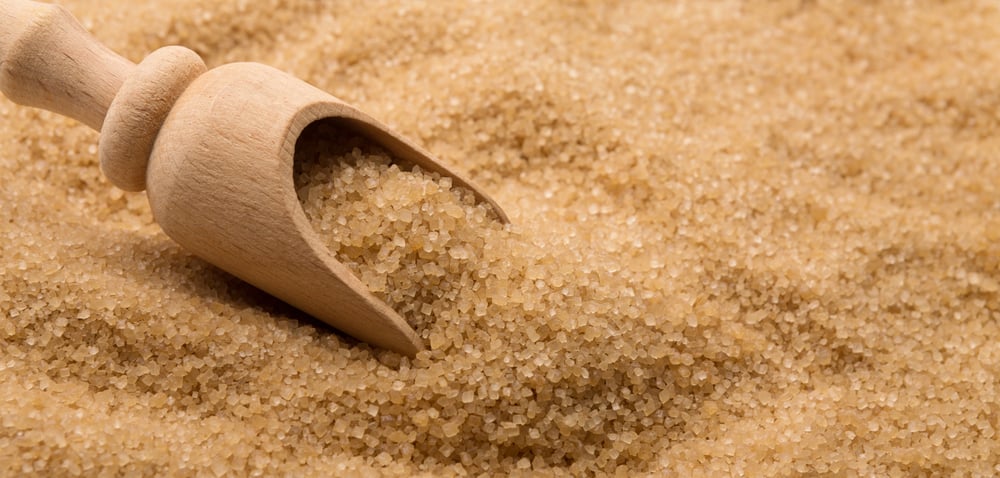
The sugar trade created the template for modern global capitalism, with its emphasis on cheap labor, mass production, and long-distance trade networks. From the trading routes that connected continents to the financial systems that funded plantations, sugar’s influence shaped the economic structures we still use today. The wealth generated by sugar helped finance the Industrial Revolution, while the social hierarchies it created continue to influence discussions about inequality and reparations. Understanding sugar’s history helps explain how a simple plant transformed into one of humanity’s most consequential commodities, leaving a legacy that extends far beyond the sweetness on our tables.
More from Go2Tutors!

- The Romanov Crown Jewels and Their Tragic Fate
- 13 Historical Mysteries That Science Still Can’t Solve
- Famous Hoaxes That Fooled the World for Years
- 15 Child Stars with Tragic Adult Lives
- 16 Famous Jewelry Pieces in History
Like Go2Tutors’s content? Follow us on MSN.