Most Expensive Mistakes Made on Luxury Cruise Lines
Picture this: You’ve saved for months, maybe years, for the cruise of a lifetime. The suite is booked, the champagne is chilled, and you’re ready to sail into paradise.
Then reality hits — and it hits your wallet harder than a rogue wave. Luxury cruising comes with its own set of financial traps that can turn your dream vacation into a budget nightmare faster than you can say “room service.”
The truth is, even the most seasoned travelers can find themselves blindsided by costs they never saw coming. These aren’t just minor oversights — they’re the kind of mistakes that can add thousands to your final bill and leave you questioning every decision you made onboard.
Booking Shore Excursions Through the Cruise Line
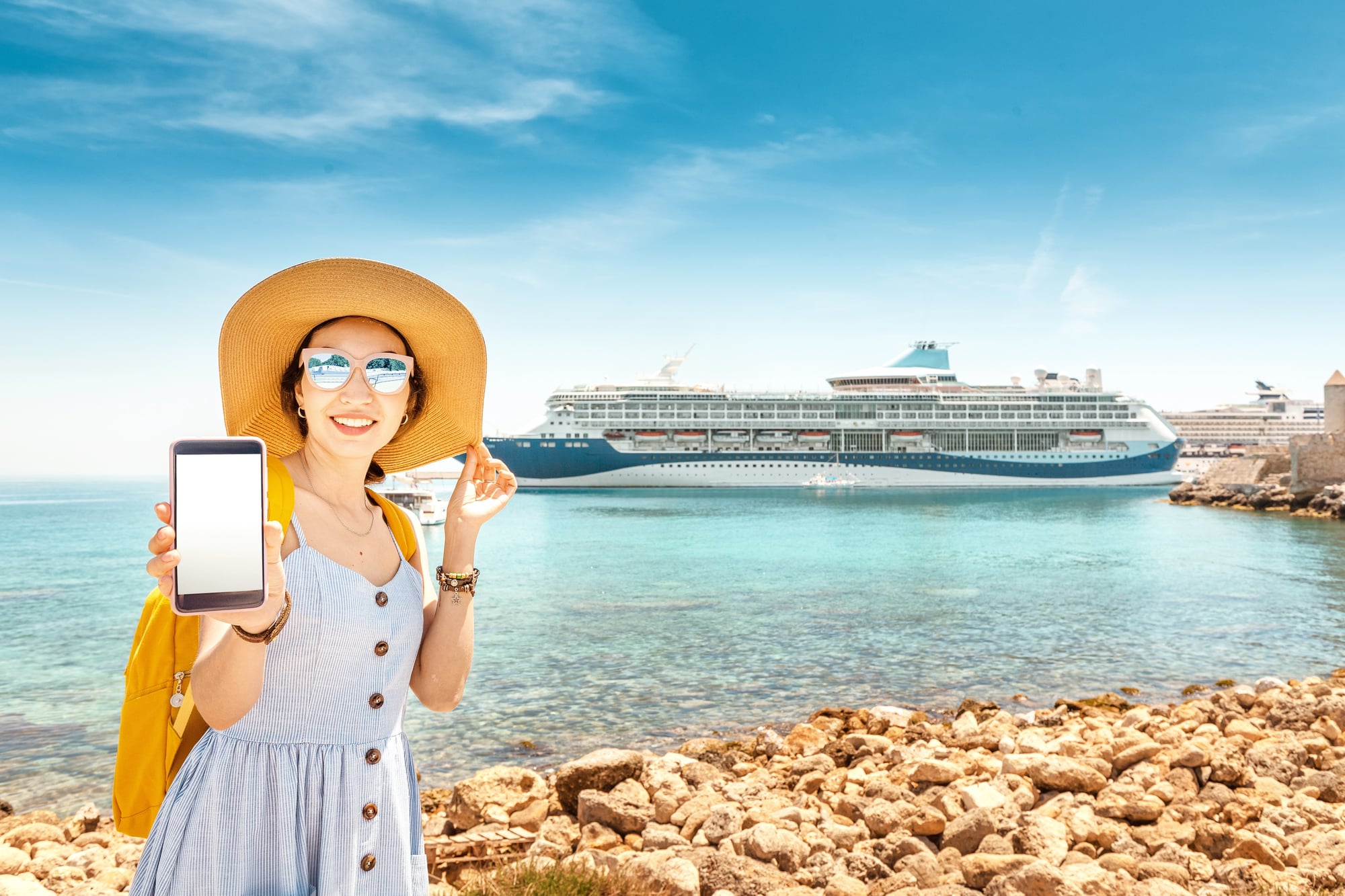
The cruise line’s shore excursion desk makes everything look so convenient. Pre-planned tours, guaranteed timing, professional guides — what could go wrong?
Everything, if you care about your bank account. Cruise lines mark up these excursions by 200-300% compared to booking directly with local operators.
That cooking class in Tuscany that costs $89 through the ship? The same chef charges $35 if you book directly.
The “exclusive” wine tasting? Not exclusive, and definitely not worth triple the price.
Falling for Unlimited Beverage Package Traps
You’ve got to admire the psychology behind beverage packages — they make spending $70 per day on drinks sound reasonable by dangling the word “unlimited” in front of you. And yet (because there’s always an “and yet” with cruise marketing), the math rarely works in your favor, especially when you consider that luxury cruises often include premium drinks in certain venues anyway.
The real trap isn’t the package itself: it’s that once you buy it, you feel obligated to drink enough to justify the cost, which leads to ordering $18 cocktails you don’t actually want just because they’re “free.”
But here’s the thing that really gets you — the package doesn’t cover everything (those top-shelf bottles are still extra), and you’re locked into buying it for every day of your cruise, even days when you’re off the ship exploring ports where you won’t be drinking onboard at all.
Specialty Dining Without Reading the Fine Print
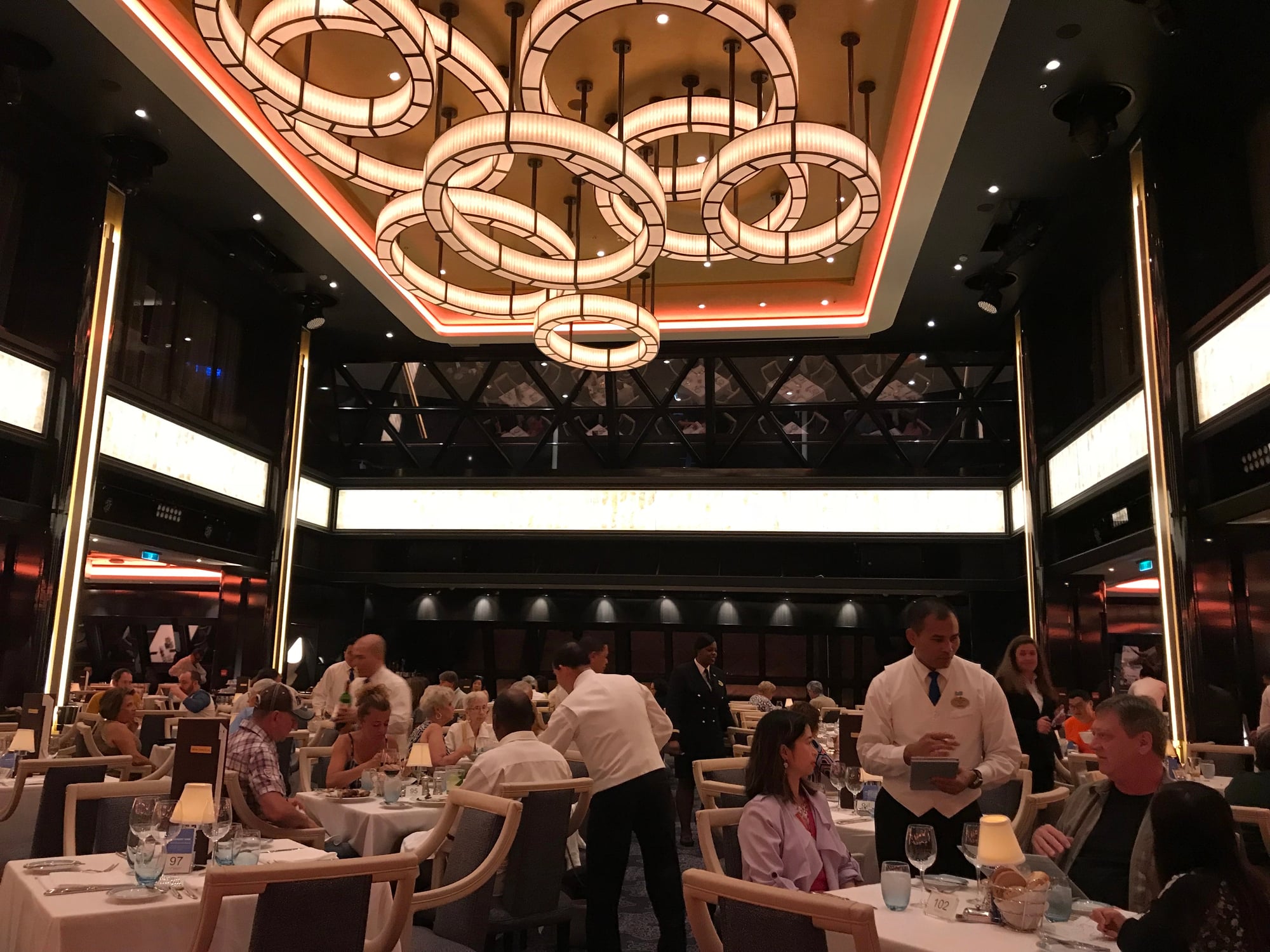
Luxury cruise lines love to advertise their celebrity chef partnerships and Michelin-starred dining experiences. What they don’t advertise quite as loudly are the cover charges.
That Thomas Keller restaurant onboard? Sure, it’s included in your cruise fare — except for the $95 per person “service fee.”
The wine pairing that the sommelier enthusiastically recommends? Another $150. By the time you’ve experienced fine dining at sea, you’ve spent more on one meal than some people spend on food for a week.
Spa Treatments at Sea Versus on Land

There’s something almost hypnotic about spa menus on cruise ships — the treatments sound more luxurious, the setting more exotic, the experience more exclusive than anything you could get on land. The prices reflect this manufactured exclusivity too, which is to say they’re completely detached from reality.
A basic massage that costs $80 at a high-end spa in your hometown somehow transforms into a $200 “ocean therapy session” when performed on a ship, using the same techniques and likely the same products.
The cruel irony is that you’re paying premium prices for a service that’s objectively worse than what you’d get on shore: the treatment rooms are smaller, the staff is overbooked, and there’s always the subtle motion of the ship working against the relaxation you’re trying to achieve.
And that’s assuming the seas are calm.
Internet and Communication Charges
Cruise ship internet is expensive, slow, and unreliable. Everyone knows this going in, yet people still end up with $400 communication bills.
The packages seem reasonable until you realize that “social media access” doesn’t include uploading photos, video calls don’t work reliably, and the “premium” package still can’t handle a simple Zoom call.
But you keep paying because staying connected feels essential, even when you’re supposed to be disconnecting.
Laundry and Dry Cleaning Services

Packing light for a long cruise seems smart until you see the onboard laundry prices. $3.50 to wash a t-shirt, $8 for a dress, $12 to dry clean a jacket — suddenly that extra suitcase fee doesn’t look so bad.
The real sting comes when you realize these aren’t even quality services (items come back wrinkled, sometimes damaged), but you’re stuck because the alternative is wearing dirty clothes for two weeks.
Self-service laundry rooms, where they exist, are always packed and require exact change that’s impossible to obtain onboard.
Some passengers end up spending more on laundry than they did on their entire pre-cruise wardrobe, which is exactly the kind of ironic twist that makes you question your life choices while standing in line holding a basket of overpriced clean shirts.
Casino Losses in International Waters

Cruise ship casinos are designed differently than land-based ones, and not in ways that favor the player. The odds are worse, the minimums are higher, and there’s a psychological trap that comes with gambling while surrounded by ocean — it feels like play money because you’re in this suspended reality where normal rules don’t apply.
The biggest mistake isn’t gambling itself, it’s not setting strict limits before you start.
People who would never dream of losing $500 in a Las Vegas casino somehow find themselves down $2,000 at sea because the experience feels less real, less consequential.
Art Auctions and Onboard Shopping

The art auction is theater disguised as commerce, and it’s surprisingly effective theater. The auctioneer creates urgency around pieces that aren’t rare, exclusivity around prints that aren’t limited, and investment potential around artwork that will be worth less tomorrow than today.
The champagne flows, the bidding feels friendly and casual, and suddenly you’re the proud owner of a $3,000 piece that would retail for $400 in any gallery on land.
The “certificate of authenticity” means nothing, the “appraisal” is inflated, and the shipping costs to get your purchase home often exceed what you should have paid for the piece in the first place.
Overpriced Room Service and Minibar Items
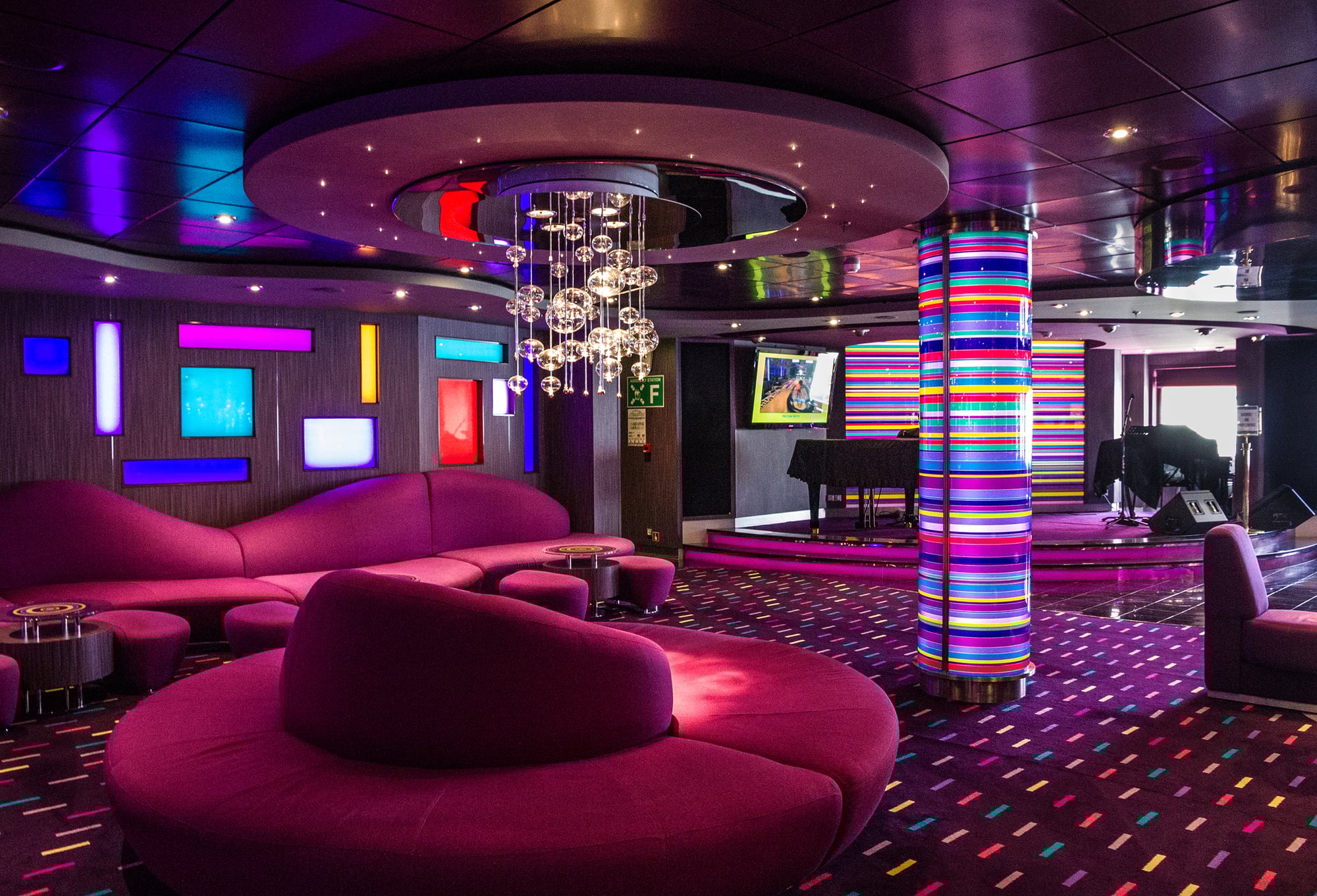
Room service on luxury cruise lines comes with a built-in markup that would make airport vendors blush. That simple club sandwich listed at $28 on the in-room dining menu costs the cruise line about $4 to make — but they’ve calculated that people will pay premium prices for the convenience of eating in their robes while watching the ocean.
The minibar is even worse: $8 for a bottle of water, $15 for a small bag of nuts, $25 for a split of champagne that costs $6 in the ship’s gift shop.
These aren’t prices, they’re penalties for not planning ahead.
But here’s the thing that makes it feel particularly unfair — luxury cruise fares are supposed to include most amenities, so these charges feel like nickel-and-diming on top of what you’ve already paid.
Last-Minute Cabin Upgrades
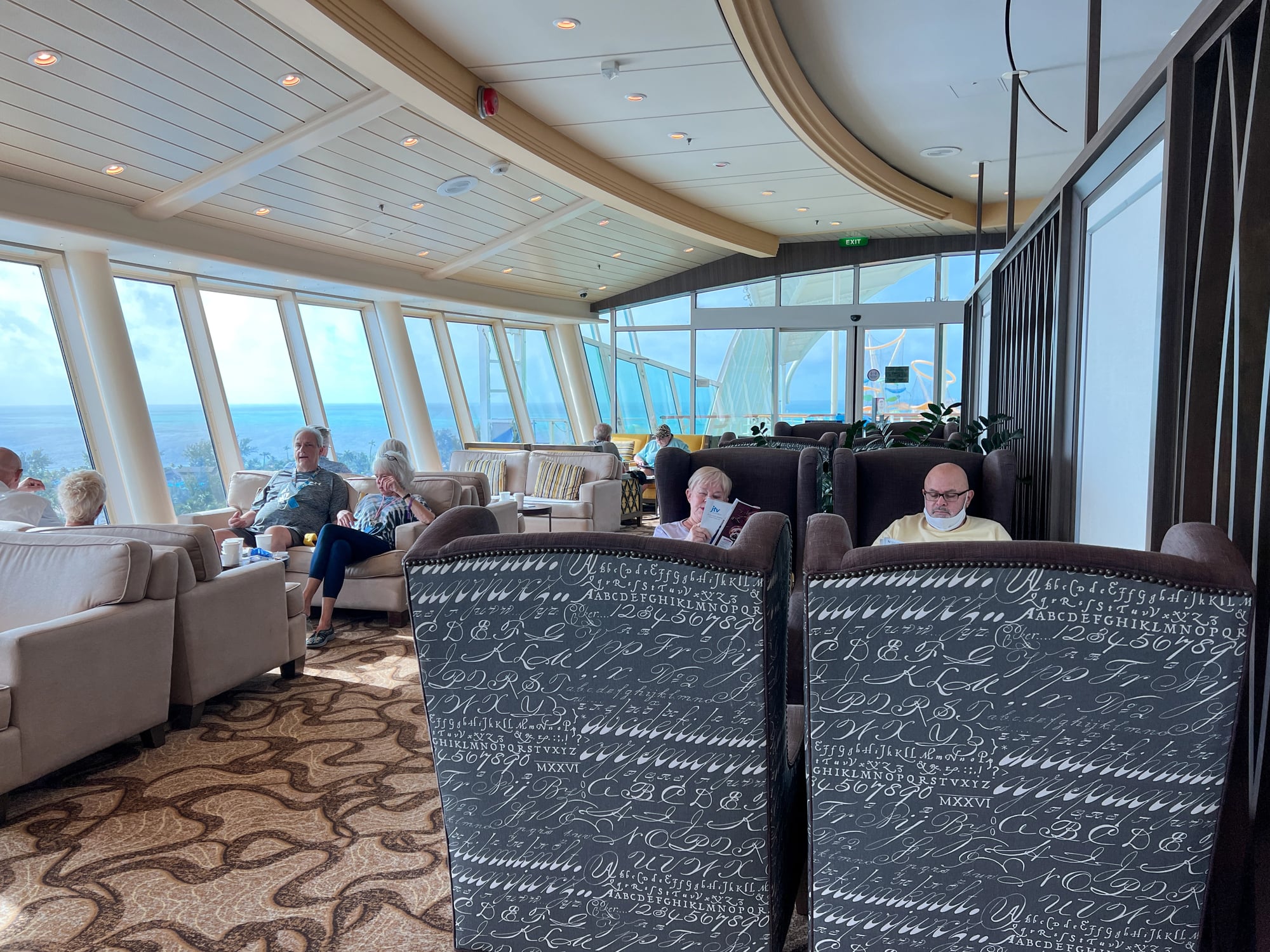
The offer comes right before boarding: upgrade to a suite for “only” $150 per night more than what you’re already paying. It sounds reasonable compared to what suites normally cost, and the cruise line makes it feel like a limited-time opportunity you’d be foolish to pass up.
What they don’t mention is that these upgrades are almost always available, the price is still inflated compared to what you could have paid if you’d booked the higher category initially, and the “suite” might just be a slightly larger room with a marginally better view.
The real cost isn’t just the upgrade fee — it’s the opportunity cost of not booking correctly from the start.
Photography Package Overspending

Professional photographers roam luxury ships like well-dressed paparazzi, capturing moments you didn’t know were being documented until you see them displayed the next day with your name underneath. The photos are genuinely good — these photographers know their craft and the lighting onboard — but the pricing structure is designed to extract maximum payment from your vacation euphoria.
Individual photos start at $20 each, which seems reasonable until you realize they’ve taken forty photos of you over the week, and the “value” package that includes all your photos costs $400.
The real trap is that they make it impossible to get just the one or two photos you actually want: it’s all or nothing, and they know that after a week of seeing yourself looking happy and relaxed in professional shots, you’ll convince yourself the memories are worth the premium.
Excursion Insurance and Add-On Fees

Travel insurance seems responsible until you read what it actually covers — which turns out to be significantly less than what the brochure implied. Medical coverage has exclusions for pre-existing conditions you didn’t know counted as pre-existing, trip interruption benefits don’t apply to weather delays, and that “cancel for any reason” policy has more restrictions than a rental car agreement.
The cruise line sells these policies hard during the booking process, and they make declining them feel irresponsible, but the coverage overlaps significantly with what your existing health and travel insurance already provides.
Most passengers end up paying for redundant protection they’ll never use.
Premium WiFi for Work Purposes

Working remotely from a cruise ship sounds like the ultimate lifestyle achievement until you try to actually do it. The premium internet package promises business-grade connectivity, but “business-grade” on a ship in the middle of the ocean means something entirely different than it does on land.
Video conferences drop constantly, file uploads take hours, and the connection disappears entirely during rough weather or when the ship passes through certain areas.
Yet you keep paying for higher-tier packages, convinced that spending more will solve the fundamental problem of trying to maintain land-based productivity while floating in the middle of the ocean.
The real cost isn’t just the internet fees — it’s the work deadlines you miss and the professional relationships you strain while chasing the fantasy of seamless sea-based productivity.
Learning to Navigate These Waters
The most expensive mistake might be assuming that luxury cruise lines operate on the same principles as other vacation experiences. They don’t.
These ships are floating cities with captive audiences, and the pricing reflects that reality.
Understanding this doesn’t make you cynical — it makes you prepared. Smart cruise spending isn’t about avoiding all extras or turning your vacation into a budget exercise.
It’s about recognizing which experiences are worth the premium and which are simply taking advantage of your temporary separation from financial common sense.
The ocean will still be beautiful, the sunsets will still be spectacular, and your vacation will still be memorable — even if you don’t fall for every expensive trap along the way.
More from Go2Tutors!

- The Romanov Crown Jewels and Their Tragic Fate
- 13 Historical Mysteries That Science Still Can’t Solve
- Famous Hoaxes That Fooled the World for Years
- 15 Child Stars with Tragic Adult Lives
- 16 Famous Jewelry Pieces in History
Like Go2Tutors’s content? Follow us on MSN.