15 Animals That Sleep in Extraordinary Ways
Sleep seems like one of the most basic things in the world — you get tired, you lie down, you close your eyes. Yet the animal kingdom has developed some absolutely mind-boggling ways to catch some rest.
From creatures that sleep while swimming to animals that can shut down half their brain at a time, nature’s approach to slumber makes our eight hours in bed look incredibly boring. Here’s a list of 15 animals that sleep in extraordinary ways.
Dolphins
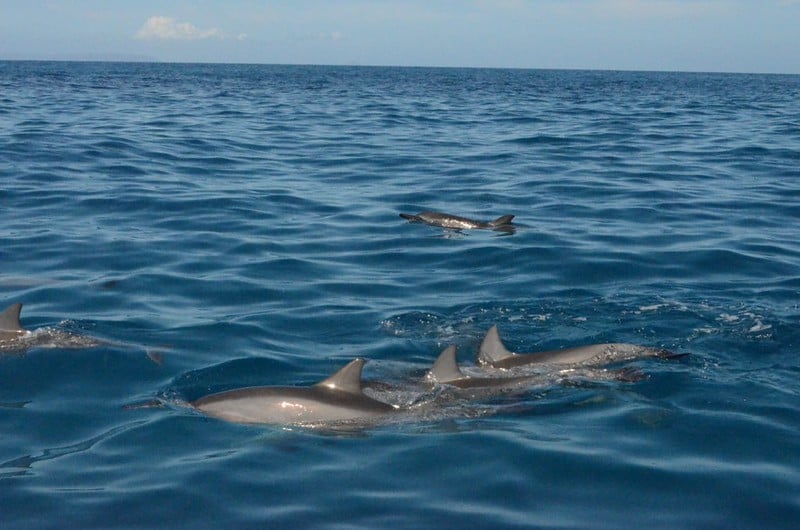
Dolphins can’t afford to sleep like we do because they’d literally drown. Instead, they’ve mastered something called unihemispheric slow-wave sleep — which means only half their brain sleeps at a time while the other half stays alert.
This allows them to continue swimming to the surface for air while still getting the rest they need.
Giraffes
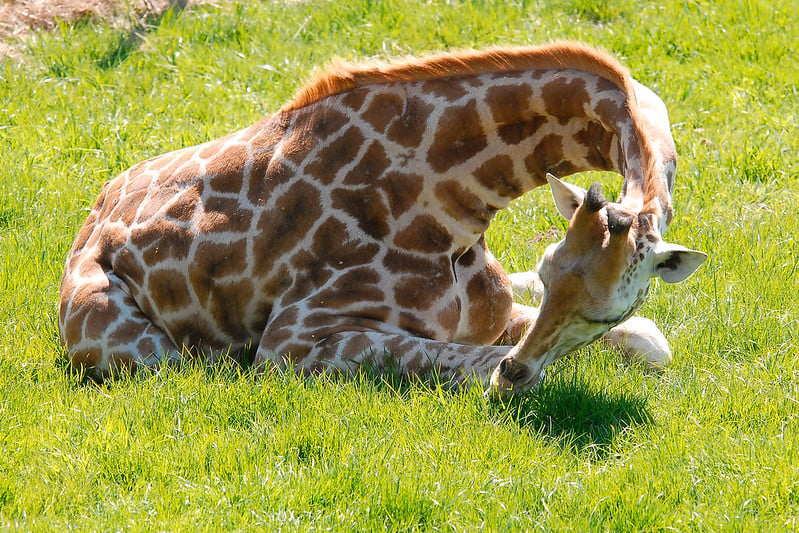
These towering giants have one of the shortest sleep requirements in the animal world. Giraffes typically sleep only 30 minutes to two hours per day, often in brief five-minute power naps.
When they do lie down — which is rare — they can fold their impossibly long necks back to rest their heads on their hindquarters.
Like Go2Tutors’s content? Follow us on MSN.
Sea Otters
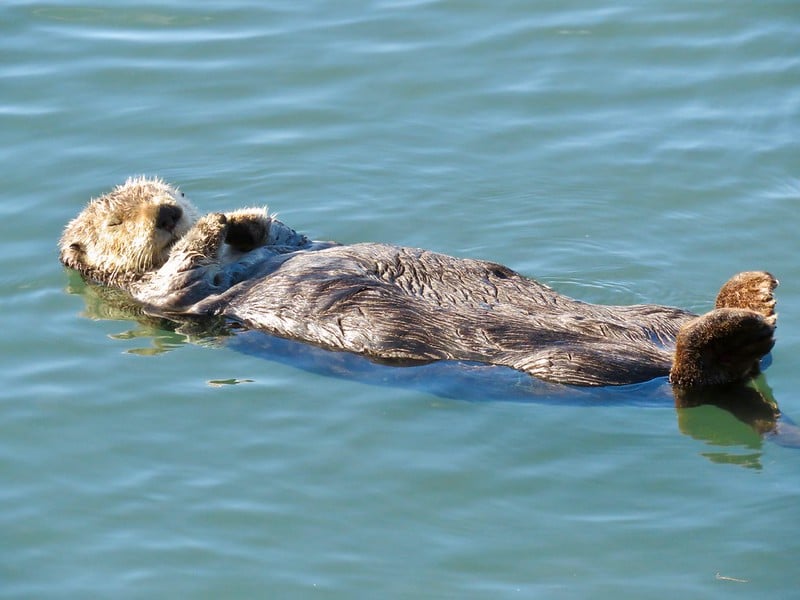
Sea otters have developed perhaps the most adorable sleeping strategy in nature. They hold hands while floating on their backs to prevent drifting apart in the ocean currents.
They’ll also wrap themselves in kelp like a natural anchor, creating floating beds that keep them safely in one spot while they snooze.
Alpine Swifts
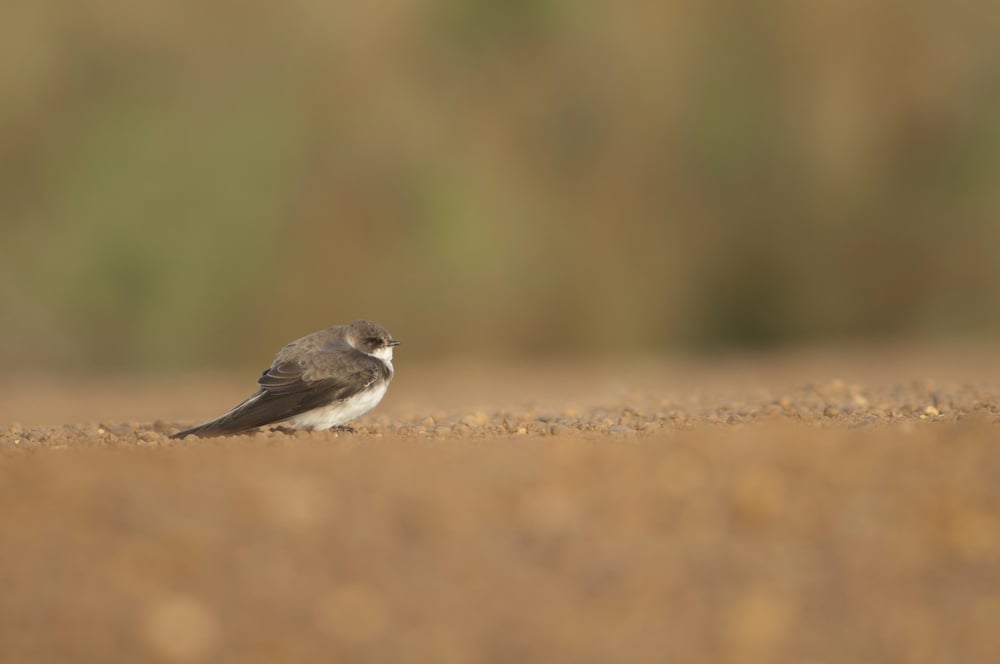
These remarkable birds can stay airborne for up to 200 days straight, which means they’ve figured out how to sleep while flying. Alpine swifts use a form of micro-sleep, catching brief moments of rest while gliding on air currents.
They can literally sleep on the wing without crashing into anything.
Sperm Whales
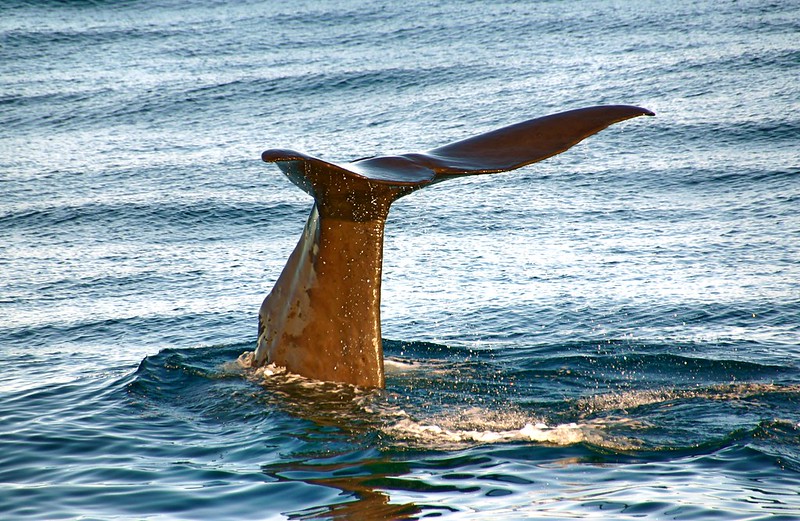
Sperm whales sleep in one of the most unusual positions imaginable — they hang vertically in the water like massive, living torpedoes. These giants drift motionless near the surface for about 10-15 minutes at a time.
Scientists only discovered this behavior recently, and it’s still not entirely clear how they manage to stay upright.
Like Go2Tutors’s content? Follow us on MSN.
Walruses
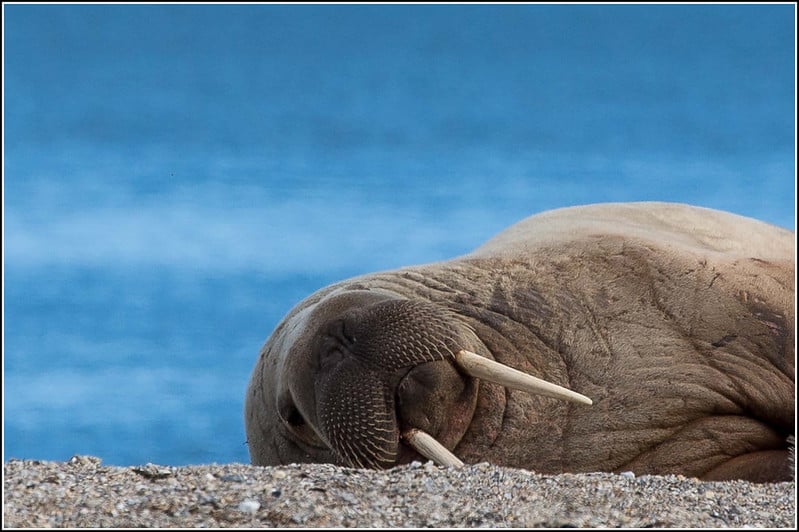
Walruses are incredibly versatile sleepers who can catch rest both on land and in water. When sleeping in water, they inflate air sacs in their necks that work like built-in life vests — keeping their heads above water while they float peacefully.
On land, they’ll pile together in massive, snoring heaps for warmth.
Frigatebirds
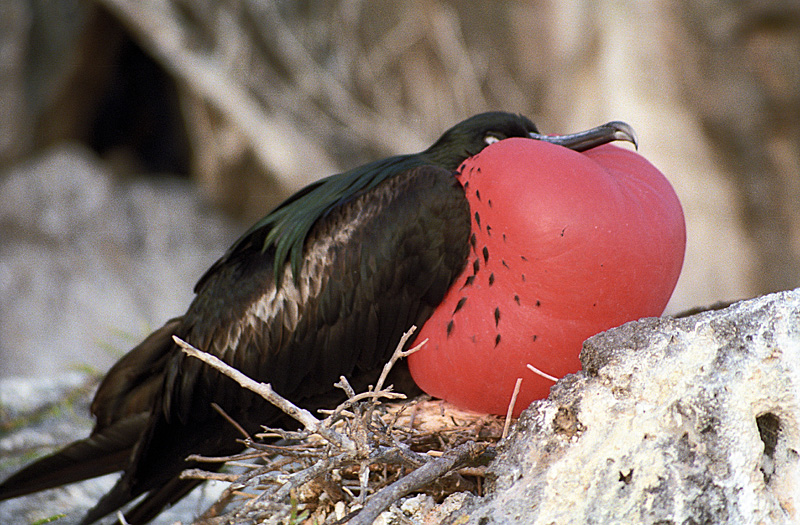
These seabirds spend weeks flying over the ocean, yet they’ve mastered the art of sleeping while soaring. Frigatebirds can shut down one brain hemisphere at a time, similar to dolphins, allowing them to rest while maintaining flight control.
They grab quick naps lasting only seconds to minutes while riding thermal currents.
Brown Bats
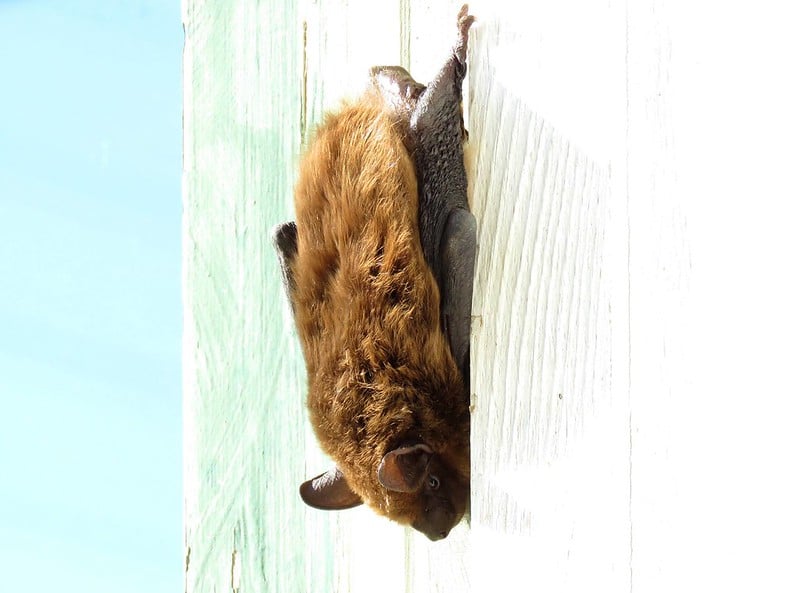
Brown bats take the phrase ‘sleeping like a bat’ to literal extremes by hanging upside down for up to 20 hours a day. Their unique anatomy allows them to grip branches effortlessly while inverted — their tendons actually lock into place automatically.
This position also gives them a perfect launching point for immediate flight when they wake up.
Like Go2Tutors’s content? Follow us on MSN.
Elephants
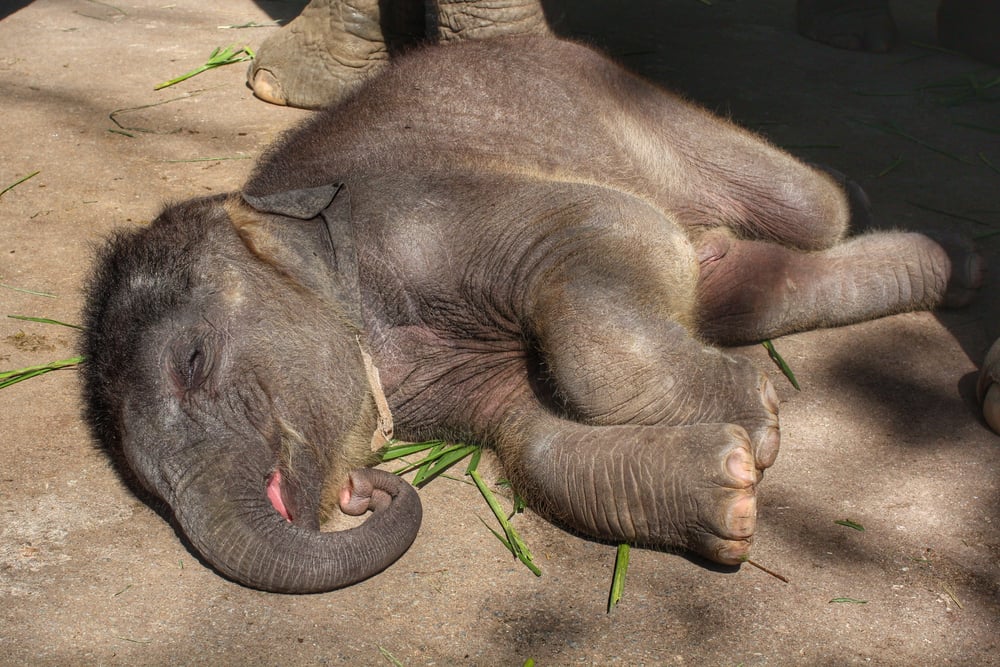
Despite their massive size, elephants are surprisingly light sleepers who only rest about two to four hours per night. They often sleep standing up, though they’ll occasionally lie down for deeper REM sleep.
Wild elephants have been observed taking turns keeping watch while others rest — creating a natural security system for the herd.
Mallard Ducks
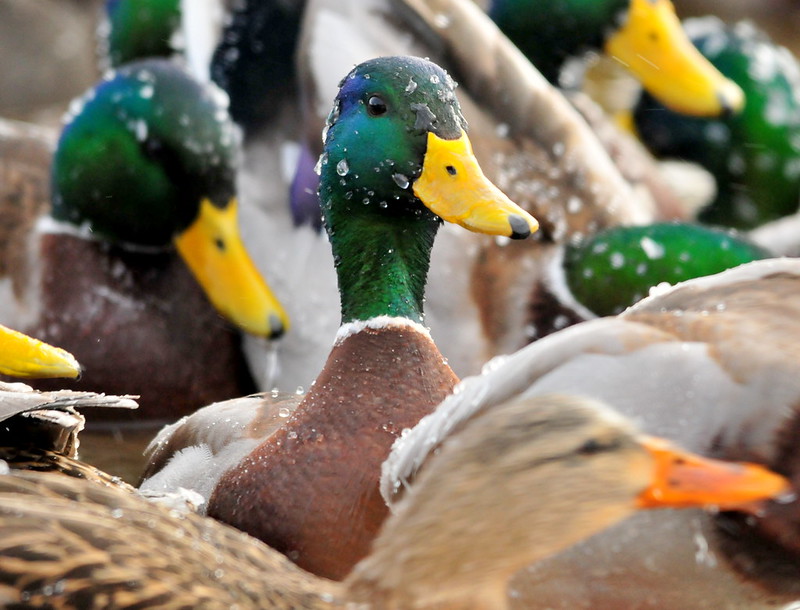
Mallard ducks have perfected the art of sleeping in dangerous situations through group coordination. Ducks on the edges of a flock will keep one eye open and half their brain alert while the inner ducks enjoy full sleep.
They’ll rotate positions throughout the night, ensuring everyone gets proper rest while maintaining group safety.
Sharks
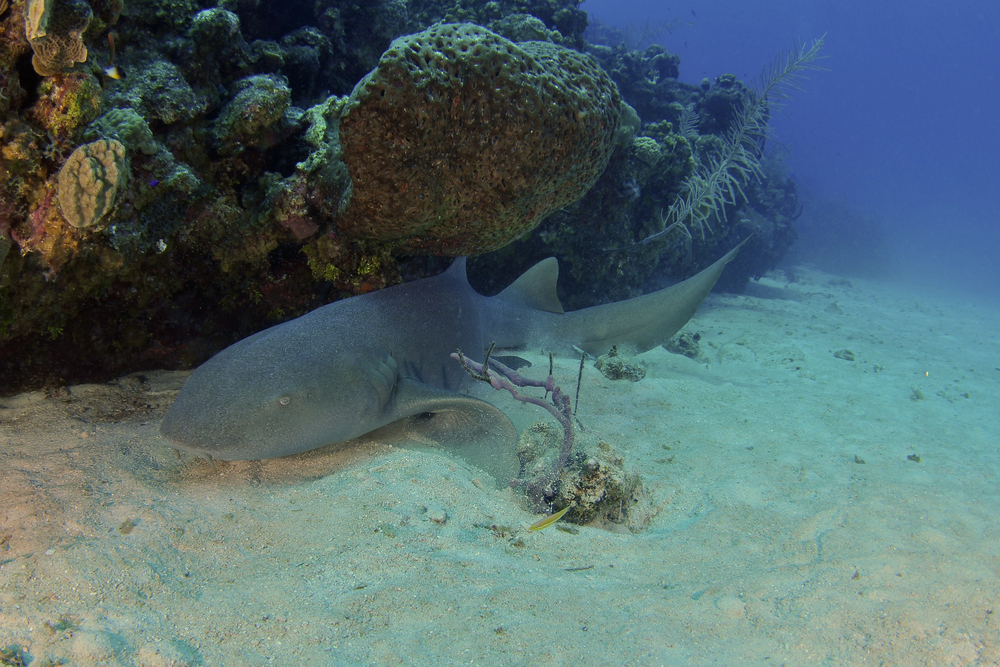
Many sharks must keep moving to breathe, which creates an interesting sleep challenge they’ve solved through active rest. These predators enter a state called ‘yo-yo swimming’ where they move up and down in the water column while remaining less alert than usual.
Some species can also pump water over their gills while resting on the ocean floor.
Like Go2Tutors’s content? Follow us on MSN.
Ground Squirrels
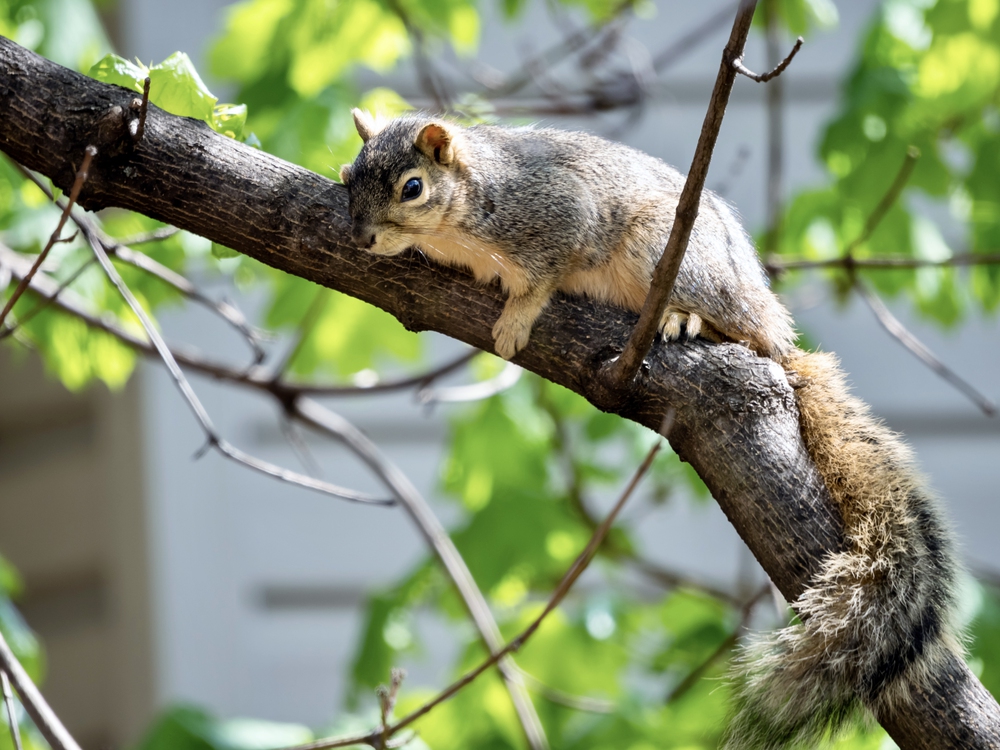
Ground squirrels are champions of extreme sleeping, entering hibernation states that can last up to eight months. During this time, their body temperature drops dramatically, their heart rate slows to just a few beats per minute, and they essentially become living ice cubes.
They can survive solely on stored body fat throughout this extended slumber.
Penguins
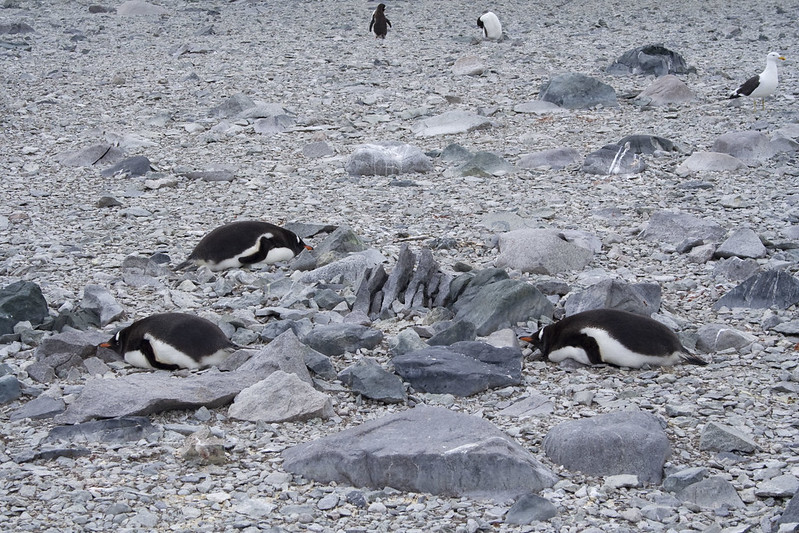
Emperor penguins have developed remarkable group sleeping strategies to survive Antarctic conditions. They form massive huddles of thousands of individuals, constantly rotating from the cold outer edges to the warm center.
Each penguin gets a turn in the toasty middle while taking shifts protecting others from frigid winds.
Meerkats
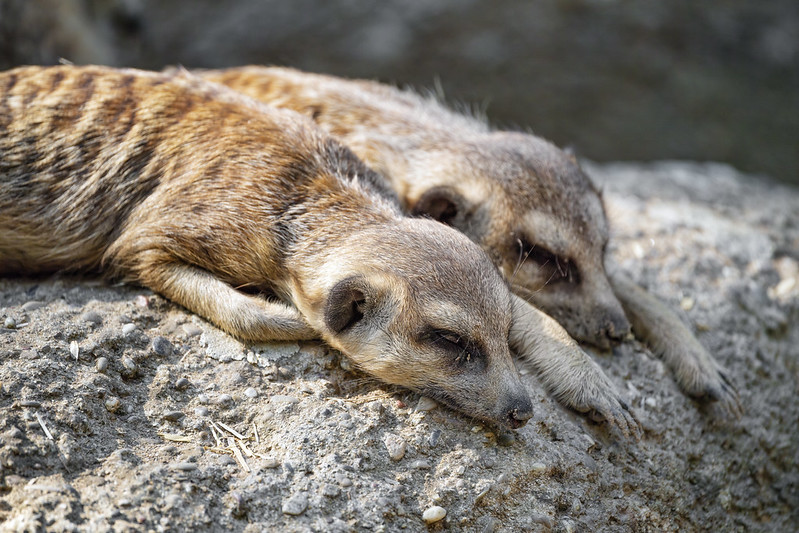
Meerkats demonstrate sophisticated social sleeping arrangements with designated sentries standing guard while others rest. These sentries rotate duties throughout the day, ensuring the group always has alert eyes watching for predators.
They sleep in underground burrows during the hottest parts of the day and emerge for evening activities.
Like Go2Tutors’s content? Follow us on MSN.
Albatrosses
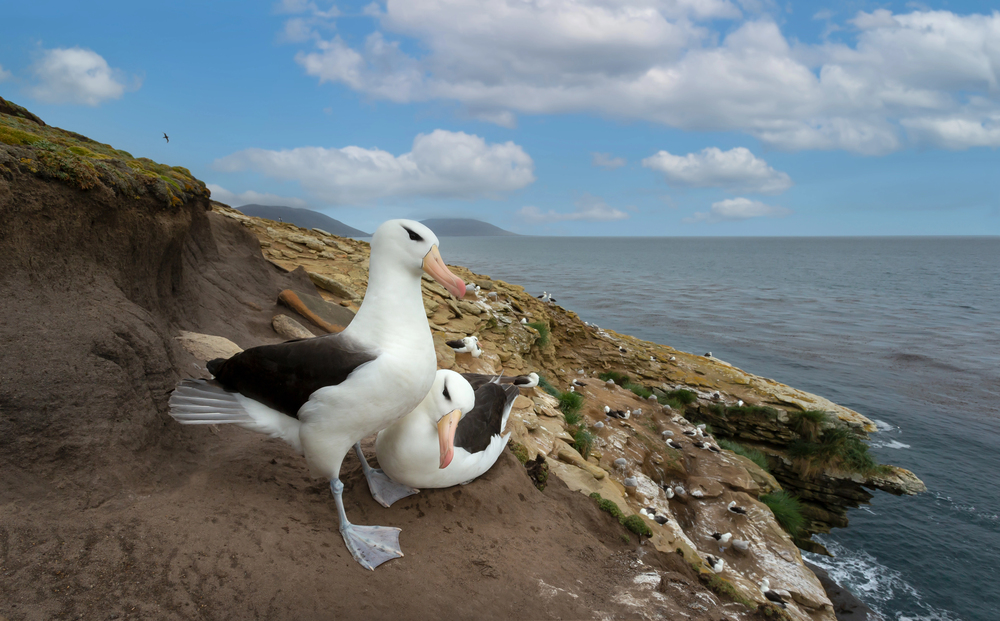
These ocean wanderers can fly for hours without flapping their wings, and they’ve learned to sleep during these effortless gliding periods. Albatrosses lock their wings in position and ride air currents while catching brief microsleeps.
They can cover vast distances while essentially sleepwalking through the sky.
Nature’s Endless Creativity
These remarkable sleeping adaptations remind us that evolution never stops finding creative solutions to life’s challenges. Each species has developed sleep strategies perfectly suited to its environment, predators, and lifestyle needs.
From dolphins keeping half their brain awake to penguins forming living blankets, the natural world continues to amaze us with its ingenious approaches to something as fundamental as rest. These extraordinary sleepers prove that there’s always more than one way to solve a problem — even something as basic as getting a good night’s sleep.
More from Go2Tutors!

- 16 Historical Figures Who Were Nothing Like You Think
- 12 Things Sold in the 80s That Are Now Illegal
- 15 VHS Tapes That Could Be Worth Thousands
- 17 Historical “What Ifs” That Would Have Changed Everything
- 18 TV Shows That Vanished Without a Finale
Like Go2Tutors’s content? Follow us on MSN.


