15 Spices That Sparked Wars and Adventures
Throughout history, tiny seeds, roots, and leaves have shaped human civilization in ways that seem almost unbelievable today. The humble spice cabinet in your kitchen contains items that once drove explorers to brave treacherous seas, monarchs to wage bloody wars, and merchants to amass fortunes that would make modern billionaires envious.
The quest for flavor has been one of humanity’s greatest motivators. Here is a list of 15 spices that quite literally changed the course of history through the wars and adventures they inspired.
Black Pepper
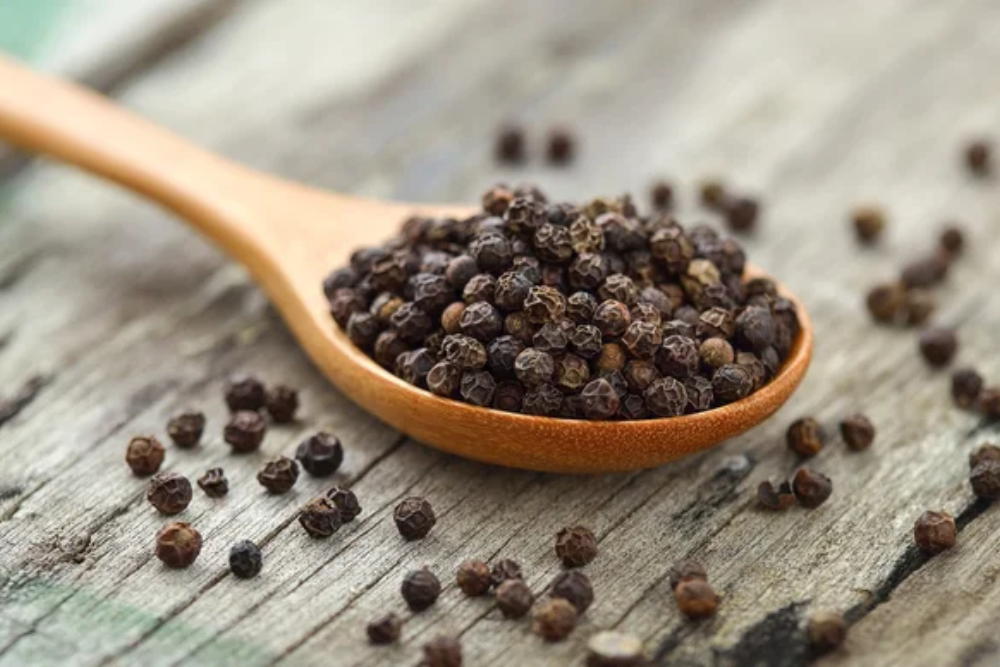
Ancient Romans were so obsessed with black pepper they used it as currency. Pliny the Elder complained about Rome’s pepper addiction, lamenting that millions in gold were being sent to India annually just for these wrinkled black corns.
When Alaric the Visigoth besieged Rome in 410 CE, he demanded 3,000 pounds of pepper as part of the ransom—showing how this everyday spice was once worth its weight in precious metals.
Nutmeg
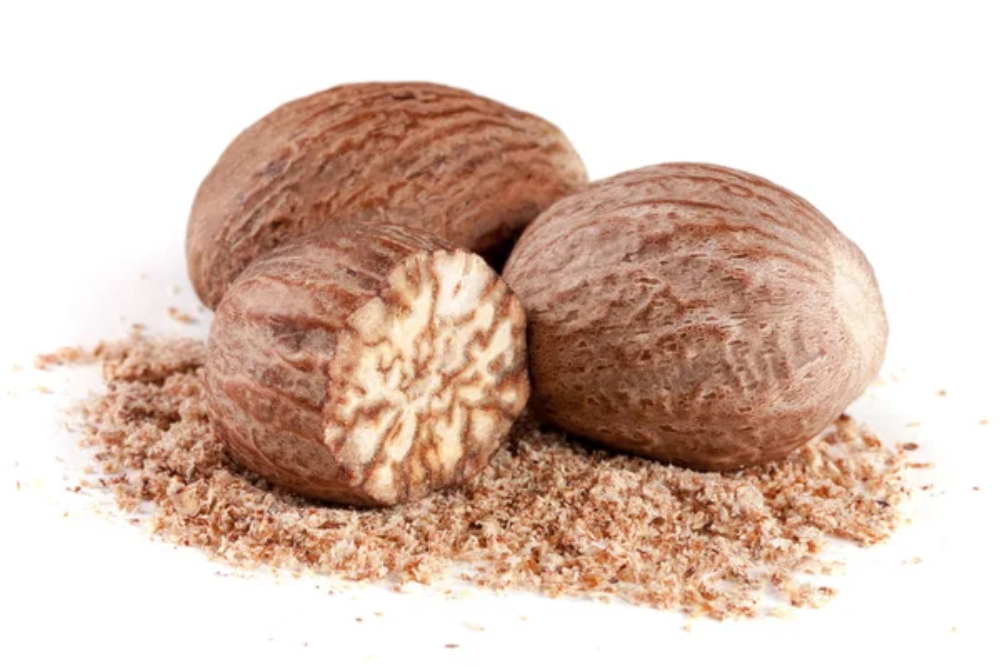
This innocent-looking seed from the Banda Islands caused the Dutch to commit horrific atrocities in the 17th century. The Dutch East India Company virtually eliminated the native Bandanese population to secure their nutmeg monopoly.
A single nutmeg tree was once worth more than a Manhattan townhouse, and sailors would smuggle seeds sewn into their clothes, risking execution if caught.
Like Go2Tutors’s content? Follow us on MSN.
Cinnamon

Ceylon cinnamon was so valuable that its true source remained a trade secret for centuries. Arab traders spread wild tales about giant birds that built nests from cinnamon sticks, claiming they had to use ox carcasses to trick these birds into dropping the precious spice.
The Portuguese, Dutch, and British would later battle fiercely for control of Ceylon (modern Sri Lanka) primarily because of this fragrant bark.
Cloves
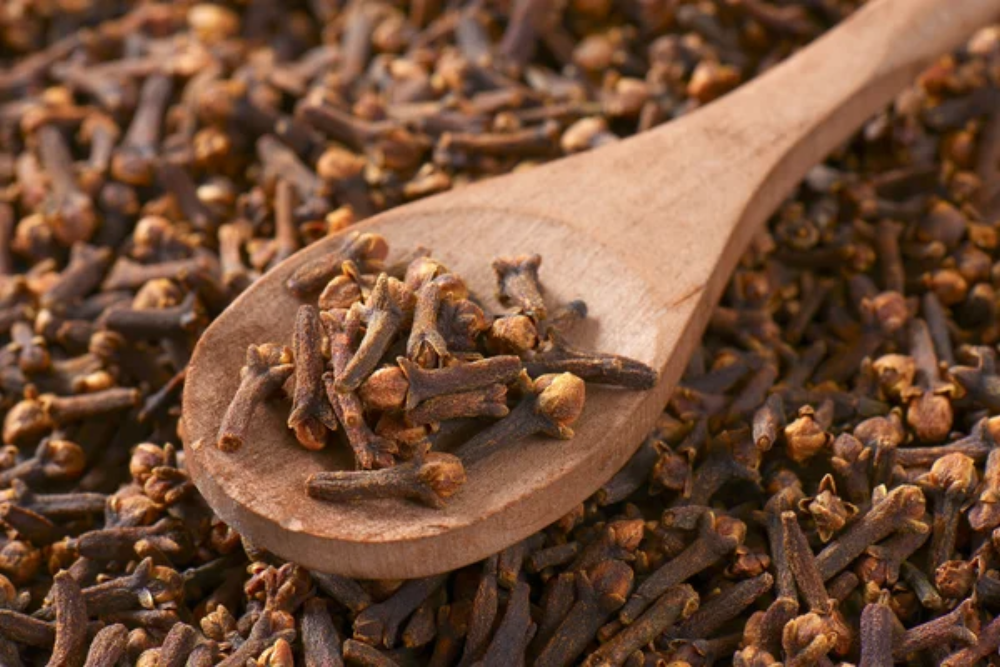
The tiny Indonesian islands of Ternate and Tidore—each dominated by a single volcano—became the center of international intrigue and violence due to their clove trees. Portuguese explorer Ferdinand Magellan’s circumnavigation of the globe was partly motivated by the search for these islands.
The Dutch later eradicated clove trees on all islands except Ambon to maintain artificially high prices, executing anyone growing unauthorized trees.
Saffron
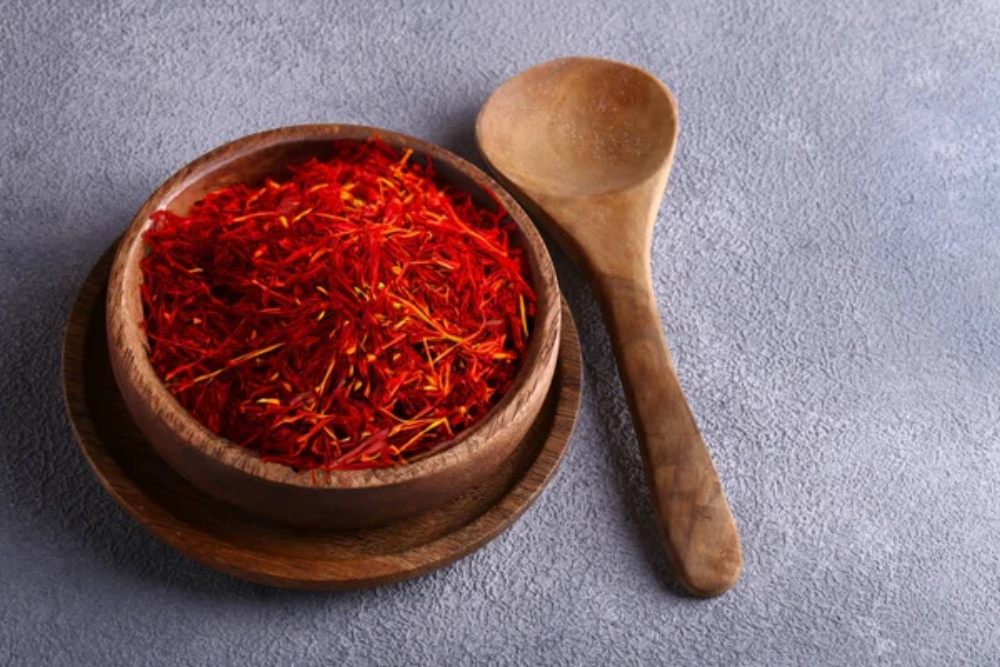
The world’s most expensive spice requires 75,000 flowers to produce a single pound. During the 14th century ‘Saffron War,’ a shipment of this precious spice was hijacked off the Swiss coast, prompting a military response and subsequent conflict.
In the Middle Ages, merchants caught adulterating saffron could be executed, buried alive, or burned at the stake—punishments that seem shockingly severe for food fraud.
Like Go2Tutors’s content? Follow us on MSN.
Cardamom

This aromatic pod from India’s Cardamom Hills became so valuable that special armed cardamom routes were established through mountain passes. The Vikings developed a taste for cardamom during their eastern travels, making it as popular in Scandinavian baking as in Indian cuisine.
The British East India Company established entire administrative districts centered around cardamom production, forever changing local governance structures.
Vanilla

When the Spanish conquered the Aztecs, they discovered vanilla—a spice so labor-intensive that its cultivation remained a mystery for centuries. Mexico maintained a production monopoly until 1841, when a 12-year-old enslaved boy named Edmond Albius on Réunion Island discovered how to hand-pollinate vanilla flowers, breaking Mexico’s stranglehold and creating new colonial enterprises across tropical regions.
Ginger

This knobby root traveled the ancient Silk Road and became so prized in medieval Europe that a pound of ginger could buy you a sheep. During the Middle Ages, ginger was considered magical, with Europeans believing it originated in the mythical Garden of Eden.
The Spanish established ginger plantations in Jamaica, creating vast commercial enterprises that contributed to the tragic expansion of slavery in the Caribbean.
Like Go2Tutors’s content? Follow us on MSN.
Turmeric

Beyond its culinary uses, turmeric was so valuable for its medicinal and textile-dyeing properties that Alexander the Great’s soldiers carried it on campaigns. Control of turmeric-producing regions has sparked countless local conflicts throughout South Asia.
British colonizers extensively mapped and cataloged turmeric-growing regions, establishing specific taxation systems that transformed rural economies throughout India.
Star Anise

This distinctive eight-pointed spice from China gained strategic importance during World War I as the primary source of shikimic acid, a key ingredient in early versions of Tamiflu. The Chinese government once restricted its exports, treating it as a resource of national security.
European powers established intelligence networks in southwestern China specifically to secure this spice during various influenza outbreaks.
Peppercorns (Long Pepper)
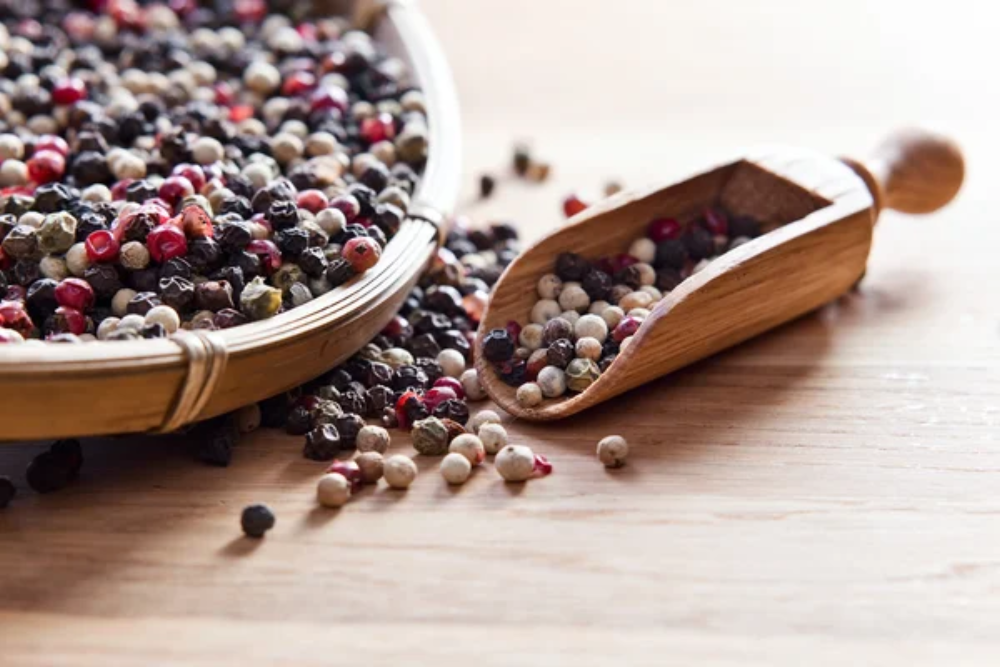
Before black pepper dominated Western kitchens, long pepper was the peppercorn of choice—and Roman cooks would pay exorbitant prices for it. Merchants would undertake dangerous two-year journeys from the Mediterranean to India’s Malabar Coast just to secure supplies.
When Vasco da Gama finally reached India in 1498, his first question to locals was reportedly, ‘Where is the pepper?’
Like Go2Tutors’s content? Follow us on MSN.
Mace

This delicate, web-like spice comes from the same fruit as nutmeg but commanded even higher prices. The struggle to control Banda’s mace supply led to diplomatic crises between England and Holland.
The Dutch were so protective of their monopoly that they would dip nutmegs in lime to prevent germination before export—an early form of agricultural copyright protection backed by military force.
Grains of Paradise

These peppery seeds from West Africa became a European obsession during the Age of Exploration. Portuguese sailors risked treacherous voyages along the African coast, establishing trading posts that eventually became colonial outposts.
The competition for these ‘paradise grains’ helped shape the early colonization patterns of West Africa, with lasting consequences still visible in modern national boundaries.
Allspice

When Christopher Columbus first encountered allspice berries in the Caribbean, he mistakenly believed he had found black pepper—proof he had reached the East Indies. The British and Spanish fought bitterly over Jamaica largely because of its allspice forests.
During the Seven Years’ War, French privateers specifically targeted ships carrying allspice, considering it a strategic resource worth the risk of naval engagement.
Like Go2Tutors’s content? Follow us on MSN.
Cumin
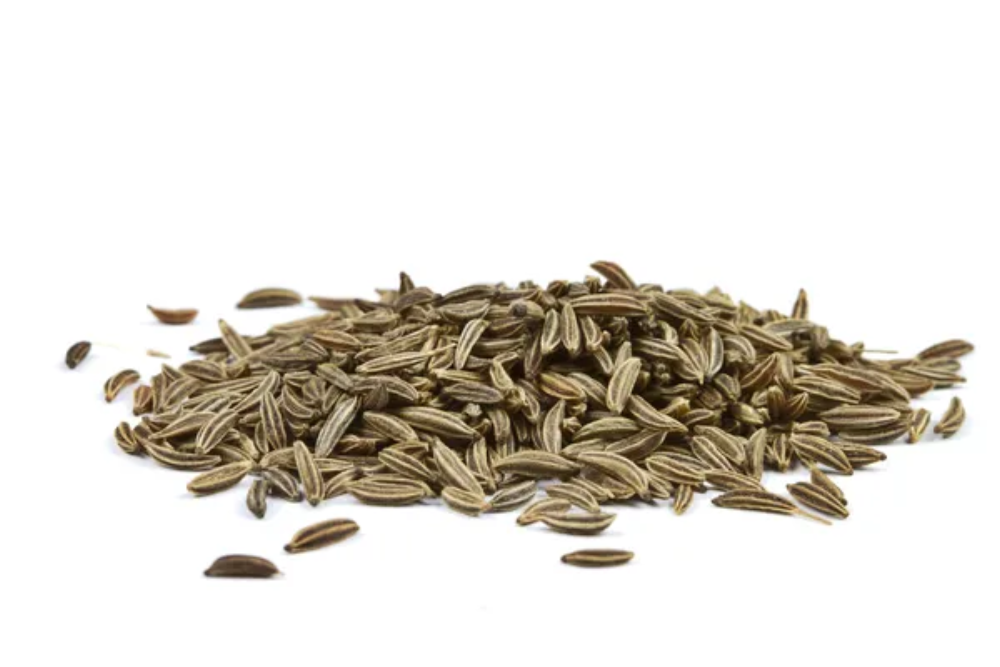
Ancient Egyptians placed cumin in pharaohs’ tombs, while Roman soldiers carried personal supplies on campaigns. The spice became so fundamental to European medieval cooking that its temporary scarcity could influence diplomatic relations.
The high value of cumin seeds created specialized trading guilds whose political influence shaped urban development throughout Mediterranean port cities.
Flavors That Changed the World

The spices that seem so commonplace in our kitchens today have blood, adventure, and revolution infused in their aromas. From the nutmeg that inspired colonial massacres to the pepper that helped fund Roman legions, these flavors have been silent drivers of human history.
The next time you casually sprinkle cinnamon on your morning toast or add pepper to your dinner, remember you’re participating in an ancient tradition that once prompted men to sail into the unknown and nations to wage war—all for the flavors we now take for granted.
More from Go2Tutors!

- 16 Restaurant Chains That Went Too Fast
- 12 Things Sold in the 80s That Are Now Illegal
- 15 Strange Things People Have Tried to Ban (And Failed)
- 16 Collectibles People Tossed Out Too Soon
- 17 Myths from Your Childhood That Were Actually Based on Real Things
Like Go2Tutors’s content? Follow us on MSN.



