16 Music Videos That Changed Teen Culture
Music videos have always been more than just promotional tools—they’re cultural time capsules that capture the spirit of their era while shaping the attitudes of young viewers. From MTV’s early days to YouTube’s dominance, certain videos didn’t just entertain teenagers; they fundamentally shifted how an entire generation thought about fashion, relationships, rebellion, and self-expression.
These groundbreaking clips became conversation starters in school hallways, influenced weekend wardrobe choices, and gave teens new ways to understand their place in the world. Here is a list of 16 music videos that didn’t just play on screens—they rewrote the rulebook for teenage culture.
Thriller
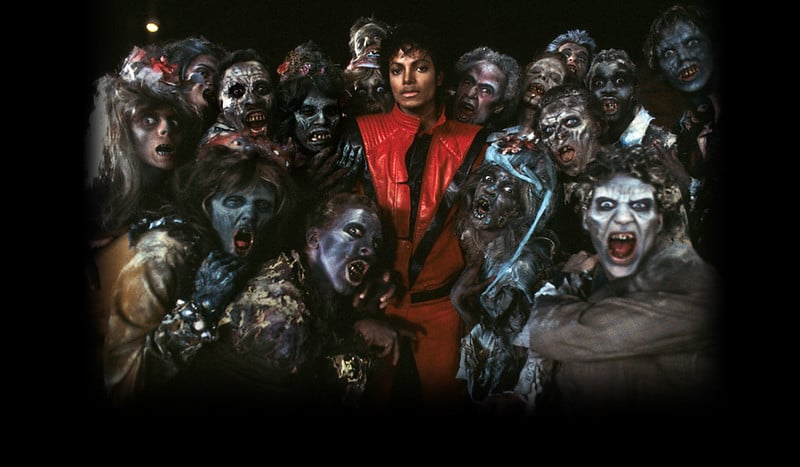
Michael Jackson’s 1983 masterpiece transformed Halloween forever and made dancing zombies a cultural phenomenon. The 14-minute short film elevated music videos from simple performance clips to cinematic experiences, complete with Vincent Price’s haunting narration and choreography that teens memorized frame by frame. Suddenly, every school dance featured groups attempting the zombie walk, and leather jackets became the ultimate cool-kid uniform.
Material Girl
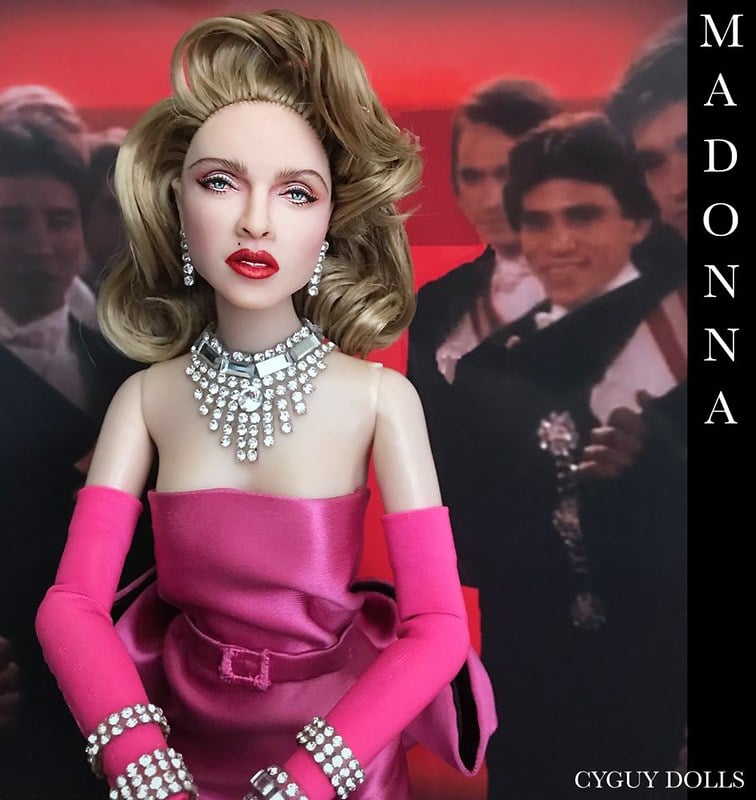
Madonna’s 1985 homage to Marilyn Monroe’s ‘Diamonds Are a Girl’s Best Friend’ taught teenagers that wanting nice things wasn’t shallow—it was aspirational. The lavish pink gowns and diamond jewelry created a fantasy world where teenage girls could dream big without apologizing for their ambitions. The video’s contrast between glamorous performance and casual romance showed young viewers that you could enjoy luxury while still valuing authentic relationships.
Smells Like Teen Spirit

Nirvana’s 1991 anthem captured teenage angst so perfectly that it became the unofficial soundtrack of Generation X rebellion. The chaotic gymnasium setting, complete with apathetic cheerleaders and moshing students, mirrored how many teens felt about their own high school experience. Kurt Cobain’s disheveled appearance and anti-establishment attitude gave awkward teenagers everywhere a new kind of hero to emulate.
Vogue
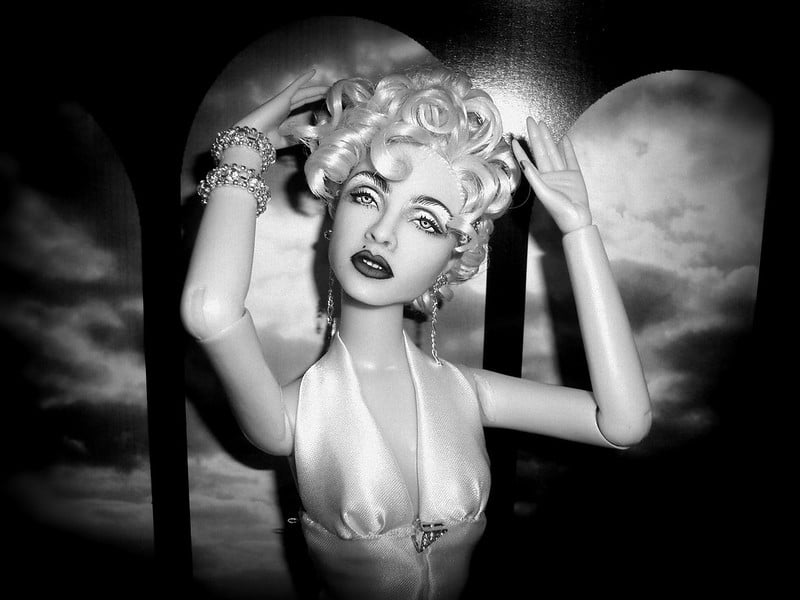
Madonna struck again in 1990, introducing mainstream teenagers to ballroom culture and the art of voguing. The black-and-white video celebrating pose competitions from Harlem’s underground scene suddenly had suburban kids practicing dramatic hand movements in their bedroom mirrors. It was one of the first times MTV audiences saw LGBTQ+ culture presented as glamorous and aspirational rather than marginalized.
Jeremy

Pearl Jam’s haunting 1992 video about school alienation hit teenagers like a lightning bolt, addressing bullying and social isolation years before these topics became mainstream conversations. The classroom setting and Eddie Vedder’s intense performance gave voice to every kid who felt invisible or misunderstood. While controversial, the video opened up discussions about teenage mental health that were long overdue.
Waterfalls

TLC’s 1995 visual masterpiece combined groundbreaking special effects with serious social commentary about urban life and poor choices. The liquid-morphing technology was mind-blowing for its time, but the anti-drug message resonated even deeper with teenage audiences. T-Boz, Left Eye, and Chilli became role models who proved you could be cool while making smart decisions.
Buddy Holly
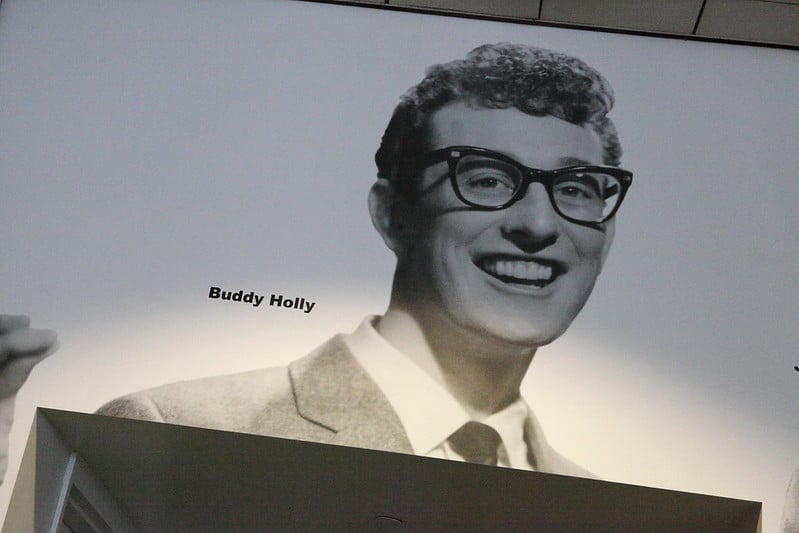
Weezer’s 1994 time-travel concept placed the band inside episodes of ‘Happy Days,’ creating an instant nostalgia trip that appealed to teenagers who had never seen the original show. The seamless integration of 90s alternative rock with 50s Americana permitted teens to embrace retro aesthetics without irony. Rivers Cuomo’s thick-rimmed glasses suddenly became the height of geek chic.
California Love
Tupac and Dr. Dre’s 1995 post-apocalyptic party introduced East Coast teenagers to West Coast swagger while showcasing a Mad Max-inspired desert landscape. The video’s futuristic costume design and elaborate sets proved that hip-hop could be just as visually ambitious as any rock production. It also demonstrated how rap videos could tell stories beyond just performance footage.
Virtual Insanity
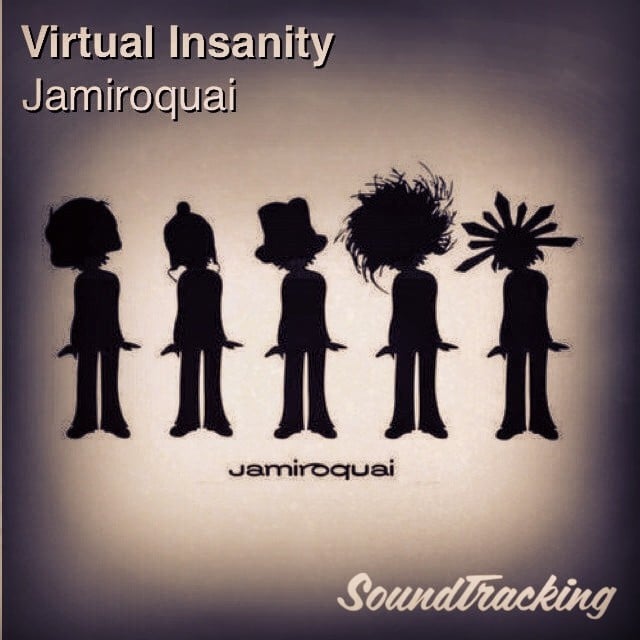
Jamiroquai’s 1996 optical illusion masterpiece had teenagers scratching their heads trying to figure out how Jay Kay could dance on moving floors and sliding walls. The seemingly impossible choreography became an instant conversation starter, and the video’s trippy effects perfectly matched the late-90s fascination with digital technology. It proved that music videos could be pure art while still being incredibly entertaining.
Baby One More Time
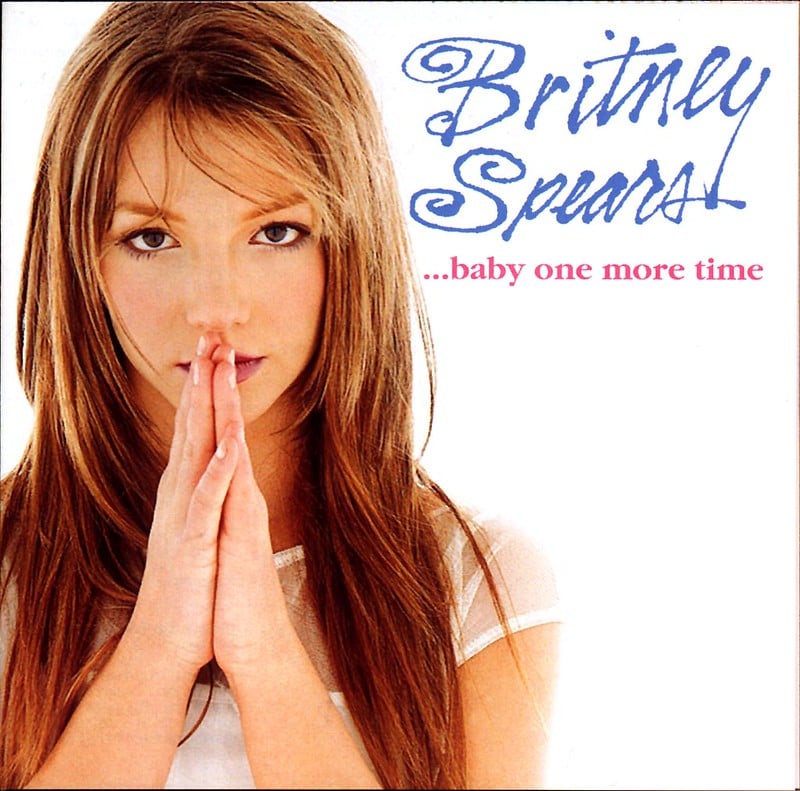
Britney Spears’ 1998 debut transformed the schoolgirl aesthetic into a pop culture phenomenon that influenced everything from Halloween costumes to teenage fashion trends. The Catholic school setting and playful choreography created a template that countless pop stars would later follow. Suddenly, knee-high socks and plaid skirts weren’t just uniforms—they were statements of youthful rebellion.
Freak on a Leash
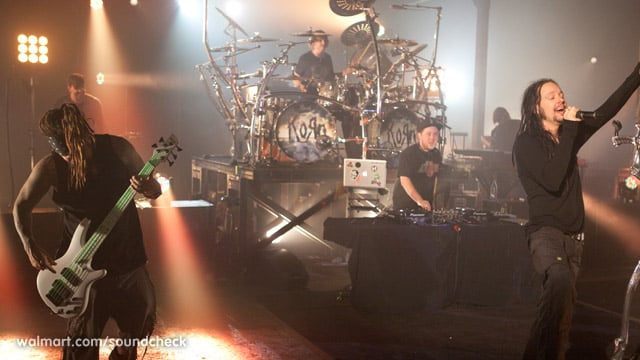
Korn’s 1998 animated experiment mixed live-action with surreal cartoon sequences, creating a visual representation of teenage alienation that felt both aggressive and playful. The video’s bullet-time effects and sketchy animation style influenced a generation of teenagers who were beginning to embrace digital art and alternative expression. It showed that heavy music could be creative and experimental, not just angry.
Intergalactic
The Beastie Boys’ 1998 Japanese monster movie parody proved that rap videos could be completely ridiculous while still being incredibly cool. The giant robot battles and cheesy special effects permitted teenagers not to take themselves too seriously. It demonstrated that being smart and funny was just as impressive as being tough or rebellious.
All the Small Things
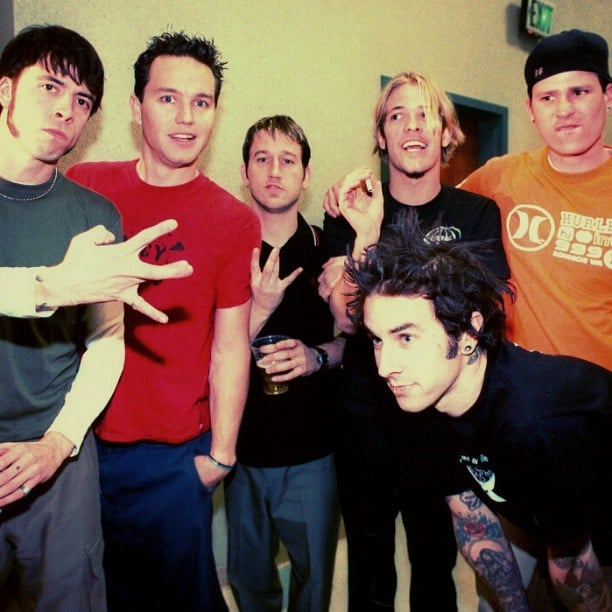
Blink-182’s 1999 parody of boy band videos like Backstreet Boys and *NSYNC perfectly captured teenage irreverence toward manufactured pop music. The deliberate mockery of coordinated dance moves and romantic poses gave teenagers a way to enjoy pop culture while maintaining their alternative credibility. It became the anthem for kids who wanted to like catchy music without admitting they actually enjoyed the originals.
Stan
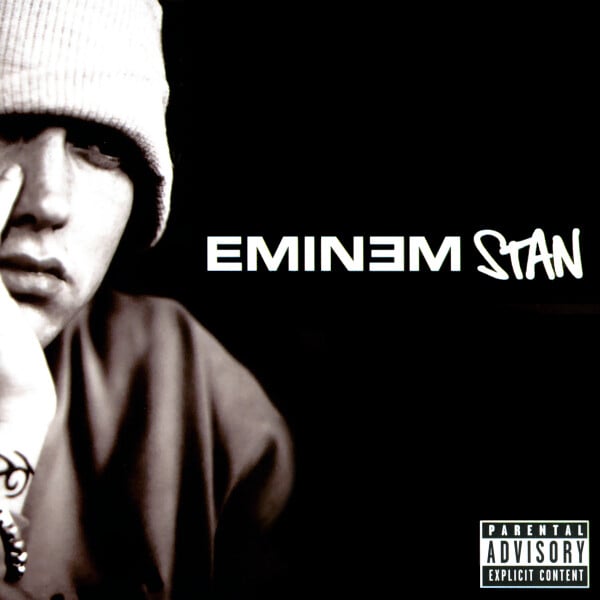
Eminem’s 2000 storytelling masterpiece about obsessive fandom introduced teenagers to the concept of parasocial relationships decades before social media made them commonplace. The video’s narrative structure, featuring Elton John and a tragic ending, proved that rap could tackle complex psychological themes. It gave young fans a cautionary tale about the difference between admiration and unhealthy obsession.
Lady Marmalade
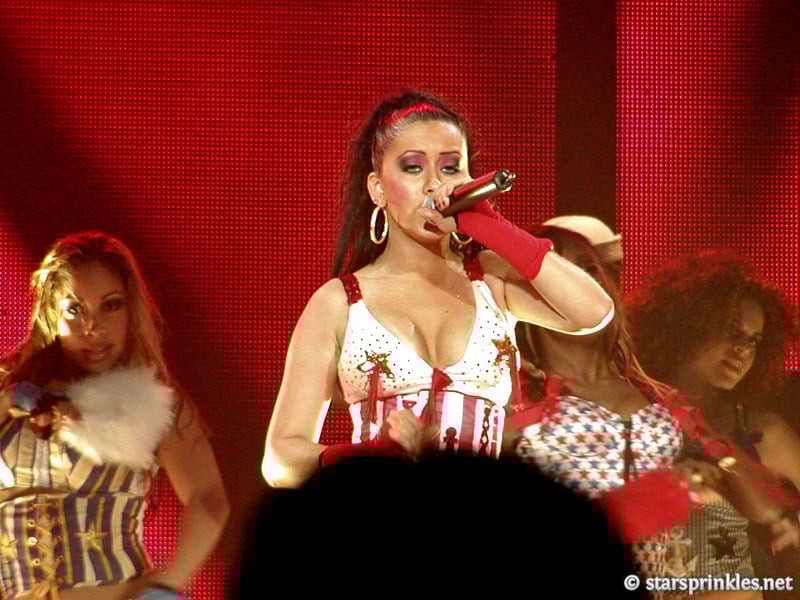
The 2001 collaboration between Christina Aguilera, Lil’ Kim, Mya, and Pink created a female empowerment anthem wrapped in Moulin Rouge glamour. The burlesque-inspired costumes and choreography showed teenage girls that identity could be powerful rather than submissive. The video’s celebration of different types of femininity—from Pink’s rock edge to Christina’s pop sweetness—gave young women multiple role models to choose from.
Hips Don’t Lie
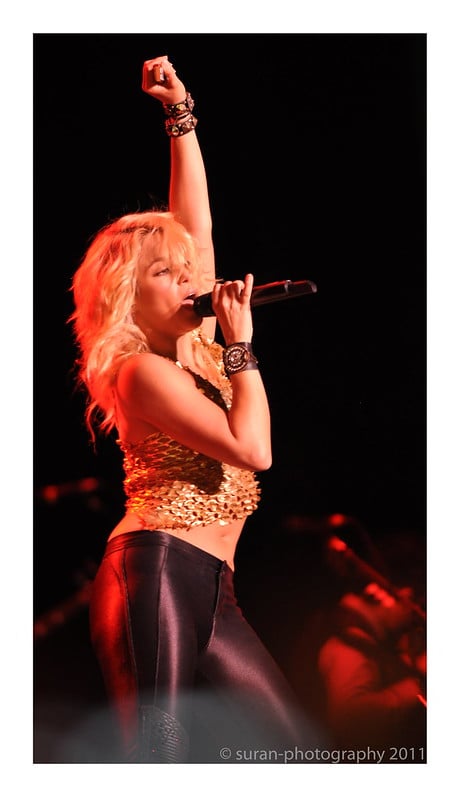
Shakira’s 2006 celebration of Latin culture and belly dancing introduced American teenagers to global music styles that would soon dominate the mainstream. The video’s colorful energy and infectious choreography made cultural fusion feel natural and exciting. It helped pave the way for the Latin music explosion that would reshape American pop culture in the following decades.
The Cultural Revolution Continues

These 16 videos didn’t just entertain—they fundamentally altered how teenagers saw themselves and their possibilities. They broke down barriers between genres, cultures, and expectations while giving young people new languages for self-expression. From Michael Jackson’s cinematic ambitions to Shakira’s global fusion, each clip expanded the definition of what music videos could accomplish. The teenagers who grew up watching these revolutionary moments on MTV and early YouTube carried those influences into adulthood, ultimately reshaping popular culture for future generations.
More from Go2Tutors!

- 16 Historical Figures Who Were Nothing Like You Think
- 12 Things Sold in the 80s That Are Now Illegal
- 15 VHS Tapes That Could Be Worth Thousands
- 17 Historical “What Ifs” That Would Have Changed Everything
- 18 TV Shows That Vanished Without a Finale
Like Go2Tutors’s content? Follow us on MSN.