15 Political Assassinations That Shifted Nations
Political violence has a way of changing the course of history in an instant. When a leader falls to an assassin’s weapon, entire nations can find themselves on completely different paths than they were just moments before. Sometimes these events spark wars, other times they end them. Occasionally, they topple governments or give birth to new ones.
The ripple effects of these moments often stretch far beyond what anyone could have predicted at the time. Here is a list of 15 political assassinations that fundamentally altered the trajectory of nations and, in some cases, the entire world.
Julius Caesar
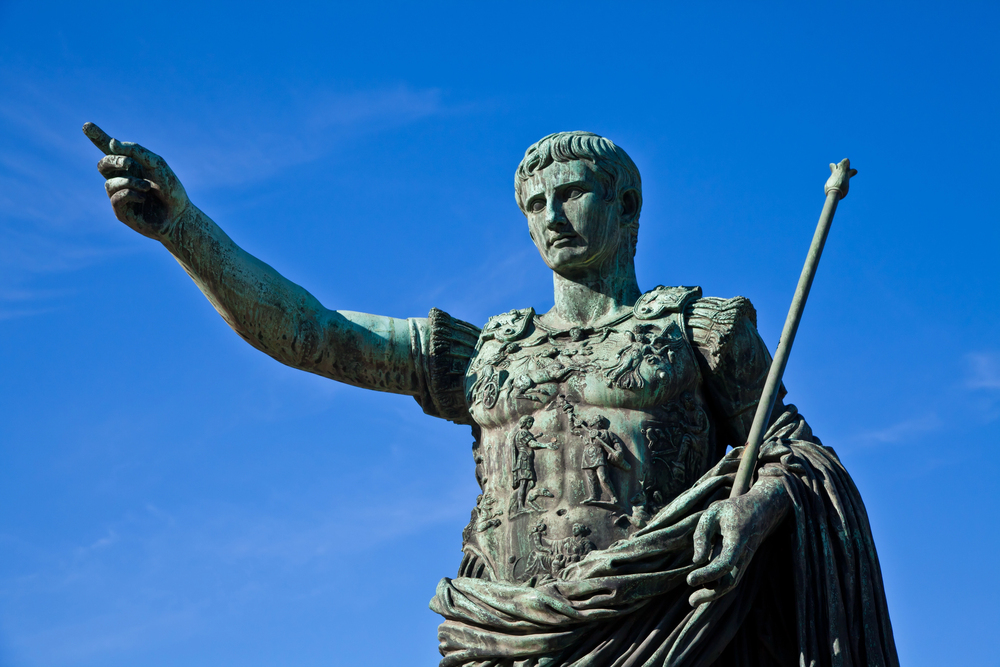
The Ides of March in 44 BCE became one of history’s most famous dates when Roman senators surrounded Julius Caesar and stabbed him 23 times. This wasn’t just the end of one man’s life—it marked the beginning of the end for the Roman Republic itself.
The power vacuum that followed Caesar’s death led to civil wars that eventually brought his adopted son Octavian to power as Augustus, Rome’s first emperor.
Archduke Franz Ferdinand
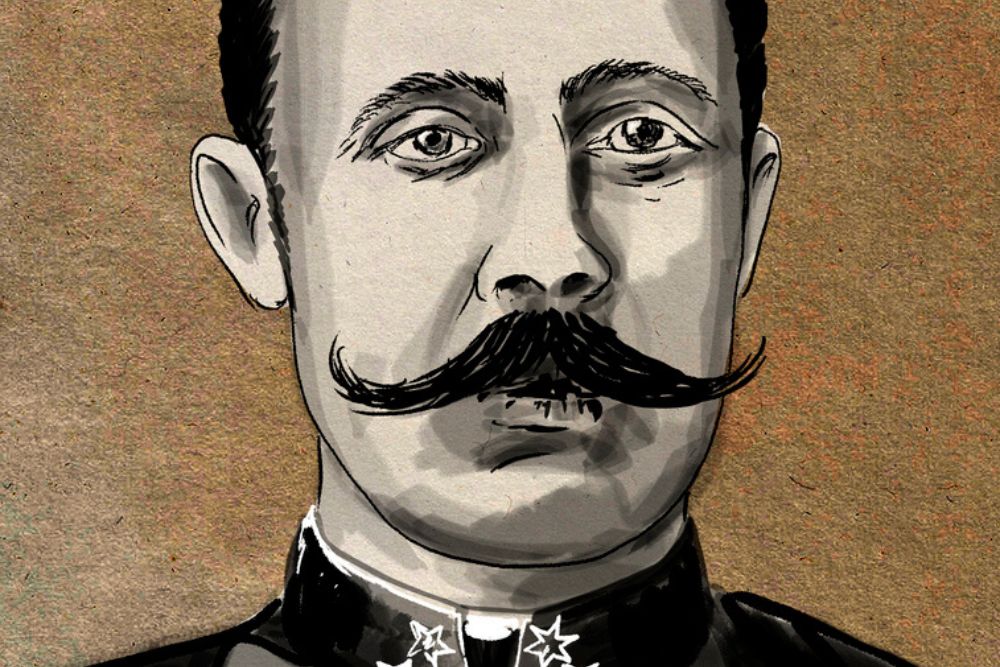
A wrong turn in Sarajevo on June 28, 1914, put Archduke Franz Ferdinand directly in the path of assassin Gavrilo Princip. This single gunshot didn’t just kill the heir to the Austro-Hungarian throne—it lit the fuse that exploded into World War I.
Within weeks, Europe’s tangled web of alliances dragged multiple nations into a conflict that would reshape the continent and cost millions of lives.
Abraham Lincoln
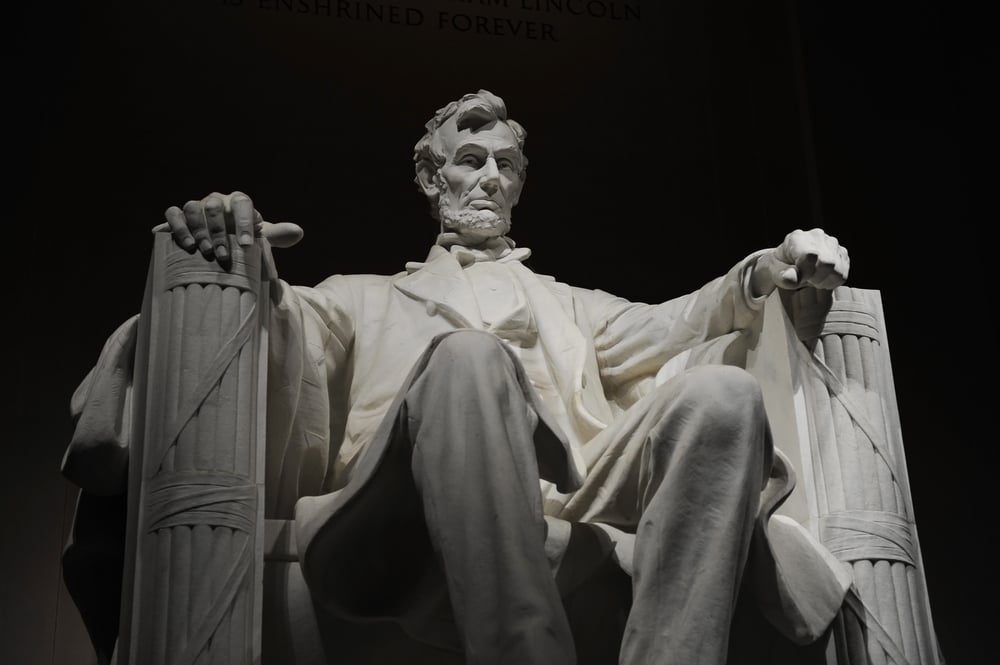
John Wilkes Booth’s bullet at Ford’s Theatre on April 14, 1865, robbed America of its wartime president just as the Civil War was ending. Lincoln’s death fundamentally changed Reconstruction policies in the South.
His successor, Andrew Johnson, proved far less committed to protecting freed enslaved people, leading to decades of Jim Crow laws and racial oppression that might have been avoided under Lincoln’s more decisive leadership.
Mahatma Gandhi
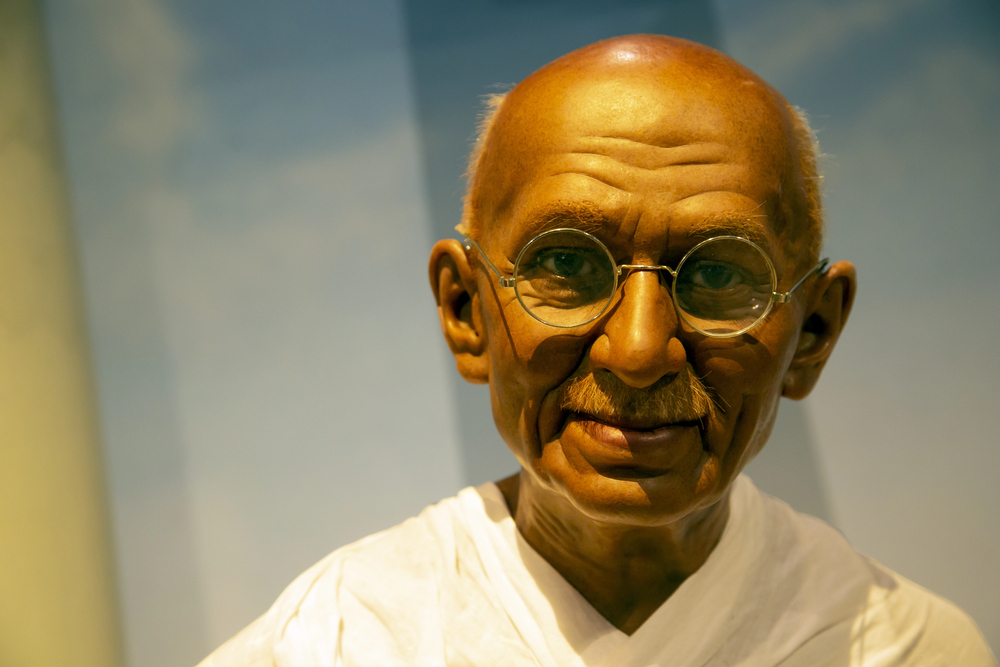
The three bullets that killed Gandhi on January 30, 1948, came from a fellow Hindu who opposed the leader’s efforts toward religious unity. Gandhi’s assassination shocked a newly independent India and intensified religious tensions between Hindus and Muslims.
The event pushed India toward a more secular government structure and made Jawaharlal Nehru’s vision of modern India more influential than Gandhi’s more traditional approach might have been.
John F. Kennedy
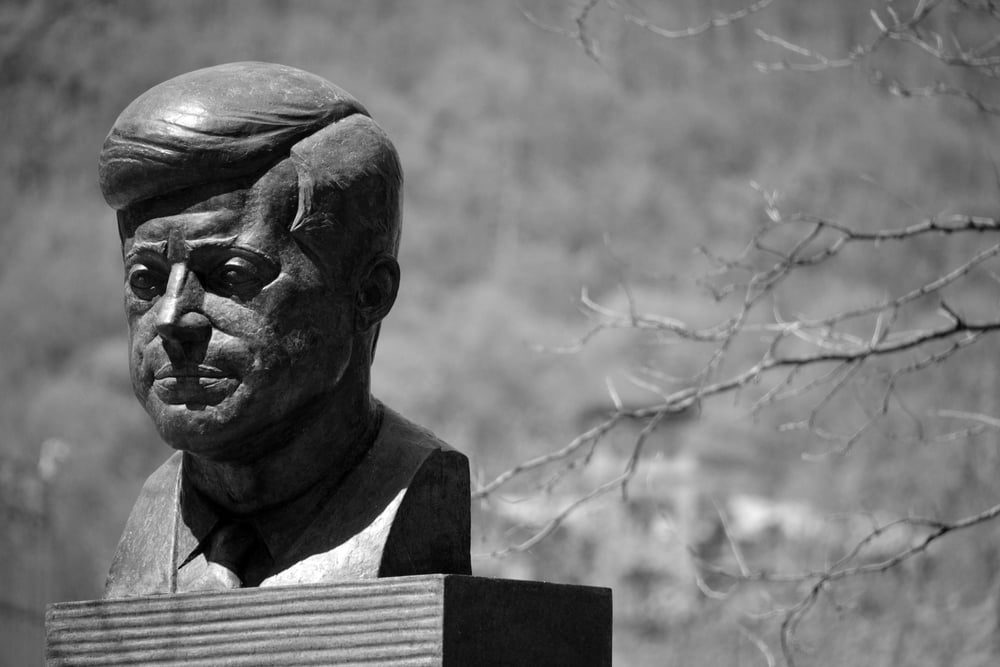
Dallas changed everything on November 22, 1963, when Lee Harvey Oswald’s shots ended the Kennedy presidency. The assassination thrust Lyndon Johnson into office during a critical period in American history.
Johnson’s approach to Vietnam differed dramatically from Kennedy’s more cautious stance, potentially escalating a conflict that might have remained limited. The event also shattered American confidence in their institutions and leaders.
Martin Luther King Jr.
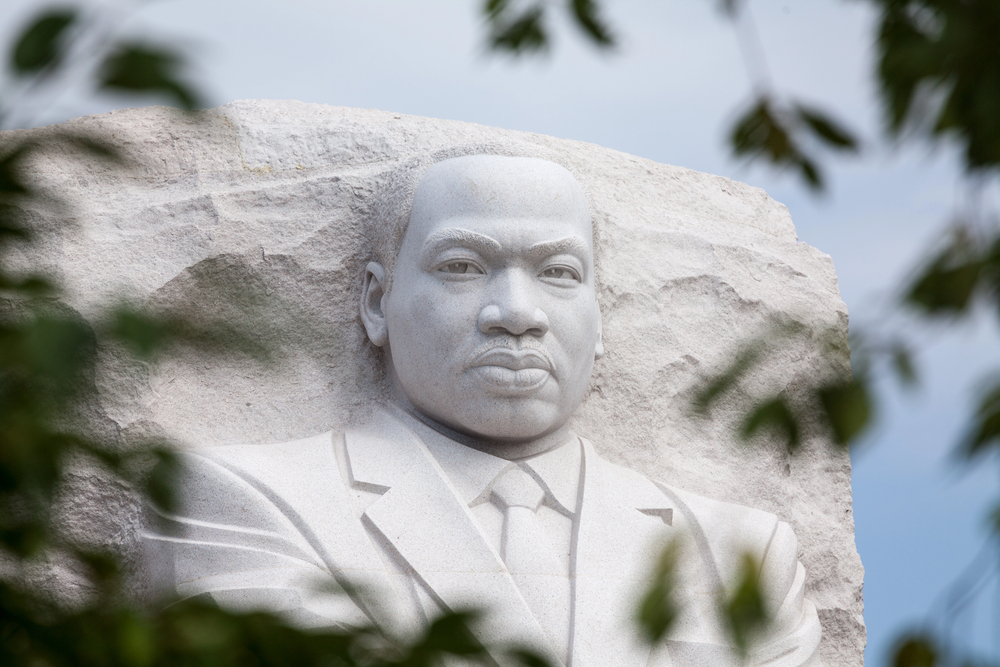
The rifle shot that killed Martin Luther King Jr. on April 4, 1968, in Memphis removed the most prominent voice for nonviolent civil rights progress. His death triggered riots in over 100 American cities and marked a turning point in the civil rights movement.
The more militant Black Power movement gained influence while King’s philosophy of peaceful resistance lost its most charismatic advocate.
Anwar Sadat
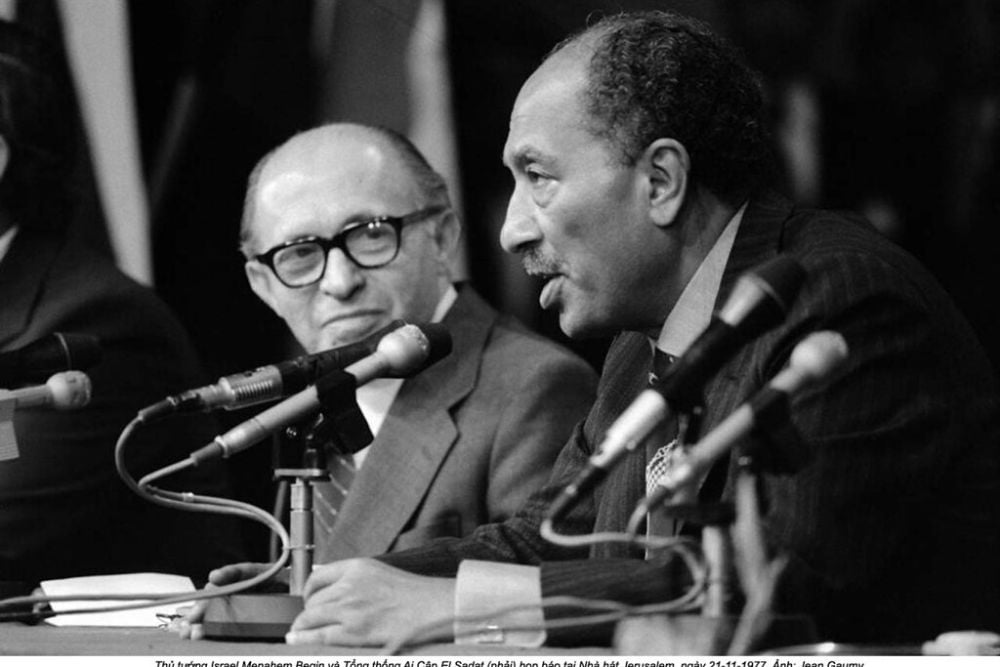
Sadat’s bold decision to make peace with Israel cost him his life on October 6, 1981, when military officers opened fire during a parade. His assassination by Islamic extremists fundamentally shifted Egypt’s role in Middle Eastern politics.
While his successor Hosni Mubarak maintained the peace treaty with Israel, Egypt never again played the leadership role in the Arab world that it had under Sadat.
Yitzhak Rabin
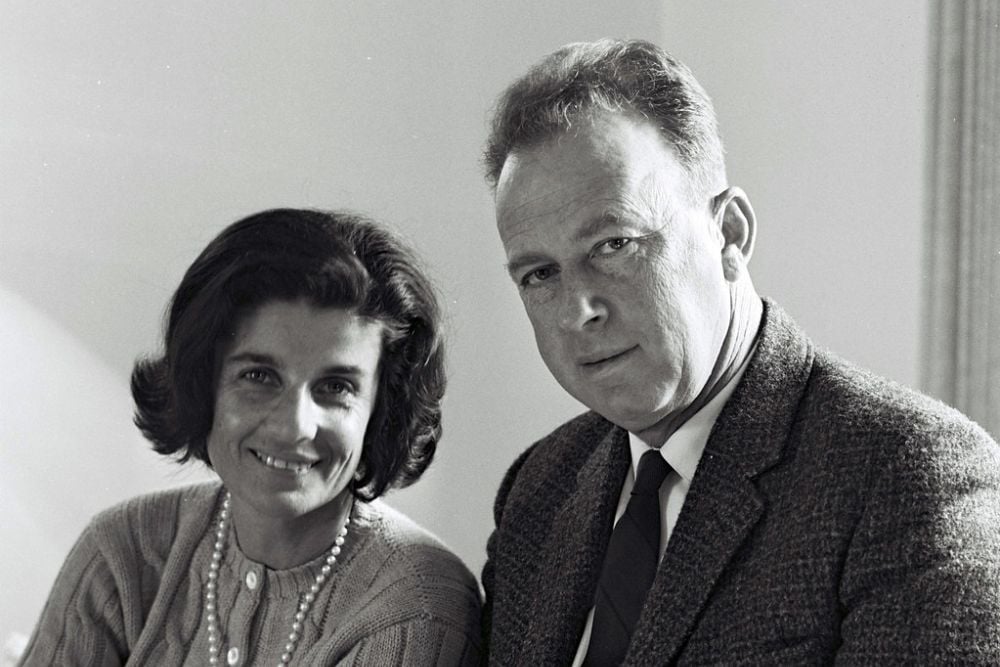
The gunshots that killed Israeli Prime Minister Yitzhak Rabin on November 4, 1995, came not from an enemy but from a Jewish extremist opposed to peace negotiations. Rabin’s death effectively ended the Oslo Accords’ momentum and derailed the most promising Israeli-Palestinian peace process in decades.
The assassination strengthened hardliners on both sides and contributed to the cycle of violence that continues today.
Rajiv Gandhi
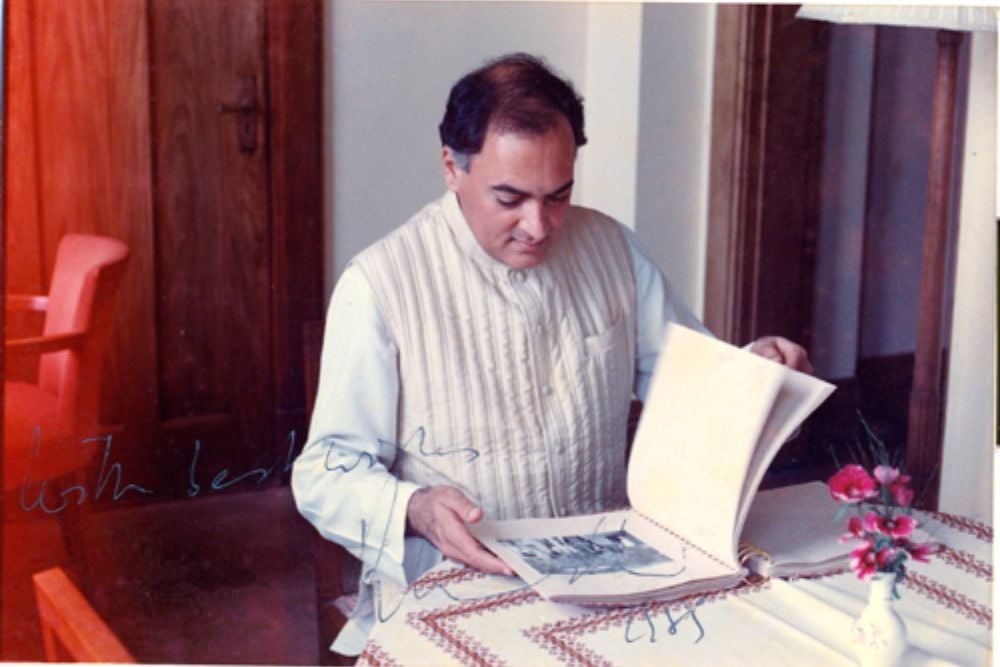
A bomber’s explosion killed former Indian Prime Minister Rajiv Gandhi on May 21, 1991, during an election campaign. The assassination, carried out by Tamil separatists from Sri Lanka, shocked India and ended the Gandhi family’s political dominance for years.
The event also marked India’s shift away from its traditional non-aligned foreign policy toward closer ties with the United States.
Benazir Bhutto
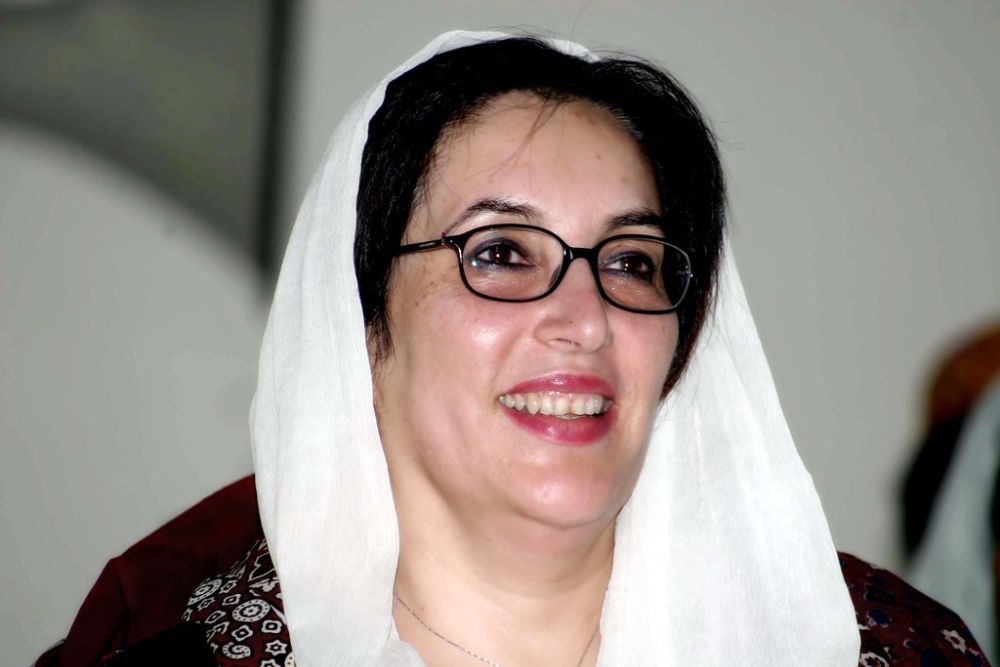
The bomb and gunfire that killed Benazir Bhutto on December 27, 2007, eliminated Pakistan’s most prominent democratic leader. Her death destabilized Pakistan’s already fragile democracy and strengthened military and extremist forces.
The assassination also ended hopes for a more moderate, secular Pakistan and contributed to the country’s ongoing struggle with religious extremism.
Patrice Lumumba
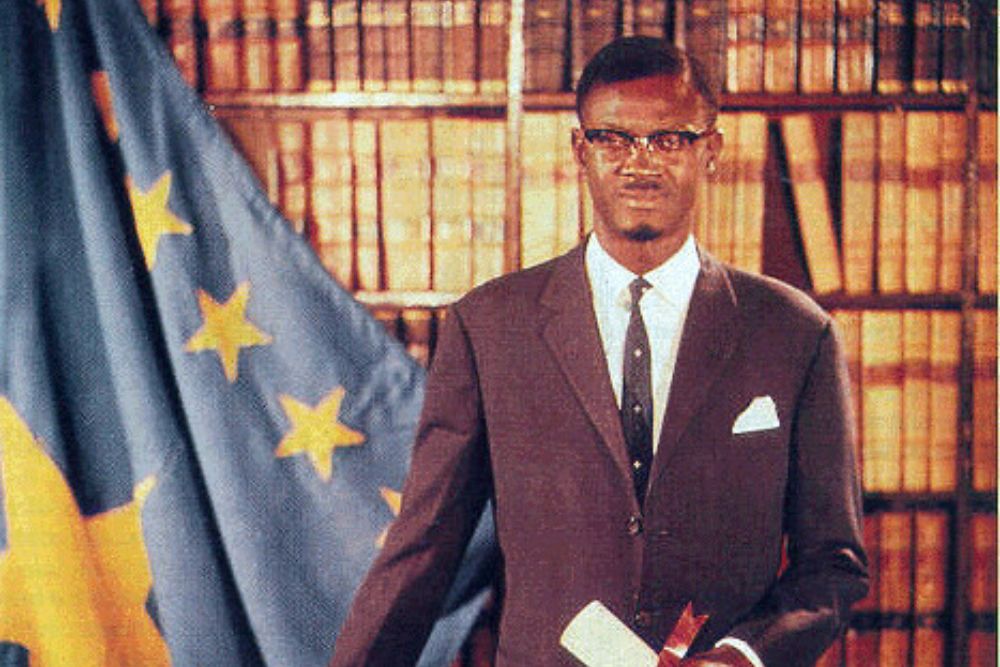
The execution of Congo’s first democratically elected Prime Minister on January 17, 1961, came after a Belgian-supported coup. Lumumba’s assassination, with apparent CIA knowledge, prevented the Congo from developing as a unified, independent African state.
Instead, the country descended into decades of dictatorship under Mobutu Sese Seko, becoming one of Africa’s most troubled nations despite its vast natural resources.
Thomas Sankara
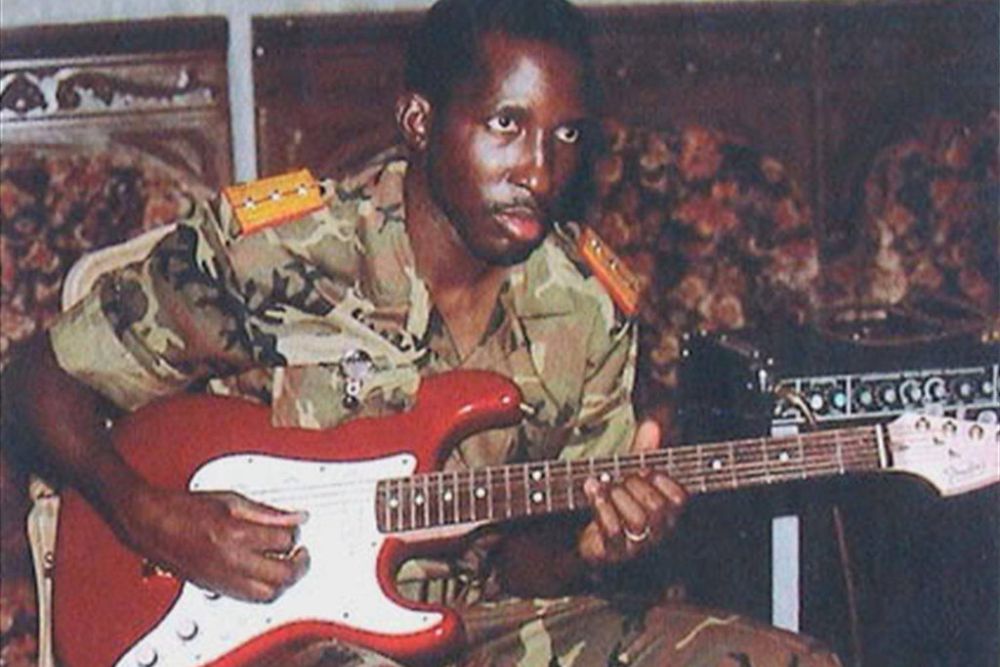
Burkina Faso’s revolutionary leader fell to assassins’ bullets on October 15, 1987, in a coup that brought his close friend Blaise Compaoré to power. Sankara’s death ended one of Africa’s most promising experiments in grassroots development and anti-corruption governance.
His assassination marked the triumph of traditional African politics over his vision of genuine independence from former colonial powers.
Olof Palme

Sweden’s Prime Minister was walking home from a movie theater on February 28, 1986, when an unknown gunman killed him on a Stockholm street. Palme’s assassination shocked Sweden and ended an era of Social Democratic dominance in the country.
The unsolved murder also marked the end of Sweden’s sense of itself as a peaceful, egalitarian society immune to political violence.
Anna Politkovskaya
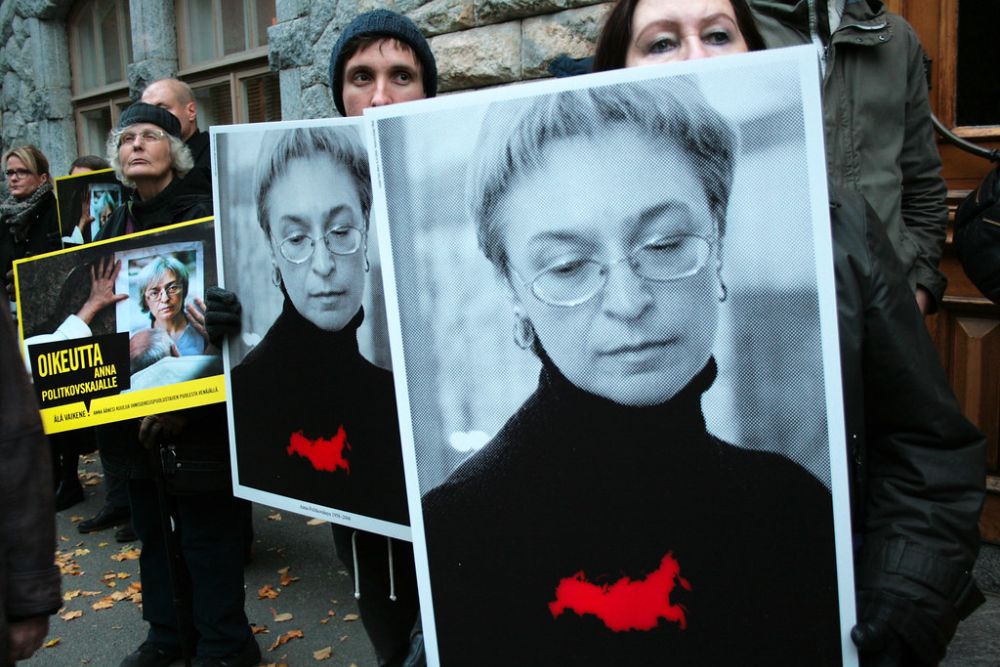
The Russian journalist’s assassination on October 7, 2006, in her Moscow apartment building silenced one of the Kremlin’s most persistent critics. Politkovskaya’s death sent a clear message to other journalists and activists about the costs of opposing Vladimir Putin’s government.
Her assassination marked a turning point in Russian civil society, as independent media and human rights organizations faced increasing repression.
Jamal Khashoggi
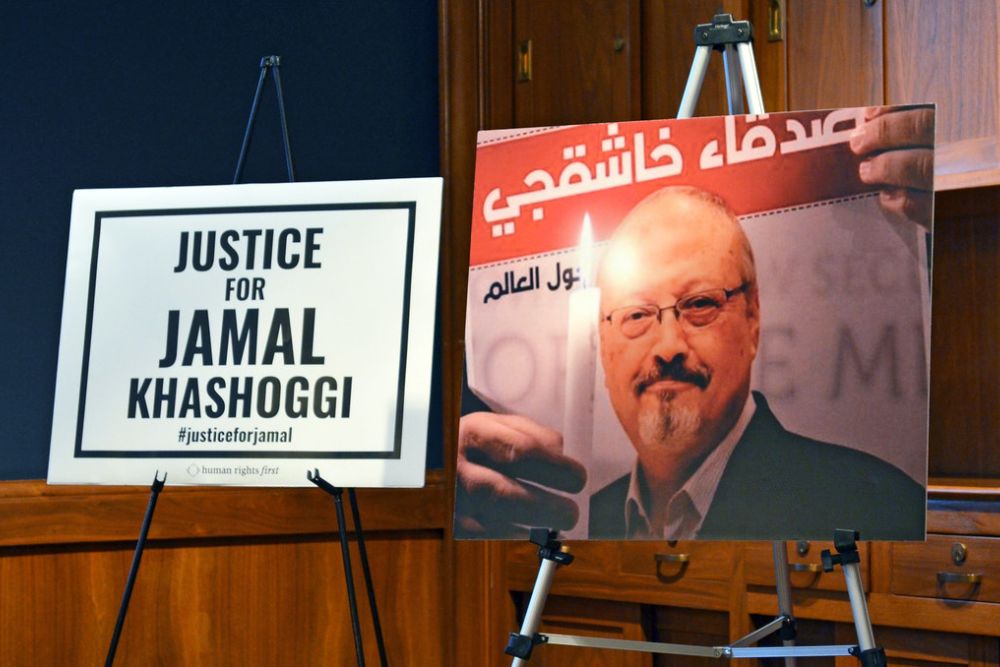
The brutal killing of the Saudi journalist at his country’s Istanbul consulate on October 2, 2018, exposed the ruthless methods of Crown Prince Mohammed bin Salman’s rule. Khashoggi’s assassination damaged Saudi Arabia’s international reputation and complicated its relationships with Western allies.
The murder also demonstrated how authoritarian regimes increasingly target dissidents living abroad, changing the nature of political exile.
When Violence Rewrites History

These fifteen moments remind us that individual acts of violence can alter the paths of entire civilizations. Each assassination created a before and after that stretched far beyond the immediate political consequences.
Some led to wars that claimed millions of lives, others ended promising peace processes, and several silenced voices that might have guided their nations toward different futures. The lesson remains clear: in politics, as in physics, every action creates reactions that can ripple across generations.
More from Go2Tutors!

- The Romanov Crown Jewels and Their Tragic Fate
- 13 Historical Mysteries That Science Still Can’t Solve
- Famous Hoaxes That Fooled the World for Years
- 15 Child Stars with Tragic Adult Lives
- 16 Famous Jewelry Pieces in History
Like Go2Tutors’s content? Follow us on MSN.