The Most Exclusive Neighborhoods Worldwide
Real estate has always been about location, but some addresses take that principle to an extreme. These neighborhoods exist in their own tier, where the price of entry goes beyond money alone.
They require the right connections, the right timing, and often a willingness to wait years for an opportunity that might never come. The people who live in these places rarely advertise it.
Privacy matters more than prestige. Security is tight but invisible.
The restaurants don’t need signs, and the stores don’t have window displays. Everything operates on a different frequency.
Monaco’s Fontvieille
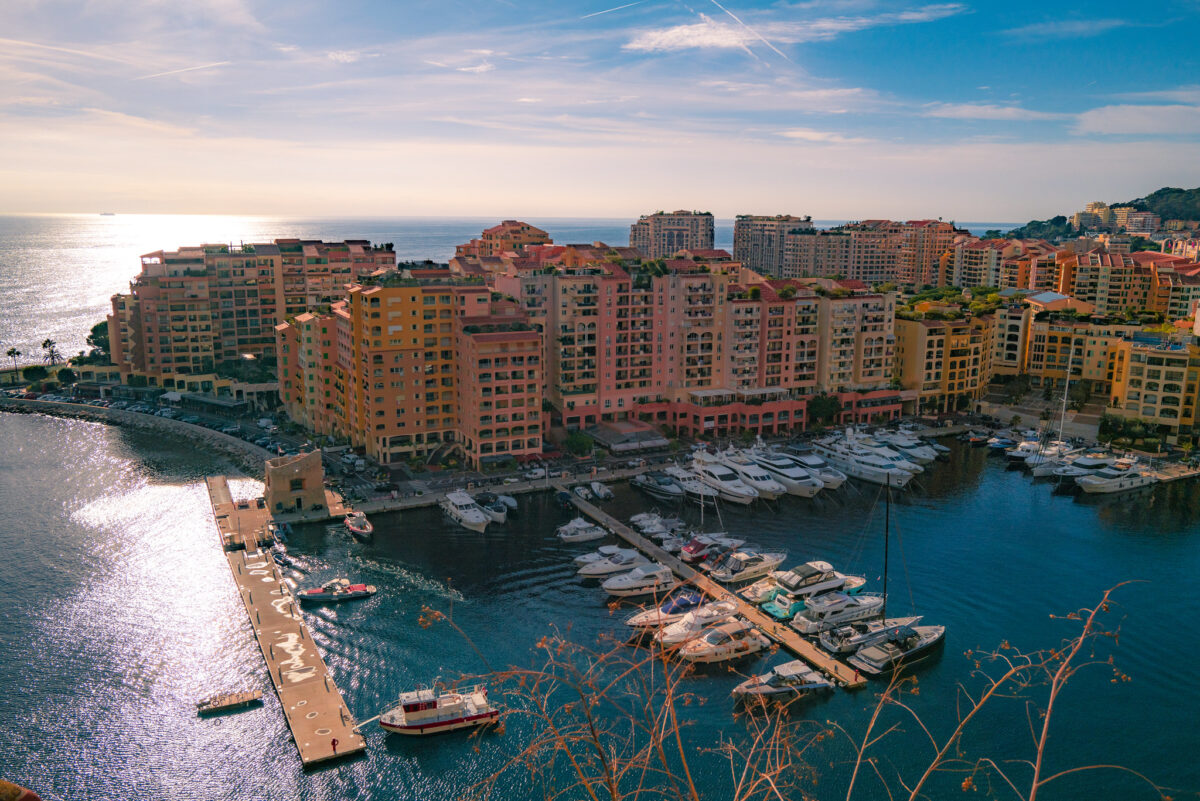
This quarter sits on reclaimed land, which tells you something about the demand here. When Monaco ran out of space, it simply made more.
The residents include Formula One drivers, tech founders, and people whose wealth doesn’t come with a job title. Your neighbors keep to themselves, but when you cross paths, it’s in the private marinas or at the members-only clubs that line the harbor.
The apartments face the Mediterranean, and the balconies are large enough to host dinner parties that most people save for indoor dining rooms. The waitlist for property here can stretch for decades.
Some families buy as an investment for their grandchildren.
Hong Kong’s The Peak
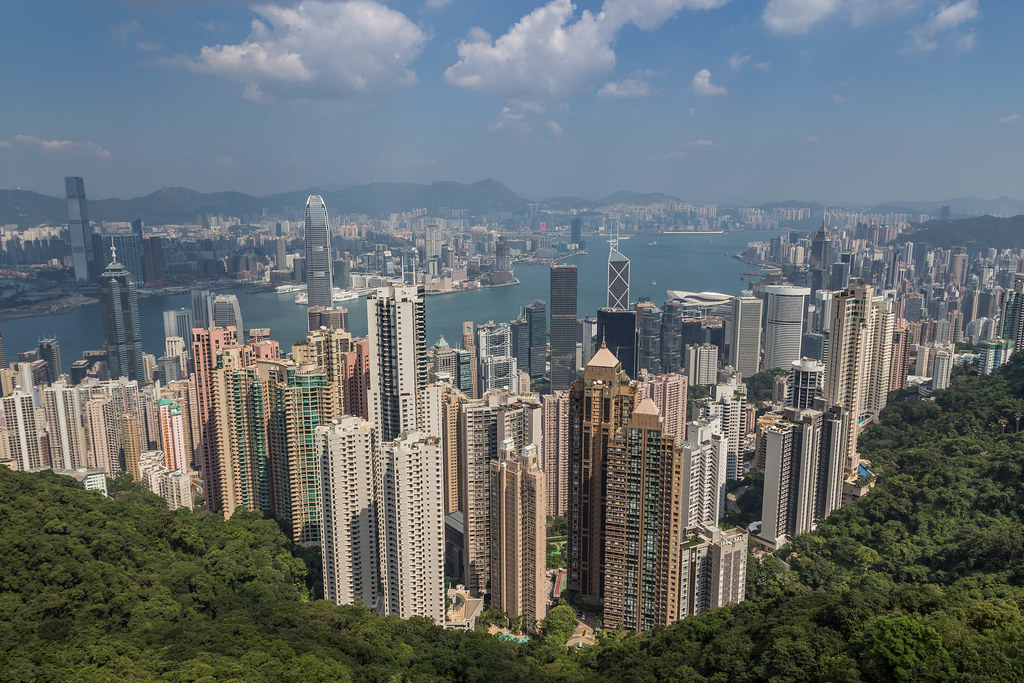
You can see the entire city from up here, which is exactly the point. The Peak has been the address for Hong Kong’s elite since the colonial days, and that hasn’t changed much despite everything else that has.
The houses are few and far between. Most of the area is protected parkland, which keeps the density low and the prices astronomical.
Getting here requires a specific type of car or the funicular railway, which locals use without thinking twice. Rain is common, and the fog can be thick enough to erase the famous view for days at a time. But the people who live here aren’t tourists.
They see the skyline every day, and sometimes that means not seeing it at all.
London’s Knightsbridge
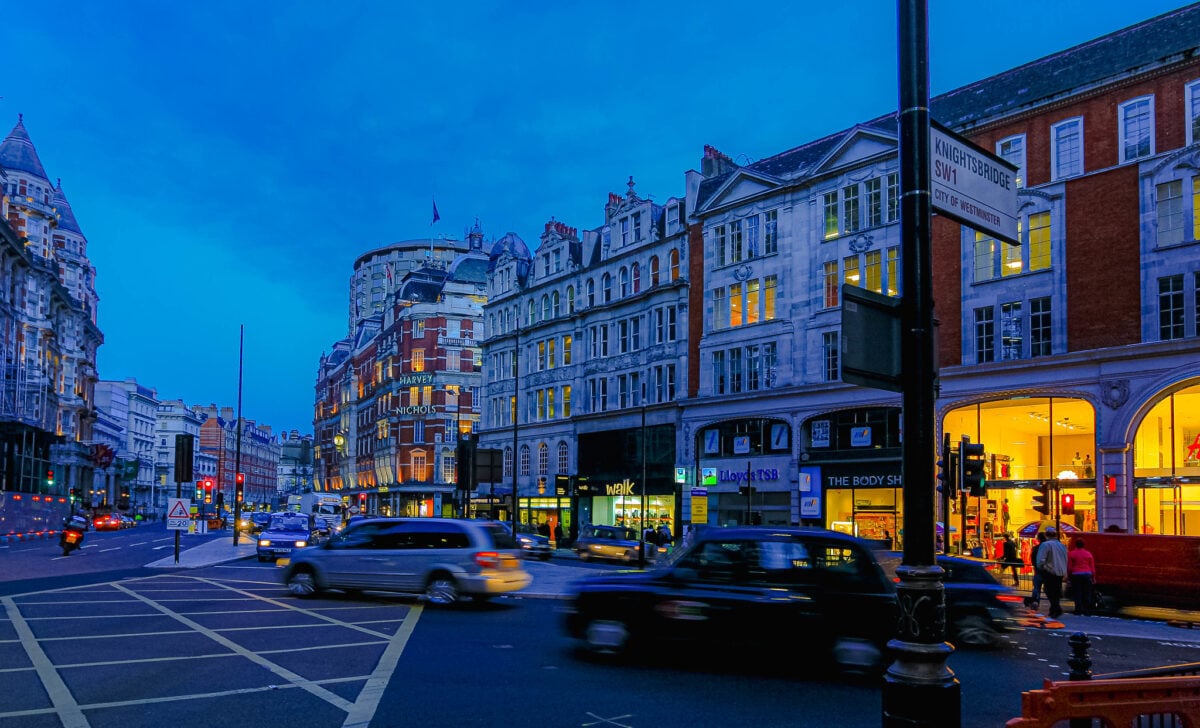
The neighborhood sits right next to Hyde Park, which gives it the rare combination of central London access and actual green space. The streets are quiet in a way that feels impossible for a city this size.
You’ll find embassies mixed in with private residences, which keeps the area both international and intensely secure. The shops on Sloane Street cater to a customer who doesn’t check price tags, and the restaurants nearby operate on the assumption that everyone knows everyone else.
Properties here often stay within the same families for generations. When they do come on the market, they’re usually sold before any public listing goes out.
Estate agents have waiting lists, and the people on those lists have been there for years.
Manhattan’s Tribeca
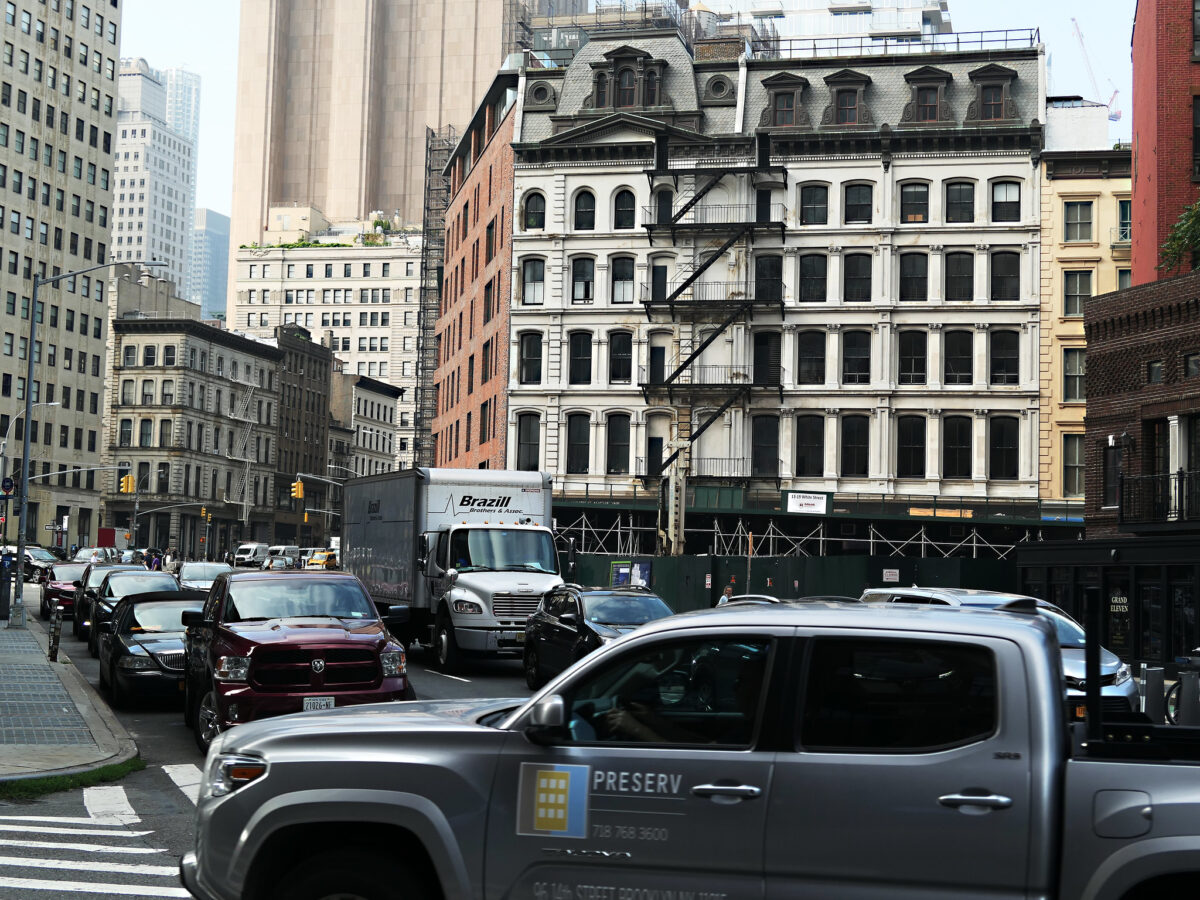
The neighborhood started as an industrial area, which you can still see in the cast-iron buildings and the wide streets. Artists moved in first, then galleries, and eventually the artists couldn’t afford to stay.
Now you’ll find people who value privacy above almost everything else. The buildings have doormen who recognize residents by sight, and the penthouses come with private elevator access.
Some apartments span entire floors, and the windows are large enough to light rooms without needing anything artificial during the day. The school situation here is its own ecosystem.
Parents start planning for kindergarten before their children are born, and the competition for spots at the best schools makes college admissions look relaxed by comparison.
Dubai’s Palm Jumeirah
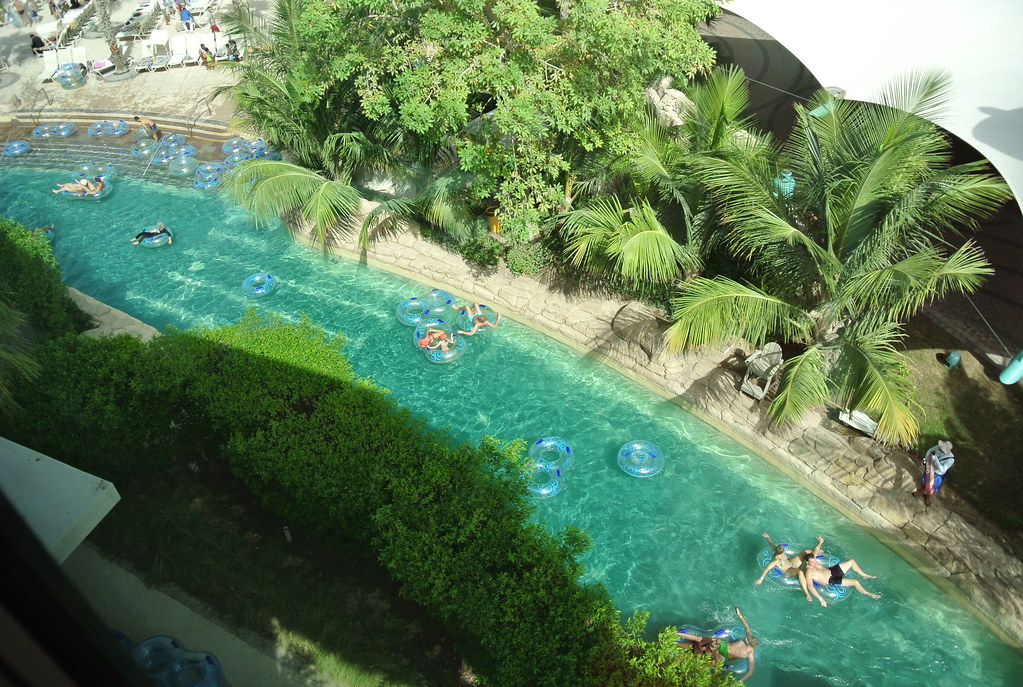
This island didn’t exist twenty years ago. Engineers built it in the shape of a palm tree, which you can only really appreciate from the air.
The villas line the fronds, each with direct beach access and views of the Dubai skyline. The residents are international in a way that few neighborhoods manage.
You’ll hear a dozen languages on any given day, and the restaurants reflect that diversity. Privacy is paramount.
The security at the entrance to the island is thorough, and the guards know exactly who belongs and who doesn’t. Summer here is brutal.
The heat keeps people indoors during the day, and life happens in the evening when the temperature becomes tolerable. But the homes are built for it, with cooling systems that run constantly and outdoor spaces that get used only after sunset.
Paris’s 16th Arrondissement
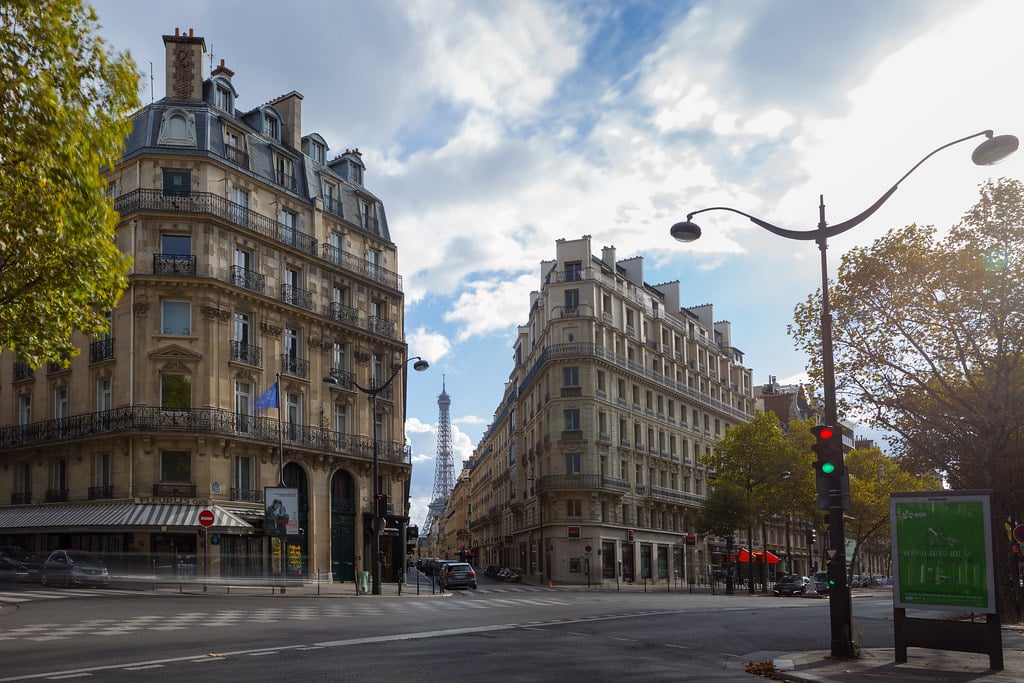
Old money lives here. The buildings are Haussmann-style, with those high ceilings and tall windows that make rooms feel twice their actual size.
The streets are tree-lined, and the sidewalks are wider than in most other parts of the city. You won’t find many tourists in this part of Paris.
The attractions are elsewhere, and that’s precisely what residents prefer. The schools are excellent, the parks are well-maintained, and the restaurants are the kind where reservations are made weeks in advance for regulars and might not be possible at all for anyone else.
Families here have been in the same apartments for three or four generations. When properties do change hands, it’s usually because of estate settlements rather than voluntary sales.
The real estate agents who work in this area have client lists that read like a who’s who of French industry and aristocracy.
Singapore’s Sentosa Cove
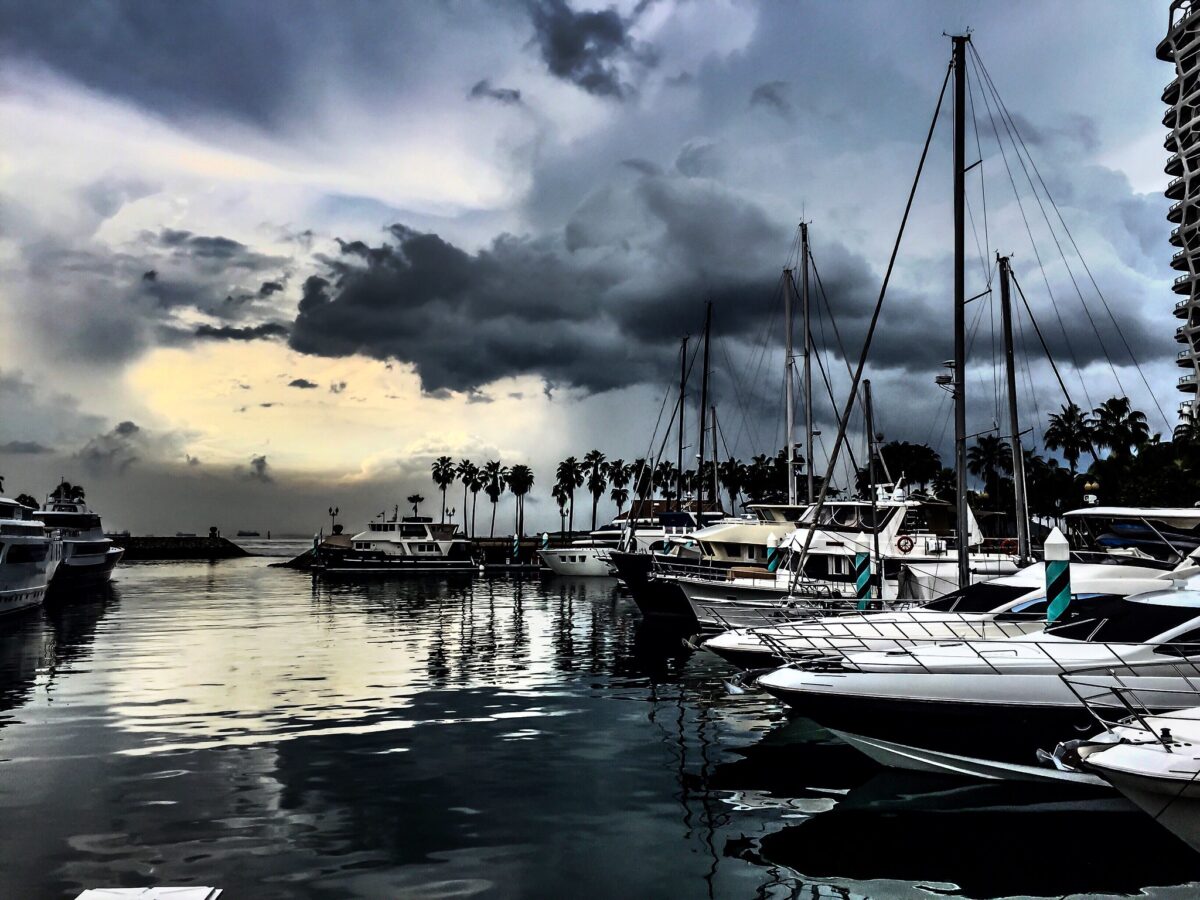
The island is connected to mainland Singapore by a bridge, which serves as both a physical and psychological barrier. Everything on Sentosa Cove feels separate from the rest of the city, even though you can get downtown in twenty minutes.
The houses are built around a marina, and most residents own at least one boat. The golf course takes up a significant portion of the island, and membership is limited.
The beaches are private, and the security at the checkpoints is constant but discreet. The weather here is consistent in a way that makes seasons irrelevant.
It’s warm year-round, and the rain comes in short, heavy bursts that clear quickly. The houses are designed for indoor-outdoor living, with spaces that blur the line between the two.
Los Angeles’s Beverly Hills
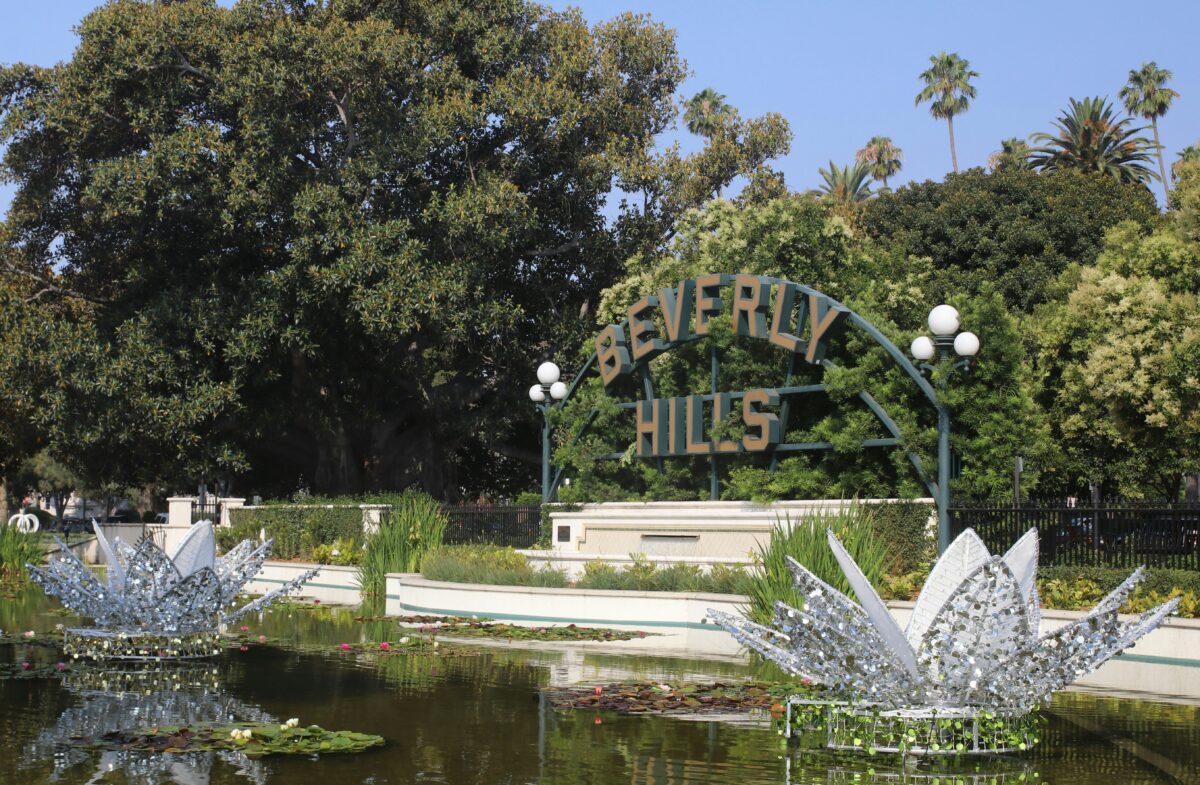
The streets here wind through hills, which makes navigation difficult if you don’t know where you’re going. That’s part of the design.
The houses sit behind gates and hedges, and you can drive past a fifty-million-dollar property without realizing it’s there. The neighborhood has a specific aesthetic that’s been copied around the world but never quite replicated.
Palm trees line the streets, and the lawns are immaculate despite the California drought. The houses range from Spanish Colonial to Modern, and some of the estates take up entire blocks.
You’ll see more exotic cars here in an afternoon than most people see in a lifetime. The restaurants on Rodeo Drive cater to a clientele that expects to be recognized, and the stores operate on the assumption that price is no object.
Sydney’s Point Piper
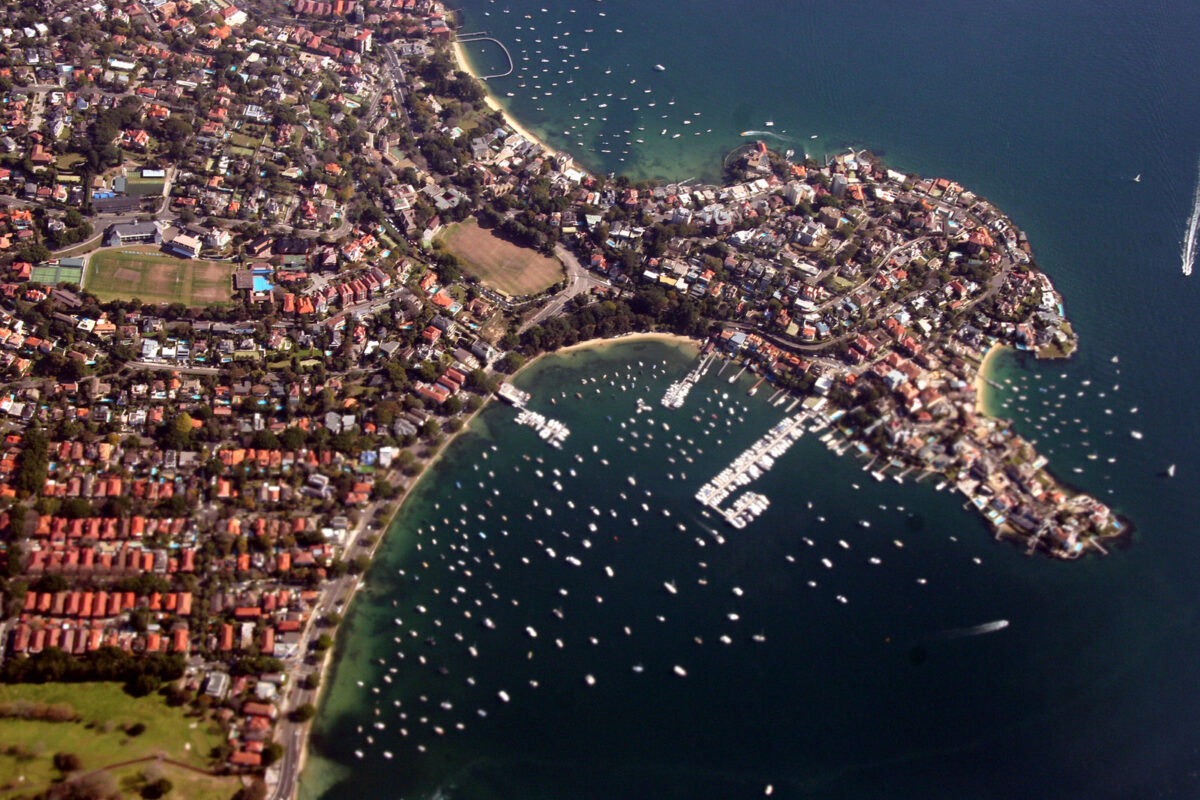
The peninsula juts into Sydney Harbor, which gives almost every property water views. The real estate here has been among Australia’s most expensive for over a century, and that’s not changing anytime soon.
The houses are a mix of historic estates and modern architecture. Some properties have their own private beaches, and the ones that don’t have direct harbor access still manage views that most people would consider spectacular.
The neighborhood is quiet in a way that feels intentional. There’s no commercial district, no through traffic, and very few people walking around who don’t live there.
The nearest shops are a drive away, and residents prefer it that way.
Mumbai’s Malabar Hill
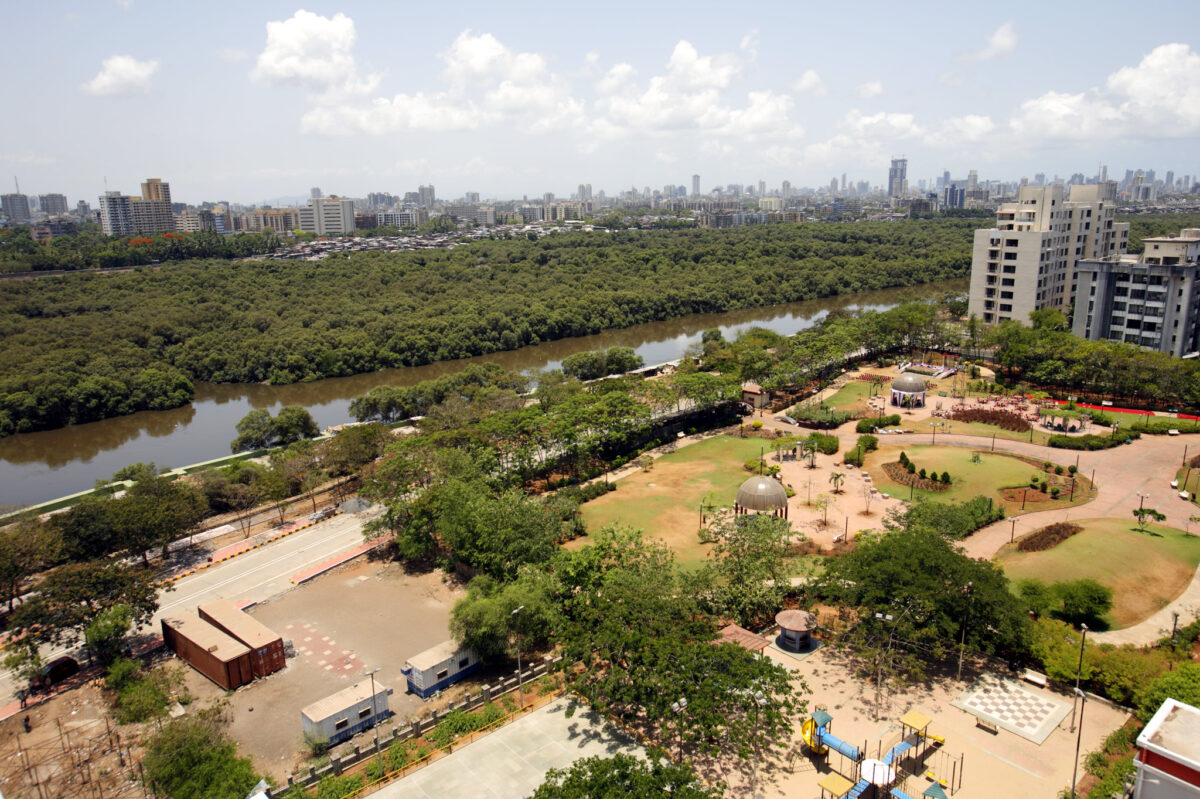
The hill rises above the city, which gives residents both literal and figurative elevation. The air is cleaner here, and the temperature is a few degrees cooler than the rest of Mumbai.
The Hanging Gardens provide green space that’s rare in a city this dense. The apartments in the old buildings have high ceilings and large rooms that reflect a different era of architecture.
The newer towers offer modern amenities but lack some of the character. Either way, the addresses carry weight that matters in Indian society.
Traffic in Mumbai is legendary, but residents here have ways around it. Private drivers know routes that avoid the worst congestion, and some buildings have helicopter landing pads for those who want to skip the roads entirely.
Tokyo’s Aoyama
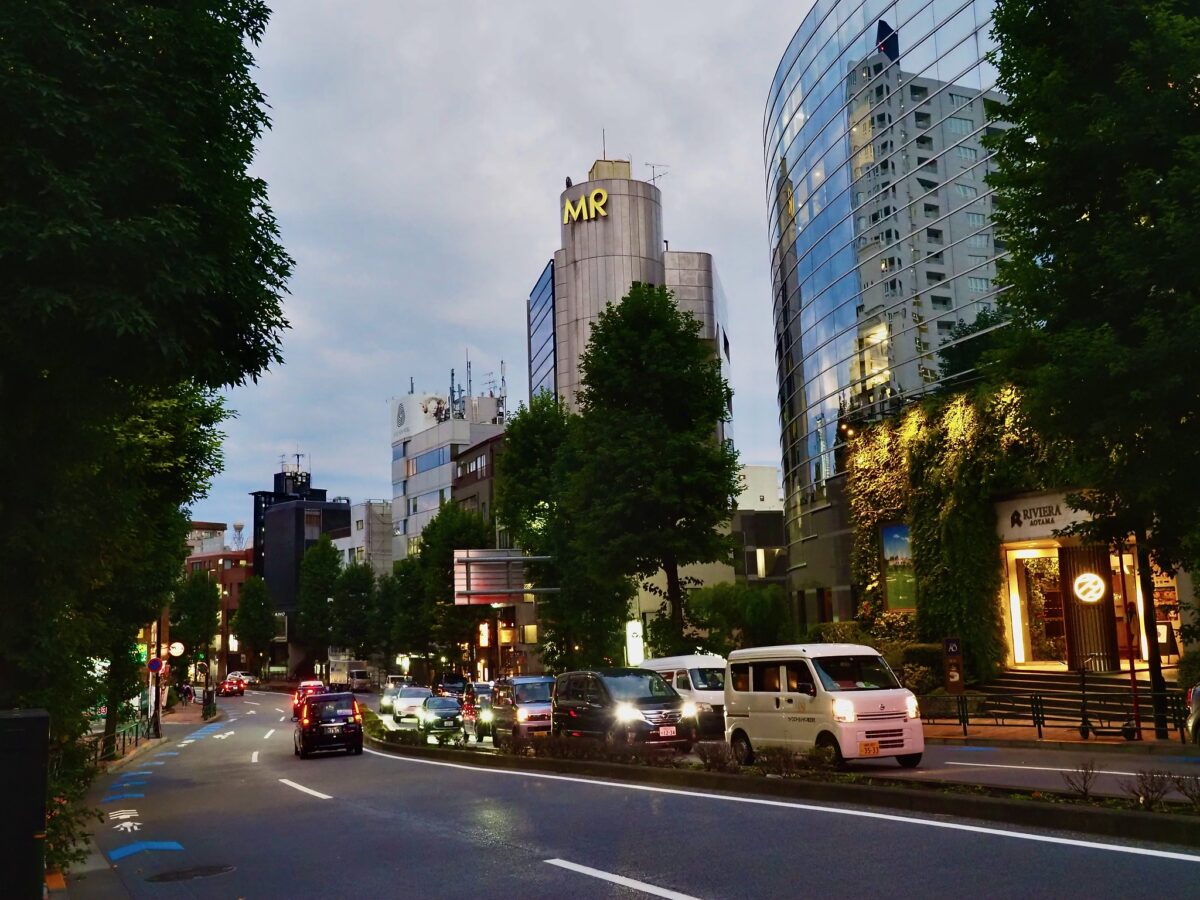
This neighborhood sits in central Tokyo but feels removed from the chaos that defines much of the city. The streets are wider here, and the buildings have more space between them. The fashion boutiques on Omotesando Avenue attract international attention, but the residential streets behind them are remarkably quiet. The apartments here command premiums that make sense only in the context of Tokyo real estate, which is to say they don’t make sense at all by normal standards.
The layouts are often smaller than what you’d find in other exclusive neighborhoods worldwide, but the location compensates for the lack of square footage. The residents are a mix of old Tokyo families and the new tech wealthy.
The two groups don’t always overlap socially, but they coexist in a way that reflects the neighborhood’s ability to honor tradition while embracing change.
Geneva’s Cologny
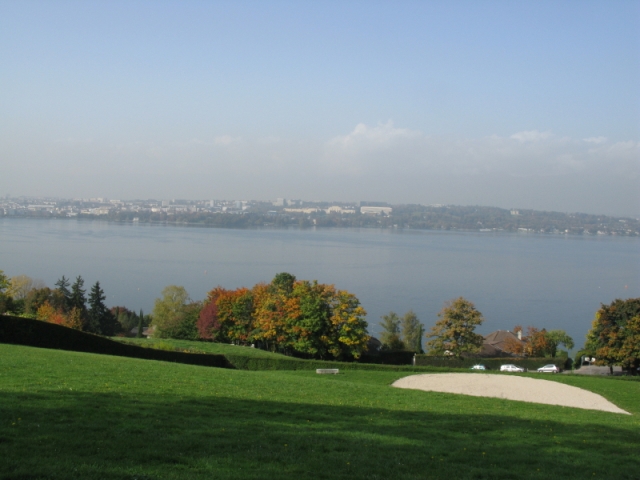
The village sits on the hillside overlooking Lake Geneva, with views that extend to the French Alps on clear days. The properties here are estates rather than houses, with land measured in acres rather than square meters.
The residents are international but discreet. Many work in finance or diplomacy, and they value the privacy that comes with living outside the city center while still being close enough for convenient access.
The schools in the area are among Switzerland’s best, which matters to families who want their children educated locally rather than at boarding schools. The village has strict building codes that preserve the character of the area.
Modern architecture exists here, but it has to fit within guidelines that ensure new construction doesn’t clash with the historic properties that define the neighborhood.
Miami’s Fisher Island
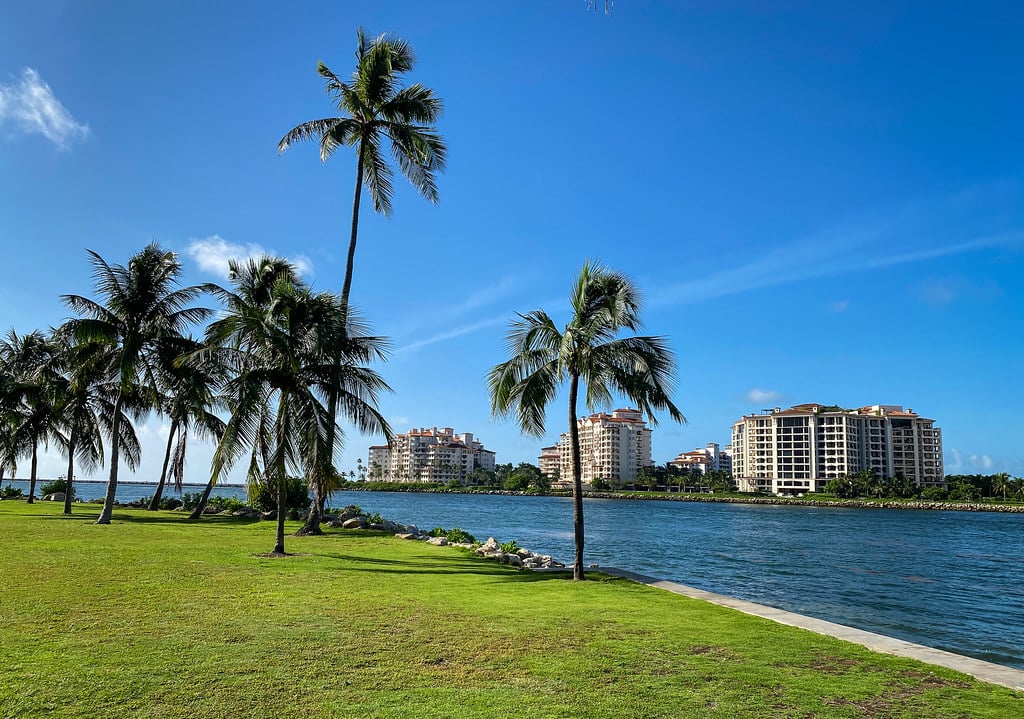
You can’t drive here. The only access is by ferry or private boat, which keeps the casual visitors away entirely.
The island sits just off Miami Beach, close enough to see but far enough to feel completely separate. The properties range from condos to estates, and all of them come with access to amenities that most luxury hotels would envy.
The golf course, the marina, the beach club—everything exists to keep residents on the island rather than giving them reasons to leave. The population is seasonal in a way that reflects Miami’s climate and culture.
Winter brings everyone back, and summer sees many residents decamp to other properties in cooler locations. The ones who stay year-round are the exception rather than the rule.
Moscow’s Rublyovka
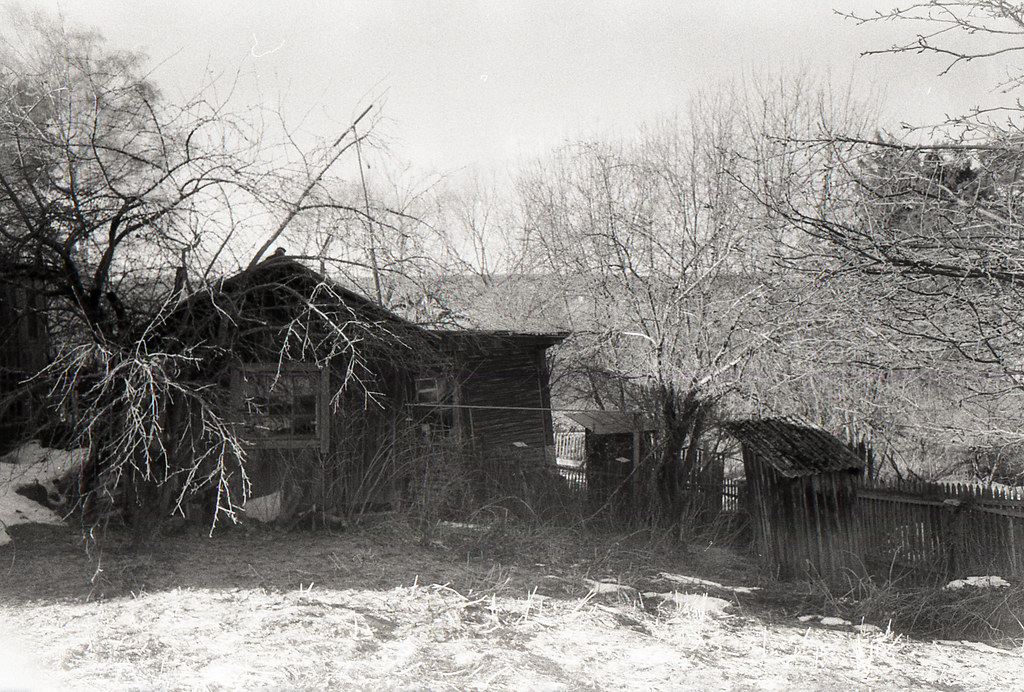
The road west of Moscow has become synonymous with Russian wealth. The properties here are compounds rather than houses, with security that reflects the needs and concerns of the people who live behind those gates.
The architecture varies wildly. Some estates look like French chateaux, others like modern glass structures, and a few like something out of a theme park. The common thread is scale.
Everything here is big, from the houses themselves to the grounds they sit on. The residents prefer to keep their lives private, which is understandable given the attention that comes with wealth in Russia.
The restaurants and shops in the area cater specifically to this clientele, and the prices reflect the understanding that cost is rarely a concern.
São Paulo’s Jardim Europa
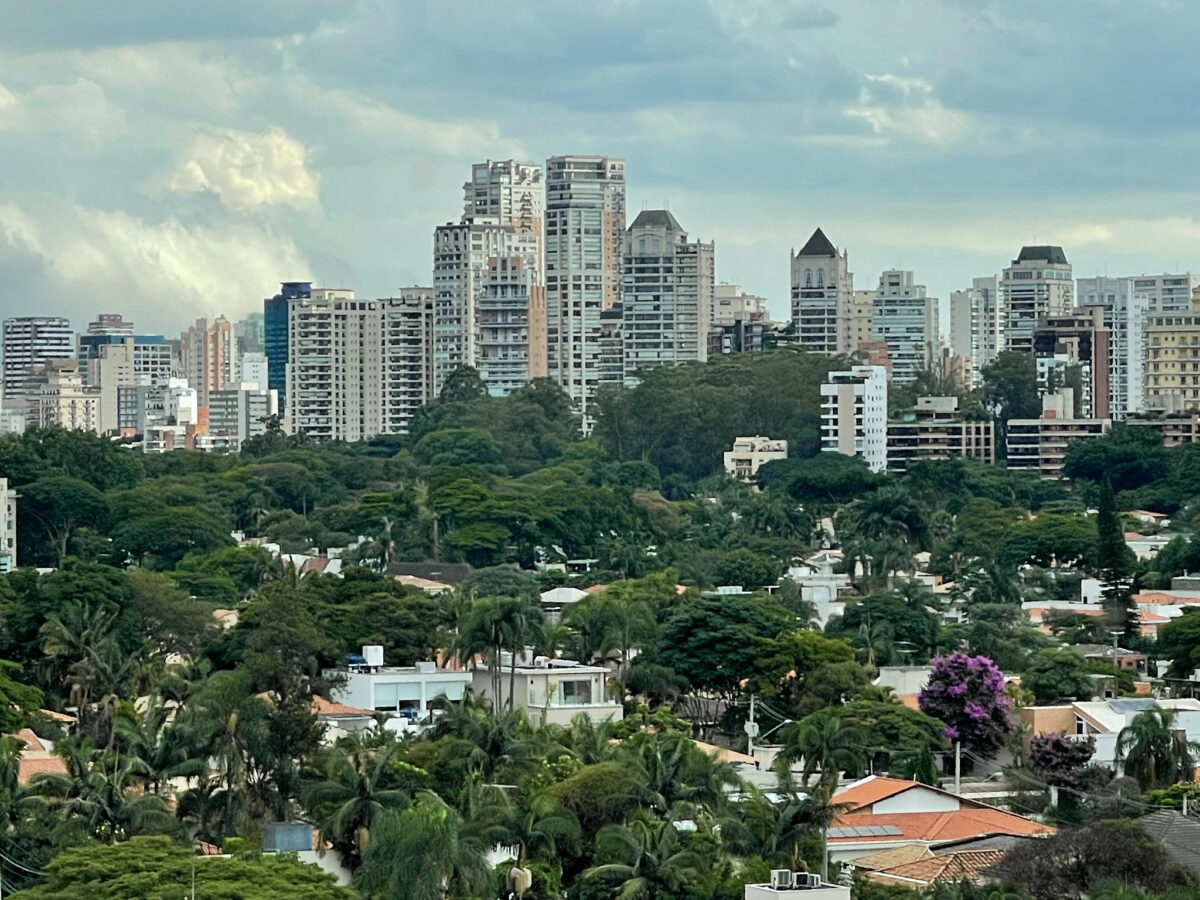
The area’s located in São Paulo’s western side – distant enough from downtown to seem quiet, yet near enough for quick trips. Tree-lined roads run through it, while homes hide behind fences that work well and look good.
Security’s a big deal around here. Each place comes with watchmen, surveillance gear, plus tech setups many’d think go way too far.
Yet in São Paulo – where danger doesn’t pick neighborhoods – locals see it as normal, not extreme. The social scene mostly happens at private clubs instead of open places.
Residents share country clubs, kids go to similar schools, or end up in identical beach spots each summer. It’s a close-knit circle – getting in often needs patience, no matter how much someone pays for a home.
Where Exclusivity Lives
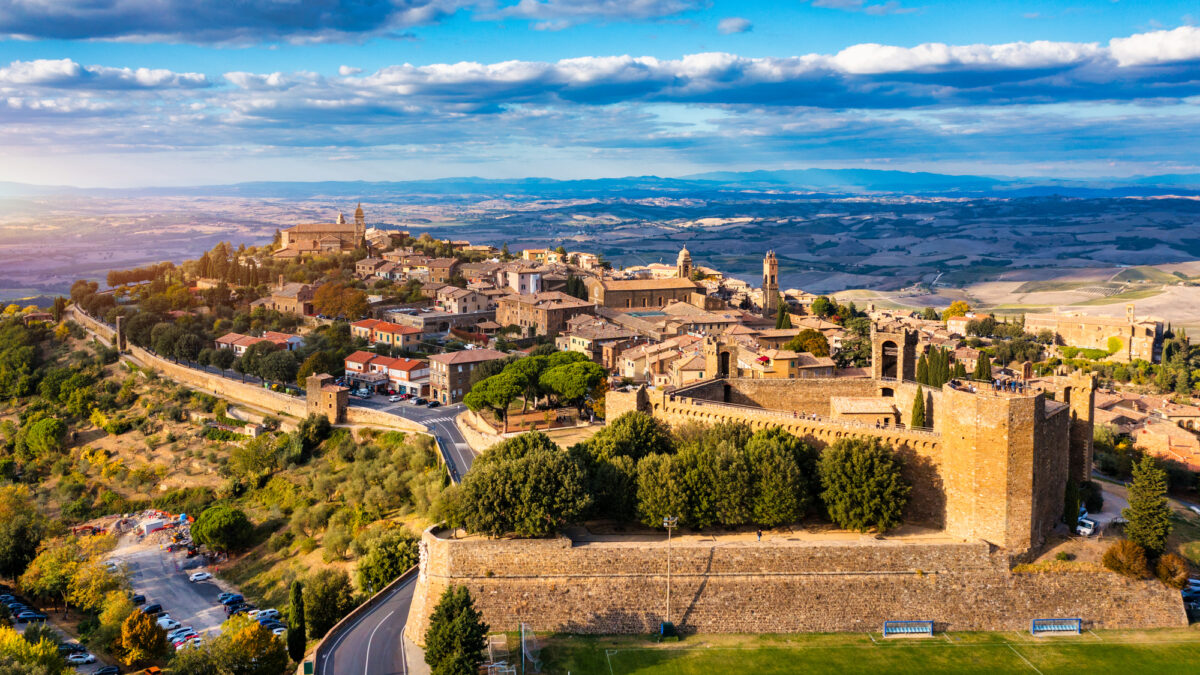
People keep wanting room, quiet, and closeness to folks similar to them – that’s why such areas pop up. Names on maps shift over time, yet that core urge doesn’t budge. A handful have stayed off-limits for hundreds of years.
Meanwhile, fresh ones sprouted outta blank land just recently. Still, everyone does the same job – keeping insiders in, outsiders out. You won’t get far pretending here. Cash helps – though contacts matter just as much, along with history and knowing the unspoken rules at this tier.
Nowhere around lets you walk in waving cash and waltz through closed doors. Gaining entry takes time, who you know, sometimes even sitting back quietly for ages till a shot comes. The folks in these areas never brag about where they stay – no point.
Their street name says it all, really.
More from Go2Tutors!

- The Romanov Crown Jewels and Their Tragic Fate
- 13 Historical Mysteries That Science Still Can’t Solve
- Famous Hoaxes That Fooled the World for Years
- 15 Child Stars with Tragic Adult Lives
- 16 Famous Jewelry Pieces in History
Like Go2Tutors’s content? Follow us on MSN.



