11 Cars Recalled for Deadly Design Flaws
Recalls of automobiles occur more frequently than most people think, but some are notable for their extremely hazardous outcomes. The consequences can be disastrous when design flaws get past quality control and are discovered by the general public.
These are serious issues that endanger lives each time someone turns the key; they are not merely small annoyances or aesthetic concerns. Over the years, the automotive industry has experienced a number of engineering mishaps. This is a list of 11 vehicles that were recalled due to shockingly fatal design flaws.
Ford Pinto

The Ford Pinto became the poster child for automotive safety failures in the 1970s. This compact car had a fuel tank positioned dangerously close to the rear bumper, making it extremely vulnerable to rupture during rear-end collisions.
When the tank ruptured, it would often spray gasoline into the passenger compartment, creating a deadly fire hazard that trapped occupants inside burning vehicles.
Chevrolet Corvair
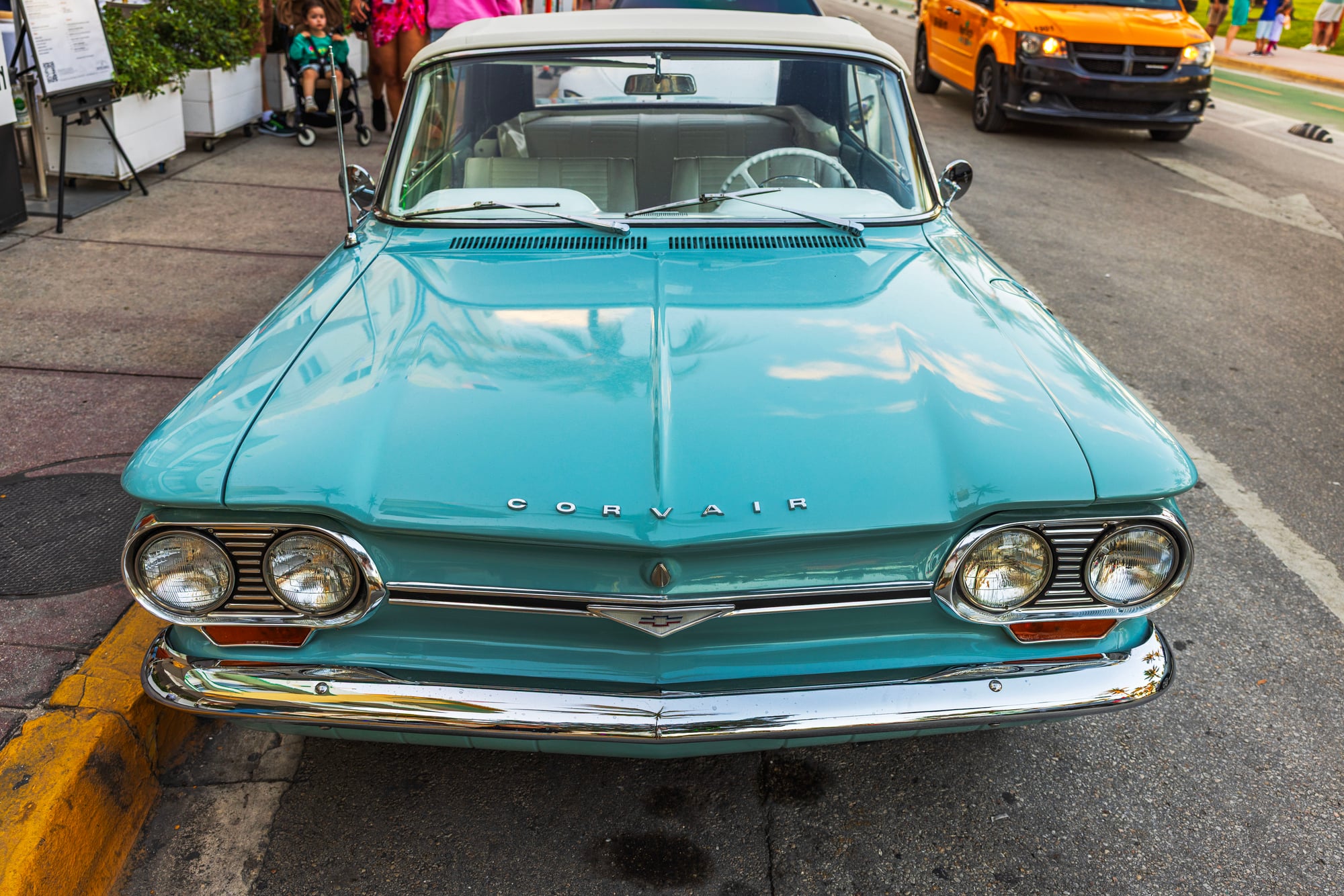
Ralph Nader famously called the Corvair ‘unsafe at any speed,’ and for good reason. The rear-engine design created severe handling problems, particularly during emergency maneuvers.
The car had a tendency to oversteer dramatically, causing drivers to lose control and flip the vehicle—imagine trying to steer a shopping cart backwards at highway speeds.
Like Go2Tutors’s content? Follow us on MSN.
Jeep CJ-5
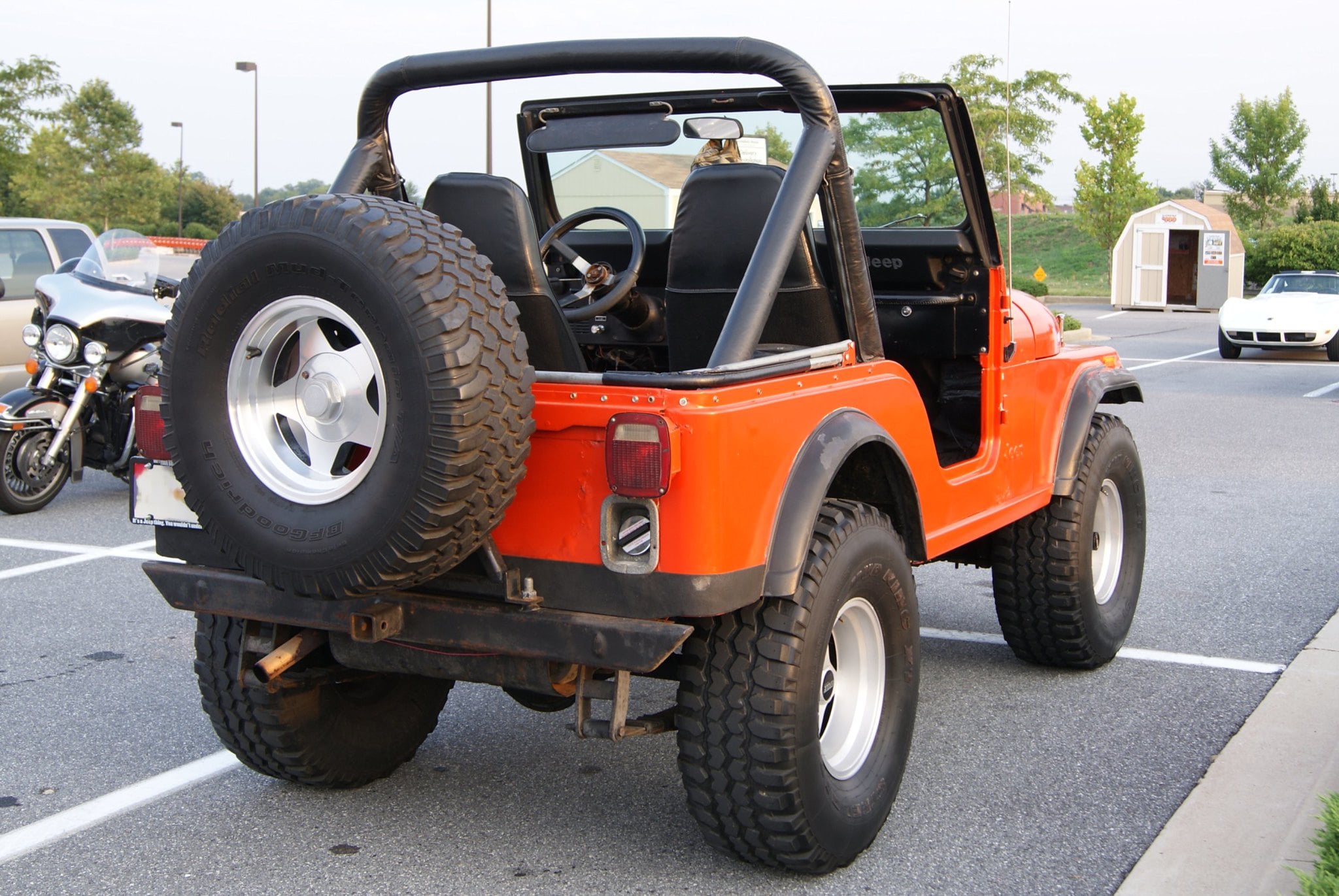
The Jeep CJ-5 looked tough and capable, but its high center of gravity and narrow wheelbase made it a rollover nightmare. This combination was like balancing a refrigerator on a skateboard—it worked fine until you hit a corner too fast.
The rollover rate was so high that it earned the vehicle a reputation as one of the most dangerous on American roads.
Audi 5000
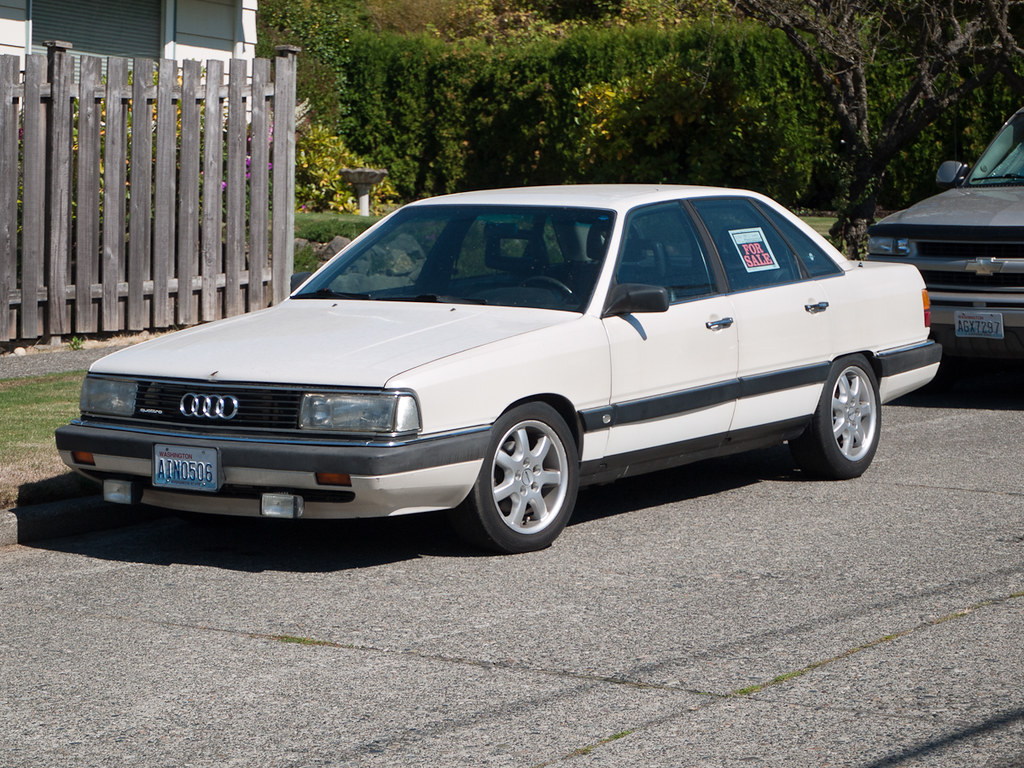
The Audi 5000 suffered from a terrifying problem called ‘sudden unintended acceleration.’ Drivers would start the car normally, only to have it lurch forward unexpectedly at full throttle.
This wasn’t just a minor glitch—cars would crash through garage doors, storefronts, and into other vehicles without warning, leaving drivers helpless to stop the runaway machines.
Ford Explorer with Firestone Tires

The Ford Explorer became synonymous with tire failure disasters in the late 1990s. The combination of the SUV’s design and Firestone tires created a perfect storm of instability.
When the tires failed at highway speeds, the top-heavy Explorer would often flip multiple times, turning routine family trips into deadly accidents.
Like Go2Tutors’s content? Follow us on MSN.
Pontiac Fiero
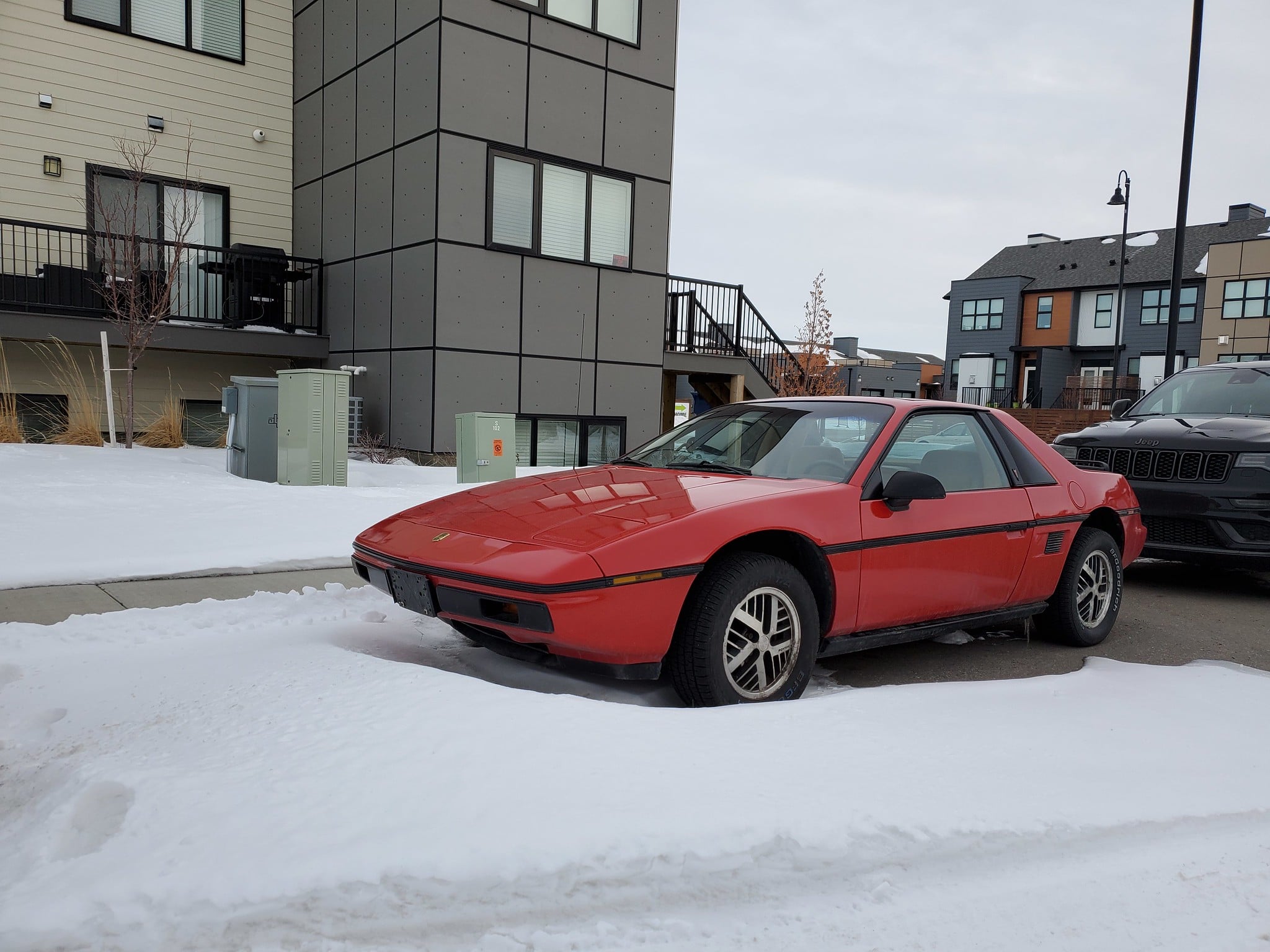
The Pontiac Fiero was supposed to be GM’s answer to sporty European cars, but it became a fire hazard instead. The mid-engine design created cooling problems that would cause the engine to overheat and catch fire.
Owners never knew if their next drive would end with them watching their car burn on the side of the road.
Toyota Camry
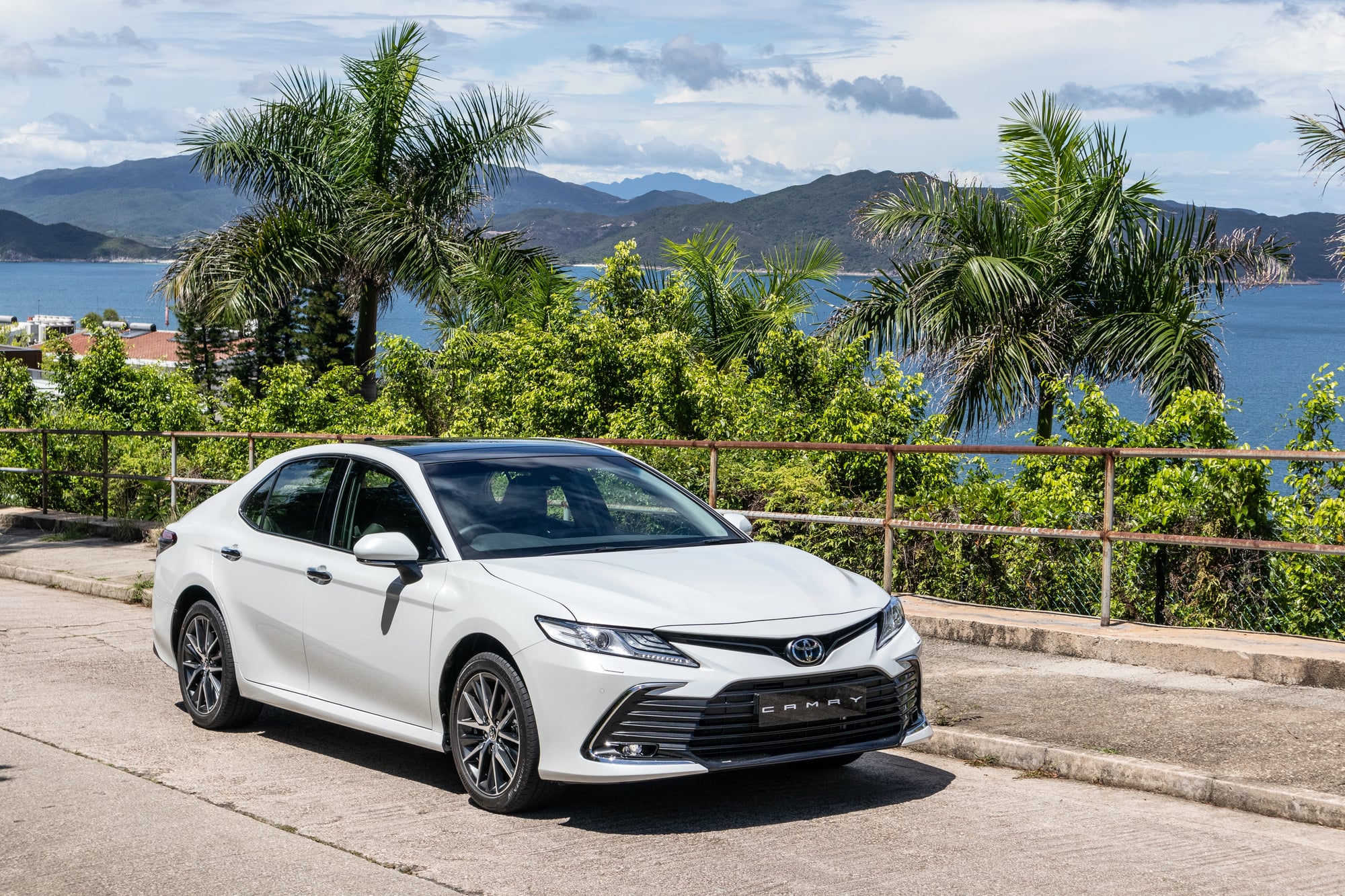
Even reliable Toyota wasn’t immune to deadly design flaws. Certain Camry models experienced sudden acceleration problems that sent cars careening out of control.
The electronic throttle system would malfunction, causing the engine to race at full speed while the brakes became nearly useless—like trying to stop a freight train with bicycle brakes.
Chevrolet Cobalt

The Chevrolet Cobalt had an ignition switch defect that would shut off the engine while driving. This wasn’t just an inconvenience—it disabled power steering, power brakes, and airbags all at once.
Imagine losing all control systems simultaneously while cruising down the highway at 70 mph.
Like Go2Tutors’s content? Follow us on MSN.
Ford Bronco II
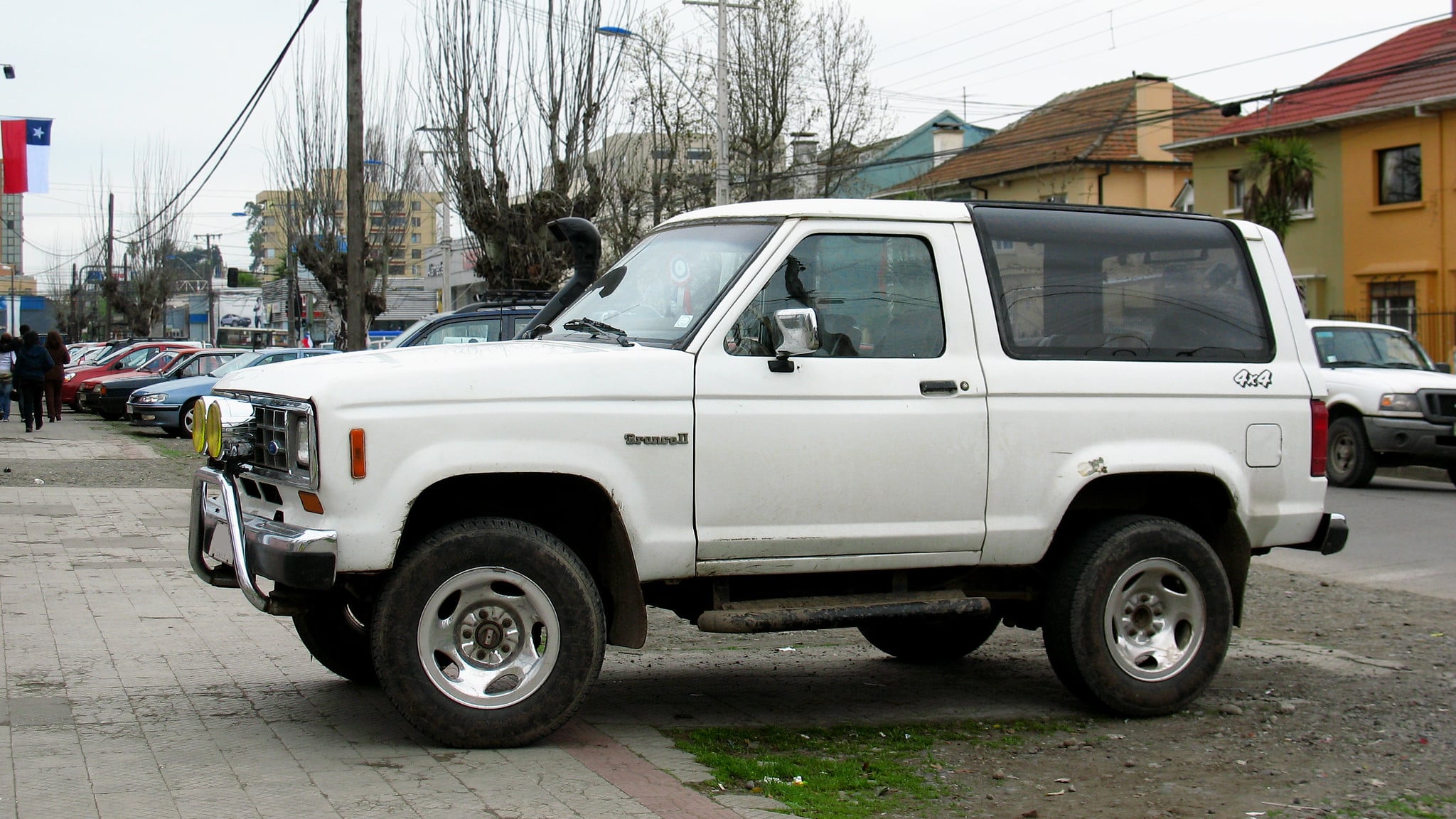
The Ford Bronco II inherited the same rollover problems that plagued many SUVs of its era. Its narrow track width and high center of gravity made it unstable during turns and emergency maneuvers.
The vehicle would tip over so easily that driving it felt like walking a tightrope—one wrong move and you’d be upside down.
Mitsubishi Montero

The Mitsubishi Montero earned the nickname ‘the widowmaker’ in some markets due to its extreme rollover tendency. The SUV’s design made it particularly unstable during lane changes and evasive maneuvers.
What should have been simple driving situations became potential death traps for unsuspecting families.
Ford Crown Victoria
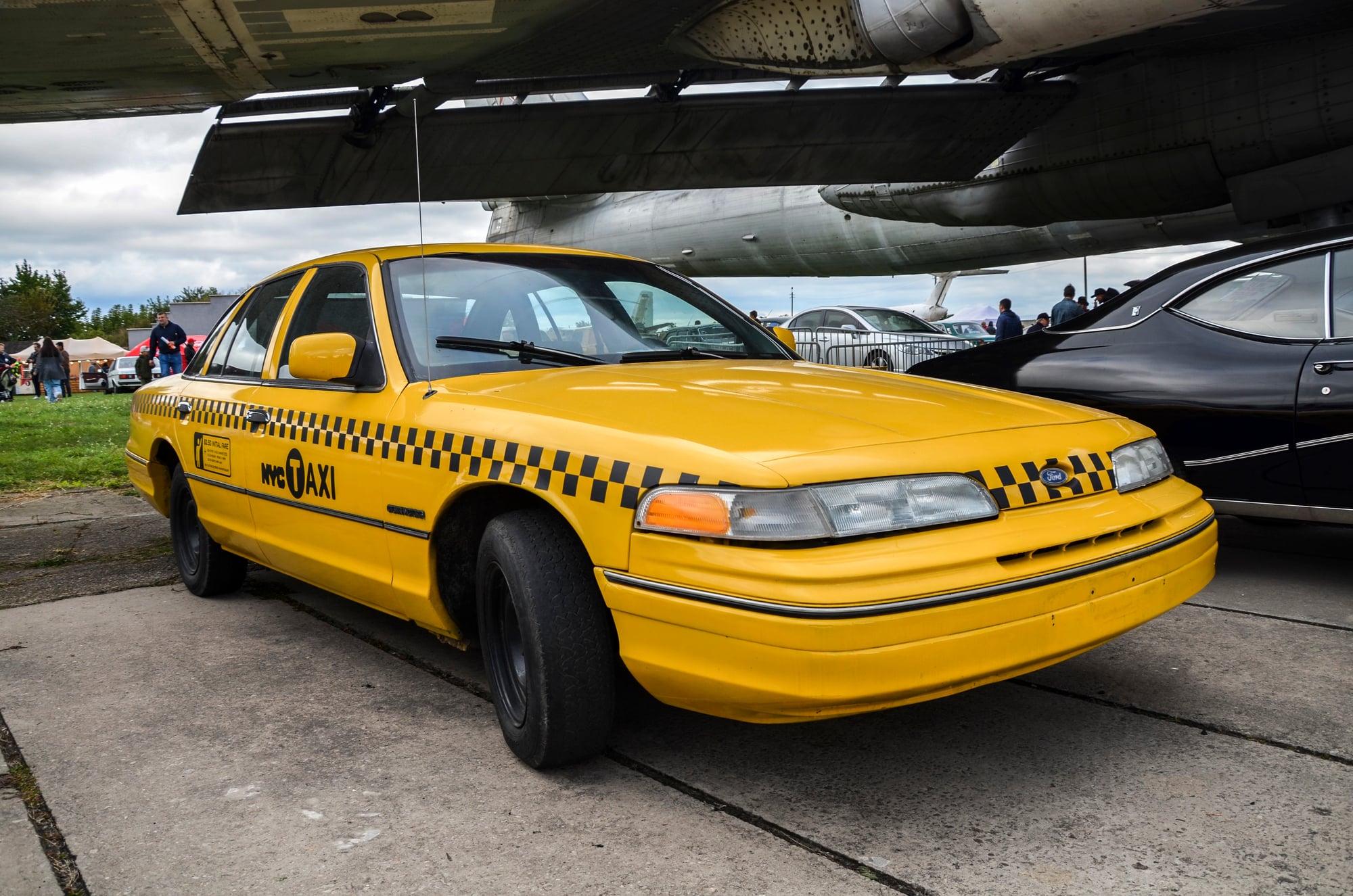
Police departments across the country discovered a horrifying flaw in the Crown Victoria’s fuel system. Rear-end collisions could cause fuel leaks that would ignite, turning police cruisers into firebombs.
Officers found themselves more afraid of getting rear-ended than facing down criminals—their own patrol cars had become the enemy.
Like Go2Tutors’s content? Follow us on MSN.
When Engineering Meets Reality
These car accidents serve as a reminder that even the most reputable manufacturers are capable of making deadly errors. Despite passing preliminary safety inspections and being approved by the government, each of these cars went on to inflict numerous injuries and fatalities.
Our current understanding of automotive safety is still shaped by the legacy of these flawed designs, which demonstrate that well-meaning intentions are meaningless when engineering fails.
More from Go2Tutors!

- 16 Historical Figures Who Were Nothing Like You Think
- 12 Things Sold in the 80s That Are Now Illegal
- 15 VHS Tapes That Could Be Worth Thousands
- 17 Historical “What Ifs” That Would Have Changed Everything
- 18 TV Shows That Vanished Without a Finale
Like Go2Tutors’s content? Follow us on MSN.