16 Caves That Inspired Monsters in Folklore
Caves have always fascinated humans, though they’ve also terrified us in equal measure. These dark, mysterious spaces beneath the earth have sparked countless tales of monsters, spirits, and otherworldly beings throughout history. From ancient Greek myths to Native American legends, caves have served as the perfect backdrop for our most frightening stories.
The connection between caves and monsters isn’t accidental. There’s something about these underground spaces that naturally lends itself to the supernatural — the darkness, the echoing sounds, the unknown depths stretching beyond what we can see. Here is a list of 16 caves that have inspired some of the most memorable monsters in folklore.
The Cave of the Cyclops

In Homer’s Odyssey, Polyphemus the Cyclops lived in a massive cave on an island where he trapped Odysseus and his men. This one-eyed giant became one of literature’s most famous monsters — his cave lair set the template for countless monster dwellings that followed.
The cave’s description as a dark, echoing space filled with the bones of previous victims made it the perfect home for such a terrifying creature.
Grendel’s Underwater Cave

The monster Grendel from the Anglo-Saxon epic Beowulf made his home in a cave beneath a dark lake. This underwater lair was described as a place where fire could burn despite being submerged — adding to its supernatural qualities.
Grendel’s mother also lived in this same cave, making it a generational monster den that struck fear into the hearts of warriors.
Like Go2Tutors’s content? Follow us on MSN.
The Minotaur’s Labyrinth

While technically an artificial cave system, the labyrinth beneath Crete that housed the Minotaur has influenced countless cave monster stories. This half-man, half-bull creature roamed the dark passages — devouring anyone who entered his domain.
The maze-like quality of many natural cave systems likely inspired this particular take on underground monsters.
Fingal’s Cave and the Giant’s Causeway
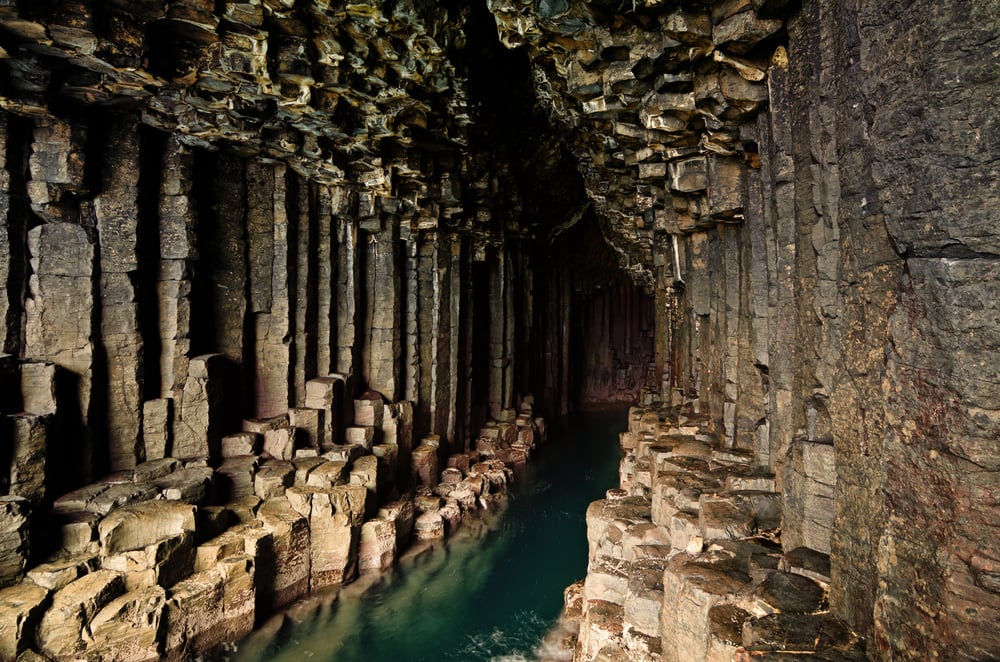
The hexagonal basalt columns of Fingal’s Cave in Scotland inspired legends of giants and supernatural beings. Celtic folklore tells of Fionn mac Cumhaill (Finn MacCool), a giant who could build bridges between countries — his footsteps created the distinctive rock formations.
The cave’s otherworldly acoustic properties only added to its mystical reputation.
Dragon Caves of European Folklore

Countless European caves were said to house dragons, from Fafnir’s gold-filled lair in Norse mythology to the Welsh dragon’s cave beneath Mount Snowdon. These stories often described caves filled with treasure — places where brave knights would venture to face fire-breathing beasts.
The natural echoes and sounds of caves likely reinforced the idea that something large and dangerous lived within.
Like Go2Tutors’s content? Follow us on MSN.
Native American Cave Spirits

Many Native American tribes have stories of cave-dwelling spirits and monsters. The Wendigo, a cannibalistic creature from Algonquian folklore — was often said to inhabit caves during winter months.
These stories served both as warnings about the dangers of caves and as explanations for mysterious sounds and formations found within them.
The Muki of Peruvian Mines
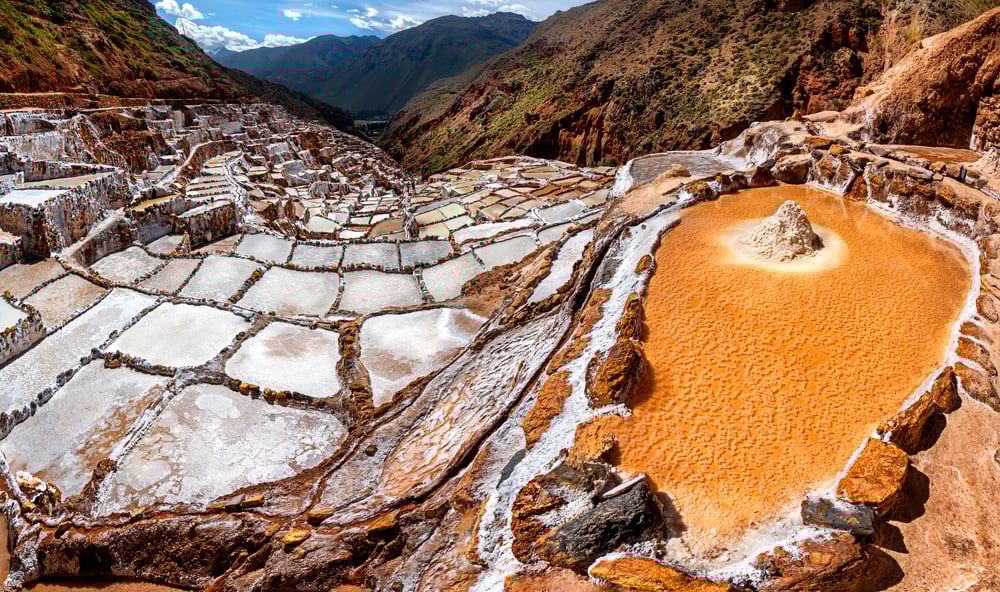
Peruvian folklore describes the Muki, a two-foot-tall creature with enormous eyes and pale skin that lives in underground caves and mines. These beings were said to be both helpful and harmful — sometimes leading miners to rich deposits but other times causing cave-ins.
The legend likely evolved from older stories about underground demons and spirits.
Troll Caves of Scandinavia

Scandinavian folklore is filled with stories of trolls living in mountain caves and rocky crevices. These creatures were described as massive, ugly beings who turned to stone in sunlight — which is why they needed the protection of caves.
Many actual caves in Norway and Sweden are still called ‘troll caves’ by locals.
Like Go2Tutors’s content? Follow us on MSN.
The Oracle’s Cave at Delphi

The famous Oracle at Delphi in ancient Greece received her prophetic visions while seated over a cave that emitted mysterious vapors. While not exactly a monster — the supernatural aspect of this cave inspired countless stories about caves as gateways to otherworldly knowledge and power.
The vapors themselves were sometimes described as dragon’s breath.
Pluto’s Cave and the Underworld

Roman mythology placed the entrance to Hades in various caves throughout the Mediterranean. These weren’t just homes to individual monsters — but entire realms of the dead, guarded by creatures like Cerberus, the three-headed dog.
The concept of caves as entrances to hell has influenced monster stories for thousands of years.
Aboriginal Rainbow Serpent Caves

Australian Aboriginal folklore tells of the Rainbow Serpent, a powerful creator deity that carved out rivers and valleys, sometimes living in sacred caves. While not always malevolent, this serpent was described as enormous and capable of great destruction.
The stories inspired both reverence and fear among those who knew them.
Like Go2Tutors’s content? Follow us on MSN.
Chinese Dragon King Caves
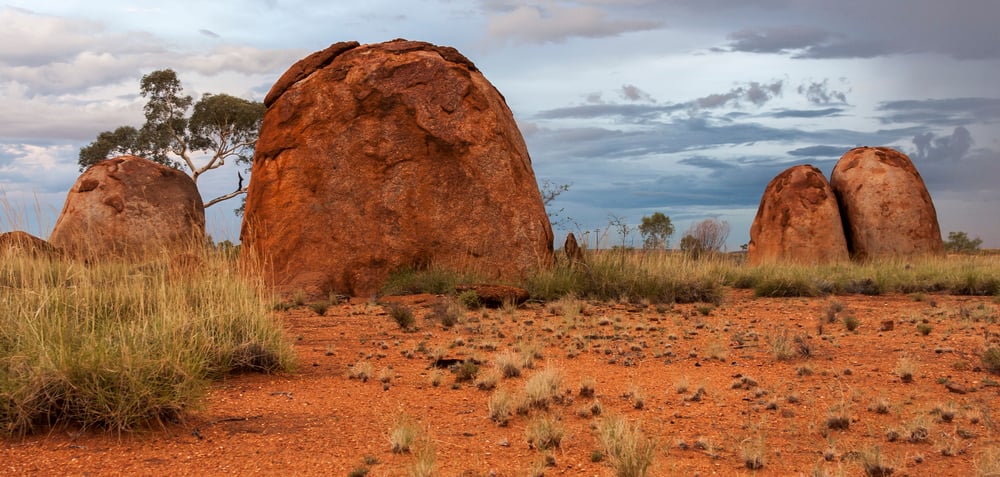
Traditional Chinese folklore often placed Dragon Kings in underwater caves or caverns behind waterfalls. These powerful beings controlled weather and water, yet their cave lairs were described as magnificent palaces filled with treasure.
The sound of water echoing in caves likely contributed to these associations with water dragons.
Maya Underworld Caves

The ancient Maya believed caves were entrances to Xibalba, the underworld ruled by death gods and demons. Many actual caves in Mexico and Central America contain Maya artifacts and evidence of ritual use.
This shows how these natural formations inspired real religious practices centered around supernatural beings.
Ethiopian Werehyena Caves
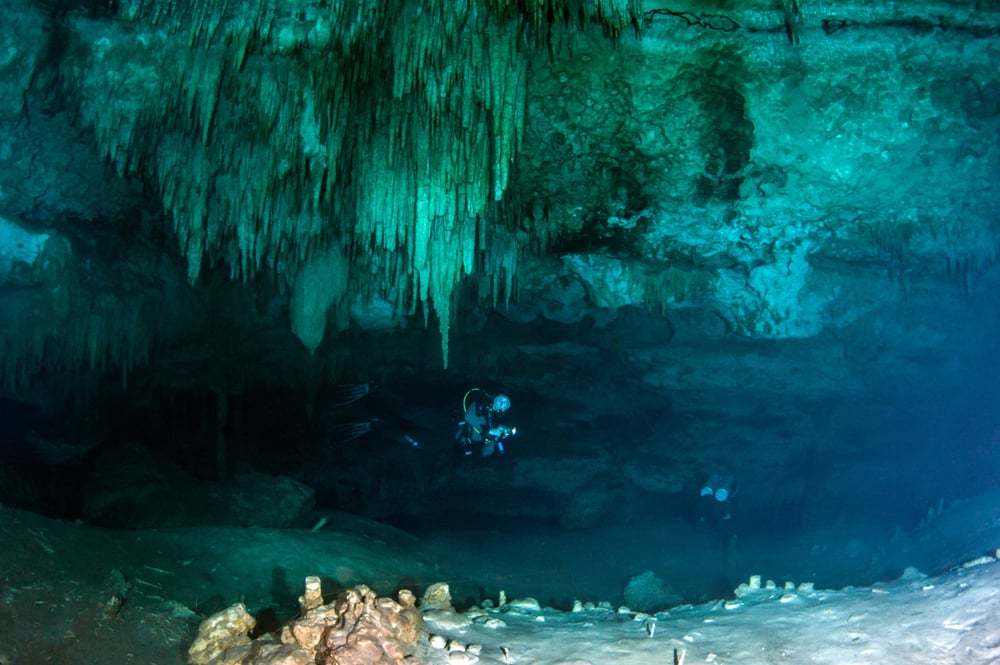
Ethiopian folklore describes werehyenas that live in caves during the day, emerging at night to hunt. These shape-shifting creatures were said to be humans who could transform into hyenas.
Their cave lairs were places of dark magic and transformation, though the echoing laughter-like sounds that hyenas make probably reinforced these cave associations.
Like Go2Tutors’s content? Follow us on MSN.
Banshee Caves of Ireland

Irish folklore places banshees in caves and hollow hills throughout the countryside. These wailing spirits were said to emerge from their cave homes to warn of impending death.
Their mournful cries echoing from cave mouths became a source of terror for travelers, and many natural caves in Ireland are still associated with these legends.
Rakshasa Caves of India

Hindu and Buddhist folklore describes Rakshasas as demon-like beings that often lived in caves and forests. These shape-shifting creatures were said to have backwards hands and feet.
Their cave lairs were places where they’d drag unsuspecting humans to devour them, yet the creatures’ association with darkness and hidden places made caves natural homes for them.
Echoes Through Time

These cave-dwelling monsters reflect humanity’s ancient relationship with the underground world. What started as practical fears about dangerous animals and unstable rock formations evolved into rich mythological traditions that still influence our stories today.
Modern horror movies and fantasy novels continue to place their monsters in caves. They’re drawing on thousands of years of folklore that recognized these spaces as naturally suited for the supernatural and the terrifying.
More from Go2Tutors!

- 16 Historical Figures Who Were Nothing Like You Think
- 12 Things Sold in the 80s That Are Now Illegal
- 15 VHS Tapes That Could Be Worth Thousands
- 17 Historical “What Ifs” That Would Have Changed Everything
- 18 TV Shows That Vanished Without a Finale
Like Go2Tutors’s content? Follow us on MSN.



