9 Cities Destroyed by Natural Disasters in Hours
Natural disasters can transform thriving cities into ruins in a matter of hours, demonstrating nature’s overwhelming power against human civilization. From volcanic eruptions to earthquakes and tsunamis, these catastrophic events have wiped entire communities off the map with frightening speed. The destruction often happens so quickly that residents have little time to escape or save their possessions.
These disasters serve as sobering reminders of how vulnerable our modern cities remain despite advanced technology and warning systems. Here is a list of 9 cities destroyed by natural disasters in hours.
Pompeii
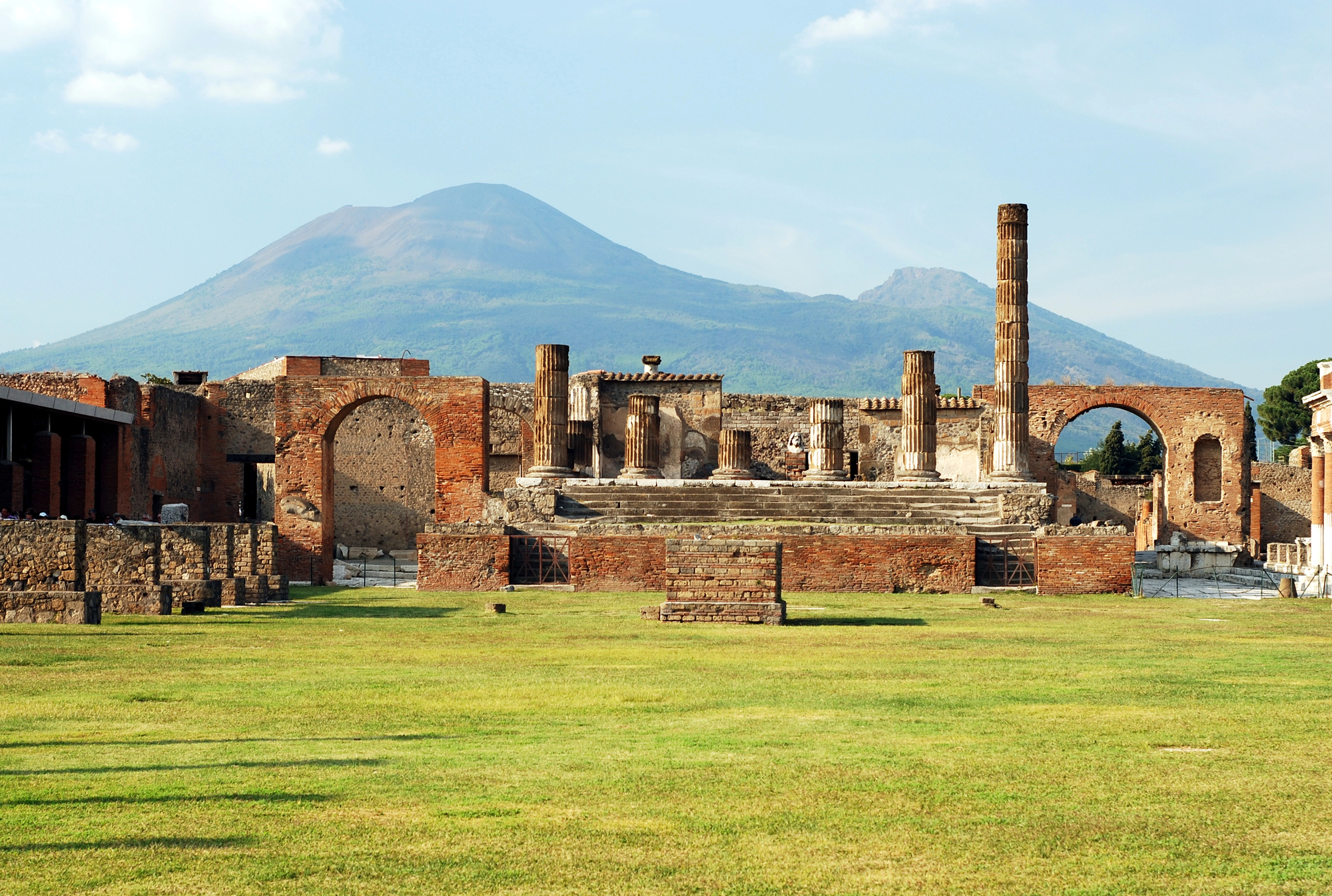
Mount Vesuvius erupted on August 24, 79 AD, burying Pompeii under 20 feet of volcanic ash and pumice within hours. The city’s 15,000 residents were caught completely off guard — many died instantly from the pyroclastic flows that reached temperatures over 1,000 degrees Fahrenheit.
The volcanic material preserved the city perfectly, creating a time capsule that archaeologists discovered centuries later. Pompeii remains one of history’s most famous examples of a thriving city destroyed in a single day by natural forces.
Galveston
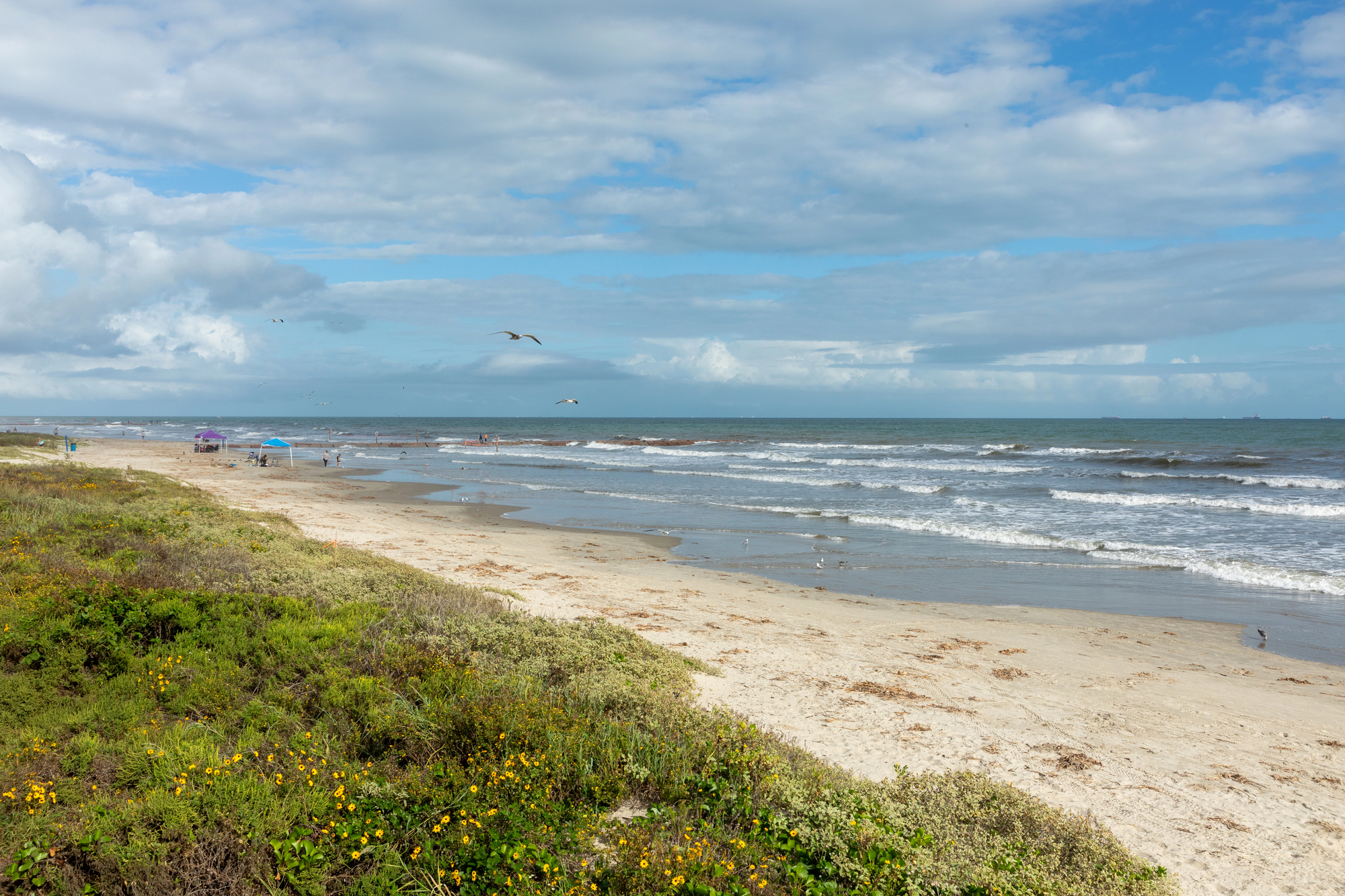
The Great Galveston Hurricane of 1900 obliterated this Texas coastal city in just one night, killing between 6,000 and 12,000 people. Storm surge reaching 15 feet above sea level swept away entire neighborhoods — reducing the prosperous port city to debris-filled wasteland by morning.
Winds exceeding 145 mph demolished buildings that had stood for decades, while the surge carried away bridges and railways connecting the island to the mainland. This disaster prompted the construction of the famous Galveston Seawall and elevated the entire city to prevent future flooding.
Saint-Pierre
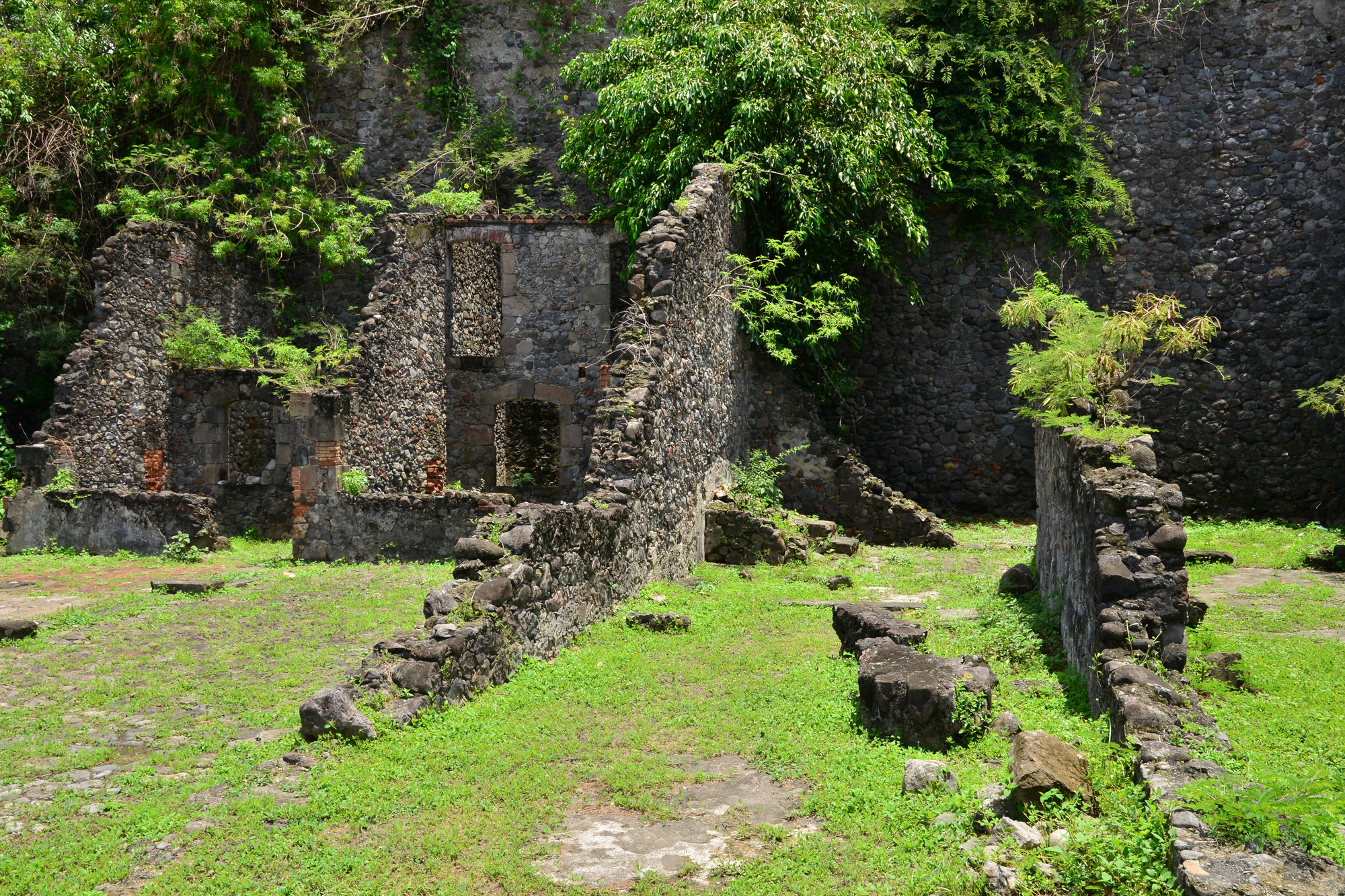
The volcanic eruption of Mount Pelée on May 8, 1902, completely destroyed Saint-Pierre, Martinique, in less than three minutes. Pyroclastic flows racing down the mountainside at over 100 mph incinerated the entire city — killing all but two of its 30,000 residents instantly.
The city had been the cultural and economic center of the Caribbean, often called the ‘Paris of the West Indies.’ The sole survivors were a prisoner in an underground cell and a shoemaker living on the city’s outskirts.
San Francisco
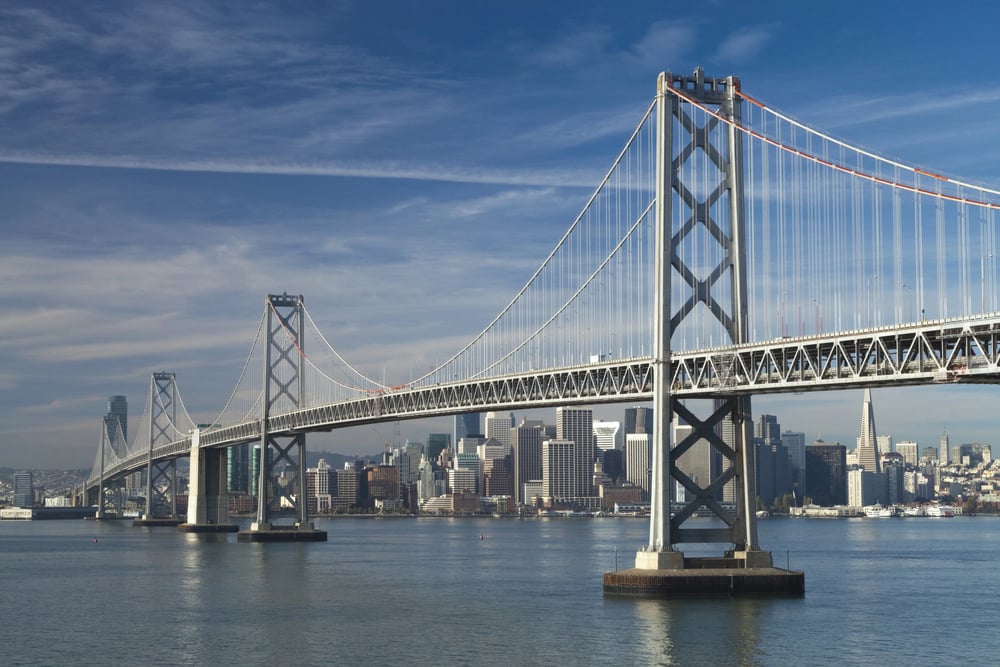
The 1906 San Francisco earthquake and subsequent fires destroyed over 80% of the city within three days, though the initial quake lasted only about one minute. The earthquake ruptured gas lines and water mains — creating an inferno that firefighters couldn’t control due to broken water systems.
Over 3,000 people died and more than half the population became homeless as flames consumed entire neighborhoods. The disaster led to revolutionary changes in building codes and urban planning that influence modern earthquake-resistant construction.
Johnstown
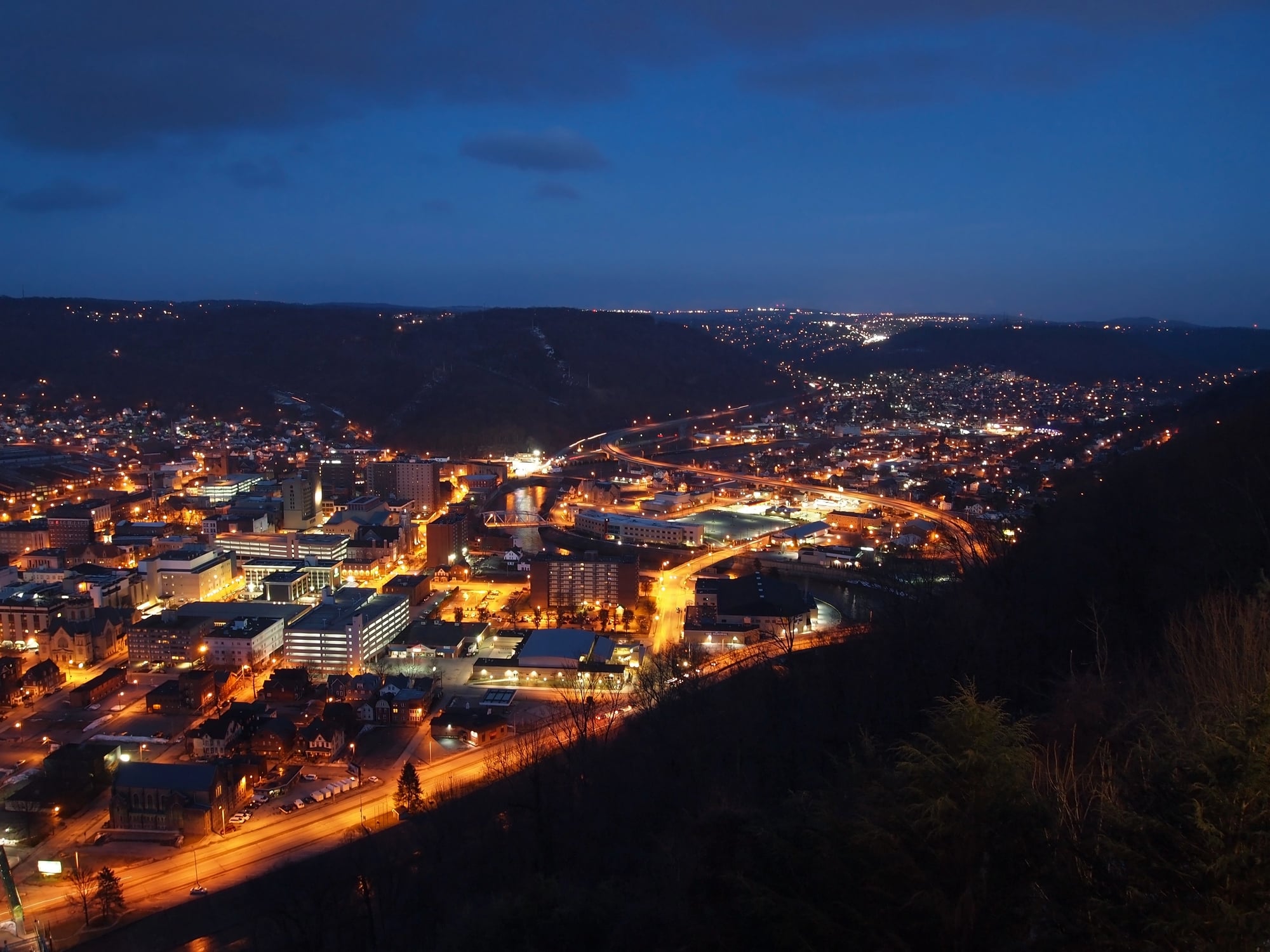
The Johnstown Flood of 1889 wiped out this Pennsylvania steel town in less than an hour when the South Fork Dam collapsed during heavy rains. A 60-foot-high wall of water carrying debris, trees, and houses crashed through the valley — destroying everything in its path at speeds reaching 40 mph.
The flood killed over 2,200 people and left thousands more homeless as it swept away homes, businesses, and entire neighborhoods. This disaster led to major improvements in dam construction and inspection protocols across the United States.
Darwin
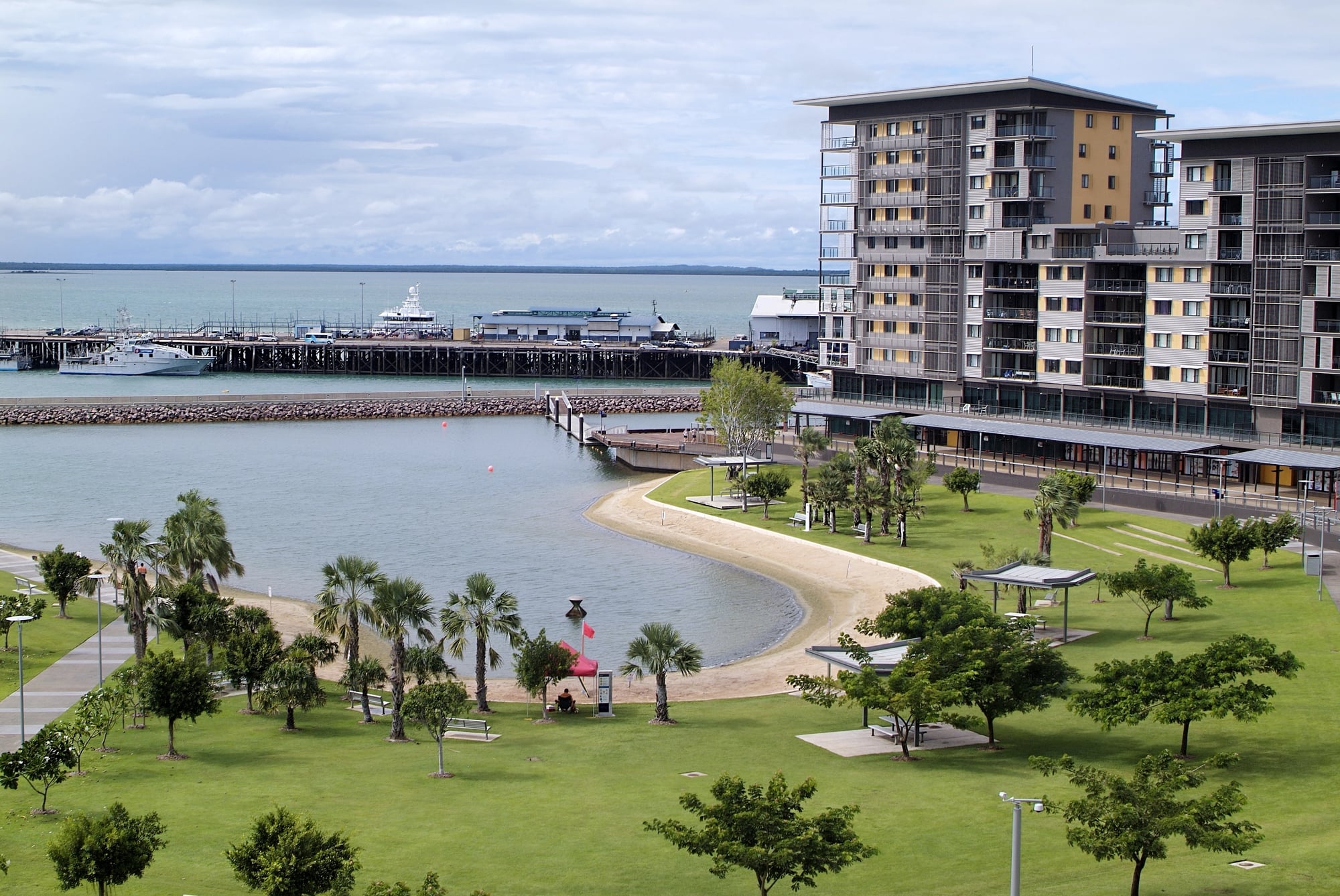
Cyclone Tracy struck Darwin, Australia, on Christmas Eve 1974, destroying 70% of the city’s buildings in just four hours. Winds exceeding 180 mph turned the tropical city into a disaster zone — flattening homes, toppling trees, and turning debris into deadly projectiles.
The storm killed 71 people and left 41,000 residents homeless, essentially ending Christmas celebrations as families huddled in whatever shelter they could find. The Australian government evacuated most of the population in the largest peacetime airlift in the country’s history.
Hilo
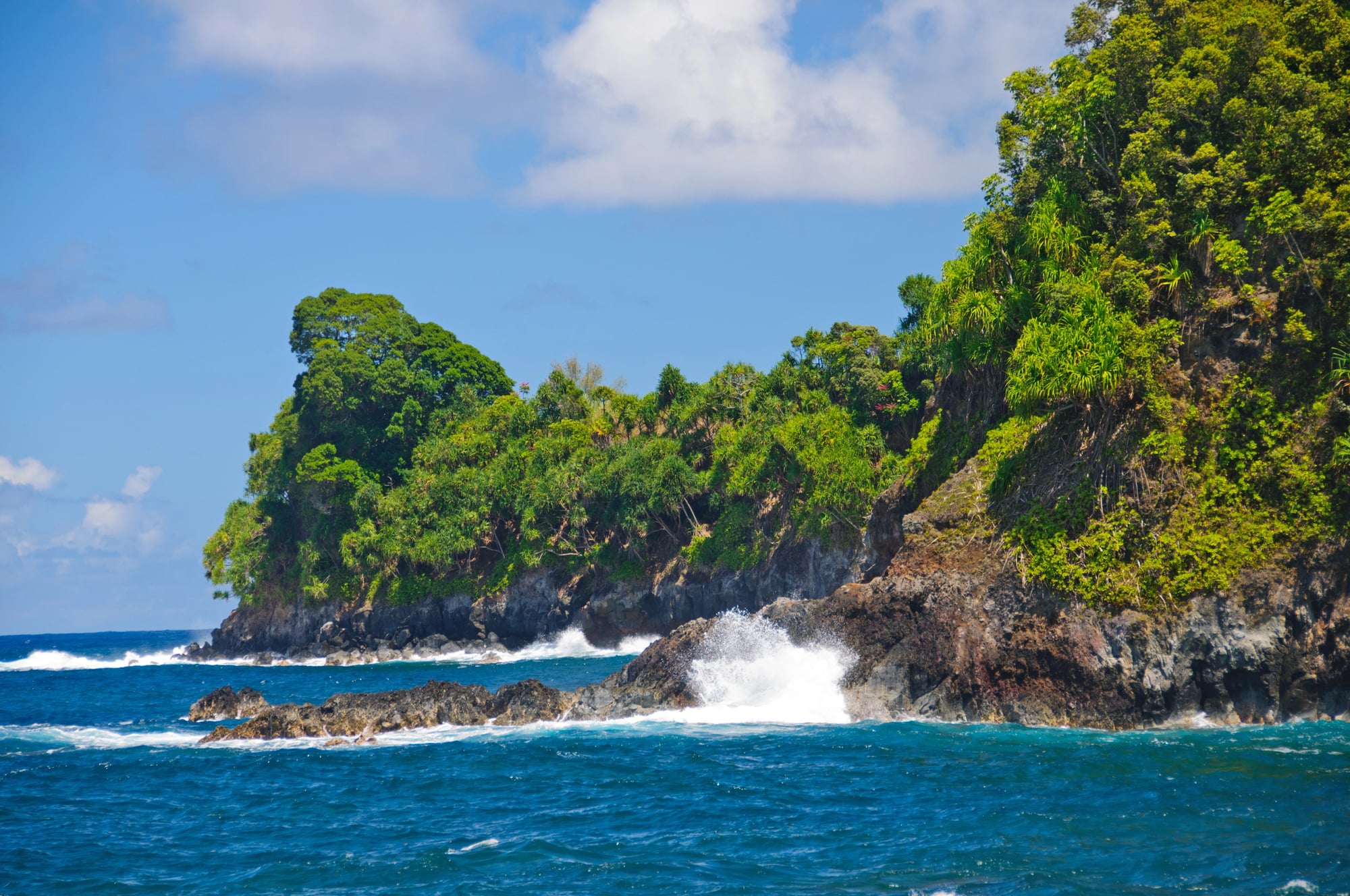
Two separate tsunamis devastated Hilo, Hawaii, demonstrating how the same natural disaster can repeatedly destroy coastal communities. The 1946 tsunami killed 159 people and destroyed downtown Hilo in minutes — waves reaching 55 feet high swept away schools, businesses, and residential areas.
Just 14 years later in 1960, another Pacific-wide tsunami struck the rebuilt city, killing 61 more people despite improved warning systems. These disasters led to the development of the Pacific Tsunami Warning Center and changed how coastal communities prepare for tsunami threats.
Lisbon
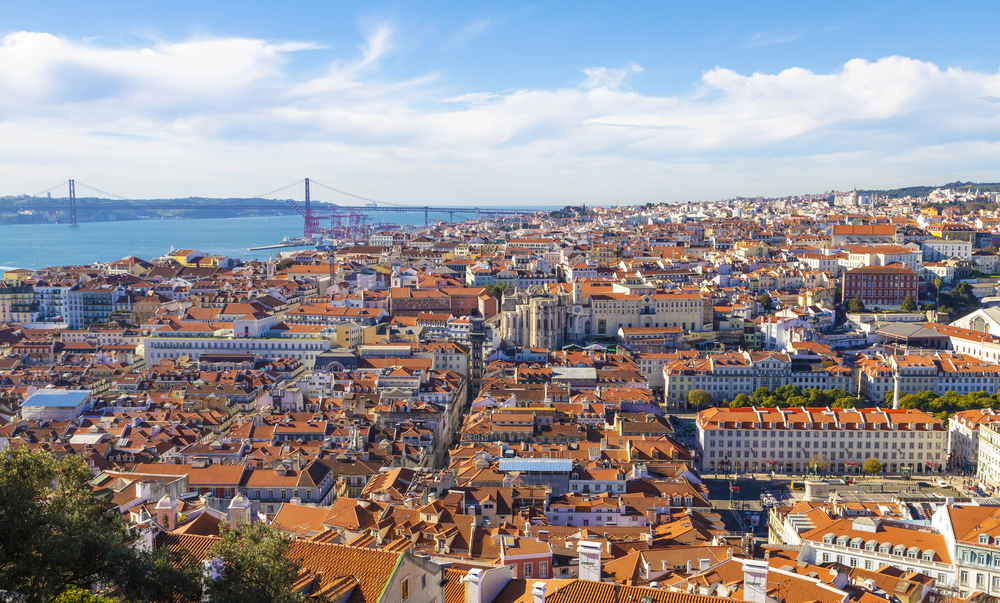
The Great Lisbon Earthquake of 1755 destroyed Portugal’s capital in three devastating waves: the initial quake, massive fires, and a tsunami that followed within hours. The earthquake struck on All Saints’ Day when churches were packed with worshippers — many buildings collapsed immediately, trapping thousands inside.
Fires then consumed much of what remained standing, while a tsunami reaching 20 feet high swept through the harbor area. An estimated 60,000 people died, and the city that had been one of Europe’s wealthiest was reduced to ruins.
Anchorage
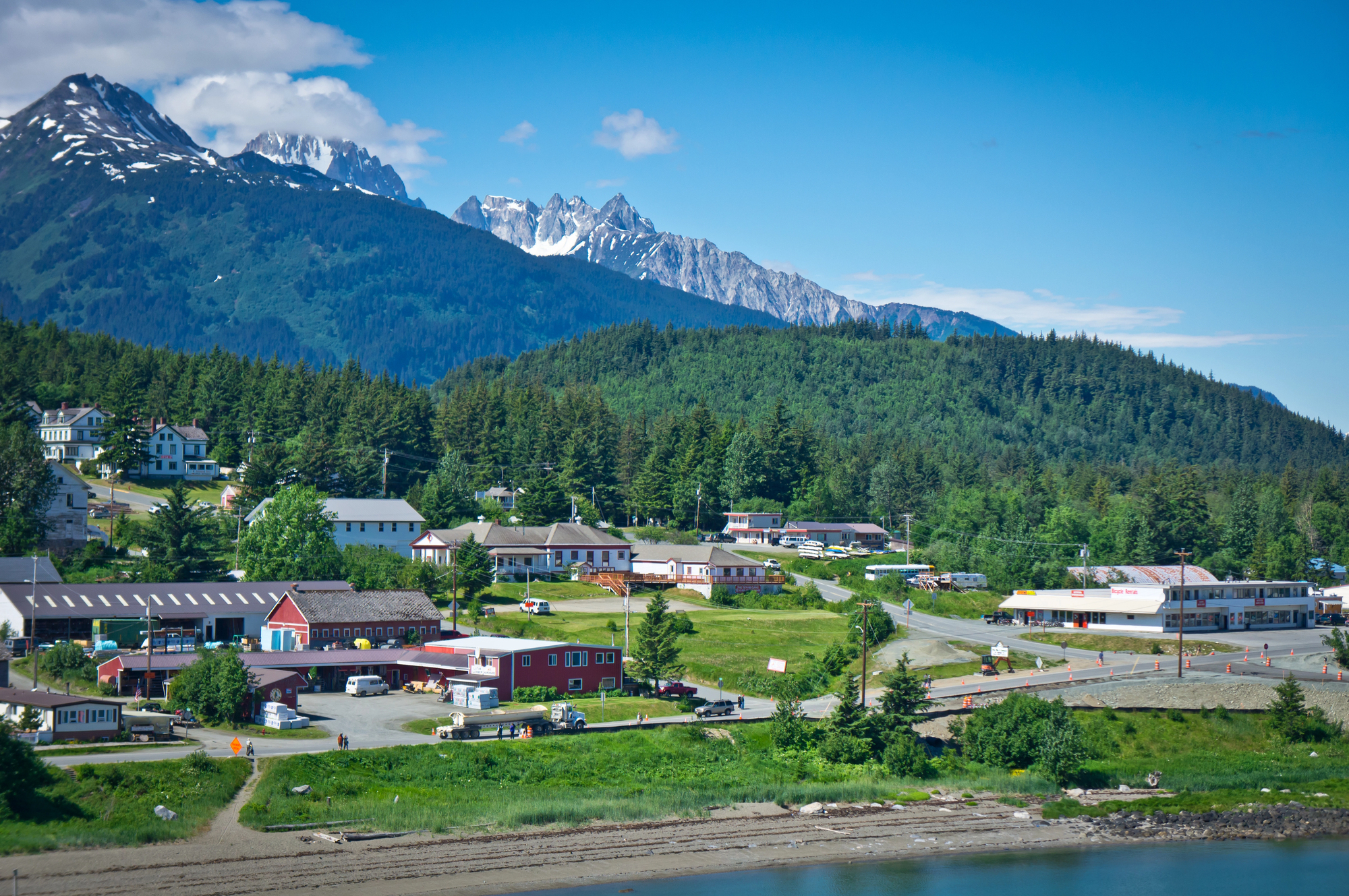
The 1964 Great Alaska Earthquake destroyed large portions of Anchorage in just four minutes of shaking, though the damage continued for hours afterward. The magnitude 9.2 quake — one of the most powerful ever recorded — turned solid ground into liquid through liquefaction, causing entire neighborhoods to slide and collapse.
The Turnagain Heights residential area simply disappeared as the ground gave way, while downtown buildings pancaked from the intense shaking. Remarkably, only nine people died in Anchorage despite the massive destruction, largely due to the sparse population and sturdy construction.
When Nature Reclaims Cities
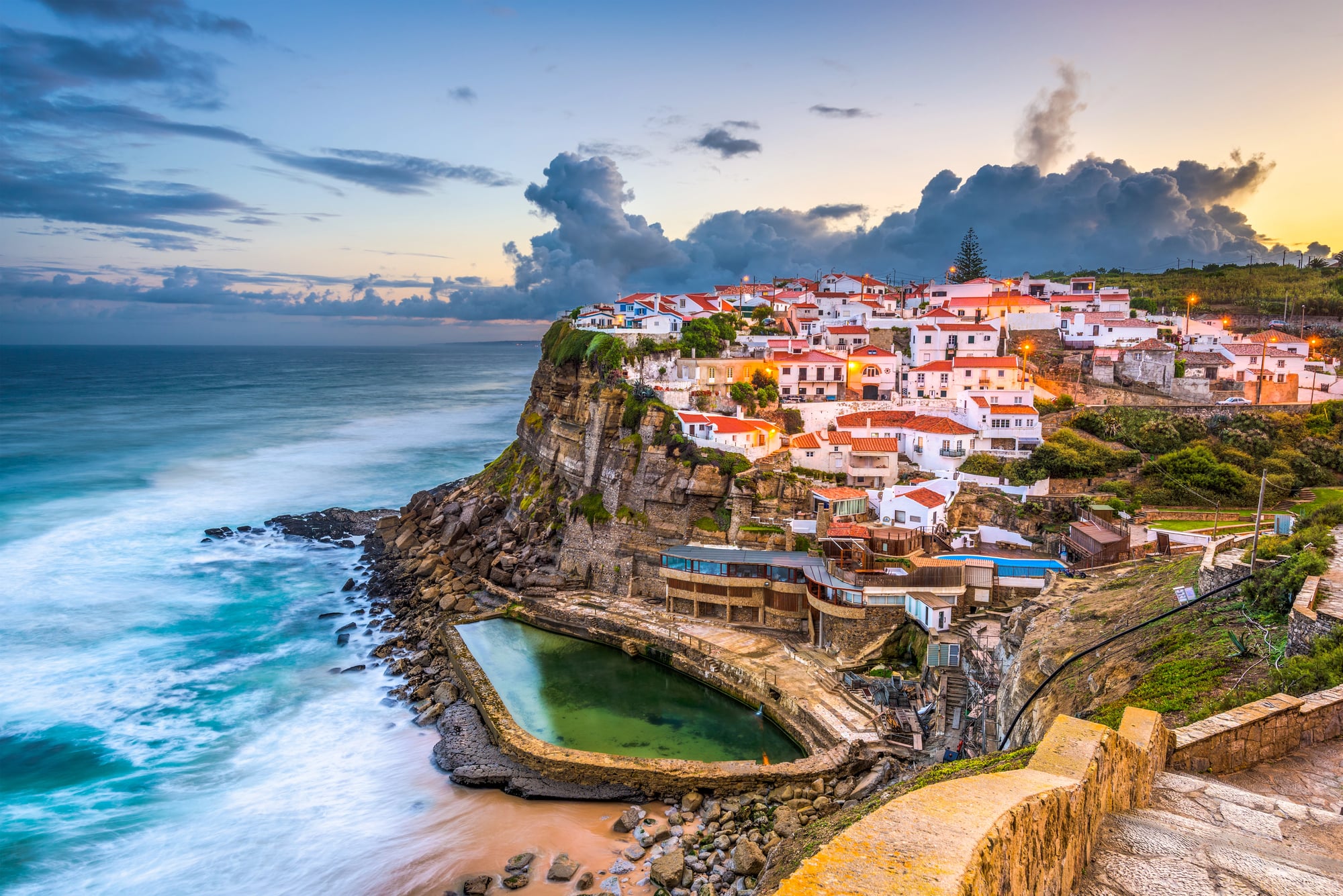
These urban catastrophes reveal how quickly centuries of human development can vanish when natural forces unleash their full power. Modern warning systems and building codes have improved survival rates, yet cities remain vulnerable to the same forces that destroyed their predecessors.
Each disaster has contributed valuable lessons about urban planning, emergency preparedness, and the importance of respecting natural hazards when choosing where to build. The rebuilt cities often emerge stronger and safer, incorporating hard-won knowledge about living alongside the powerful forces that shape our planet.
More from Go2Tutors!

- The Romanov Crown Jewels and Their Tragic Fate
- 13 Historical Mysteries That Science Still Can’t Solve
- Famous Hoaxes That Fooled the World for Years
- 15 Child Stars with Tragic Adult Lives
- 16 Famous Jewelry Pieces in History
Like Go2Tutors’s content? Follow us on MSN.



