Real Names Of Rock Stars
Stage names have always been part of rock and roll’s mystique. The personas artists create often overshadow the regular people behind them.
Sometimes the transformation makes sense—a memorable name sticks better than something forgettable. Other times, you wonder why anyone would ditch a perfectly good name for something completely random.
Here’s a look at some of the most famous rock stars and the names their parents actually gave them.
Elton John: Reginald Kenneth Dwight
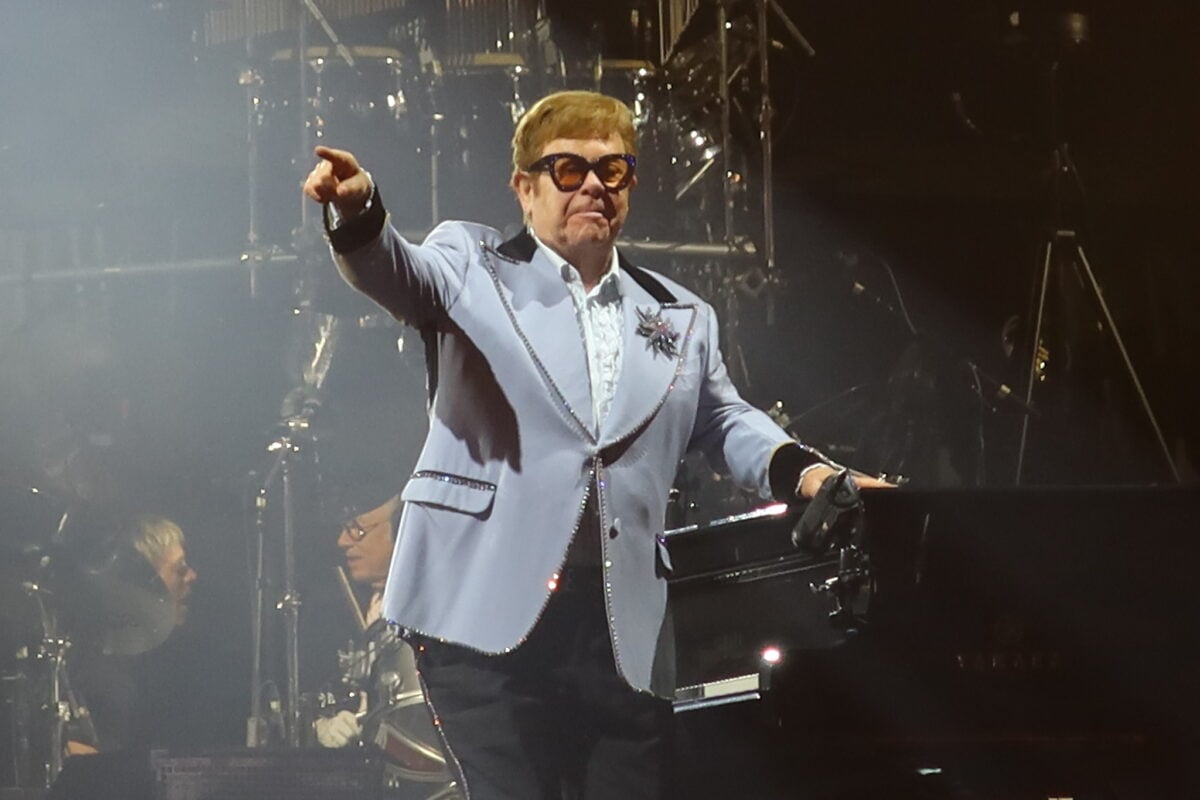
Reginald Kenneth Dwight doesn’t exactly scream “rocket man.” The British pianist borrowed his stage name from two members of his early band, Bluesology—saxophonist Elton Dean and singer Long John Baldry.
He made it legal in 1972, which shows real commitment to the rebrand. The transformation worked.
“Elton John” rolls off the tongue and fits perfectly on marquees. “Reginald” sounds like someone who’d teach piano lessons, not sell out Madison Square Garden dozens of times.
Freddie Mercury: Farrokh Bulsara
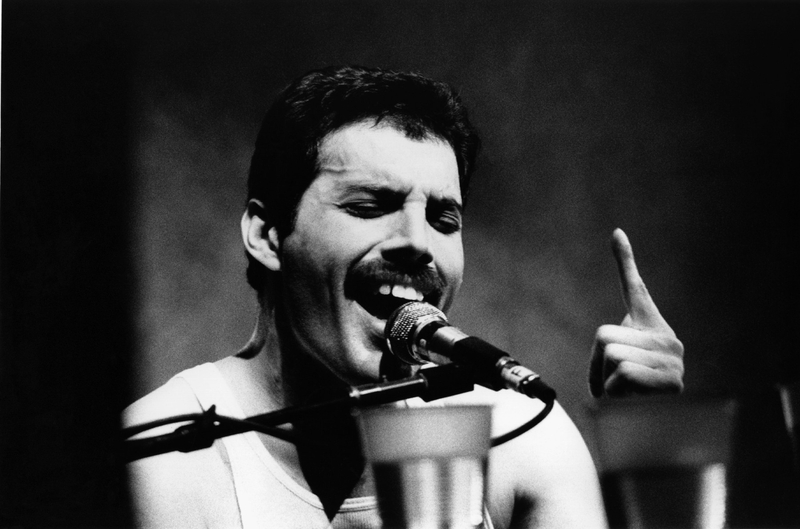
Born in Zanzibar to Parsi parents, Farrokh Bulsara moved to England as a teenager. He started using the name Freddie during his school years, but “Mercury” came later when he formed Queen.
The name matched his theatrical personality and the band’s grandiose style. Mercury also tied into astrology, which Freddie found fascinating.
The name gave him the larger-than-life identity he wanted to project on stage. Farrokh Bulsara was a shy art student. Freddie Mercury became a legend.
Bono: Paul David Hewson
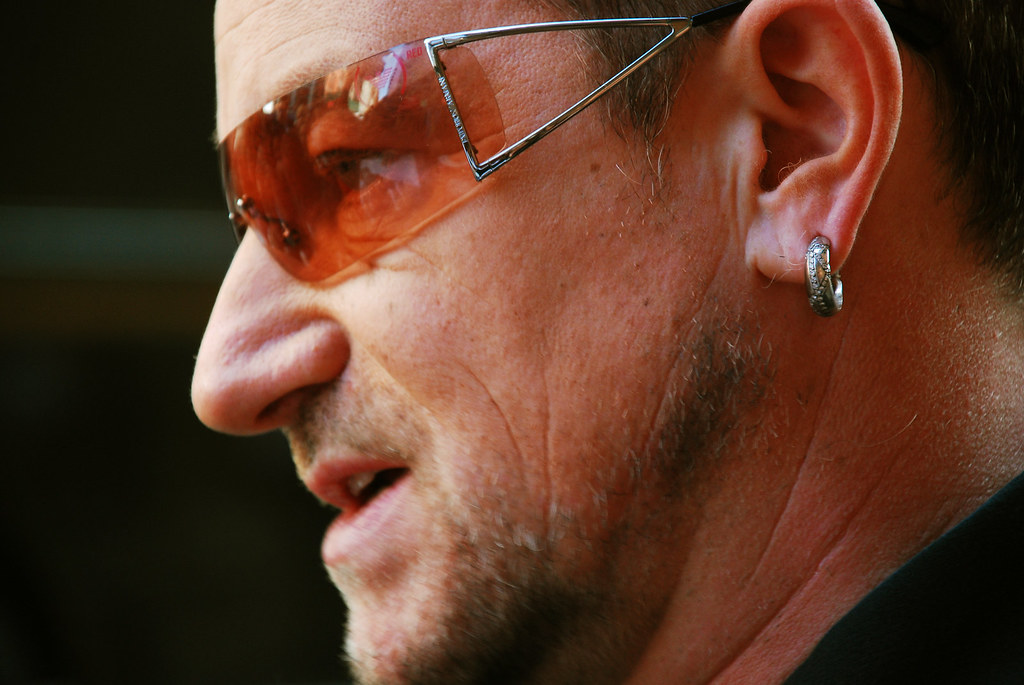
The U2 frontman got his nickname from a Dublin hearing aid store called Bonavox. Friends shortened it to Bono Vox, then just Bono.
Paul Hewson embraced it despite initially finding it ridiculous. Most people have no idea what his real name is.
That’s probably intentional. Bono as a single name carries more weight—simpler, more memorable, harder to forget.
Sting: Gordon Matthew Thomas Sumner
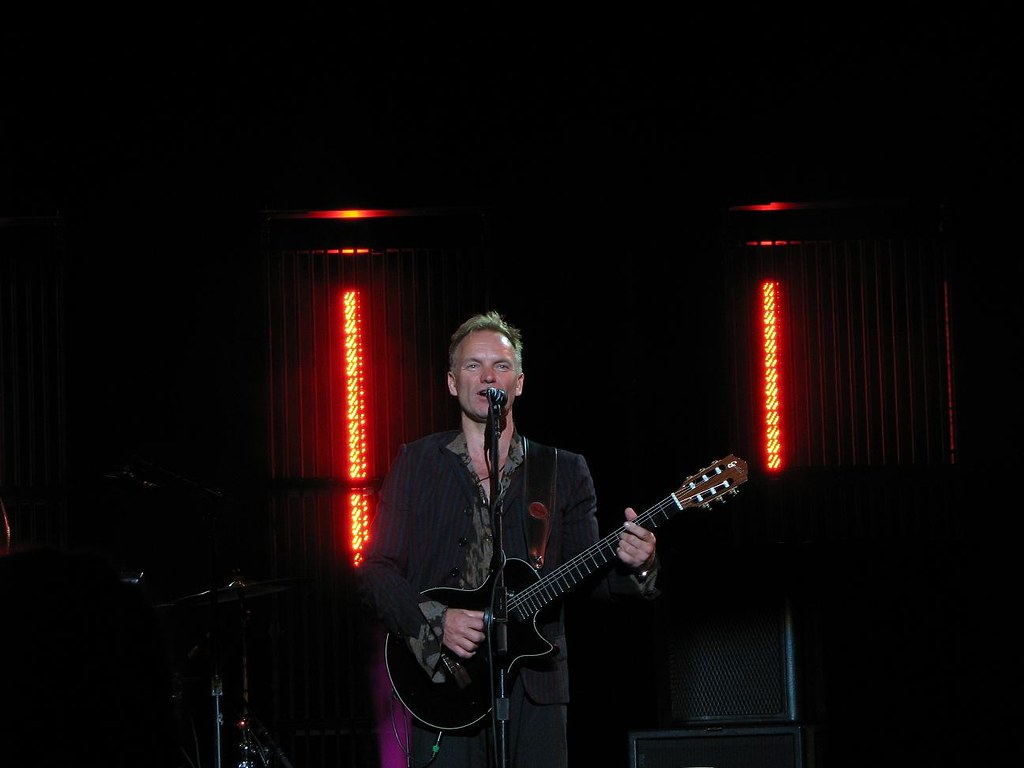
Before The Police made him famous, Gordon Sumner played bass in a jazz band. He wore a black and yellow striped sweater that reminded someone of a bee, and the nickname stuck.
Sting sounds edgy and dangerous. Gordon sounds like an accountant. The name became so dominant that even his ex-wife Trudie Styler calls him Sting.
His children use it too. Gordon Sumner basically disappeared.
Alice Cooper: Vincent Damon Furnier
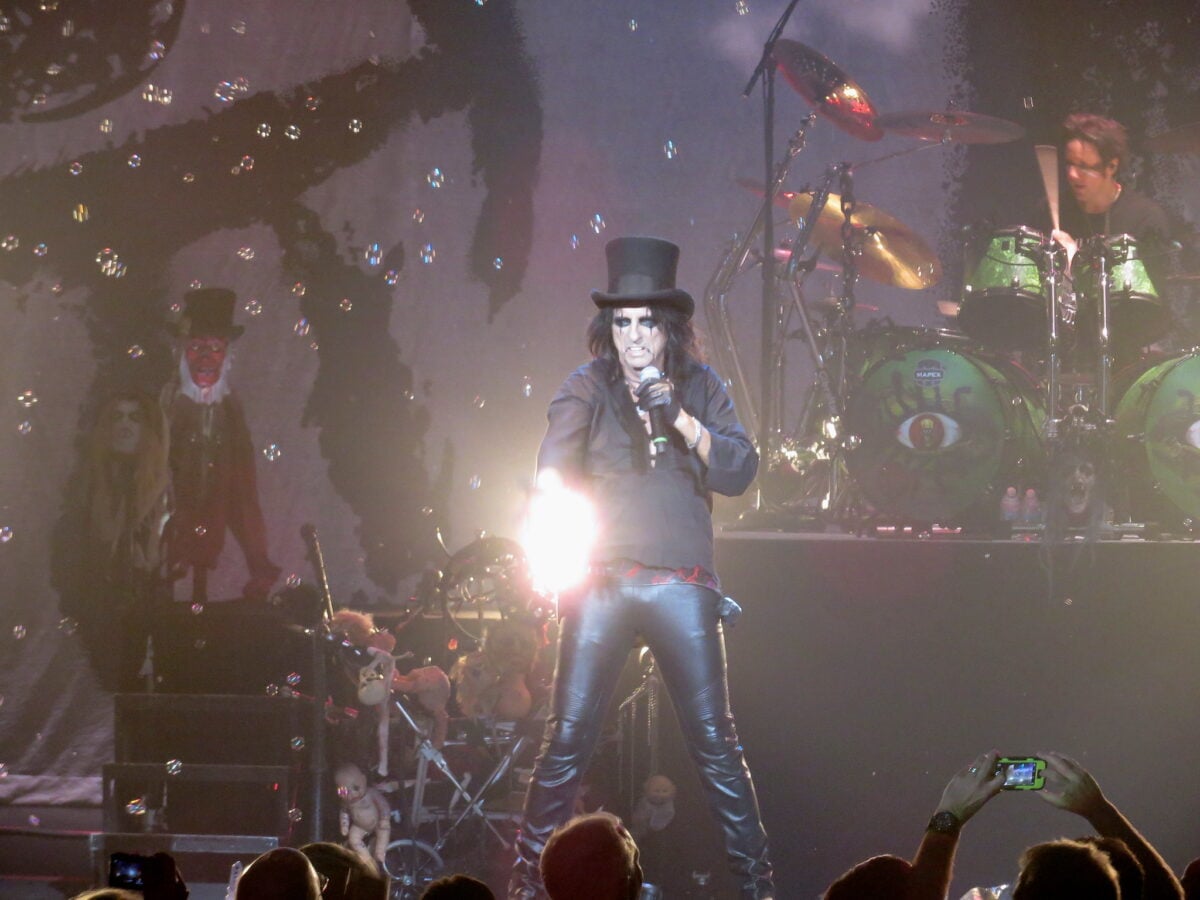
Vincent Furnier created Alice Cooper as a shock rock persona in the late 1960s. The name started as the band’s name, but he liked it so much he legally became Alice Cooper in 1975.
The contrast between the feminine first name and his gothic, horror-themed performances added to the shock value. He’s said the name came to him during a Ouija board session, though that story changes depending on who’s asking.
What matters is that it worked. Vincent Furnier could never have guillotined himself on stage. Alice Cooper could and did.
Meat Loaf: Marvin Lee Aday
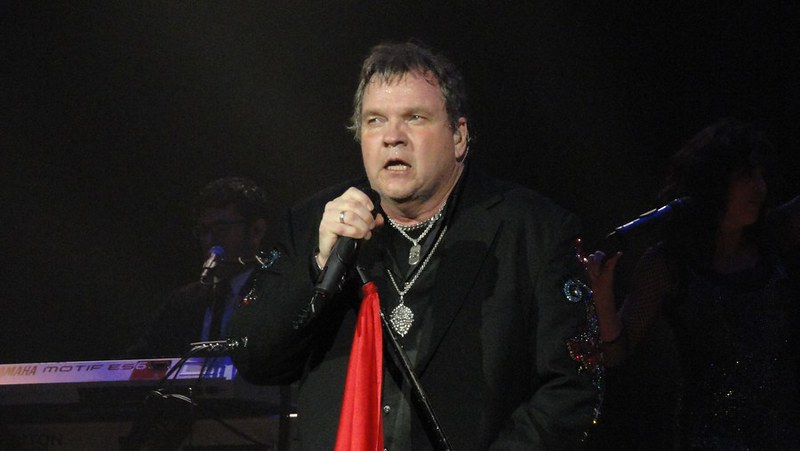
Marvin Lee Aday got the nickname “Meat Loaf” in high school. Different stories explain why—some say it was his weight, others say a football coach gave it to him.
Either way, he embraced it completely. The name fit his over-the-top theatrical style and the bombastic rock opera of “Bat Out of Hell.”
Marvin Aday wouldn’t have sold millions of albums with songs about motorcycles and romantic desperation. Meat Loaf somehow did.
Axl Rose: William Bruce Rose Jr.
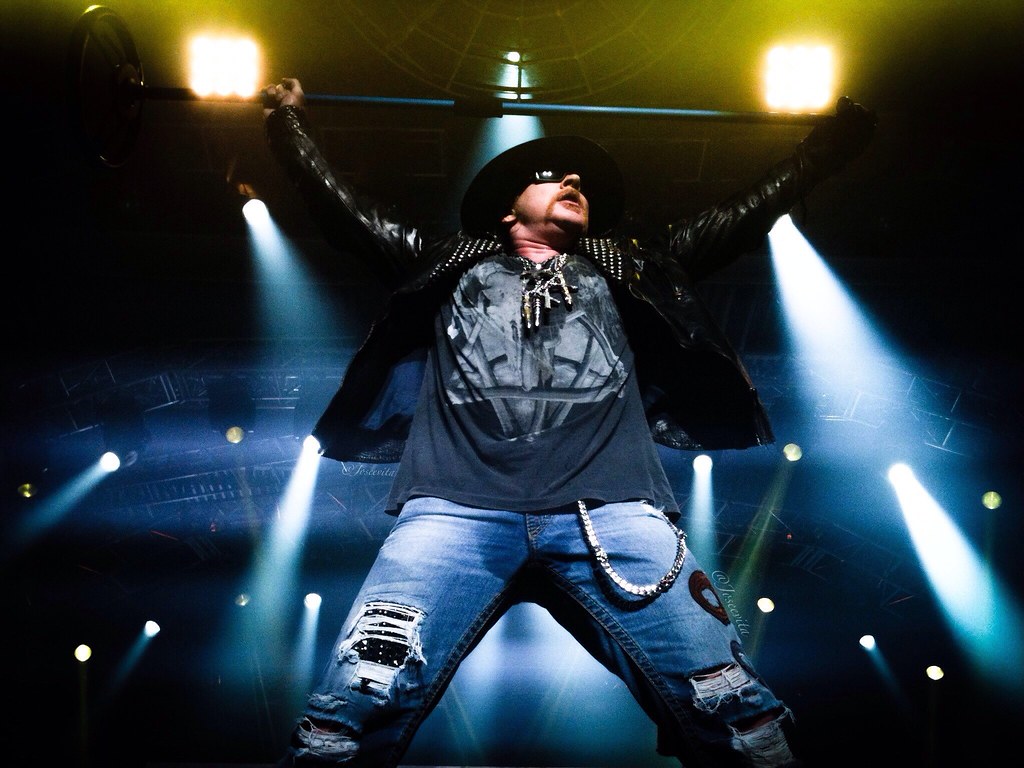
William Bruce Rose Jr. changed his name legally to W. Axl Rose in the 1980s. “Axl” came from a band he was in called AXL, and he simply made it his first name.
The combination sounded dangerous and rebellious, which matched Guns N’ Roses perfectly. Rose later dropped the “W” and went by just Axl Rose.
William Bruce doesn’t have quite the same ring for someone fronting one of the biggest hard rock bands in history.
Slash: Saul Hudson
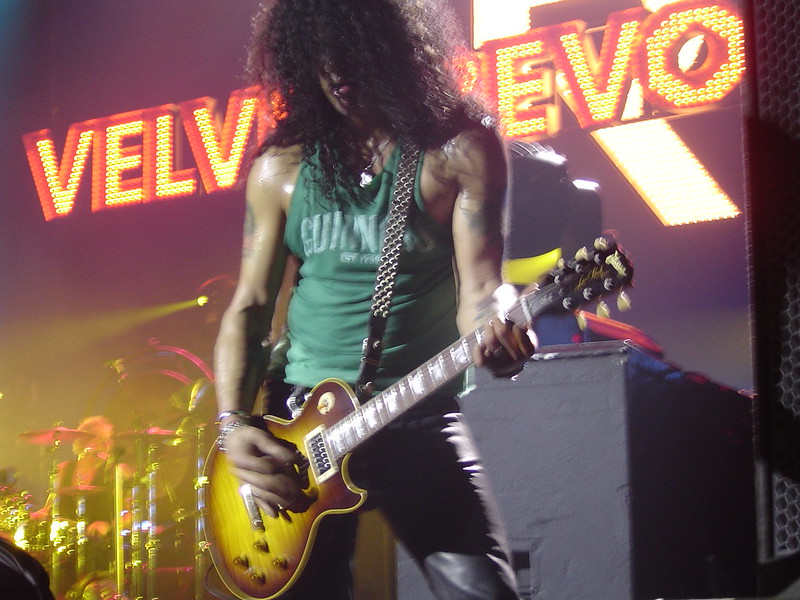
Saul Hudson got the nickname “Slash” from family friend Seymour Cassel, an actor who thought the kid was always in a hurry, slashing from one thing to another. The name fit his quick, energetic personality and later became synonymous with his blistering guitar solos.
You can’t picture someone named Saul wearing a top hat and playing guitar in ripped jeans. Slash? Absolutely.
The name became as iconic as his look.
David Bowie: David Robert Jones
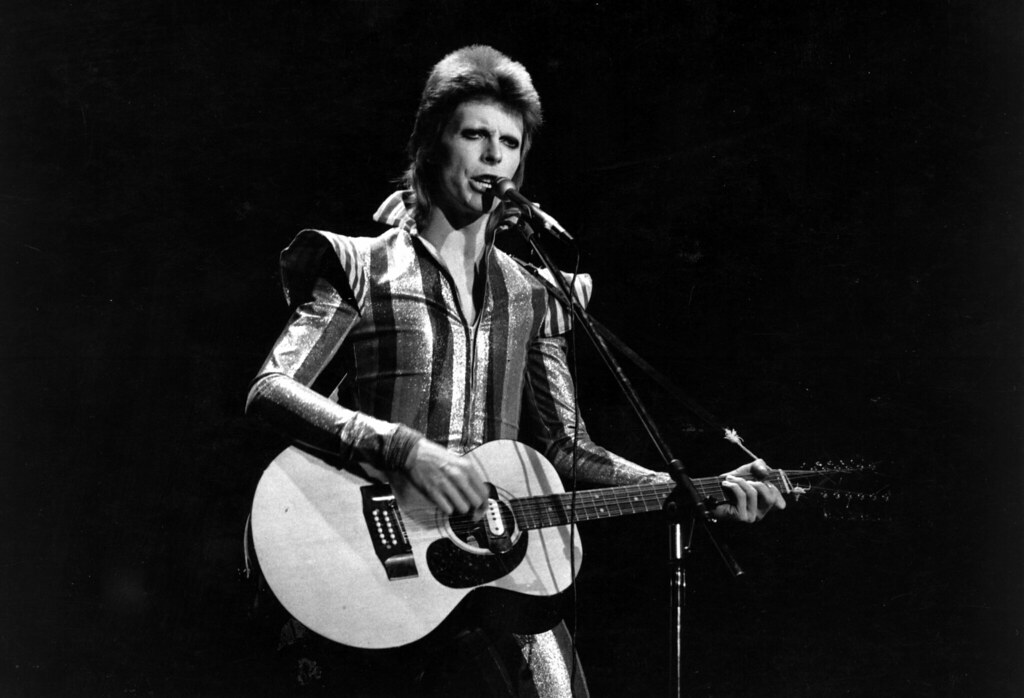
David Jones needed a new name because there was already a famous Davy Jones in The Monkees. He picked “Bowie” after the Bowie knife, which fit his edgy, cutting-edge artistry.
The name gave him freedom to reinvent himself over and over—Ziggy Stardust, the Thin White Duke, and countless other personas. Bowie became more than a name.
It became a brand, an artistic statement, a declaration of constant evolution. David Jones was too ordinary for what he wanted to create.
Ozzy Osbourne: John Michael Osbourne
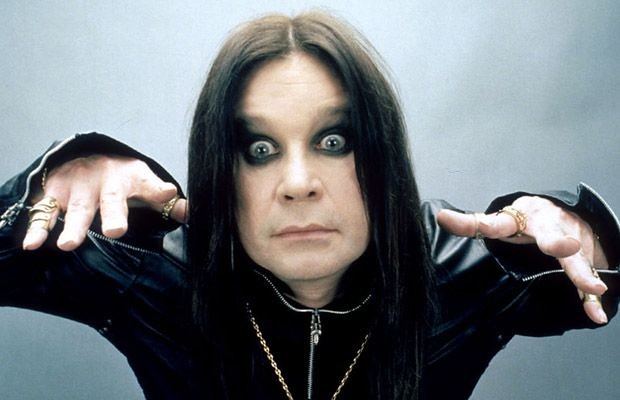
John Michael Osbourne became “Ozzy” in school—a simple nickname based on his surname. Nothing fancy, nothing mysterious.
Just a shortened version that happened to sound cooler than John. The simplicity works.
Ozzy sounds approachable yet unpredictable, which matches his personality. John Osbourne, the Prince of Darkness? Doesn’t track. Ozzy Osbourne? Perfect.
Prince: Prince Rogers Nelson
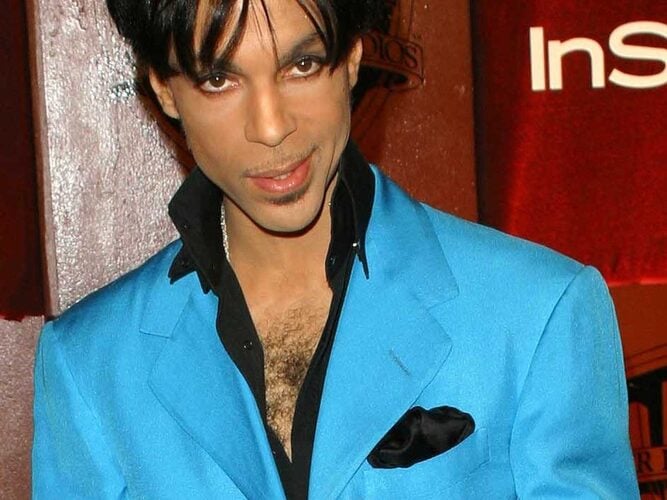
Here’s the twist—Prince was actually his birth name. His parents named him after his father’s stage name, Prince Rogers, who led a jazz band called the Prince Rogers Trio.
So while everyone assumed he adopted a stage name to sound royal and mysterious, he was just using what his parents gave him. The single name elevated him to an almost mythical status.
Then he changed his name to an unpronounceable symbol, proving that even having the perfect name wasn’t enough for him.
Pink: Alecia Beth Moore
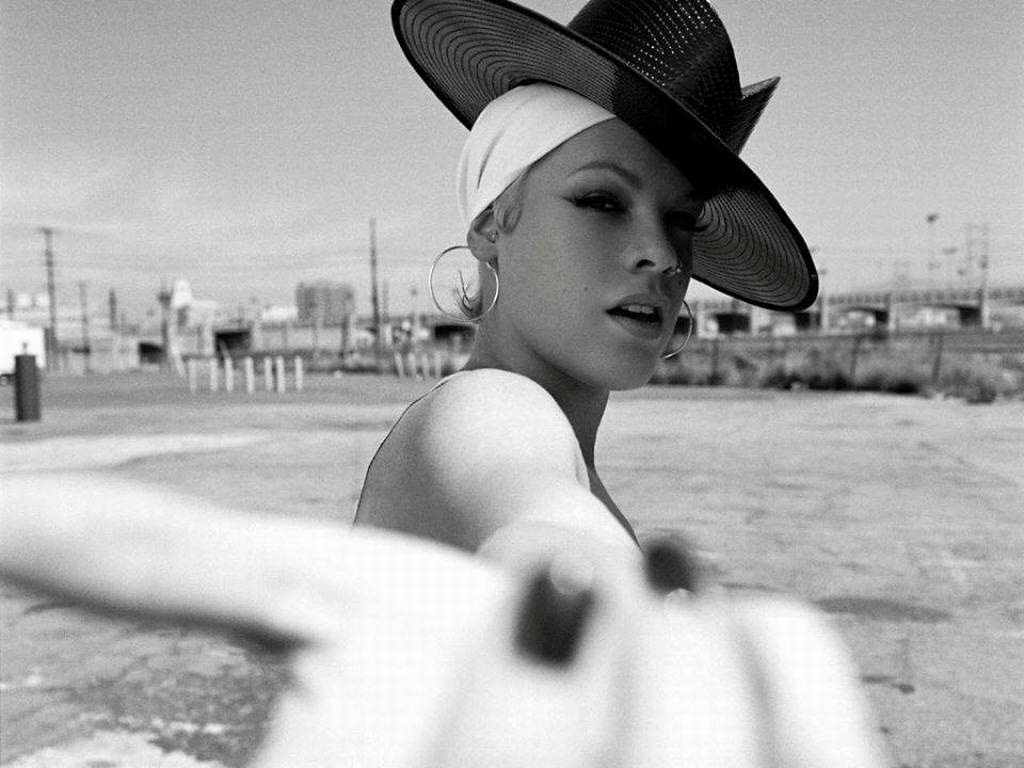
Alecia Moore got the nickname “Pink” in high school, reportedly after the character Mr. Pink in “Reservoir Dogs.” She kept it when she started performing because it was short, punchy, and stood out.
Pink doesn’t try to be mysterious or grandiose. It’s just different enough to be memorable. The name fit her rebellious, no-nonsense attitude.
Alecia Moore sounds gentle. Pink sounds like someone who’d call you out and mean it.
Iggy Pop: James Newell Osterberg Jr.
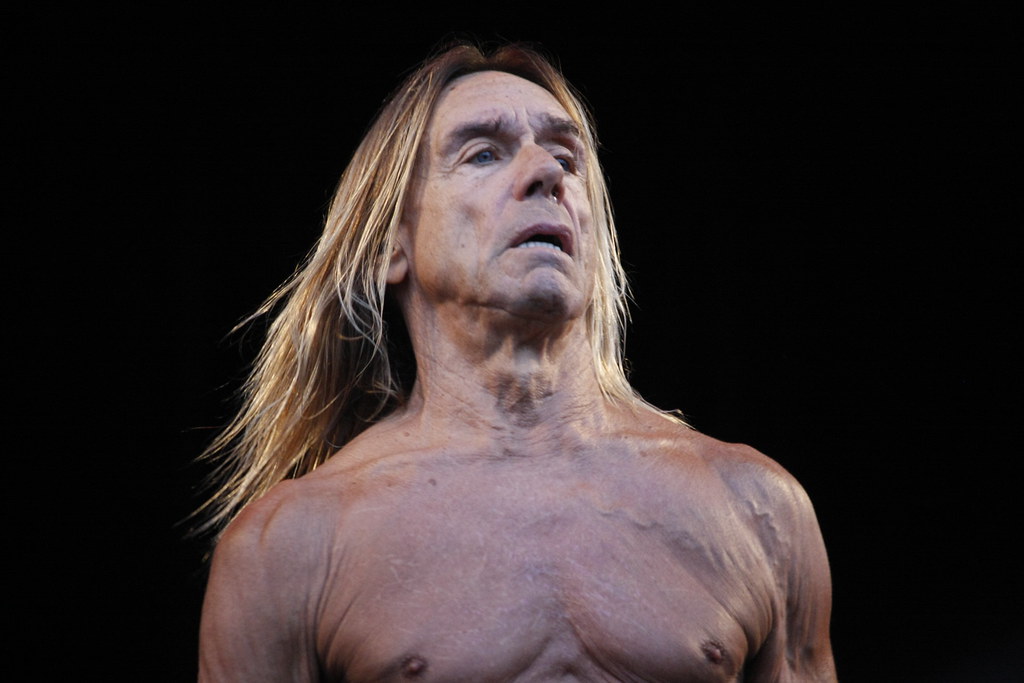
James Osterberg got “Iggy” from his first band, The Iguanas. He was their drummer before becoming a wild frontman.
“Pop” came from another early band he was in, and the combination just stuck. Iggy Pop sounds raw and primitive, which matches his intense, unpredictable performances.
James Osterberg sounds like someone who’d work in middle management, not stage dive into crowds or roll around in broken glass.
Joan Jett: Joan Marie Larkin
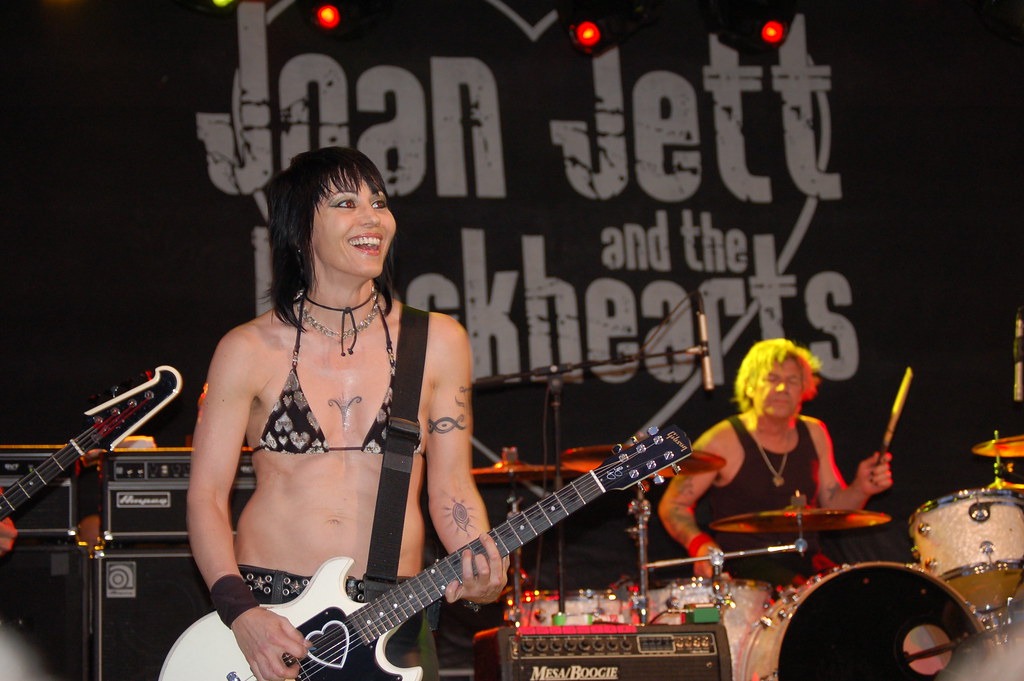
A sudden choice sparked Joan Larkin’s new identity. Jett emerged when she started The Runaways back in the 1970s. Speed seemed built into that word – like a blur rushing ahead.
Her music carried that energy, loud and relentless. What stuck was how well it fit – the sharp edge, the noise, the motion.
Larkin comes across quiet, easily overlooked. Jett? She moves without worrying what you think – her name carries its own weight.
Names That Turn Into Legends

Names tied to birth certificates keep folks grounded. Pseudonyms let personalities stretch beyond limits.
Who you are at home might not survive under bright lights. From William Bruce Rose Jr., something louder emerged.
Axl Rose walks on stage like thunder rolls before a storm. One identity fits life offstage.
The other was built for arenas and echoes that last decades. Great music stands without a stage name, yet one can shape a legend.
What mattered most? The fit – between sound and alias, persona and goal. Some slipped into nicknames handed by chance.
Others carved each part of their name like a blueprint. One way or another, those names stayed.
Over time, the folks who carried them faded slightly – just enough for stories to take shape around their absence.
More from Go2Tutors!

- 16 Historical Figures Who Were Nothing Like You Think
- 12 Things Sold in the 80s That Are Now Illegal
- 15 VHS Tapes That Could Be Worth Thousands
- 17 Historical “What Ifs” That Would Have Changed Everything
- 18 TV Shows That Vanished Without a Finale
Like Go2Tutors’s content? Follow us on MSN.



