18 Engineering Failures That Led to Safety Standards
Engineering disasters have shaped the modern world in ways most people never realize. Every safety regulation, building code, and design standard we take for granted today exists because someone, somewhere, learned a devastating lesson the hard way.
These failures didn’t just cost money or delay projects—they changed entire industries and saved countless future lives. While tragic, these engineering catastrophes became turning points that transformed how we build, design, and regulate everything from bridges to nuclear plants.
Here is a list of 18 engineering failures that directly led to the safety standards we rely on today.
The Tacoma Narrows Bridge
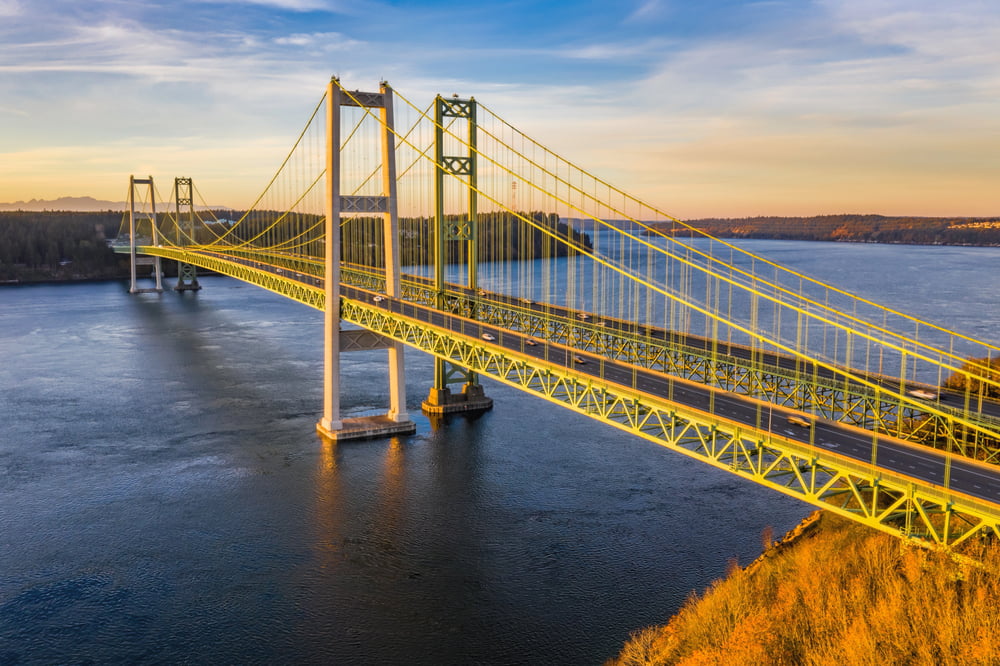
The Tacoma Narrows Bridge in Washington State became famous for all the wrong reasons when it collapsed on November 7, 1940 – just four months after opening. The bridge developed a rhythmic twisting motion in moderate wind conditions, earning it the nickname ‘Galloping Gertie’ before it ultimately tore itself apart.
This disaster revolutionized bridge design by proving that engineers needed to account for aerodynamic forces, not just static loads, leading to modern wind tunnel testing requirements for all major bridges.
The Hyatt Regency Walkway Collapse
On July 17, 1981, two suspended walkways at the Hyatt Regency Hotel in Kansas City collapsed during a dance party – killing 114 people and injuring 216 others. The collapse resulted from a seemingly minor design change that doubled the load on critical connection points, demonstrating how small modifications can have catastrophic consequences.
This tragedy led to stricter professional engineering oversight requirements and the establishment of mandatory peer review processes for structural designs.
Like Go2Tutors’s content? Follow us on MSN.
The Challenger Space Shuttle Disaster

The Space Shuttle Challenger exploded 73 seconds after launch on January 28, 1986, due to O-ring failure in cold weather conditions. Engineers had warned about the risks, yet their concerns were overruled by management pressure to maintain launch schedules.
This disaster transformed NASA’s safety culture and established new protocols requiring engineers to have direct access to decision-makers without management interference during safety discussions.
The Chernobyl Nuclear Accident
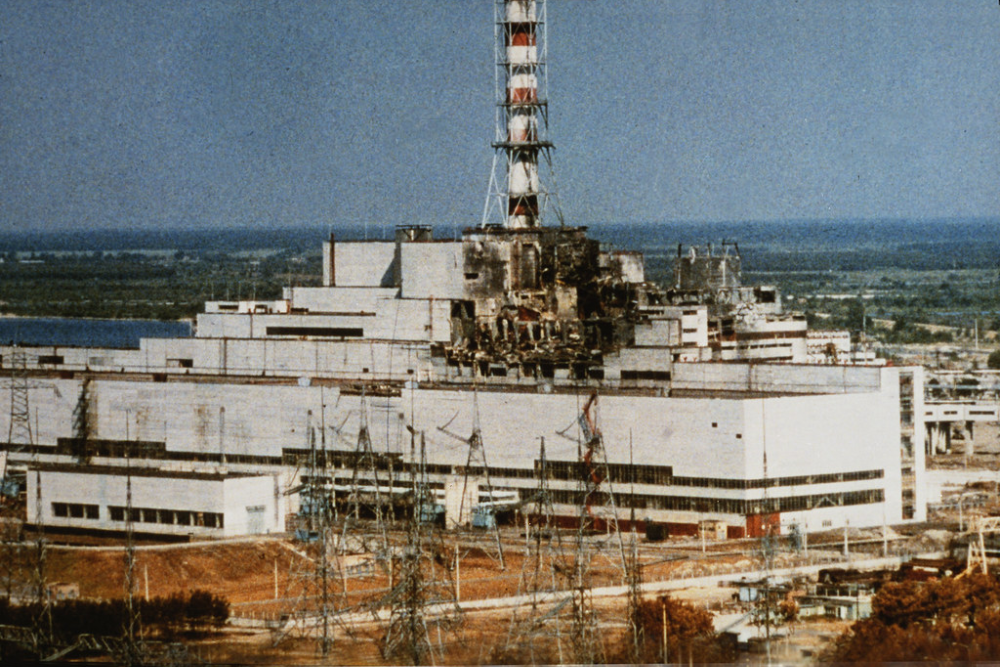
The Chernobyl nuclear power plant exploded on April 26, 1986 – releasing radioactive materials across Europe and forcing the evacuation of entire cities. The disaster occurred during a safety test that went horribly wrong, revealing fundamental flaws in reactor design and safety protocols.
This catastrophe led to international nuclear safety standards, mandatory containment structures, and the establishment of independent nuclear regulatory bodies worldwide.
The Hartford Civic Center Roof Collapse
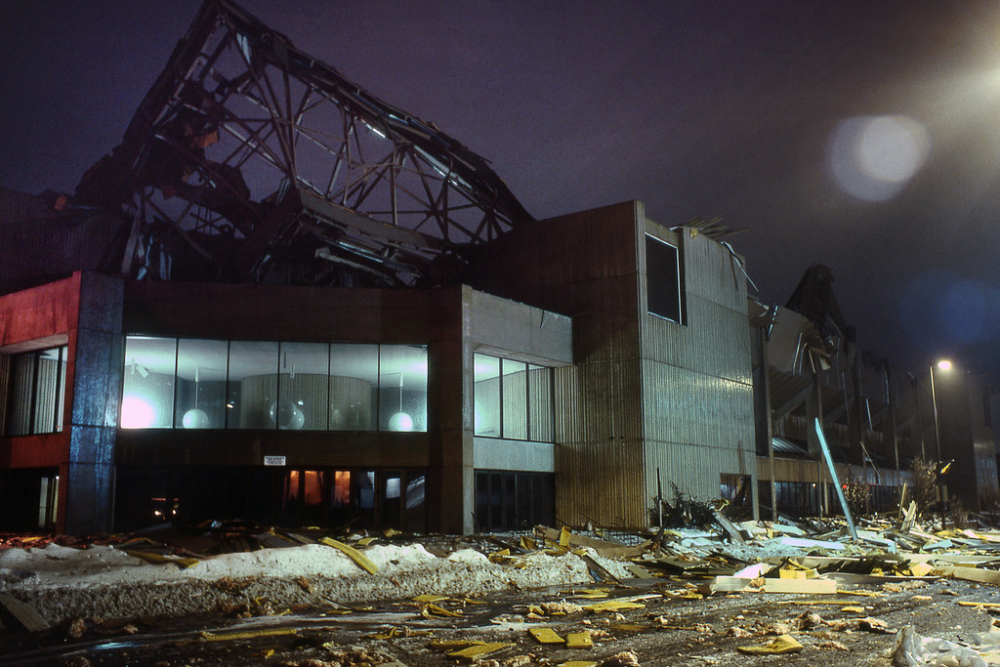
The Hartford Civic Center’s roof collapsed under snow load on January 18, 1978 – just hours after 5,000 people had watched a basketball game. The space frame roof design looked innovative and cost-effective, though it lacked adequate safety margins for real-world conditions.
This failure led to stricter building codes for snow loads and mandatory redundancy requirements in structural systems, ensuring that buildings can handle unexpected loads without catastrophic failure.
Like Go2Tutors’s content? Follow us on MSN.
The Banqiao Dam Failure
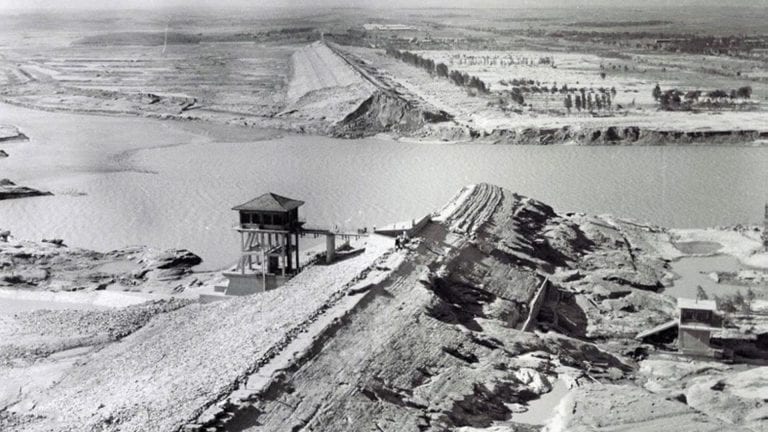
In 1975, the Banqiao Dam in China failed during Typhoon Nina – causing a cascade of dam failures that killed an estimated 230,000 people. The dam was designed to withstand a 1-in-1,000-year flood, but the typhoon brought a 1-in-10,000-year event that overwhelmed the structure.
This disaster established the principle of designing critical infrastructure for extreme events beyond normal engineering standards while leading to international guidelines for dam safety and emergency preparedness.
The Kansas City Hotel Skywalk
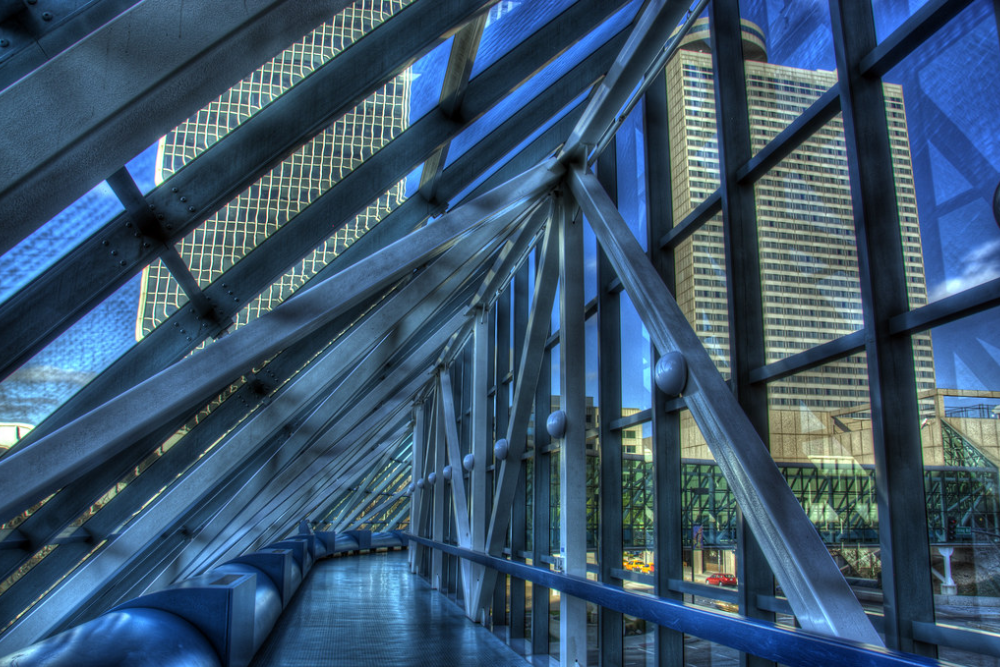
The Kansas City Hyatt Regency disaster wasn’t just about the walkway collapse – it revealed systemic problems in construction oversight and engineering responsibility. The original design called for continuous rods supporting both walkways, yet the contractor changed this to a two-rod system that doubled the stress on the upper walkway connections.
This failure established clearer legal responsibility for engineers and contractors, requiring signed approval for any design changes and mandatory inspection of critical structural elements.
The Ronan Point Apartment Building
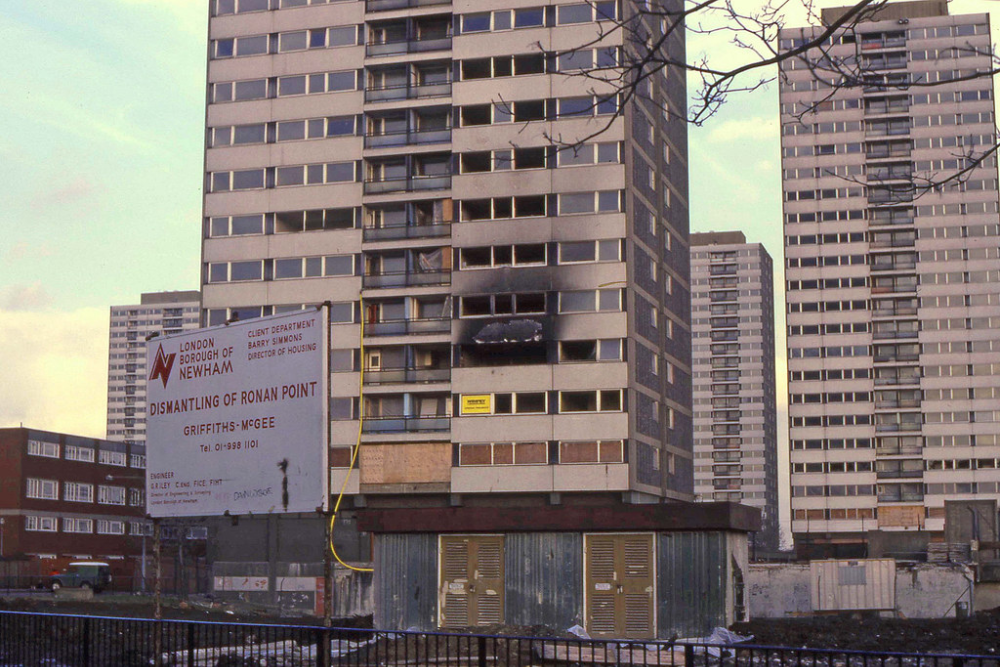
On May 16, 1968, a gas explosion in a London apartment building caused an entire corner of the 22-story Ronan Point tower to collapse like a house of cards. The progressive collapse occurred because the building’s precast concrete panels weren’t adequately connected to handle abnormal loads.
This disaster led to new building codes requiring structures to resist progressive collapse – establishing the principle that buildings must be able to absorb localized damage without total failure.
Like Go2Tutors’s content? Follow us on MSN.
The Alexander Kielland Oil Rig
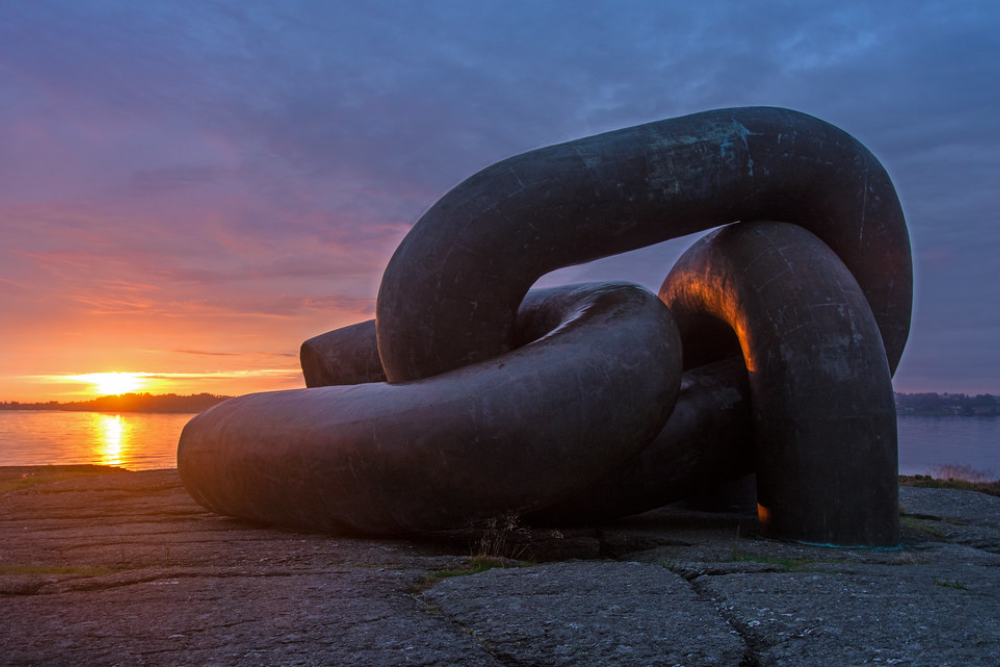
The Alexander Kielland semi-submersible oil rig capsized in the North Sea on March 27, 1980 – killing 123 people when one of its five legs failed due to fatigue cracking. The disaster occurred during a severe storm, though the rig should have been able to withstand such conditions.
This tragedy led to stricter offshore safety regulations, mandatory fatigue analysis for all critical components, and improved inspection requirements for offshore structures.
The Tay Bridge Disaster
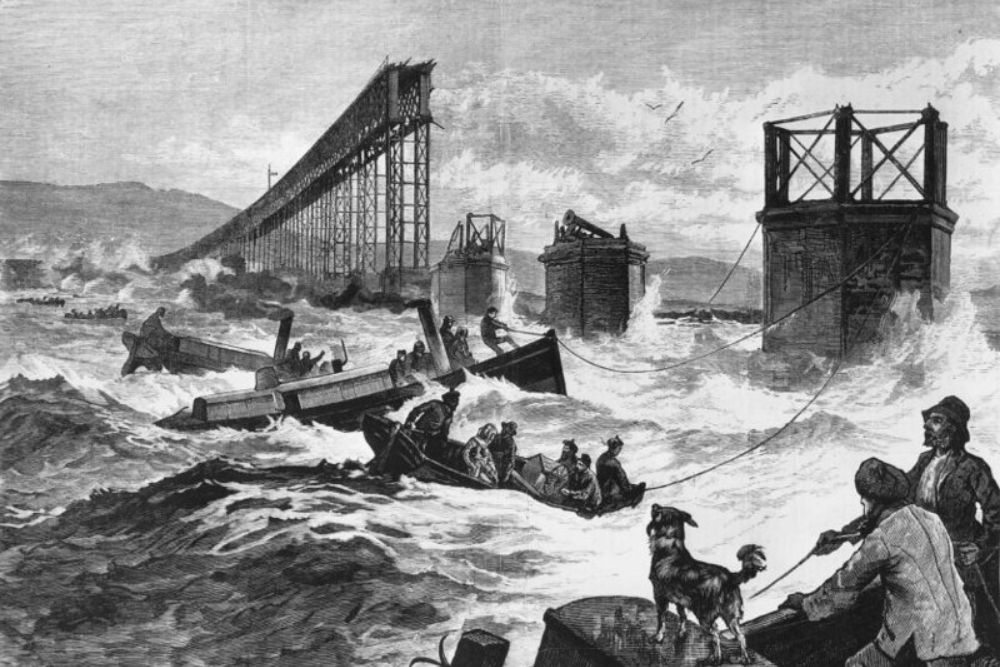
The Tay Bridge in Scotland collapsed on December 28, 1879, during a storm while a train was crossing – killing all 75 people aboard. The cast iron structure failed because Victorian engineers didn’t fully understand wind loading and the properties of cast iron under dynamic stress.
This disaster led to the first systematic wind load calculations in bridge design while establishing the principle that bridges must be designed for the worst possible weather conditions in their location.
The Molasses Flood of 1919
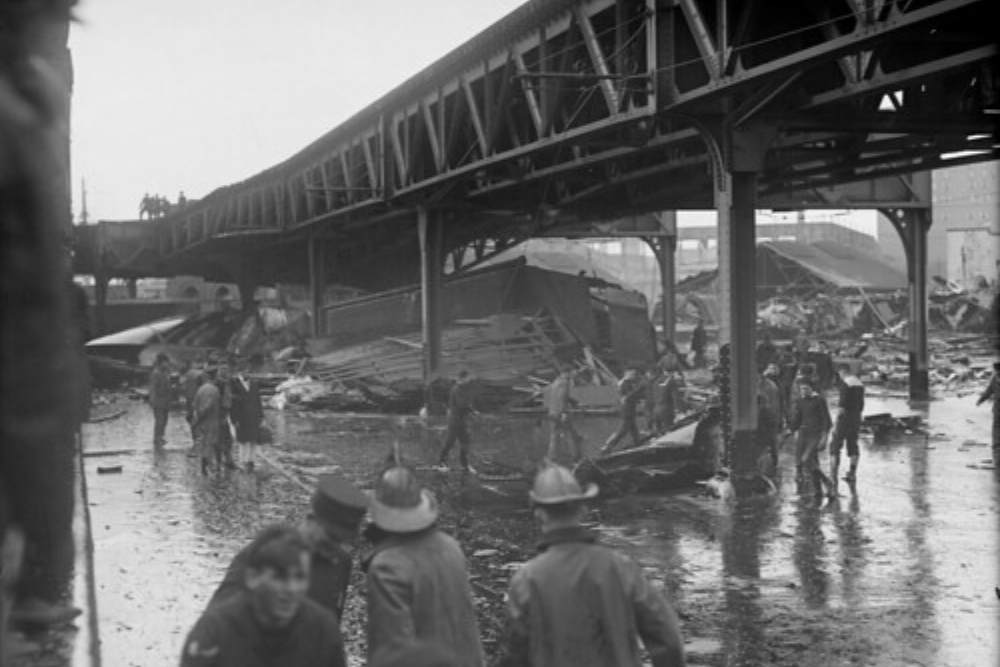
On January 15, 1919, a 50-foot-tall tank containing 2.3 million gallons of molasses burst in Boston, creating a deadly wave that killed 21 people and injured 150 others. The tank was poorly designed and never properly tested, built with steel that was too thin for the load it carried.
This disaster led to requirements for professional engineer approval of all industrial structures and established the principle that tanks and pressure vessels must be designed with appropriate safety factors.
Like Go2Tutors’s content? Follow us on MSN.
The Comet Aircraft Failures

The de Havilland Comet, the world’s first commercial jet airliner, suffered a series of catastrophic in-flight breakups in the 1950s due to metal fatigue around square window openings. The repeated pressurization cycles caused cracks to grow from the sharp corners until the aircraft literally tore apart in mid-air.
These failures led to the science of fracture mechanics and established requirements for rounded windows, rigorous fatigue testing, and mandatory aircraft inspection cycles.
The Pemberton Mill Collapse
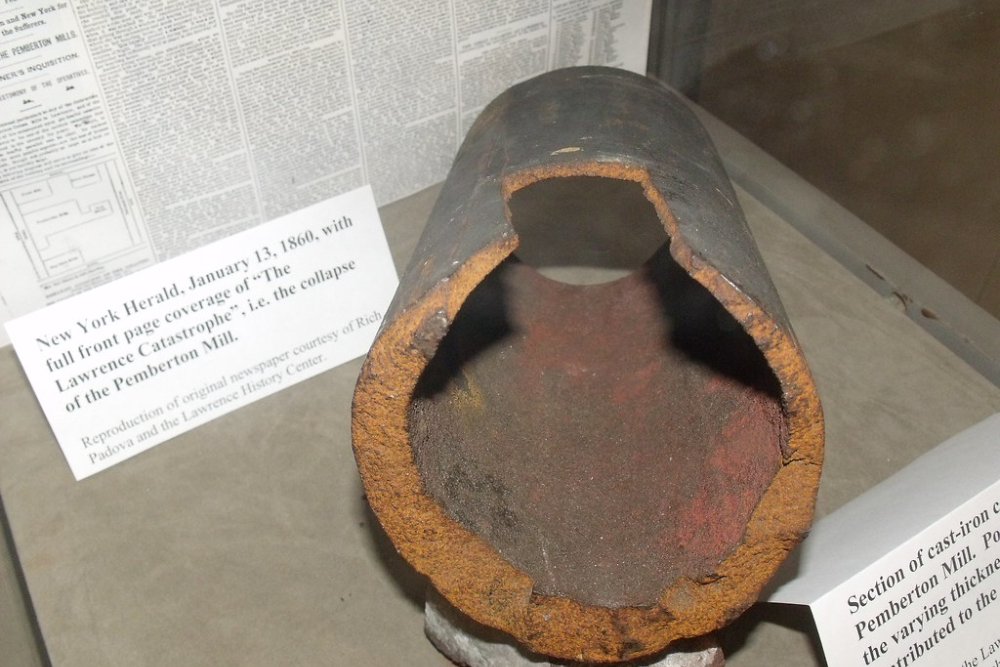
The Pemberton Mill in Lawrence, Massachusetts, collapsed on January 10, 1860, killing 145 workers and injuring 166 others when the five-story textile factory suddenly pancaked. The building was overloaded with heavy machinery and had structural defects that weren’t apparent until it was too late.
This disaster led to the first building safety inspections and established maximum floor loading requirements that are still used today.
The Johnstown Flood
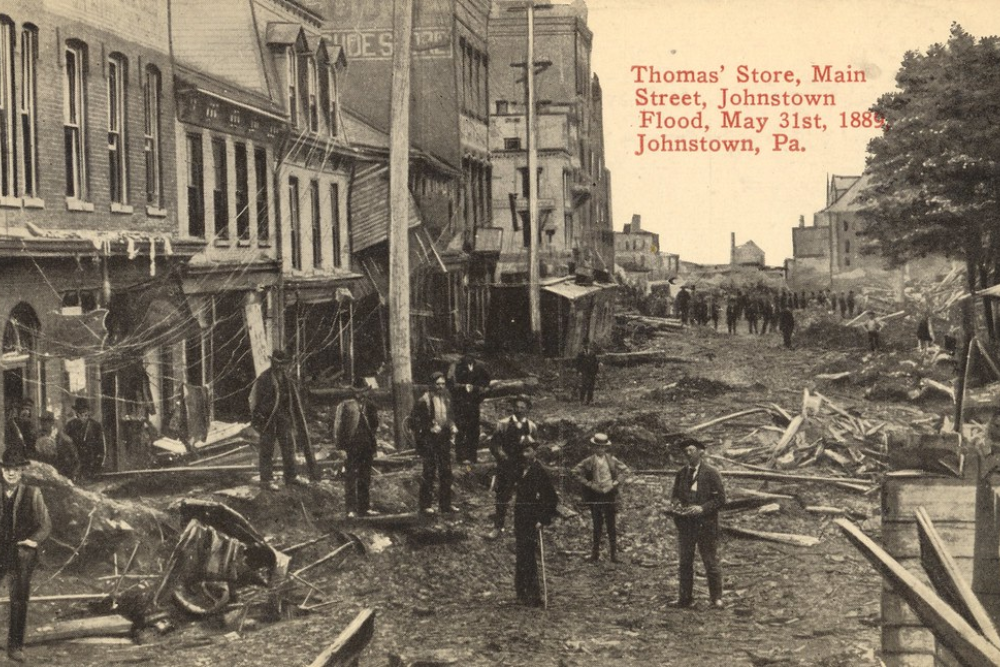
The South Fork Dam failed on May 31, 1889, sending 20 million tons of water crashing into Johnstown, Pennsylvania, killing 2,209 people in one of America’s worst disasters. The dam had been poorly maintained and modified without proper engineering oversight, reducing its capacity to handle flood conditions.
This catastrophe led to dam safety regulations, mandatory inspections, and the establishment of legal liability for dam owners.
Like Go2Tutors’s content? Follow us on MSN.
The Sampoong Department Store
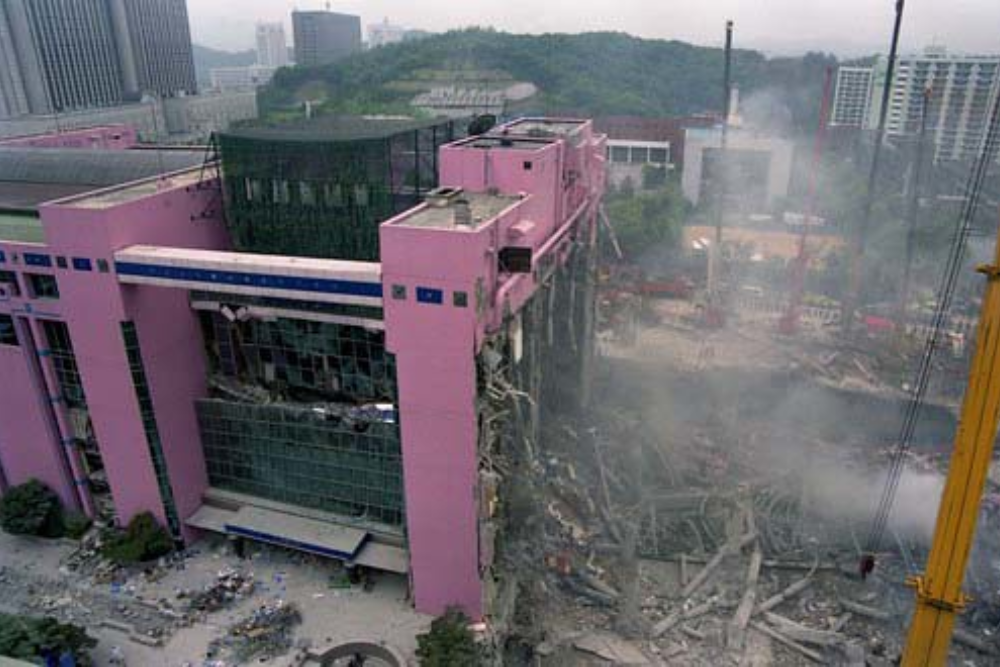
The Sampoong Department Store in Seoul, South Korea, collapsed on June 29, 1995, killing 502 people when the building’s concrete structure failed during normal business hours. The building had been constructed with substandard concrete and was overloaded with heavy air conditioning units on the roof.
This disaster led to stricter building codes in South Korea and established international standards for concrete quality and construction oversight.
The Deepwater Horizon Oil Spill
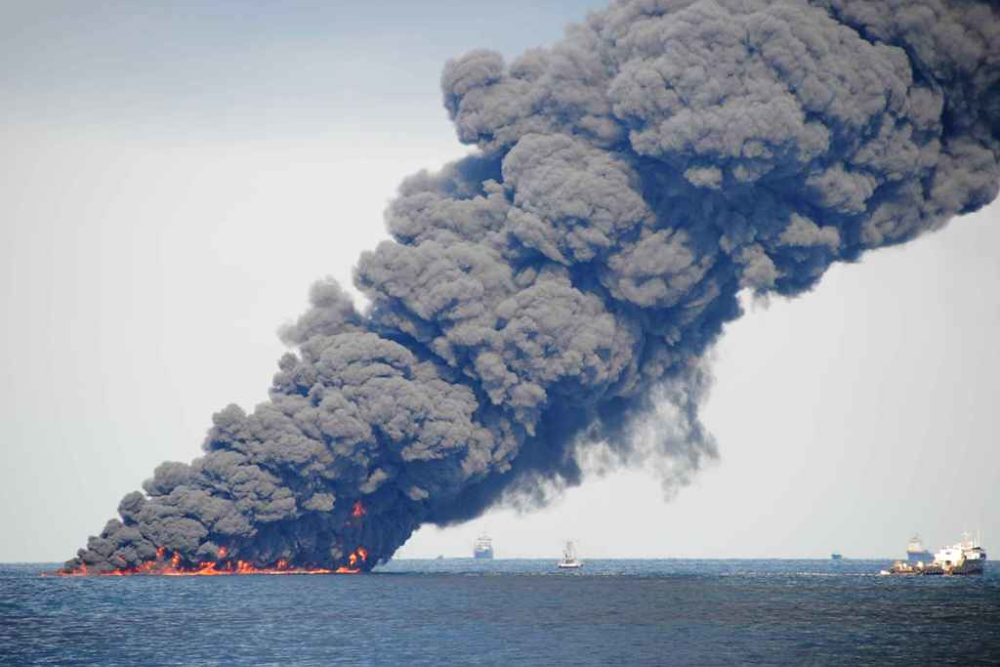
The Deepwater Horizon drilling rig exploded on April 20, 2010, killing 11 workers and causing the largest marine oil spill in history. The blowout preventer, the last line of defense against uncontrolled oil flow, failed due to design flaws and maintenance issues.
This disaster led to comprehensive reforms in offshore drilling safety, including stricter blowout preventer requirements and improved emergency response protocols.
The Silver Bridge Collapse
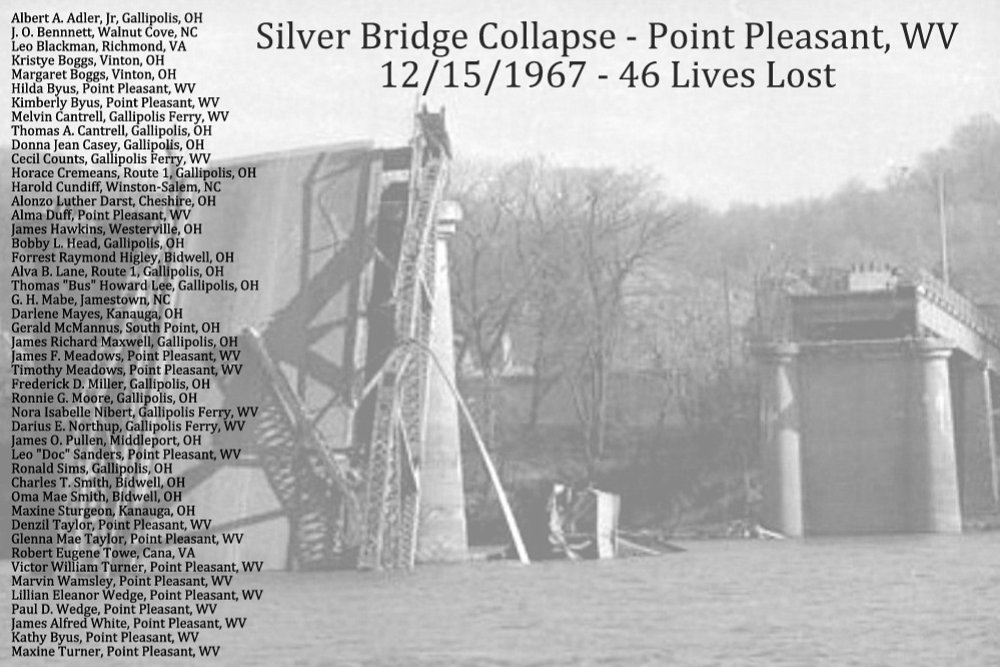
The Silver Bridge connecting Ohio and West Virginia collapsed on December 15, 1967, during rush hour traffic, killing 46 people when a single eyebar in the suspension system failed. The bridge used an innovative design that created a single point of failure, meaning one broken component could bring down the entire structure.
This disaster led to the National Bridge Inspection Standards and established the principle that bridges must have redundant load paths to prevent catastrophic failure.
Like Go2Tutors’s content? Follow us on MSN.
The MGM Grand Hotel Fire
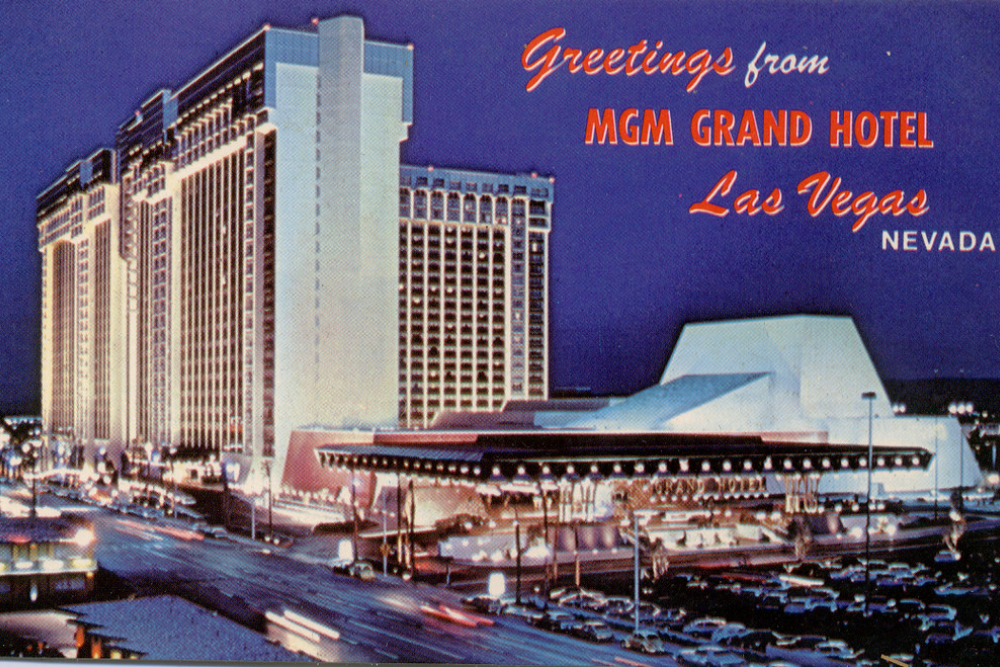
The MGM Grand Hotel fire in Las Vegas on November 21, 1980, killed 85 people, most from smoke inhalation rather than burns. The fire spread rapidly through the casino level and smoke traveled through the building’s ventilation system and stairwells.
This tragedy revolutionized building fire safety codes, requiring sprinkler systems in high-rise buildings, pressurized stairwells, and smoke control systems that are now standard in all major structures.
Learning from Yesterday’s Mistakes
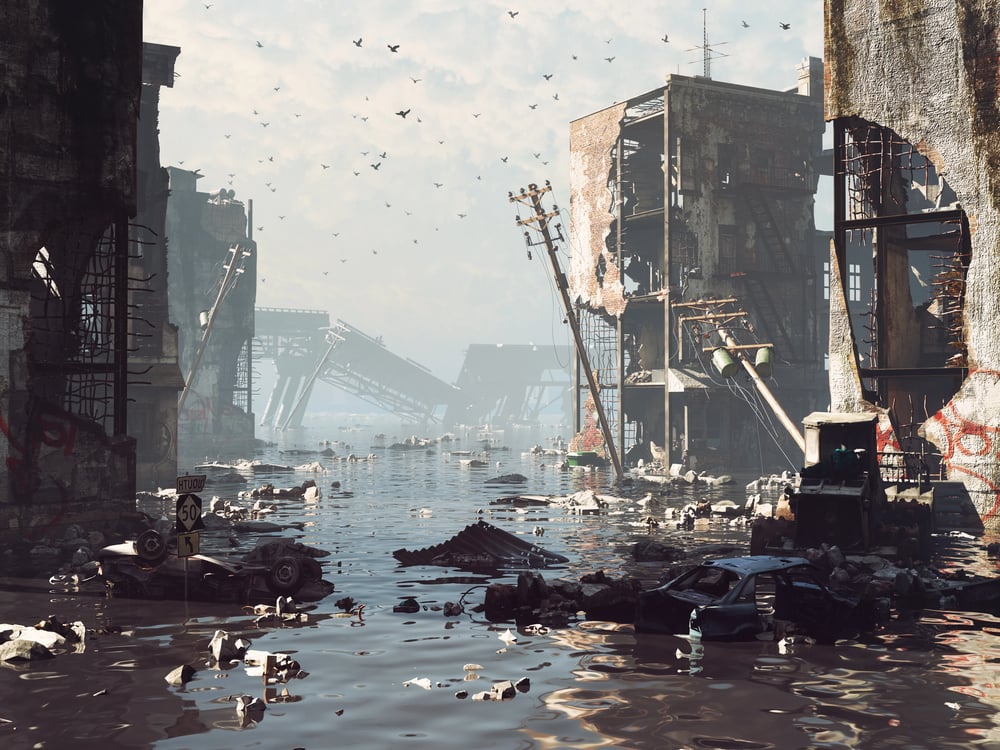
These disasters remind us that engineering progress often comes at a terrible cost, paid by those who trusted that the structures around them were safe. Each failure taught the engineering community something new about materials, design, or human factors that couldn’t be learned any other way.
Today’s safety standards, building codes, and inspection requirements exist because engineers and regulators refused to let these tragedies happen again, transforming each disaster into a foundation for safer designs. The next time you cross a bridge, enter a tall building, or fly on an airplane, remember that countless safety measures protect you—measures that exist because someone else paid the ultimate price to teach us what we needed to know.
More from Go2Tutors!

- 16 Historical Figures Who Were Nothing Like You Think
- 12 Things Sold in the 80s That Are Now Illegal
- 15 VHS Tapes That Could Be Worth Thousands
- 17 Historical “What Ifs” That Would Have Changed Everything
- 18 TV Shows That Vanished Without a Finale
Like Go2Tutors’s content? Follow us on MSN.



