17 Unusual Festivals People Actually Celebrate
Around the world, people gather to celebrate some pretty wild things. While most of us are familiar with traditional holidays like Christmas or New Year’s, there are festivals dedicated to everything from cheese rolling to wife carrying. These events bring communities together in ways that might seem bizarre to outsiders but make perfect sense to the locals who’ve been doing them for generations.
From ancient traditions that have survived centuries to quirky modern inventions, these festivals prove that humans will find any excuse to party. Here is a list of 17 unusual festivals people actually celebrate around the globe.
La Tomatina

Every August, the Spanish town of Buñol transforms into a massive food fight zone when thousands of people gather to throw tomatoes at each other. Participants hurl over 150 tons of overripe tomatoes in just one hour, turning the streets into rivers of red pulp.
The festival started in 1945 when a group of young people got into a spontaneous tomato fight, and locals liked it so much they decided to make it an annual tradition. Today, people travel from all over the world to get pelted with produce in what’s become Spain’s messiest celebration.
Cheese Rolling Festival

At Cooper’s Hill in England, brave souls chase a wheel of cheese down a steep, bumpy slope at speeds that can reach 70 miles per hour. The first person to catch the cheese wins it, though most participants end up tumbling head over heels down the hill instead.
The tradition dates back centuries and continues despite numerous injuries — broken bones are practically guaranteed. Spectators gather to watch the controlled chaos while paramedics stand ready with stretchers.
Wife Carrying Championship

In Finland, husbands race through an obstacle course while carrying their wives on their backs, competing for the woman’s weight in beer. The sport has specific rules about carrying techniques and penalties for dropping your spouse along the way.
Winners also get to take home their partner’s weight in beer, making this one competition where being married to someone heavier actually pays off. The festival has spread to other countries, proving that couples worldwide enjoy turning marriage into a competitive sport.
Monkey Buffet Festival
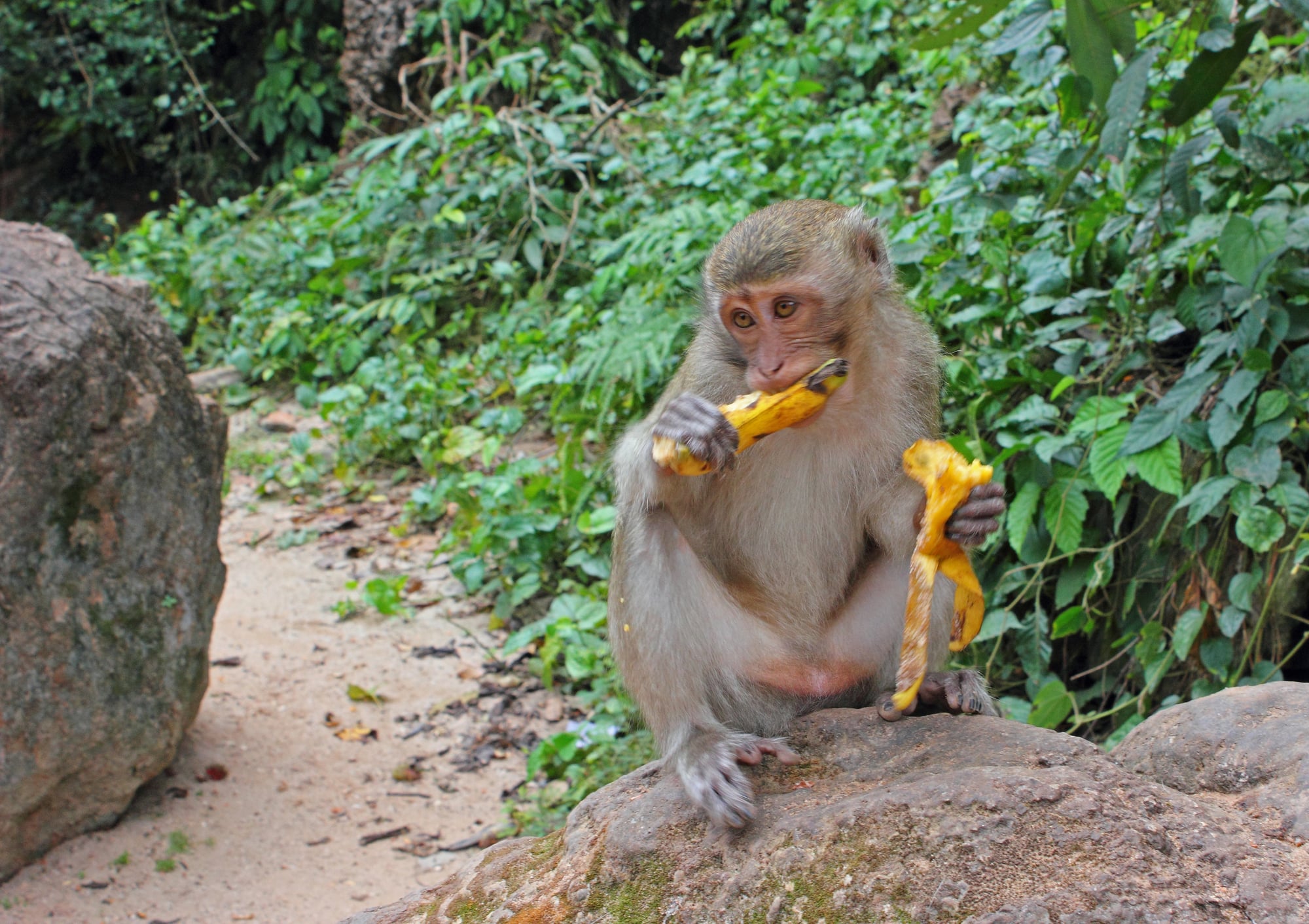
Thailand’s Lopburi province throws an elaborate feast for thousands of macaque monkeys every November, complete with carved fruit sculptures and gourmet treats. Local residents prepare over 4,000 pounds of food, including everything from fresh fruits to fancy desserts arranged on tables throughout the ancient ruins.
The monkeys, who are considered sacred and bring good luck to the town, dive into the spread while tourists and locals watch the feeding frenzy. This festival shows how some communities have learned to celebrate their coexistence with wildlife rather than fight it.
Boryeong Mud Festival

South Korea’s Boryeong Mud Festival started as a marketing campaign for cosmetic products but evolved into a massive celebration where people cover themselves in mineral-rich mud. Visitors can participate in mud wrestling, mud sliding, and mud body painting while enjoying live music and beach activities.
The festival attracts millions of visitors who come to play in the therapeutic mud that’s supposed to be great for your skin. What began as a publicity stunt has become one of Asia’s biggest summer festivals.
Baby Jumping Festival
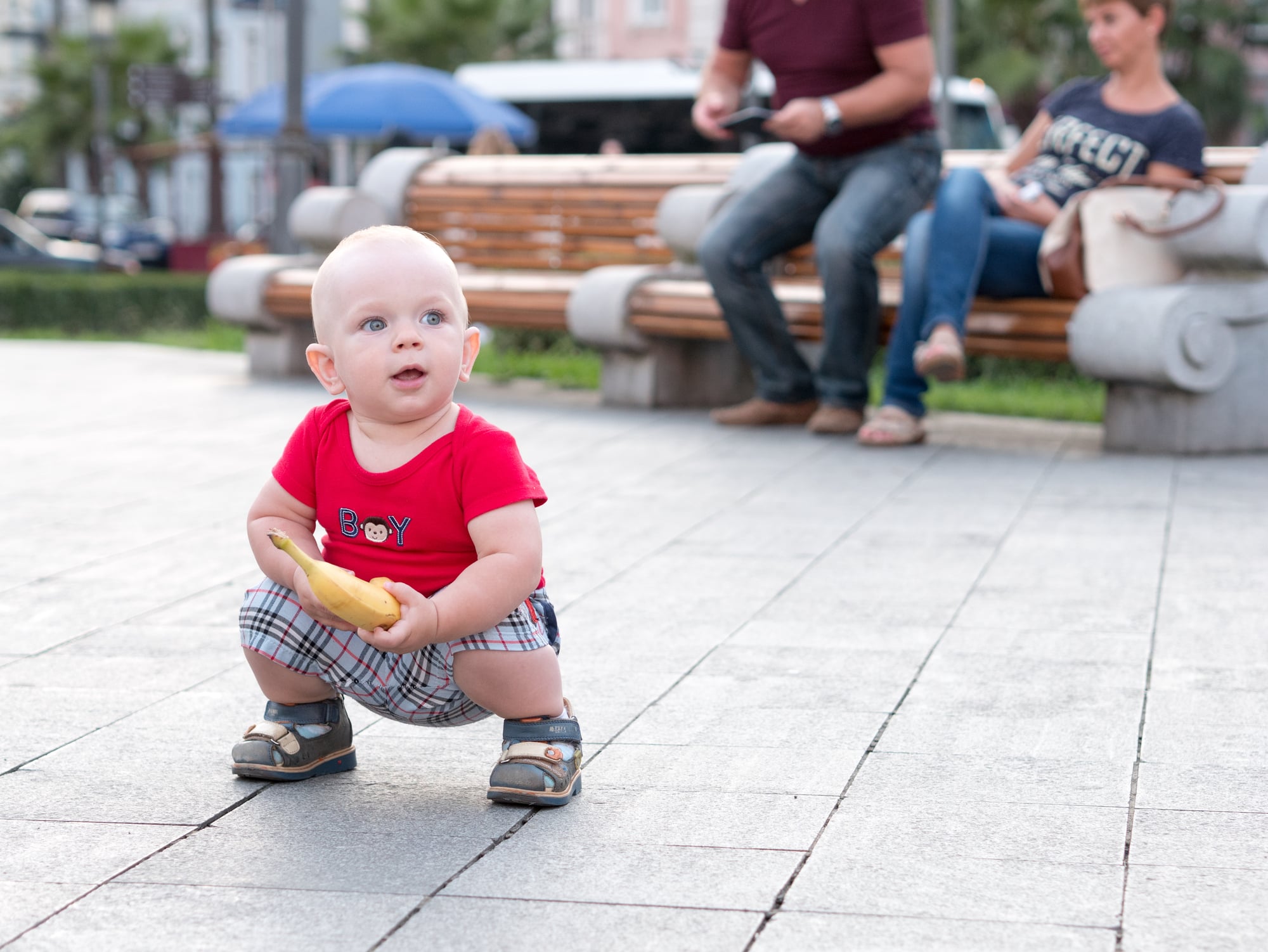
In the Spanish village of Castrillo de Murcia, men dressed as devils leap over babies born in the past year as part of the El Colacho festival. This 400-year-old Catholic tradition is meant to cleanse the infants of original sin and protect them from evil spirits.
Parents place their babies on mattresses in the street while the ‘devils’ run and jump over them in elaborate costumes. Despite how dangerous it sounds, no injuries have been reported, and locals swear by the protection it provides their children.
Hadaka Matsuri
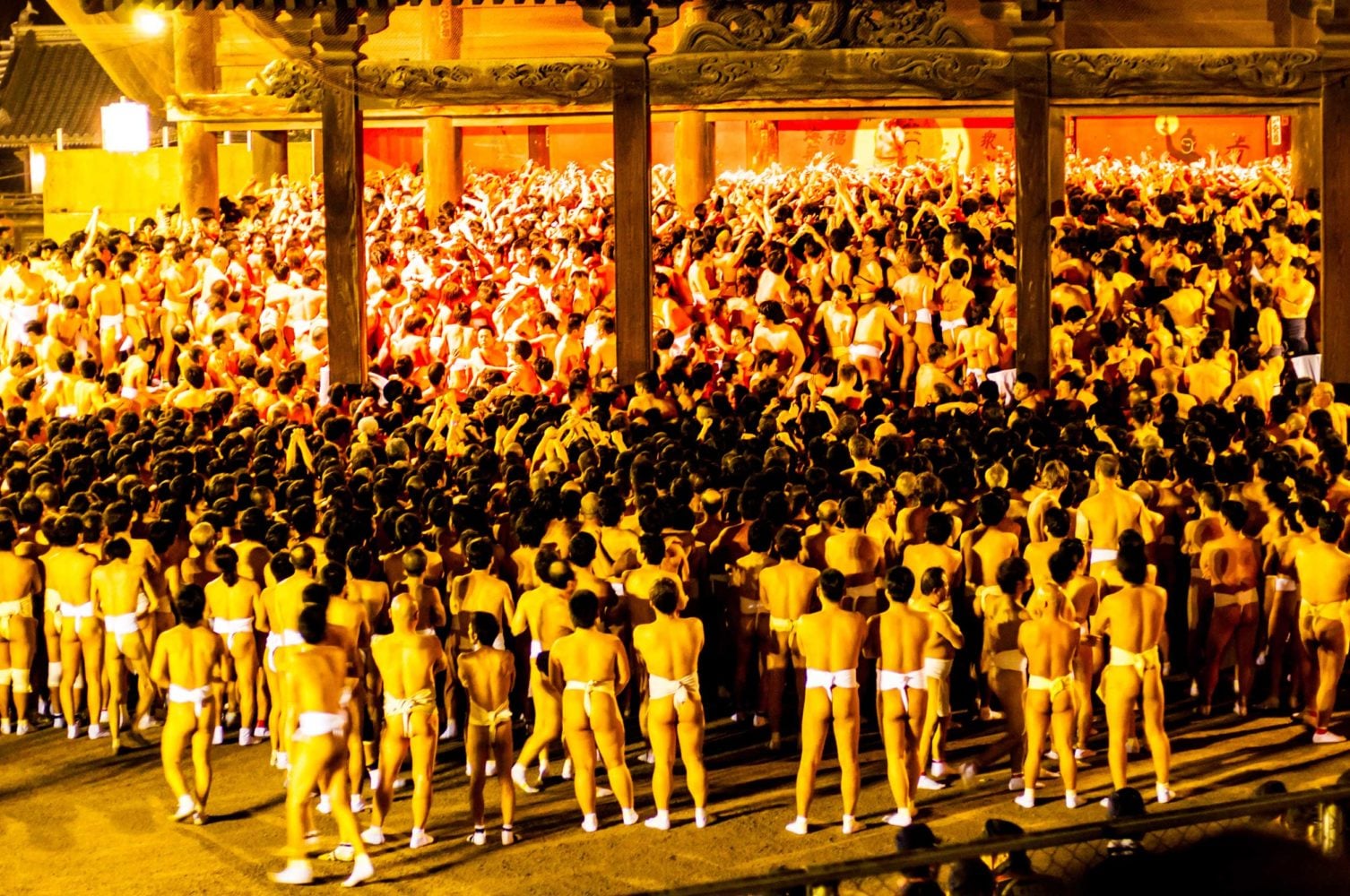
Japan’s Hadaka Matsuri involves thousands of nearly unclothed men competing to catch sacred wooden sticks thrown by priests. Participants wear only loincloths and endure freezing winter temperatures while pushing and shoving in massive crowds.
The man who catches the stick is believed to receive a year of good luck and happiness. These festivals happen across Japan, with some dating back over 1,200 years, proving that people will brave almost anything for a chance at good fortune.
Carnival of Ivrea
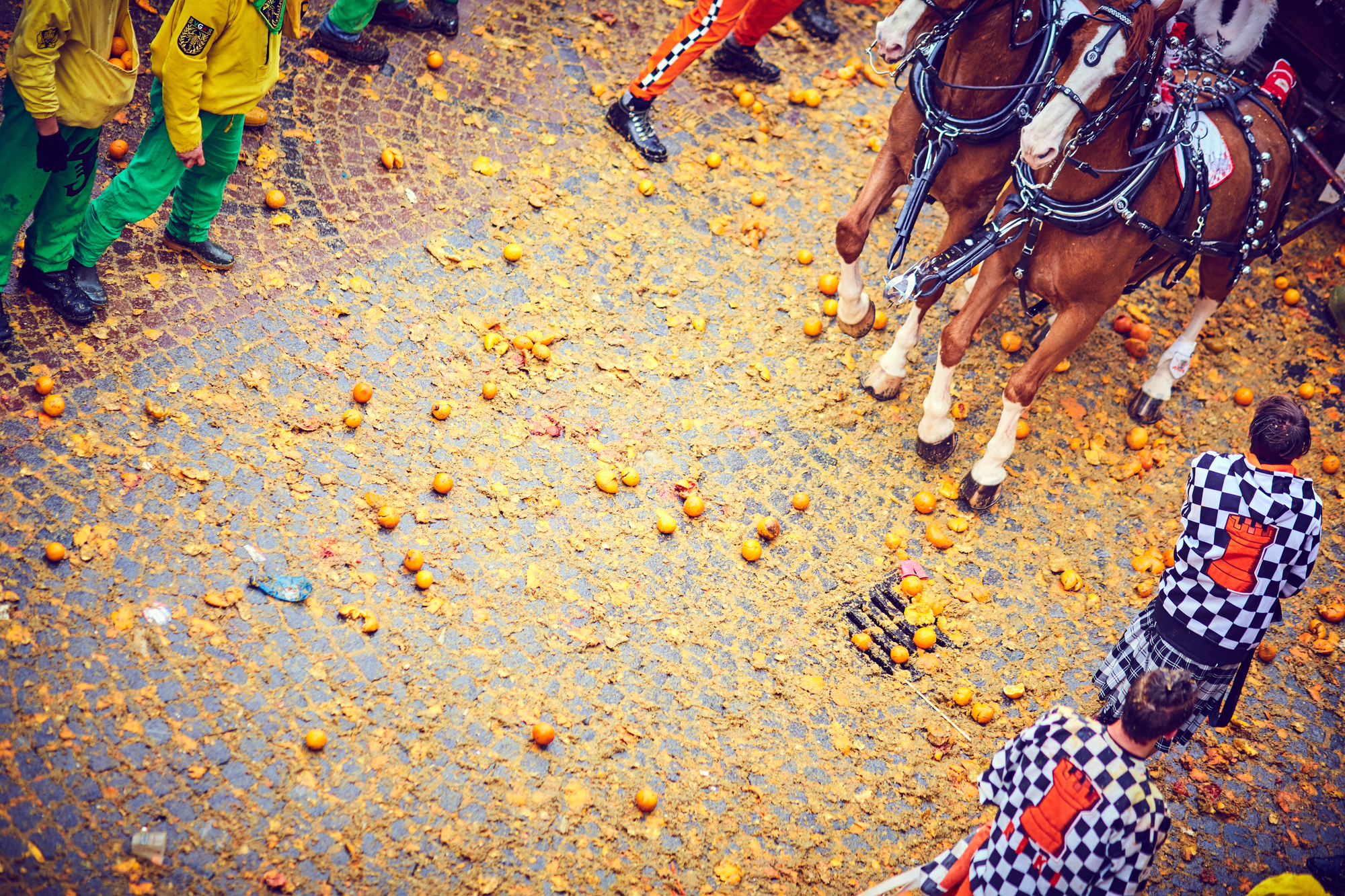
Italy’s historic town of Ivrea hosts an annual orange-throwing battle that recreates a medieval rebellion against tyrannical rule. Teams representing different neighborhoods pelt each other with oranges from horse-drawn carts while wearing period costumes.
The festival uses about 500,000 pounds of oranges over three days, turning the streets into a citrus battlefield. Participants take the competition seriously, with some teams training year-round for what locals consider both sport and historical reenactment.
Burning Man
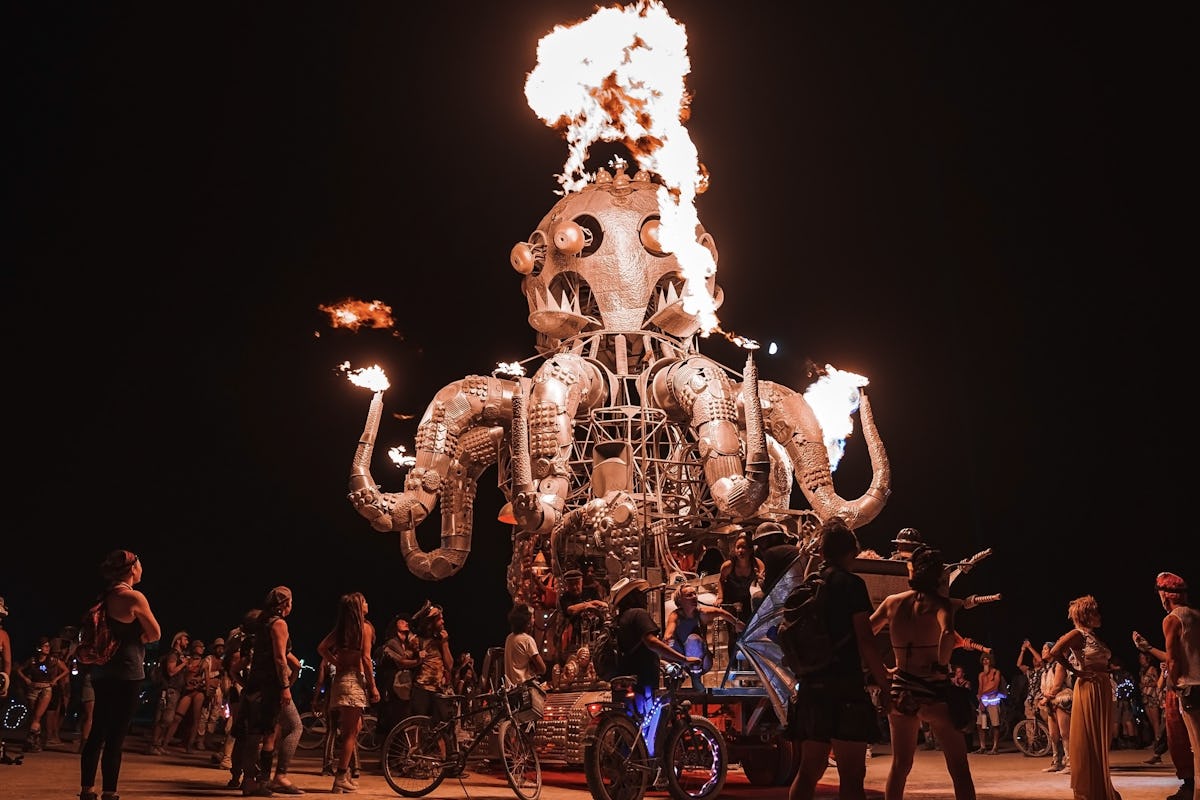
In Nevada’s Black Rock Desert, tens of thousands of people create a temporary city dedicated to art, self-expression, and community before burning it all down at the end of the week. Participants bring everything they need to survive in the harsh desert environment while following principles like radical self-reliance and leaving no trace.
The festival culminates with the burning of a massive wooden sculpture called ‘the Man,’ which gives the event its name. What started as a small beach gathering in San Francisco has become a global phenomenon that influences art, music, and culture worldwide.
World Bog Snorkeling Championship
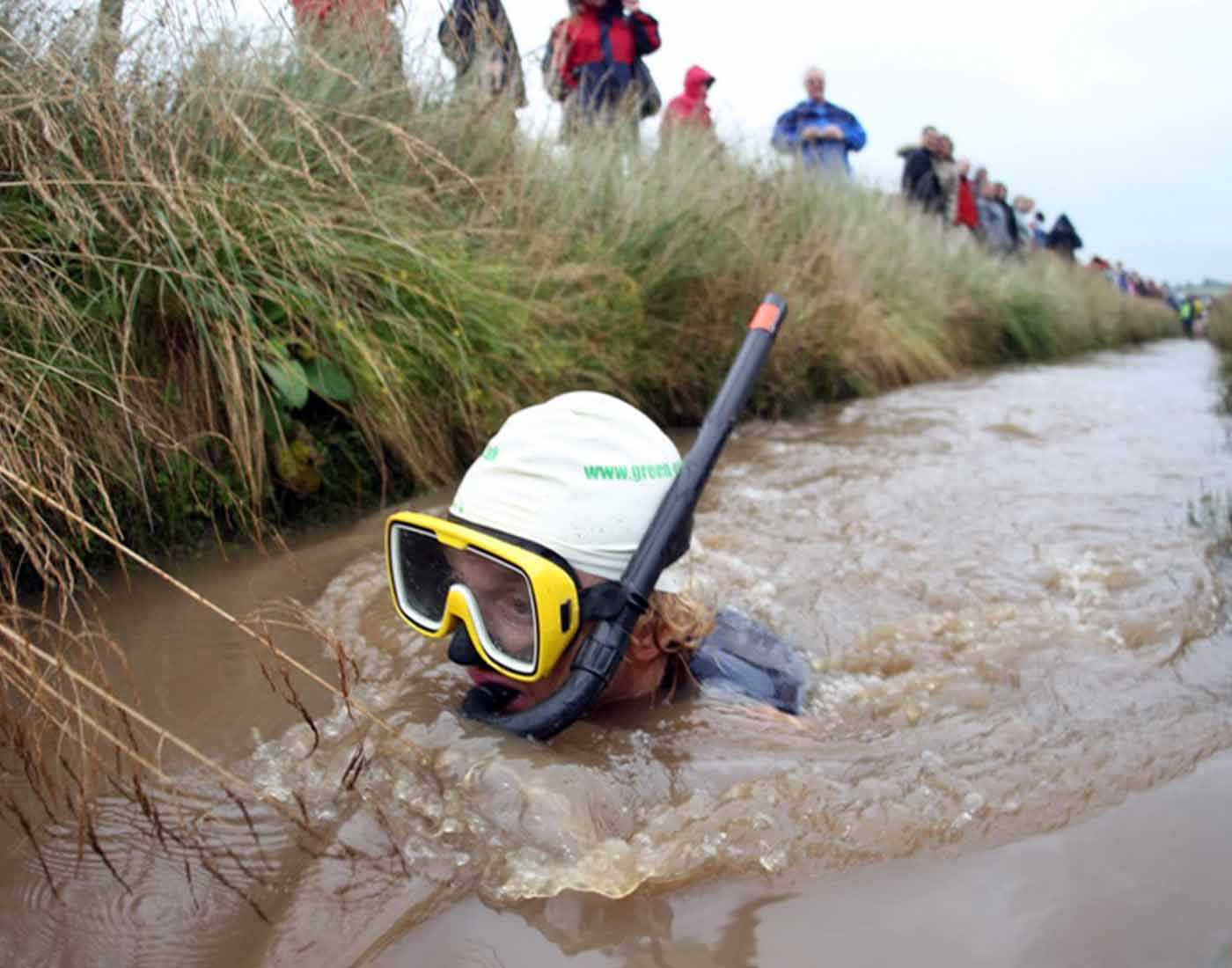
In Wales, competitors race through freezing cold water-filled trenches cut into peat bogs while wearing snorkels and flippers. Participants must complete two lengths of a 60-yard trench in the shortest time possible, navigating murky water filled with weeds and mud.
The championship has been held annually since 1976, attracting athletes from around the world who train specifically for this unusual sport. Winning times are usually under two minutes, though hypothermia is a bigger concern than speed for most participants.
Day of the Dead Pet Parade
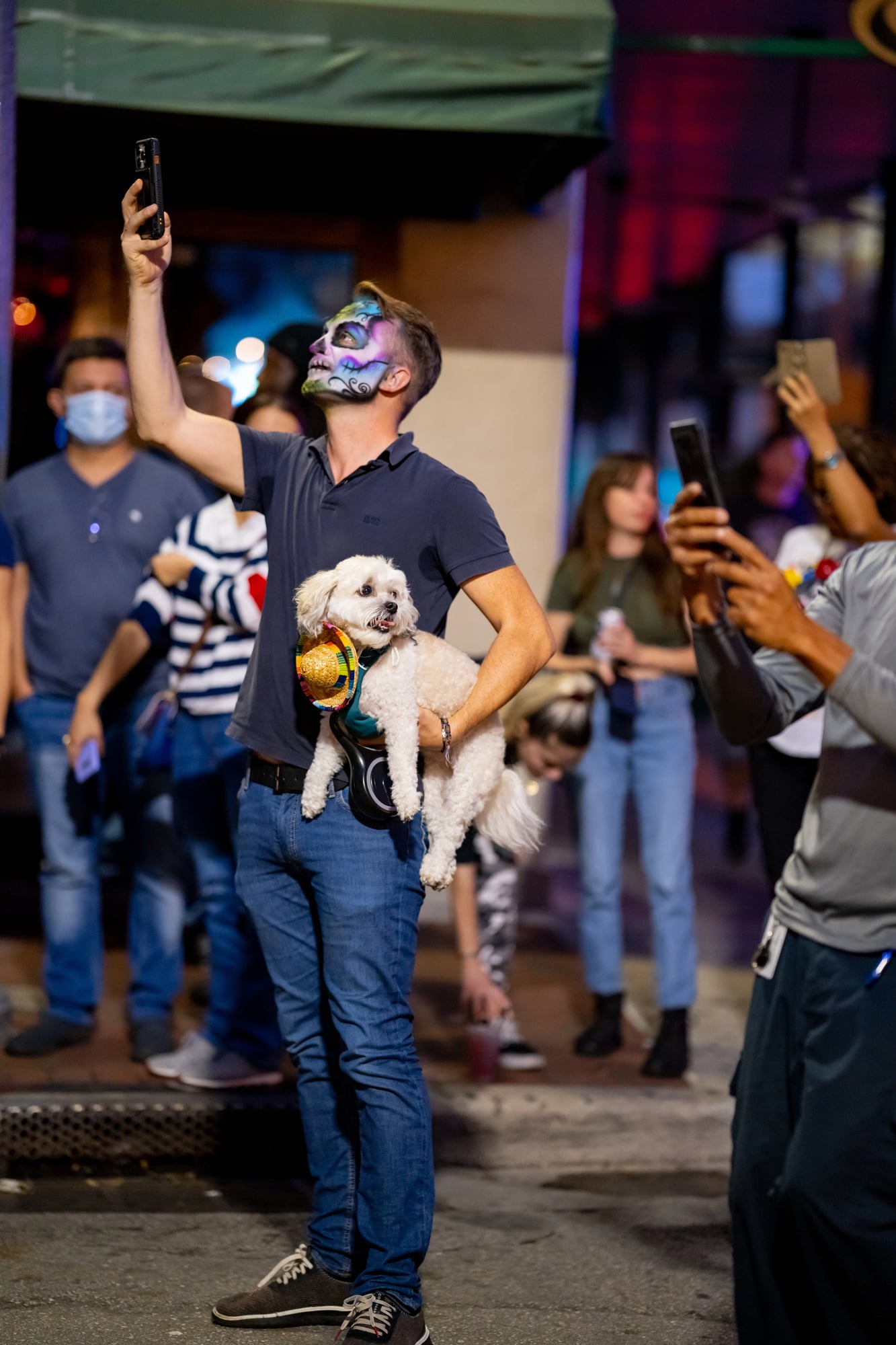
Mexico City’s Day of the Dead celebrations include a parade where people dress up their pets in elaborate costumes to honor deceased animal companions. Dogs, cats, and even iguanas march through the streets wearing everything from tiny sombreros to full skeleton outfits.
The parade combines traditional Day of the Dead imagery with modern pet culture, creating a uniquely contemporary twist on ancient traditions. Pet owners spend weeks preparing costumes that often match their own Day of the Dead outfits.
Kanamara Matsuri

Japan’s Kanamara Matsuri celebrates fertility and protection against certain diseases through a festival centered on phallic symbols and imagery. Visitors can purchase themed foods, souvenirs, and artwork while participating in traditional ceremonies and parades.
The festival raises money for HIV research and prevention, turning an ancient Shinto celebration into a modern public health awareness event. Despite its unusual theme, the festival maintains a family-friendly atmosphere and attracts visitors from around the world.
Cooper’s Hill Cheese Rolling
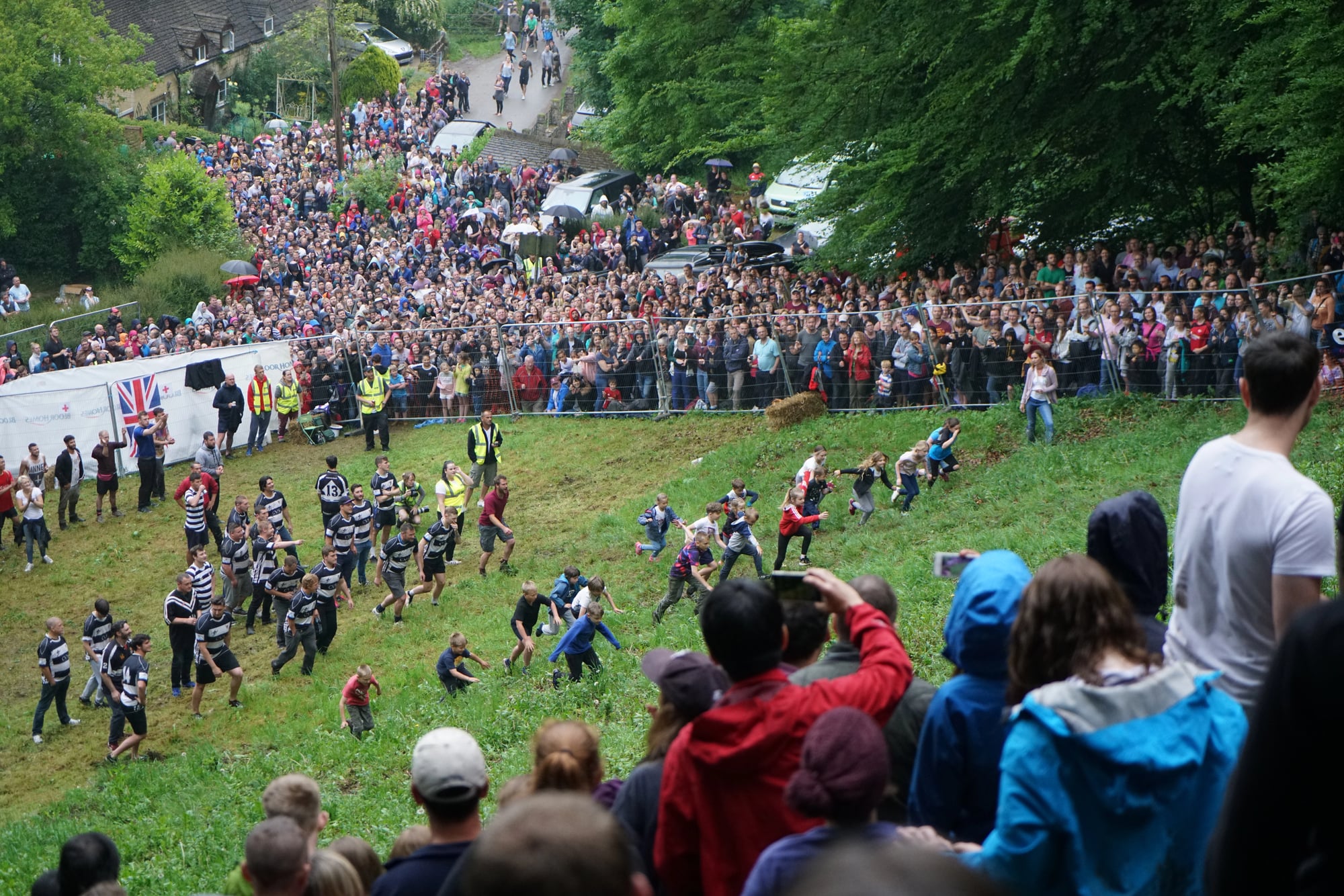
At Cooper’s Hill in Gloucestershire, England, participants chase a 9-pound wheel of Double Gloucester cheese down a nearly vertical slope. The cheese reaches speeds of up to 70 miles per hour while competitors tumble after it, often cartwheeling uncontrollably down the hill.
Winners get to keep the cheese, though most participants are more concerned with avoiding serious injury than catching their dairy prize. The tradition has ancient roots and continues despite attempts by authorities to ban it due to safety concerns.
World Championship Punkin Chunkin
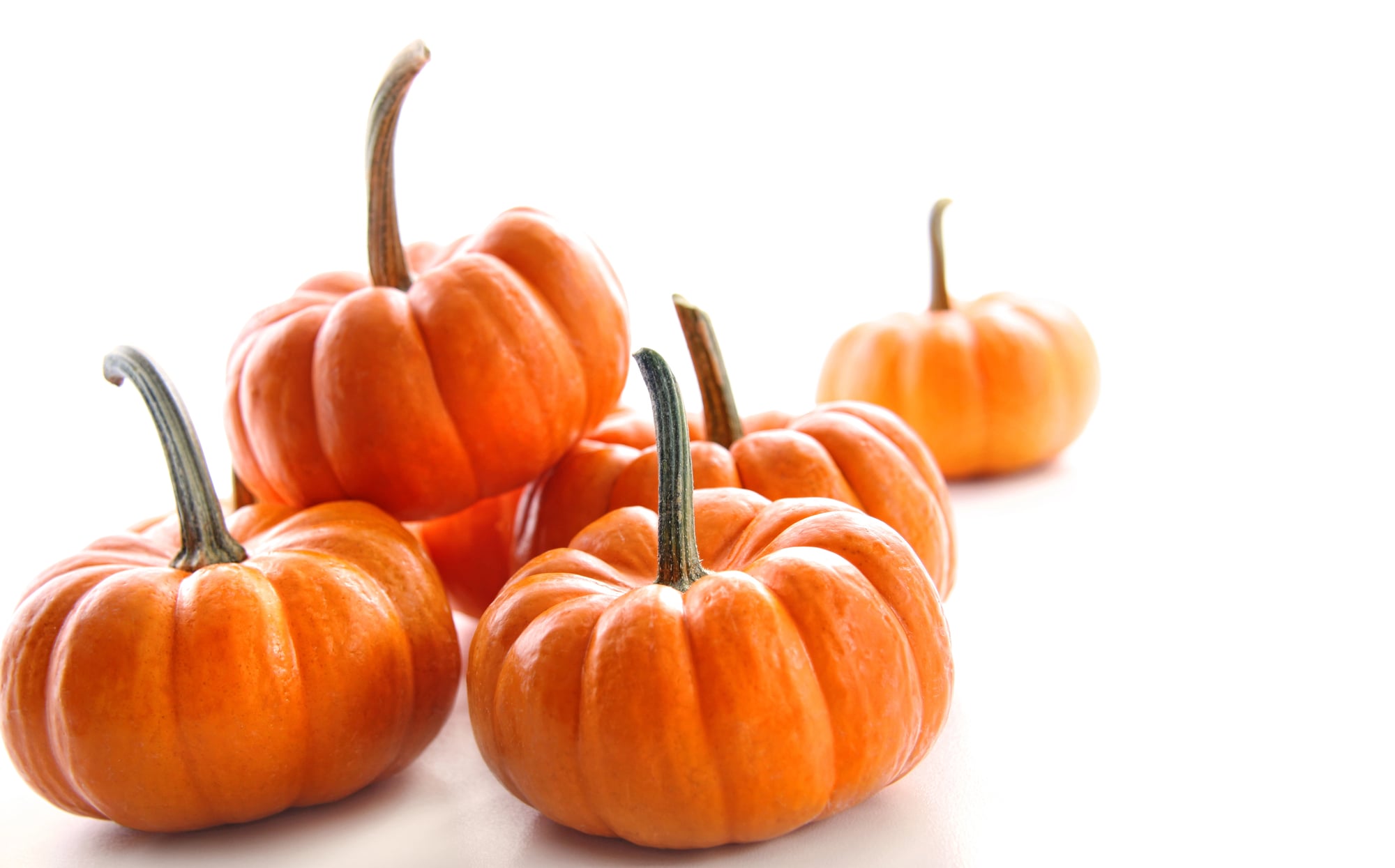
Delaware hosts an annual competition where teams build massive machines designed to launch pumpkins as far as possible across a field. Contraptions range from traditional catapults to high-tech compressed air cannons capable of hurling pumpkins over 4,000 feet.
The event combines engineering creativity with agricultural waste disposal, as teams compete in various categories based on their launching mechanism. Spectators camp out for the weekend to watch pumpkins fly through the air at incredible speeds.
Underwater Music Festival

Florida Keys residents don scuba gear to attend an underwater concert performed on waterproof instruments 25 feet below the ocean surface. Musicians play specially designed instruments while tropical fish swim among the audience members.
The festival promotes coral reef preservation by showcasing the beauty of underwater ecosystems to music lovers. Participants report that the acoustics underwater create a uniquely ethereal musical experience unlike anything possible on land.
World Gurning Championship

England’s World Gurning Championship crowns the person who can make the most grotesque facial expression while sticking their head through a horse collar. Competitors contort their faces into disturbing shapes, often removing dentures to achieve more dramatic effects.
The tradition dates back centuries to rural English fairs where making ugly faces was considered entertainment. Modern competitors train their facial muscles and develop signature looks that can take years to perfect.
Night of the Radishes
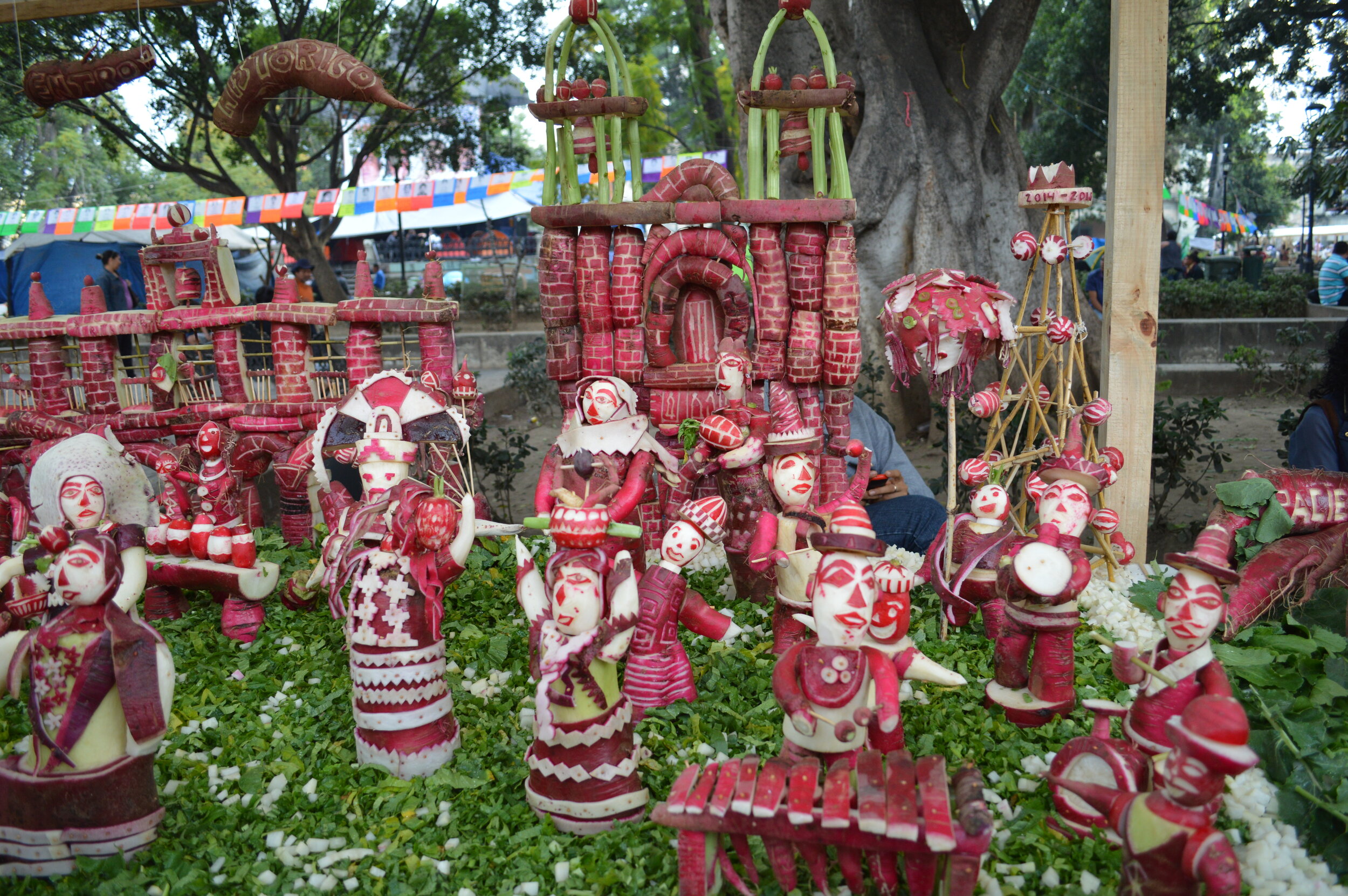
In Oaxaca, Mexico, artisans carve elaborate sculptures from oversized radishes during the December 23rd Noche de Rábanos festival. Artists create detailed scenes depicting everything from nativity stories to political commentary using only radishes, flowers, and dried corn husks.
The vegetables must be carved and displayed within 24 hours before they start to deteriorate, adding pressure to the artistic process. Winners receive cash prizes, but the real reward is seeing their perishable art admired by thousands of visitors before it wilts away.
When Strange Becomes Tradition
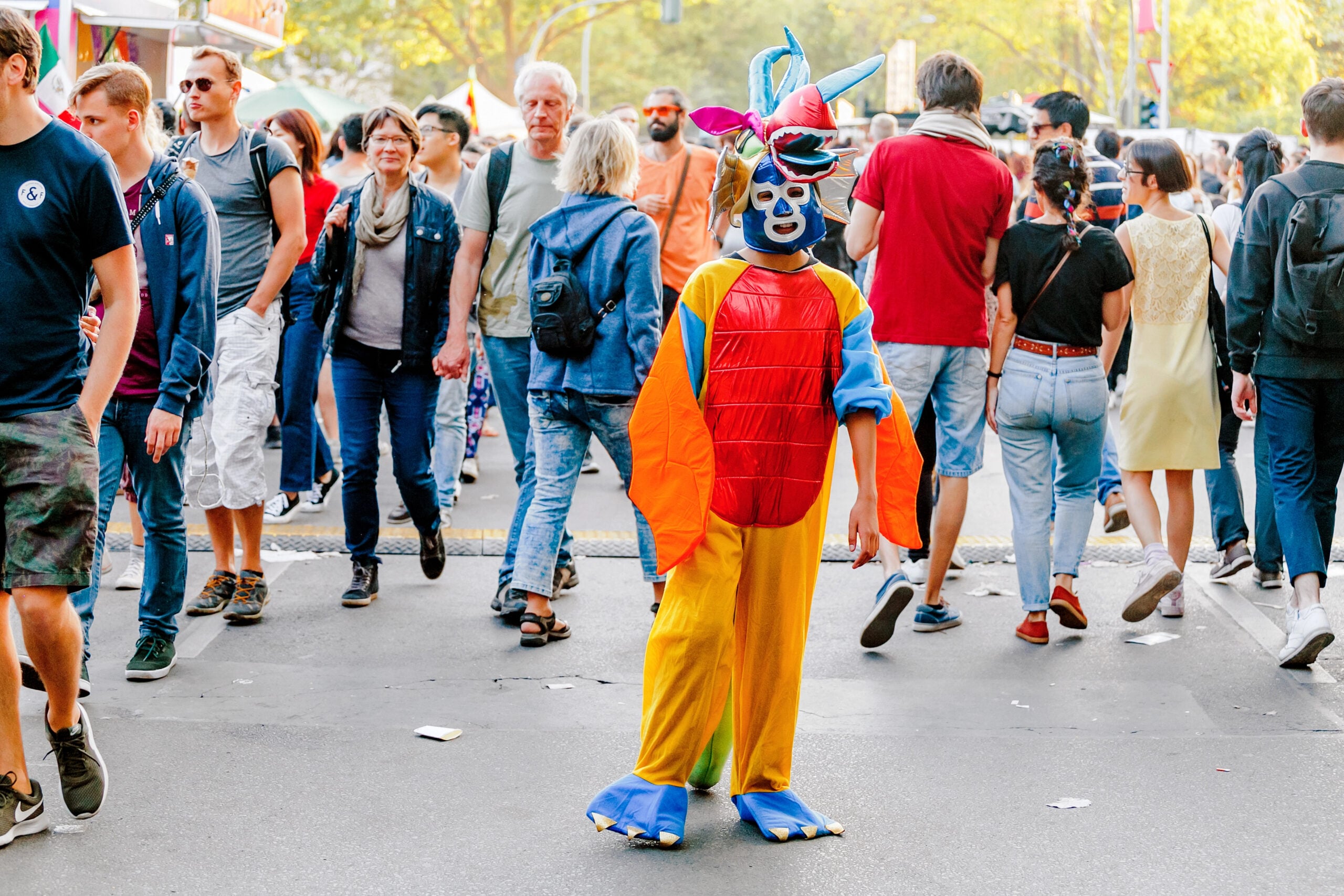
These festivals remind us that what seems weird to outsiders often holds deep meaning for the communities that celebrate them. Whether they started as ancient rituals or modern marketing schemes, each event has evolved into something that brings people together in unique ways.
The fact that participants travel thousands of miles to throw tomatoes, chase cheese, or carve radishes shows how powerful shared experiences can be, no matter how unusual they might seem. In a world that often feels divided, these quirky celebrations prove that humans still find joy in the most unexpected places.
More from Go2Tutors!

- The Romanov Crown Jewels and Their Tragic Fate
- 13 Historical Mysteries That Science Still Can’t Solve
- Famous Hoaxes That Fooled the World for Years
- 15 Child Stars with Tragic Adult Lives
- 16 Famous Jewelry Pieces in History
Like Go2Tutors’s content? Follow us on MSN.