The Swiss Army Knife Tools You Don’t Use
Most people who own a Swiss Army Knife use maybe three of its tools regularly. The blade gets work.
The scissors come out occasionally. The bottle opener saves the day at picnics.
But that red rectangle in your drawer holds a dozen other tools that sit dormant, waiting for problems you never quite encounter. Some of these forgotten tools turn out to be surprisingly useful once you know what they do.
The Toothpick
That tiny plastic stick tucked into the back scales looks decorative at best. But it actually works.
You can use it after meals, obviously, but it also cleans tight spaces on electronics, removes debris from charging ports, and reaches into small crevices that other tools can’t access. The plastic won’t scratch surfaces like metal would, which makes it perfect for delicate jobs.
And because it’s removable, you can replace it easily if it breaks or gets lost.
The Tweezers
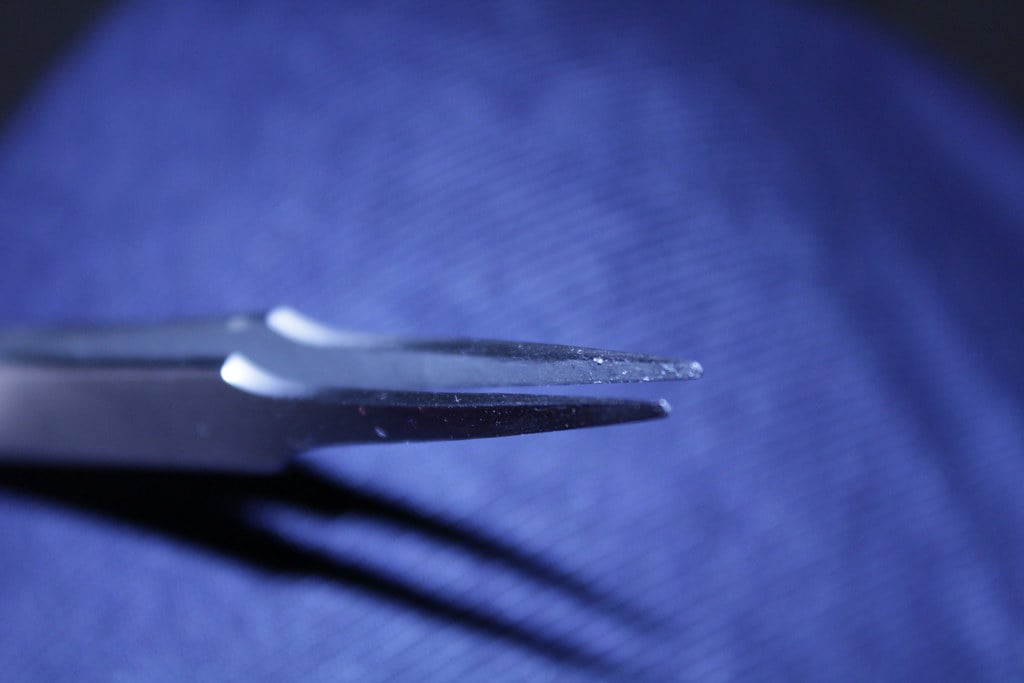
Right next to the toothpick sits an even smaller tool that most people pull out once and then forget about. The tweezers seem too flimsy to be useful, and their location makes them awkward to access.
But they grip better than you’d expect. Splinters come out cleanly.
Small screws that roll into tight corners become retrievable. Static-inducing plastic tags on new clothes pull free without damaging fabric.
They won’t replace proper tweezers for precision work, but they handle basic tasks when you need them.
The Hook
This curved metal piece confuses almost everyone. It pulls out from one of the main blade slots and curves back toward the knife body.
Some people mistake it for a broken tool. It’s actually designed to carry packages.
Thread string or cord through the hook, close it back into the knife, and you’ve got a handle for bags that cut into your fingers. The design dates back decades when people carried parcels tied with twine more often.
You probably won’t use it for its original purpose, but it makes an excellent cord organizer or a way to hang the knife from a loop.
The Reamer
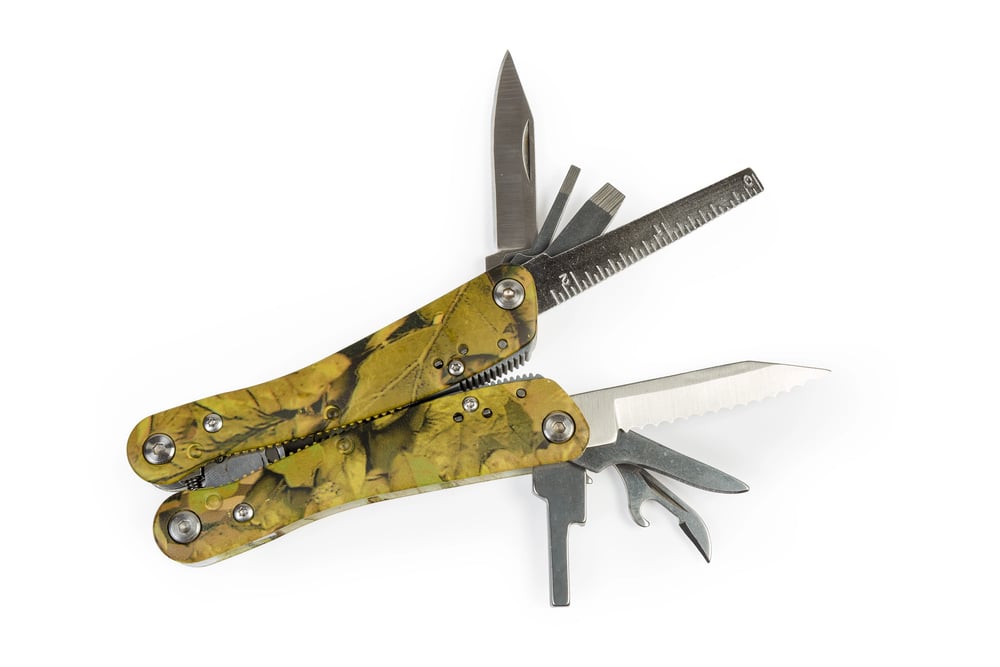
The pointy tool with the eye in the middle gets mistaken for an ice pick. That’s not quite right. The reamer punches pits in leather, canvas, and other materials.
The eye at the tip lets you thread cord or lace through the pits you’ve just made. Leatherworkers and crafters recognize this tool immediately, but casual knife owners rarely think about it.
It works great for fixing bags, belts, and shoes when a pit needs to be larger or a strap needs a new position. The sharp point also pierces plastic packaging without the risk of a blade slipping.
The Phillips Screwdriver
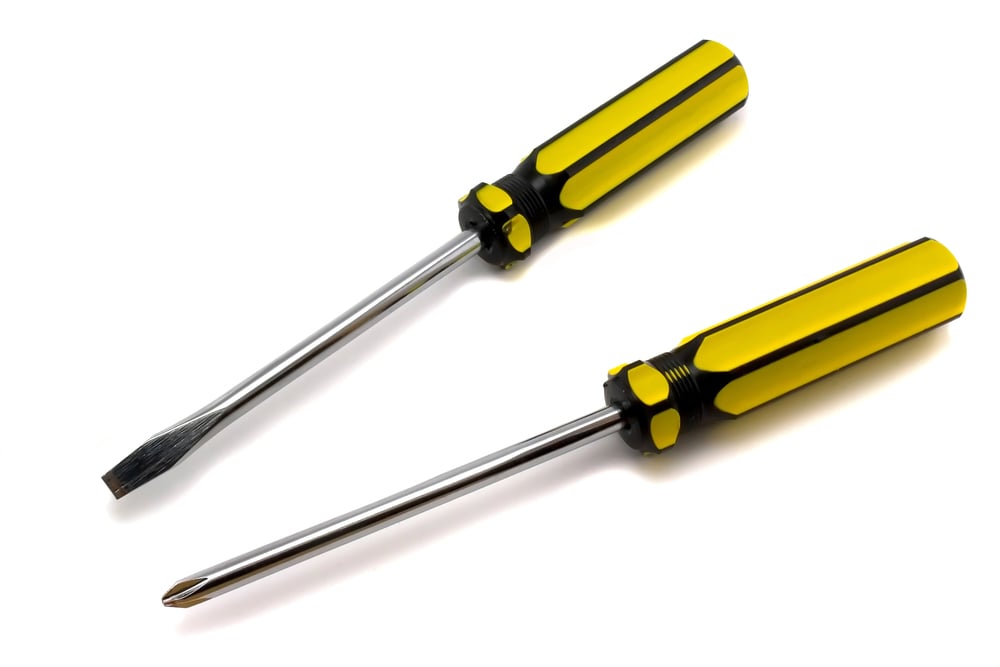
You know the flathead screwdriver sees action. But that smaller Phillips head on some models gets overlooked because people forget it’s there.
It hides at the top of the corkscrew on many Swiss Army Knife configurations. Modern electronics use Phillips screws extensively.
Eyeglasses, remote controls, children’s toys, and countless household items all need this particular driver. Having one attached to a tool you already carry beats searching through drawers for a proper screwdriver set.
The Wood Saw
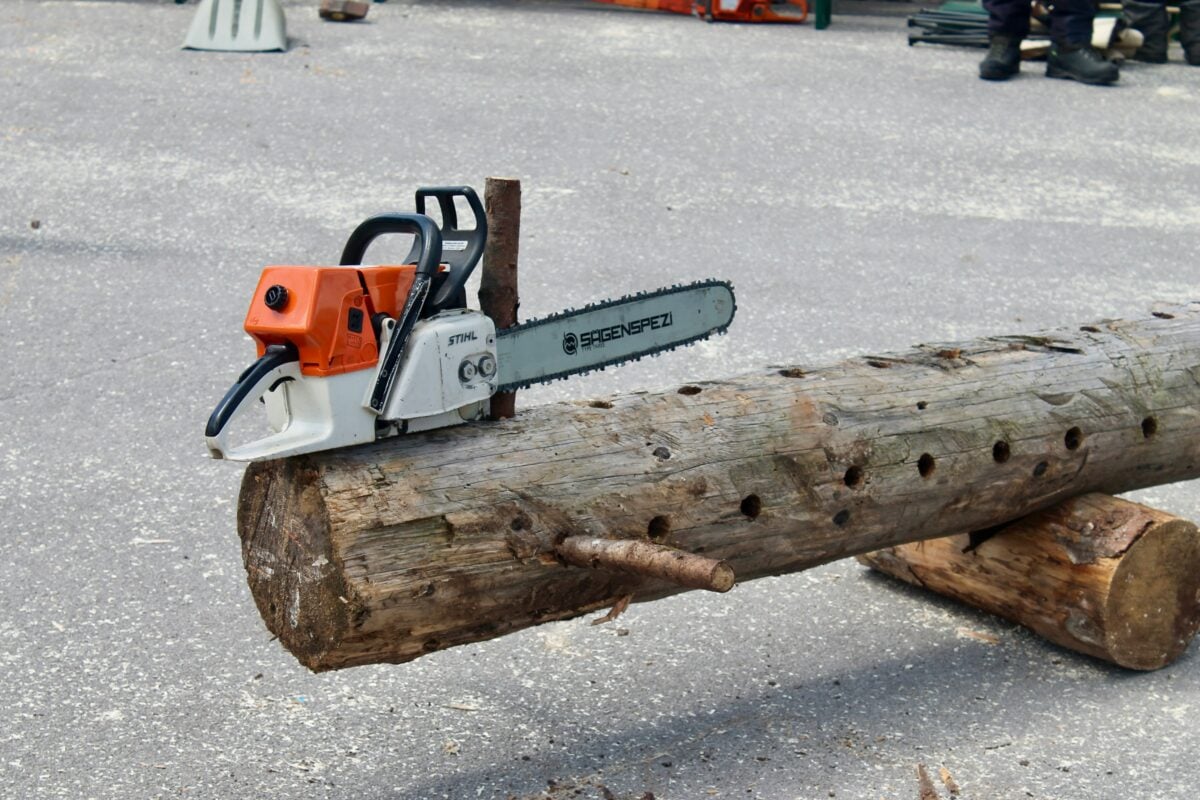
This looks aggressive. The serrated blade seems designed for serious outdoor work, which probably explains why so many people never unfold it.
But you don’t need to be camping to find uses for a small saw. Small branches that block paths, wooden dowels that need trimming, plastic items that require cutting—the saw handles all of these better than a knife blade.
The teeth grip material that regular blades would slip across. And because the saw cuts on the pull stroke, you maintain better control than you would with a push-style tool.
The Fish Scaler
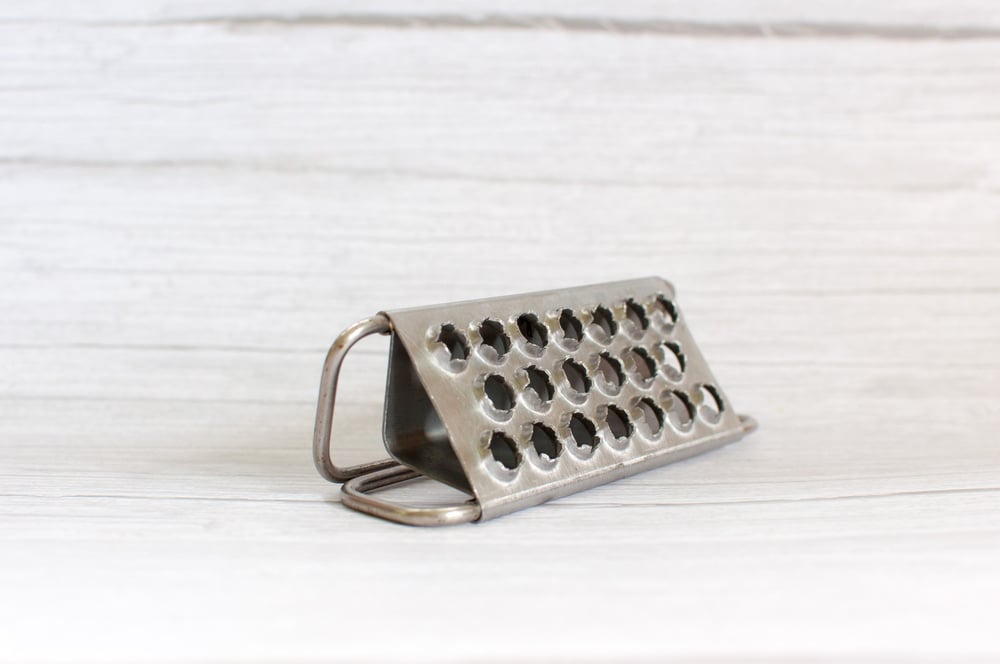
The tool with the notched edge and curved shape mystifies people who don’t fish. Even people who do fish often miss it because it’s integrated into other tools rather than standing alone.
The notches do remove scales from fish effectively, but they also work on other tasks. Opening stubborn paint cans, scraping adhesive residue, and removing built-up gunk from surfaces all become easier with this textured edge.
The curve fits into rounded surfaces that flat tools miss.
The Metal File
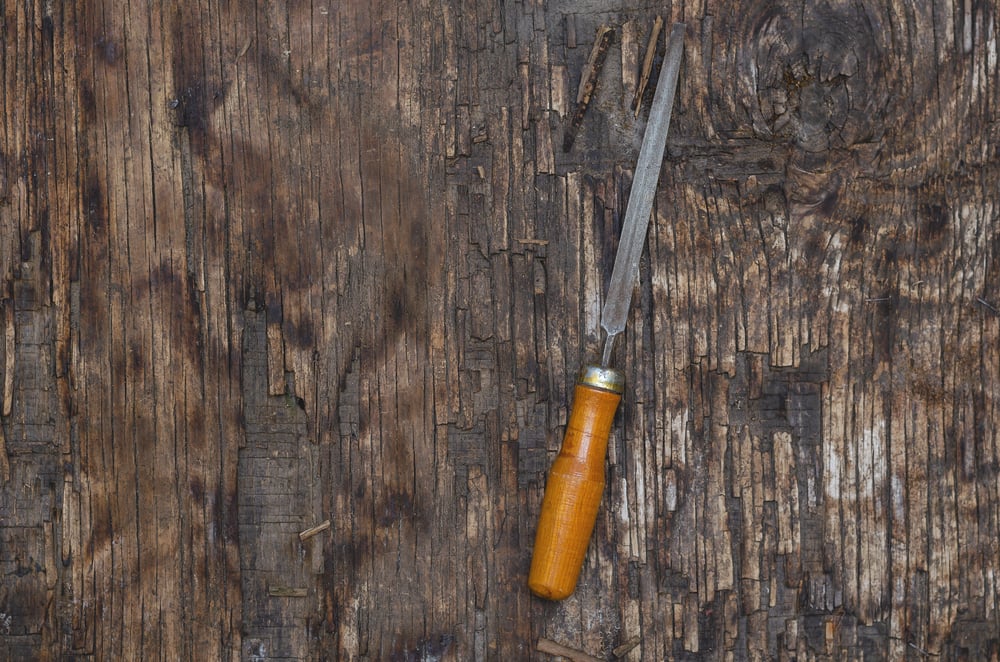
That rough section on one of the blades isn’t decorative. It’s a functional file for smoothing rough edges on metal, plastic, and wood.
Most people never use it because filing seems like specialized work. But rough burrs appear everywhere.
Metal edges after cutting, plastic flashing on new items, wooden splinters after sawing—all respond to a few strokes with the file. It won’t replace shop tools for serious filing work, but it handles quick touch-ups perfectly.
The Key Ring
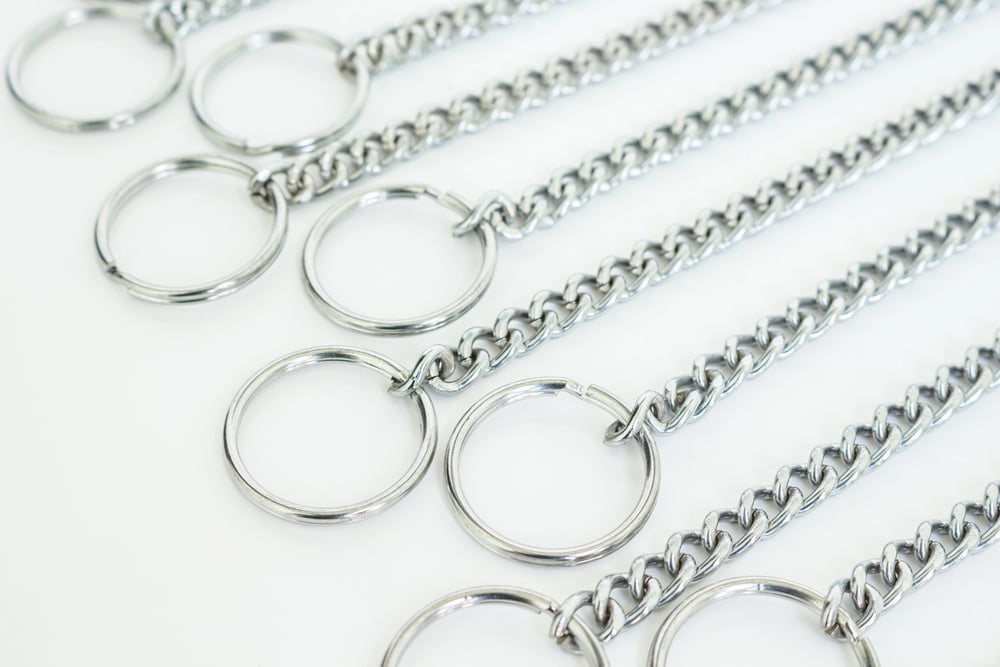
This seems obvious. You put keys on it.
But many people remove it immediately because it makes the knife bulkier in their pocket. That’s understandable, but the ring serves other purposes beyond key storage.
Attach the ring to a lanyard or carabiner for easier access. Use it as a temporary holder for small items you need to keep separate from your main keychain.
Loop string through it to create a makeshift handle for carrying the knife when your hands are full. The split ring design means it won’t come loose accidentally, which gives you options for temporary attachments.
The Magnifying Glass
This tool appears so rarely that some people own Swiss Army Knives for years without realizing their model includes one. It usually sits in a red transparent scale that looks purely decorative.
The magnification power is modest, but it works for reading small print on medication bottles, examining splinters before removal, and checking tiny components on electronics. In bright sunlight, you can even focus the lens to start fires, though that takes patience and the right conditions.
The Pliers
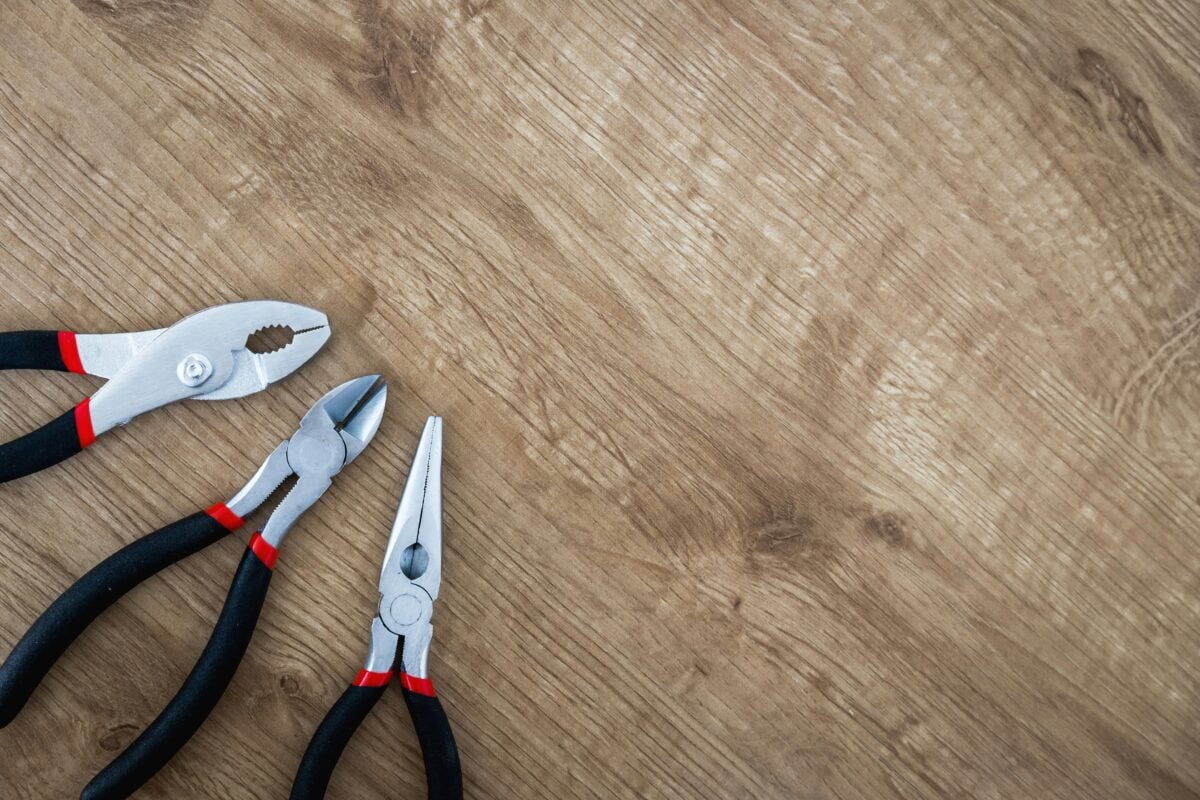
Larger Swiss Army Knife models include pliers that fold out from the center of the knife. These look substantial, but people who own them often default to using their fingers instead.
The pliers seem too complicated to deploy quickly. Once you practice opening them a few times, the speed issue disappears.
And the tool itself outperforms fingers for any job involving grip and leverage. Small fasteners, hot items that need moving, wire bending, and grip-intensive tasks all become easier.
The needle-nose design reaches into spaces that regular pliers can’t access.
The Wire Stripper
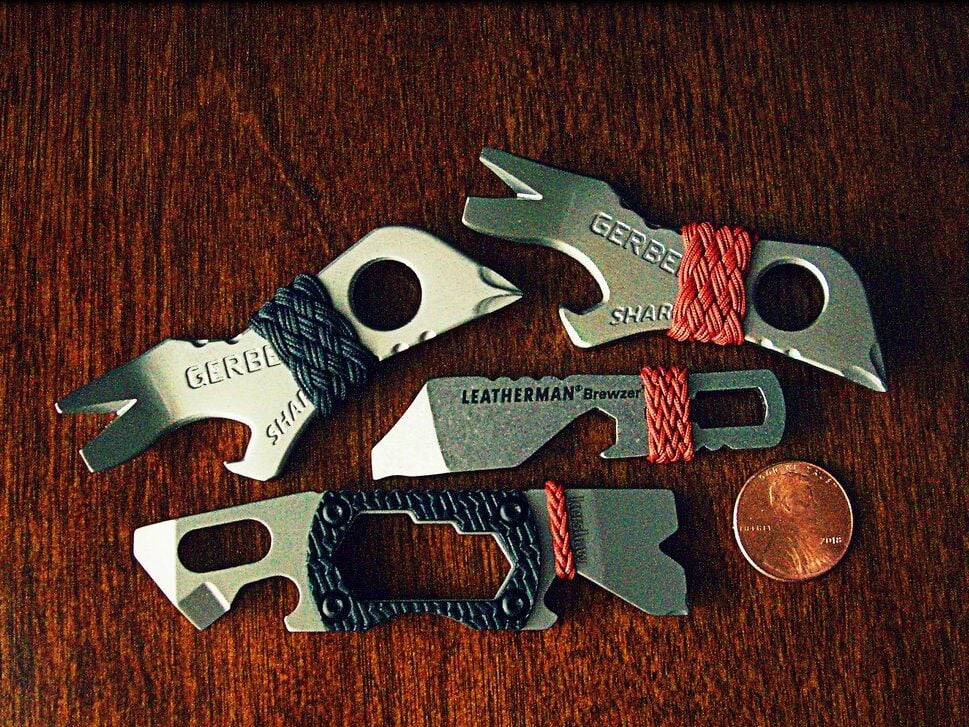
That odd notch on the pliers or in another tool location seems purposeless. It’s actually sized to grip and strip electrical wire insulation.
This specificity makes it useless most of the time, but invaluable when you need it. Home electrical work, car repairs, and electronics projects all require wire stripping.
Having the right tool prevents damaged wires and ensures proper connections. The precise sizing means you strip insulation without cutting into the conducting wires underneath.
The Pin
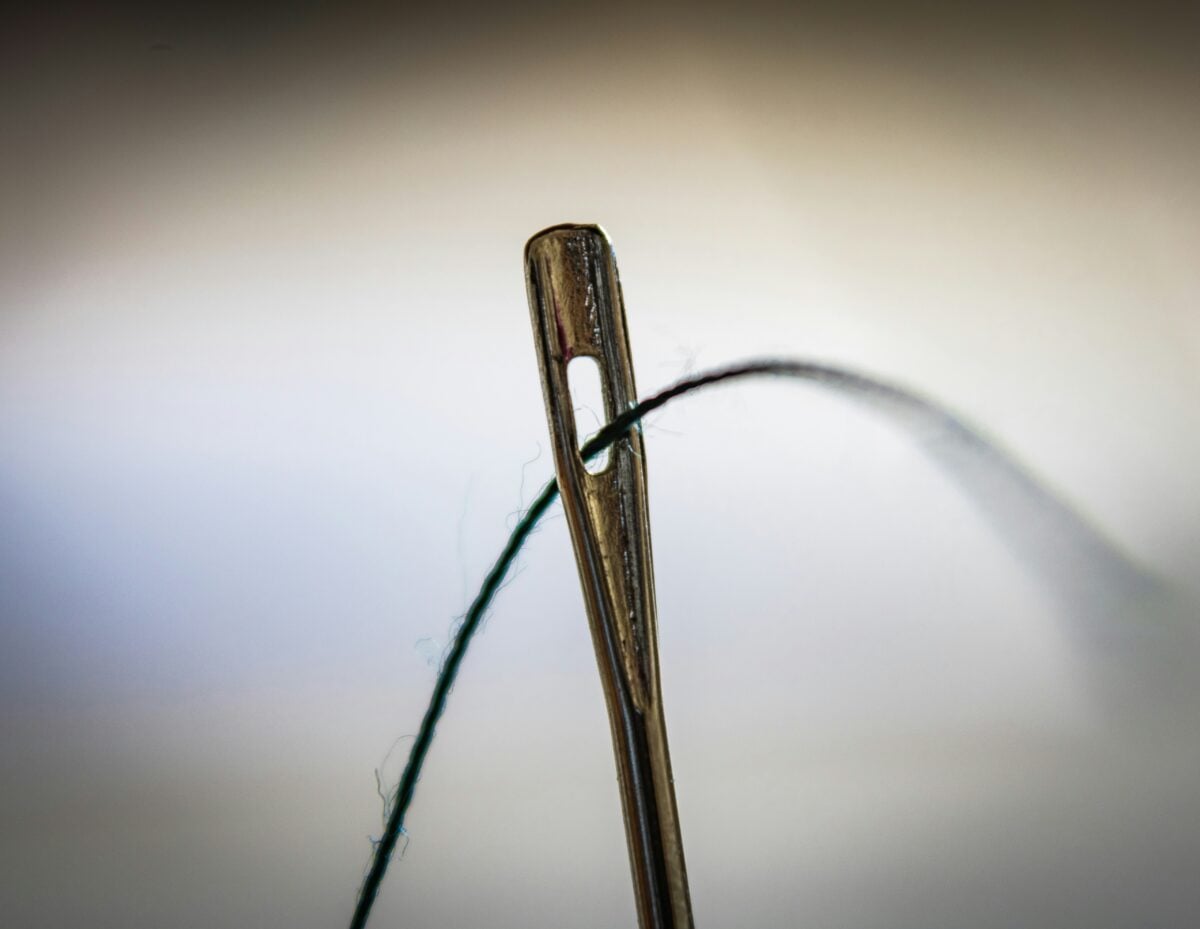
A tiny tool hides inside certain Swiss Army Knives, tucked close to where the toothpick and tweezers sit. Flush against the handle, it slips past notice unless you’re looking hard.
Shorter than a needle yet stronger, this piece pokes out just slightly when needed. A slender rod fits where thicker tools won’t reach.
When tiny openings block access, a stiff probe becomes essential. Electronics with hidden reset switches demand just such an implement.
Clogged sprayers stop working until cleared by a narrow point. Drilling starter marks for miniature screws needs rigidity and fine width.
This item provides both traits without compromise. A phone’s SIM slot often resists fingers – but yields to this spike.
Missing the proper ejector? That moment finds a solution here.
What Remains
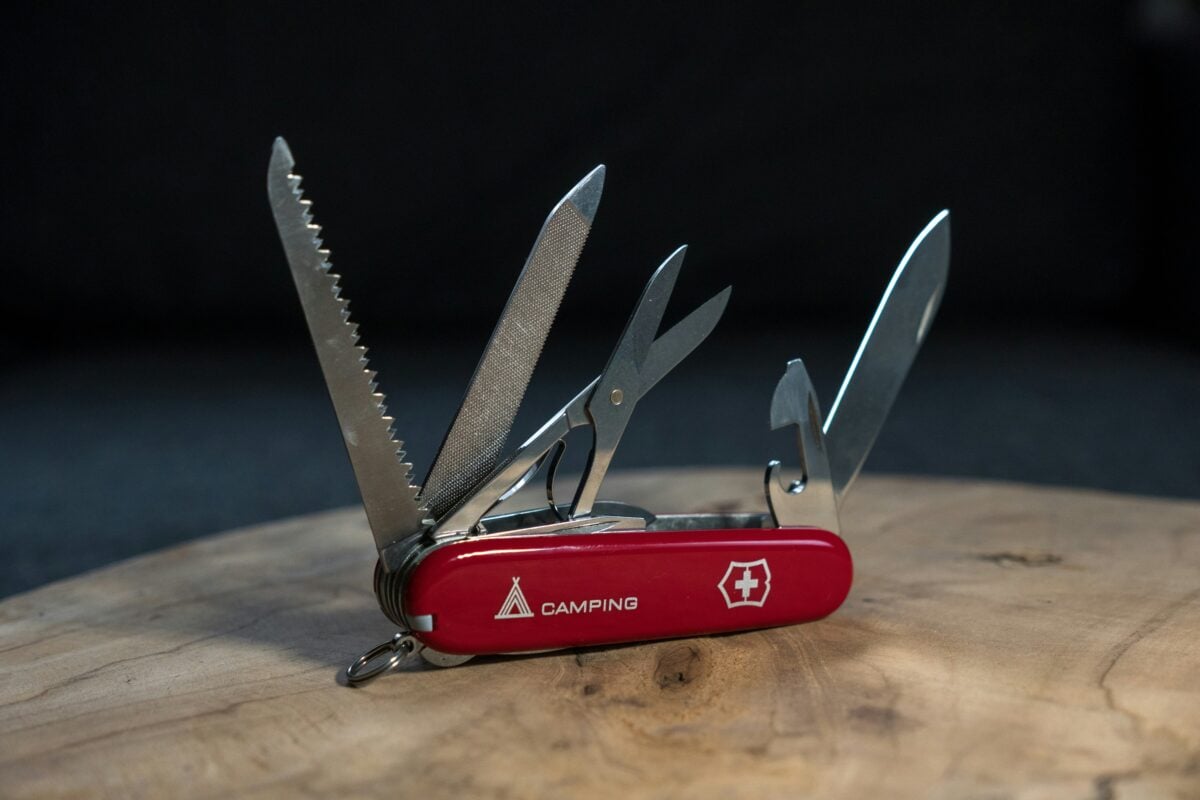
What you leave behind tells a story about what you think matters. Carrying gear for troubles that haven’t shown up yet seems pointless – until one day it isn’t.
The reason the Swiss Army Knife works lies in its quiet gamble: pack for rare moments since holding more hardly slows you down. Maybe your pocketknife holds gadgets this piece hasn’t covered.
Every version differs somehow. Golf tool scrapers show up sometimes, or blades meant for clipping cigars – odd picks built for certain jobs.
What feels useless to you could be another person’s go-to fix each morning. It’s that mix of uses keeping them around.
They shift to fit lives instead of demanding life to adjust to them.
More from Go2Tutors!

- The Romanov Crown Jewels and Their Tragic Fate
- 13 Historical Mysteries That Science Still Can’t Solve
- Famous Hoaxes That Fooled the World for Years
- 15 Child Stars with Tragic Adult Lives
- 16 Famous Jewelry Pieces in History
Like Go2Tutors’s content? Follow us on MSN.