14 Things That Were Normal for Teens in the ’70s That Would Shock Kids Today
The 1970s were a special time of independence, exploration, and quite diverse societal mores. Teenagers of today, grown in a digital environment with continuous connectedness and more safety consciousness, would probably be shocked by the daily events their peers enjoyed almost five decades ago.
Modern teenagers will find great confusion in the following list of 14 things that were absolutely typical for 1970s teenagers.
Spending Hours Without Communication

Teens in the 1970s regularly went for days without contacting their parents. They’d leave home in the morning and return by dinner with no calls or texts in between.
Parents simply expected their children to be home by a certain time and trusted them to return safely without minute-by-minute location tracking or check-in texts.
Researching in Physical Libraries

Before Google and smartphones, one physically visited libraries and navigated the card catalog system in research. Teenagers turned over encyclopedias and reference volumes for hours on school tasks.
Finding information took dedication, planning, and usually a full afternoon spent among dusty bookshelves—not instantaneously.
Paying Less Than $1 for Movie Tickets

In the middle of the 1970s, a movie ticket averaged 75 cents to $2.50, or roughly $4-13 today. Teens could afford several movie outings every month by working a part-time job for a few hours.
For teenagers in the 1970s, the idea of spending today’s $15 to 20 per ticket would have seemed shockingly costly.
Driving Without Seatbelts

Cars in the 1970s had seatbelts, but wearing them wasn’t mandatory in most states until the 1980s. Teens routinely drove around with friends piled in the back of station wagons or pickup trucks.
The casual attitude toward vehicle safety extended to children sitting in the front seat or even on an adult’s lap while driving—behaviors that would horrify parents today.
Using Actual Physical Maps
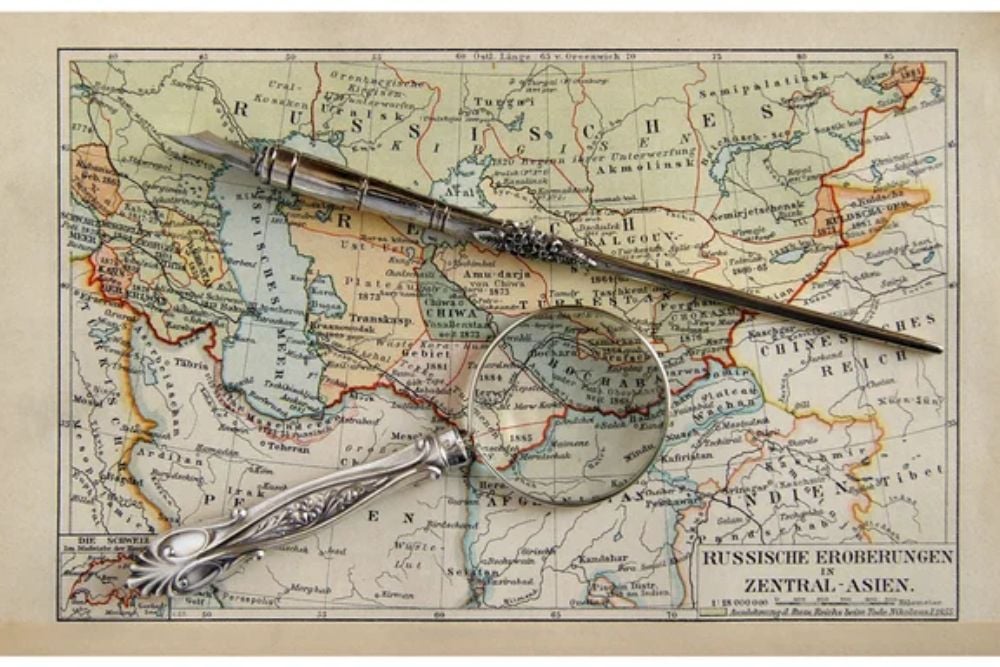
Navigating requires unfolding big paper maps across a car’s or passenger’s laphood. Before leaving the house, teens picked up reading these maps and route planning skills.
Making an incorrect turn meant pulling over and reviewing instead of waiting for GPS resolution. The teen experience of today has mostly eliminated this ability for spatial awareness and route planning.
Having Only Three TV Channels

Television options were extremely limited with most homes receiving only three major networks—ABC, CBS, and NBC—plus maybe PBS and a local channel. If nothing good was on, teens had to find something else to do.
The concept of missing a favorite show because it aired at an inconvenient time would bewilder today’s teens accustomed to on-demand viewing.
Hitchhiking as Transportation

Hitching rides from strangers was a common way for teens to get around in the 1970s. Putting a thumb out on the highway was viewed as a practical transportation method rather than an extreme safety risk.
Parents often knew their teens were hitchhiking and considered it a normal part of adolescent independence.
Writing Letters to Friends

Handwritten letters arriving days or weeks later helped to preserve long-distance friendships. Teenagers would excitedly search mailboxes for replies from friends or pen pals who had moved away.
The patience needed for this delayed correspondence is quite different from the expectations for immediate messaging today.
Finding Food Without Online Reviews

Discovering new restaurants happened through word of mouth or simply walking in because a place looked interesting. Teens would try local diners and hangouts without checking ratings or scrolling through food photos first.
The spontaneity of these dining decisions—with no advance research—would feel oddly risky to today’s review-dependent teenagers.
Memorizing Phone Numbers

Every teenager had dozens of phone numbers committed to memory. Calling friends meant dialing from memory or consulting a physical address book.
The mental exercise of retaining these important numbers—a skill virtually extinct in the smartphone era—was simply part of maintaining a social life in the 1970s.
Being Completely Unreachable

Once a teen left home, they were truly unreachable until they returned or found a pay phone. This created genuine independence and privacy that today’s constantly connected teens might find both liberating and anxiety-inducing.
Parents couldn’t check in during a date, and friends couldn’t interrupt important family moments with text messages.
Taking Photos Without Seeing Results

Photography requires purchasing film, carefully taking 24 or 36 shots, and waiting days for development to see if any pictures turn out well. Teens saved their photography for truly special moments rather than documenting everyday life.
The inability to delete, filter, or immediately share photos made photography a more deliberate, less casual activity.
Handling Significant Responsibility Young

Many 1970s teens had serious jobs and responsibilities by 16. They operated dangerous farm equipment, worked late night shifts alone, and managed significant tasks with minimal supervision.
A 16-year-old might be trusted to close a store, make bank deposits, or handle expensive equipment—responsibilities rarely given to modern teenagers.
Learning to Fly Solo Young

By their mid-teens, many 1970s adolescents were expected to navigate adult situations independently. They scheduled their own doctor appointments, handled employment paperwork, and solved problems without parental intervention.
This expectation of self-sufficiency created a different relationship with authority figures—teens spoke directly to teachers, coaches, and employers without parents mediating these interactions.
Different Times, Different Freedoms

The contrast between teen life then and now reveals how dramatically our concept of adolescence has evolved. While today’s teens have unprecedented access to information and global connectivity, they’ve exchanged certain freedoms and responsibilities that were commonplace in the 1970s.
Both eras offered unique advantages and challenges that shaped very different teenage experiences.
More from Go2Tutors!

- The Romanov Crown Jewels and Their Tragic Fate
- 13 Historical Mysteries That Science Still Can’t Solve
- Famous Hoaxes That Fooled the World for Years
- 15 Child Stars with Tragic Adult Lives
- 16 Famous Jewelry Pieces in History
Like Go2Tutors’s content? Follow us on MSN.