20 Signs You Are a Visual Learner
Learning works differently for each person. While some pick things up faster by hearing them, others get it from doing stuff themselves – yet plenty rely on what their eyes catch. Those who learn visually make sense of life using shapes, colors, or how things are laid out.
Names might slip away, but they’ll recall a face no problem; thoughts show up like snapshots instead of sentences. You’ll spot them sketching little drawings when someone’s talking.
Knowing what works for your mind lets you use it better. These signs often show up in folks who learn best by seeing things.
Studies say tailoring lessons to how you like to learn might not boost results – but knowing yourself can guide you toward ways of studying that click easier. When this feels relatable, chances are you think in pictures.
You Remember Faces but Forget Names

Meeting someone new means storing two pieces of information—what they look like and what they’re called. For visual learners, the face sticks immediately.
You can recall exactly what someone wore, how they styled their hair, or where they were standing. But their name? Gone within seconds of the introduction.
This happens because your brain prioritizes visual data over verbal information.
Directions Make Sense When You See a Map

Someone can give you turn-by-turn instructions and you’ll forget them before leaving the driveway. But show you a map and the route becomes clear instantly.
Visual learners grasp spatial relationships through images. You can picture the path in your mind, see where roads intersect, and remember landmarks along the way.
GPS apps with visual displays work better for you than voice-only directions.
You Doodle While Listening

During phone conversations, meetings, or lectures, your hand starts moving across paper. The doodles aren’t always related to what you’re hearing—sometimes they’re patterns, shapes, or random sketches.
This isn’t a distraction. For visual learners, drawing helps maintain focus.
The act of creating images keeps your visual processing engaged while you absorb auditory information.
Color-Coding Helps You Stay Organized

Your notes, files, and calendar probably use multiple colors. Different subjects get different highlighter shades.
Important tasks appear in one color, deadlines in another. This system isn’t just aesthetic—it’s functional.
Colors create visual categories that your brain can process faster than text labels. You can scan a page and immediately know what’s important based on color alone.
Written Instructions Work Better Than Verbal Ones

Someone explains how to use new software and you nod along, but the information doesn’t stick. Give you a written guide with screenshots and everything clicks.
Visual learners need to see steps laid out in sequence. Reading instructions lets you process at your own pace, refer back to specific points, and create mental images of each action.
You Think in Pictures

When planning your day, solving problems, or remembering past events, your thoughts appear as images rather than words. You see yourself completing tasks, visualize potential outcomes, and replay memories like short films.
This image-based thinking means you often struggle to put complex ideas into words even when you understand them perfectly in your mind.
Charts and Graphs Click Immediately

Numbers in a spreadsheet blur together. The same data displayed in a bar chart or pie graph makes perfect sense.
Visual learners extract meaning from visual representations faster than raw data. Trends become obvious, comparisons appear clear, and patterns emerge that would take much longer to spot in text or numerical form.
You Need to See Words Spelled Out
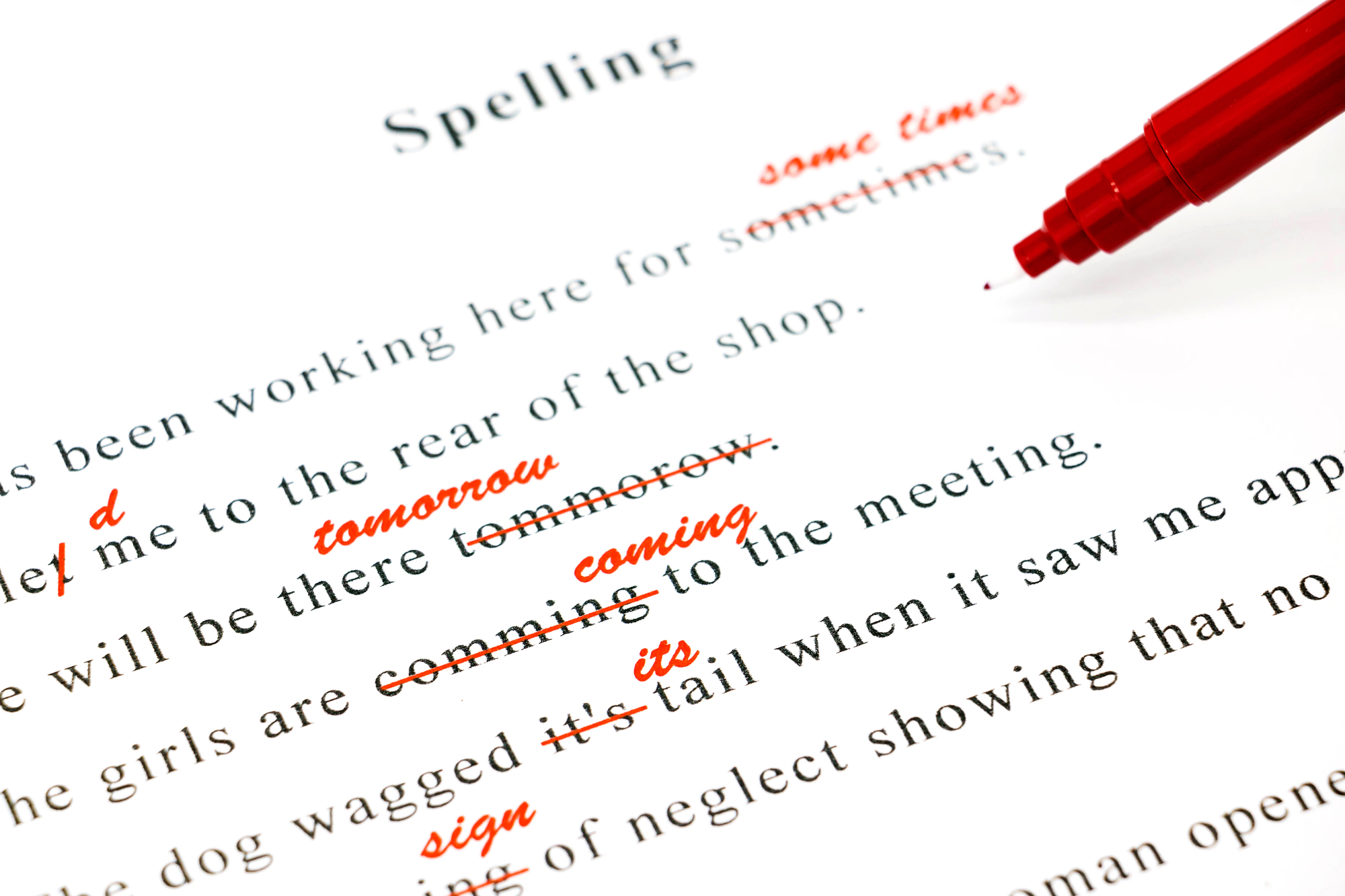
Hearing a word isn’t enough to remember its spelling. You need to see it written down.
When learning vocabulary or someone’s name, you might ask them to write it or spell it aloud so you can visualize the letters. This applies to phone numbers too—you remember them better when you see the digits rather than just hearing them.
Messy Spaces Stress You Out

Visual clutter creates mental clutter. When your environment looks chaotic, your thinking feels chaotic.
Clean, organized spaces help you concentrate because they reduce visual noise. This isn’t just preference—cluttered surroundings genuinely impair your ability to focus and process information.
You Notice Design Details Others Miss

The font choice on a sign, the color scheme in a room, the composition of a photograph—these details jump out at you. People might call you particular or detail-oriented, but you’re simply processing visual information that others overlook.
Good design appeals to you, and bad design actively bothers you.
Gestures Matter When You Talk

Your hands move constantly during conversations. You draw shapes in the air, point to emphasize locations, and use spatial gestures to explain concepts.
These movements aren’t random—they’re external representations of the images in your mind. You’re literally showing people what you’re thinking.
Reading Comes Naturally

Books appeal to visual learners because words create images. Each sentence builds a scene in your mind.
Strong readers with visual learning styles often report “watching” the story unfold like a movie. Descriptive writing especially engages you because it provides clear visual information to process.
You Remember Where Information Appears on a Page

During tests, you can picture where an answer appeared in your notes—top left corner, middle of the page, next to a diagram. The spatial location of information helps you recall it. This applies to websites too.
You remember where buttons and links live based on their position rather than their labels.
Presentations Need Visual Aids

Listening to someone talk without slides, diagrams, or demonstrations feels incomplete. You want to see what they’re describing.
PowerPoint presentations, whiteboards, or physical props help you follow along and retain information. Text-heavy slides work better than none at all, but images and diagrams work best.
You Learn New Skills by Watching

Reading about how to do something helps a bit. Watching someone demonstrate makes everything clear.
Whether it’s cooking, using software, or fixing equipment, you learn fastest through observation. Video tutorials appeal to you more than written guides, and in-person demonstrations beat both.
You Mentally Organize Information Spatially

Your brain arranges concepts in imaginary spaces. Related ideas cluster together in mental file folders.
Complex topics spread out like mind maps. When explaining something complicated, you might sketch it out because that matches how you’ve already organized the information internally.
Handwriting Matters for Memory
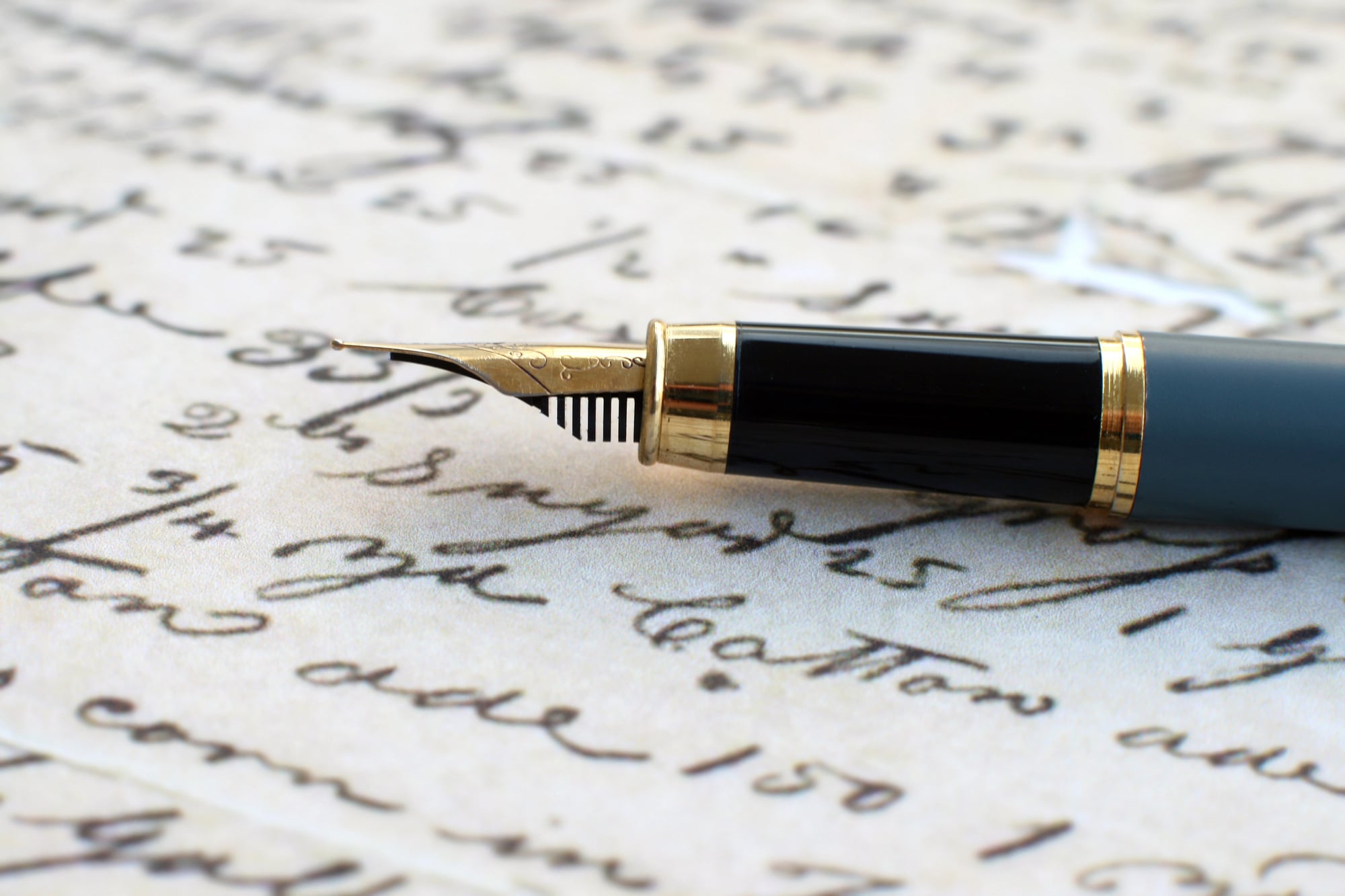
Typing notes doesn’t help you remember them as well as writing by hand. The visual process of forming letters, seeing words appear on paper, and creating a physical document all reinforce memory.
Your handwritten notes might look messy, but the act of writing them helps information stick.
You Judge Books by Their Covers

The appearance of a book, website, or document influences whether you engage with it. Professional formatting makes content seem more credible.
Poor visual design makes you question the quality of the information. This isn’t shallow—your brain uses visual cues to assess whether something deserves attention.
You Visualize Success Before Acting
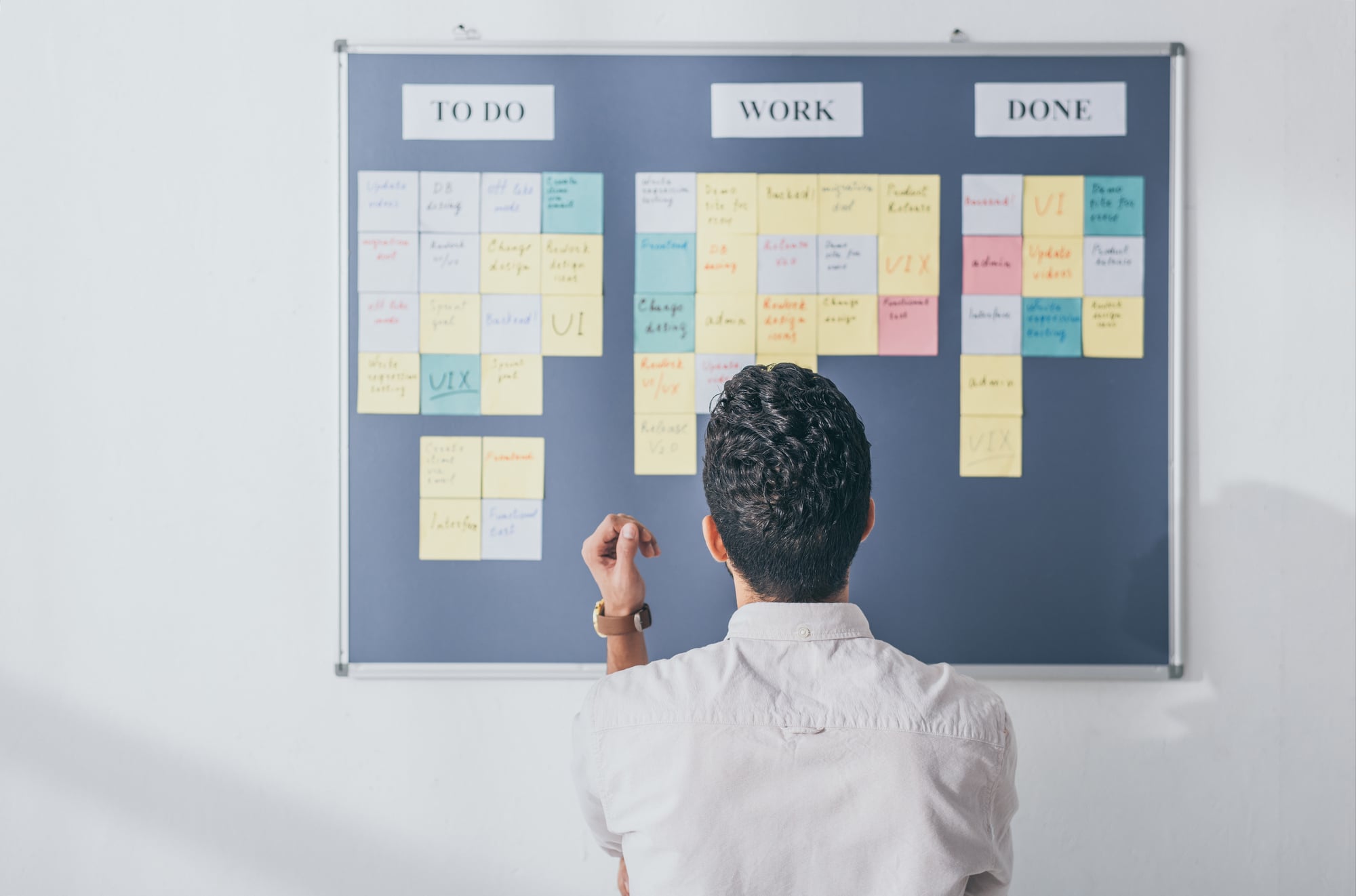
Before important tasks or conversations, you run through them visually. You see yourself giving the presentation, imagine the meeting going well, or picture completing the project.
This mental rehearsal isn’t just motivation—it’s how you prepare. Creating visual expectations helps you perform better.
You Prefer Demonstrations Over Explanations

Someone can tell you about a new restaurant, but showing you photos makes you interested. Describing a product matters less than seeing images of it.
Demonstrations convince you where descriptions don’t. Your decision-making relies heavily on visual evidence rather than verbal claims.
Learning Through Pictures

Visual tastes aren’t superior or weaker compared to other thinking styles – just unique. Studies suggest people gain more when lessons mix various approaches, while sticking solely to your favorite method won’t improve results much.
Yet noticing how you tend to learn might guide you toward picks that fit your way.If you’ve got something key to recall, tossing in visuals usually does the trick.
Struggling with an idea? Try hunting down sketches or drawing one yourself – it sharpens things up. Picking between sound clips or images? Go for whichever grabs your attention better; it’ll hold you longer.
Lots of folks mix ways they learn, so blending techniques works best – even if you lean toward just one. Knowing how your mind sorts stuff out cuts down stress while studying, though sticking solely to your favorite way won’t fix everything.
More from Go2Tutors!

- The Romanov Crown Jewels and Their Tragic Fate
- 13 Historical Mysteries That Science Still Can’t Solve
- Famous Hoaxes That Fooled the World for Years
- 15 Child Stars with Tragic Adult Lives
- 16 Famous Jewelry Pieces in History
Like Go2Tutors’s content? Follow us on MSN.



