15 Banned IQ Questions From the Past
Intelligence testing has a complicated history filled with cultural assumptions, outdated thinking, and questions that seem downright bizarre by today’s standards. Over the decades, psychologists and test creators have had to remove countless questions that were either culturally biased, factually incorrect, or simply inappropriate for measuring genuine intelligence. These retired questions offer a fascinating glimpse into how society’s understanding of intelligence has evolved.
Here is a list of 15 banned IQ questions from the past that reveal just how much our testing methods have changed.
The Baseball Diamond Question

One classic question asked test-takers to identify the number of bases on a baseball diamond. This seemed reasonable to American test creators, but it completely stumped people from other countries or cultures where baseball wasn’t popular, highlighting how specific cultural knowledge can unfairly influence results.
The question measured cultural knowledge rather than cognitive ability, making it unfair for anyone who hadn’t grown up around America’s pastime.
Name Three Kinds of Fabric

Early IQ tests often included questions about household items and materials that were considered ‘common knowledge.’ This particular question asked people to list different types of fabric, assuming everyone had the same exposure to textiles and sewing, which was a flawed assumption given diverse economic and cultural backgrounds.
The problem was obvious—people from different economic backgrounds or cultures might know completely different fabrics, making this more of a lifestyle quiz than an intelligence test.
Like Go2Tutors’s content? Follow us on MSN.
What Should You Do if You Find Someone’s Wallet?

This moral reasoning question tried to assess judgment, but it came loaded with cultural assumptions about proper behavior. What’s considered the “right” action for lost property can vary significantly across different societies, demonstrating the challenge of creating universally fair ethical scenarios.
Different societies have varying approaches to handling lost property, and what seems like the ‘right’ answer in one culture might be completely wrong in another.
How Many Legs Does a Spider Have?

While this might seem like basic biology, this question was eventually removed because it tested specific factual knowledge rather than reasoning ability. Someone could be brilliant at problem-solving but simply never learned this particular fact about spiders, underscoring the shift towards assessing cognitive processes over rote memorization.
Modern IQ tests focus more on pattern recognition and logical thinking rather than memorized information.
What Month Comes After March?

Calendar questions like this one were dropped because they assumed everyone used the same calendar system and had formal education about months and seasons. This question failed to account for the diverse ways different cultures organize and perceive time.
People from different cultural backgrounds might use lunar calendars or have different ways of organizing time.
Like Go2Tutors’s content? Follow us on MSN.
Complete This Series: Knife, Fork, ___

This pattern completion question expected test-takers to answer ‘spoon,’ but it completely ignored cultural differences in eating utensils. For cultures that don’t traditionally use this specific set of implements, the expected answer was not a logical pattern but a cultural expectation.
Many cultures don’t use this particular combination of tools, making the question irrelevant to their daily experience.
Name the Four Seasons

Geography and climate make this question problematic for people from tropical regions or places with different seasonal patterns. Individuals living near the equator, for instance, experience distinct wet and dry seasons, not the temperate four-season cycle often assumed by the test creators.
Someone living near the equator might experience wet and dry seasons instead of the traditional four-season cycle.
What Is the Color of Ruby?

This gemstone question was removed because it tested specialized knowledge that not everyone would encounter in their daily lives. Knowing the specific color of a ruby is often tied to certain educational or economic experiences, rather than innate cognitive ability.
A person’s intelligence shouldn’t be judged by whether they knew specific facts about precious stones.
Like Go2Tutors’s content? Follow us on MSN.
How Many Fingers Do You Have?

While this seems straightforward, the question became problematic because it could discriminate against people with physical differences or disabilities. For individuals with fewer than ten fingers due to birth conditions or injury, this question was both insensitive and an inaccurate measure of their cognitive capabilities.
Someone might have fewer than ten fingers due to injury or birth conditions, making this question both insensitive and irrelevant to measuring cognitive ability.
What Do You Use to Cut Paper?

This everyday object question assumed universal access to specific tools like scissors. In many parts of the world, people might use knives, tear paper by hand, or use completely different cutting implements, illustrating how tool familiarity is culturally specific.
The question measured cultural exposure to particular tools rather than problem-solving ability.
Name Three Types of Transportation

Transportation questions were dropped because they heavily favored people from developed areas with access to cars, trains, and planes. Someone from a remote area might know about boats, animals, or walking, but not the ‘expected’ answers like automobiles or buses, revealing a clear bias based on geographic location and economic development.
These questions created unfair advantages based on geographic location and economic development.
Like Go2Tutors’s content? Follow us on MSN.
What Time Do You Eat Dinner?

Cultural assumptions about meal timing made this question impossible to answer ‘correctly.’ Different cultures eat their main meals at vastly different times, and some don’t even have a concept that matches the American idea of dinner time, proving that such questions assess cultural norms, not intelligence.
The question revealed more about cultural background than cognitive processing.
How Many Pennies in a Dollar?

Currency questions like this one were obviously biased toward people familiar with American money systems. Someone brilliant at mathematics might struggle with this question simply because they used a different currency, demonstrating the necessity of creating currency-neutral questions for international fairness.
Intelligence tests realized they needed to be truly international to be fair and meaningful.
What Do Cows Give Us?

This farming question assumed everyone had exposure to dairy agriculture and Western food systems. Many cultures don’t consume dairy products or might think of cows primarily as work animals rather than milk producers, highlighting the cultural specificity of agricultural knowledge.
The question measured cultural knowledge about farming practices rather than reasoning ability.
Like Go2Tutors’s content? Follow us on MSN.
Complete: Hot is to Cold as Up is to ___

While analogy questions can be valuable, this particular example was removed because temperature and directional concepts aren’t universal across all languages and cultures. Some languages describe these relationships differently, making the expected answer less obvious and revealing how linguistic structures can influence understanding.
Better analogies use more universally understood relationships that don’t depend on specific cultural frameworks.
How Testing Has Transformed
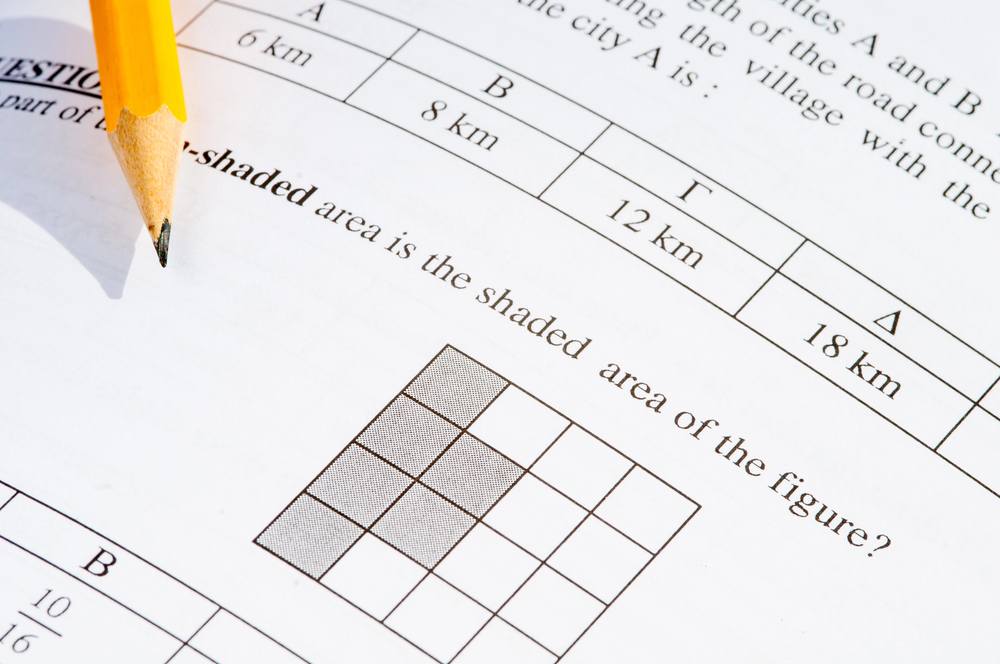
Today’s intelligence assessments focus on pattern recognition, spatial reasoning, and logical problem-solving that transcend cultural boundaries. These outdated questions serve as reminders of how biased early testing could be, often measuring privilege and cultural exposure rather than genuine cognitive ability.
The evolution toward fairer testing methods shows how psychology has grown more inclusive and scientifically rigorous. Modern IQ tests still aren’t perfect, but they’ve come a long way from asking about baseball diamonds and dinner times.
More from Go2Tutors!

- 16 Historical Figures Who Were Nothing Like You Think
- 12 Things Sold in the 80s That Are Now Illegal
- 15 VHS Tapes That Could Be Worth Thousands
- 17 Historical “What Ifs” That Would Have Changed Everything
- 18 TV Shows That Vanished Without a Finale
Like Go2Tutors’s content? Follow us on MSN.