16 Places Too Dangerous for Scientists to Enter
Scientists love exploring dangerous spots. They’ve dropped into active volcanoes, descended thousands of feet underwater, and trekked across frozen wastelands. But some places? They’re just too deadly, even for the most hardcore researchers.
These no-go zones exist for all sorts of reasons – killer radiation, psychotic wildlife, governments that shoot first and ask questions later. Here is a list of 16 places that are simply too dangerous for scientists to enter, regardless of what secrets they might hold.
Chernobyl’s Elephant’s Foot
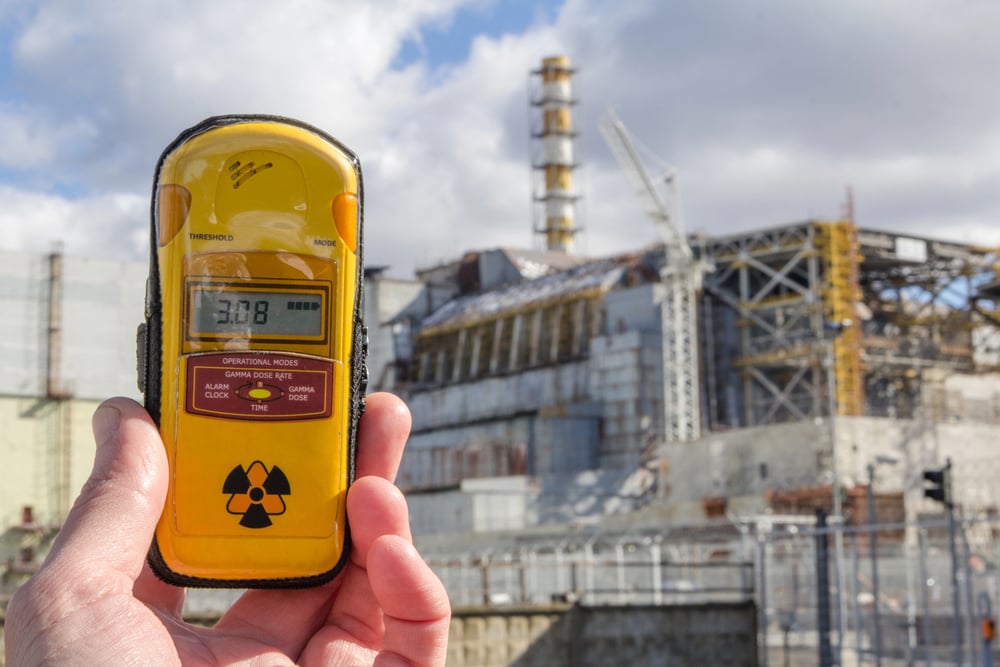
Buried in Chernobyl’s reactor basement sits a blob of radioactive nightmare fuel – melted uranium, concrete, and sand fused together during the 1986 meltdown. They call it the Elephant’s Foot because of its wrinkled shape, but getting within a few feet means you’re dead within minutes.
The radiation is so intense that even robots break down trying to study it.
Snake Island, Brazil
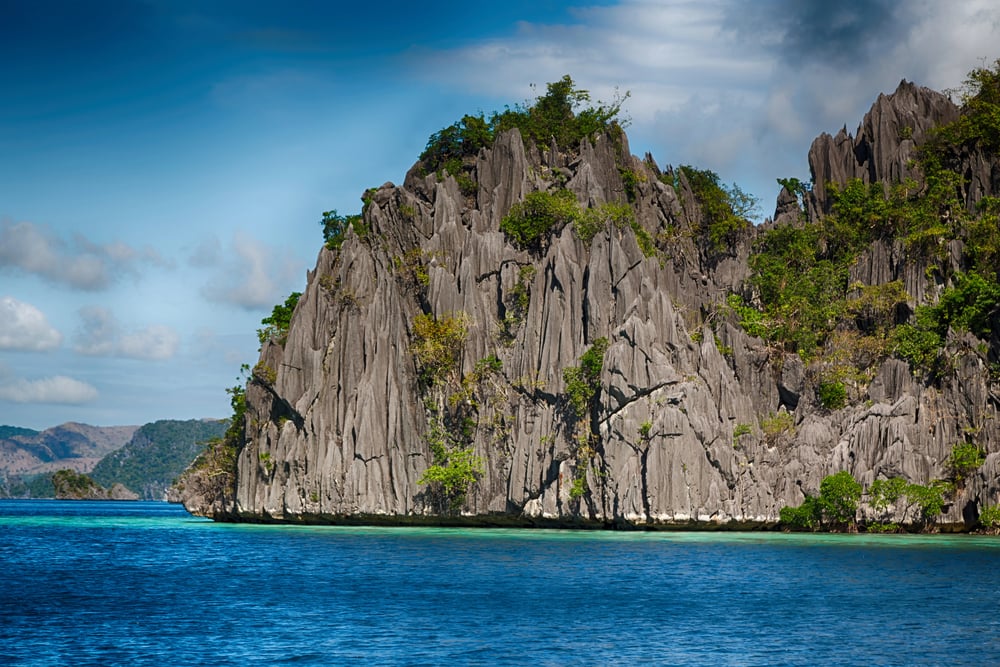
Brazil’s government banned everyone from this island for good reason – it’s crawling with golden lanceheads, some of the world’s most venomous snakes. There’s literally one snake per square meter of ground.
Try walking anywhere and you’ll step on multiple death machines with fangs. Only a handful of researchers with medical teams get permission to visit, and even then it’s sketchy.
Like Go2Tutors’s content? Follow us on MSN.
The Zone of Silence, Mexico
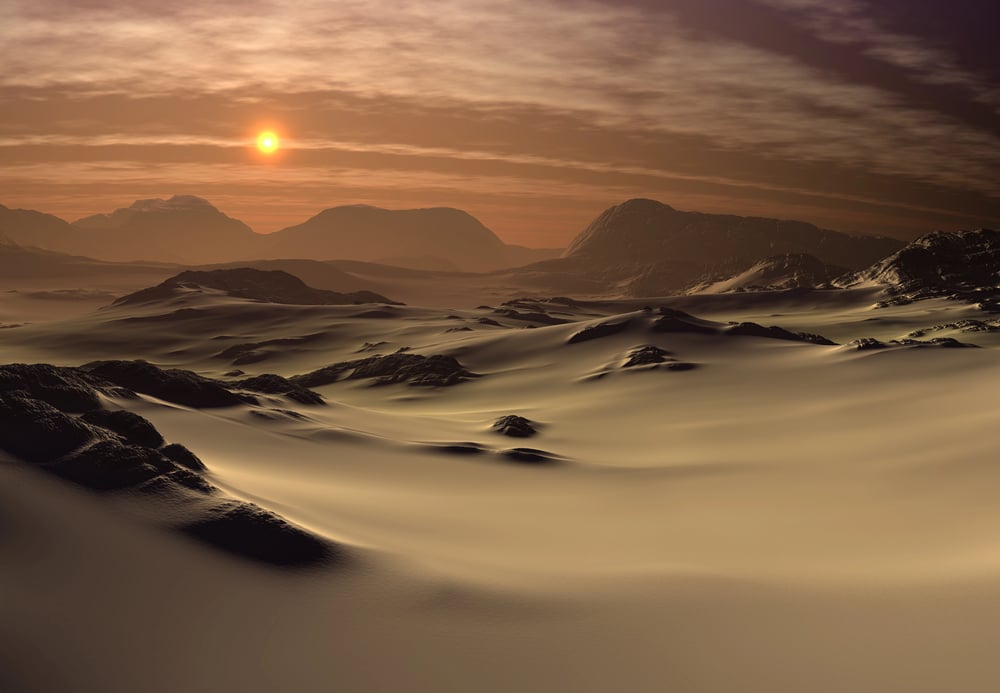
Somewhere in Mexico’s Bolsón de Mapimí desert lies a patch of land where electronics just… stop working. Radios die, compasses spin like crazy, GPS units give up entirely.
Nobody knows why this happens, and the harsh desert makes studying it nearly impossible. Equipment failures plus extreme heat equal dead scientists pretty quickly.
North Sentinel Island, India
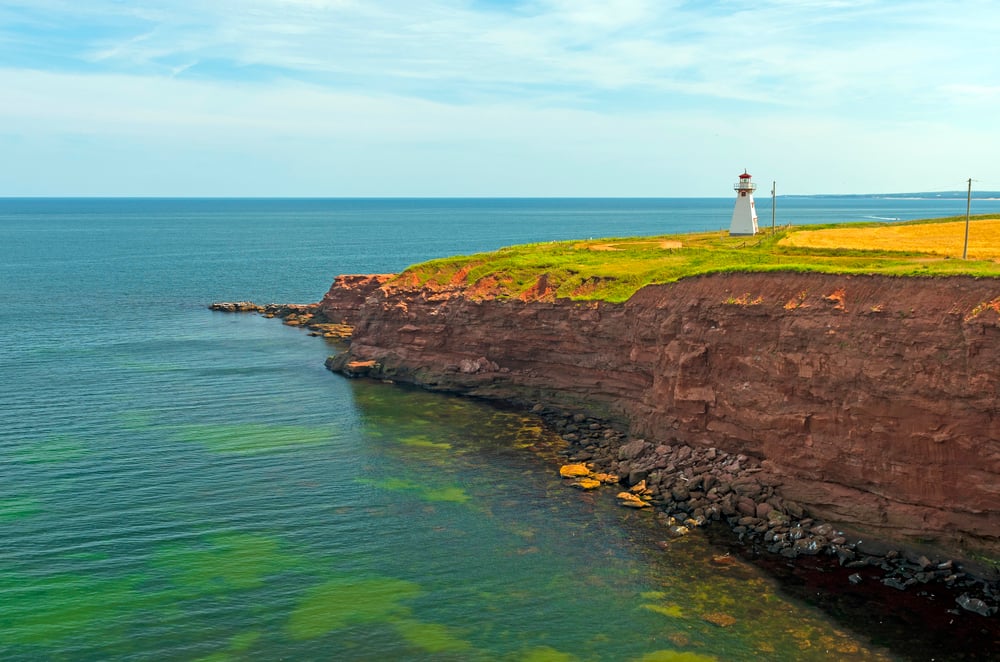
The Sentinelese tribe has been telling outsiders to buzz off for centuries – with arrows and spears. They attack anyone who gets close to their island, and the Indian government backs them up by making the whole place legally off-limits.
Anthropologists would love to study this Stone Age culture, but doing so means certain death.
Area 51, Nevada
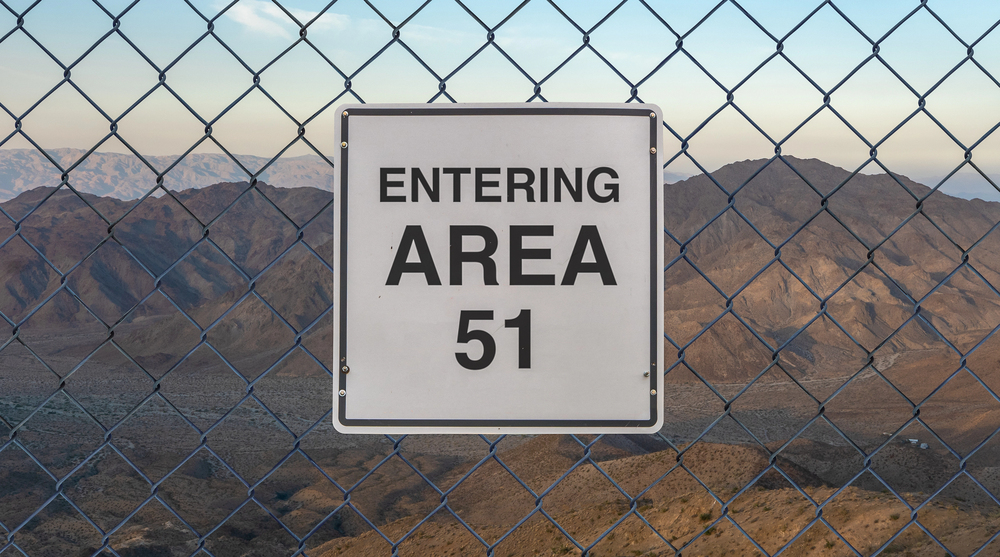
Sure, everyone knows about Area 51, but knowing and visiting are two different things. The military guards this place with shoot-to-kill orders for trespassers.
Whatever classified research happens there – alien tech, experimental aircraft, or just boring weapons testing – it stays secret because getting close enough to find out means getting shot.
Like Go2Tutors’s content? Follow us on MSN.
The Vatican Secret Archives

The Catholic Church hoards centuries of historical documents in vaults that make Fort Knox look welcoming. Independent researchers can forget about accessing these archives – the Vatican controls every scrap of paper with iron-fisted secrecy.
Historians would kill to read what’s hidden in there, but the Church isn’t sharing anytime soon.
Poveglia Island, Italy
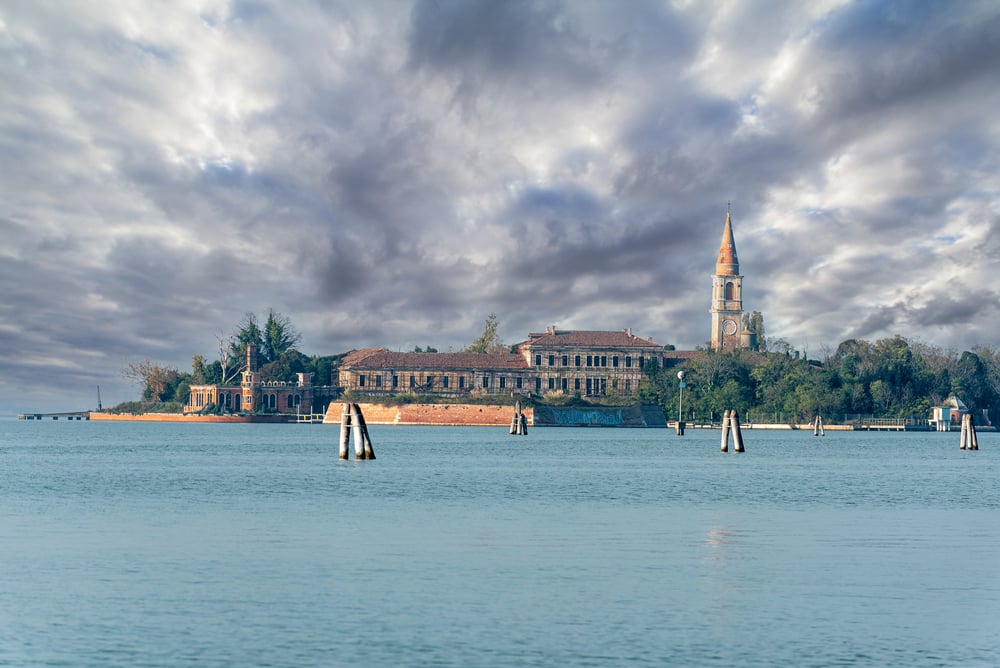
This Italian island served as a plague quarantine station and later a mental hospital where roughly 160,000 people died horribly over the centuries. The soil is deeply saturated with human remains from centuries of mass deaths and burials.
Italy keeps everyone out because the place is basically a giant toxic graveyard.
Room 39, North Korea
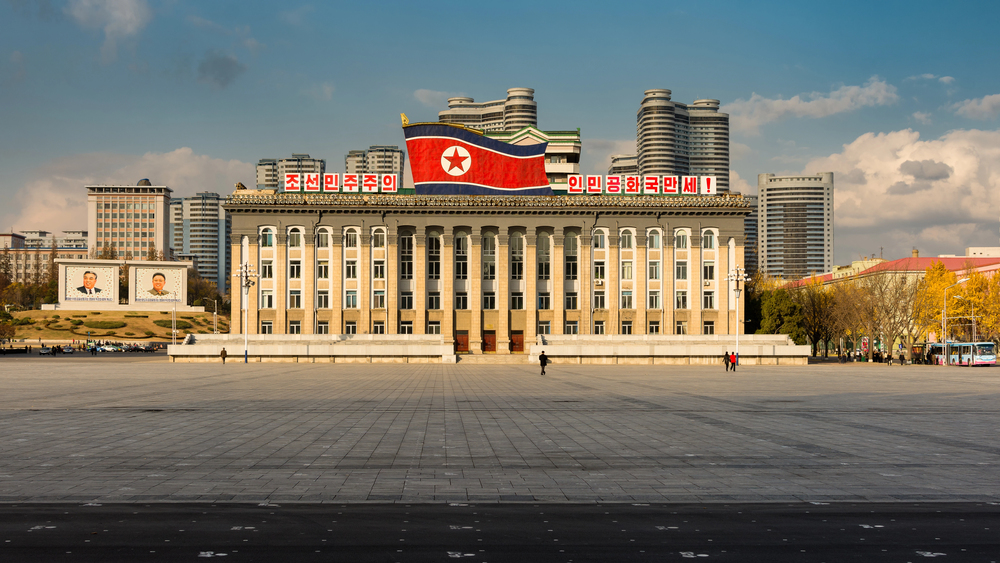
North Korea’s most secretive building supposedly coordinates their illegal money-making schemes and houses their nastiest intelligence operations. Any researcher caught snooping around would disappear permanently.
The building is so heavily monitored that satellites can barely capture useful images, let alone actual people getting inside to study it.
Like Go2Tutors’s content? Follow us on MSN.
Fukushima’s Red Forest
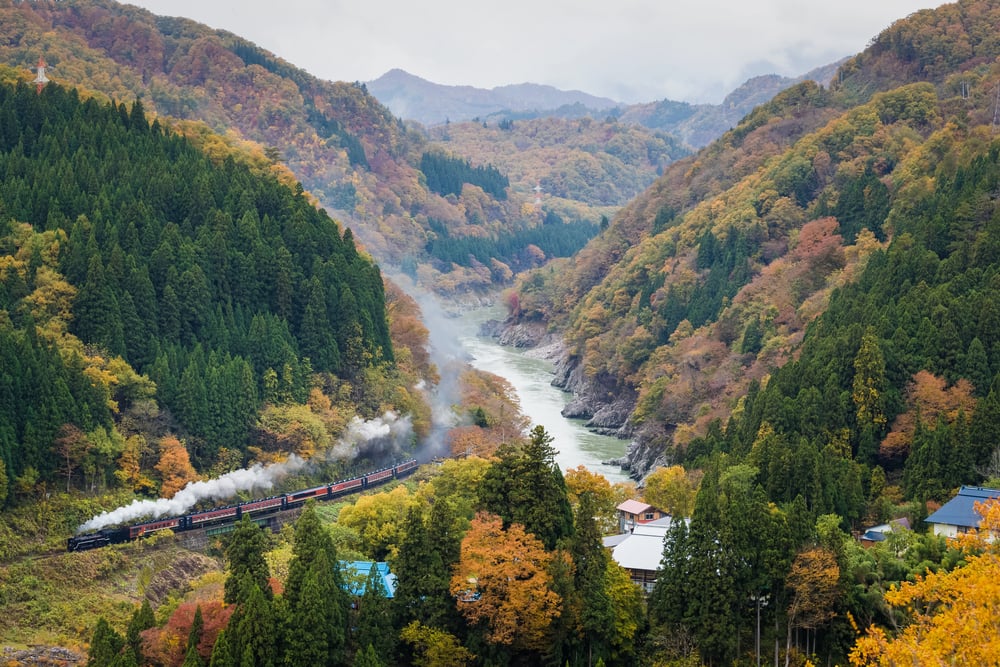
After the 2011 nuclear disaster, certain forests in Fukushima became lethally radioactive—the pine trees turned reddish-brown and died from radiation poisoning. Even in full hazmat gear, scientists can only spend a few minutes in the worst spots before risking serious health problems.
The radiation levels would cook an unprotected person within hours.
Surtsey Island, Iceland
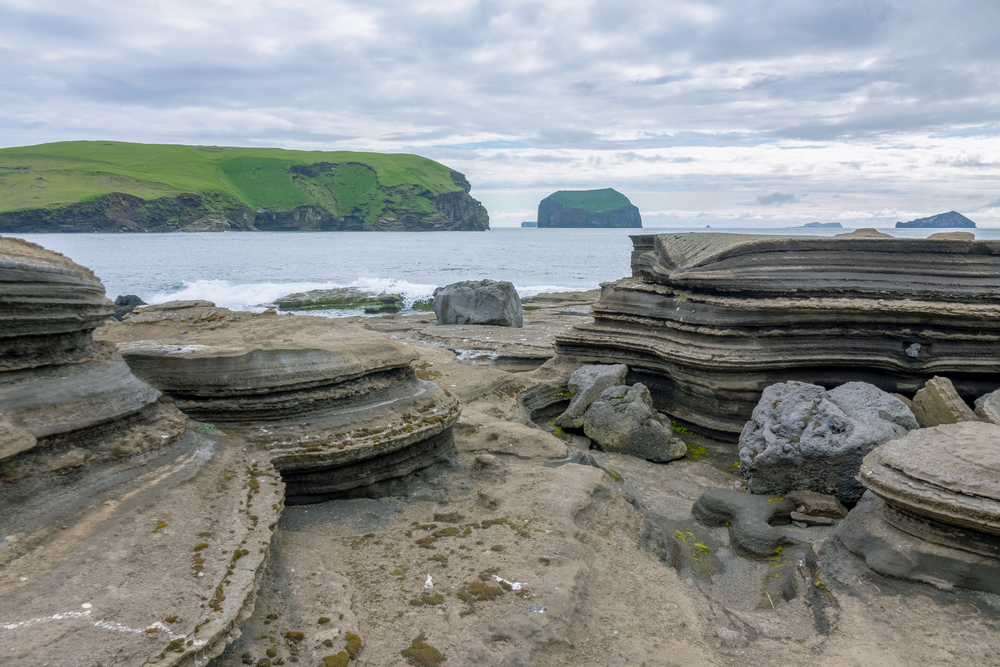
Iceland created this volcanic island in the 1960s and immediately declared it off-limits to preserve its unique ecosystem development. A few scientists get special permission occasionally, but they must sterilize everything to avoid contaminating the environment.
Plus, the volcano is still active and unpredictable – the ground could literally explode without warning.
The Paris Catacombs’ Restricted Sections
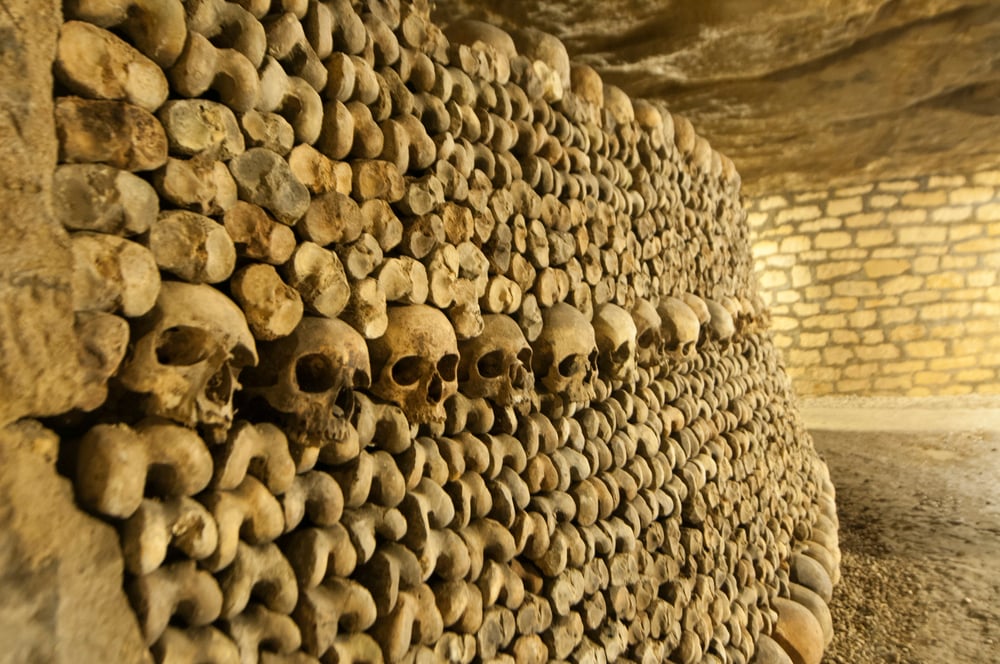
Tourist areas of the Paris Catacombs are tame compared to the forbidden sections where millions of skeletons lie arranged in mysterious patterns. These tunnels are structurally unstable and form a maze so complex that people regularly get lost and die.
Even experienced urban explorers avoid the restricted areas because tunnel collapses happen frequently.
Like Go2Tutors’s content? Follow us on MSN.
Diego Garcia, British Indian Ocean Territory
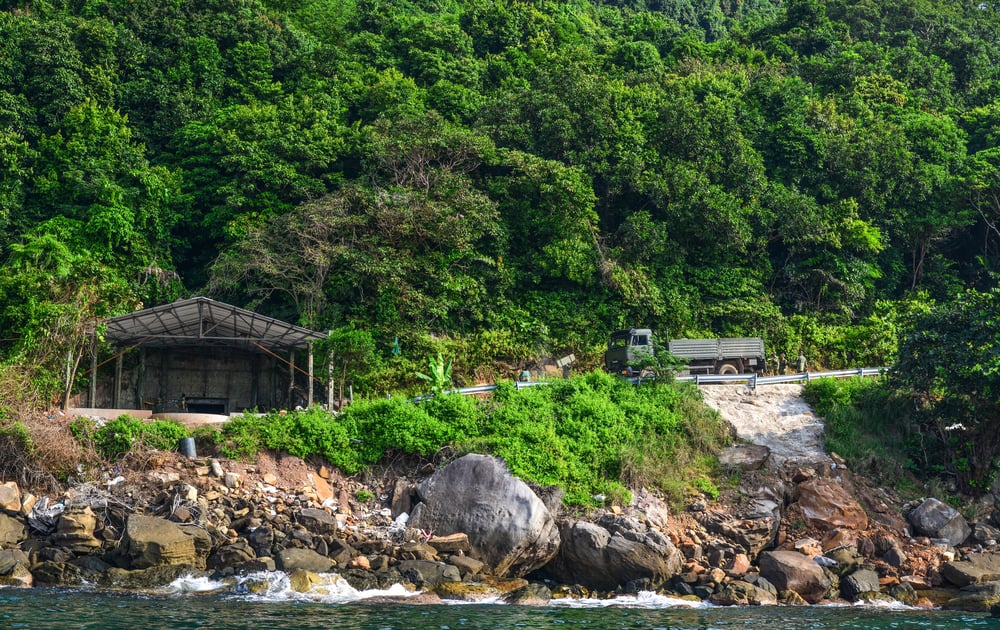
This joint British-American military base sits on a strategically important island that civilians can’t visit, period. The unique ecology and potential archaeological sites remain completely unstudied because the military won’t allow researchers anywhere near the place.
Unauthorized boats get intercepted and their crews detained immediately.
Lascaux Cave, France
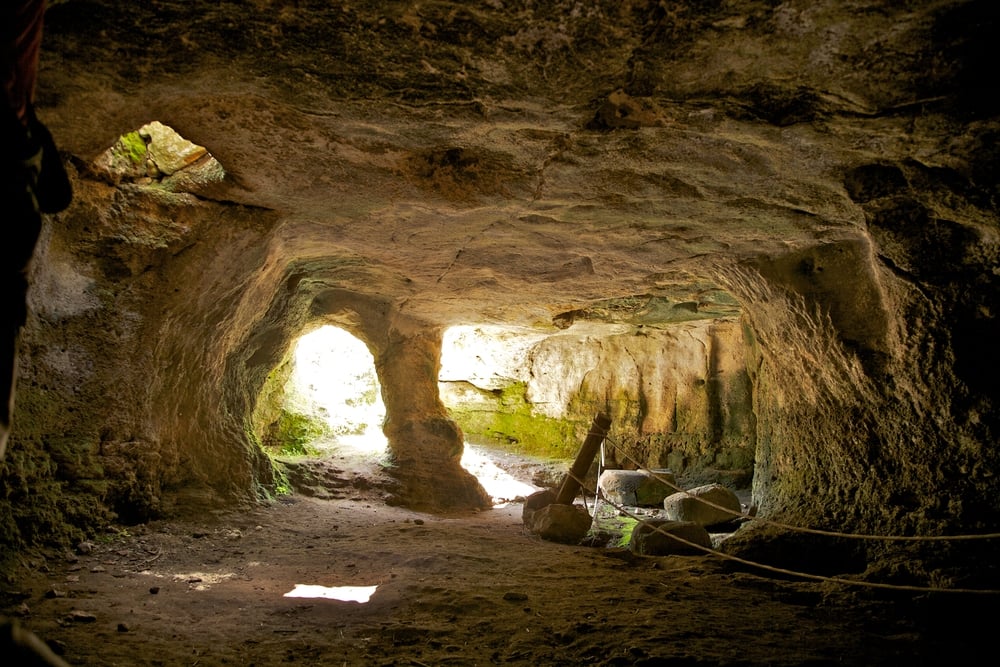
France sealed these famous prehistoric caves because human breath and body heat were destroying the ancient paintings. Scientists get banned along with everyone else – the artwork is too precious to risk any damage from research activities.
The cave’s ecosystem is so delicate that even tiny changes in temperature or humidity cause irreversible harm.
Mayak Nuclear Facility, Russia
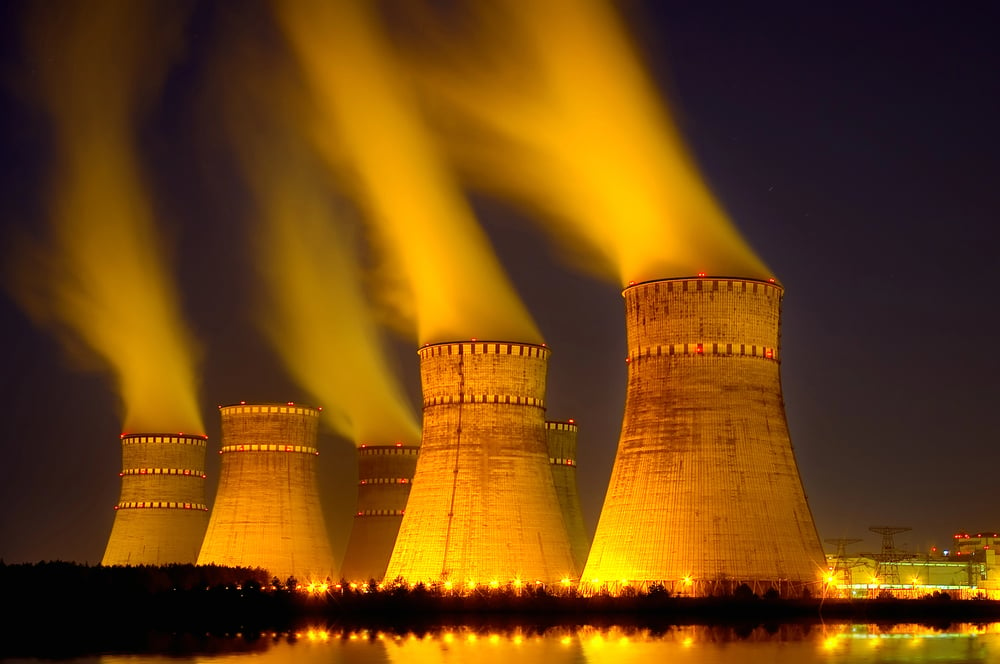
Russia’s nuclear waste dump makes Chernobyl look like a safe vacation spot. Decades of accidents have contaminated the area with radioactive materials so concentrated that exposure means instant death.
Scientists studying this facility would face radiation levels that are immediately fatal, making any research completely impossible.
Like Go2Tutors’s content? Follow us on MSN.
The Mariana Trench’s Deepest Points
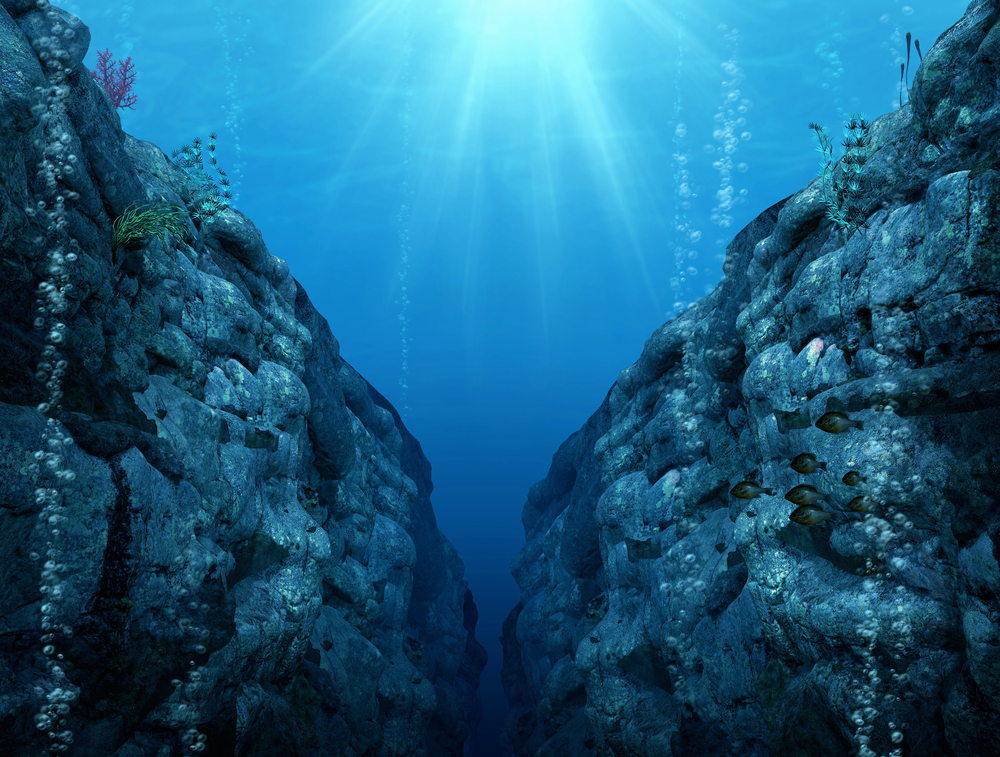
While some parts of the trench have been explored, the deepest sections crush anything that tries to reach them. Water pressure down there exceeds 1,000 times what we experience at sea level.
Current submersibles would be flattened like tin cans long before reaching the bottom, making human exploration physically impossible.
Mount Washington’s Death Zone
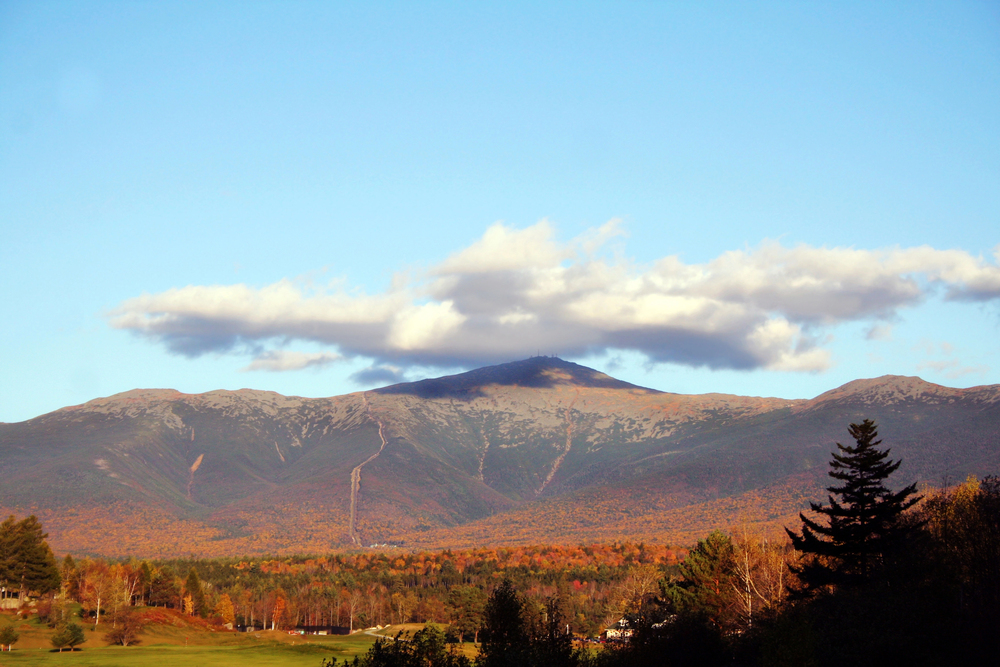
New Hampshire’s Mount Washington turns into a killing machine during winter storms. Wind speeds hit over 200 mph while temperatures drop to -40°F with zero visibility.
Weather conditions change so fast that experienced mountaineers get trapped and freeze to death within minutes. Scientists have died trying to study the mountain’s extreme weather patterns.
When Nature and Humans Draw the Line
These forbidden places prove that human curiosity has real limits. Some locations remain off-limits because of physics, others because of politics, and many because nature itself says no.
Technology keeps advancing, but certain mysteries might stay unsolved forever – and maybe that’s for the best.
More from Go2Tutors!

- 16 Historical Figures Who Were Nothing Like You Think
- 12 Things Sold in the 80s That Are Now Illegal
- 15 VHS Tapes That Could Be Worth Thousands
- 17 Historical “What Ifs” That Would Have Changed Everything
- 18 TV Shows That Vanished Without a Finale
Like Go2Tutors’s content? Follow us on MSN.



