15 Weapons The Public Didn’t Know Actually Existed
Throughout history, military forces have developed weapons systems that push the boundaries of technology and imagination. While some experimental projects become household names, others remain hidden in classified files for decades.
From sonic weapons to nuclear-powered aircraft, these secret projects reveal just how far military innovation has ventured into seemingly impossible territory. The weapons on this list weren’t just concepts on drawing boards—they were real, funded projects that advanced far enough to build prototypes, conduct tests, or even see limited deployment.
Here is a list of 15 weapons the public didn’t know actually existed.
LRAD Sound Cannons

The Long Range Acoustic Device looks like a large speaker but packs the punch of a weapon. LRAD sound cannons can project voice commands over distances of 5.5 miles while inflicting serious pain on anyone within 330 feet of the sound path. Police departments deployed these devices during civil unrest, including the 2014 Ferguson protests, though manufacturers carefully call them ‘devices’ rather than ‘weapons’ for public relations reasons.
Fogbank Nuclear Material
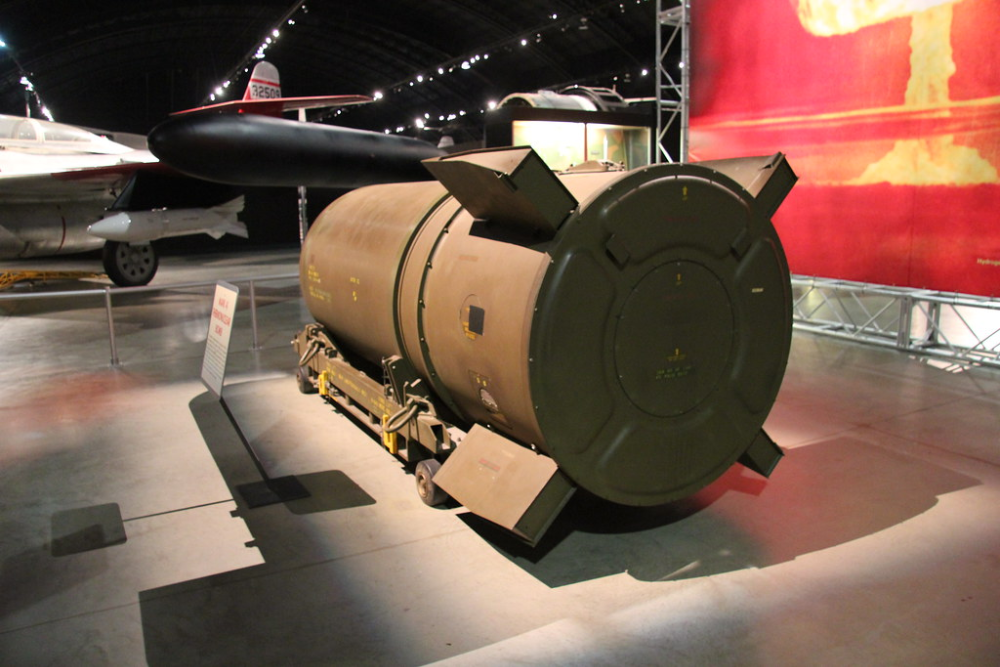
Fogbank is a secret material used in nuclear warhead production that was so highly classified, details of the manufacturing process were completely lost. When fresh batches were needed to refurbish old warheads, the U.S. National Nuclear Security Administration had to spend enormous amounts of time and money rediscovering how to make it.
Arms experts believe it’s an aerogel material designed to become superheated plasma during detonation.
Like Go2Tutors’s content? Follow us on MSN.
Project Pigeon
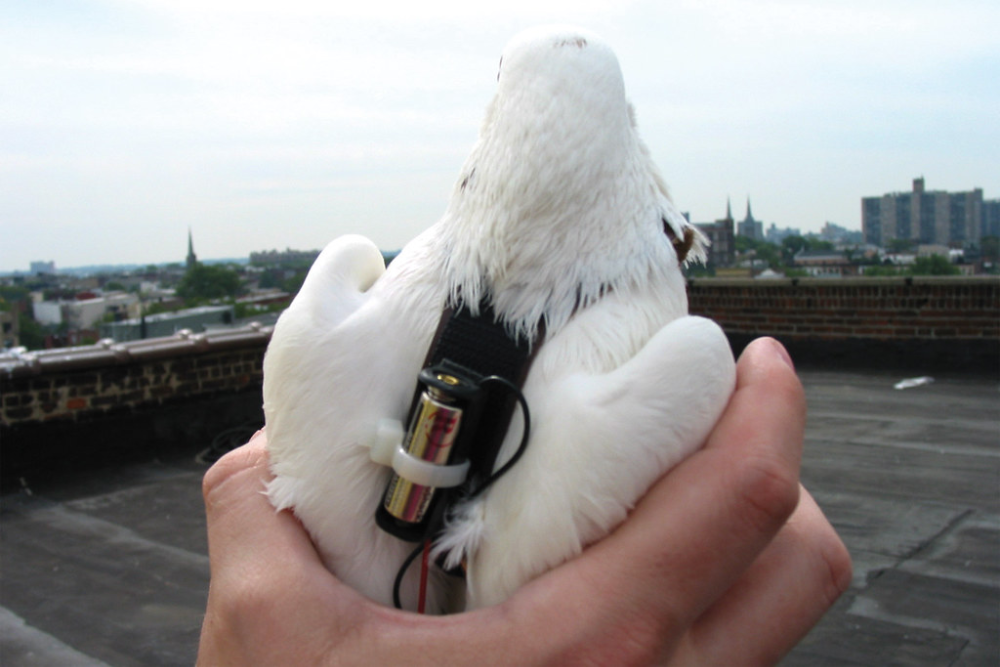
During World War II, behavioral psychologist B.F. Skinner developed a guidance system using live pigeons to steer bombs toward targets. While research on Project Pigeon advanced enough to construct at least one pigeon-guided bomb, the technology never saw battlefield use.
Military authorities canceled the project in October 1944, citing other priorities, though the Navy briefly revived it four years later.
Radioactive Poison Weapons
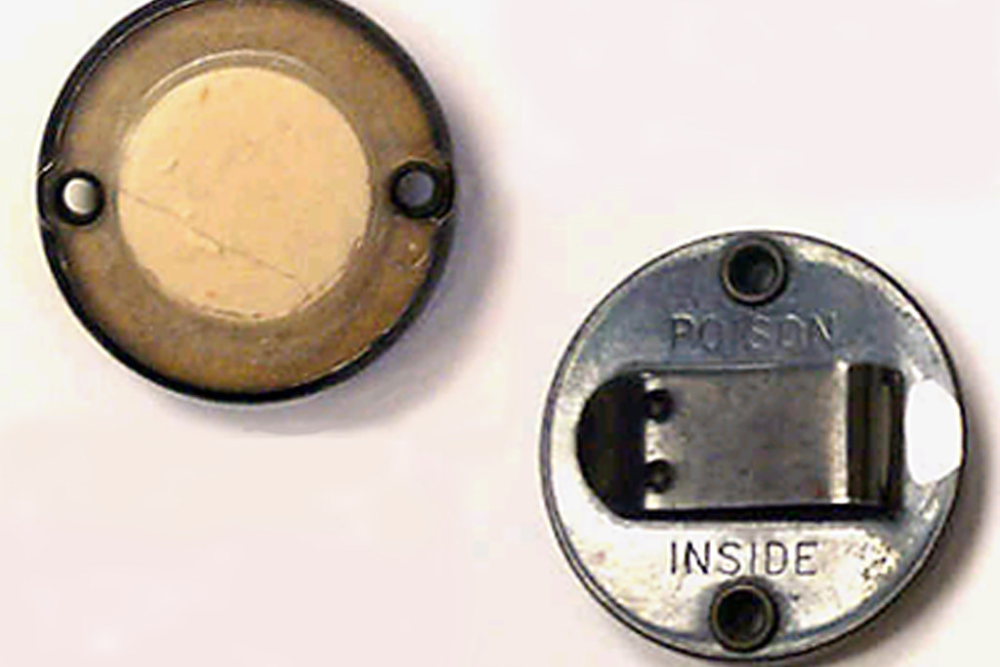
The U.S. Army explored using radioactive poisons to eliminate ‘important individuals’ such as military or civilian leaders during the Cold War. Approved at the highest Army levels in 1948, this classified program sought to develop weapons for which there was ‘no means of therapy.’
The heavily censored documents provide no indication whether these weapons were ever actually used.
Ghost Army Sonic Weapons

During WWII, the U.S. created a secret unit known as the ‘Ghost Army,’ using sonic weapons to deceive and confuse enemy troops by creating the illusion of larger forces. These sound-based deception devices emitted loud, disorienting noises that could make small units appear to be massive military formations.
The technology remained so classified that it wasn’t revealed to the public until decades after the war ended.
Like Go2Tutors’s content? Follow us on MSN.
Kettering Bug
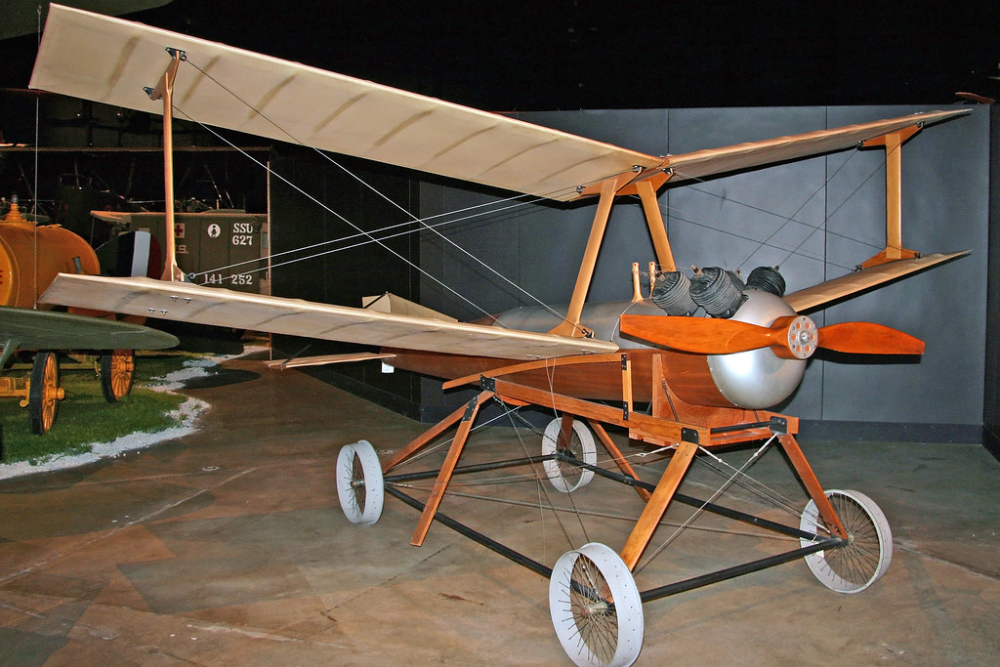
The Kettering Bug was one of the earliest attempts at creating an uncrewed aerial vehicle, designed during World War I to fly over enemy lines and release explosives. This small biplane used a preset mechanical guidance system, making it a precursor to modern cruise missiles.
The project represented cutting-edge automation technology for its era, though it never saw combat deployment.
Brilliant Pebbles
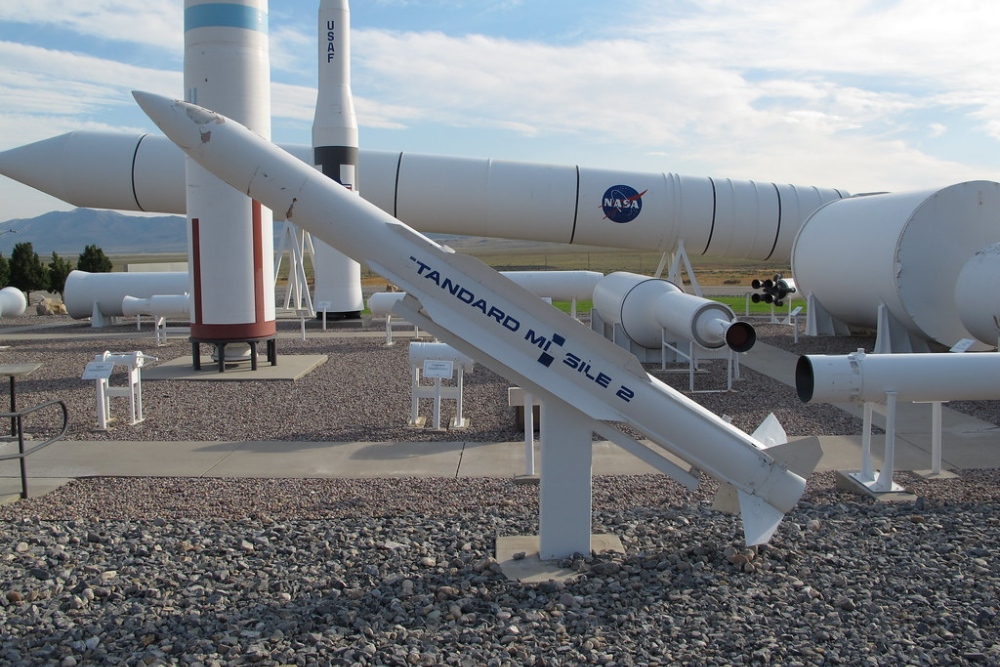
Part of Ronald Reagan’s Strategic Defense Initiative, Brilliant Pebbles was a space-based missile defense system that sounds like science fiction. The system was designed to deploy small, autonomous interceptor satellites that could destroy incoming ballistic missiles in space.
Despite significant funding during the Cold War arms race, the program was canceled in 1993 as technical challenges proved insurmountable.
Aurora Hypersonic Aircraft
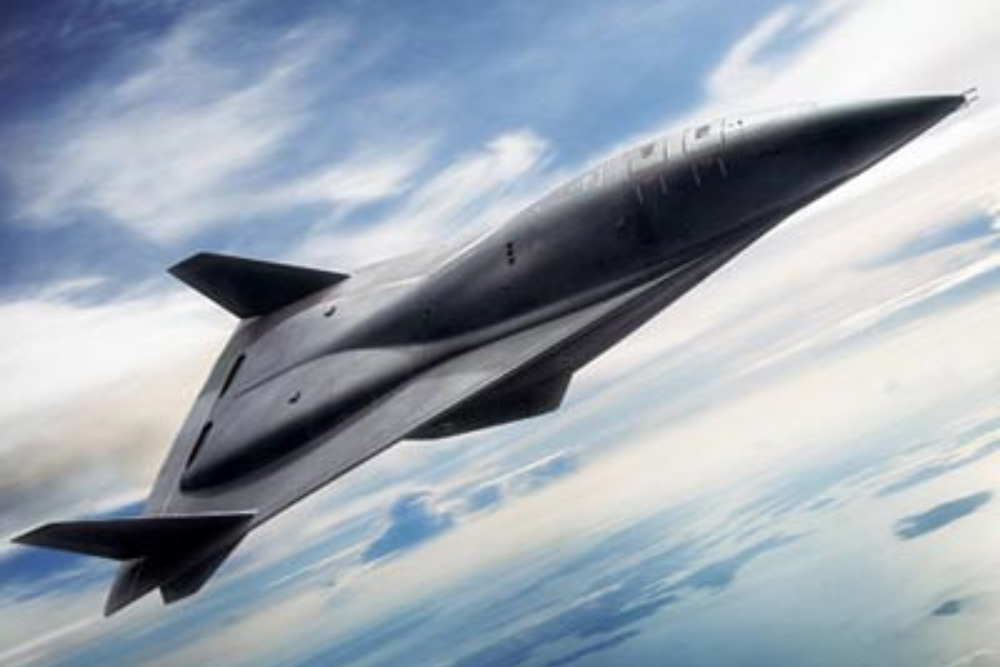
Rumored to be developed by British Aerospace in the 1990s, the ‘Aurora’ was a top-secret hypersonic plane designed for surveillance and reconnaissance missions capable of reaching speeds greater than Mach 5. Multiple unverified sightings occurred throughout the decade, but the British government never officially confirmed the aircraft’s existence.
The Aurora remains one of aviation’s most enduring mysteries.
Like Go2Tutors’s content? Follow us on MSN.
Airborne Laser System
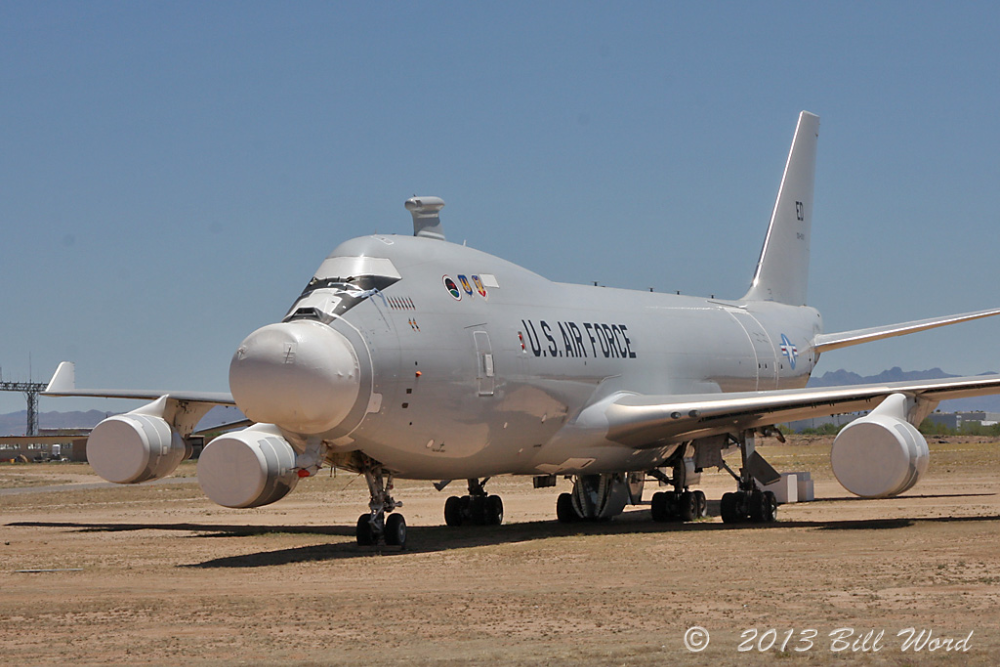
The Boeing YAL-1 Airborne Laser Testbed was designed to use a high-energy megawatt-class chemical oxygen iodine laser mounted on a modified Boeing 747-400F to intercept ballistic missiles during their boost phase. Initial 2010 tests successfully destroyed two test missiles shortly after launch.
However, technical problems and enormous operational costs led to cancellation in December 2011 after spending $5.2 billion.
Convair X-6 Nuclear Aircraft
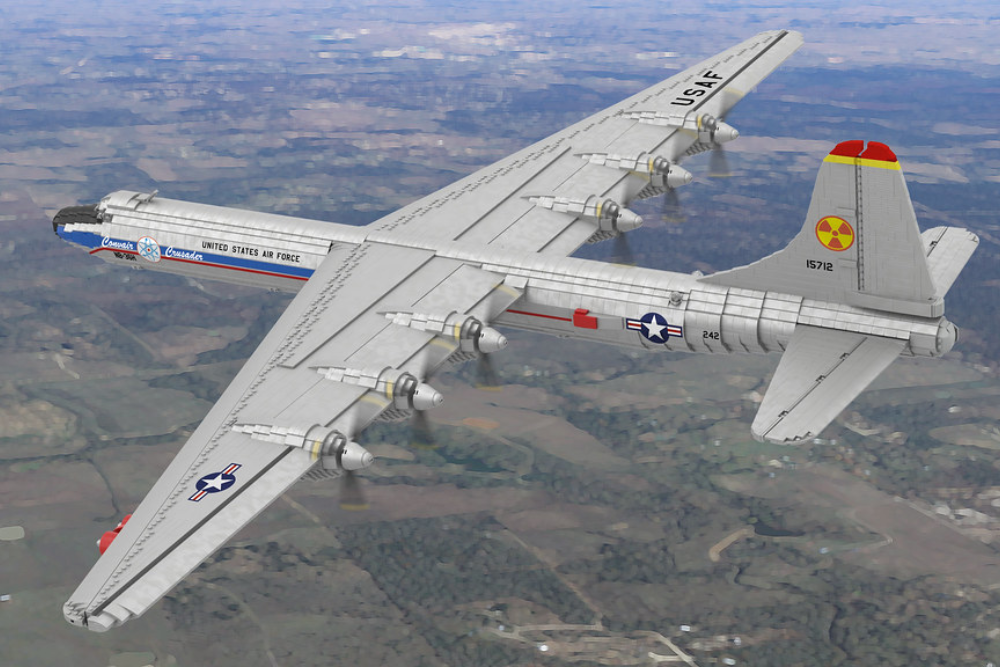
After dropping the first atomic bomb, the U.S. began exploring nuclear power for aircraft propulsion. The Convair X-6 nuclear-powered aircraft project ran from 1946 into the Cold War and was eventually scrapped in 1961.
Nuclear energy would have allowed planes to stay airborne for weeks at a time. Converted B-36 bombers were used to test the feasibility of housing nuclear engines in aircraft.
Project X-Ray Bat Bombs
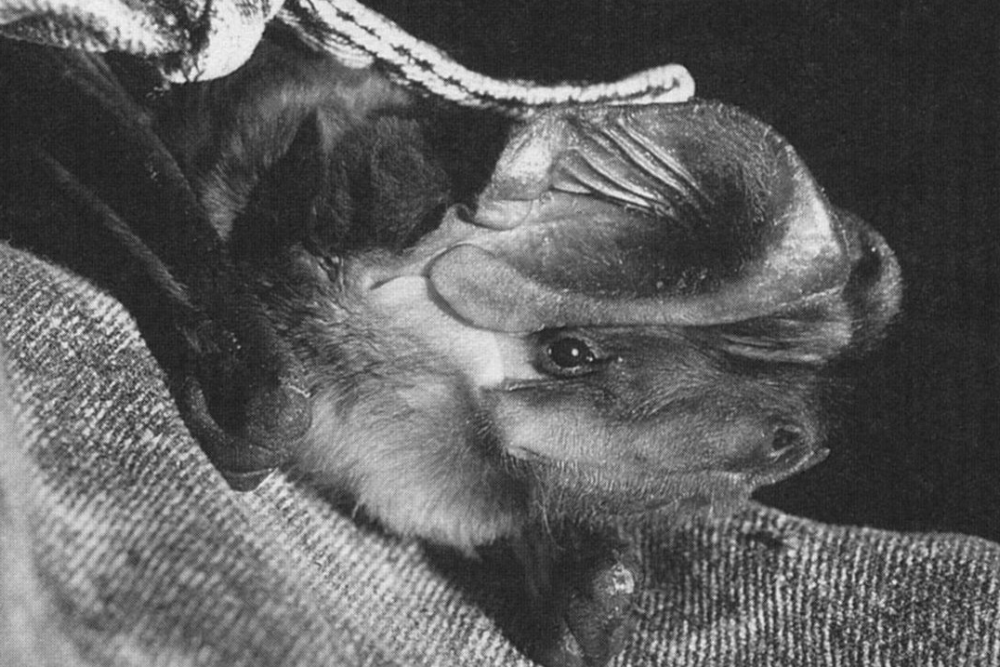
Pennsylvania dental surgeon Lytle S. Adams conceived of using bats as living incendiary weapons after visiting bat-filled Carlsbad Caverns. Project X-Ray involved attaching small incendiary devices to bats and releasing them over enemy targets, where they would roost and ignite fires.
During one test in 1943, prematurely released bats set part of Carlsbad Army Airfield ablaze. The project cost over two million dollars before being canceled in 1944.
Like Go2Tutors’s content? Follow us on MSN.
Panjandrum Rocket Wheel

The British Admiralty’s answer to breaching Nazi Germany’s Atlantic Wall was the Panjandrum—essentially a giant explosive wheel propelled by rockets. This device consisted of two large wheels connected by an axle, propelled by rockets, and laden with explosive payloads.
Named after a nonsense poem by Samuel Foote, the Panjandrum was designed to roll up beaches and breach coastal fortifications, though control problems plagued the design.
Phantom Submarine Hunter

The ‘Phantom’ was a classified anti-submarine weapon system developed by the U.S. Navy in the 1970s that utilized advanced technology to track and destroy enemy submarines. Its exact functionality and design remain classified to this day.
The project was abandoned in favor of more reliable torpedo systems, leaving the Phantom’s secrets hidden from history and its capabilities largely unknown.
MAHEM Projectile System
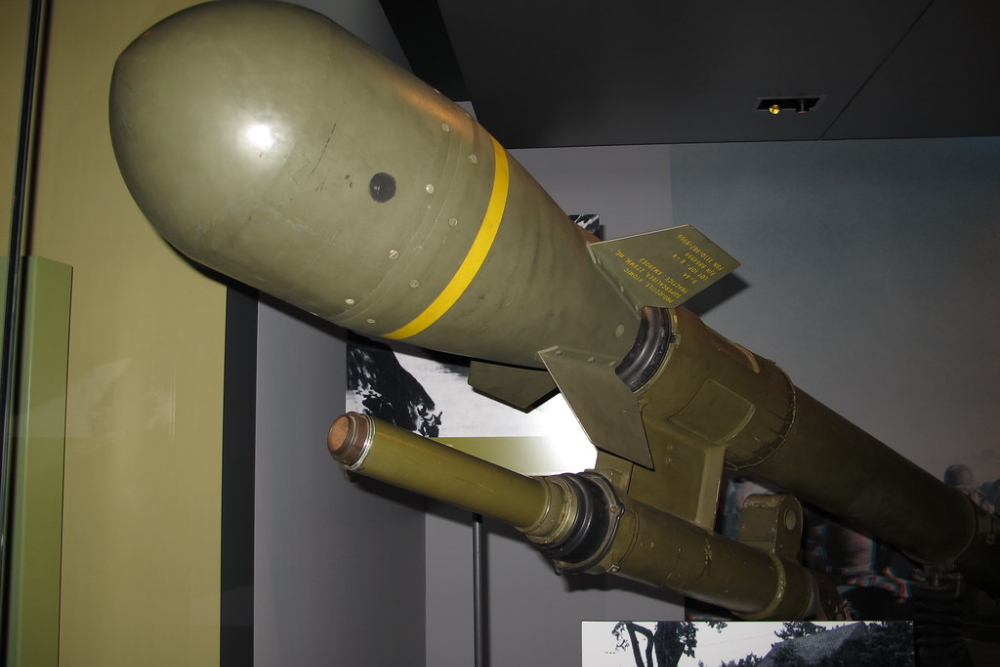
MAHEM is a secretive military project whose development details remain largely classified, though China’s Nanjing University of Science and Technology has apparently reverse-engineered the system for its own purposes. The project represents part of the ongoing technological competition between global superpowers, where full details surrounding development and deployment may never fully reach public awareness.
Like Go2Tutors’s content? Follow us on MSN.
Operation Iceworm

During the Cold War, the U.S. devised a plan to hide hundreds of ballistic missiles in secret tunnels beneath Greenland’s ice cap. The idea was tested at Camp Century, an underground nuclear-powered mini-city housing over 100 soldiers.
Environmental factors compromised the base’s structural integrity, and problems with the nuclear reactor led to cancellation in 1996. The project cost an estimated $2.37 billion in today’s money, and toxic waste was left behind when the site was abandoned.
The Hidden Arsenal Lives On
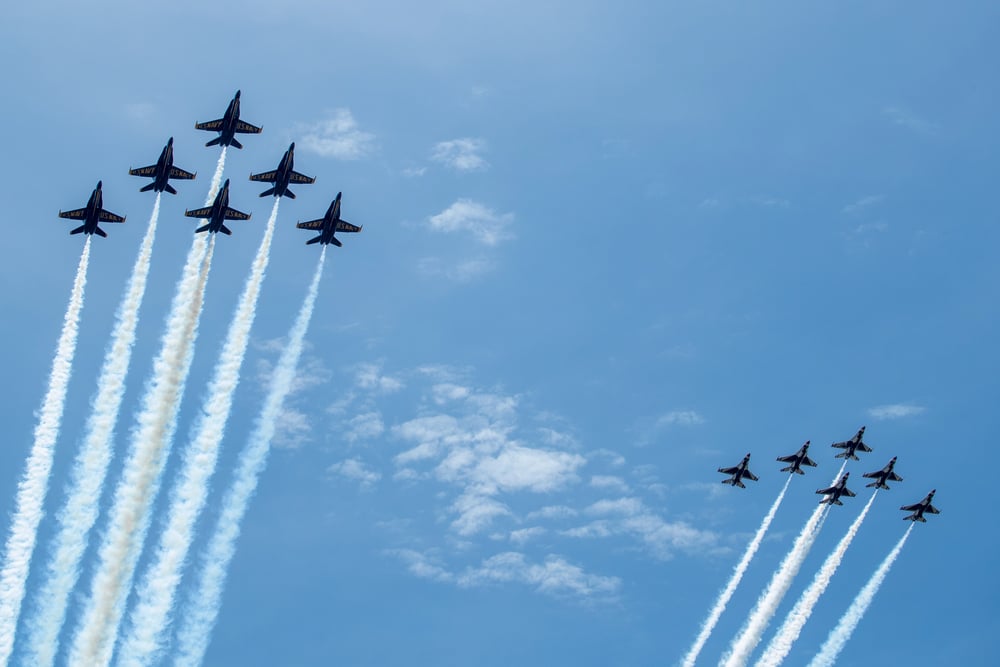
These weapons reveal a pattern that continues today—military innovation pushing boundaries in ways the public rarely imagines. The U.S. Air Force currently has a top-secret space weapon it’s preparing to reveal to the world, waiting for the right timing and presidential approval.
What seems like science fiction in one generation often becomes tomorrow’s battlefield reality. The gap between public knowledge and military capability remains as wide as ever, ensuring that somewhere in classified facilities, the next generation of impossible weapons is already taking shape.
More from Go2Tutors!

- 16 Historical Figures Who Were Nothing Like You Think
- 12 Things Sold in the 80s That Are Now Illegal
- 15 VHS Tapes That Could Be Worth Thousands
- 17 Historical “What Ifs” That Would Have Changed Everything
- 18 TV Shows That Vanished Without a Finale
Like Go2Tutors’s content? Follow us on MSN.