15 Deadliest Plagues That Changed History
Throughout human history, invisible enemies have shaped the course of civilizations more dramatically than any army or natural disaster. These microscopic killers have toppled empires, rewritten social structures, and fundamentally altered the trajectory of human development in ways that still echo today.
From ancient Athens to modern-day pandemics, infectious diseases have served as unwitting architects of history, leaving behind trails of devastation that forced entire societies to reinvent themselves. Here is a list of 15 plagues that didn’t just claim lives—they changed the world.
Black Death
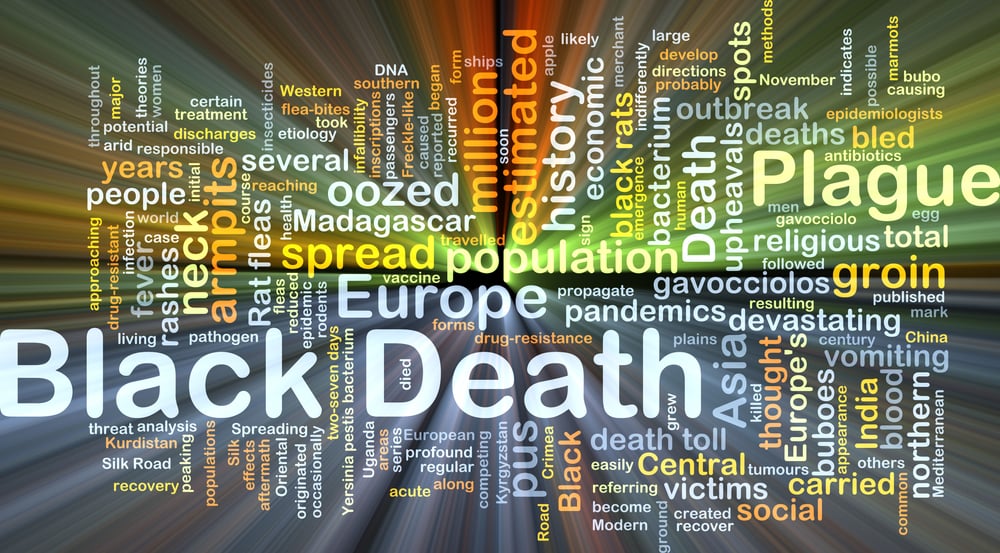
The Black Death stands as history’s most catastrophic pandemic, sweeping across Europe, Asia, and North Africa from 1346 to 1353. This bubonic plague nightmare killed an estimated 75 to 200 million people, wiping out roughly 30 to 60 percent of Europe’s entire population. The disease spread so rapidly that entire villages vanished overnight, and the social upheaval that followed essentially ended feudalism and ushered in the Renaissance.
1918 Spanish Flu
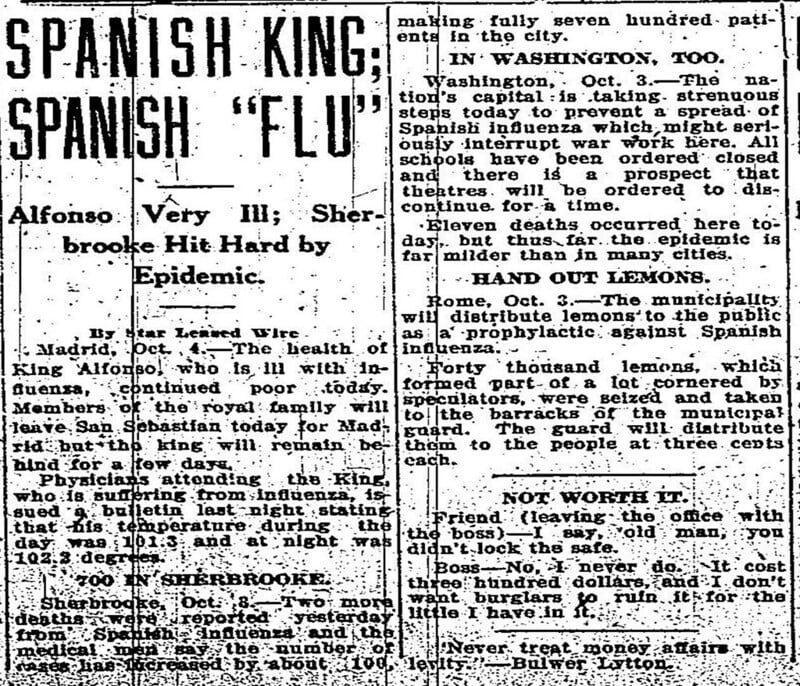
Despite its misleading name, the 1918 influenza pandemic didn’t originate in Spain—it just happened to be the only country honestly reporting its devastating toll during World War I. This viral assassin infected about 500 million people worldwide and killed between 50 to 100 million, making it deadlier than the war itself. What made this flu particularly terrifying was its tendency to kill healthy young adults rather than just the elderly and weak.
Plague of Justinian
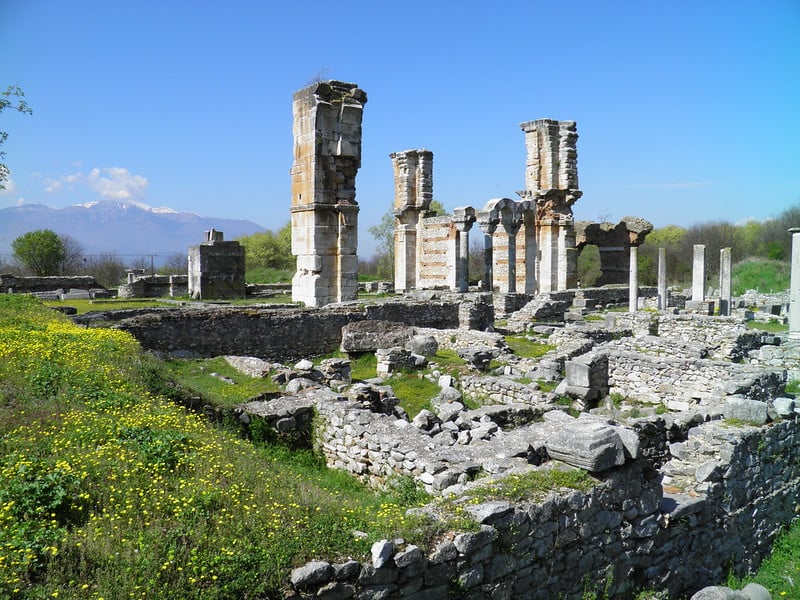
The first recorded pandemic of bubonic plague struck the Byzantine Empire in 541 CE, named after Emperor Justinian who ruled during its initial outbreak. This plague killed an estimated 25 to 50 million people and kept returning in waves for over 200 years until around 750 CE. The pandemic effectively ended Justinian’s dreams of reconquering the Western Roman Empire and marked the beginning of the Dark Ages in Europe.
HIV/AIDS Pandemic

First identified in 1981, HIV/AIDS has claimed over 36 million lives and continues to be a global health challenge today. Unlike other pandemics that burned through populations quickly, AIDS became a slow-motion catastrophe that particularly devastated Sub-Saharan Africa, where millions still live with the virus. The pandemic fundamentally changed how society discusses gender, drug use, and public health, while spurring massive advances in antiviral treatments.
COVID-19
Starting in late 2019 in Wuhan, China, COVID-19 rapidly became the defining pandemic of the 21st century. While official death counts stand at around 7 million, experts estimate the true toll may reach 17 million when accounting for unreported deaths and indirect impacts. The pandemic triggered the largest global economic shutdown in modern history and accelerated changes in work culture, technology adoption, and social interaction that will likely persist for decades.
Third Cholera Pandemic

From 1852 to 1860, the third wave of cholera proved to be the deadliest of the seven major cholera pandemics, killing over one million people across multiple continents. This waterborne killer originated in India’s Ganges River Delta before spreading through Asia, Europe, North America, and Africa via increasingly connected trade routes. The pandemic’s silver lining came when British physician John Snow identified contaminated water as the transmission method, laying the foundation for modern epidemiology.
Antonine Plague
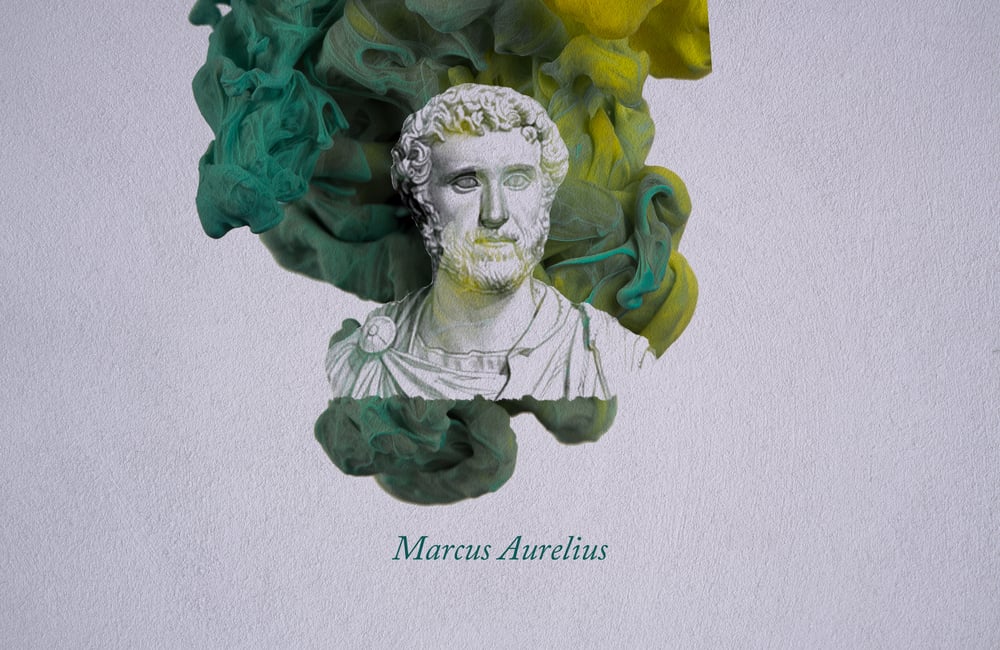
The Antonine Plague struck the Roman Empire at its peak between 165 and 180 CE, killing an estimated 5 million people including Emperor Marcus Aurelius himself. Most scholars believe this was either smallpox or measles—diseases that were completely new to Roman populations and therefore devastatingly effective. The pandemic severely weakened Roman military capabilities and marked the beginning of the empire’s long decline, with some historians arguing it was the first nail in Rome’s eventual coffin.
Plague of Cyprian
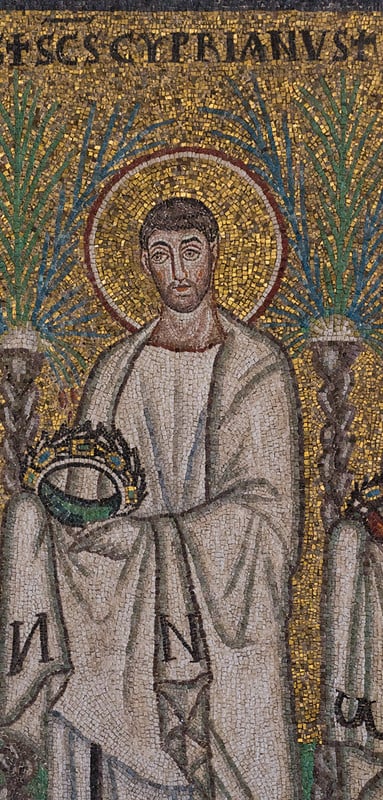
Named after Saint Cyprian, the bishop of Carthage who documented its horrors, this plague ravaged the Roman Empire from 250 to 270 CE. At its peak, the disease killed approximately 5,000 people per day in Rome alone, with symptoms including fever, vomiting, diarrhea, and bloodshot eyes. The pandemic struck during the Crisis of the Third Century, further destabilizing an already crumbling empire and claiming the lives of two emperors: Hostilian and Claudius II Gothicus.
Asian Flu
The 1957 Asian Flu pandemic killed over 2 million people worldwide after originating in China and spreading rapidly across the globe. This H2N2 influenza strain reached Singapore by February 1957, Hong Kong by April, and the United States by summer, demonstrating how quickly diseases could now travel in an increasingly connected world. The pandemic served as a wake-up call for international health surveillance and led to improved global cooperation in tracking emerging infectious diseases.
Hong Kong Flu

The 1968 Hong Kong Flu pandemic was caused by the H3N2 strain of influenza A and killed approximately 1 million people worldwide. Despite having a relatively low mortality rate of 0.5 percent, the virus spread with remarkable speed, taking just 17 days to jump from Hong Kong to Singapore and Vietnam. The pandemic killed about 100,000 Americans and demonstrated that even ‘mild’ pandemics could still claim enormous numbers of lives due to their rapid spread.
Plague of Athens
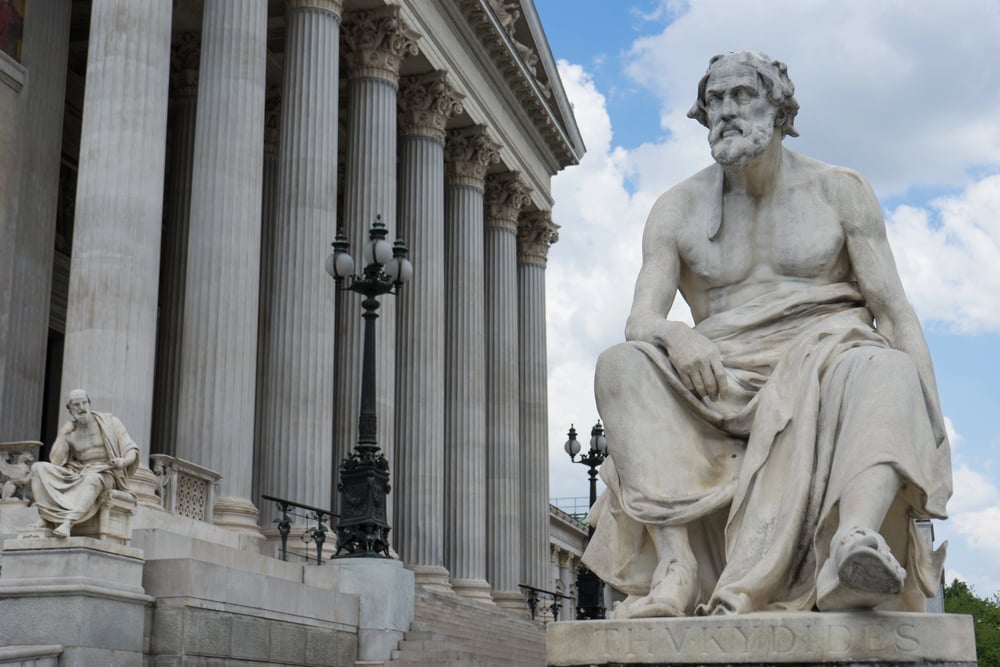
During the second year of the Peloponnesian War in 430 BCE, a mysterious plague struck Athens and raged for five years, killing an estimated 75,000 to 100,000 people. The disease claimed the life of Pericles, Athens’ greatest leader, and contributed significantly to their eventual defeat by Sparta. Although the exact pathogen remains unknown, the Greek historian Thucydides provided such detailed descriptions of the symptoms that modern doctors still debate what disease could have caused such devastation.
Russian Flu
The 1889-1890 Russian Flu pandemic was the first truly global pandemic of the modern era, facilitated by expanding railway networks and steamship routes. This H3N8 influenza strain killed approximately 1 million people worldwide and demonstrated how transportation advances could accelerate disease spread. The pandemic served as a preview of how infectious diseases would behave in an increasingly connected world, setting patterns that would repeat with even deadlier results in 1918.
Sixth Cholera Pandemic

The sixth cholera pandemic (1899-1923) was notable for being the longest-lasting of the major cholera outbreaks, persisting for nearly a quarter-century. This El Tor strain of cholera was particularly effective at spreading because carriers could remain infectious while showing few or no symptoms. The pandemic killed hundreds of thousands of people and demonstrated how certain disease variants could establish themselves as persistent global threats rather than burning out quickly like their predecessors.
Plague of London
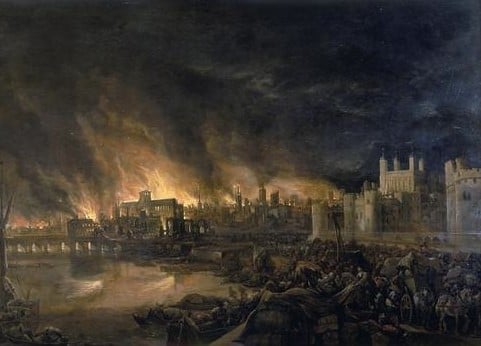
The Great Plague of London in 1665-1666 represented the last major outbreak of bubonic plague in England, killing approximately 100,000 people—nearly a quarter of London’s population at the time. The outbreak coincided with the Great Fire of London in 1666, which ironically may have helped end the plague by destroying rat-infested buildings and slums. This plague demonstrated how urban crowding and poor sanitation could create perfect conditions for disease transmission, lessons that would prove crucial for future city planning.
Third Plague Pandemic
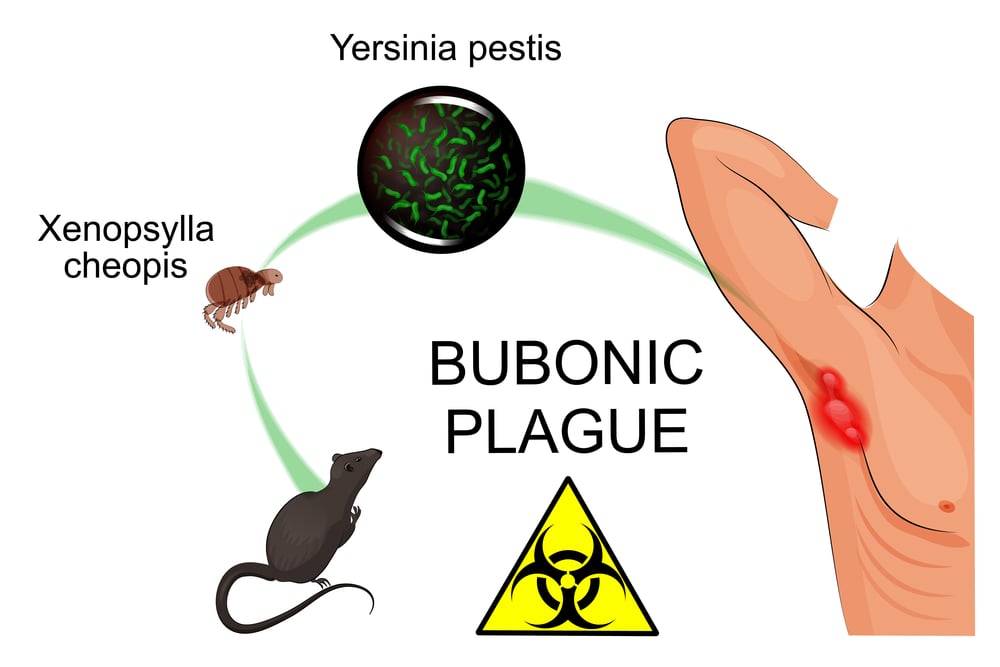
Beginning in China’s Yunnan province in 1855, the third plague pandemic spread globally via steamships and railways, eventually reaching every inhabited continent except Antarctica. This outbreak killed approximately 12 million people over several decades and introduced bubonic plague to previously unaffected regions like North and South America. The pandemic’s slow burn across multiple decades showed how modern transportation could not only accelerate disease spread but also sustain it across vast geographical areas.
When History Repeats Itself

These fifteen pandemics reveal a consistent pattern: infectious diseases don’t just kill people—they reshape entire civilizations. From the fall of the Roman Empire accelerated by multiple plagues to the social changes triggered by AIDS and COVID-19, pathogens have served as inadvertent agents of historical change. While modern medicine has given us unprecedented tools to fight these invisible enemies, the fundamental vulnerability of human societies to infectious disease remains as relevant today as it was in ancient Athens. Understanding these historical lessons isn’t just academic exercise—it’s essential preparation for the pandemics that will inevitably come.
More from Go2Tutors!

- 16 Historical Figures Who Were Nothing Like You Think
- 12 Things Sold in the 80s That Are Now Illegal
- 15 VHS Tapes That Could Be Worth Thousands
- 17 Historical “What Ifs” That Would Have Changed Everything
- 18 TV Shows That Vanished Without a Finale
Like Go2Tutors’s content? Follow us on MSN.



