17 Dares That Turned Into Internet Trends
Dares have always been part of human nature, but the internet turned simple challenges into global phenomena. What started as friends daring each other to do something silly or outrageous suddenly became movements that millions of people joined. Social media platforms like YouTube, TikTok, and Instagram gave these dares wings, transforming local pranks into worldwide sensations.
The appeal is simple: dares tap into our desire to prove ourselves, get attention, and be part of something bigger. When you combine that with the viral nature of social media, you get trends that can spread across continents in a matter of days.
Here is a list of 17 dares that evolved from simple challenges between friends into internet trends that captivated the world.
Ice Bucket Challenge
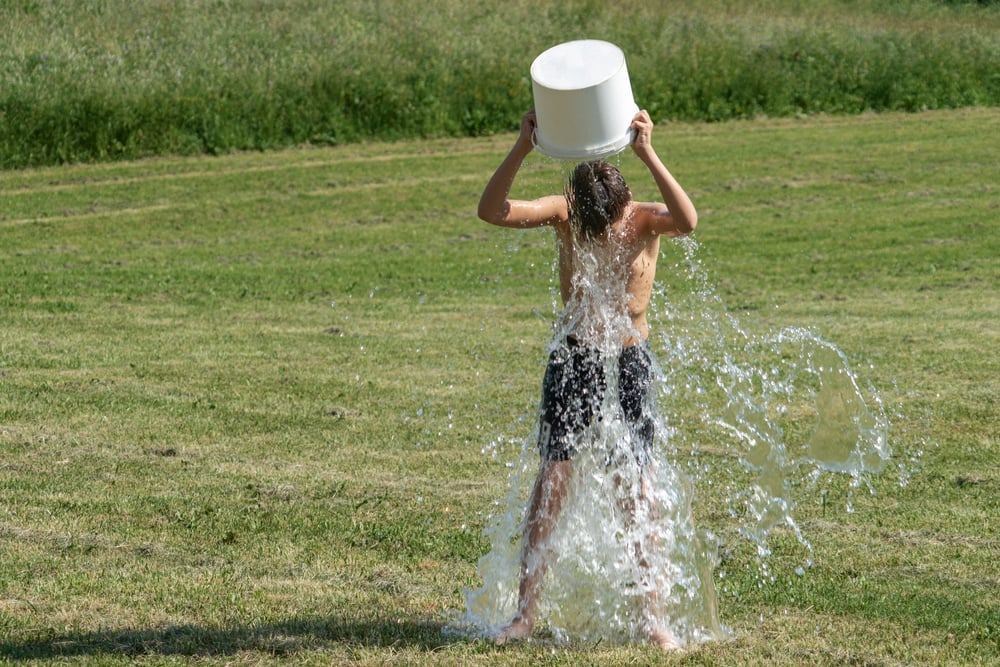
The Ice Bucket Challenge became one of the most successful dare-based campaigns in internet history. Started by three men living with ALS, it aimed to raise awareness and funds for the disease. The dare was simple: pour a bucket of ice water over yourself, post the video, and challenge others to do the same or donate money to ALS research. The viral movement led to celebrities challenging each other and raised $115 million in donations for ALS research.
Cinnamon Challenge

The first Cinnamon Challenge video was posted on YouTube in 2006, but it resurfaced and became one of the most renowned internet trends in early 2012. The dare involved swallowing a spoonful of ground cinnamon without drinking anything for 60 seconds. Over 51,000 videos were posted on YouTube, with some gaining millions of views. What seemed like harmless fun actually posed real health risks, as cinnamon in large doses can be harmful to the body.
Planking
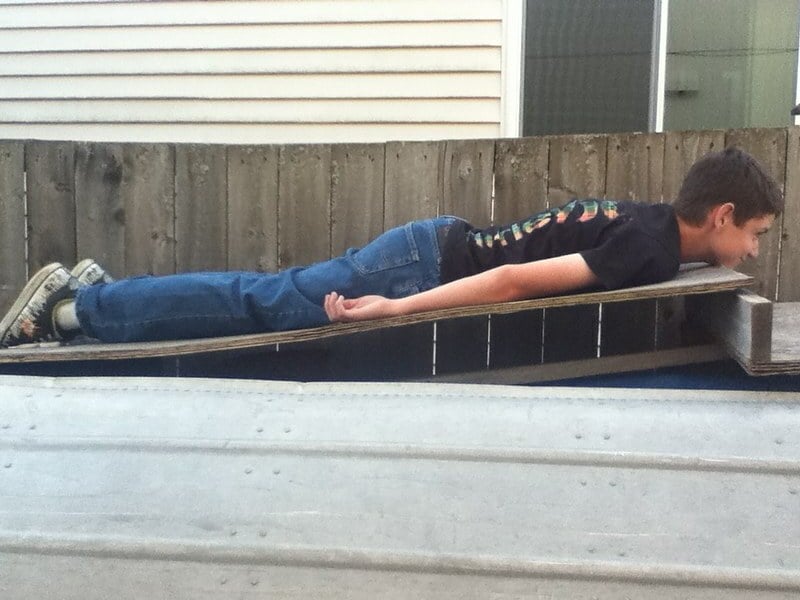
Before Facebook made it truly viral, planking began in the early 2000s when people would lie face down in unusual public locations. The challenge involved maintaining a rigid, plank-like pose with arms at the sides while someone photographed the scene. The trick was to find the most unusual or dangerous place to plank and hold it long enough for your friend to snap the photo. Early planking spread through message boards and email chains before social platforms amplified it years later.
Harlem Shake
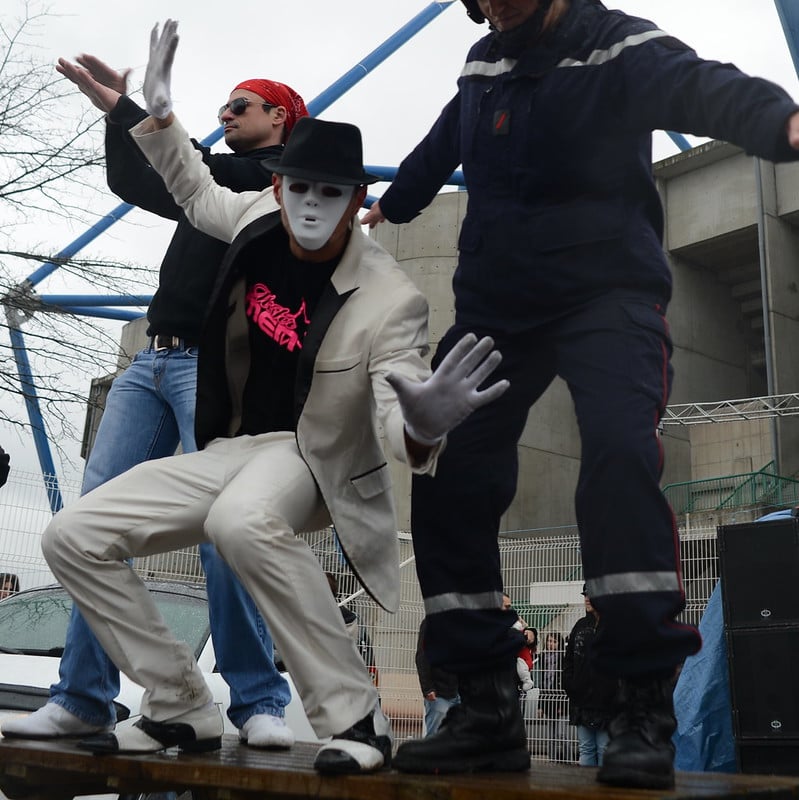
The Harlem Shake meme became viral in early February 2013, with thousands of videos being made and uploaded to YouTube every day at the height of its popularity. According to YouTube Trends, users around the world were uploading over 4,000 Harlem Shake videos per day by February 10, 2013. The dare followed a specific formula: one person danced alone for 15 seconds, then when the bass dropped, everyone joined in with wild, convulsive dancing.
Mannequin Challenge
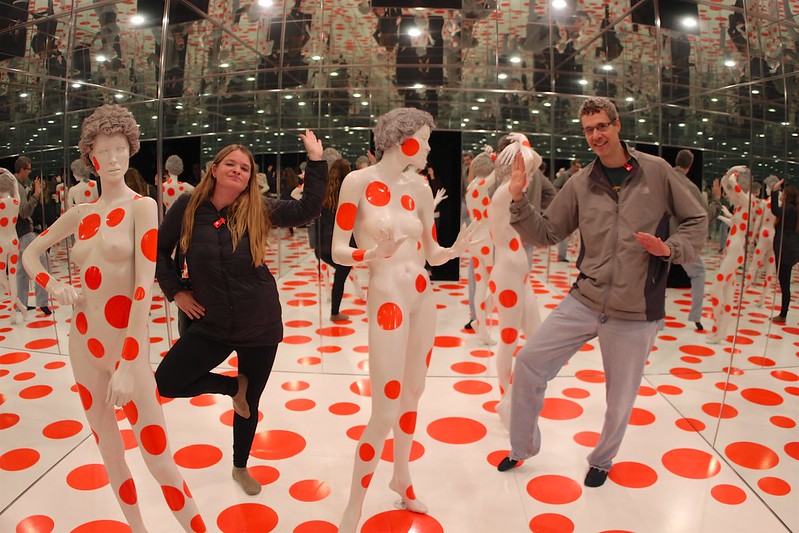
The Mannequin Challenge became popular in November 2016, where participants had to stay still in action like a mannequin while a moving camera filmed them. It is believed that the phenomenon was started by students at a high school in Jacksonville, Florida. The challenge spread to professional athletes, sports teams, and even celebrities like Beyoncé and Adele, who created their own elaborate versions.
Running Man Challenge
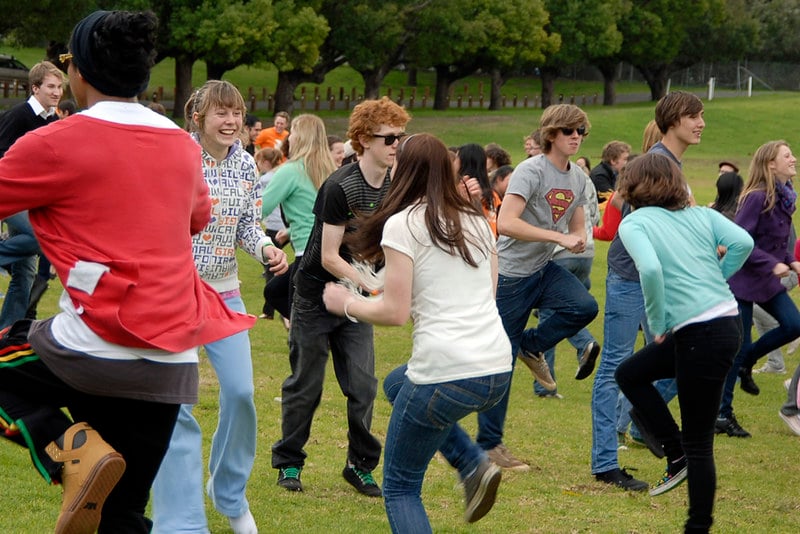
The Running Man Challenge took the popular 80s dance and paired it with the 1996 Ghost Town DJs song ‘My Boo’. The challenge became a viral phenomenon after University of Maryland basketball players Jared Nickens and Jaylen Brantley took it on. Many celebrities including Chance the Rapper and Chris Brown participated in the trend. The organization even paired with charities dedicated to Muscular Dystrophy, similar to the ALS Ice Bucket Challenge concept.
Hot Pepper Challenges
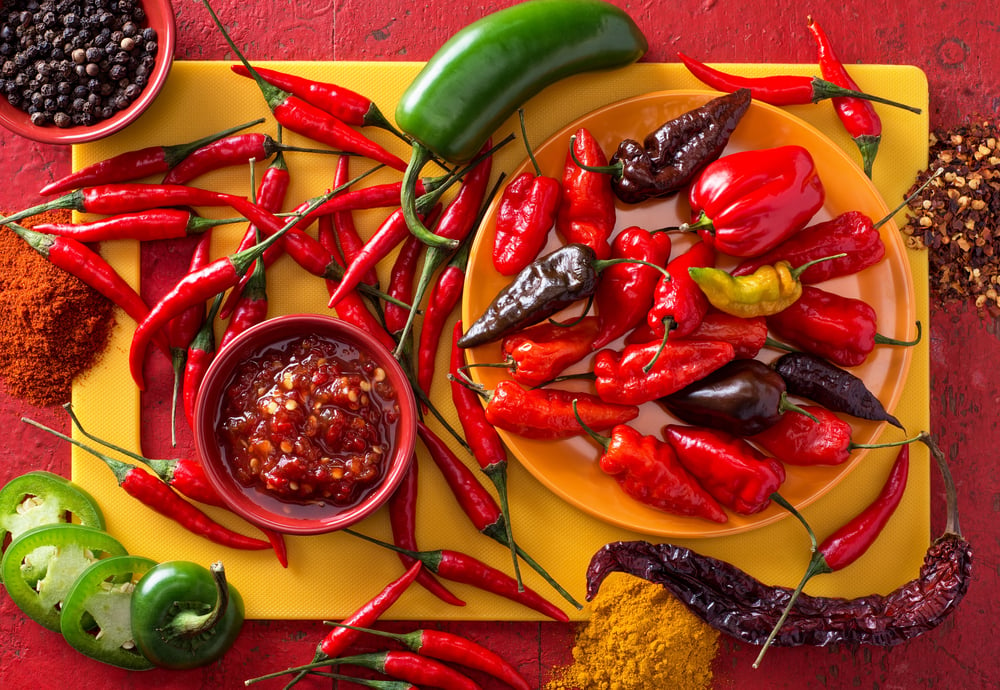
This one shows up periodically in a variety of different forms: the Thai pepper challenge, the habanero challenge, the ghost pepper challenge, the Trinidad moruga scorpion challenge. These dares involve eating increasingly spicy peppers and filming the reaction. People compete to see who can handle the hottest peppers without drinking milk or water. The challenges often result in intense physical reactions that make for entertaining, if painful, viewing.
Bird Box Challenge
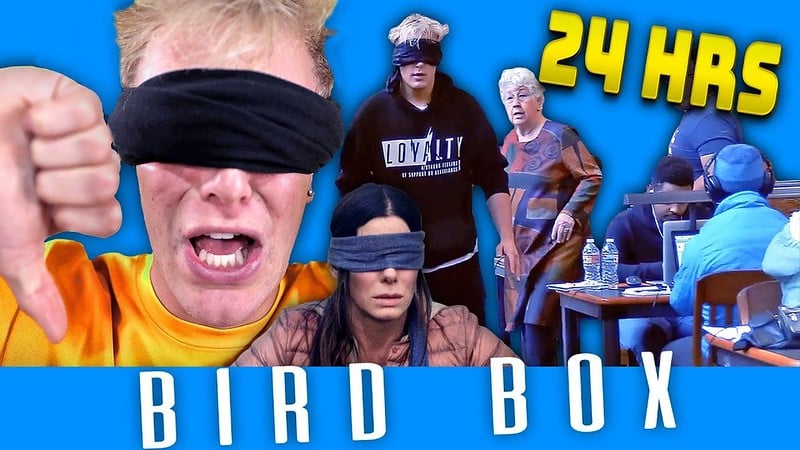
For its film Bird Box, Netflix partnered with Twitch streamers to challenge them to play video games blindfolded. However, the challenge morphed into something more dangerous. The challenge evolved into people attempting everyday activities fully blindfolded while being recorded, which included attempting to cook, walk in busy streets, and drive cars. This dare became so risky that Netflix had to issue warnings against it.
Trashtag Challenge
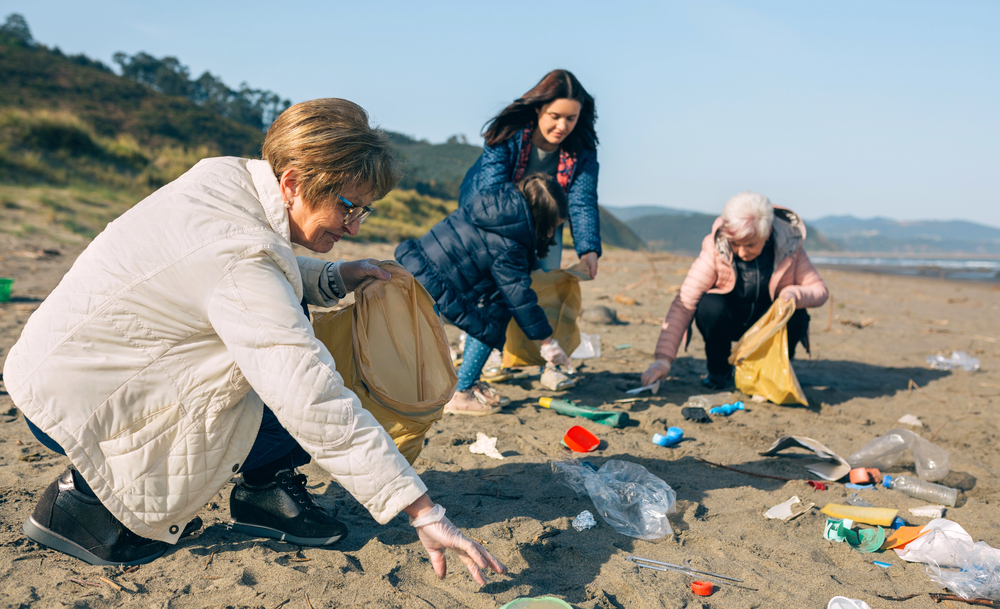
The Trashtag Challenge encouraged people to clean up litter and post before/after photos, and the challenge went viral in 2019. This positive dare challenged people to find a trashy area, clean it up, and share the transformation. Organizations that are actively involved in the challenge include National CleanUp Day, Earth Day, Keep America Beautiful, and World Cleanup Day. It proved that not all internet dares had to be dangerous or silly.
Savage Challenge

A TikTok influencer’s dance choreography to Megan Thee Stallion’s single ‘Savage’ created this viral social media challenge, which won a Shorty Award. The dare involved performing specific dance moves that combined hip movements with freestyle elements. Along with the Hip Hop artist herself, other celebrities posted videos of their renditions of the dance, including Hailey and Justin Bieber. The song became a record-breaker on TikTok as a result.
24 Hour Fort Challenge

A challenge where participants must reach a location or venue before it closes for the evening and trespass on the property by hiding in a ‘fort’. This dare involved staying hidden overnight in public places like stores, schools, or other buildings. This has led to arrests from law enforcement after employees discovered the trespassers. The challenge appealed to people’s desire for adventure but often crossed legal boundaries.
Renegade Challenge

The ‘renegade challenge’ stirred much buzz and controversy, as Georgia teen Jailaiah Harmon created the 15-second dance to K-Camp’s ‘Lottery,’ but it was long before she received proper credit for the choreography. This complex dance dare involved intricate arm and hand movements that were difficult to master. The challenge became so popular that it reached mainstream media and sparked conversations about crediting original creators.
Dalgona Coffee Challenge

This was a food trend that was followed everywhere by everyone during the pandemic, with so many tutorials on YouTube on how to make Dalgona coffee which proves how popular it got instantly. The dare challenged people to whip instant coffee, sugar, and water into a fluffy mixture and share their results. This trend was first popularized in South Korea and then it got spread globally, transforming from being a food trend into a social media challenge.
Yoga Challenge

A continuing YouTube video trend that first went viral during the summer of 2014 involving participants who attempt to perform a series of acroyoga poses taken from the internet. Typically, participants are not trained in yoga, which results in humorous outcomes like awkward stances and falling down. The dare involved attempting complex partner yoga poses without proper training, leading to both hilarious fails and impressive successes.
Goldfish Swallowing

This peculiar challenge emerged on college campuses in the 1920s when a Harvard freshman swallowed a live goldfish on a dare. The stunt caught on rapidly, with students across the country attempting to break records for the most goldfish consumed. Campus newspapers tracked these feats until animal rights concerns and health warnings eventually dampened enthusiasm. This pre-internet dare shows that viral challenges aren’t just a modern phenomenon.
Flagpole Sitting
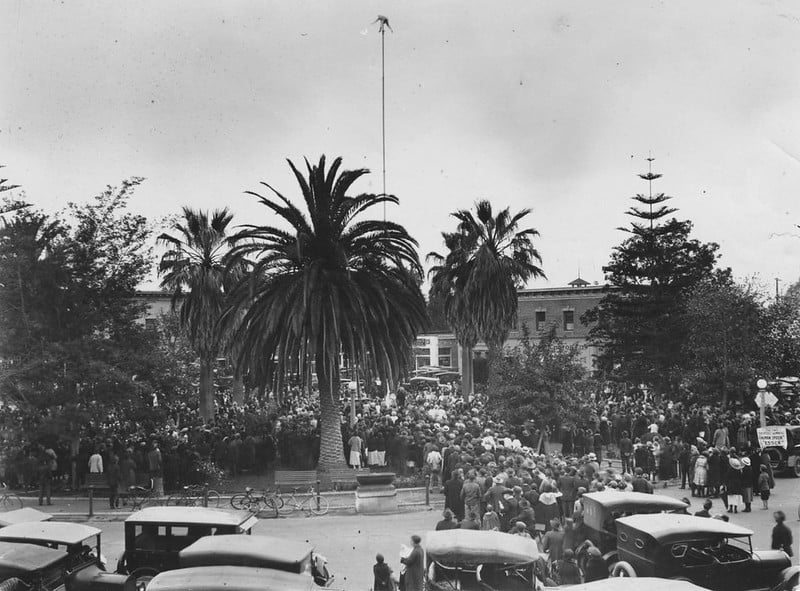
In the 1920s, people competed to sit atop flagpoles for extended periods as a test of endurance and balance. The record was set by Alvin ‘Shipwreck’ Kelly, who remained on a flagpole for 49 days in Atlantic City. This bizarre trend fascinated Americans during the Roaring Twenties and became a symbol of the era’s perceived frivolity and excess. Like modern internet challenges, it spread through media coverage and word of mouth.
Milk Crate Challenge
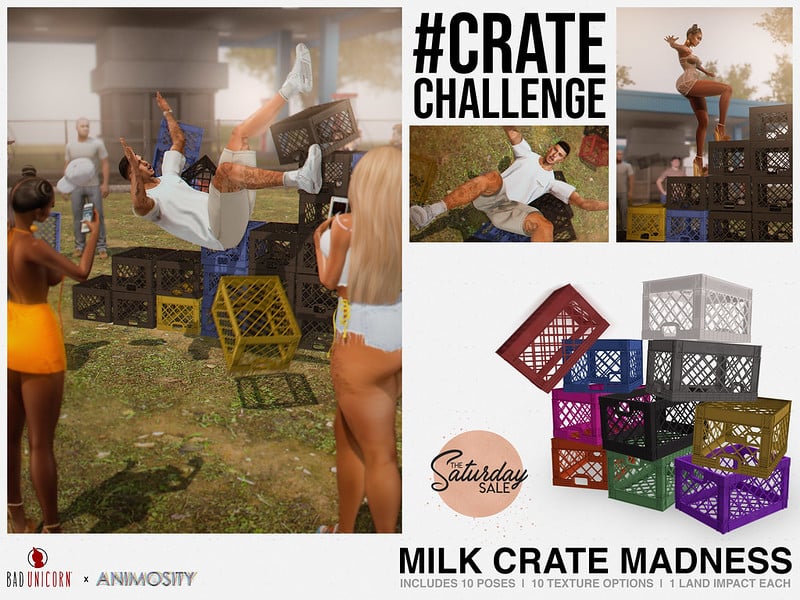
The latest viral challenge on TikTok involved brave souls attempting to ascend a precariously rickety pyramid of stacked milk crates and make it down the other side. Millions tried the feat, with the vast majority failing miserably, and that’s what made it ridiculously perfect for viral content. This dare combined physical skill with genuine danger, as most attempts resulted in spectacular falls and potential injuries.
When Dares Become Cultural Moments
The evolution from simple dares to internet phenomena reflects how connected our world has become. While modern platforms have accelerated the pace and reach of viral challenges, they’ve simply built upon a human tendency that has existed for decades. These challenges create shared experiences that bring people together across geographic and cultural boundaries. Whether positive like the Trashtag Challenge or controversial like the Milk Crate Challenge, they demonstrate our endless appetite for collective participation in something bigger than ourselves.
More from Go2Tutors!

- 16 Historical Figures Who Were Nothing Like You Think
- 12 Things Sold in the 80s That Are Now Illegal
- 15 VHS Tapes That Could Be Worth Thousands
- 17 Historical “What Ifs” That Would Have Changed Everything
- 18 TV Shows That Vanished Without a Finale
Like Go2Tutors’s content? Follow us on MSN.