15 Ancient Warnings That Modern Science Proved Correct
Throughout history, our ancestors observed the world around them and developed warnings based on their experiences. Many of these cautionary tales were dismissed as superstition or old wives’ tales, only to be validated centuries later by modern scientific research.
From health advice to environmental observations, ancient wisdom often contained kernels of truth that took sophisticated equipment and methodologies to confirm. The intersection of traditional knowledge and contemporary science reveals how careful observation and passed-down wisdom can be surprisingly accurate.
Here is a list of 15 ancient warnings that turned out to be scientifically sound.
Don’t Eat Moldy Bread

Ancient civilizations across Egypt, Greece, and China warned against consuming bread that had developed fuzzy growths. They’d noticed that people who ate moldy grain often became seriously ill or died.
Modern science revealed that certain molds produce mycotoxins — particularly aflatoxins — which are among the most potent carcinogens known to humans. These toxins can cause liver damage, immune system suppression, and various cancers.
Avoid Stagnant Water

Traditional cultures worldwide taught their members to avoid drinking from still ponds or containers that had been sitting too long. People who drank from these sources often developed severe digestive issues or died, they observed.
We now understand that stagnant water becomes a breeding ground for harmful bacteria like E. coli and Salmonella — as well as parasites that cause diseases like cholera and dysentery.
Like Go2Tutors’s content? Follow us on MSN.
Don’t Build in Flood Plains

Ancient societies learned to establish permanent settlements on higher ground, warning against building homes in low-lying areas near rivers. They passed down stories of entire communities being swept away during seasonal flooding.
Modern hydrology and urban planning have confirmed that flood plains are exactly what the name suggests — areas that will flood repeatedly over time, making them unsuitable for permanent structures.
Beware of ‘Cursed’ Mines

Many ancient mining communities developed taboos around certain mines, calling them cursed after workers frequently became ill or died. These warnings were often dismissed as superstition by later generations.
Modern occupational health has revealed that these ‘cursed’ locations often contained high levels of toxic minerals like asbestos, lead, or radioactive materials — substances that caused respiratory diseases and cancers.
Don’t Eat Certain Fish During Specific Seasons

Coastal communities developed detailed calendars about when to avoid eating particular types of fish or shellfish. They’d noticed that consuming these foods during certain times of the year led to severe illness or death.
Science has shown that many of these warnings coincided with algal blooms that produce neurotoxins — making seafood dangerous to consume during these periods.
Like Go2Tutors’s content? Follow us on MSN.
Avoid Certain Plants and Mushrooms

Traditional knowledge keepers maintained extensive lists of plants and fungi to avoid, often with warnings passed down through generations. They observed that certain varieties caused everything from stomach upset to death.
Modern toxicology has confirmed that many of these forbidden plants contain alkaloids, glycosides, or other compounds — substances that can cause organ failure, neurological damage, or cardiac arrest.
Don’t Disturb Certain Burial Sites

Many cultures warned against disturbing ancient burial grounds, claiming they brought sickness to those who violated them. These warnings were often attributed to supernatural causes and dismissed by archaeologists and treasure hunters.
Modern science has revealed that many ancient burial sites contain harmful bacteria, fungal spores, and even toxic minerals — contaminants that can cause serious respiratory infections and other illnesses.
Avoid Areas Where Animals Won’t Graze

Pastoralists and farmers noticed that livestock instinctively avoided certain areas of land, and they developed warnings about these places. They observed that animals forced to graze in these areas often became sick or died.
Contemporary environmental science has shown that these areas often contain high levels of toxic minerals, contaminated soil, or plants that are poisonous to mammals.
Like Go2Tutors’s content? Follow us on MSN.
Don’t Eat Meat That Smells Off

Ancient food preparation wisdom emphasized avoiding meat that had developed unusual odors, even if it looked normal. They’d noticed that people who consumed such meat often became violently ill.
Modern food safety science has confirmed that bacterial decomposition produces distinctive odors as a warning sign — and that consuming spoiled meat can lead to food poisoning from pathogens like Clostridium and Staphylococcus.
Beware of Unusually Colored Water
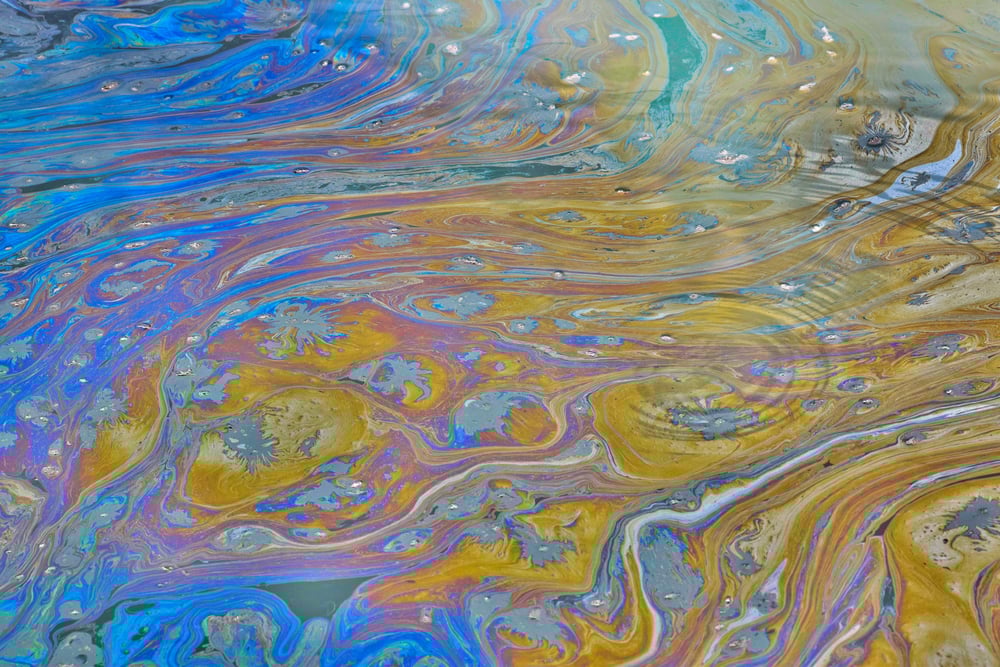
Traditional communities warned against drinking water that appeared unusually colored or had strange sheens on the surface. They observed that people who consumed such water often developed mysterious illnesses.
Modern environmental testing has revealed that unusual water coloration often indicates the presence of heavy metals, industrial pollutants, or harmful bacteria — substances that can cause neurological damage and organ failure.
Don’t Build Where Nothing Else Grows

Ancient builders avoided constructing homes in areas where vegetation struggled to grow, viewing these as cursed or unhealthy lands. They’d noticed that people living in such areas often experienced health problems.
Contemporary soil science has shown that these areas often have contaminated soil, poor drainage, or high levels of naturally occurring toxins that can affect both plant and human health.
Like Go2Tutors’s content? Follow us on MSN.
Avoid Certain Caves

Many cultures developed strict taboos about entering specific caves, warning that they brought sickness or death to those who ventured inside. These warnings were often attributed to evil spirits or supernatural forces.
However, modern research has revealed that many of these caves contain dangerous levels of carbon dioxide, methane, or other gases that can cause asphyxiation, as well as harmful bacteria and fungal spores.
Don’t Eat Bitter Almonds

Ancient peoples warned against consuming bitter almonds, noting that they could cause severe illness or death even in small quantities. This wisdom was passed down through generations of food gatherers and early farmers.
Modern chemistry has revealed that bitter almonds contain amygdalin, which releases hydrogen cyanide when digested – a compound that can cause respiratory failure and death.
Beware of Earthquakes Following Animal Behavior
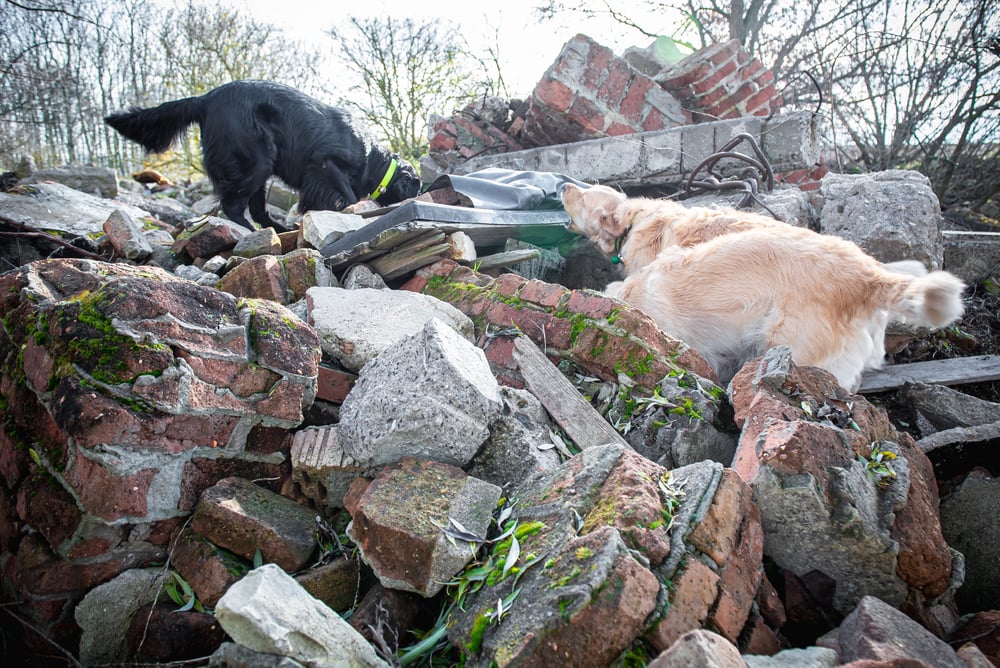
Traditional observers noted that animals often behaved strangely before earthquakes, fleeing areas or acting agitated for no apparent reason. They developed warnings about impending disasters based on these behavioral changes.
Contemporary seismology and animal behavior studies have confirmed that many animals can sense the P-waves (primary waves) that precede the more destructive S-waves (secondary waves) of earthquakes.
Like Go2Tutors’s content? Follow us on MSN.
Don’t Store Grain in Humid Conditions

Ancient agricultural societies warned against storing harvested grain in damp or humid conditions, observing that such storage led to spoiled crops and sick people. They developed elaborate techniques for keeping grain dry and well-ventilated.
Modern food science has confirmed that humid conditions promote the growth of harmful molds and bacteria, including those that produce dangerous mycotoxins.
When Ancient Wisdom Meets Modern Understanding

These examples demonstrate that careful observation and accumulated experience often led our ancestors to accurate conclusions about health and safety, even without understanding the underlying mechanisms. Their warnings weren’t based on superstition but on pattern recognition and survival instincts honed over generations.
Today’s scientific methods have simply provided the ‘why’ behind the ‘what’ that ancient peoples already knew. This convergence of traditional knowledge and modern science suggests that dismissing ancestral wisdom as primitive thinking might cause us to overlook valuable insights that took centuries to develop.
More from Go2Tutors!

- 16 Historical Figures Who Were Nothing Like You Think
- 12 Things Sold in the 80s That Are Now Illegal
- 15 VHS Tapes That Could Be Worth Thousands
- 17 Historical “What Ifs” That Would Have Changed Everything
- 18 TV Shows That Vanished Without a Finale
Like Go2Tutors’s content? Follow us on MSN.



