Music Festival Facts Few Know
Music festivals seem effortless — an endless parade of sound, color, and energy that sweeps you up before you even realize it’s begun. Yet behind the glamour and chaos lie stories few have heard — the odd decisions, the last-minute saves, and the downright bizarre moments that shaped the festivals we know today.
Here’s a list of fascinating details about some of the most famous festivals on Earth.
Woodstock’s Stage Almost Didn’t Exist

The 1969 Woodstock Festival nearly fell apart before it even began. The stage was still being nailed together as the first acts arrived — workers raced against the clock, drenched in summer rain and mud.
There were no proper fences, barely enough lighting, and definitely not enough bathrooms. Still, it happened — against all reason — and became a cultural landmark.
Glastonbury Once Featured a Cowshed Stage
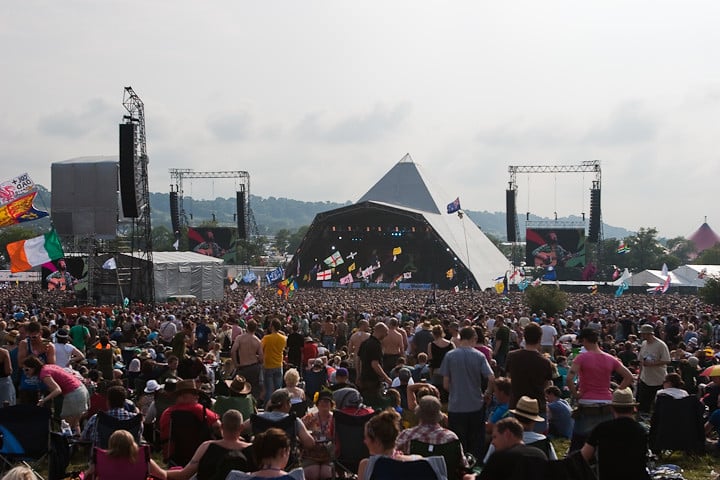
Before it became a global institution, Glastonbury’s first festival was about as homespun as it gets — the main stage sat beside a cowshed, with hay bales for seats. Fresh milk was free for all who came.
It felt more like a rural gathering than a megafest, yet that charm never really left the farm.
Coachella Was Born Out of a Boycott
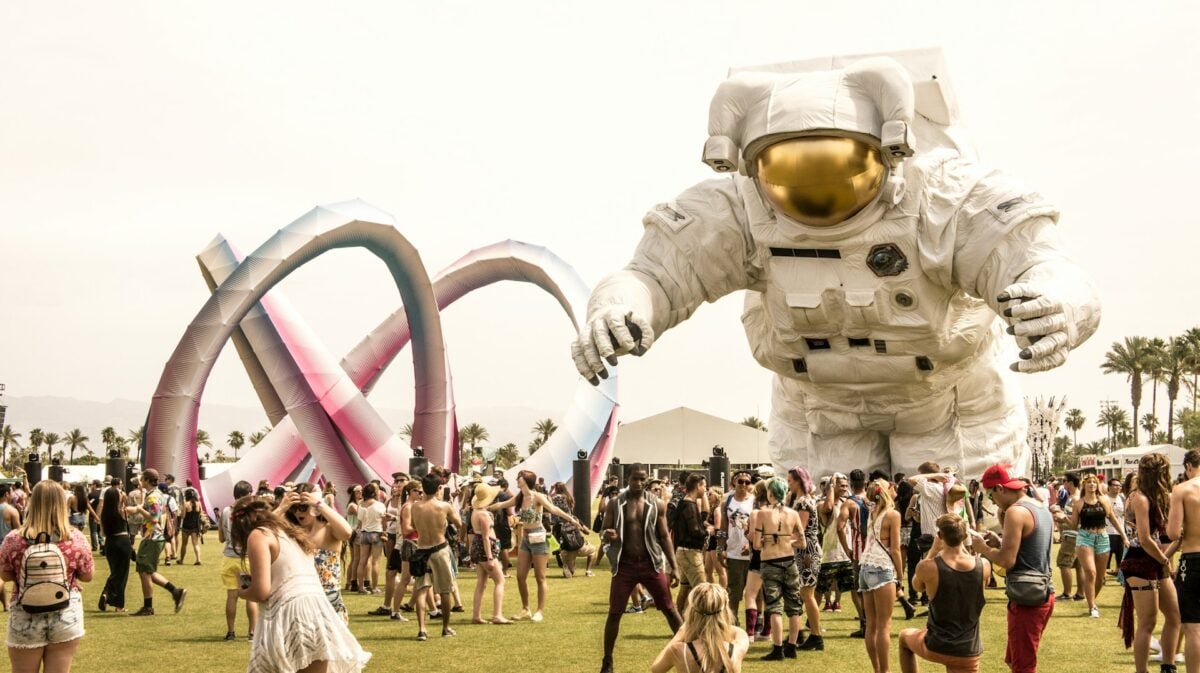
Coachella’s desert glamour had rebellious roots. When Pearl Jam refused to play Ticketmaster-controlled venues, they chose a remote polo field in Indio, California instead.
That very spot became Coachella’s home. What started as an act of defiance ended up defining a generation of festivalgoers — ironic, really, given how polished it is now.
Burning Man’s Temple Is Torn Down on Purpose

Every year, the enormous wooden temple at Burning Man is built only to burn — intentionally. As the flames rise, the desert falls silent, and the crowd stands still, faces glowing in the orange light.
For a moment, it’s completely quiet. Then the smoke drifts away, and the music takes over again.
Tomorrowland’s Power Demand Is Enormous
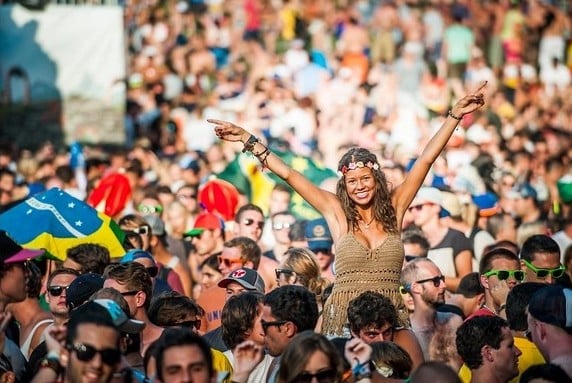
Tomorrowland in Belgium could power a town — maybe two. The festival runs on an astonishing amount of electricity, feeding massive light shows, sound systems, and amusement rides.
Organizers manage hundreds of generators and miles of cable to keep it all alive. And despite the madness, it somehow runs like clockwork.
Fuji Rock Started in a Typhoon

Japan’s Fuji Rock Festival launched in 1997 — and right into a typhoon. Winds ripped through tents and soaked the mountainside, forcing the show to end early.
Even so, festivalgoers stuck it out, drenched and grinning, determined to dance. The chaos only helped cement Fuji Rock’s legend.
Lollapalooza Was Meant to End After One Tour

Lollapalooza was never meant to last — it began as a farewell tour for Jane’s Addiction in 1991. But crowds went wild, and the energy was too contagious to quit.
The supposed goodbye became an annual institution, spreading worldwide while keeping that raw, rebellious edge.
Electric Daisy Carnival Once Shut Down Mid-Show
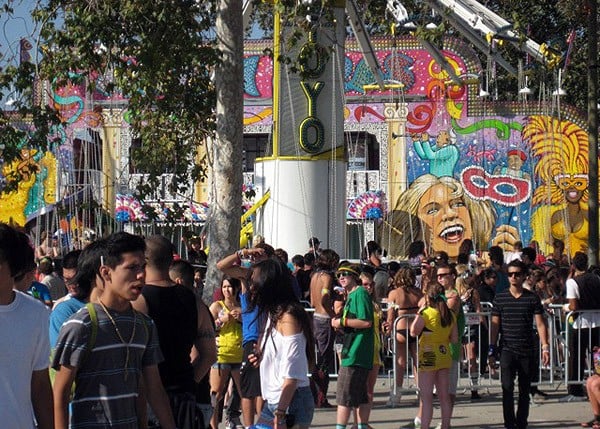
In 2010, Electric Daisy Carnival in Los Angeles hit a breaking point — overcrowding and extreme heat forced a shutdown halfway through. People fainted, organizers scrambled, and the city called time.
It was a wake-up moment that pushed EDC to relocate to Las Vegas — a move that transformed it into the spectacle it is today.
Rock in Rio Holds the Record for Attendance

Rock in Rio 1991 pulled a jaw-dropping 1.5 million fans — yes, million — into one massive crowd. Those at the back couldn’t see the stage, only the lights shimmering on the horizon.
Yet nobody left. The music rolled like thunder across the sea of people, uniting them in one roaring wave of sound.
Benicàssim Has a Built-In Beach Break
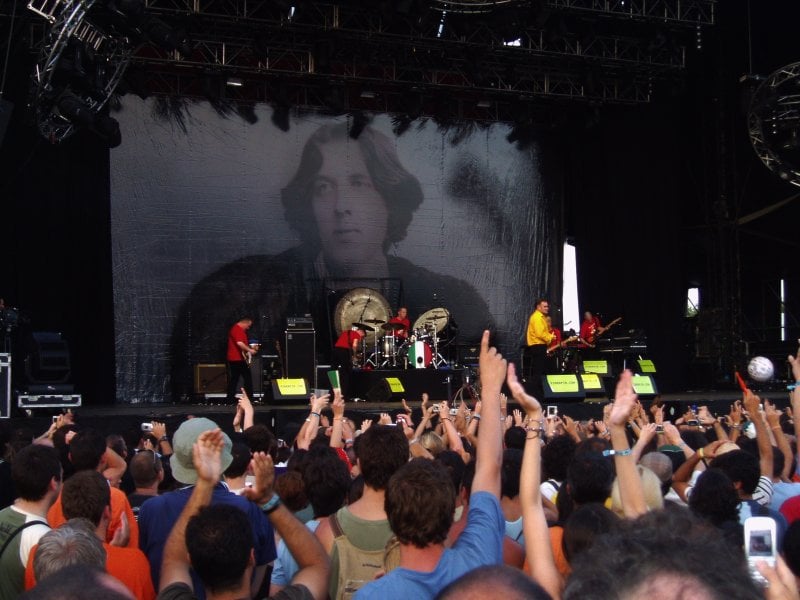
Spain’s Benicàssim Festival isn’t just about music — it’s about balance. Set steps away from the sea, it lets fans swim and sunbathe by day, then dance all night.
Organizers even delay main performances until after sunset, letting the crowd recharge under the Mediterranean sun. Not bad for a recovery plan.
Ultra Miami Once Floated on a Barge

Ultra Music Festival once tried to bring its party offshore — literally. Part of the event took place on a floating barge off Miami’s coast.
It looked spectacular, until the waves turned rough and the equipment began to slide. The idea didn’t last, but those who were there? They still talk about it.
A Desert Rave in Namibia Runs Entirely on Solar Power
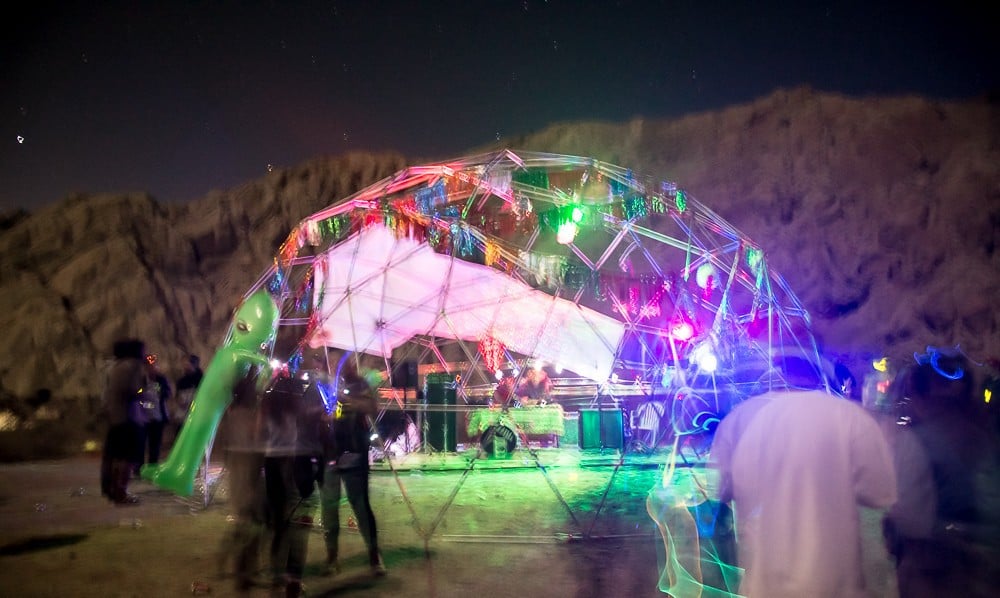
Deep in the Namib Desert, the Moonland Festival runs on sunlight alone. No generators, no grid — just solar panels turning heat into rhythm.
By night, the dunes shimmer under colored lights; by dawn, the sound fades into silence. It’s proof that even the wildest parties can be clean and green.
When the Music Fades

Every festival is temporary — a brief city built from dust, sound, and sweat. They rise, pulse, and vanish, leaving only stories behind.
Once the music fades, all that’s left is memory, glowing like the last echo of a song.
More from Go2Tutors!

- The Romanov Crown Jewels and Their Tragic Fate
- 17 Halloween Costumes Once Considered Taboo
- Famous Hoaxes That Fooled the World for Years
- 15 Child Stars with Tragic Adult Lives
- 16 Famous Jewelry Pieces in History
Like Go2Tutors’s content? Follow us on MSN.



