16 Weird Old Cures Doctors Once Believed In
Medicine has come a long way from the days when doctors prescribed everything from radioactive water to live animals as cures. What’s fascinating is that these weren’t quack remedies sold by traveling salesmen – they were legitimate treatments recommended by respected physicians who genuinely believed they worked. Looking back at these practices gives us a humbling reminder of how medical knowledge evolves and how even the smartest people can be spectacularly wrong.
The history of medicine is filled with treatments that make us cringe today, yet they were once considered cutting-edge healthcare. Here is a list of 16 bizarre cures that doctors once swore by.
Bloodletting for Everything
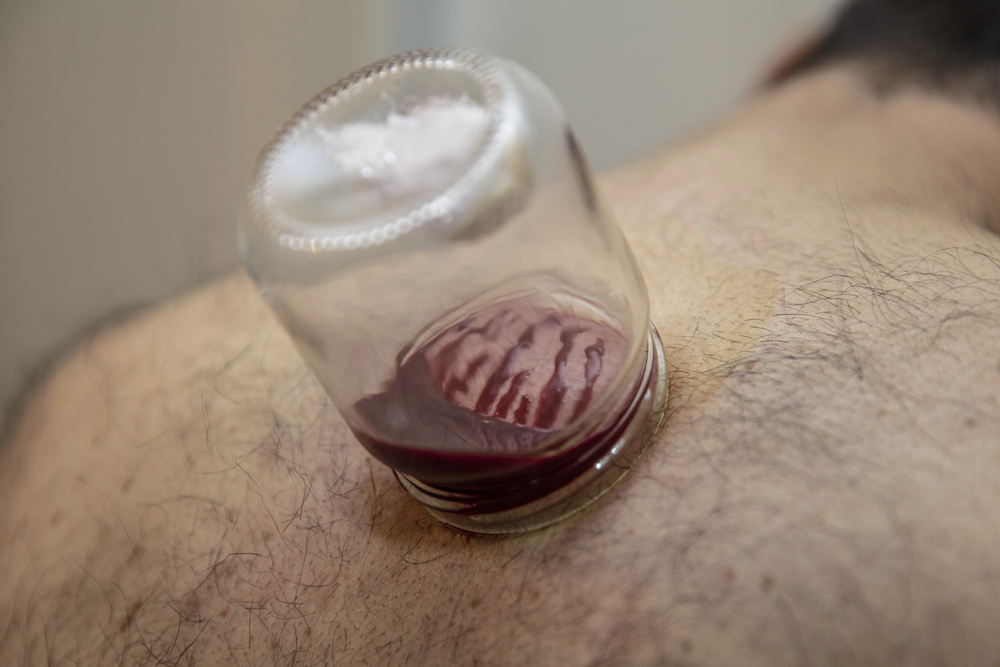
Doctors believed that draining blood from patients could cure nearly any ailment, from sore throats to the plague. The theory was that illness came from having too much blood or ‘bad blood’ that needed to be removed.
Even barber-surgeons got in on the action, offering bloodletting services alongside haircuts and beard trims.
Leeches as Living Medical Tools

François Broussais made leech therapy popular in the early 1800s, believing that fevers were caused by organ inflammation and that placing leeches over the affected area would cure the fever. The leeches would attach to the patient’s skin and suck blood until they became engorged and dropped off.
Doctors literally used these slimy creatures as precision medical instruments.
Mercury for Syphilis Treatment
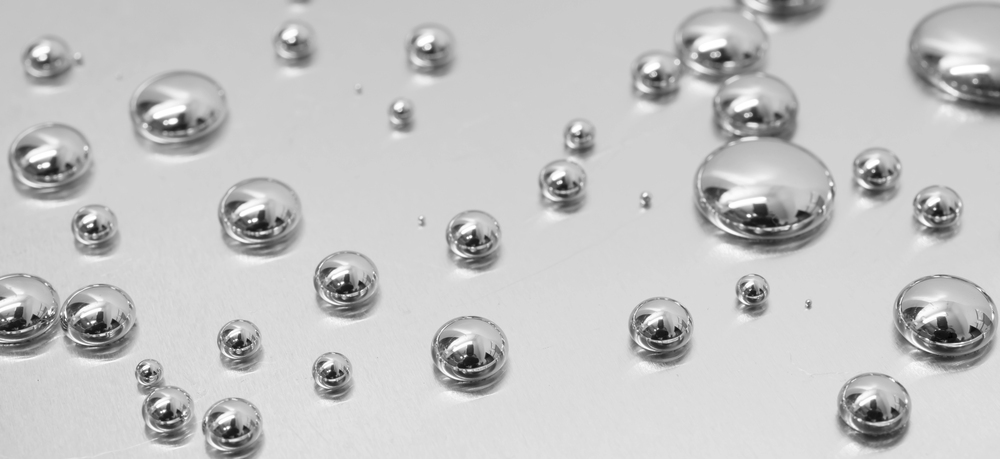
Mercury was the go-to treatment for syphilis for centuries, despite being incredibly toxic. Doctors would rub mercury ointments on patients or have them inhale mercury vapors.
The saying ‘a night with Venus, a lifetime with Mercury’ referred to how syphilis patients often suffered more from the mercury poisoning than the original disease.
Trepanation for Mental Illness

Ancient doctors believed that drilling openings in people’s skulls could cure mental illness, headaches, and even demonic possession. The idea was that evil spirits or bad humors needed an escape route from the brain.
Surprisingly, some patients actually survived this procedure, though probably not because it worked as intended.
Radium Water as a Health Tonic

Radium was once considered a legitimate medical treatment for arthritis, impotence, and aging, with the Revigator being placed in hundreds of thousands of American households to add radium to drinking water. Early studies claimed that radium placed near tumors could shrink them, so doctors thought more was better.
People literally poisoned themselves thinking they were getting healthier.
Milk Injections Instead of Blood Transfusions

In the late 19th century, doctors believed milk was the perfect substitute for blood, thinking the fatty qualities would become white blood cells. They would inject cow’s milk directly into patients’ veins during medical emergencies.
While a few cases were successful, many resulted in death from what we now know were severe allergic reactions.
Hydrotherapy Drowning Treatments

Hospitals used hydrotherapy throughout the 1800s and early 1900s, with the simplest version involving holding patients underwater until they lost consciousness, after which they were considered cured of their madness. The logic was that nearly drowning someone would shock them back to sanity.
This was essentially controlled drowning disguised as medical treatment.
Heroin for Children’s Coughs
Addictive drugs like heroin were given to kids to cure coughs. Pharmaceutical companies marketed heroin as a non-addictive alternative to morphine and promoted it as a cough suppressant for children.
The irony is that heroin was literally named for its ‘heroic’ effects in treating respiratory ailments.
Electric Shock Therapy for Impotence

Electric shock therapy has been a long-used treatment for impotence. Doctors believed that electrical stimulation could restore masculine vigor and cure various performance issues.
They used primitive electrical devices that delivered painful shocks to sensitive areas, thinking this would somehow restore normal function.
Snake Oil That Contained No Snakes
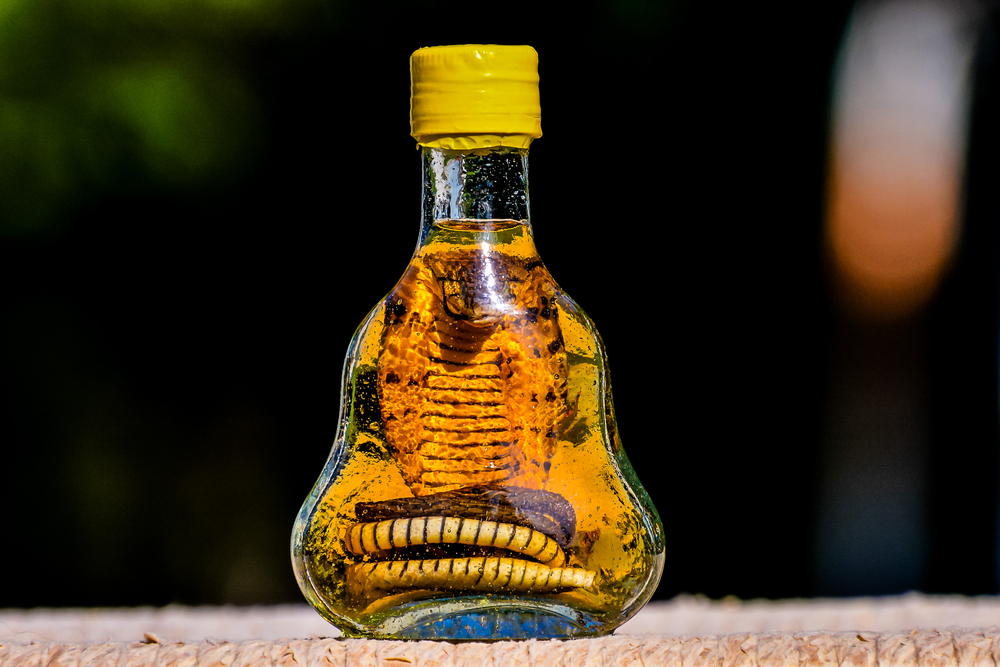
In the early 20th century, many snake oil treatments meant to treat various aches and pains contained no fatty substances from snakes whatsoever. The original snake oil was actually derived from Chinese water snakes and did have anti-inflammatory properties.
American versions were often just mineral oil with added ingredients to make them seem exotic.
Clysters for Social Status
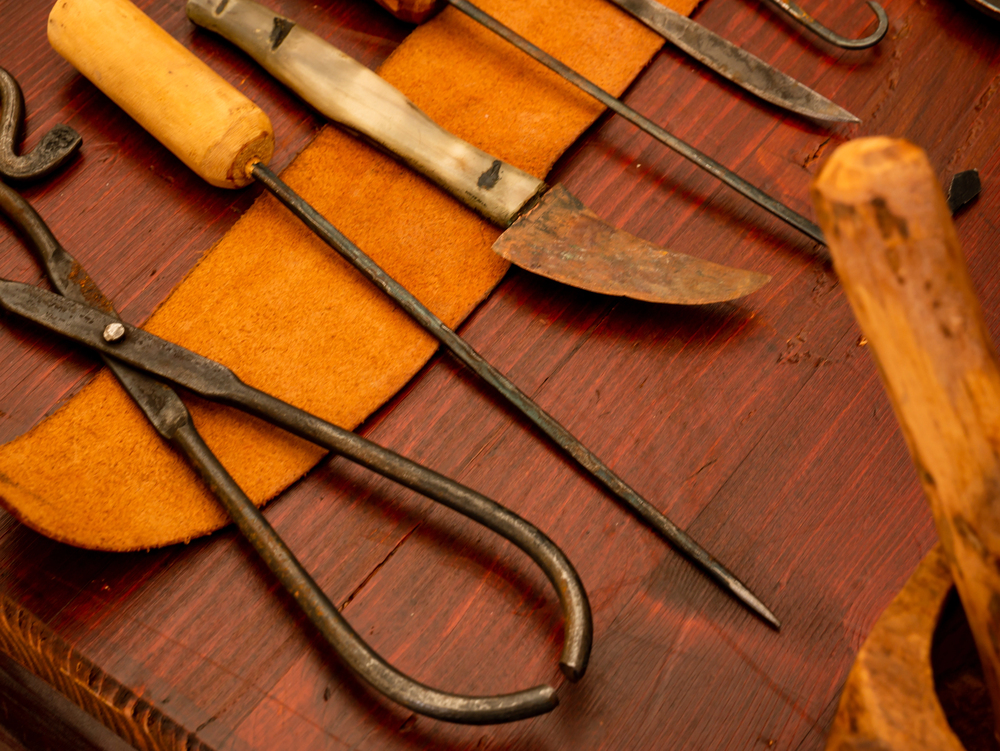
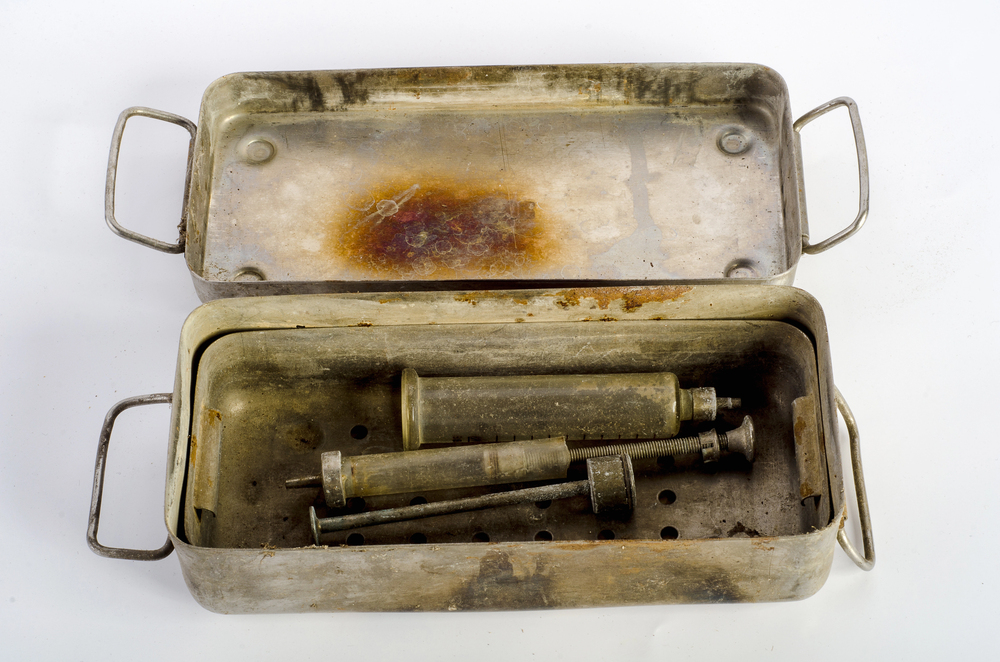
Clysters – the archaic word for enemas – were particularly fashionable from the 17th through the 19th centuries, with wealthy people using them to treat constipation as well as a variety of other complaints. Having regular enemas became a mark of sophistication among the upper classes.
Rich families would have ornate enema equipment as a status symbol.
Lobotomy for Behavioral Problems

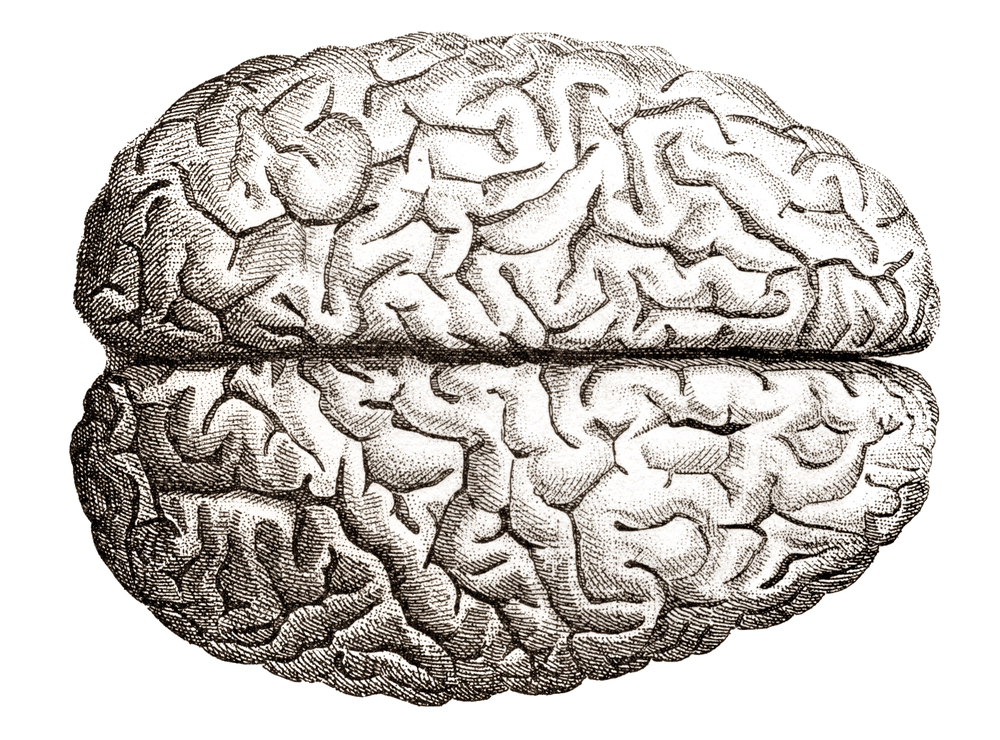
Doctors performed lobotomies by inserting ice pick-like instruments through patients’ eye sockets to damage the frontal lobe of the brain. This was supposed to cure everything from depression to hyperactive children.
The inventor won a Nobel Prize for this procedure, which shows how respected it was at the time.
Arsenic as a Beauty Treatment
Victorian women consumed arsenic pills to achieve a pale, ethereal complexion that was fashionable at the time. Doctors prescribed small doses of arsenic believing it would clear the skin and make women more attractive.
The side effects included hair loss, nerve damage, and eventual death from poisoning.
Cocaine for Toothaches and Depression

Before its addictive properties were understood, cocaine was widely prescribed by doctors and dentists. It was marketed as a cure for toothaches, depression, and fatigue.
Even Coca-Cola originally contained cocaine as a medicinal ingredient, and doctors recommended it as a health tonic.
Urine Therapy for Various Ailments
Medical practices from the past included drinking urine as a treatment. Doctors believed that consuming one’s own urine could cure everything from infections to aging.
This practice was based on the theory that urine contained vital essences that the body had mistakenly expelled.
Crocodile Dung Contraceptives

Ancient Egyptian doctors prescribed crocodile dung as a contraceptive method for women. The theory was that the acidity and texture would prevent pregnancy.
While this might have worked as a physical barrier, it also likely caused serious infections and other health problems.
When Medicine Meets Reality

These bizarre treatments remind us that medical knowledge isn’t static – what seems obvious today was once revolutionary thinking. Even what was considered fairly advanced medicine at the time involved beliefs like the brain cooling the blood while the heart was responsible for intelligence and thought.
The doctors who prescribed these treatments weren’t incompetent; they were working with the best knowledge available to them. Today’s medical practices will likely seem just as strange to future generations, proving that the evolution of healthcare never really ends.
More from Go2Tutors!

- The Romanov Crown Jewels and Their Tragic Fate
- 13 Historical Mysteries That Science Still Can’t Solve
- Famous Hoaxes That Fooled the World for Years
- 15 Child Stars with Tragic Adult Lives
- 16 Famous Jewelry Pieces in History
Like Go2Tutors’s content? Follow us on MSN.