15 Cereal Boxes That Became Collectibles
Breakfast cereal packaging has evolved from simple cardboard containers into treasured pieces of Americana that collectors prize for their nostalgic value and cultural significance. What started as marketing materials designed to sell sugary morning treats has transformed into a legitimate collecting hobby worth millions.
These boxes represent more than just breakfast food advertising – they capture specific moments in pop culture history yet showcase the evolution of graphic design and marketing strategies. Here is a list of 15 cereal boxes that transformed from pantry staples into valuable collectibles.
Kellogg’s Sugar Frosted Flakes (1952)
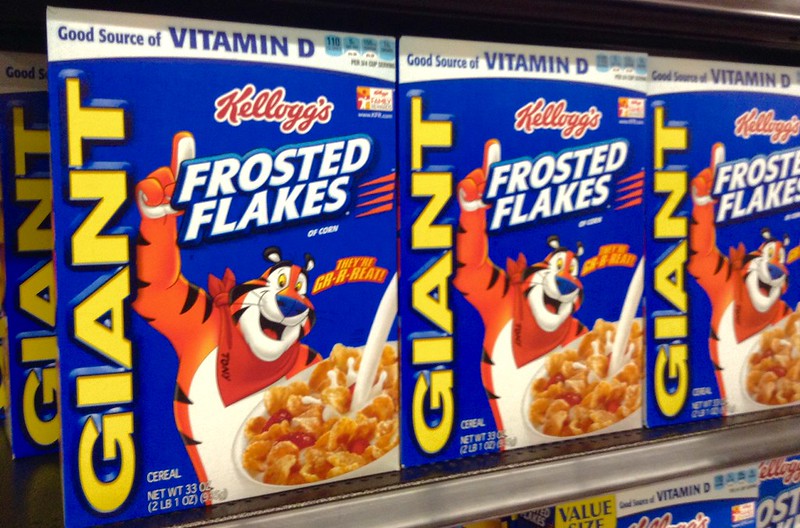
Tony the Tiger’s debut appearance on cereal packaging featured his original orange and black striped design – marking the beginning of one of advertising’s most enduring mascots. Early boxes from the 1950s can fetch thousands due to their historical significance, though Tony’s cultural impact extends far beyond breakfast tables.
General Mills Trix (1954)
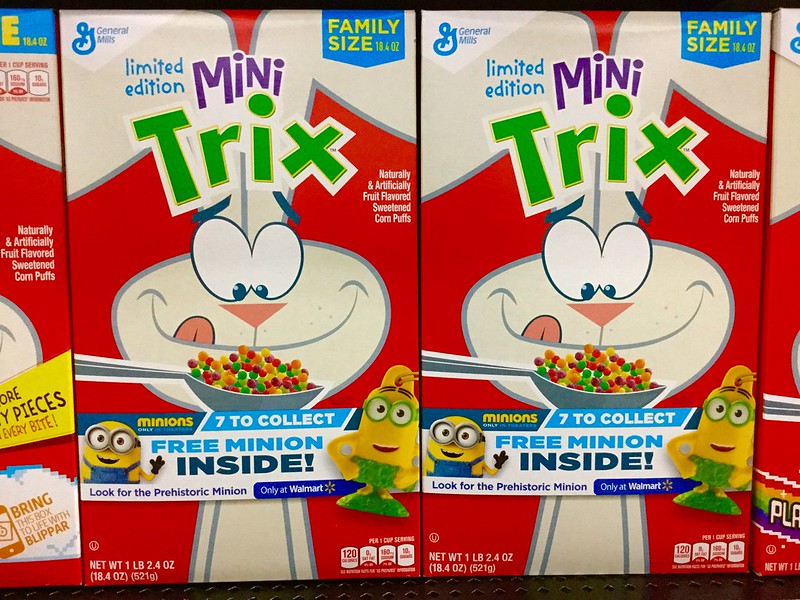
The original Trix Rabbit’s first appearances on cereal boxes – before his design was standardized – represent a fascinating glimpse into character development. These early boxes showcase different artistic interpretations of the beloved rabbit, which makes them highly sought after by animation enthusiasts and cereal collectors alike.
Kellogg’s Rice Krispies (1955)
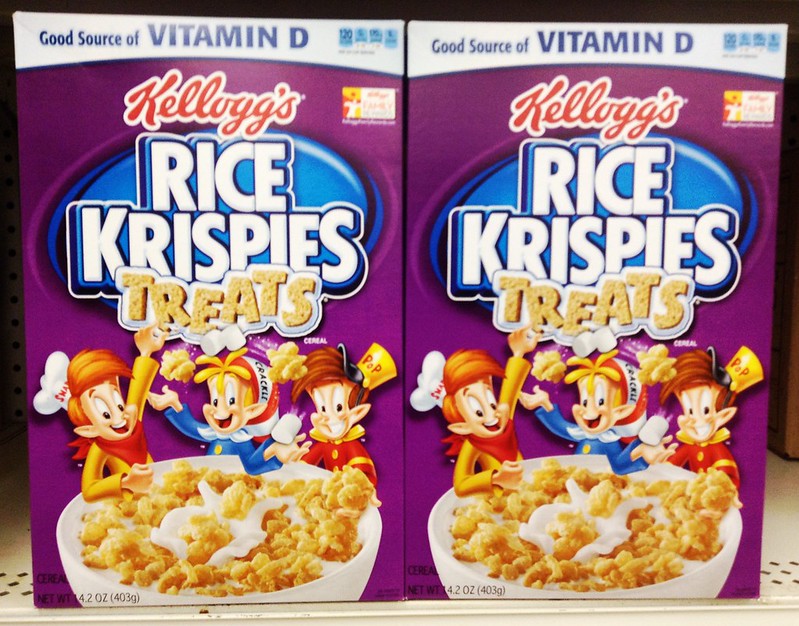
Snap, Crackle, and Pop’s classic trio design from the mid-1950s established the visual template that remained largely unchanged for decades – featuring their distinctive chef hats and aprons. Collectors prize these boxes for their clean graphic design while appreciating the characters’ enduring popularity across generations.
Post Sugar Crisp (1960)
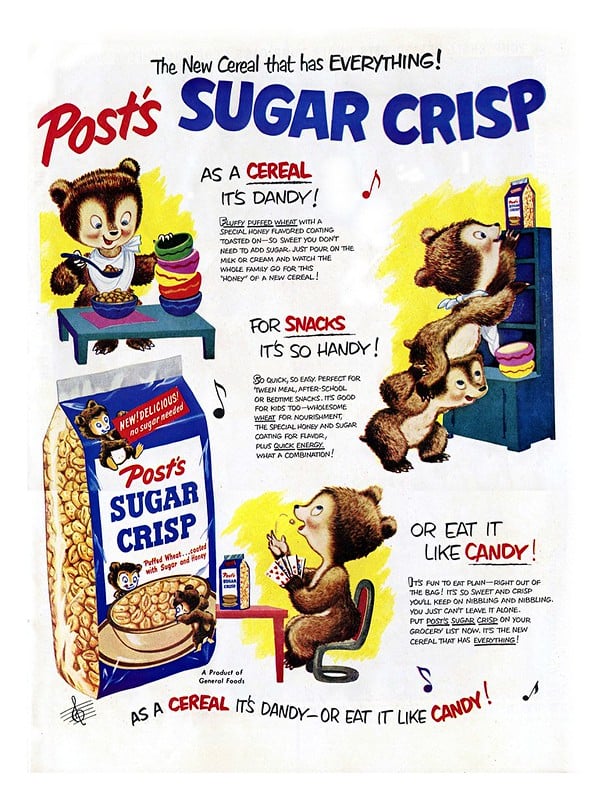
Sugar Bear’s introduction to cereal packaging represented a shift toward more character-driven marketing – complete with his signature sweater and laid-back personality. The bear’s cool demeanor combined with memorable jingles made these boxes instant classics among collectors who appreciate vintage advertising aesthetics.
Quaker Cap’n Crunch (1963)
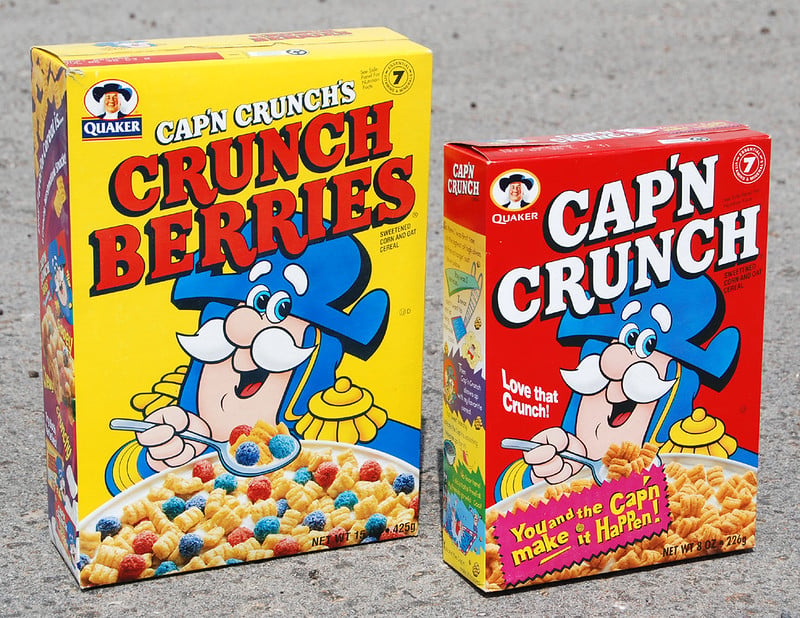
The Cap’n’s naval uniform and distinctive mustache created an instantly recognizable package design – combined with the cereal’s unique ship-themed branding. Early boxes featuring Horatio Magellan Crunch’s adventures have become prized possessions for collectors who appreciate maritime-themed nostalgia and distinctive character design.
Kellogg’s Froot Loops (1963)
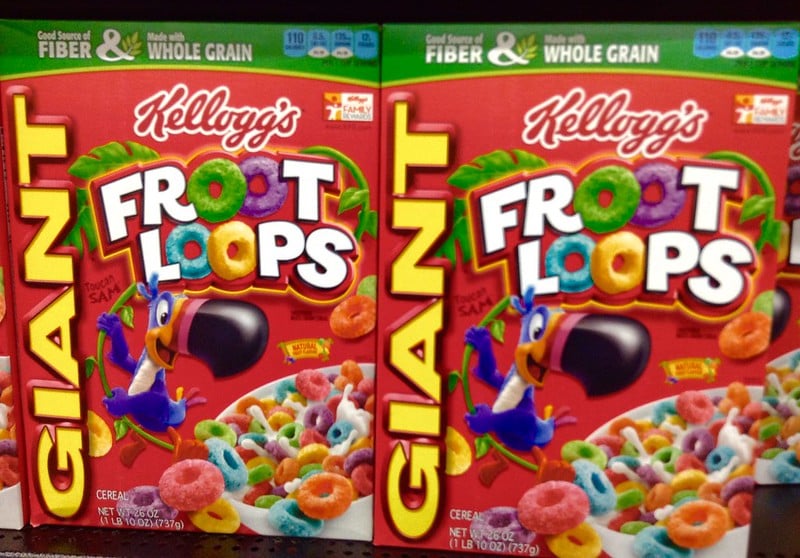
Toucan Sam’s colorful debut showcased his rainbow beak and tropical personality – introducing a level of vibrancy that hadn’t been seen in cereal packaging before. These original boxes demonstrate how color printing technology advanced during the 1960s, yet they also created an iconic brand identity that endures today.
General Mills Lucky Charms (1964)
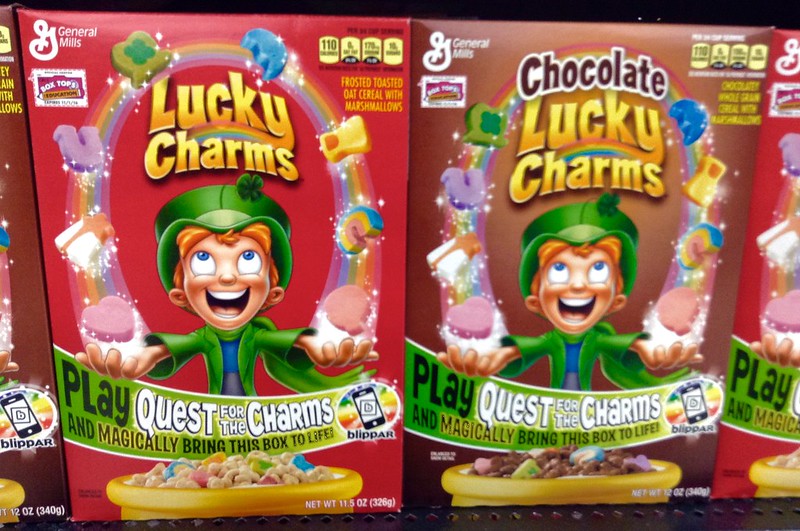
Lucky the Leprechaun’s magical marshmallow adventure featured the original pink hearts, yellow moons, orange stars, and green clovers – capturing children’s imaginations immediately. Boxes from this era are particularly valuable because they showcase the cereal’s simple concept before additional marshmallow shapes were introduced later.
Kellogg’s Apple Jacks (1965)
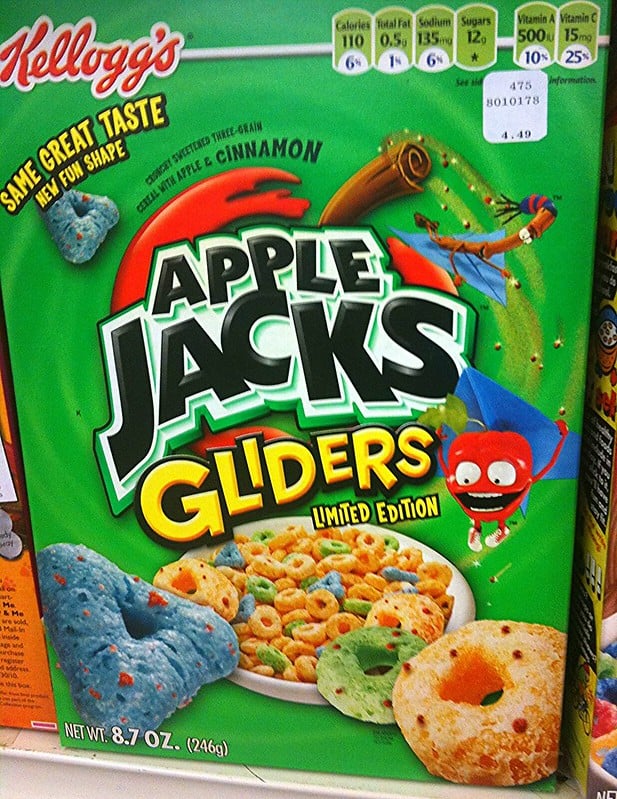
The original Apple Jack characters appeared on packaging that emphasized the cereal’s dual apple and cinnamon flavoring – including Apple Guy and CinnaMon. These boxes represent an interesting period in cereal marketing when anthropomorphic food characters were becoming increasingly popular across the industry.
Post Honeycomb (1965)
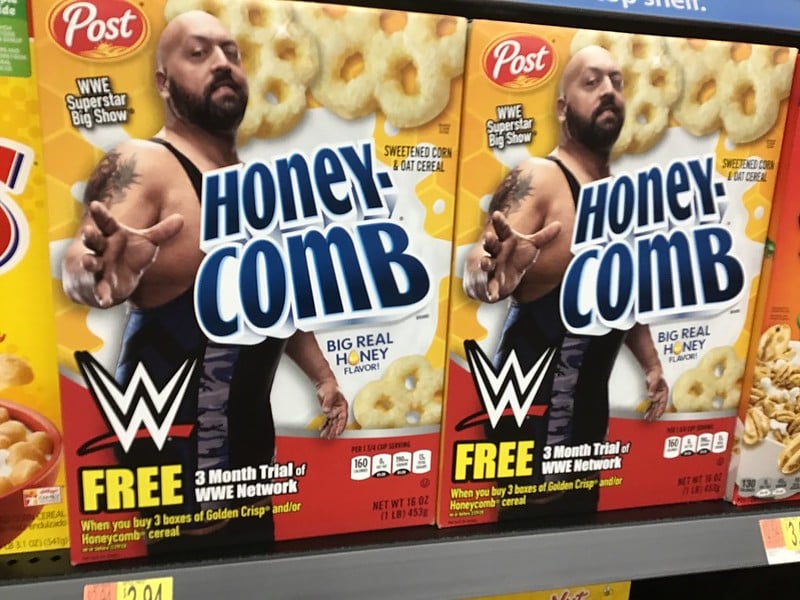
The hexagonal design motif perfectly matched the product inside – combined with the cereal’s distinctive honeycomb shape imagery. Early boxes featuring the geometric patterns and bee-themed graphics have become sought-after examples of 1960s graphic design principles applied to consumer packaging.
General Mills Count Chocula (1971)
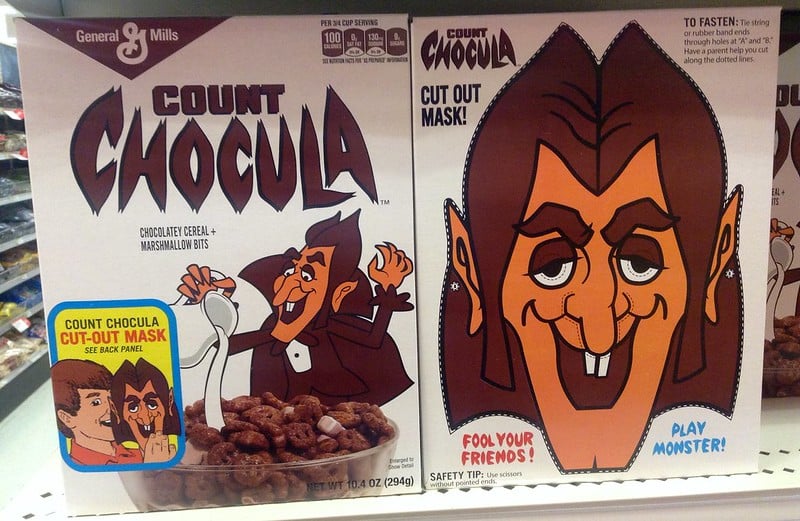
The friendly vampire’s Halloween-themed packaging launched the monster cereal phenomenon that continues today – featuring gothic fonts and spooky imagery. Original boxes from the early 1970s are extremely valuable because they established the template for seasonal marketing while creating character-driven cereal promotion strategies.
Kellogg’s Cocoa Krispies (1972)
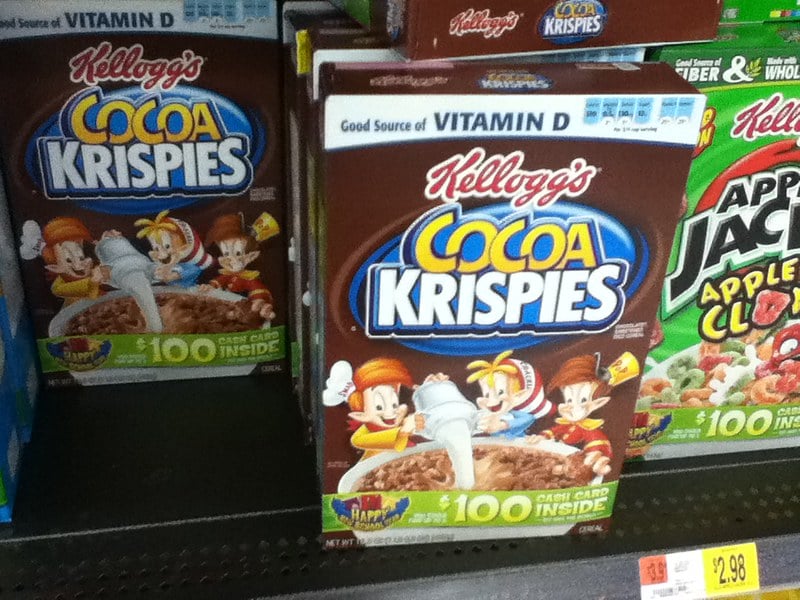
Snap, Crackle, and Pop’s chocolate-themed transformation created unique packaging that differentiated this variant from regular Rice Krispies. These boxes showcase how established characters could be adapted for new product lines while maintaining brand recognition and consumer loyalty.
Post Fruity Pebbles (1971)
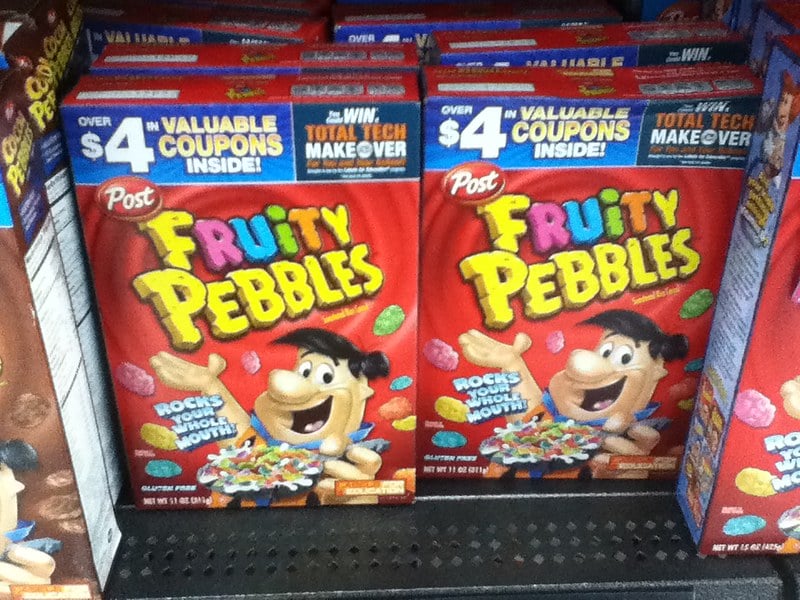
Fred Flintstone and Barney Rubble’s animated appearance on cereal packaging represented a groundbreaking partnership between breakfast foods and television entertainment. The Hanna-Barbera collaboration created boxes that appealed to both cereal lovers and cartoon fans, making them doubly collectible among nostalgic consumers.
Ralston Purina Freakies (1973)
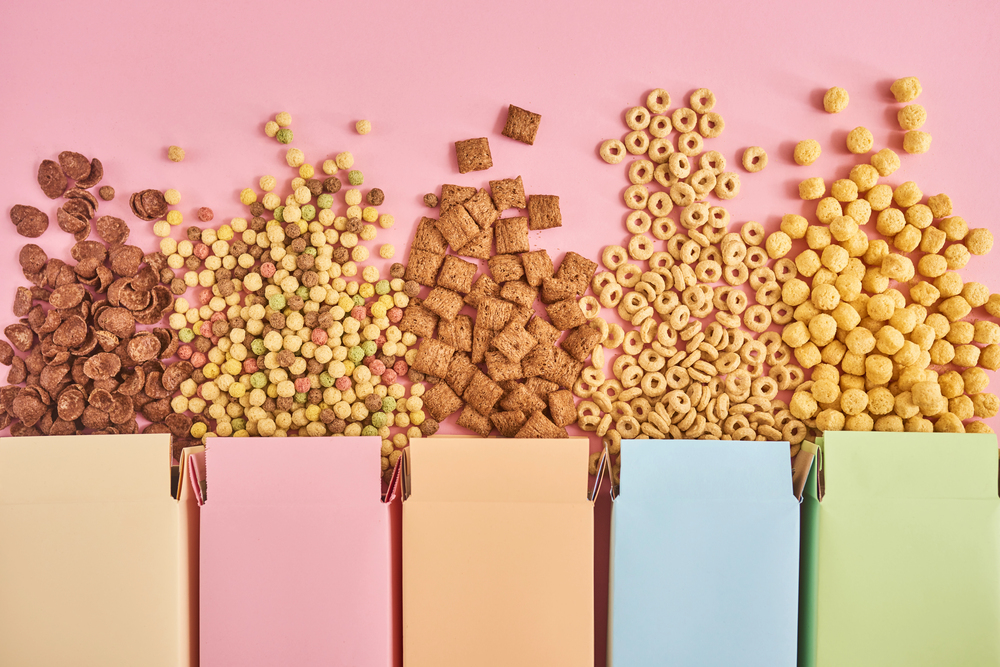
This short-lived cereal featured bizarre characters like BossMoss and Snorkeldorf on packaging that pushed creative boundaries beyond conventional marketing approaches. The unusual designs combined with limited production runs have made these boxes extremely rare, though they’re valued by collectors who appreciate unconventional advertising strategies.
General Mills Pac-Man Cereal (1983)
— Photo by mkopka
The video game tie-in created packaging that perfectly captured the arcade phenomenon sweeping America during the early 1980s. These boxes represent the intersection of breakfast cereals and gaming culture, making them highly prized by collectors from both communities who appreciate cross-media marketing innovation.
Kellogg’s Nintendo Cereal System (1988)
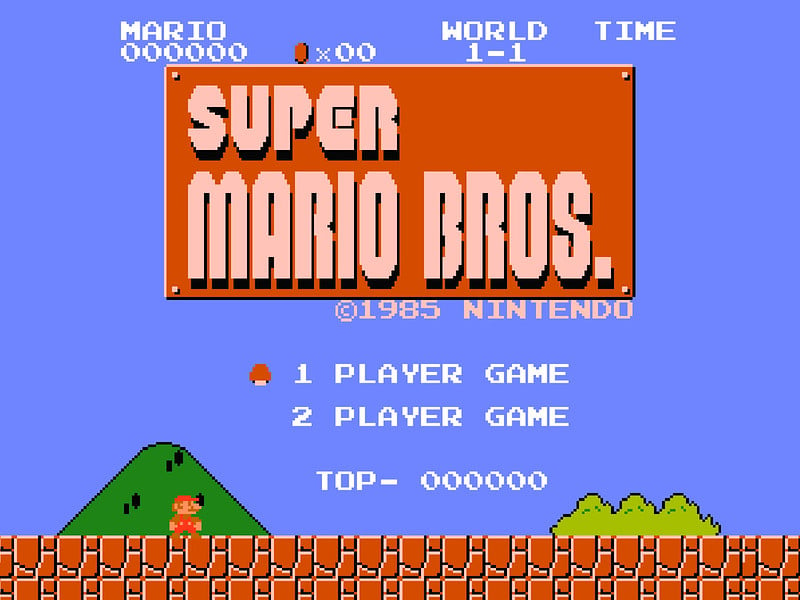
The dual-chambered box containing both Super Mario Bros. and Zelda cereals represented unprecedented innovation in packaging design during the late 1980s. This unique format, combined with the Nintendo licensing partnership, created one of the most sought-after cereal collectibles ever produced for the American market.
From Breakfast Table to Auction House
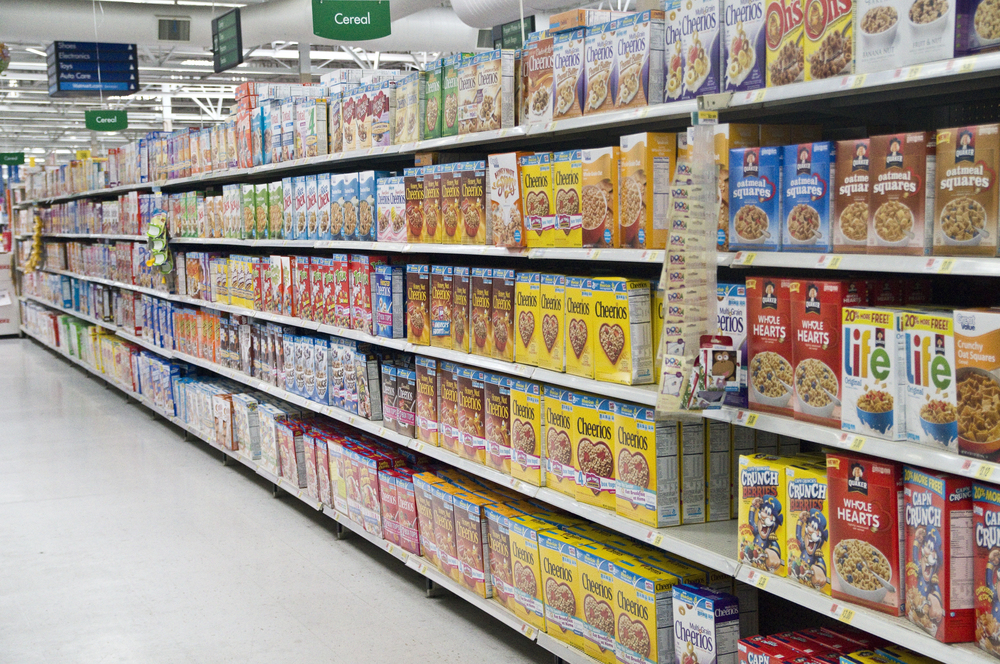
— Photo by woodkern
These collectible cereal boxes demonstrate how everyday packaging can evolve into valuable cultural artifacts that preserve specific moments in American history. The most prized examples combine nostalgia with rarity and design excellence while representing pivotal moments in advertising development and pop culture evolution. Serious collectors understand that condition is paramount – unopened boxes in mint condition can command premium prices reflecting their historical significance and cultural importance. As breakfast cereal marketing continues evolving in the digital age, these vintage boxes serve as tangible reminders of an era when colorful cardboard packaging could capture children’s imaginations while creating lasting brand loyalty across generations.
More from Go2Tutors!

- 16 Historical Figures Who Were Nothing Like You Think
- 12 Things Sold in the 80s That Are Now Illegal
- 15 VHS Tapes That Could Be Worth Thousands
- 17 Historical “What Ifs” That Would Have Changed Everything
- 18 TV Shows That Vanished Without a Finale
Like Go2Tutors’s content? Follow us on MSN.