15 Fashion Trends That Started as Medical Care
Fashion history is full of surprising connections between style and medicine that most people never realize. Many clothing items and accessories we consider purely aesthetic actually began as medical devices or treatments designed to solve health problems. These practical origins got forgotten over time as the items transformed into fashion statements, though their medical heritage often explains why certain styles became so popular.
The transition from medical necessity to fashion trend reveals how human creativity can turn functional solutions into cultural expressions. Here is a list of 15 fashion trends that started as medical care.
High Heels

Doctors in 16th-century Europe prescribed elevated shoes to treat back pain and improve posture. The raised heel was supposed to align the spine properly, helping patients who suffered from chronic aches.
Wealthy women adopted the style because good health was fashionable, turning a medical device into a status symbol.
Corsets

Medieval physicians recommended tight-fitting garments to support weak backs and improve breathing problems. They believed external pressure could correct spinal deformities, while also helping patients with respiratory issues.
The medical girdles evolved into elaborate undergarments that shaped women’s figures for centuries.
Like Go2Tutors’s content? Follow us on MSN.
Sunglasses

Eye doctors created tinted lenses to protect patients with light sensitivity and certain vision disorders. The dark glasses helped people with albinism, cataracts, and other conditions that made bright light painful.
Hollywood stars started wearing them for eye protection, accidentally creating one of the most enduring fashion accessories.
Girdles
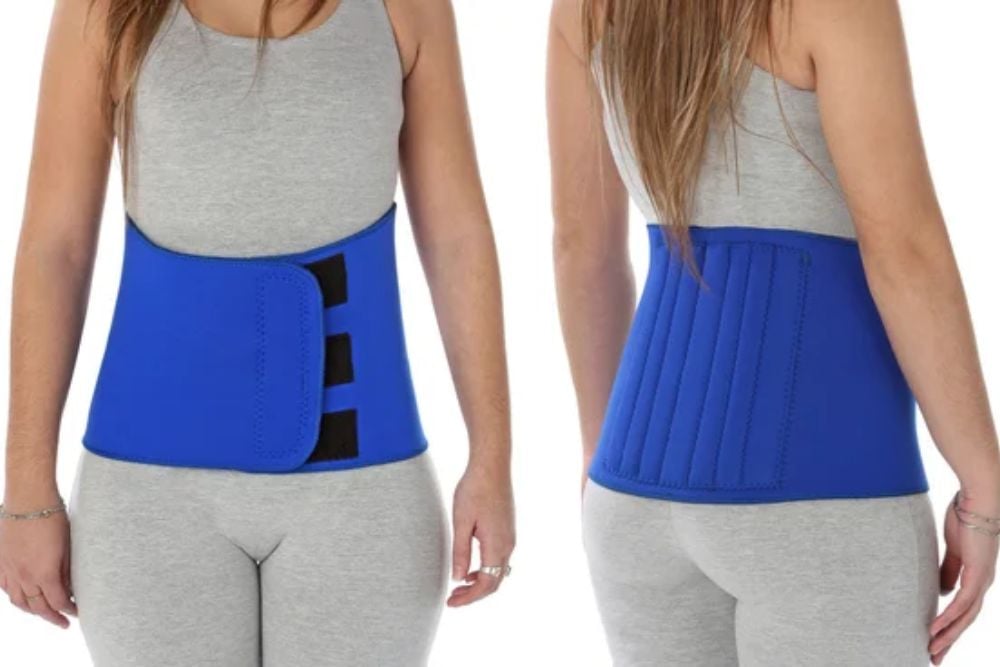
Physicians prescribed supportive undergarments to help women recover from childbirth and abdominal surgeries. The tight garments were supposed to hold internal organs in place – while providing muscle support during healing.
Fashion designers adapted the medical concept into everyday shapewear that promised better figures.
Powdered Wigs

Doctors recommended these elaborate hairpieces to patients suffering from hair loss due to syphilis and other diseases. The wigs covered unsightly bald patches while also protecting sensitive scalps from sun damage.
European aristocrats adopted the style to hide their own health problems, making artificial hair a sign of wealth.
Like Go2Tutors’s content? Follow us on MSN.
White Lab Coats

Physicians started wearing white coats in hospitals to demonstrate cleanliness and professionalism in medical settings. The color showed dirt easily, forcing doctors to maintain higher hygiene standards than their predecessors.
The authoritative look spread beyond medicine as other professionals adopted white coats to appear more credible.
Makeup Foundation
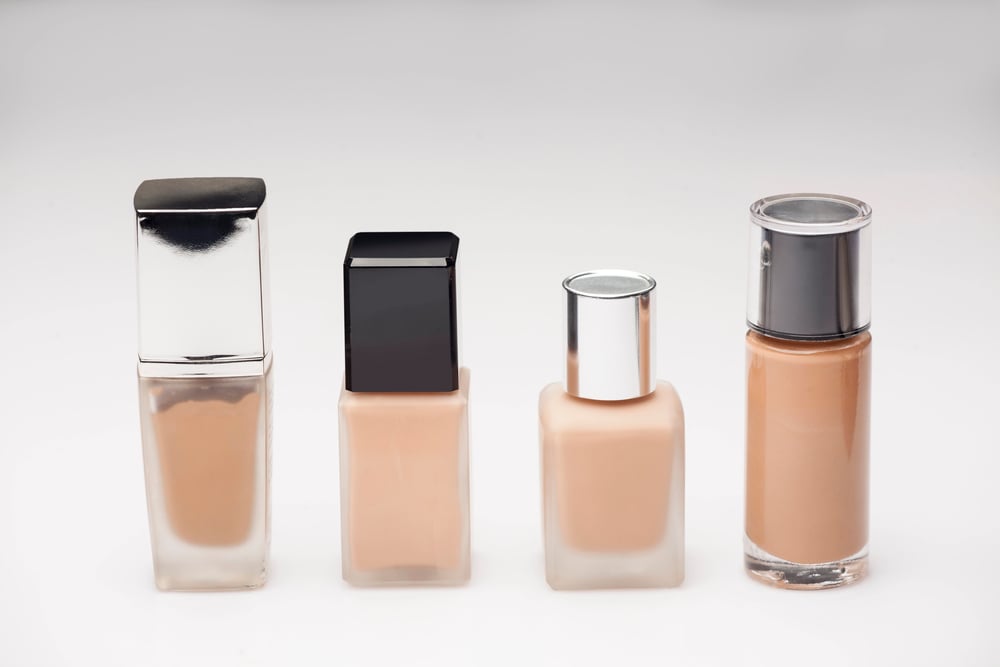
Cosmetic companies originally developed foundation to cover scars, birthmarks, and skin discoloration for medical patients. The products helped people with facial injuries—burns, and skin conditions feel more confident in public.
Beauty brands realized healthy people wanted the same flawless appearance that medical makeup provided.
Shoulder Pads

Orthopedic specialists designed padded garments to correct posture problems and support weak shoulder muscles. The padding helped patients with spinal curvature, while also providing stability after shoulder injuries.
Fashion designers exaggerated the medical concept into the dramatic silhouettes that defined 1980s business wear.
Like Go2Tutors’s content? Follow us on MSN.
Compression Stockings
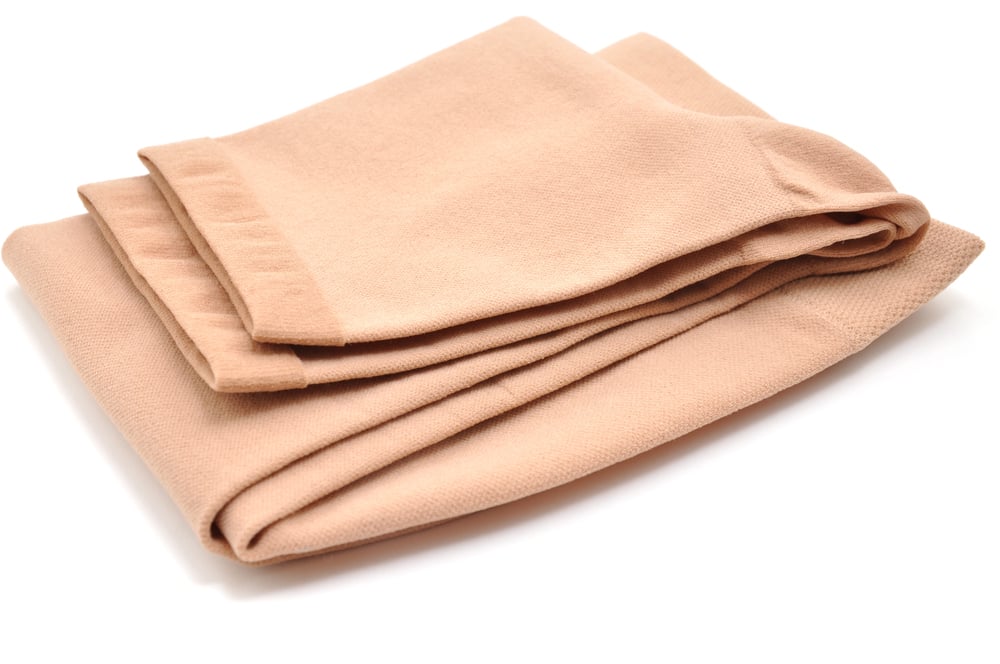
Doctors prescribed tight hosiery to improve circulation in patients with varicose veins and blood clot risks. The pressure helped blood flow back to the heart, preventing dangerous pooling in the legs.
Hosiery manufacturers adapted the medical principle into everyday stockings that promised better leg health.
Turtlenecks

Physicians recommended high-necked garments to patients with throat problems and neck injuries that needed protection from cold air. The coverage helped people recovering from surgery, while also supporting weak neck muscles.
The practical design became a fashion staple that suggested sophistication and intellect.
Platform Shoes
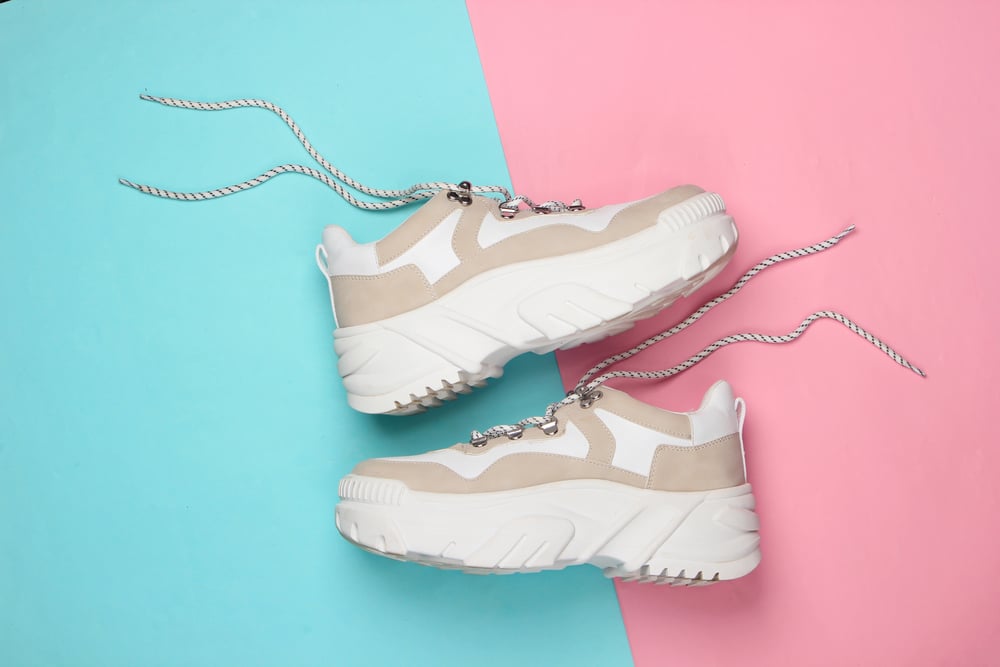
Orthopedic doctors created elevated soles to help patients with leg length differences and certain walking disabilities. The platforms corrected gait problems while reducing strain on joints and muscles.
Fashion designers embraced the dramatic height boost, turning medical footwear into statement pieces.
Like Go2Tutors’s content? Follow us on MSN.
Fingerless Gloves

Hand specialists designed these partial gloves for patients with arthritis and repetitive strain injuries. The design kept joints warm while allowing finger movement for daily tasks.
Musicians and artists adopted them for the same practical benefits, eventually making them a fashion accessory.
Wide-Brimmed Hats

Dermatologists recommended large hats to protect patients with sun-sensitive skin conditions from harmful ultraviolet radiation. The broad brims provided necessary shade for people with lupus, certain medication reactions, and other photosensitive disorders.
Fashion embraced the dramatic proportions as elegant accessories.
Elastic Waistbands
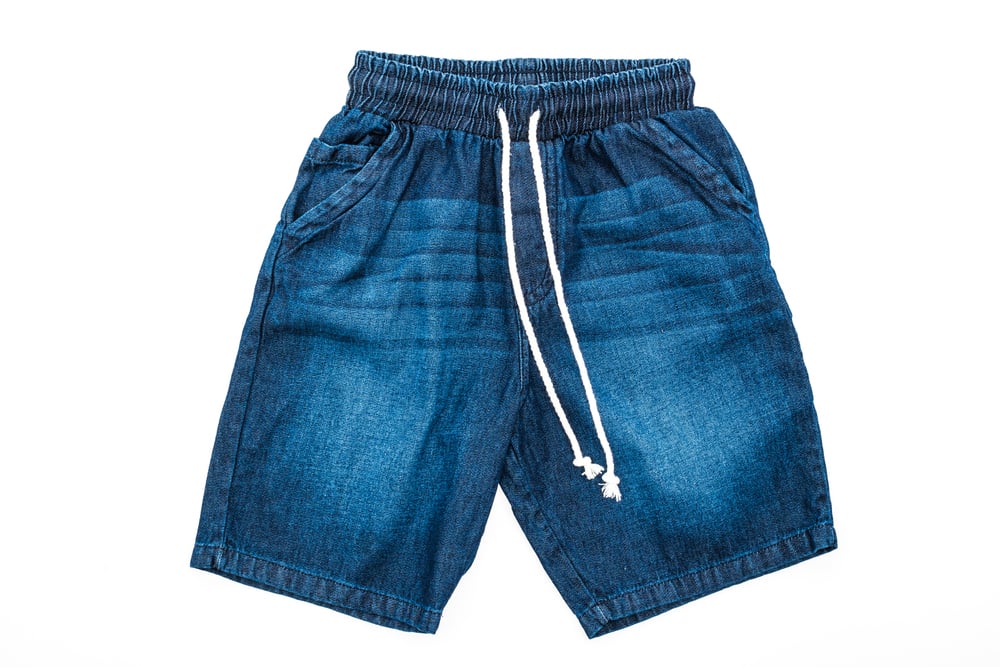
Medical garment makers developed stretchy waistbands for patients who couldn’t handle the pressure of traditional belts due to abdominal surgeries or digestive conditions. The flexible design accommodated swelling and provided comfort during recovery periods.
Clothing manufacturers realized everyone appreciated the comfort and convenience.
Like Go2Tutors’s content? Follow us on MSN.
Oversized Sweaters

Occupational therapists recommended loose-fitting garments for patients with limited mobility and joint problems who struggled with tight clothing. The roomy designs made dressing easier while accommodating medical devices and bandages.
The comfortable style became associated with casual elegance and artistic sensibility.
When Medicine Meets Style

These medical origins show how practical solutions often become cultural phenomena when they solve universal human needs. Health concerns drove innovation in clothing design, creating garments that offered both function and appeal.
Fashion continues to borrow from medical advances, proving that the best trends often start with solving real problems rather than pursuing pure aesthetics.
More from Go2Tutors!

- 16 Restaurant Chains That Went Too Fast
- 12 Things Sold in the 80s That Are Now Illegal
- 15 Strange Things People Have Tried to Ban (And Failed)
- 16 Collectibles People Tossed Out Too Soon
- 17 Myths from Your Childhood That Were Actually Based on Real Things
Like Go2Tutors’s content? Follow us on MSN.