Behind-the-Scenes Stories of Classic Films
Movie magic looks effortless on screen. The performances feel natural, the sets look real, and everything flows together perfectly.
But behind every classic film sits a collection of stories that never made it into the finished product—mishaps, improvised genius, feuds, and moments of pure luck that shaped cinema history. These tales reveal just how messy and human the filmmaking process really is.
The Godfather’s Cotton-Mouthed Gamble
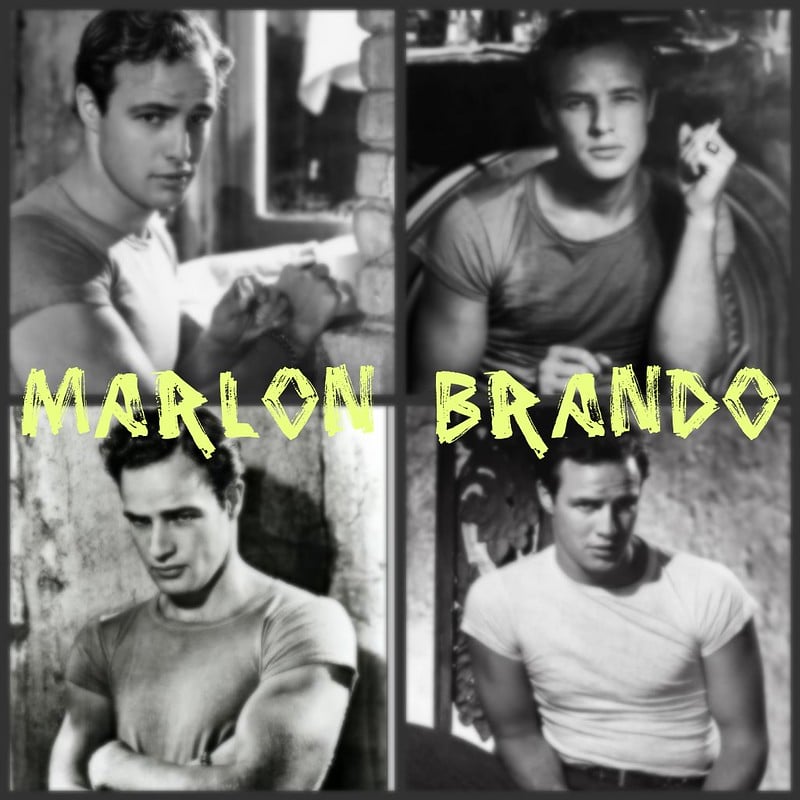
Francis Ford Coppola fought hard to cast Marlon Brando as Vito Corleone. The studio hated the idea.
Brando had become difficult to work with, and his recent films flopped. During his screen test, Brando showed up unprepared and started experimenting.
He grabbed cotton and stuffed it in his cheeks to change the shape of his face. That improvised choice became one of the most iconic looks in cinema.
The makeup team later created a custom mouthpiece, but the effect came from Brando’s spur-of-the-moment decision to experiment with cotton wadding.
Jaws and the Shark That Wouldn’t Work

Steven Spielberg planned Jaws around a mechanical shark the crew nicknamed Bruce. Bruce broke down constantly.
The salt water corroded the machinery, the shark sank, and when it did work, it looked fake under bright lights. The production fell drastically behind schedule as the crew fought with the malfunctioning equipment.
Spielberg had to rethink his entire approach. He started shooting scenes that suggested the shark without showing it.
Barrels being dragged underwater, the famous yellow barrel POV shots, and that iconic opening attack filmed mostly from below. The shark’s repeated failures forced Spielberg to become a better director.
The suspense that made Jaws terrifying came from necessity, not choice.
Casablanca’s Evolving Script
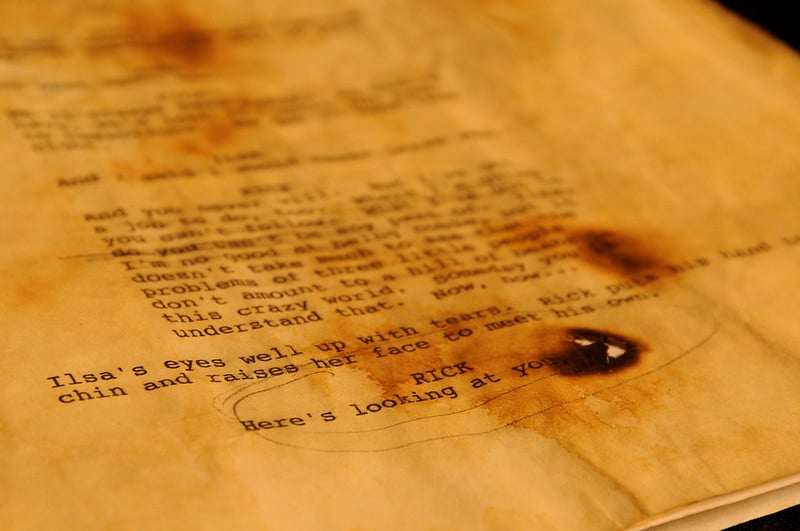
The Casablanca script kept changing during production. Pages were rewritten and delivered to the set, sometimes just before shooting.
Humphrey Bogart and Ingrid Bergman worked through much of filming without certainty about the ending. The writers debated whether Ilsa would stay with Rick or leave with Victor Laszlo.
Bergman learned how the story would conclude shortly before they shot the final airport scene, but the extended uncertainty affected her performance throughout. That ambiguity shows up on screen as authentic emotion.
The actors’ genuine confusion about where their characters were headed added layers to their performances that careful planning might not have achieved.
The Wizard of Oz’s Dangerous Conditions

The Wizard of Oz set was a nightmare for the cast. Buddy Ebsen, originally cast as the Tin Man, had a severe allergic reaction to the aluminum dust makeup and ended up hospitalized for about 10 days before leaving the production.
His replacement, Jack Haley, wore a different makeup that was safer but still uncomfortable. The Wicked Witch actress Margaret Hamilton suffered second-degree burns on her face and hand during the Munchkinland scene when the pyrotechnics misfired.
The snow in the poppy field scene was made of asbestos. The conditions would never pass safety standards today, but at the time, nobody questioned it.
Apocalypse Now’s Chaotic Philippine Shoot
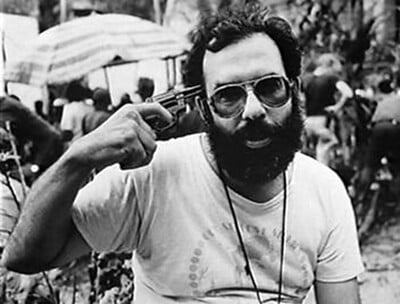
Francis Ford Coppola’s Vietnam War epic turned into its own war. Martin Sheen had a heart attack during filming at age 36.
Production shut down while he recovered. Typhoons destroyed elaborate sets that took months to build.
Marlon Brando showed up overweight and, while he had read parts of Conrad’s Heart of Darkness, was unprepared in ways that forced Coppola to rethink how to shoot his scenes. The Philippine government loaned the production helicopters, but kept pulling them away for actual military operations, leaving the crew stranded mid-scene.
Coppola mortgaged his house to keep filming and struggled with the pressure. The chaos shows up in the film’s raw, destabilized energy.
Psycho’s Chocolate Syrup Blood
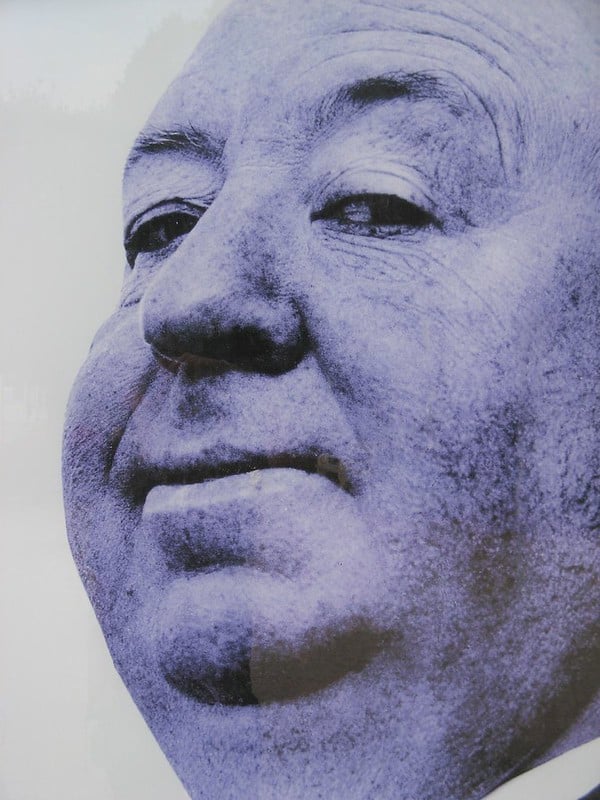
Alfred Hitchcock shot Psycho in black and white partly to get away with the famous shower scene. Color would have made the violence too graphic for 1960 audiences.
The blood swirling down the drain was actually chocolate syrup, which showed up better on black and white film than stage blood. Hitchcock shot the scene over seven days, using 77 different camera angles.
The knife never actually touches Janet Leigh’s body in any shot. The editing and Bernard Herrmann’s shrieking violins created the violence in viewers’ minds.
Hitchcock proved you don’t need to show everything to make an impact.
Star Wars Nearly Failed
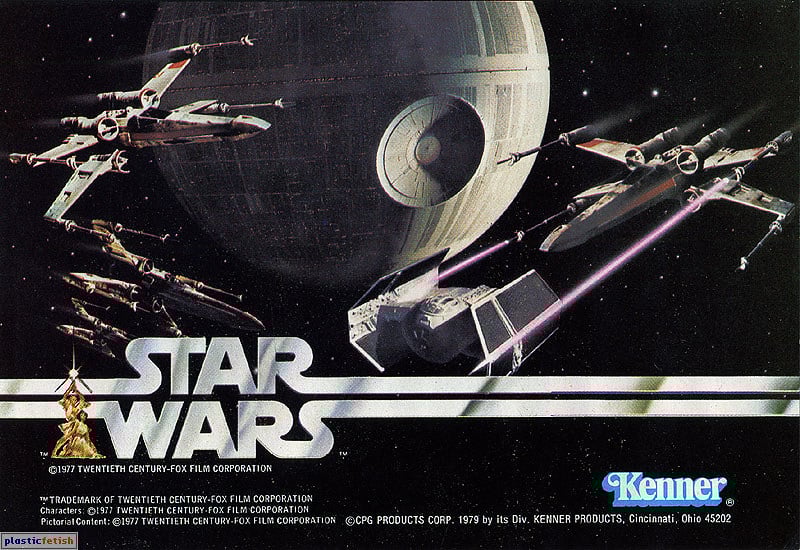
The studio had zero faith in Star Wars. They thought Lucas was making a weird space movie that nobody would understand.
The special effects kept falling behind schedule. The first rough cut looked terrible, even to Lucas.
His editor wife, Marcia Lucas, along with editors Paul Hirsch and Richard Chew, saved the film in post-production by restructuring scenes and creating the rhythm that made it work. Lucas had stress-induced hypertension during production and genuinely believed his career was over.
When the film opened and lines wrapped around theaters, nobody was more surprised than him.
The Shining’s Endless Takes

Stanley Kubrick was infamous for demanding take after take after take. Stories about The Shining include claims of 127 takes for a single scene with the character Hallorann, though the exact number remains disputed among crew members.
What’s certain is that Kubrick’s perfectionism pushed everyone to their limits. Shelley Duvall, who played Wendy, went through such physical and emotional stress during production that her hair started falling out.
Kubrick deliberately kept her in a state of distress to capture genuine fear and exhaustion. Jack Nicholson actually broke through a real door with an axe in the famous “Here’s Johnny” scene.
Kubrick’s methods were brutal, but they captured performances that still unsettle viewers decades later.
E.T.’s Hidden Performers
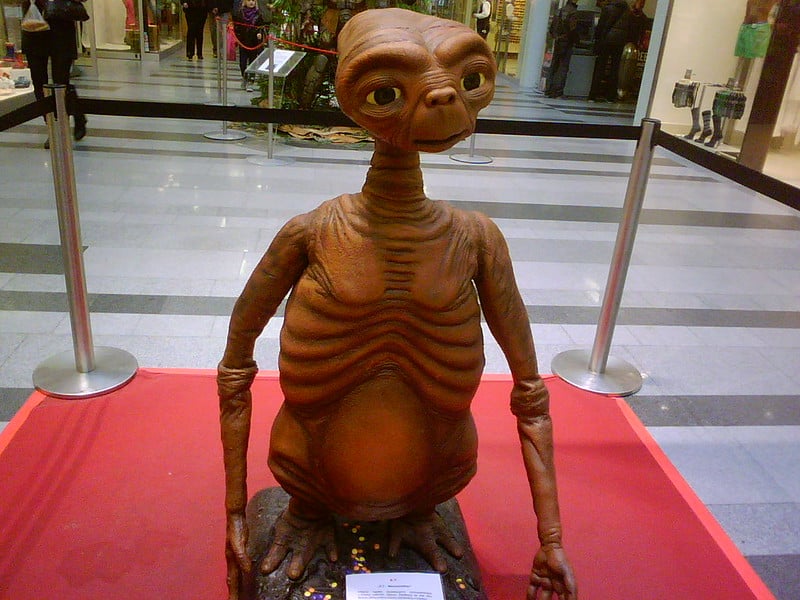
The actress inside the E.T. costume for many scenes was a woman born without legs named Tamara De Treaux. She walked on her hands wearing the costume for several scenes.
Other performers included mime artists, and a 12-year-old boy operated some of E.T.’s facial mechanisms and movements. Steven Spielberg shot much of the film from a child’s eye level to make E.T. feel more real to young viewers.
He also limited the time the child actors spent with the E.T. puppet during early filming so their wonder would be genuine when they finally interacted with it extensively. The emotional connection between Elliott and E.T. came from careful manipulation of the young actor’s real reactions.
Citizen Kane’s Hostile Reception
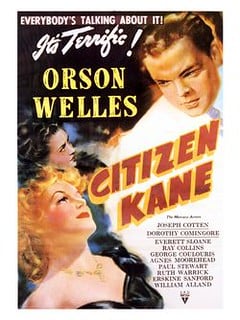
Orson Welles was only 25 when he made Citizen Kane. William Randolph Hearst, the newspaper magnate who inspired the film, used his considerable power to try to bury it.
Hearst banned any mention of the film in his newspapers. Theater chains refused to show it.
Hollywood insiders feared Hearst’s wrath. The film bombed at the box office and Welles never had that level of creative control again.
The industry treated him warily after taking on such a powerful figure. Only years later did critics recognize what Welles had accomplished.
His first film turned out to be his masterpiece, and the pushback from it shaped the rest of his complicated career.
The Exorcist’s Troubled Production
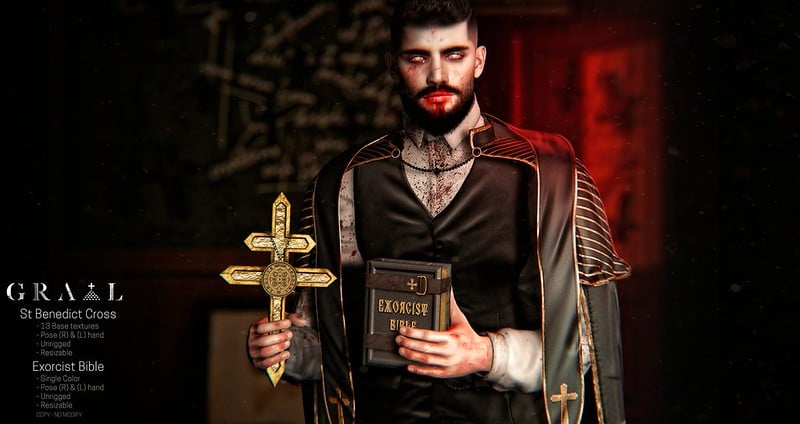
The Exorcist set was plagued with accidents that the cast and crew found genuinely disturbing. An electrical fire destroyed much of the set except for Regan’s bedroom.
Ellen Burstyn injured her back during the scene where she’s thrown away from the bed, though the severity of lasting damage remains disputed. Linda Blair also reported back problems from the harness used during possession scenes.
Actor Jack MacGowran died before the film’s release. The actor who played Burke Dennings, the director who gets thrown out the window, died shortly after filming.
Whether coincidence or not, the production felt cursed to everyone involved. Director William Friedkin brought in a real priest to bless the set after too many strange occurrences.
Gone with the Wind’s Revolving Directors

Gone with the Wind went through three directors. George Cukor started the film but was fired after a few weeks.
Producer David O. Selznick brought in Victor Fleming, who was simultaneously working on The Wizard of Oz. Fleming suffered from exhaustion and temporarily left the set.
Sam Wood stepped in to direct while Fleming recovered. Fleming returned and Wood stayed on briefly, with both directors shooting different scenes.
The final film credits only Fleming. Vivien Leigh and Olivia de Havilland preferred Cukor and snuck off to get his coaching even after he was fired.
The production was so chaotic that Selznick would rewrite scenes the night before shooting them, handing actors fresh pages in the morning.
Raiders of the Lost Ark’s Improvised Gunshot
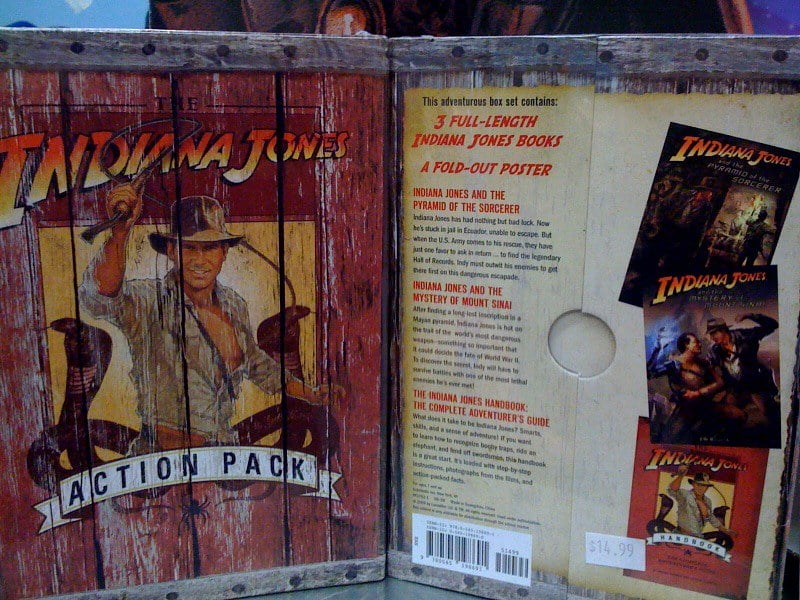
The famous scene where Indiana Jones shoots the swordsman in the Cairo marketplace wasn’t in the script. The scene was supposed to be an elaborate whip-versus-sword fight.
Harrison Ford had dysentery that day and felt miserable. Between takes, he suggested to Spielberg that Indy should just shoot the guy.
Spielberg loved it. One of the most memorable moments in the film came from an actor who desperately wanted to minimize his time on set that day.
The swordsman had prepared his routine, and Ford’s improvisation made all that preparation irrelevant, but created a perfect character moment that defined Indiana Jones’s practical, no-nonsense approach to obstacles.
When Craft Meets Chaos

These stories share something fundamental about filmmaking. The best moments often emerge from problems, accidents, and spontaneous decisions rather than careful planning.
Directors adapt, actors improvise, and technical failures force creative solutions. The polished final product hides all the chaos that created it.
Classic films became classic not because everything went right, but because talented people found ways to make things work when everything went wrong. That messy, unpredictable human element is what makes these films feel alive decades later.
More from Go2Tutors!

- The Romanov Crown Jewels and Their Tragic Fate
- 13 Historical Mysteries That Science Still Can’t Solve
- Famous Hoaxes That Fooled the World for Years
- 15 Child Stars with Tragic Adult Lives
- 16 Famous Jewelry Pieces in History
Like Go2Tutors’s content? Follow us on MSN.