17 Races That Set Speed Records
The pursuit of speed has always captured human imagination, pushing the boundaries of what’s possible on land, water, and in the air. From daredevils racing across salt flats to pilots breaking the sound barrier, these record-breaking moments represent the pinnacle of human engineering and courage.
Each of these historic races didn’t just set new benchmarks—they redefined what we thought was achievable. Here is a list of 17 races that shattered speed records and left their mark on history.
ThrustSSC breaks the sound barrier
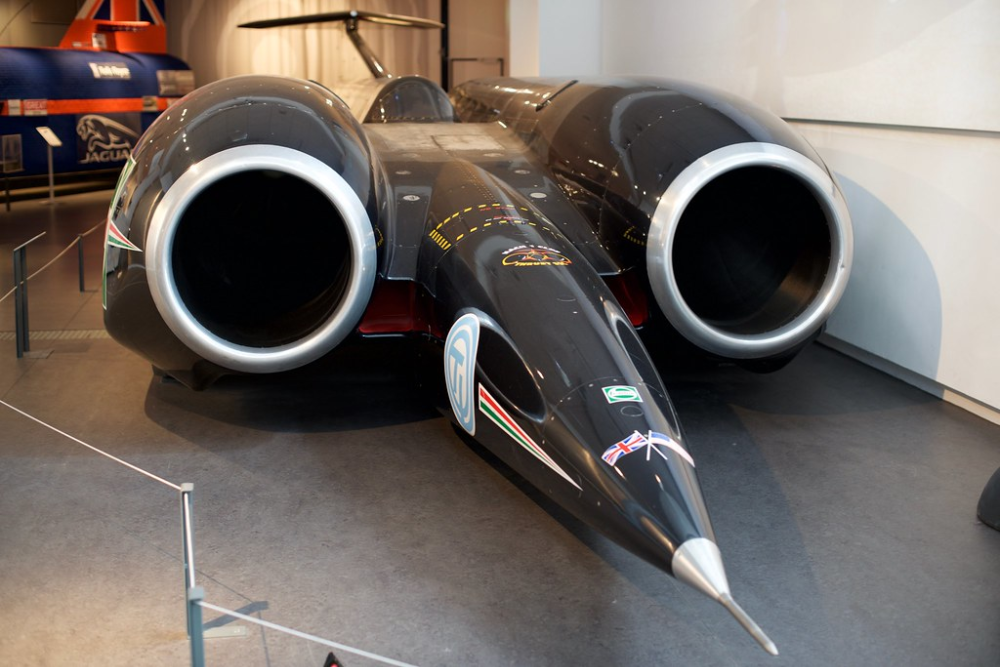
Andy Green’s 1997 run in the ThrustSSC wasn’t just another land speed record—it was the moment human-driven vehicles first broke the sound barrier on wheels. The twin turbofan jet-powered car achieved 763.035 mph (1227.985 km/h) over one mile in October 1997, exceeding Mach 1.016.
The supersonic boom echoing across Nevada’s Black Rock Desert marked a new era in land speed racing. Green, a Royal Air Force fighter pilot, became the first person to drive faster than the speed of sound.
Spirit of America conquers Bonneville
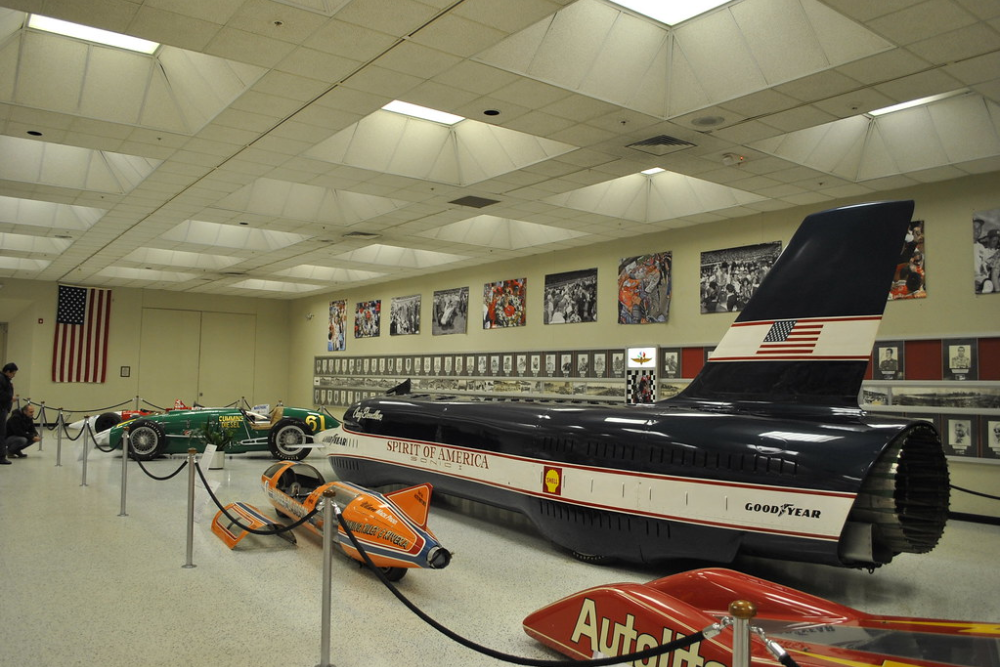
Craig Breedlove’s 1965 run in Spirit of America brought jet propulsion to land speed racing in spectacular fashion. The jet-powered vehicle achieved 600.601 mph (966.574 km/h), making Breedlove the fastest man on Earth at the time.
Unlike traditional cars with engines and wheels, Spirit of America used pure jet thrust, fundamentally changing how engineers approached land speed vehicles. The Beach Boys even wrote a hit song celebrating this achievement.
Like Go2Tutors’s content? Follow us on MSN.
SneakinDeacon
Australian Ken Warby’s 1978 record on Blowering Dam remains unbeaten after more than four decades. Piloting his backyard-built Spirit of Australia, Warby reached 317.58 mph (511.09 km/h), becoming the first person to break 300 mph on water and survive.
What makes this record remarkable is that Warby designed and built the boat himself with help from the Australian Air Force. His achievement stands as testament to both engineering brilliance and sheer courage.
X-15 rocket plane reaches the edge of space
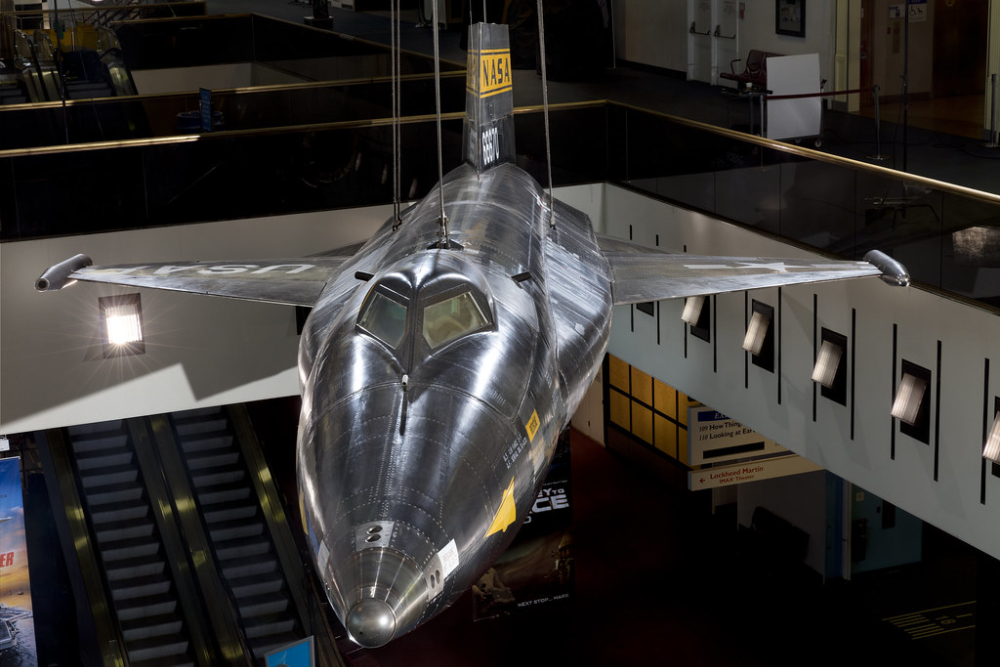
The North American X-15’s 1967 flight represents the fastest any human has traveled in an aircraft. Pilot William J. ‘Pete’ Knight reached Mach 6.70 (about 4,520 mph) on October 3, 1967, a record that still stands today.
Dropped from a B-52 at 45,000 feet, the rocket-powered X-15 essentially became a manned missile, reaching altitudes where pilots could see the curvature of Earth and the blackness of space.
SR-71 Blackbird sets air-breathing record
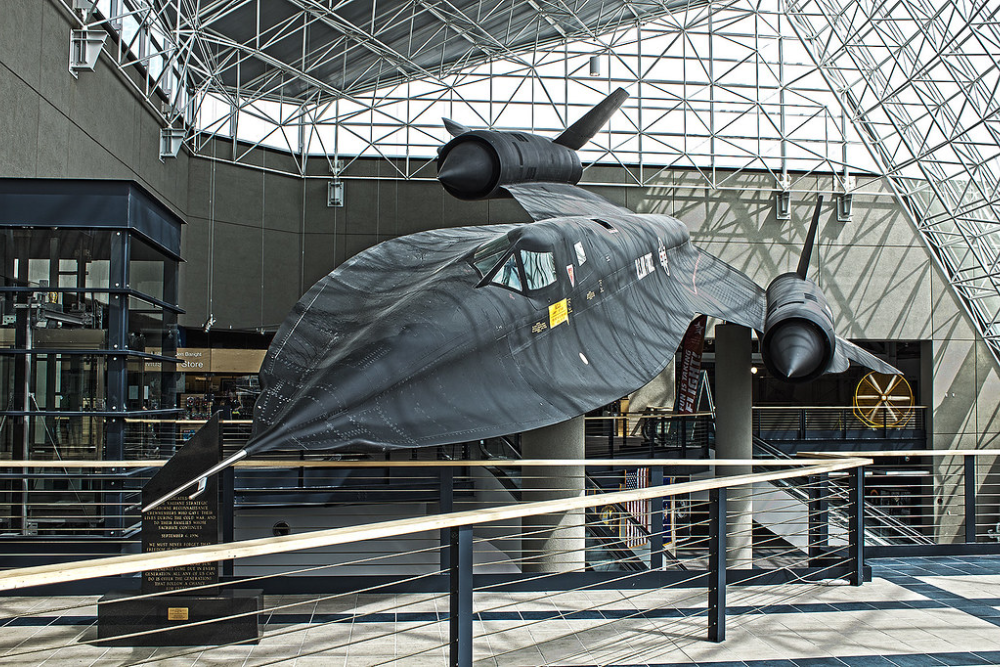
The Lockheed SR-71 Blackbird holds the official record for the fastest air-breathing manned aircraft. The aircraft achieved 3,529.6 km/h (2,193.2 mph) during its operational years.
Built for reconnaissance missions during the Cold War, the Blackbird was so fast it could outrun surface-to-air missiles. The aircraft actually leaked fuel when stationary because the extreme heat from high-speed flight caused the metal to expand and seal the joints.
Like Go2Tutors’s content? Follow us on MSN.
Donald Campbell’s double record year
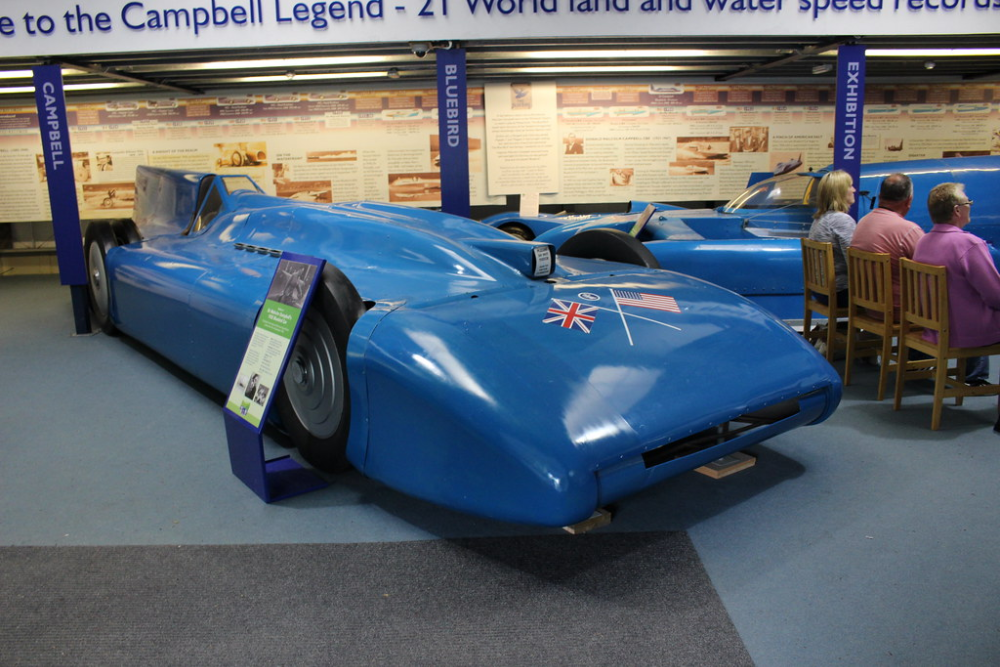
In 1964, Donald Campbell achieved something no one else has matched—setting both land and water speed records in the same year. He took the land speed record to 403 mph on Lake Eyre Salt Flats in July and the water speed record to 273 mph on Lake Dumbleyung in December.
Both records were set in Australia using his iconic Bluebird vehicles. Campbell’s ambition would ultimately cost him his life during a 1967 water speed attempt on Coniston Water.
Malcolm Campbell breaks 300 mph barrier
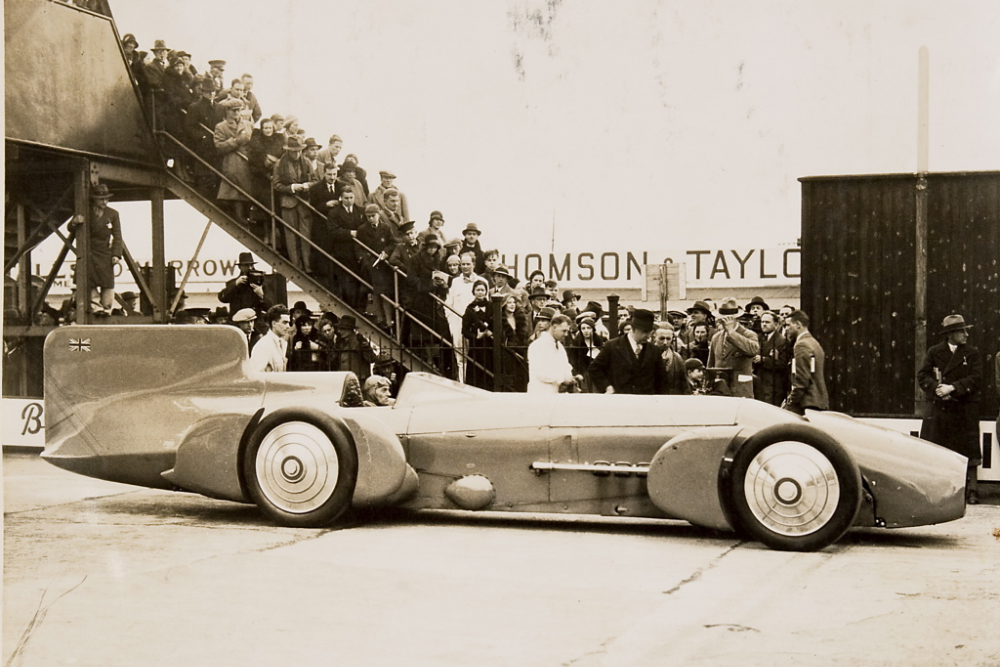
Sir Malcolm Campbell became the first person to officially drive over 300 mph when he piloted his Bluebird to victory in 1935. Campbell achieved 301.129 mph (484.620 km/h) on the Bonneville Salt Flats, establishing a new standard for land speed racing.
His streamlined car and meticulous approach to safety helped legitimize high-speed racing as both sport and science. Campbell’s achievements inspired his son Donald to follow in his tire tracks.
Henry Segrave cracks 200 mph
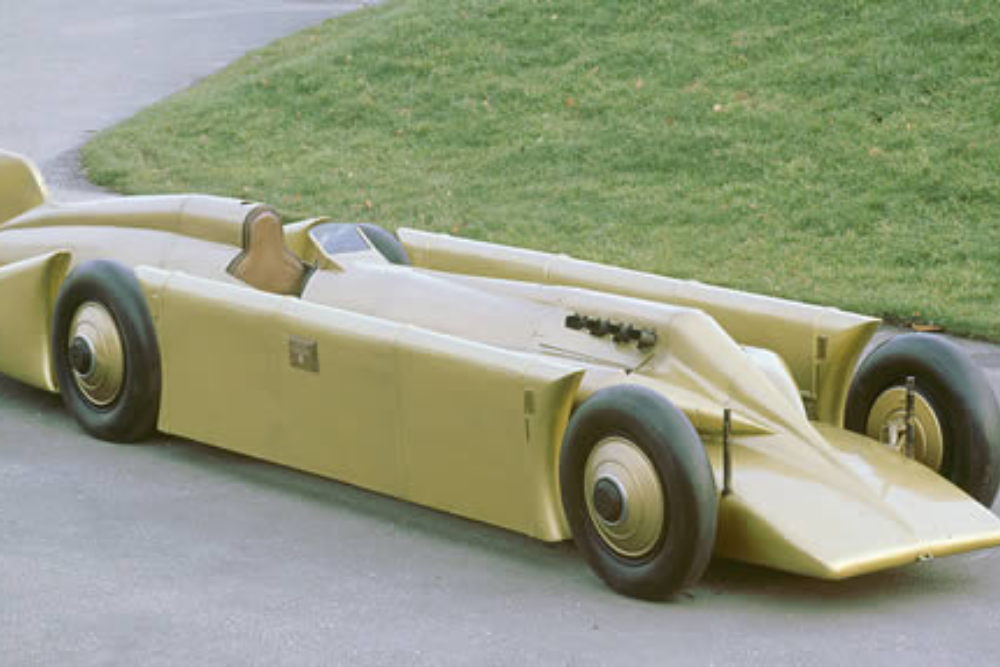
The 1927 run by Sir Henry Segrave marked the first time a human traveled 200 mph on land. Driving the massive Mystery car with its twin 22.4-liter aircraft engines, Segrave successfully broke 200 mph on Daytona’s sand.
The achievement seemed almost supernatural at the time, when most people had never experienced speeds beyond a galloping horse. Segrave later became the first person to hold world speed records on both land and water simultaneously.
Like Go2Tutors’s content? Follow us on MSN.
X-43 scramjet reaches hypersonic speeds
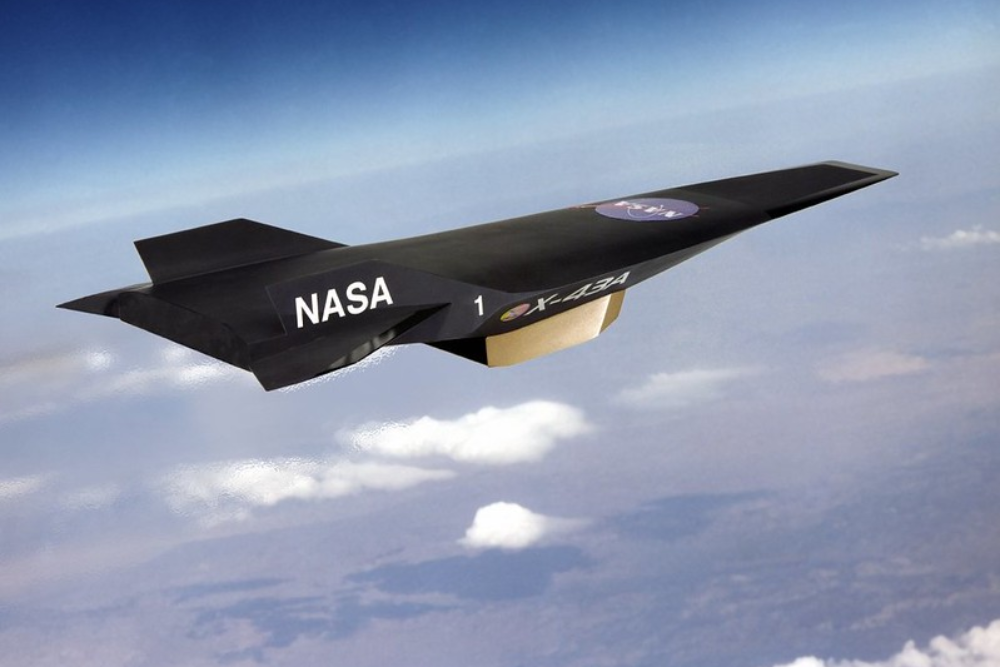
NASA’s unmanned X-43A scramjet achieved something that seemed impossible—sustained hypersonic flight using air-breathing engines. On November 16, 2004, the X-43A reached Mach 9.6 (approximately 7,000 mph) at 109,000 feet altitude.
The revolutionary scramjet engine operated for just 10 seconds, but proved that hypersonic air-breathing flight was possible. This technology could eventually lead to aircraft that travel from New York to Tokyo in under two hours.
John Cobb’s Railton breaks 350 mph
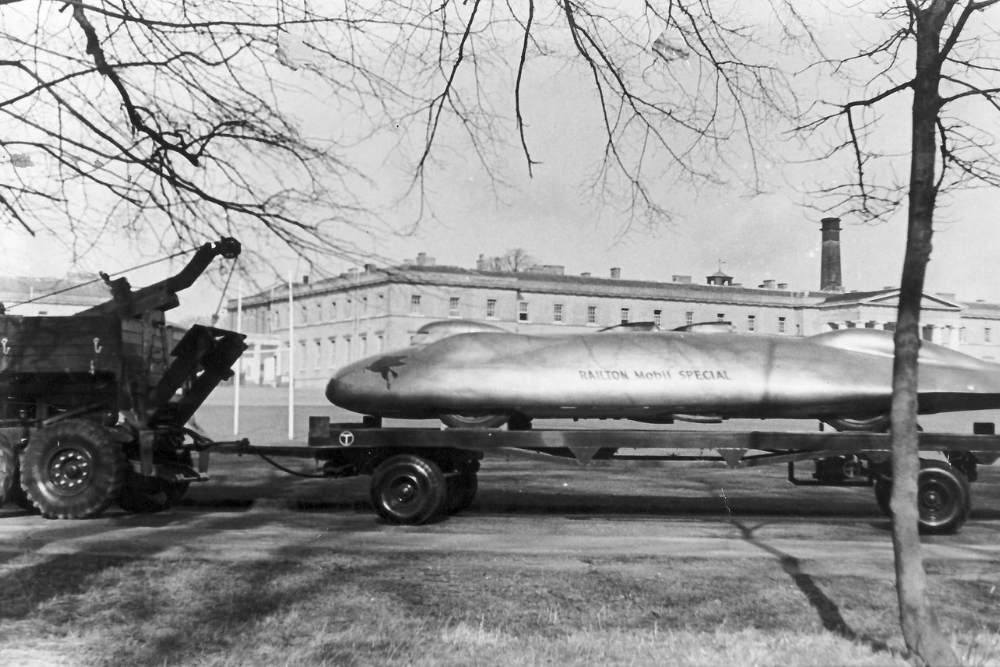
John Cobb’s 1938 run in the bizarre Railton Mobil Special shattered the 350 mph barrier with style and innovation. On September 15, 1938, Cobb pushed the unusual car to over 350 mph, with its cockpit positioned ahead of the front axle and body shaped like a flattened submarine.
The car used ice blocks to cool its twin aircraft engines, showing how creative engineers had to be in the pre-aerodynamics era. Cobb described the experience as the car going ‘faster and faster until it seemed it couldn’t stand any more speed.’
Chris Carr’s motorcycle land speed record
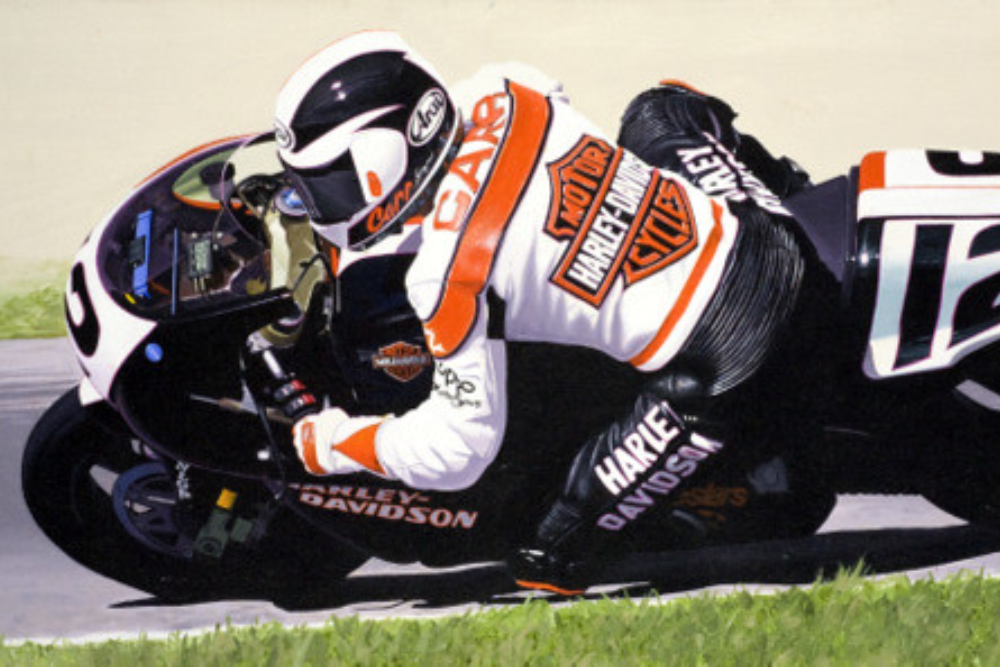
Motorcycle racer Chris Carr proved that two wheels could compete with four when he set the motorcycle land speed record in 2006. On September 5, 2006, at Bonneville Salt Flats, Carr broke the record with an average speed of 350.8 miles per hour, with his fastest pass reaching 354 mph.
Riding the specially-designed Number Seven Streamliner with a turbocharged V4 engine, Carr showed that motorcycles could approach the speeds of land speed cars while requiring incredible skill and courage.
Like Go2Tutors’s content? Follow us on MSN.
Blue Flame exceeds 1000 km/h
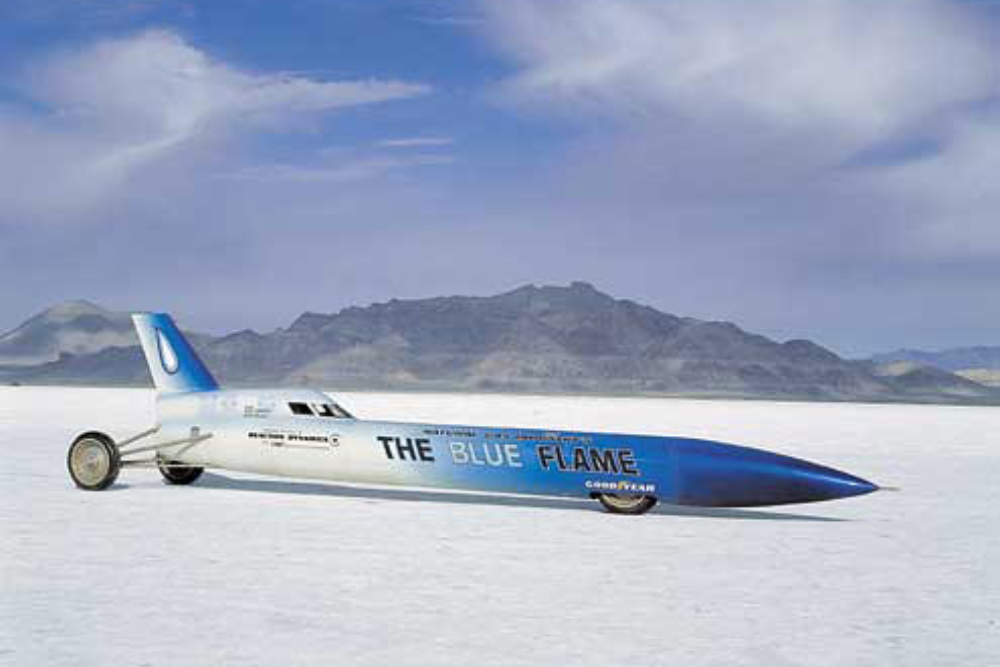
Gary Gabelich’s 1970 run in The Blue Flame marked the first time a land vehicle exceeded 1000 km/h. The rocket-powered car achieved 630.388 mph (1014.496 km/h) on the Bonneville Salt Flats, using natural gas as fuel instead of traditional rocket propellants.
The sleek, needle-shaped vehicle looked more like a spacecraft than a car, which essentially it was. Gabelich’s achievement proved that rocket power could be successfully harnessed for land speed racing.
French TGV train sets rail record
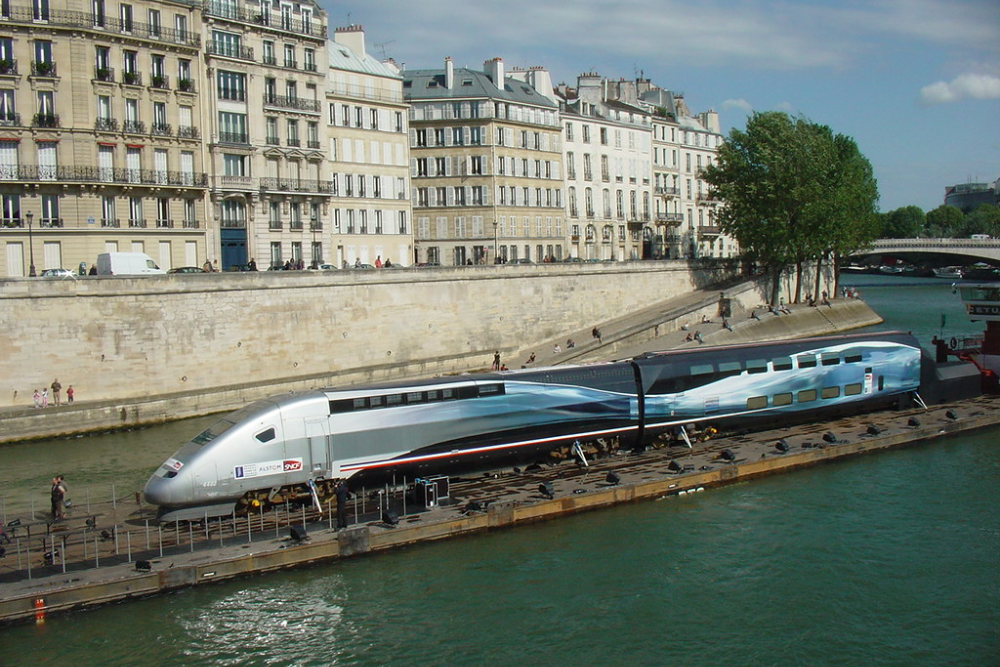
The French TGV high-speed train redefined what was possible on rails when it set its record in 2007. On April 3, 2007, under test conditions, the train consisting of two engine cars and three double-decker passenger cars reached 357.2 miles per hour.
This achievement showed that conventional wheeled trains could approach aircraft speeds while carrying passengers. The TGV’s success helped establish high-speed rail as a viable alternative to air travel for medium distances.
Finian Maynard’s windsurfing record
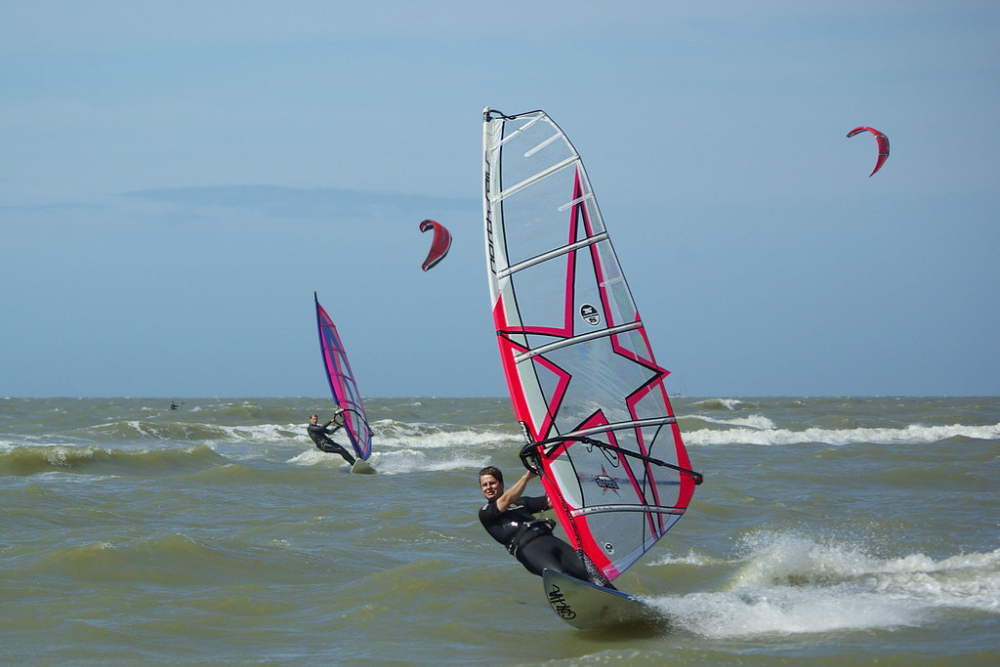
Irish windsurfer Finian Maynard proved that wind power could achieve remarkable speeds when he set the sailing speed record in 2005. Maynard reached 48.7 knots (about 56 miles per hour) on a 500-meter course near Saintes Maries de la Mer, France, in April 2005.
Using nothing but wind and a specially-designed sailboard, Maynard broke his own previous record and demonstrated the incredible potential of wind-powered vehicles. His achievement remains impressive considering he was powered entirely by natural forces.
Like Go2Tutors’s content? Follow us on MSN.
Miss England II breaks water speed barrier
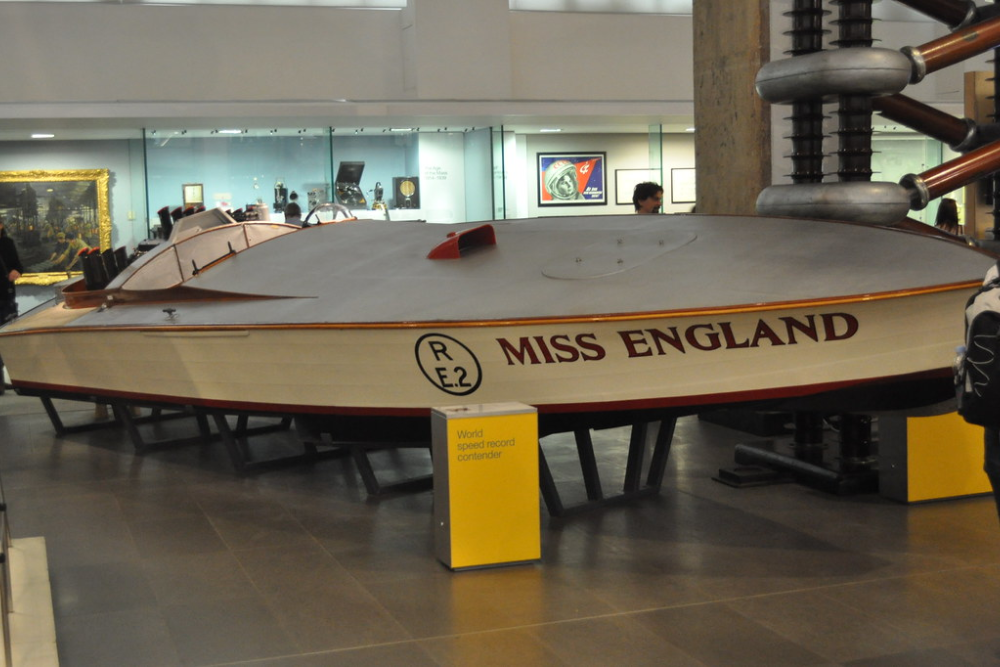
Sir Henry Segrave’s fatal 1930 run in Miss England II marked a bittersweet moment in water speed racing history. Piloting the Rolls-Royce aircraft engine-powered boat, Segrave became the first person to break the 100-mph barrier on water, setting a record of 98.8 mph (158.9 km/h).
Tragically, during a third run to improve the record further, the boat flipped, killing both Segrave and his engineer. His dying words reportedly were: ‘Have I broken the record?’ He had.
Rocket sled reaches 6,416 mph
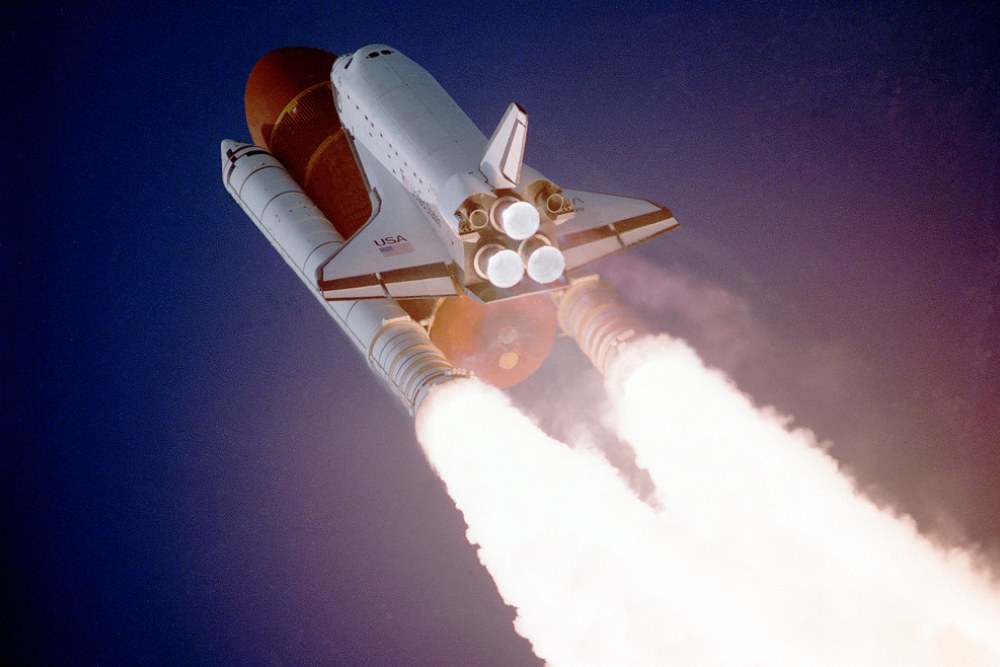
The ultimate expression of rocket-powered land vehicles came in 2003 when an unmanned rocket sled achieved incredible speeds. On April 30, 2003, a four-stage rocket sled reached 6,416 miles per hour at Holloman Air Force Base in New Mexico.
While not carrying a human pilot, this railroad car with rockets strapped to it demonstrated the absolute limits of what’s possible when safety constraints are removed. The sled essentially became a controlled missile running on rails.
Rare Bear piston aircraft record
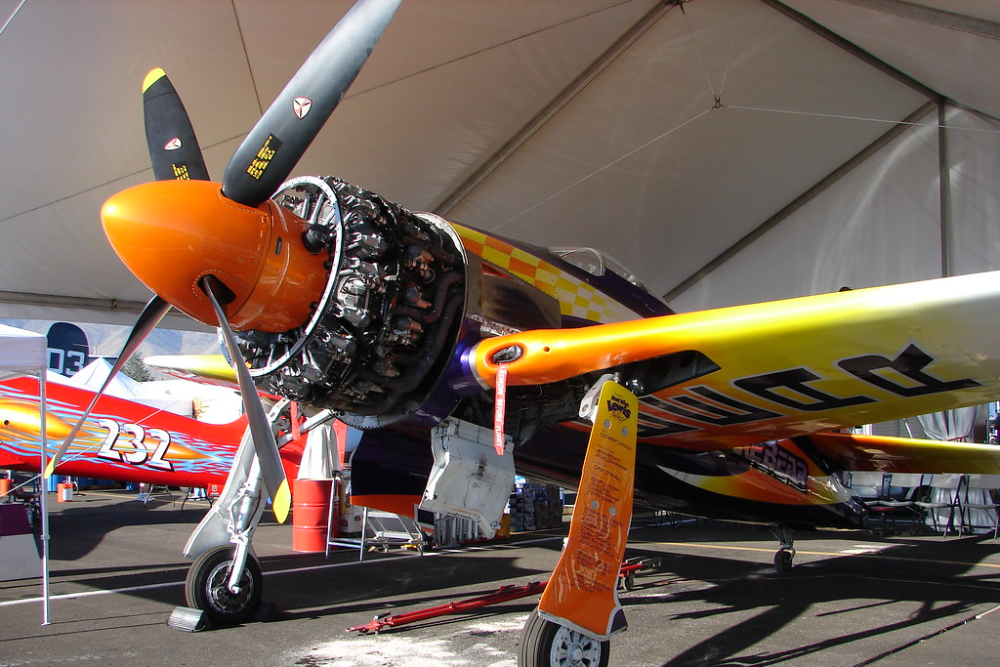
The modified Grumman F8F Bearcat called ‘Rare Bear’ set the record for piston-powered aircraft that stood for decades. On August 21, 1989, at Reno, Nevada, Rare Bear achieved 528.315 mph (850.241 km/h).
This heavily-modified World War II fighter aircraft pushed the absolute limits of what propeller-driven planes could achieve. The record demonstrated that even with jet age technology available, there was still room for innovation in traditional piston-powered flight.
Like Go2Tutors’s content? Follow us on MSN.
Speed’s endless frontier
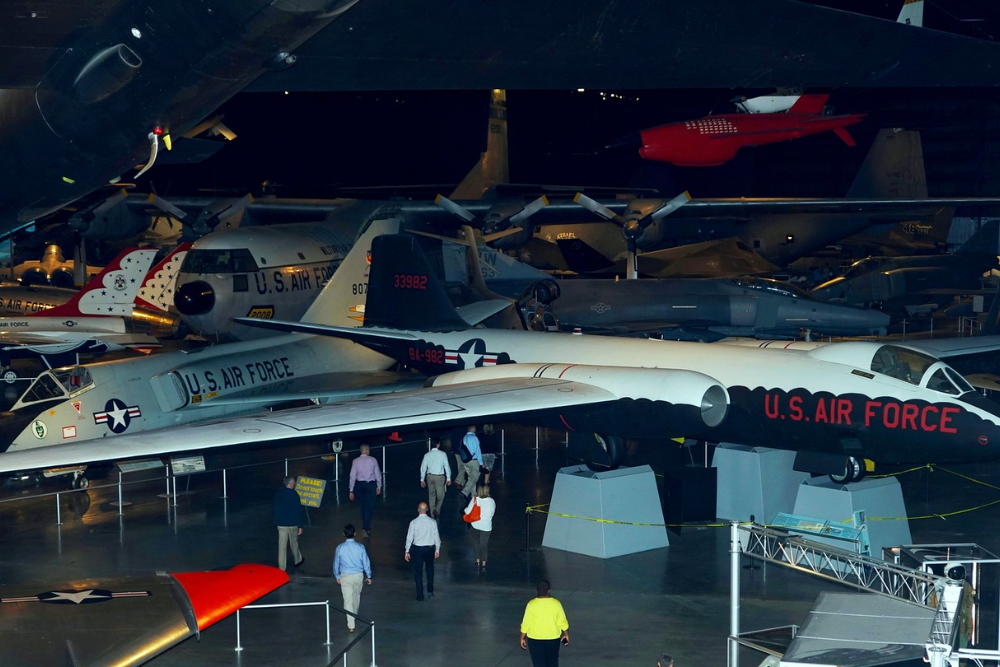
These 17 races represent more than just numbers on a scoreboard—they embody humanity’s relentless drive to push beyond perceived limitations. From Segrave’s pioneering 200 mph run to modern hypersonic flights, each record built upon previous achievements while inspiring future generations of speed seekers.
Today’s engineers continue this tradition, working on everything from 1,000 mph land speed vehicles to hypersonic passenger aircraft that could revolutionize global travel.
More from Go2Tutors!

- 16 Historical Figures Who Were Nothing Like You Think
- 12 Things Sold in the 80s That Are Now Illegal
- 15 VHS Tapes That Could Be Worth Thousands
- 17 Historical “What Ifs” That Would Have Changed Everything
- 18 TV Shows That Vanished Without a Finale
Like Go2Tutors’s content? Follow us on MSN.