20 Songs, Shows, or Games That Got Stuck in Legal Limbo
The entertainment world often presents a polished final product to audiences, masking the complex legal frameworks that govern creative works. Behind many beloved songs, shows, and games lies a tangled web of contracts, copyright claims, and corporate maneuvering that can sometimes bring projects to a grinding halt.
These legal battles don’t just delay releases—they can trap creative works in prolonged disputes where nobody wins except the lawyers. Here’s a list of 20 fascinating entertainment products that found themselves caught in protracted legal quagmires, sometimes for years or even decades.
The Muppets
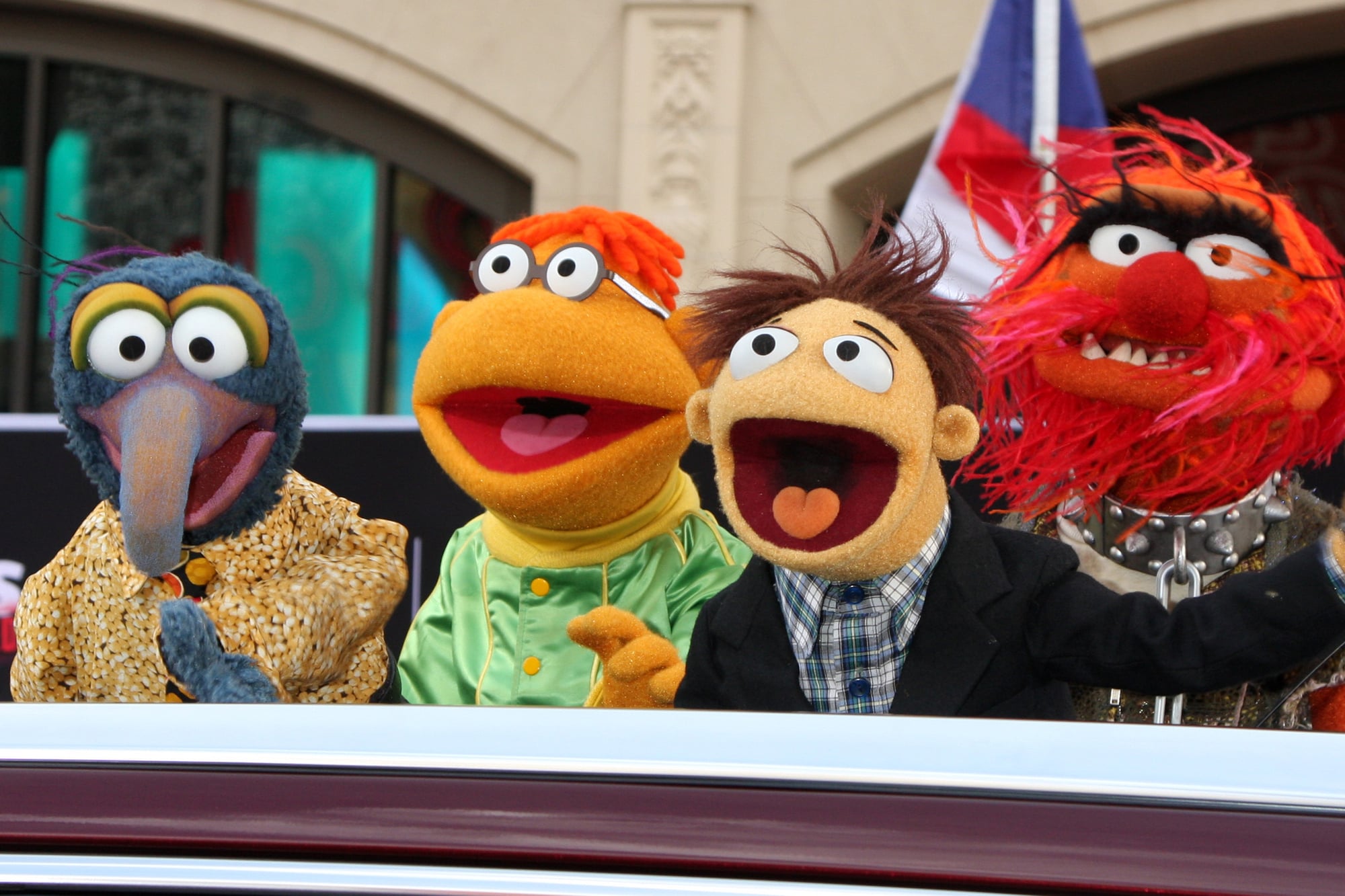
Jim Henson’s beloved puppet characters spent years in legal limbo following his unexpected death in 1990. His family initially agreed to sell the Muppets to Disney, then backed out, triggering lengthy negotiations.
The characters bounced between different owners until Disney finally acquired most of the Muppet properties in 2004—fourteen years after Henson’s death. This extended period of uncertain ownership significantly limited new Muppet productions during what should have been their prime years.
The Beatles’ “Free as a Bird”

Due to complicated ownership difficulties, this reunion song with all four Beatles was not published for almost 20 years. Although John Lennon made a recording in 1977, it took a lot of negotiating with Yoko Ono to obtain permission to use his vocals after his passing.
Until 1994, when contractual obstacles were eventually removed, the remaining Beatles were unable to legally improve the recording. The song represents how even the largest band in the world was unable to break free from the restrictions imposed by contract law.
Alan Wake
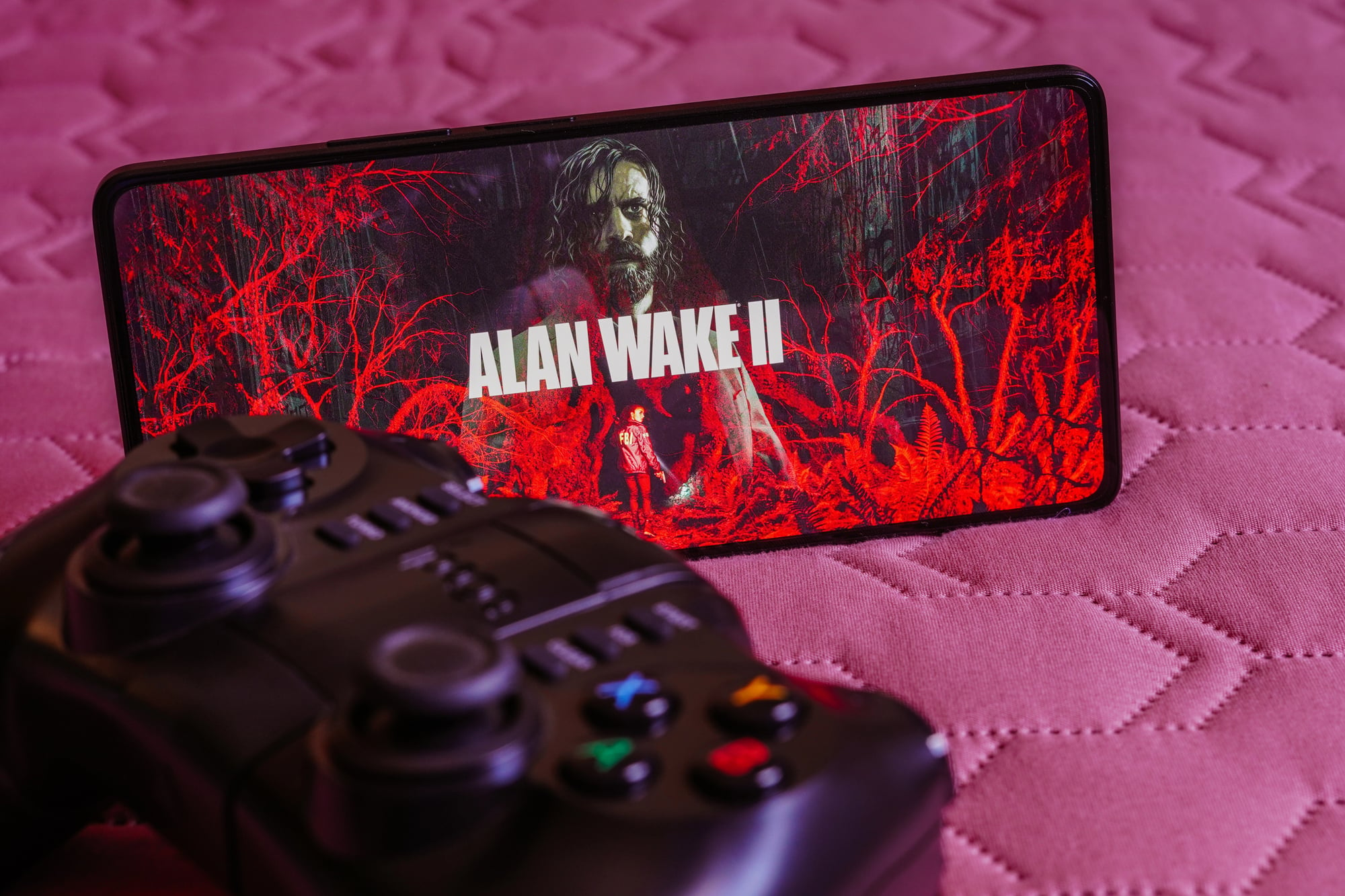
When the music licensing contracts ran out in 2017, this ambient horror game disappeared from digital stores. Developer Remedy Entertainment had not obtained eternal rights to the licensed tracks spread around the game.
Until Remedy renegotiated the music rights, the title was unavailable for purchase for 16 months—a cautionary story about the transient character of digital media and its reliance on continuous legal agreements.
Thunderbolts & Lightning
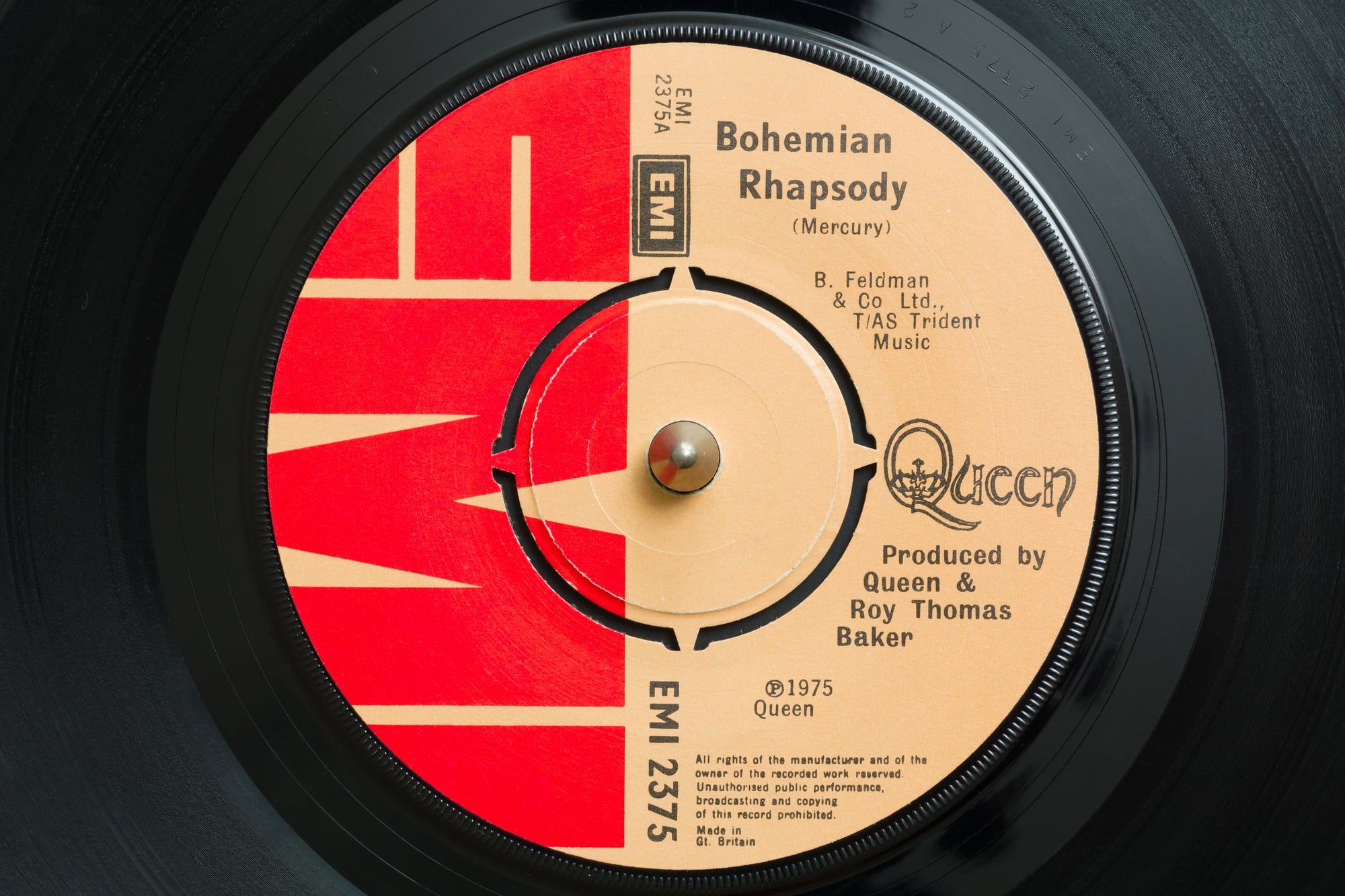
Due to creative disagreements and copyright issues, this Queen biopic was stuck in development hell for more than ten years. The band members rejected several actors and scripts and exercised strict control over how their story and songs were used.
Between 2010 and 2018, the project saw multiple production halts due to the departure of directors. The movie was eventually released as “Bohemian Rhapsody” following a protracted legal battle between the band’s estate and many studios.
Superman Returns
The Man of Steel couldn’t fly back to theaters for nearly two decades due to a labyrinth of legal complications. Rights disputes between Warner Bros. and the Siegel and Shuster estates—Superman’s creators—blocked production for years.
The project cycled through multiple directors, scripts, and concepts while lawyers battled over ownership percentages. Superman finally returned to the cinema in 2006, concluding what had been one of Hollywood’s most notorious development sagas.
Jetpack Joyride in China
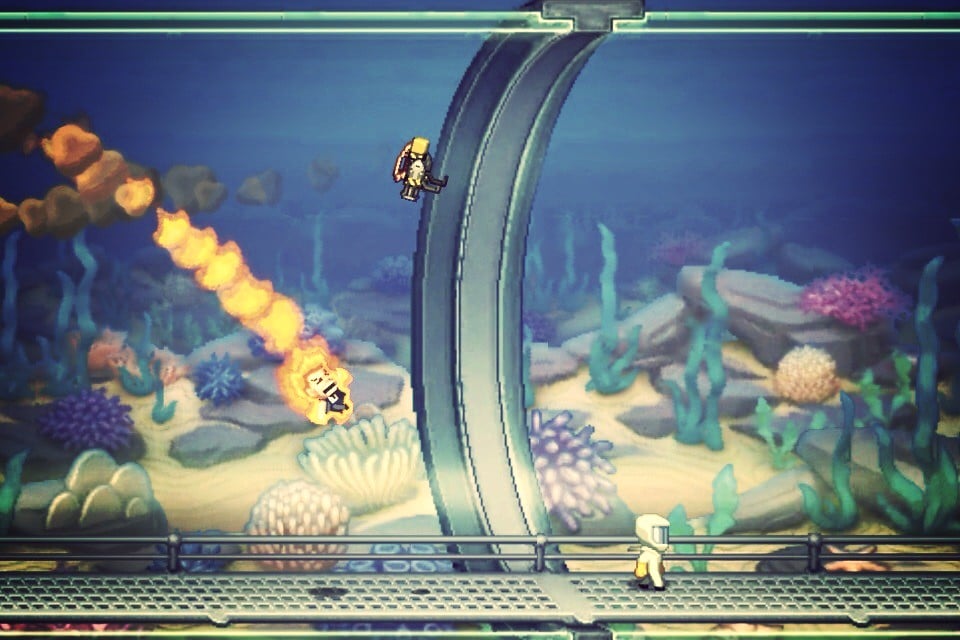
When a Chinese corporation asserted trademark ownership in their jurisdiction, this popular mobile game became embroiled in a convoluted legal dispute. For almost three years, developer Halfbrick was unable to make money off the game or issue updates in China.
It took several court appearances and international arbitration to settle the case. Meanwhile, taking advantage of the legal void, a large number of game clones emerged on the Chinese market.
Blade Runner 2
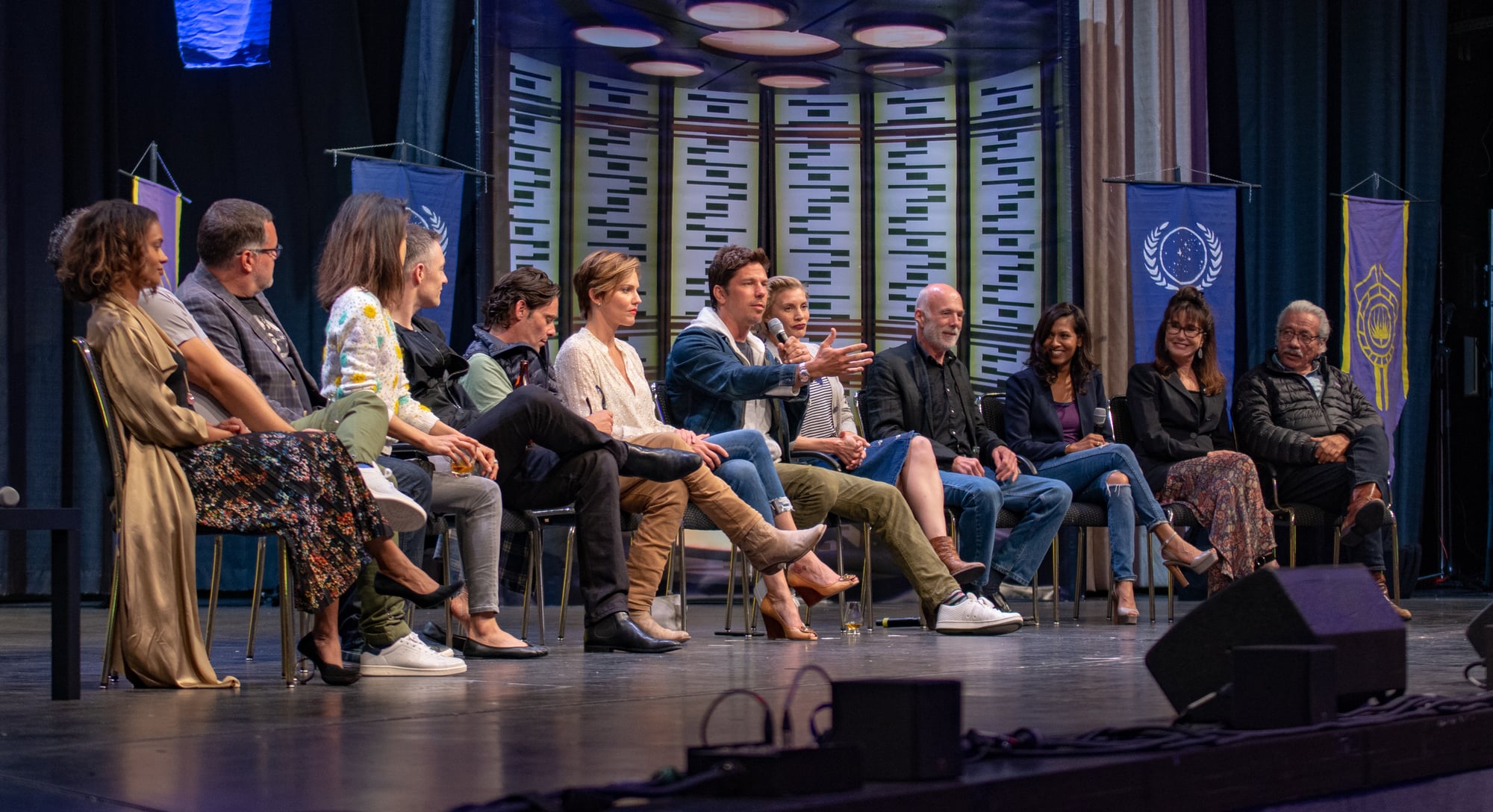
The sequel to Ridley Scott’s sci-fi classic spent 30 years in legal limbo due to disputed adaptation rights. The original film underperformed financially, triggering a complex set of conditions about sequel rights.
Various studios claimed partial ownership of different elements of the franchise—the characters, the setting, even specific visual elements. These overlapping claims created a legal standoff that wasn’t resolved until 2015, allowing “Blade Runner 2049” to finally enter production.
Duke Nukem Forever
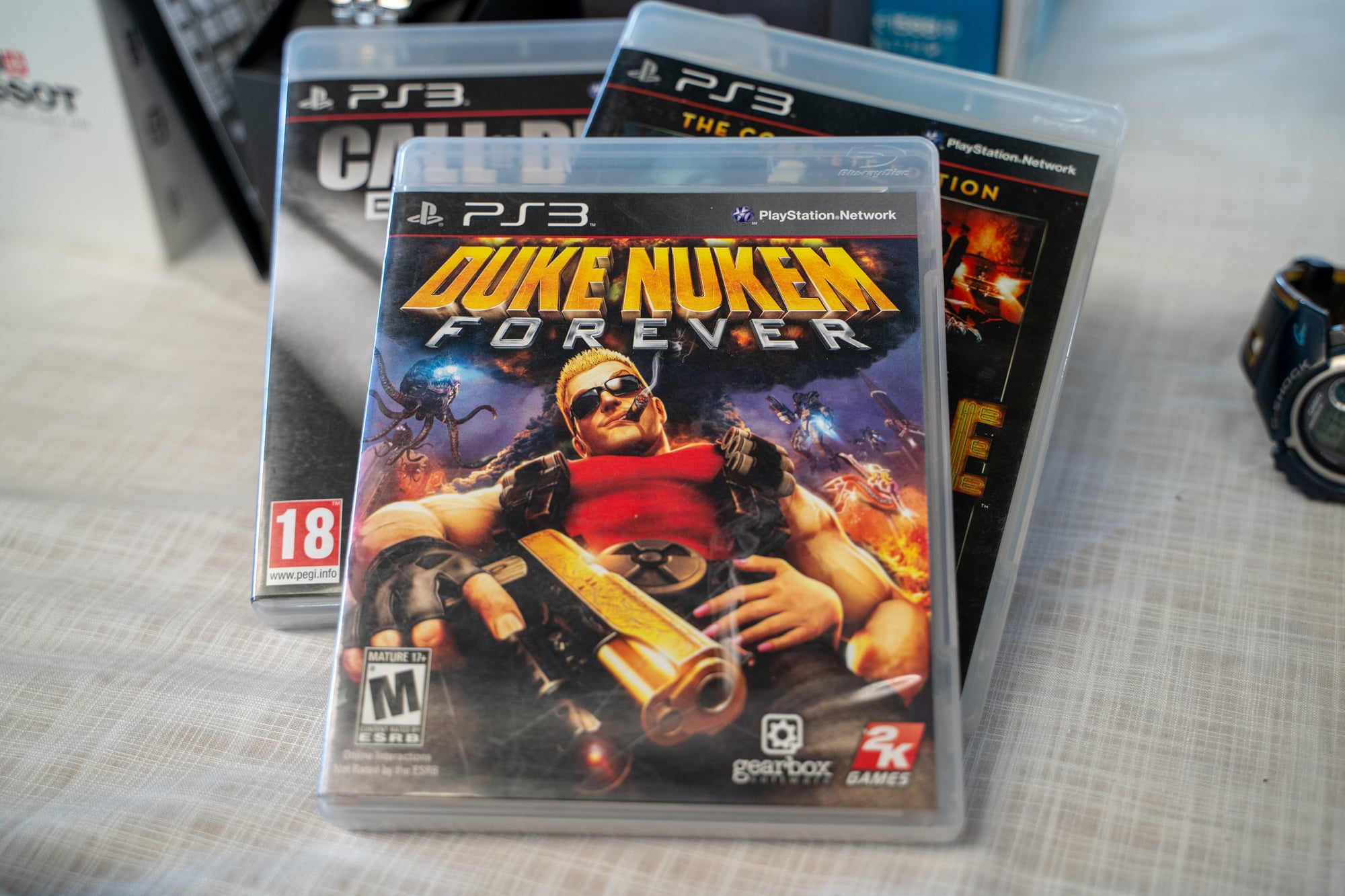
This notorious video game languished in development for 15 years, partly due to ownership disputes between developers and publishers. 3D Realms maintained rights to the character while funding dried up, refusing to release an unfinished product.
The game passed through multiple engines and design iterations while legal threats mounted. Gearbox Software finally acquired the rights in 2010, releasing the long-delayed game to disappointed fans who had waited nearly a generation.
“Bitter Sweet Symphony”
The Verve’s iconic track became a symbol of legal complications in the music industry when they sampled an orchestral version of a Rolling Stones song. Despite obtaining sample clearance, the band faced lawsuits claiming they used too much of the original.
The Verve lost 100% of the royalties to former Stones manager Allen Klein’s company ABKCO. Lead singer Richard Ashcroft only regained rights to his signature song in 2019—22 years after its release and countless millions in lost revenue.
Prey 2
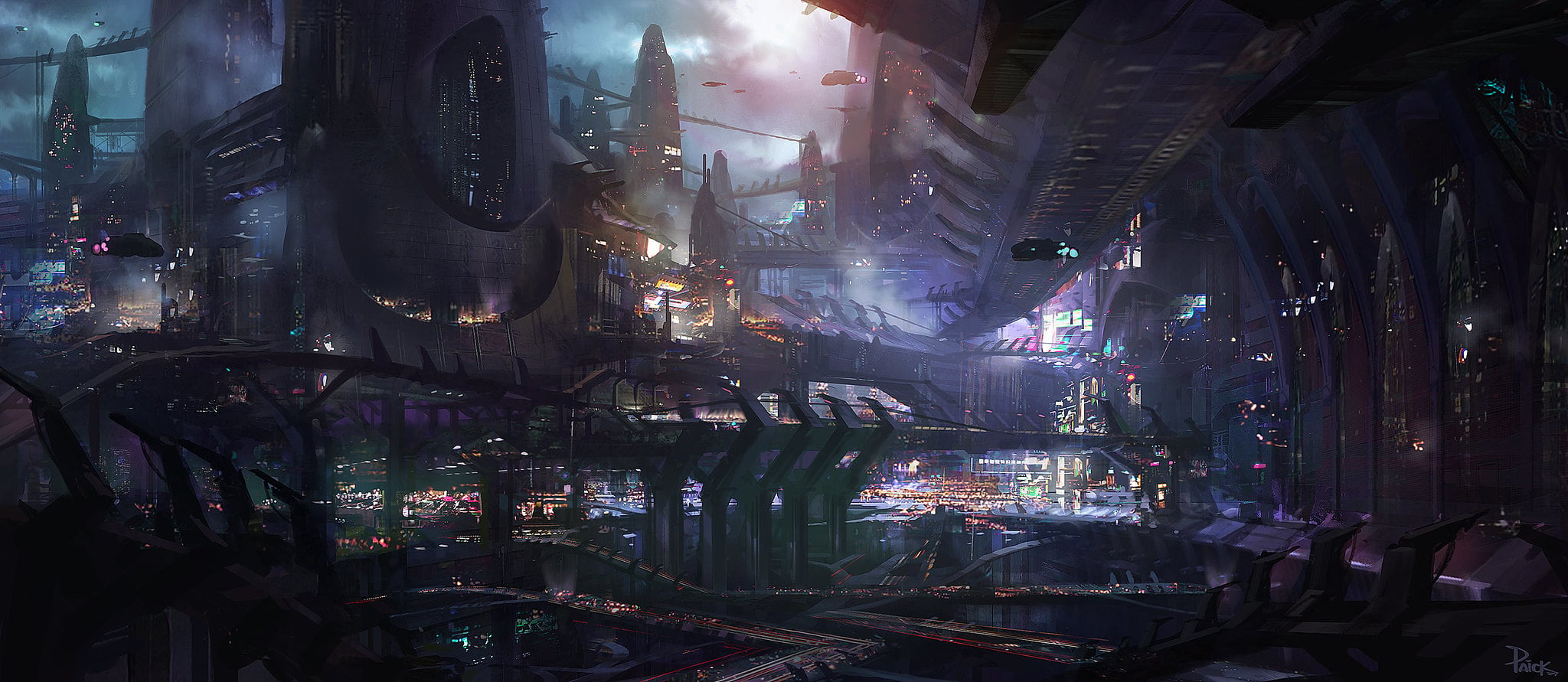
Following its outstanding 2011 unveiling, this exciting sci-fi game vanished into a contractual black hole. Developer Human Head Studios and publisher Bethesda became locked in undisclosed contract arguments about funding and milestones.
For years the project was declared “not canceled”; no development took place. After years of legal dispute, Bethesda finally transferred the moniker “Prey” to a totally different 2017 release, so destroying the original vision.
Twin Peaks Season 3
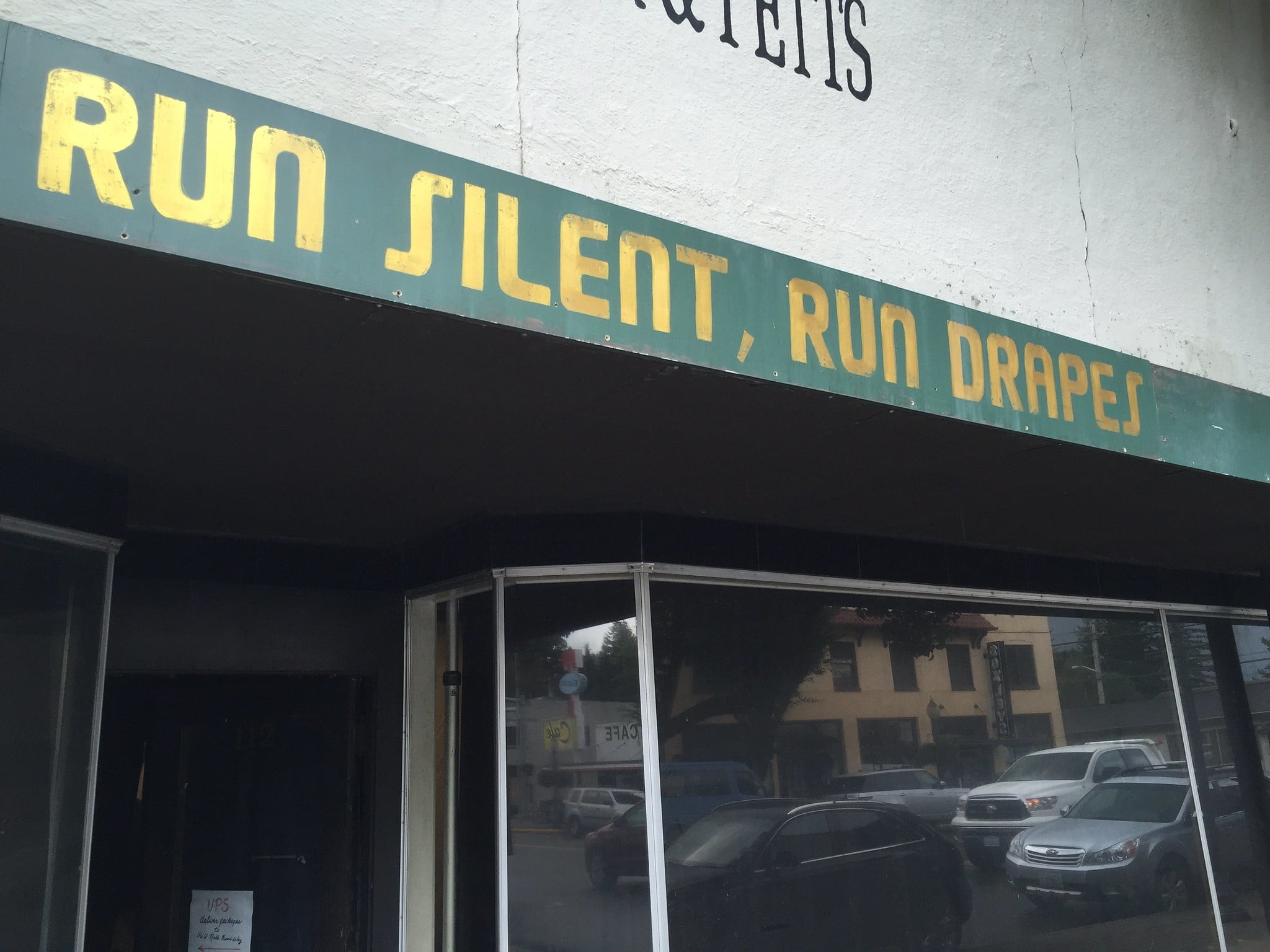
David Lynch’s surreal television masterpiece took 25 years to return partly due to rights complications between Lynch and network executives. Contract disputes about creative control and budget led to Lynch publicly withdrawing from the revival in 2015.
The show’s dedicated fanbase launched campaigns while lawyers negotiated behind the scenes. Lynch eventually returned when given complete creative freedom, but the legal standoff delayed the project by years.
Fallout Online
This massively multiplayer spin-off of the popular post-apocalyptic franchise became caught in a legal battle when Interplay sold rights to Bethesda. The complex agreement allowed Interplay to develop an online version under strict conditions.
Both companies sued each other over milestone requirements and license terms. The game remained in partial development for years until Bethesda paid $2 million in 2012 to cancel the project entirely, absorbing all Fallout rights.
Dallas Buyers Club
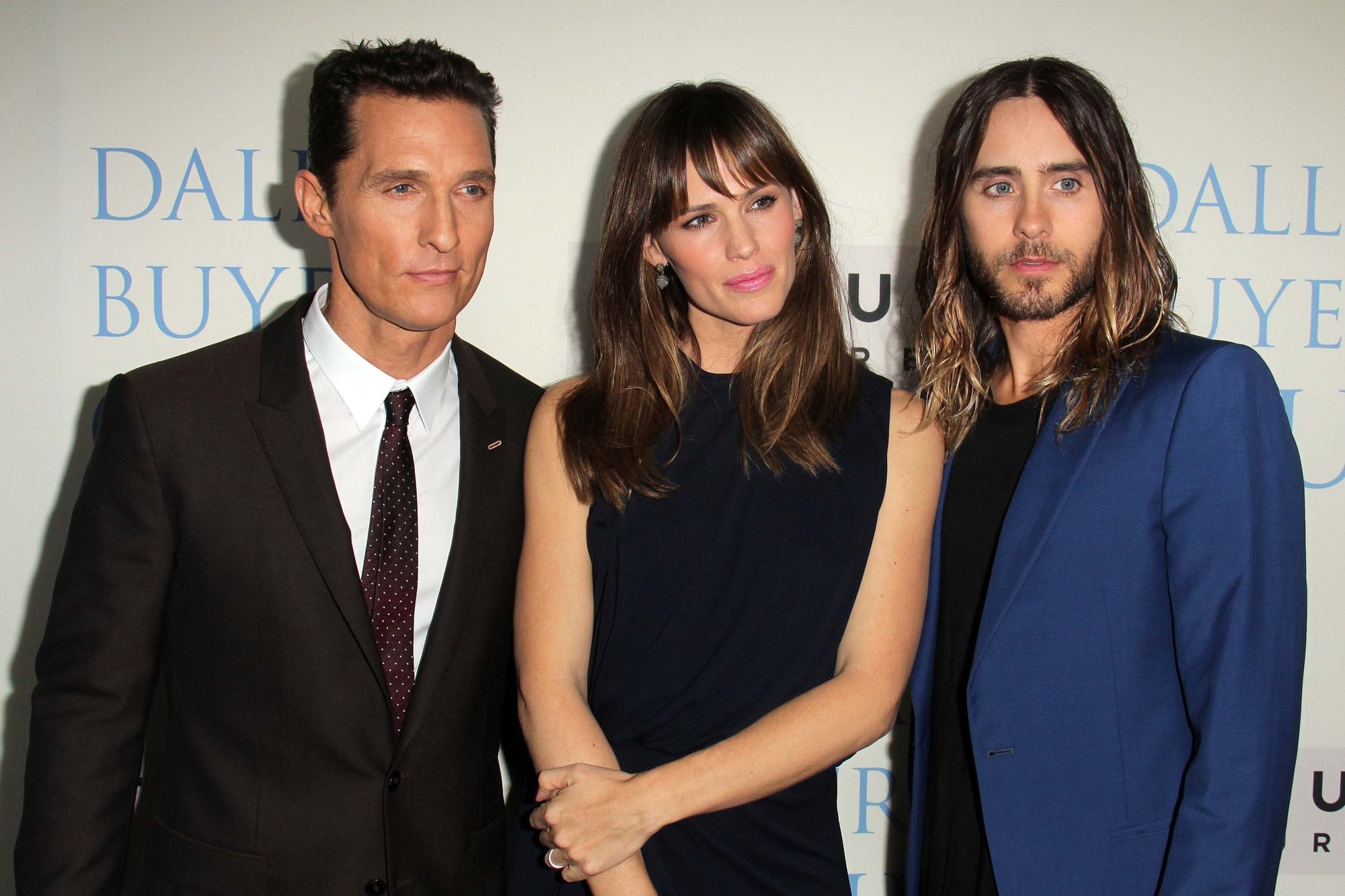
This Oscar-winning film couldn’t secure distribution for years due to its controversial subject matter and ongoing rights disputes. The true story faced legal challenges from people portrayed in the script and pharmaceutical companies mentioned by name.
Multiple studios abandoned the project during its 20-year journey to the screen. The filmmakers ultimately had to secure independent financing and distribution after major studios deemed the legal complications too risky.
The Beach Boys’ “Smile”
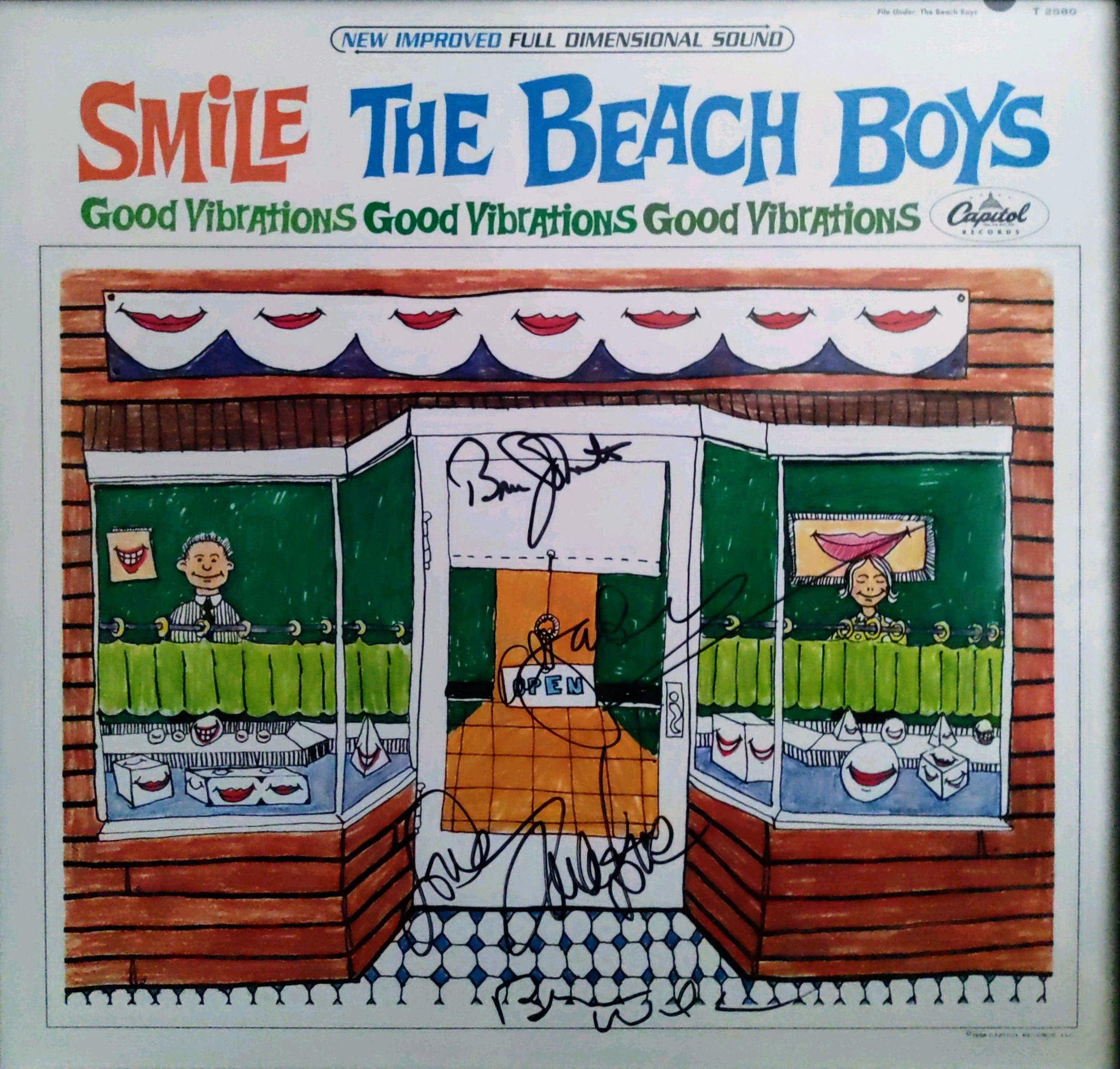
Brian Wilson’s legendary unfinished album spent decades in legal disputes between band members and record labels. Recorded in 1966-1967, the innovative project collapsed under creative pressure and contractual obligations.
Capitol Records claimed ownership of the sessions while Wilson and other band members disputed who controlled the material. Fragments appeared on bootlegs for decades before legal clearance allowed an official reconstruction in 2011—45 years after its creation.
Scott Pilgrim vs. The World

This cult film temporarily vanished from digital availability due to expired music and distribution licenses. Universal Pictures hadn’t secured perpetual digital rights for the numerous songs featured in the movie.
The film disappeared from iTunes and other platforms in 2021, leaving fans unable to legally purchase it. After intense social media campaigns, Universal negotiated new agreements, illustrating how even recent films can fall into digital unavailability due to complex licensing structures.
NBA Jam Tournament Edition
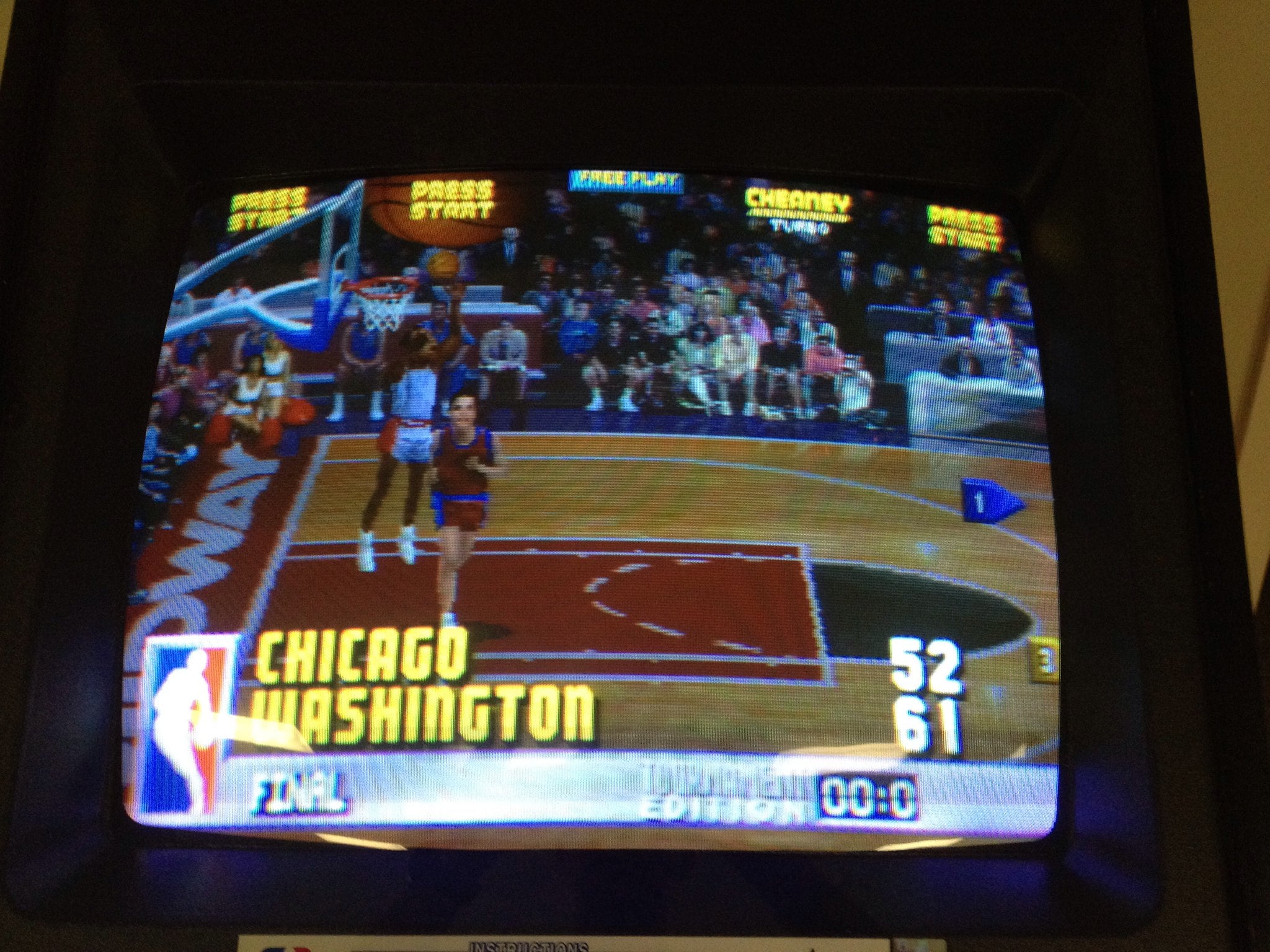
This arcade basketball sequel became entangled in licensing disputes following Midway’s bankruptcy in 2009. The NBA license, player likenesses, and code ownership are scattered among different entities.
Former developers attempted to release updated versions but couldn’t secure the necessary rights clearances. The game remained unavailable on modern platforms for years until Warner Bros. acquired certain assets and negotiated new agreements with the NBA.
Winnie the Pooh
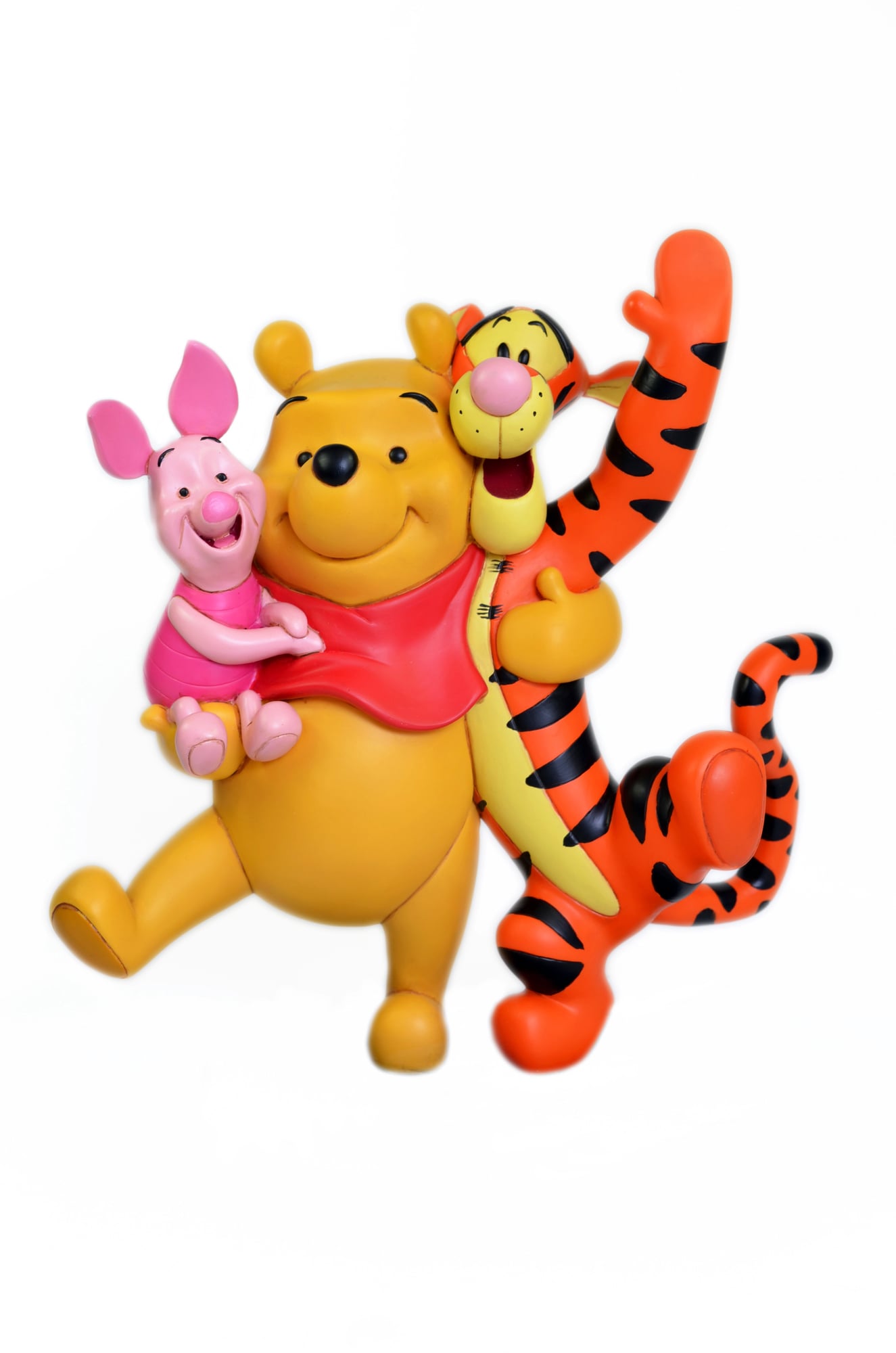
A.A. Milne’s beloved bear spent decades in complicated ownership arrangements between the author’s family and various corporations. Disney acquired certain rights in 1961 but didn’t control the complete character until 2001.
Public domain status for the earliest stories further complicated matters. Different entities controlled merchandise, film rights, and original illustrations, leading to multiple lawsuits. Only in 2022 did the original 1926 stories enter the public domain—nearly a century after creation.
Dead Island 2
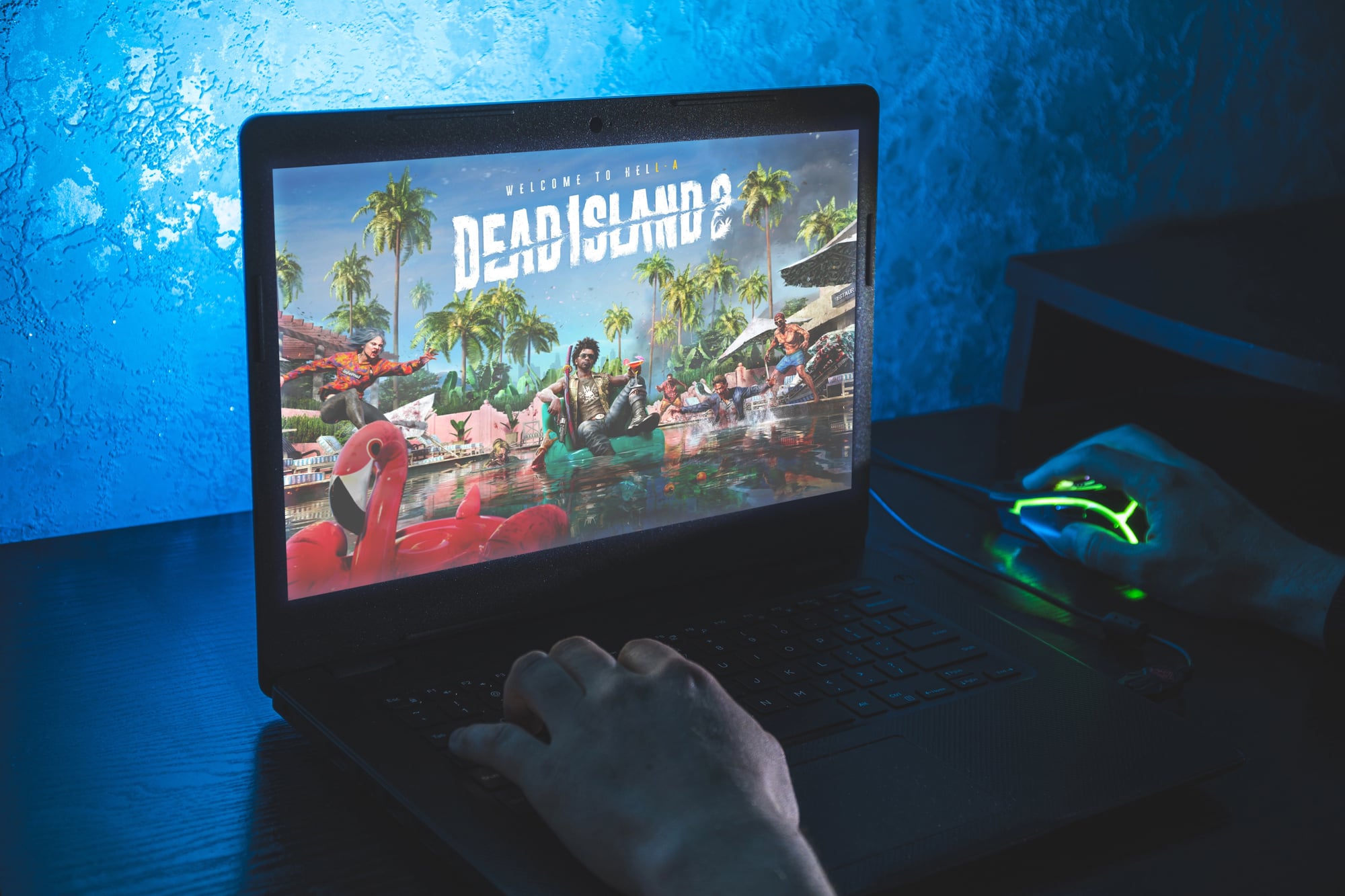
This zombie game sequel broke records by spending eight years in development hell across three different studios. Publisher Deep Silver repeatedly changed developers amid contract disputes and missed deadlines.
Each studio transition required complex legal transfers of assets, code, and creative work. Announced in 2014, the game passed through Yager Development, Sumo Digital, and finally Dambuster Studios before its eventual release in 2023.
Entertainment’s Legal Tangle
These artistic creations are only a small sample of the many songs, television series, and games caught in legal battles throughout time. Behind amusing media is a complicated ecosystem of contracts, copyrights, and rival interests that can occasionally stifle invention.
Particularly interesting is how these conflicts affect our cultural scene by deciding which works reach audiences and which stay locked up in corporate vaults. The next time you enjoy your favorite material, keep in mind that its path to your screen or speakers most certainly negotiated a tangle of legal obstacles most fans never witness.
More from Go2Tutors!

- 18 Unexpectedly Valuable Collectibles You Might Have Lying Around
- 20 Little-Known Historical Battles That Had Huge Consequences
- 20 Historical Artifacts That Scientists Can’t Explain
- 15 Inventions That Were Immediately Banned After Being Created
- 20 Actors Who Were Almost Cast in Iconic Roles
Like Go2Tutors’s content? Follow us on MSN.