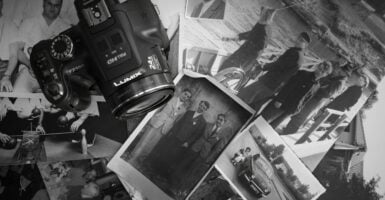
17 Things From Your Childhood That Quietly Disappeared
Remember when you unexpectedly recognized that something from your childhood had quietly disappeared? Just here one day and gone the next; no spectacular pronouncements or goodbye tours. Many mainstays of past generations have gone away so slowly that their absence only registers years later, causing us to question when precisely these once-familiar things became obsolete.
Here are 17 childhood items that vanished so quietly you might not have noticed until they were long gone.
Phone Booths

Those iconic glass-and-metal boxes once stood on street corners everywhere, offering privacy for calls and convenient shelter from sudden rain showers. Phone booths began their silent retreat in the late 1990s as mobile phones gained popularity, with removal accelerating through the 2000s.
Most disappeared without ceremony, leaving behind only rectangular patches of differently-colored concrete as ghostly reminders of their former ubiquity.
Video Rental Stores
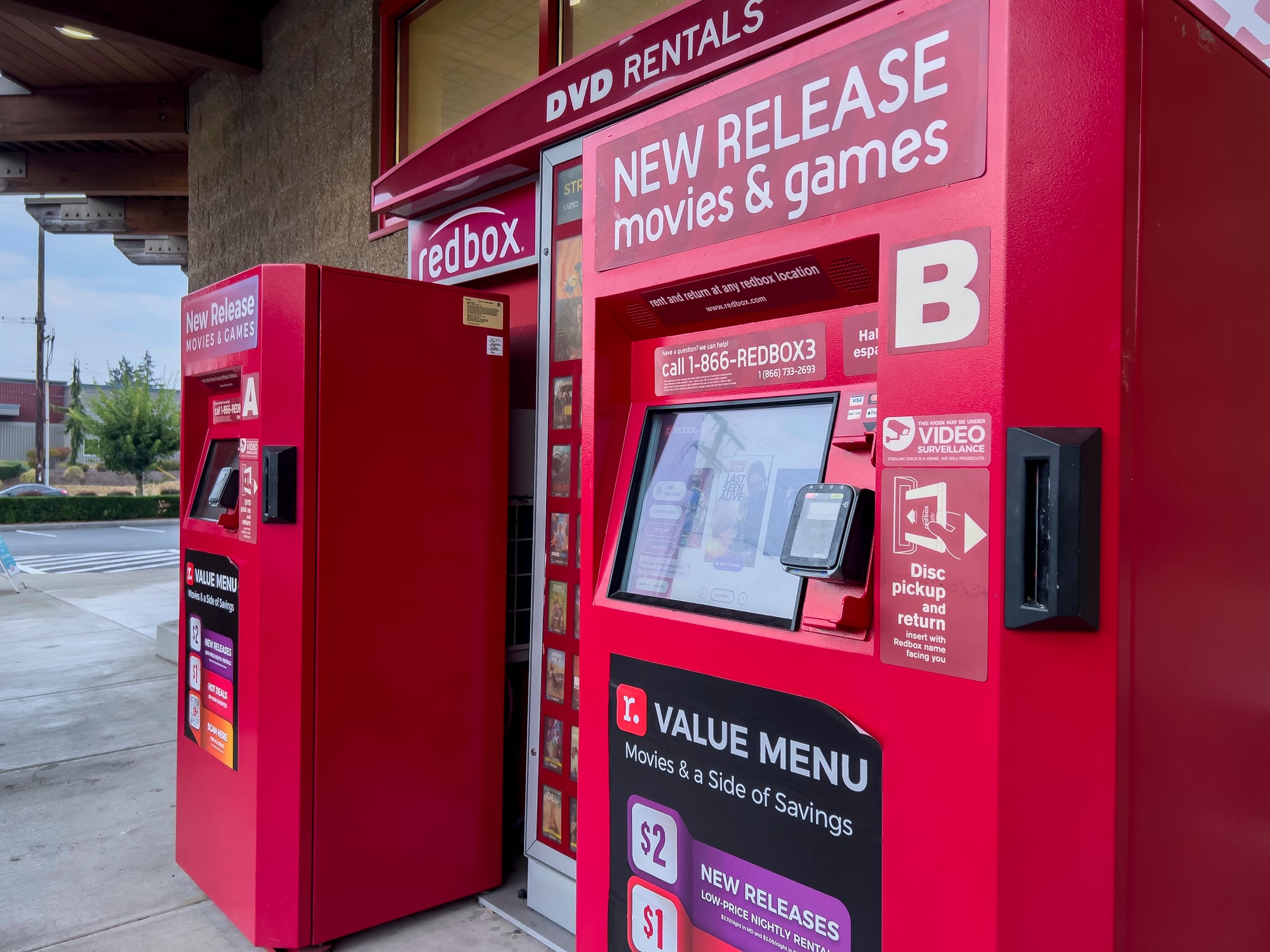
Friday evenings used to mean walking by piles of plastic containers under cold fluorescent lights, haggling over movie selections with friends or family members. Blockbuster and dozens of mom-and-pop video stores meant weekly routines of scanning, last-minute-fee bargains, and the thrill of discovering the remaining copy of an emerging film.
Those stores all but vanished with the advent of Netflix’s red envelopes, later vanishing themselves as streaming relegated physical media to memory for most homes.
Cassette Tapes
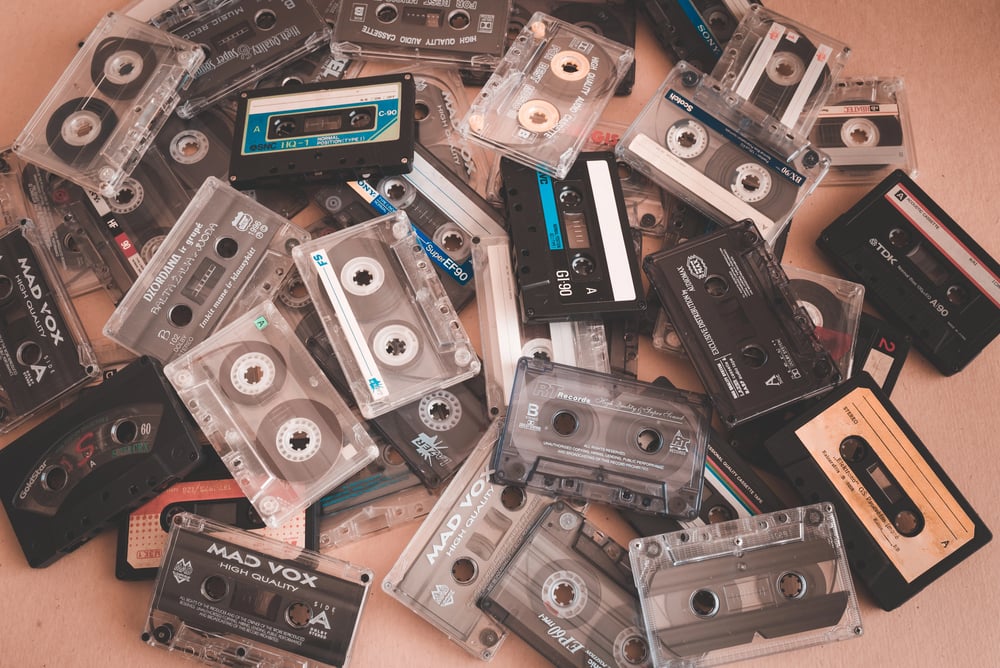
In the past, these plastic rectangles loaded with magnetic tape ruled teenage bedrooms, car dashboards, and music consumption. Making customized mixtapes was a craft that required timing, patience, and thoughtful song selection.
After CDs became widely available in the mid-1990s, cassette sales fell precipitously, and by the early 2000s, major labels had discreetly stopped producing them. Many people born after 1995 have never handled one outside of vintage-inspired fashion accessories because they vanished so completely.
Encyclopedia Sets

The multi-volume collections once represented the pinnacle of home reference materials, often sold door-to-door and displayed prominently in family living rooms. Children wrote reports by copying passages from these heavy books, flipping pages to follow cross-references between topics.
Encyclopedia sales plummeted when families gained internet access, with Britannica ending print production in 2010 after 244 years—a momentous occasion that most people completely missed.
Cursive Handwriting

The following script once represented an educational milestone as students graduated from printing to more sophisticated penmanship. Learning cursive meant hours of practicing loops and connections with special lined paper and dedicated penmanship books.
Schools began phasing out cursive instruction in the early 2000s as computer skills took priority, leading to generations who can’t read their grandparents’ letters or sign their names beyond a basic scrawl.
Film Cameras
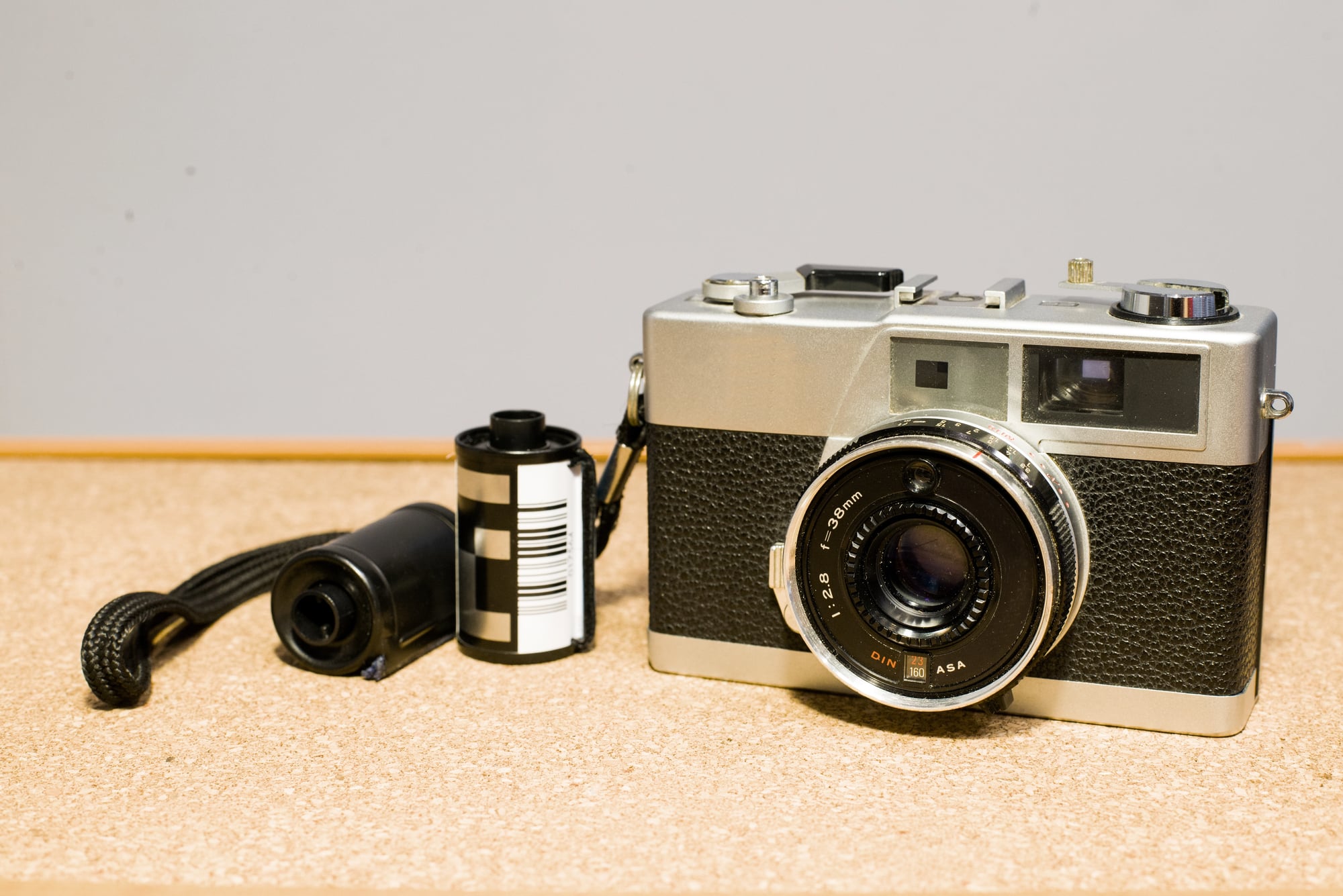
The anticipation of developing vacation photos or celebrating events always included that anxious wait to see if your pictures ‘turned out.’ Film cameras required skill, planning, and economy—with limited exposures making each shot count.
Digital photography started replacing film in the early 2000s, with the transition happening so smoothly that many never noticed when they took their final film photograph before switching exclusively to digital convenience.
Card Catalogs

Libraries once housed magnificent wooden cabinets filled with small drawers containing millions of meticulously typed index cards. Finding books meant learning the Dewey Decimal System and physically flipping through these cards, often discovering unexpected titles through serendipitous browsing.
Most libraries removed these cabinets in the 1990s and early 2000s, replacing them with computer terminals that, while more efficient, lost the tactile pleasure of sliding open those tiny drawers.
Saturday Morning Cartoons

For decades, children planned their weekends around special animation blocks aired on major networks Saturday mornings. This shared cultural experience meant discussing favorite episodes on Monday mornings at school and collecting related merchandise.
The dedicated programming blocks dissolved gradually as cable channels offered cartoons 24/7, with networks officially abandoning the tradition around 2014 when NBC replaced their animation lineup with educational content.
Floppy Disks
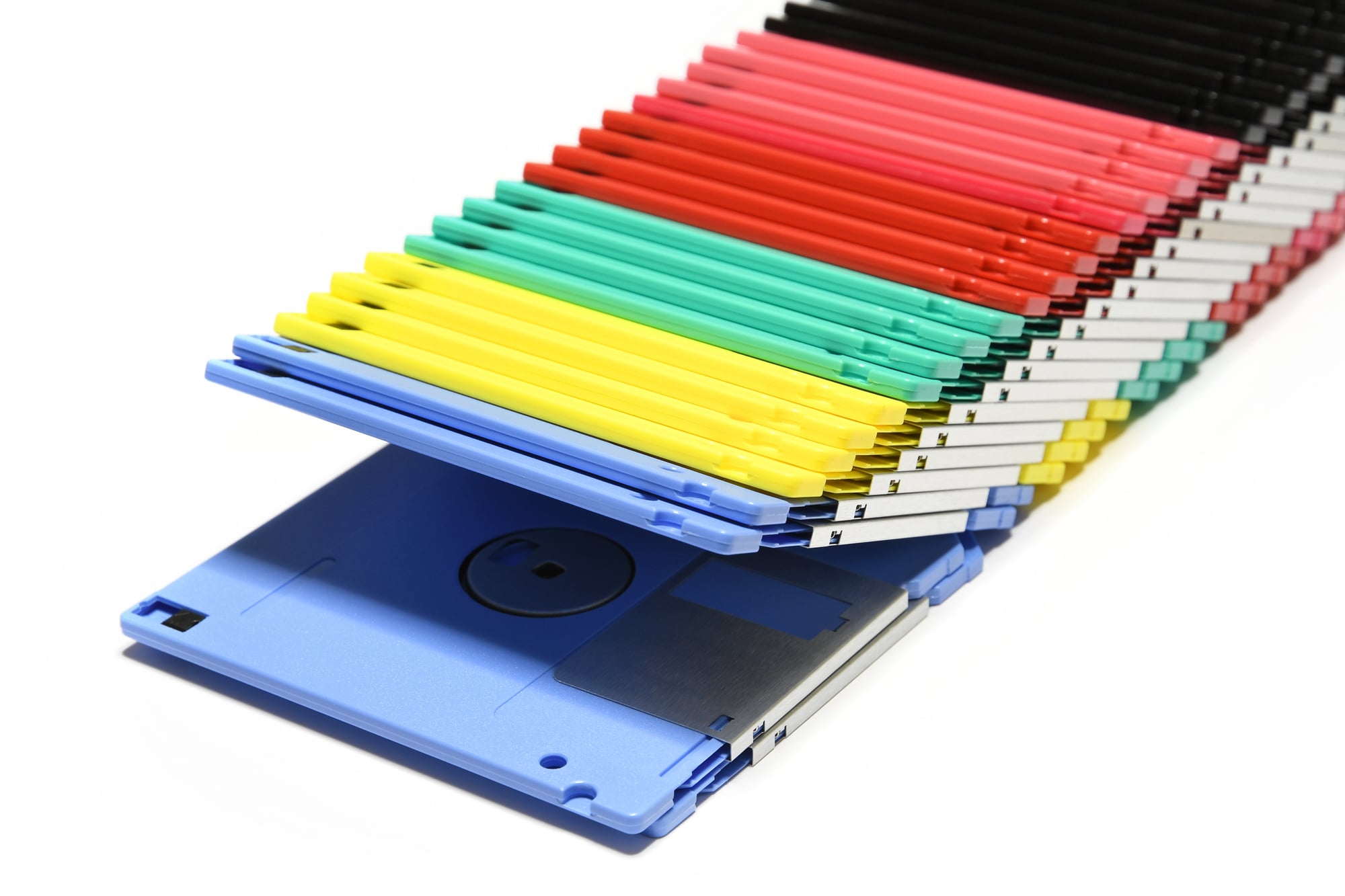
These small squares of plastic housed everything from school reports to early computer games, their distinctive clicking and whirring sounds providing the soundtrack to 1980s and 90s computing. The 3.5-inch disk’s sliding metal cover protected precious data limited to 1.44 megabytes—barely enough for a single modern digital photo.
Their disappearance happened gradually through the early 2000s as CDs, USB drives, and eventually cloud storage made them obsolete despite their enduring legacy as the universal ‘save’ icon.
Drive-In Theaters

These outdoor cinemas combined America’s love of cars with affordable family entertainment under the stars. Tinny speakers hooked to car windows provided sound while children in pajamas watched movies from makeshift beds in station wagon backends.
Drive-ins declined steadily from their 1950s peak, with many closing quietly through the 1980s and 90s as land values increased and home entertainment improved, though recent years have seen small revivals of this nostalgic experience.
Rotary Phones
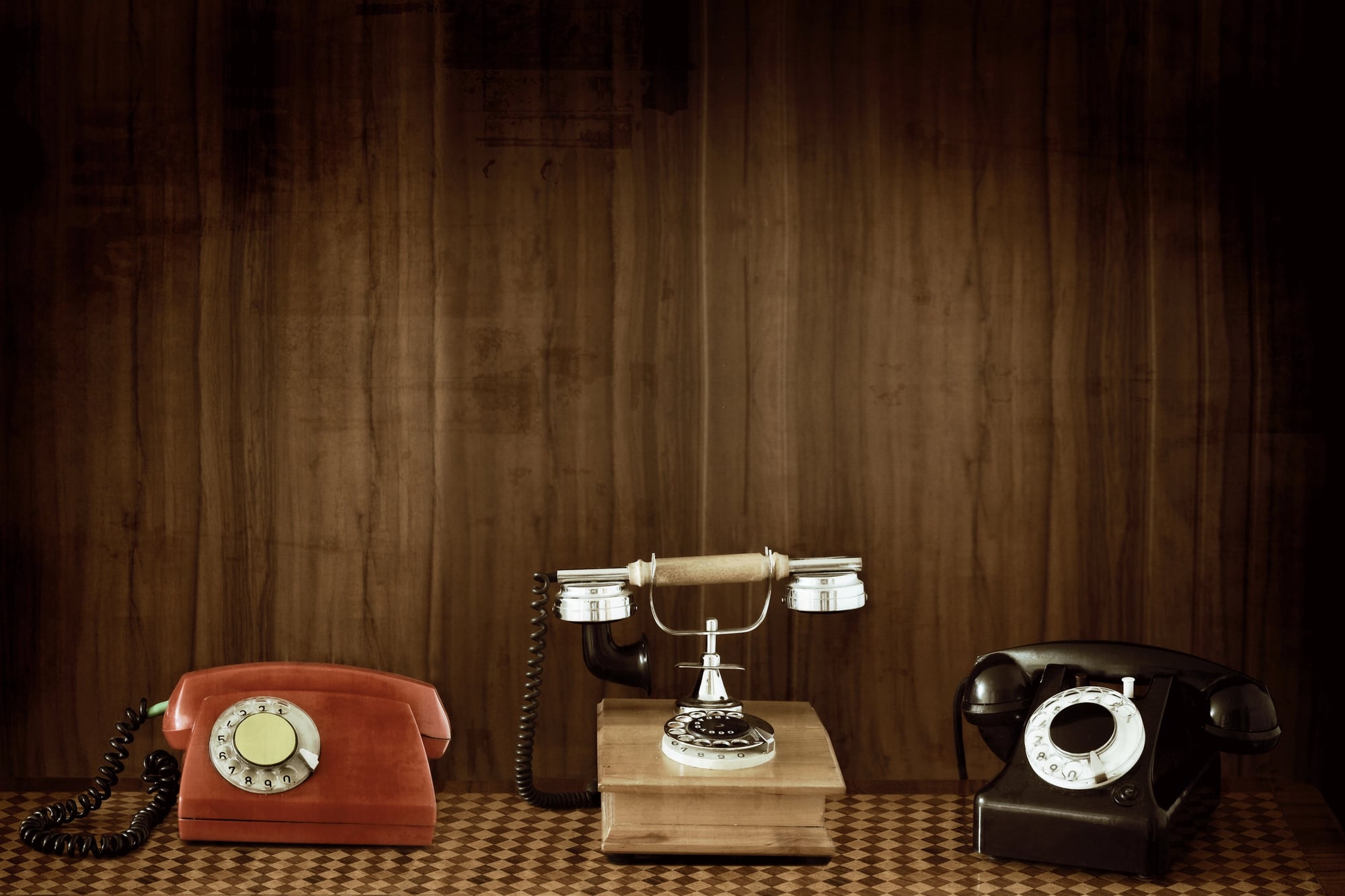
These sturdy communication devices, with their circular dialing mechanism and satisfying clicks, have dominated American homes for decades. Calling someone with multiple high digits in their number required patience and a properly functioning index finger.
Push-button phones began replacing rotary models in the 1970s and 80s, with the transition happening household by household as families upgraded their telephones without ceremony or commemoration.
Polaroid Cameras
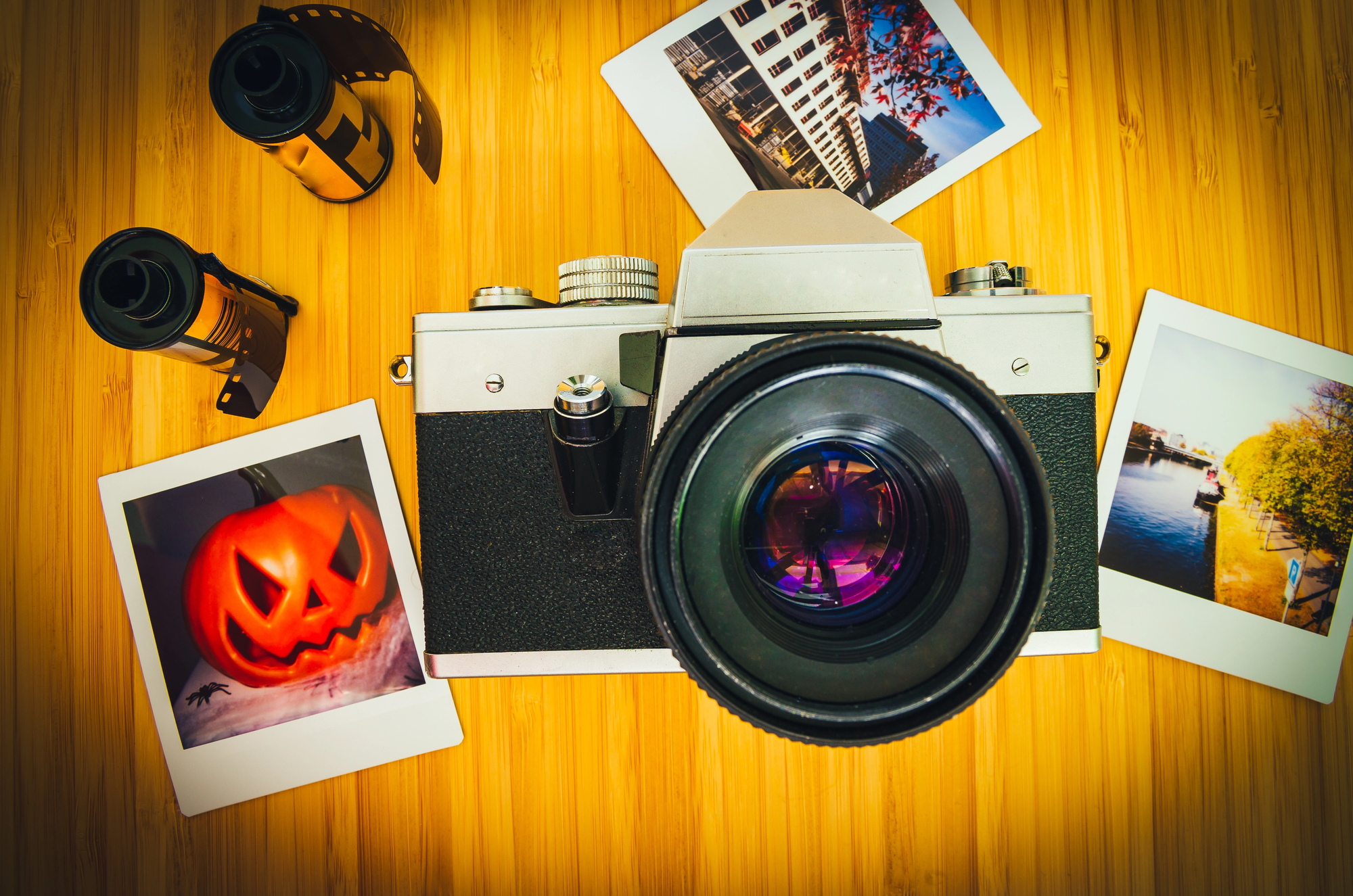
The immediate gratification of watching a photograph develop before your eyes made these cameras magical despite their often blurry, oddly-colored results. The distinctive whirring sound as the camera ejected a blank square signaled the beginning of an exciting chemical process.
Polaroid stopped producing instant film in 2008, though modern versions have returned with digital-analog hybrids attempting to recapture the original’s charm without replicating the anticipation of watching an image slowly appear.
Toy Catalogs

The arrival of holiday wish-book catalogs from department stores and toy retailers once marked the unofficial beginning of the Christmas season. Children spent hours circling desired items with markers, folding page corners, and leaving strategically opened catalogs for parents to find.
These glossy catalogs vanished quietly as online shopping replaced print marketing in the early 2000s, taking with them the tactile pleasure of thumbing through pages of potential treasures.
Public Pay Phones
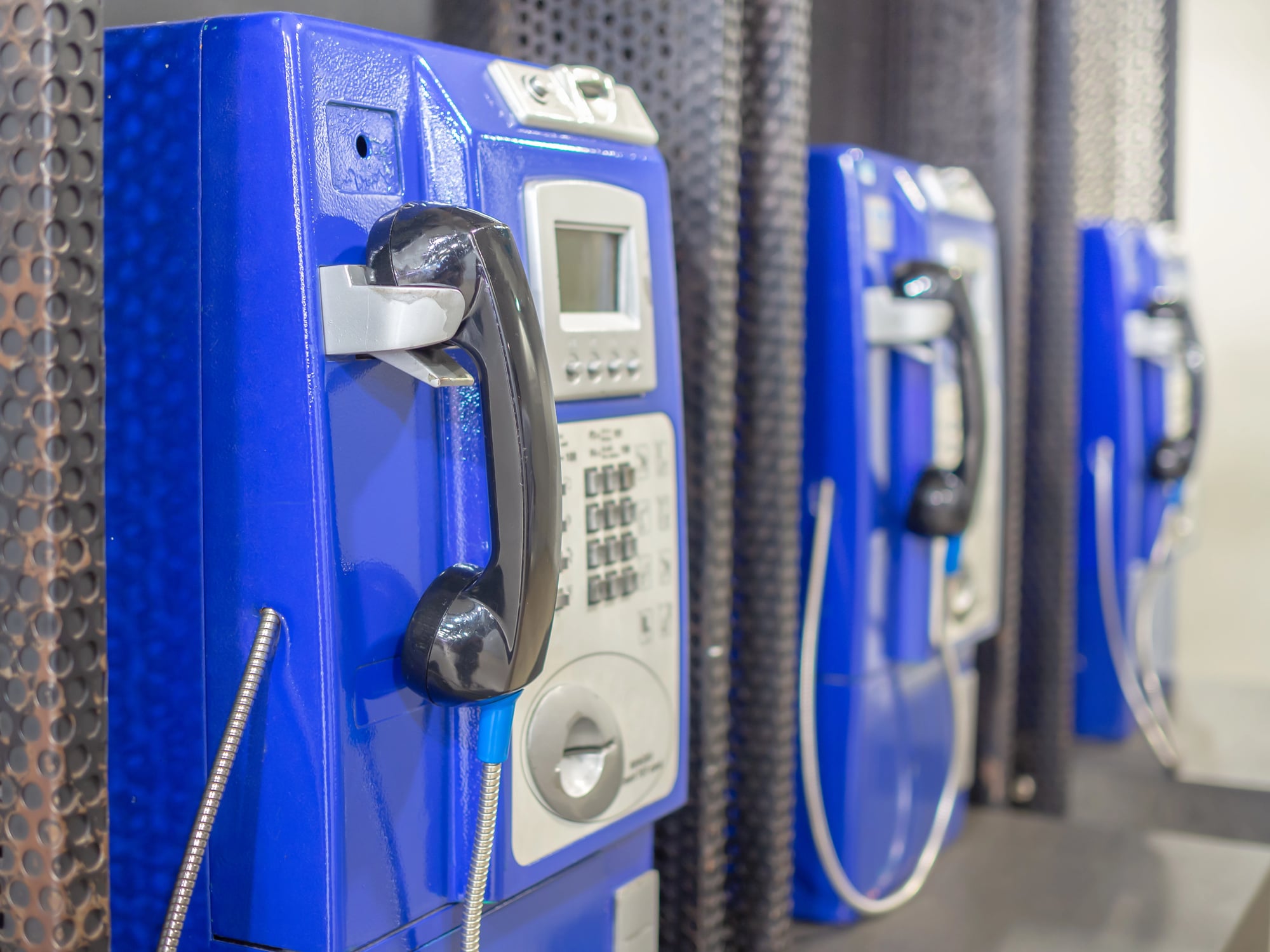
Unlike full phone booths, standalone pay phones were everywhere—airports, gas stations, hotel lobbies, and street corners. These ubiquitous communication lifelines required correct change and offered minimal privacy but maximum convenience before cell phones existed.
Their numbers dwindled throughout the 2000s, with removal accelerating so quietly that people rarely noticed their absence until needing one in an emergency only to find empty wall spaces where phones once hung.
Library Date Stamps
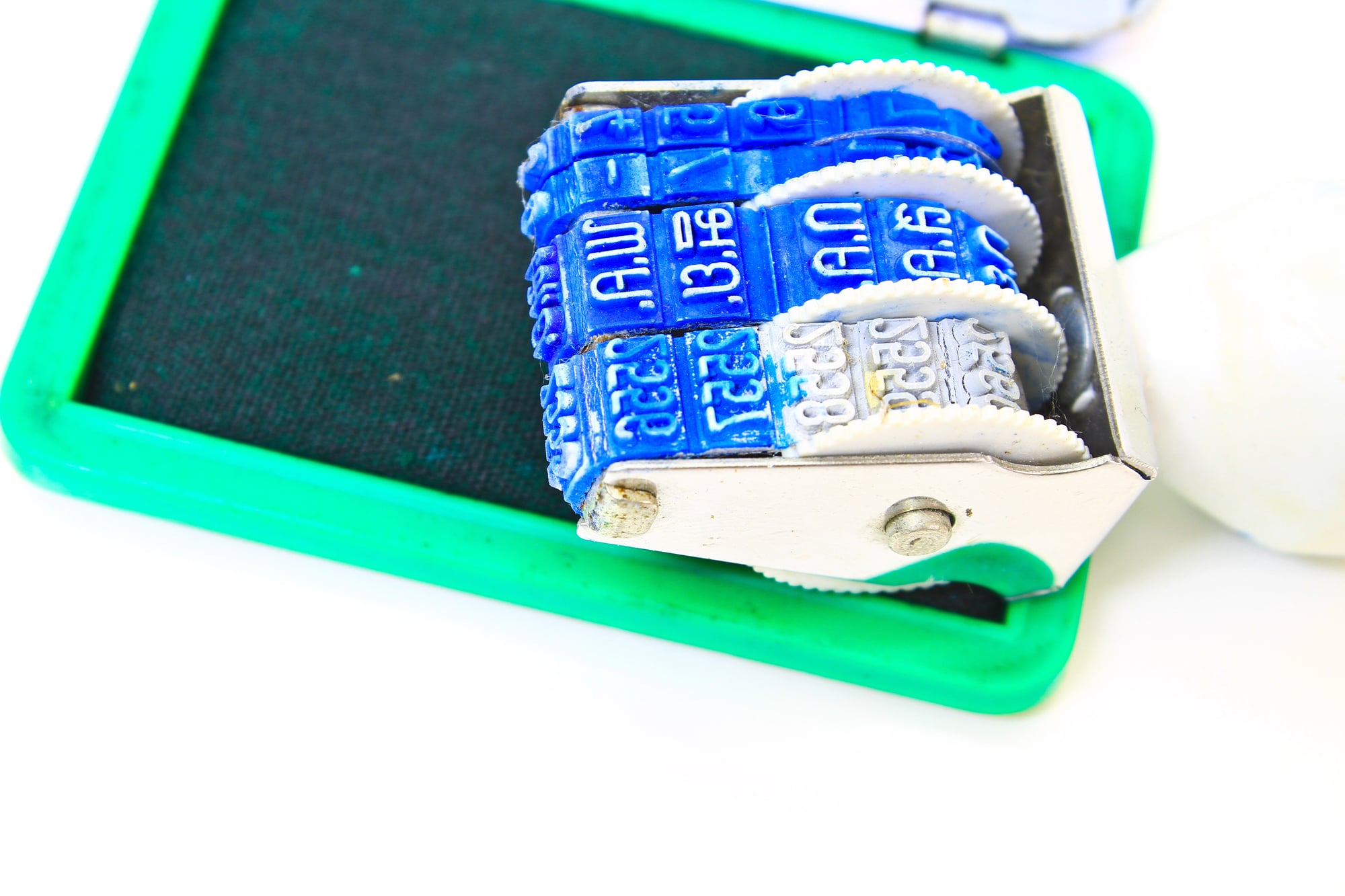
The ritual of checking out library books once included watching librarians press ink stamps onto date cards slipped into small pockets glued inside book covers. These stamps created a community history of each book’s popularity through rows of dates marking previous borrows.
Libraries switched to printed receipts and digital tracking systems in the 1990s and 2000s, with date stamps disappearing so gradually that many readers never experienced their final stamped due date.
Handwritten Letters
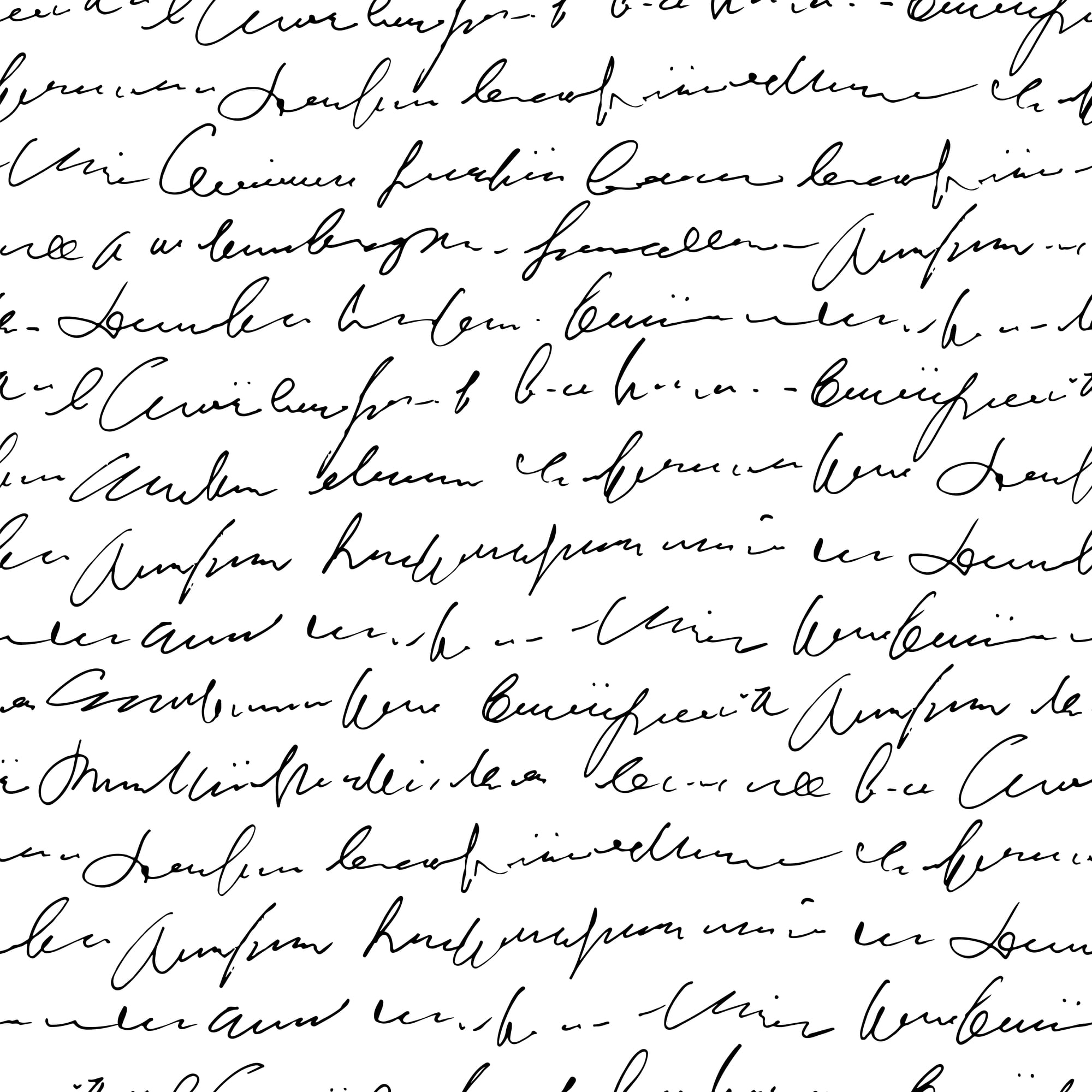
Personal correspondence once arrived in envelopes with distinct handwriting that could be recognized before even seeing the return address. Letters contained news, thoughts, and emotions preserved on paper that could be saved in boxes and reread decades later.
Email and text messaging replaced letter writing so completely through the 1990s and 2000s that receiving personal handwritten mail now feels like an extraordinary event rather than a normal method of communication.
Video Game Instruction Booklets

New games once came with colorful booklets explaining controls, story backgrounds, and sometimes including maps or character information. These manuals featured artwork and details not found in the games themselves, becoming cherished parts of gaming collections.
Publishers gradually reduced booklet size before eliminating them entirely in the 2010s, transitioning to in-game tutorials and digital manuals without acknowledging that something meaningful had been lost.
The Quiet Fade of Familiar Things

These disappearances represent more than mere technological obsolescence—they mark shifts in how we connect, learn, and experience the world. The most poignant aspect isn’t that these items vanished, but that they did so without proper goodbyes or recognition of their cultural importance.
In their absence, we’ve gained convenience and efficiency while losing certain tactile experiences and shared rituals that once punctuated everyday life with moments of anticipation and discovery.
More from Go2Tutors!

- The Romanov Crown Jewels and Their Tragic Fate
- 13 Historical Mysteries That Science Still Can’t Solve
- Famous Hoaxes That Fooled the World for Years
- 15 Child Stars with Tragic Adult Lives
- 16 Famous Jewelry Pieces in History
Like Go2Tutors’s content? Follow us on MSN.