15 Secret Missions of Cold War Spies
The Cold War made espionage less about shadows and more about spectacle. For nearly fifty years, spy agencies on both sides of the Iron Curtain pulled off schemes so daring they felt scripted. Berlin tunnels. Poison umbrellas. Hidden bugs that needed no batteries.
Here’s a list of fifteen secret missions that show how spycraft became equal parts creativity, audacity, and, sometimes, straight-up absurdity during the world’s longest standoff.
Operation Gold
In 1955, the CIA and British intelligence dug a tunnel 450 meters long under Berlin. Its target: Soviet communication cables.
For close to a year, they harvested thousands of hours of military conversations. Then the Soviets “stumbled” across it during routine work. Accident? Or carefully staged discovery? We’ll never know.
The Thing
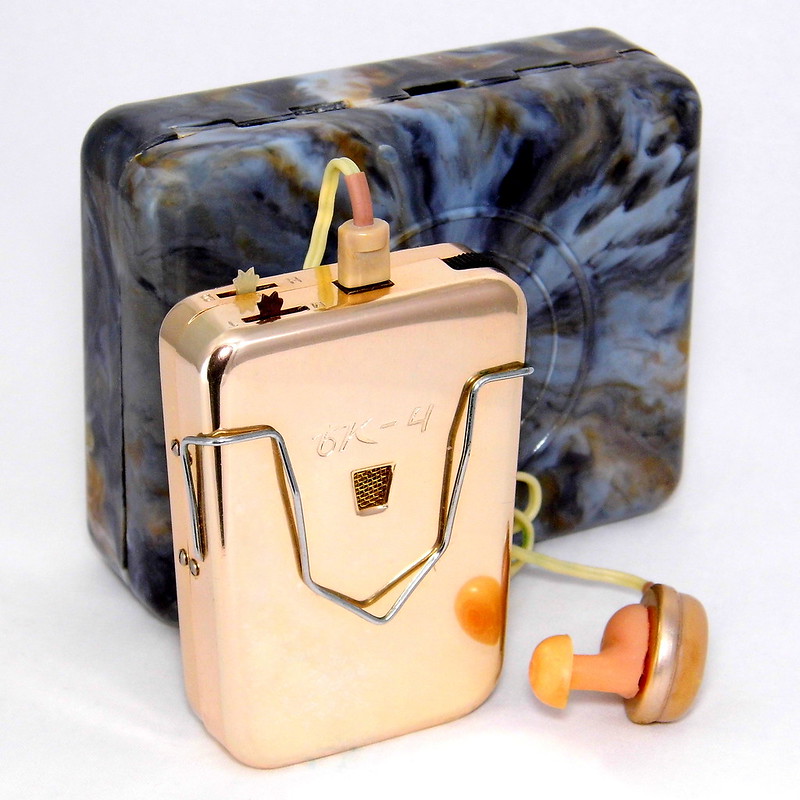
This one still sounds like science fiction. Soviet intelligence slipped a listening device into a carved wooden replica of the Great Seal of the United States. The eagle hung in the U.S. Ambassador’s Moscow residence for seven years.
No wires, no batteries. It only “woke up” when hit with a Soviet radio beam. Ingenious — and nearly impossible to detect.
Operation Chaos

Between 1967 and 1974, the CIA ran a program spying on its own citizens. Over 300,000 people ended up with files.
Agents infiltrated anti-war groups and civil rights organizations, a clear violation of the CIA’s charter against domestic operations. Watergate dragged it into the light. By then, the damage was already done.
Oleg Penkovsky
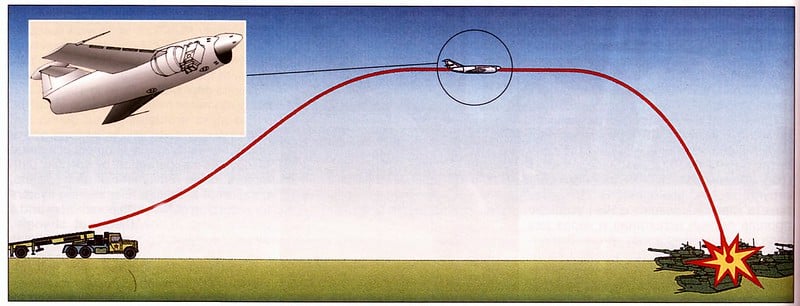
During the Cuban Missile Crisis, Soviet colonel Oleg Penkovsky became the West’s star informant. His intelligence shaped Kennedy’s response to the crisis.
He passed secrets via a British businessman, using Moscow parks for dead drops. Clever. Risky. Fatal. By 1962, the KGB caught him — and that was the end.
Operation Venona
For decades, U.S. codebreakers chipped away at Soviet cables from the 1940s. The decrypts revealed entire networks of Soviet spies embedded in the American government.
They confirmed Julius Rosenberg’s guilt. Ethel’s role? Murkier. The whole project stayed under wraps until 1995 — long after it could’ve changed public debates.
The Glienicke Bridge Exchanges
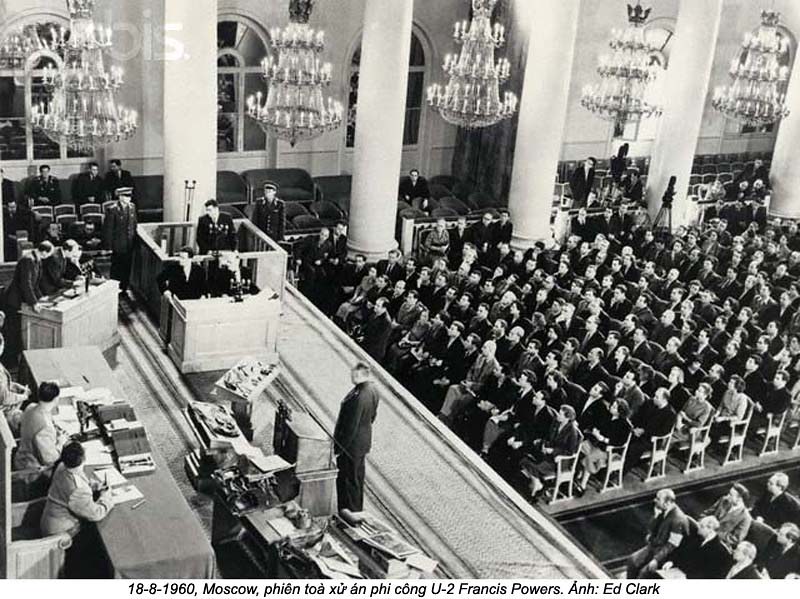
This Berlin bridge became the Cold War’s most theatrical stage. Prisoner swaps unfolded with military precision: exact steps, exact timing, mid-bridge pauses that felt scripted.
The most famous? 1962. U-2 pilot Francis Gary Powers for Soviet spy Rudolf Abel. History meeting theater.
Anna Chapman and the Illegals Program
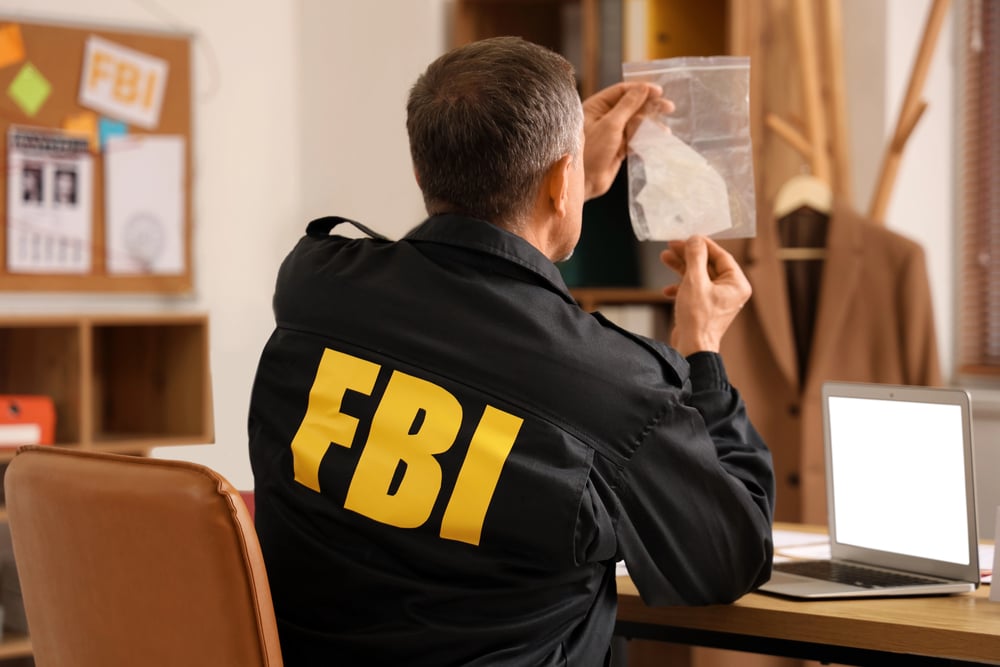
Deep-cover Russian agents lived in U.S. suburbs as if they were ordinary citizens. One, Anna Chapman, even worked in real estate.
By the time the FBI arrested her and nine others in 2010, it felt like a Cold War throwback staged in modern times. Lawn mowers by day, coded reports by night.
Project Azorian
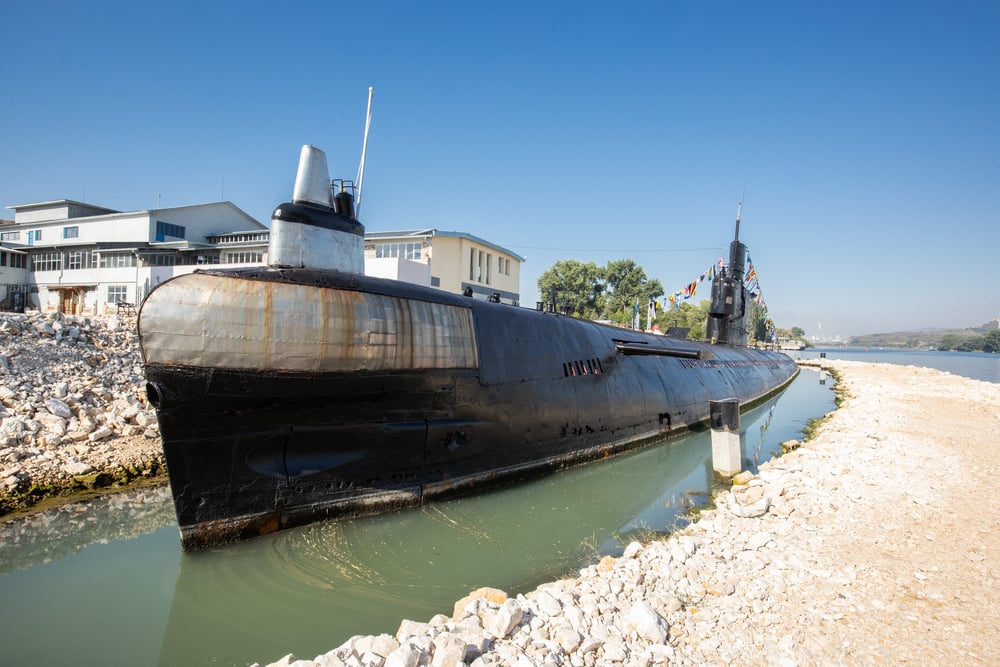
In 1974, the CIA tried to raise a sunken Soviet submarine from the Pacific seabed. Their cover: a “deep-sea mining vessel” funded by Howard Hughes.
The ship hauled up part of the wreck, some crew remains, and codebooks. Not a total win — but close. The Soviets? They didn’t even realize until years later.
The Cambridge Five
Five British insiders — Kim Philby, Donald Maclean, Guy Burgess, Anthony Blunt, and John Cairncross — funneled thousands of secrets to Moscow.
Philby defected in 1963. Blunt, astonishingly, kept curating art for the Queen even after admitting his betrayal. British intelligence never fully recovered from the scandal.
Operation Paperclip
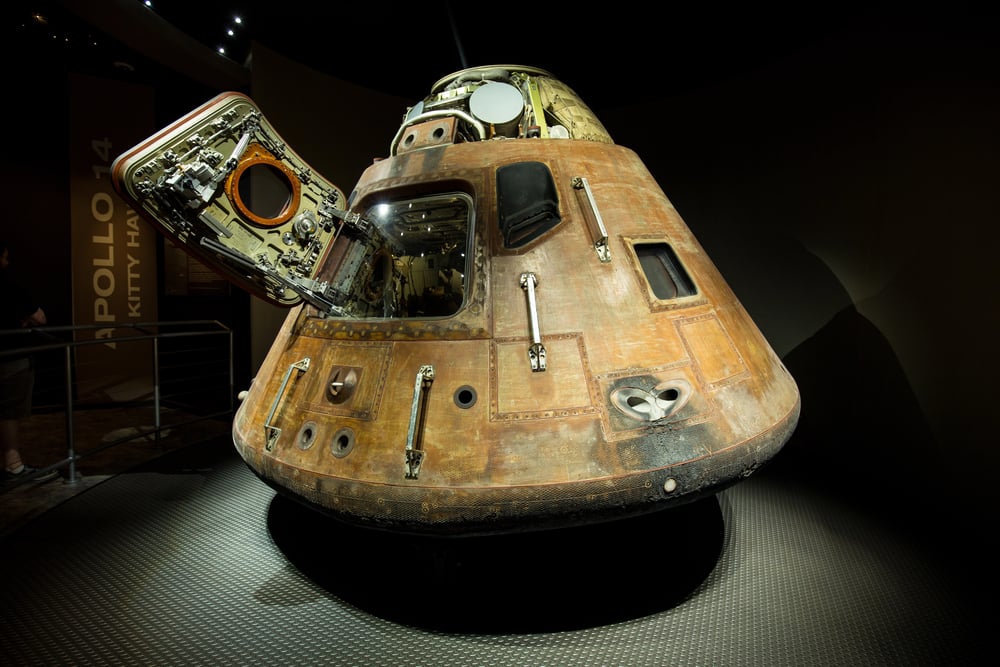
— Photo by sergey.miami2you.com
After World War II, the U.S. quietly recruited Nazi scientists to turbo-charge its rocket and weapons programs.
Among them: Wernher von Braun, architect of the Saturn V rocket. America’s space race victory came at the cost of moral compromise — many of these scientists had used slave labor. Cold War logic won out.
The Berlin Tunnel
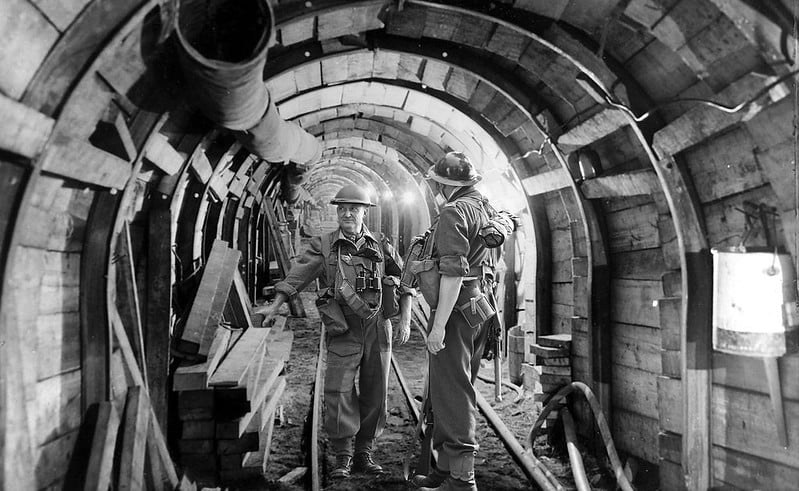
Before Operation Gold, British intelligence had tried something similar. In 1951 they dug a tunnel to tap East German telephone lines.
It ran for months before being discovered. Unlike the CIA’s later effort, this one stayed secret for years after closure. So, a quieter failure.
Markus Wolf’s Romeo Spies
East Germany’s intelligence chief, Markus Wolf, deployed charm as a weapon. He recruited handsome young men to seduce West German women with access to sensitive files.
Sometimes real feelings grow. Some relationships lasted for years. A few even survived the inevitable betrayals. But most? Broken.
Operation Mincemeat
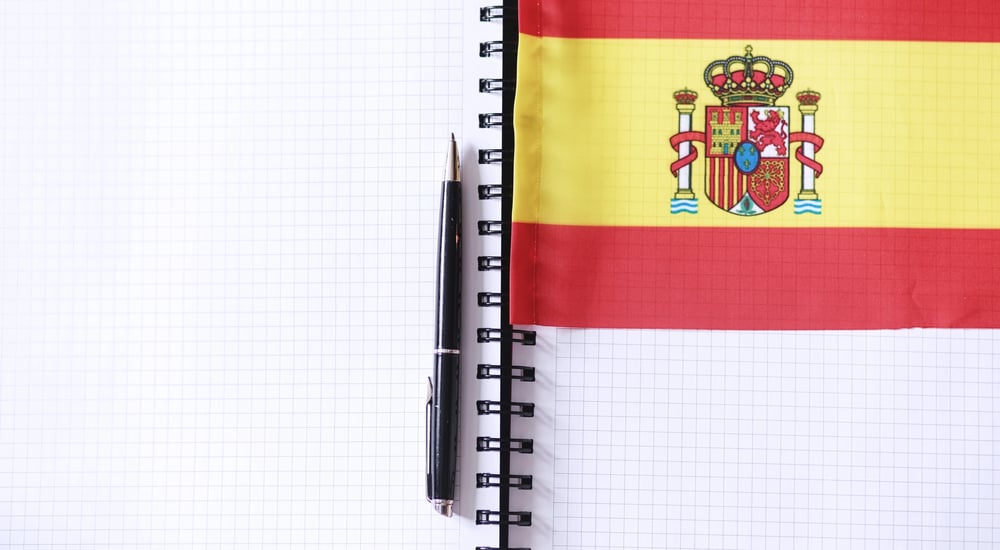
Technically World War II, but too influential to leave out. British intelligence created a fake officer, planted bogus invasion plans on his corpse, and let it wash up in Spain.
German intelligence swallowed the bait, believing Greece — not Sicily — was the target. The trick worked, and later Cold War planners took notes.
The Farewell Dossier
In the 1980s, French intelligence handed over documents exposing Soviet theft of Western technology. The CIA saw an opportunity.
Instead of shutting down the theft, they fed doctored information. Result: explosions in a Siberian pipeline and other industrial failures. No bombs dropped, but plenty of damage was done.
Aldrich Ames

For nearly nine years, CIA officer Aldrich Ames sold secrets to Moscow. His betrayal led to the deaths of at least ten U.S. informants inside the Soviet Union.
He lived far beyond his government salary — luxury cars, lavish homes. Red flags everywhere. Colleagues somehow missed it. He wasn’t arrested until 1994.
When Shadows Shaped History
These operations weren’t just cloak-and-dagger games. They swayed world events, tipped balances of power, and cost real lives. Some read like pranks. Others, like tragedies. All of them show how much of the Cold War played out in the shadows.
More from Go2Tutors!

- 16 Historical Figures Who Were Nothing Like You Think
- 12 Things Sold in the 80s That Are Now Illegal
- 15 VHS Tapes That Could Be Worth Thousands
- 17 Historical “What Ifs” That Would Have Changed Everything
- 18 TV Shows That Vanished Without a Finale
Like Go2Tutors’s content? Follow us on MSN.