Snacks Only Found in Canada
Walk into any grocery store north of the border and you’ll notice something different in the snack aisle. The familiar brands are there, but so are dozens of treats that never made it across international lines.
Some of these snacks have been around for generations, while others quietly disappeared from shelves elsewhere but somehow stuck around in Canada. Ask any Canadian living abroad what they miss most, and food comes up surprisingly often in the conversation.
Coffee Crisp
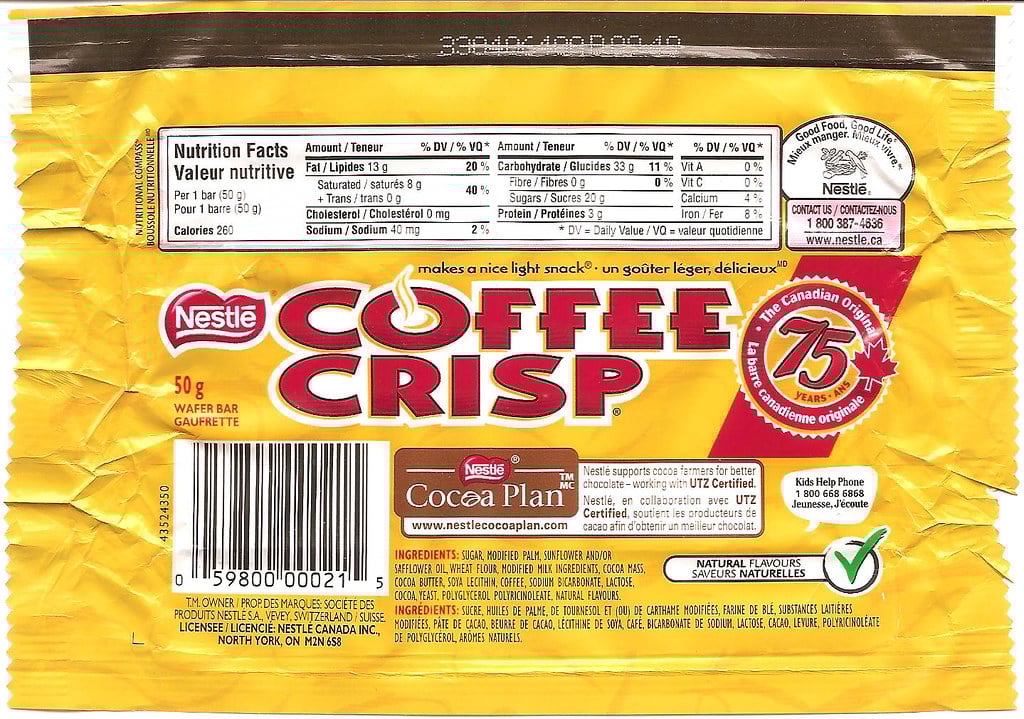
This chocolate bar confuses people when you try to describe it. The wafers inside give it a light, crispy texture that doesn’t feel heavy like most chocolate bars.
The coffee flavor isn’t strong or bitter—it’s more of a hint that pairs with the chocolate coating. You can eat a whole bar without feeling like you just consumed a brick of candy.
The wrapper design hasn’t changed much over the decades. That brown and orange color scheme became part of the Canadian candy landscape.
People who grew up with Coffee Crisp tend to keep buying it as adults, which explains why it still takes up prime real estate in checkout aisles.
Ketchup Chips
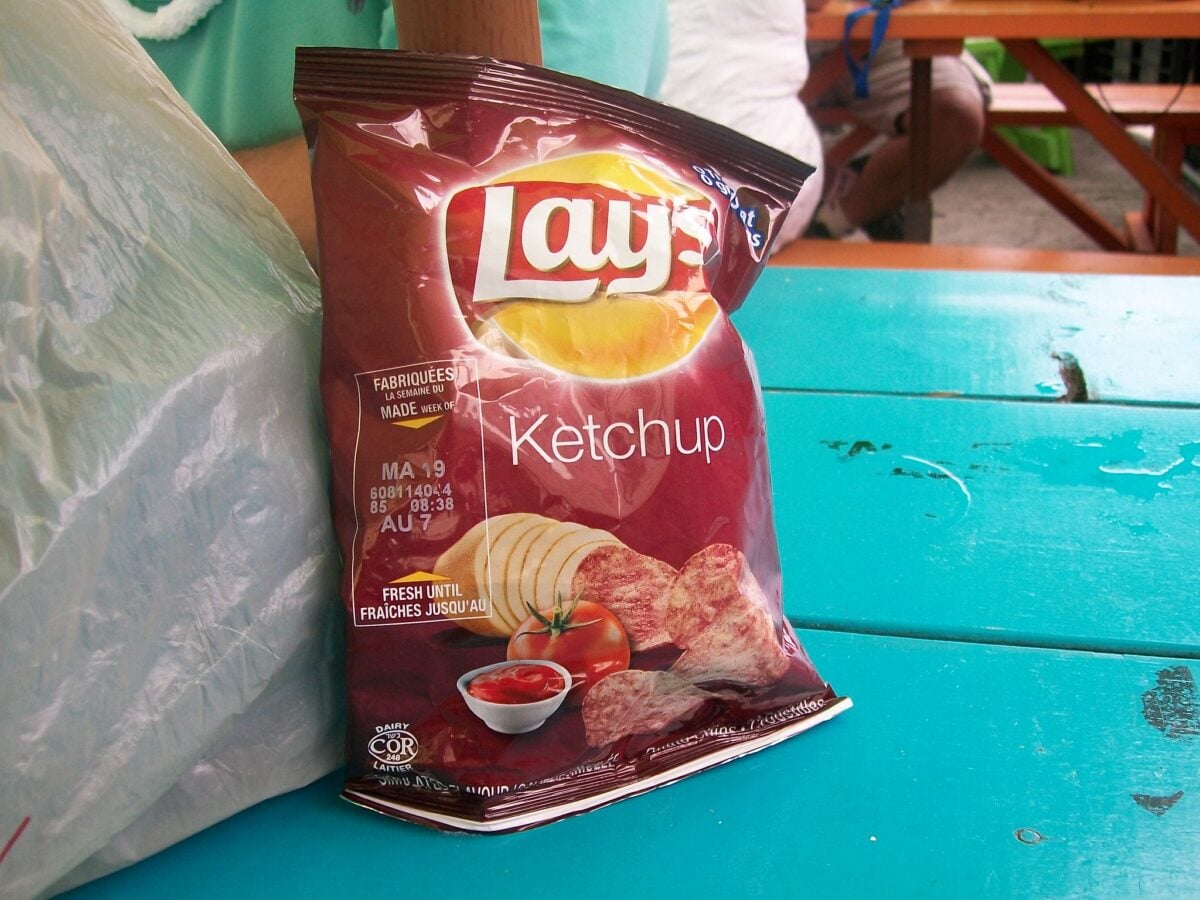
Red chips that taste like tomato and vinegar sound odd until you try them. The flavoring hits your tongue with a tangy punch that keeps you reaching back into the bag.
They’re not trying to taste like actual ketchup—more like the idea of ketchup condensed into powder form. You’ll find these chips at every gas station, corner store, and vending machine across Canada.
The bright red coating stains your fingers, which somehow became part of the experience. Americans who visit Canada either love them immediately or can’t understand the appeal at all. There’s rarely a middle ground with ketchup chips.
All Dressed Chips

This flavor tries to be everything at once and actually pulls it off. You get hints of ketchup, barbecue, salt and vinegar, and sour cream all mixed together.
The result tastes better than it sounds on paper. Each chip delivers a slightly different combination of flavors depending on how much seasoning stuck to it during production.
The name makes sense once you taste them. They really do taste “all dressed” like someone topped a chip with every available condiment.
Other countries have tried launching similar flavors under different names, but the original Canadian version still has its own distinct taste.
Smarties

Canadian Smarties are chocolate candies in colorful shells—not the chalky tablets that Americans call Smarties. The confusion causes problems when Canadians travel south and expect chocolate but get compressed sugar instead.
These Canadian treats come in a box or tube, and kids spend time sorting them by color before eating them. The chocolate inside isn’t particularly fancy, but the candy shell adds a satisfying crunch.
Blue ones supposedly contain food coloring that some parents worry about, though that hasn’t slowed sales. Opening a box of Smarties became a ritual for many Canadian children, complete with debating which color tastes best even though they all taste the same.
Crispy Crunch

The name describes exactly what happens when you bite into one. The peanut butter filling has a honeycomb texture that shatters when you chew it.
The chocolate coating is thin enough that you taste the peanut butter first. The whole thing feels lighter than a Reese’s cup but still satisfies that peanut butter and chocolate craving.
Production moved around over the years, and for a while it looked like Crispy Crunch might disappear entirely. Canadian fans pushed back hard enough that it stayed on shelves.
You won’t find it in American stores, even though companies have tried to export it. Something about the Canadian market kept it alive when it faded elsewhere.
Caramilk

People have argued about how they get the caramel inside for decades. The marketing campaign built around that “secret” worked better than anyone expected.
The caramel stays soft and gooey even when the chocolate hardens, which creates an interesting texture contrast. Break a square in half and the caramel stretches before breaking apart.
Cadbury makes Caramilk, but you won’t find it in most places where Cadbury operates. Canada claimed this one early and never let go.
The bar comes and goes from shelves sometimes, which creates panic buying when people think it’s disappearing. Those scares usually end with boxes of Caramilk returning to stores within months.
Hawkins Cheezies

These cheese puffs stain your fingers bright orange within seconds of opening the bag. The cheese flavoring coats every surface of the puff, which explains why they taste so intense.
Unlike some cheese snacks that melt on your tongue, Cheezies maintain their crunch until you actually chew them. The texture stays consistent from the first handful to the last.
Hawkins has been making Cheezies since 1948, using the same basic recipe. The company stays small and family-owned, which means you won’t see Cheezies advertised during major sporting events.
They rely on Canadians who grew up eating them to keep buying bags. That strategy worked for over 75 years, so they’re probably not changing it now.
Hickory Sticks

Think of shoestring fries that got hickory barbecue seasoning and turned into a snack. The sticks are thin and extra crispy, with more surface area for the flavoring to stick to.
You eat them by the handful rather than one at a time. The hickory smoke flavor tastes stronger than most barbecue chips without overwhelming your mouth.
These show up at cottage weekends and camping trips across Canada. The stick shape makes them different from regular chips, and that difference matters to people who have specific snack preferences.
They’ve been around since the 1970s, filling a niche that apparently exists only in Canada.
Eat-More Bars

The name gives you one instruction, but eating more than one in a sitting takes commitment. These bars pack dark toffee and peanuts into a dense rectangle covered in chocolate.
They’re chewy to the point of being almost sticky, and they take genuine effort to get through. Your jaw gets a workout.
The dark chocolate coating doesn’t taste sweet like milk chocolate bars. Combined with the toffee, you get a flavor profile that skews toward bitter and rich rather than sugary.
People either crave that specific taste or avoid Eat-More bars entirely. The bar has stayed in production since 1930, so clearly enough Canadians fall into the first category.
Aero Bars
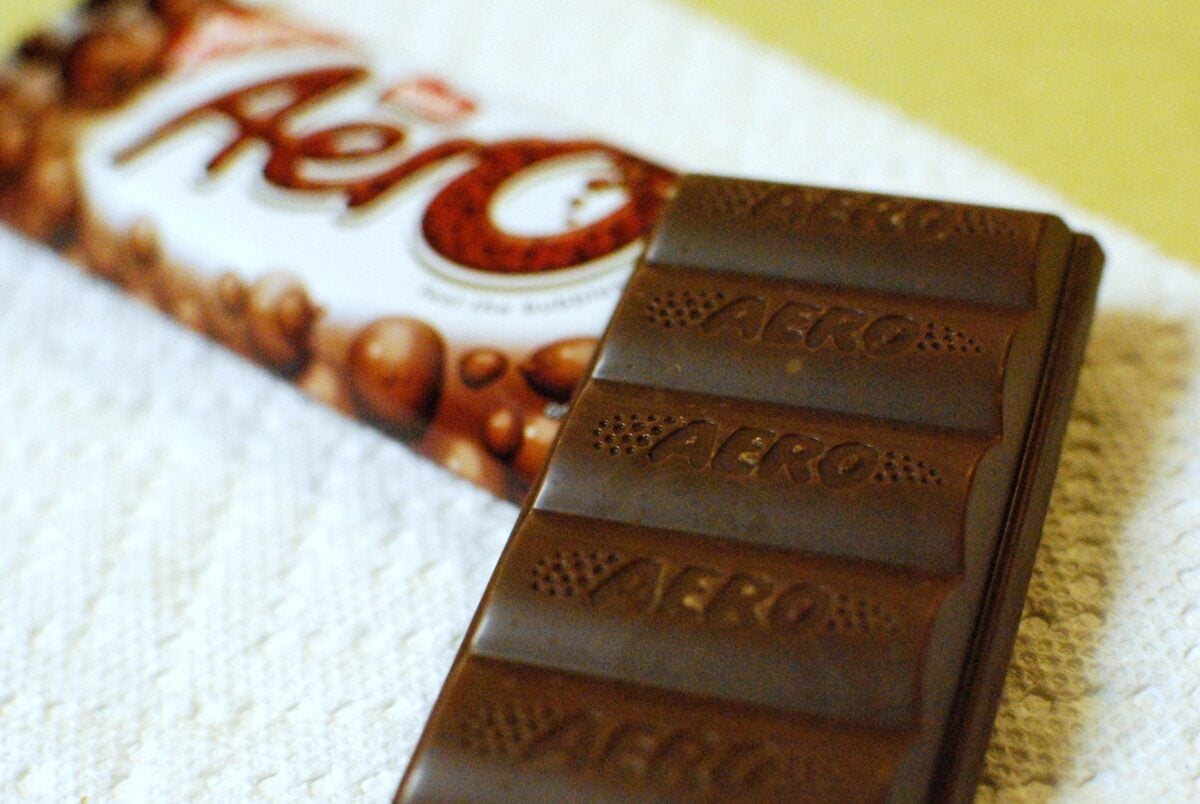
The bubbles inside make this bar different from every other chocolate experience. When you bite into an Aero, those tiny air pockets collapse and the chocolate melts faster than usual.
The texture feels lighter and almost foamy. Breaking off a square releases some pieces that are just hollow chocolate shells.
Nestle makes Aero bars in other countries too, but Canadians buy them in higher volumes than most markets. The mint version adds another layer of flavor that works surprisingly well with the aerated chocolate.
Some people refrigerate their Aero bars to make them extra crispy and cold, while others prefer them at room temperature where the bubbles feel more delicate.
Big Turk

This bar divides people faster than almost any other Canadian candy. The center is Turkish delight—a soft, jelly-like candy flavored with rosewater.
Chocolate coating surrounds the pink center. If you’ve never tried Turkish delight before, this bar introduces you to a flavor that many North Americans never encounter otherwise.
The texture throws people off. It’s not chewy like candy or gummy like candy, but something in between that feels almost slippery.
The rosewater taste registers as floral and perfume-like, which sounds unappealing but somehow works. Big Turk has been around since the 1970s, surviving purely on the devotion of people who grew up with it.
New converts are rare, but the existing fan base keeps buying.
Wunderbar

This bar tries to pack multiple textures into one chocolate-covered package. Peanut butter, caramel, peanuts, and a crisped rice layer all compete for attention.
Each bite gives you something different depending on where you bit into it. The name comes from the German word for wonderful, which tells you how confident the creators felt about their recipe.
Cadbury makes Wunderbar exclusively for Canada. The combination of ingredients isn’t particularly unique—plenty of candy bars mix peanut butter and caramel—but the specific ratios and arrangement create a distinct taste.
The bar shows up less frequently in stores than some other Canadian classics, but dedicated fans track it down when cravings hit.
Jos Louis

These look like chocolate-covered sandwich cakes, with cream filling between two rounds of cake, all coated in chocolate. The cake stays moist even when the package sits in a cupboard for weeks.
The cream filling tastes vanilla-sweet without being cloying. You can pull them apart to eat the cream first, or bite through all the layers at once.
Vachon makes Jos Louis in Quebec, and they became part of lunch boxes across Canada for generations. The individually wrapped cakes made them portable and reasonably mess-free.
They occupy a space between a cookie and a cake, landing somewhere that satisfies both cravings. The chocolate coating isn’t high quality, but nobody eating a Jos Louis expects gourmet chocolate.
The Weight of Taste Memory
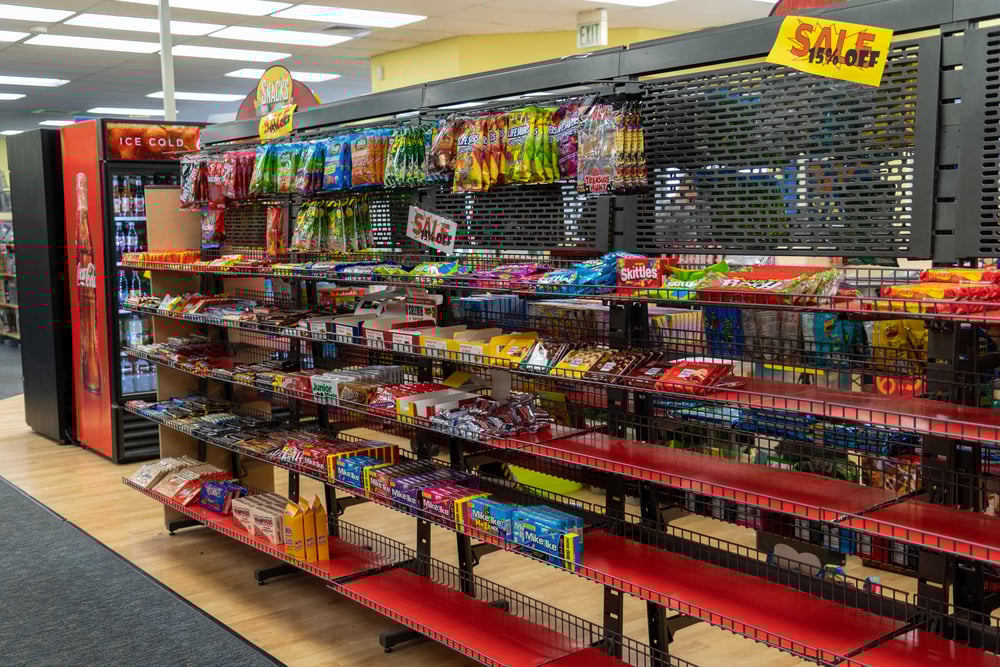
Taste sneaks up when you least expect it. Those bites connect to snapshots – cake-stained fingers at backyard birthdays, sticky hands during long drives, sharing bags of chips on a buddy’s linoleum floor after class.
Distance makes flavor a time machine. One bite of Coffee Crisp feels familiar because it lives nowhere else, so a basic candy bar ends up holding pieces of where you came from.
What ties folks together isn’t always history or language – it’s sometimes a bag of chips only sold in one place. When Canadians settle overseas, they time visits just to stockpile Ketchup-flavored crisps and Caramilk blocks.
Loved ones ask for little things you won’t spot on shelves elsewhere. Wrapped in loud paper and bold colors, those bites turn into hugs, favors, and shared grins across borders.
More from Go2Tutors!

- The Romanov Crown Jewels and Their Tragic Fate
- 13 Historical Mysteries That Science Still Can’t Solve
- Famous Hoaxes That Fooled the World for Years
- 15 Child Stars with Tragic Adult Lives
- 16 Famous Jewelry Pieces in History
Like Go2Tutors’s content? Follow us on MSN.