16 Historic Hairstyles Through the Centuries
From ancient pharaohs to medieval maidens, hair has always been humanity’s crown. More than mere fashion, hairstyles revealed social rank, marital status, religious beliefs, and personal power throughout history. Each era crafted its own signature looks, some requiring hours of daily maintenance and others shocking society with their boldness.
Here are 16 historic hairstyles that defined their centuries and left lasting impressions on beauty standards worldwide.
Ancient Egyptian Wigs and Braids
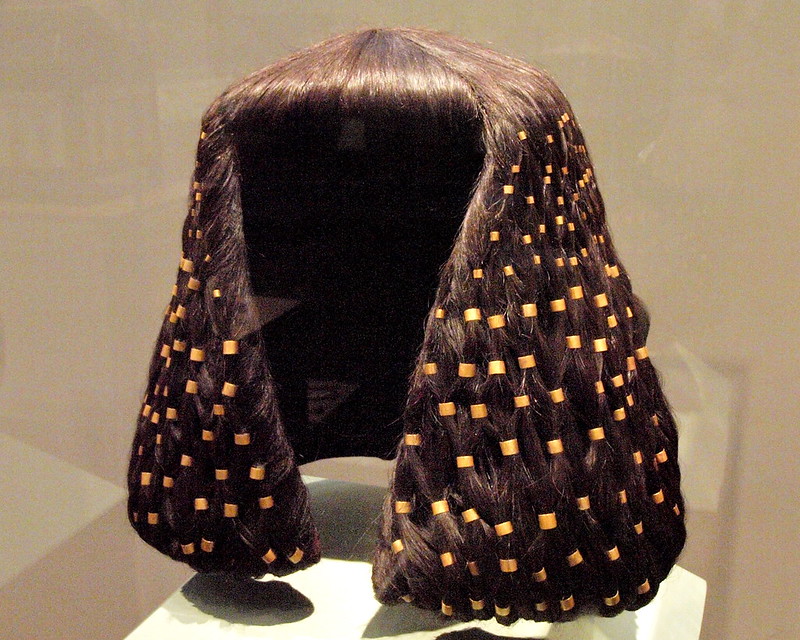
The pharaohs knew how to make a statement. Wigs were made of mainly human hair mixed with plant fiber, then coated with beeswax and resin for that perfect sheen that still impresses museum visitors today. But it wasn’t just vanity – the desert heat and lice concerns made shaved heads practical, while elaborate wigs showed wealth and status.
Medieval Covered Crowns
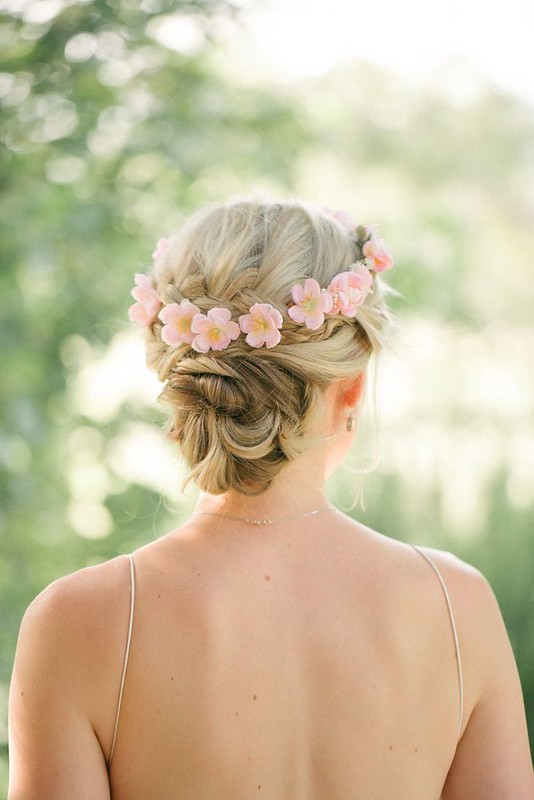
Women were expected to cover their hair as a sign of modesty, with long flowing hair considered a symbol of femininity and virtue. The wimple and barbette became essential accessories. And that elaborate braided crown style? The most popular hairdo was a straight center parting with two ram horn braids arranged on each side, using numerous thin wires and pins.
Unmarried girls could show some hair. Married women? Covered completely.
Renaissance Ram Horns
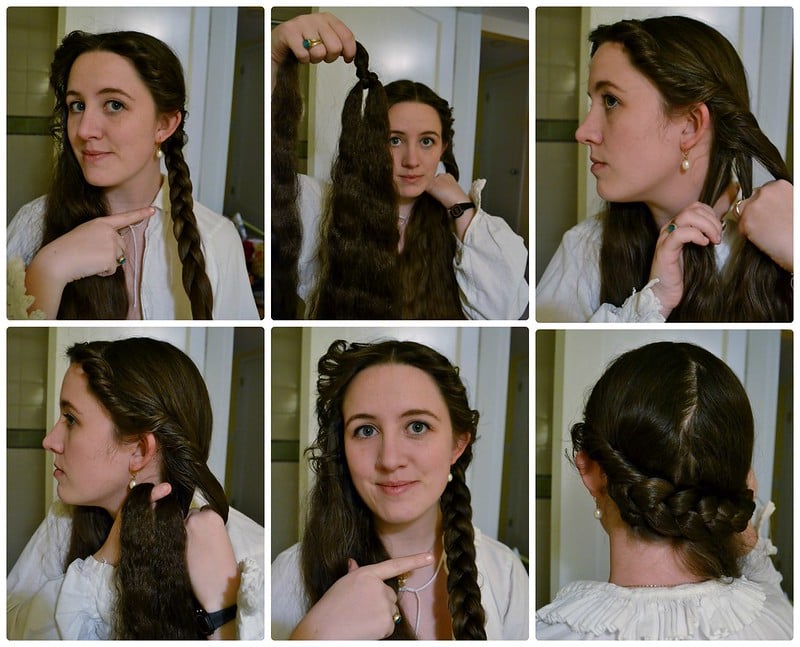
When the Renaissance bloomed, hair fashion followed. Renaissance hairstyles often featured elaborate braids, curls, and accessories like jewels and flowers. Those iconic horn-shaped coils wrapped around the ears became the height of sophistication. Hair was truly art.
18th Century Powdered Poufs
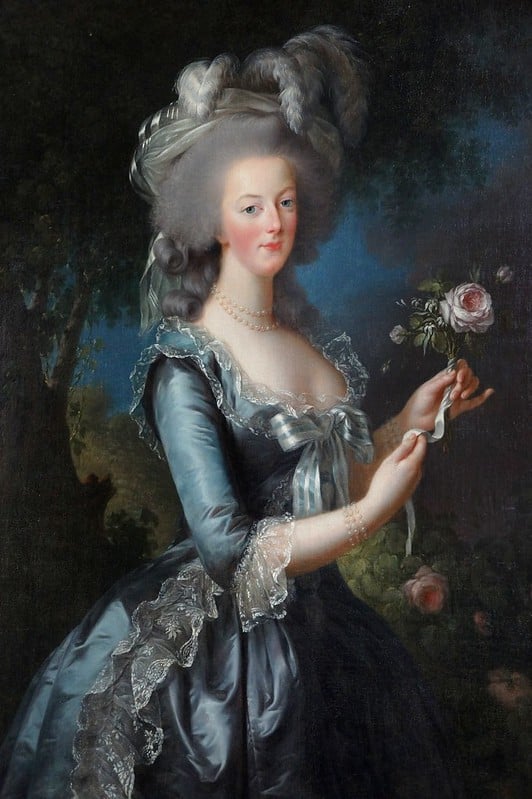
Marie Antoinette didn’t just lose her head over politics. The pouf or pouffe became popular when Marie Antoinette wore it in June 1775 at her husband’s coronation, triggering waves of French noblewomen to copy the style. Some reached 36 inches high! Marie Antoinette had a hairstyle so high in 1776 that the plumes had to be removed from the coiffure to get her in the carriage.
These towering creations included wire scaffolding, false hair, and sometimes entire model ships. The bigger, the better.
The Marcel Wave
Designed in 1872 by Francois Marcel, this French hairdresser’s curling iron revolutionized hair styling and made the marcel wave popular for over 50 years. The heated iron technique created controlled S-shaped waves that looked elegant and lasted. Marcel waves were created with a heated curling iron, making them longer lasting and easier to achieve than finger waves.
Victorian Chignons
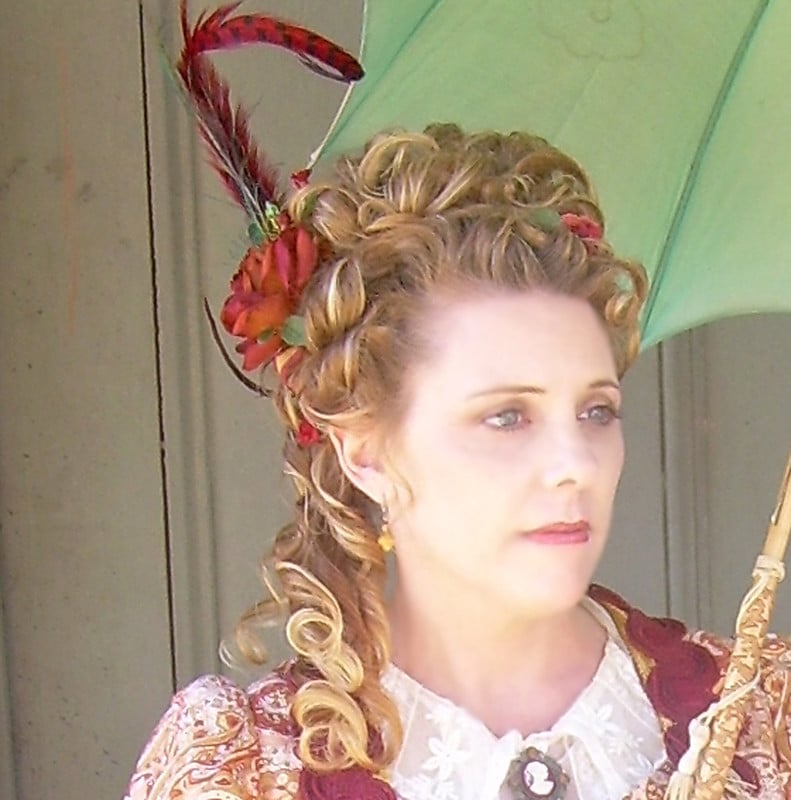
The Victorian era meant serious hair business. Women’s hairstyles ranged from elaborate chignons and pompadours for the upper class to simpler braids and snoods for everyday folks. Everything was pinned up after marriage – letting hair down literally only happened in private.
Hot curling irons were essential to every woman’s vanity, crimping hair into waves around the face and corkscrew curls.
The Gibson Girl Pompadour
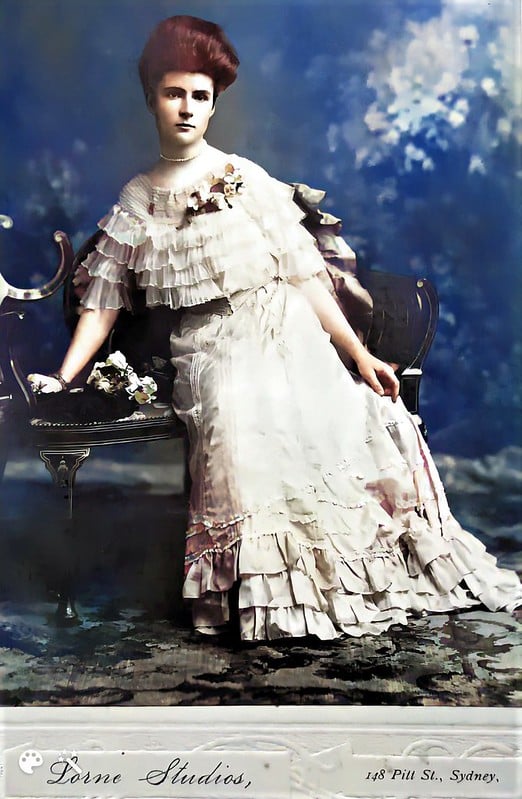
The style takes its name from artist Charles Dana Gibson, who drew images for popular magazines of women sporting this style at the end of the 19th century. The look swept hair upward from the face and high over the forehead. Gibson Girls wore different pompadour hairstyles but there was also a special “Gibson Girl pompadour” that was not very high but rather wide at the sides.
1920s Finger Waves
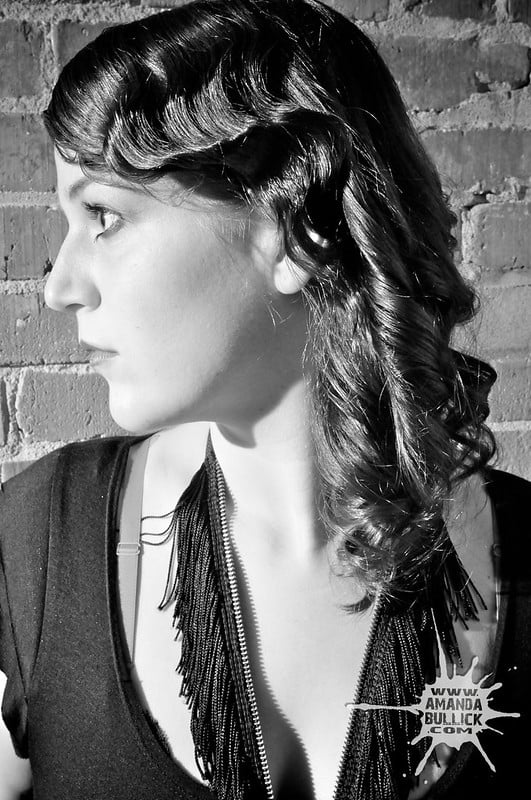
The Jazz Age rebellion started with scissors. The bob continued from earlier decades but women embraced finger waves – dampened hair shaped into waves using fingers and a comb from approximately 1926 into the 1930s. The finger wave and Marcel added shape to blunt cuts, with the shingle bob exposing the back of the neck.
Some doctors warned about “Shingle Headache” from sudden hair removal!
The Flapper Bob
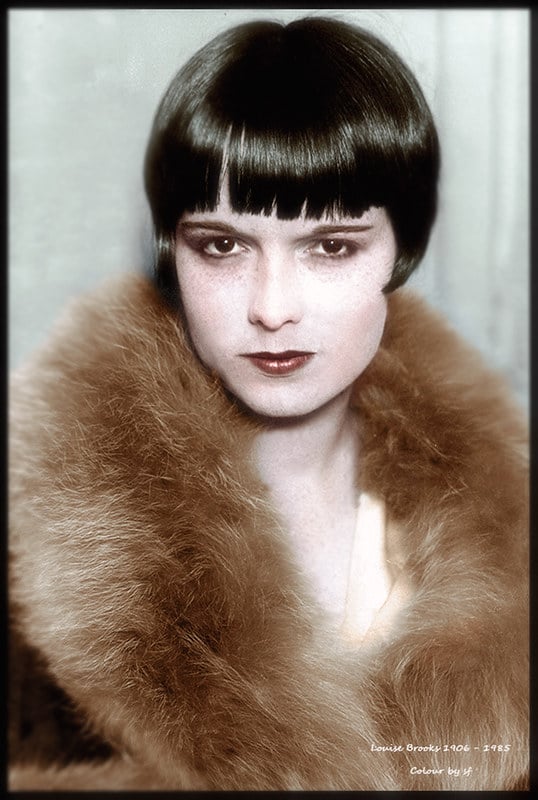
Louise Brooks made it iconic. Ladies were saying goodbye to long Victorian locks and welcoming much shorter hairdos, with barbers becoming the go-to since many salons wouldn’t accept this trend. The bob wasn’t just hair – it was a statement of independence and modernity.
1960s Beehives
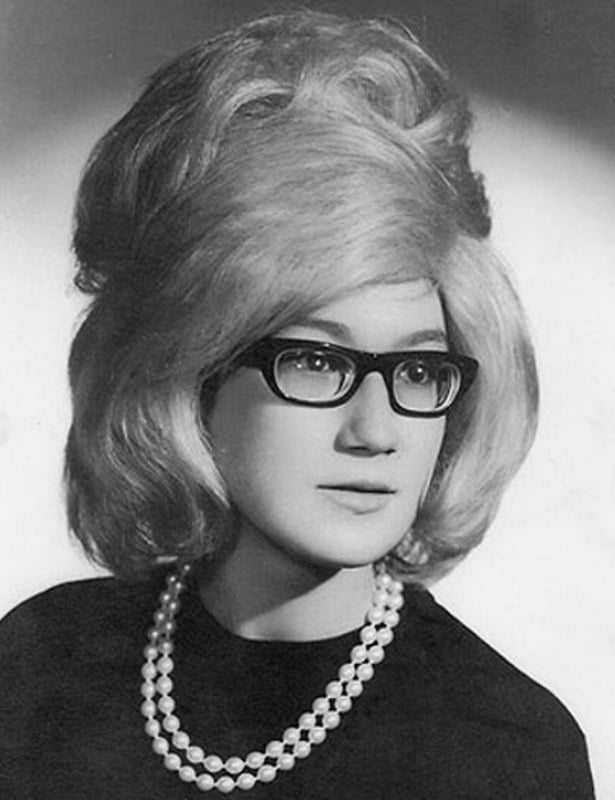
Developed in 1960 by Margaret Vinci Heldt of Elmhurst, Illinois, the beehive involved piling long hair up in a conical shape on top of the head. This towering, voluminous style wasn’t just a trend – it became synonymous with the era, representing rebellion and individuality.
The Ronettes and Amy Winehouse made it legendary decades apart.
The Twiggy Pixie
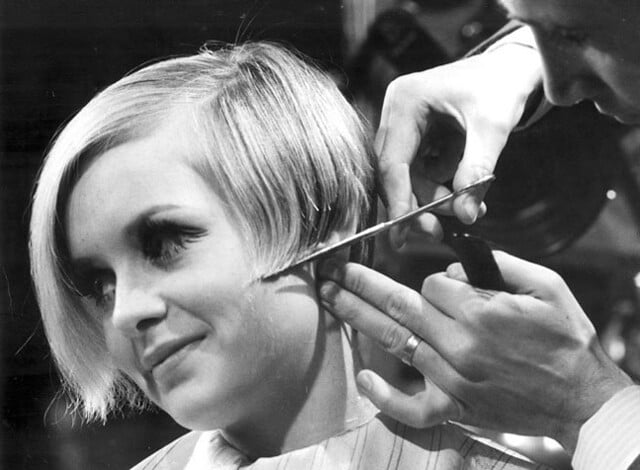
In 1966, ‘the world’s first supermodel’ Twiggy joined the ranks and became an icon overnight with her gamine features and deep-parted pixie crop. The pixie cut’s androgynous appeal challenged traditional gender norms, providing a fresh, youthful look. Revolutionary and liberating.
Jackie Kennedy’s Bouffant
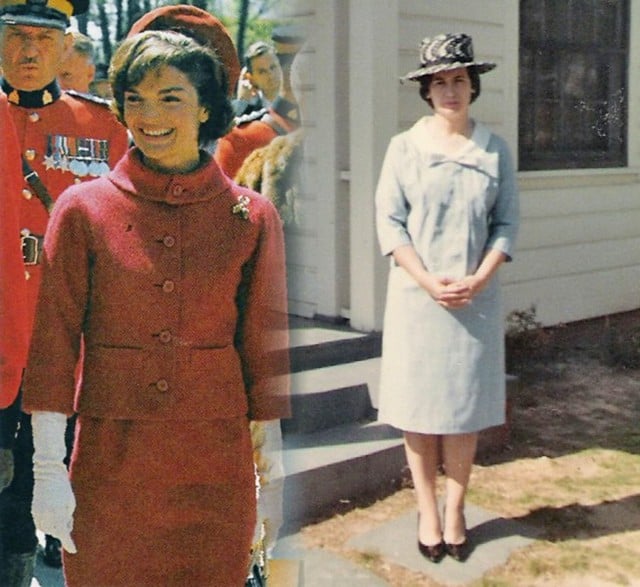
The bouffant bob was popularized by America’s First Lady Jackie Kennedy, defined as a hairdo styled to stand out from the head in a rounded shape. Jackie Kennedy’s signature style influenced millions of American women who wanted that same sophisticated volume and elegance.
Weekly salon appointments became rituals for maintaining the look.
The Afro
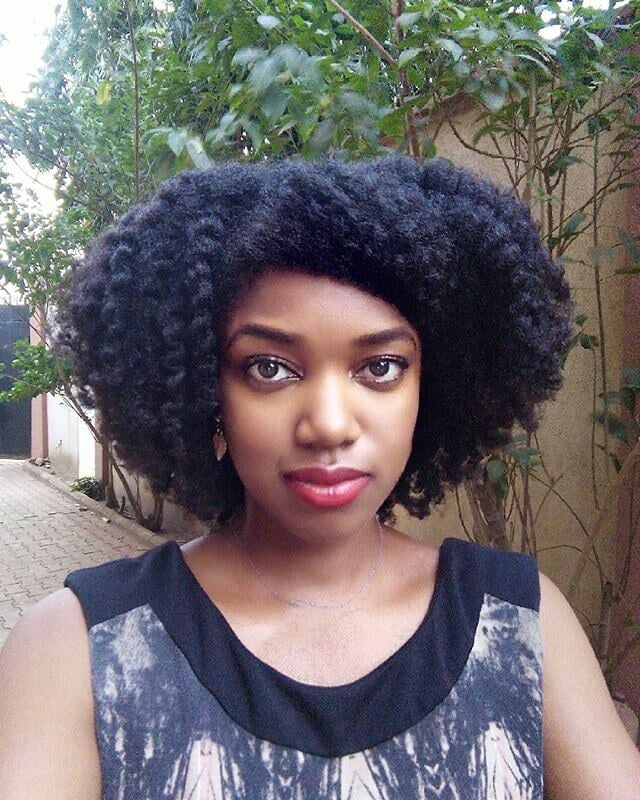
The afro emerged as a powerful symbol of Black pride and cultural identity in the 1960s, rising alongside the Civil Rights movement to celebrate natural Black beauty and reject Eurocentric standards. Angela Davis made it political. The bigger the statement, the bigger the crown.
Ancient Greek Braided Wreaths
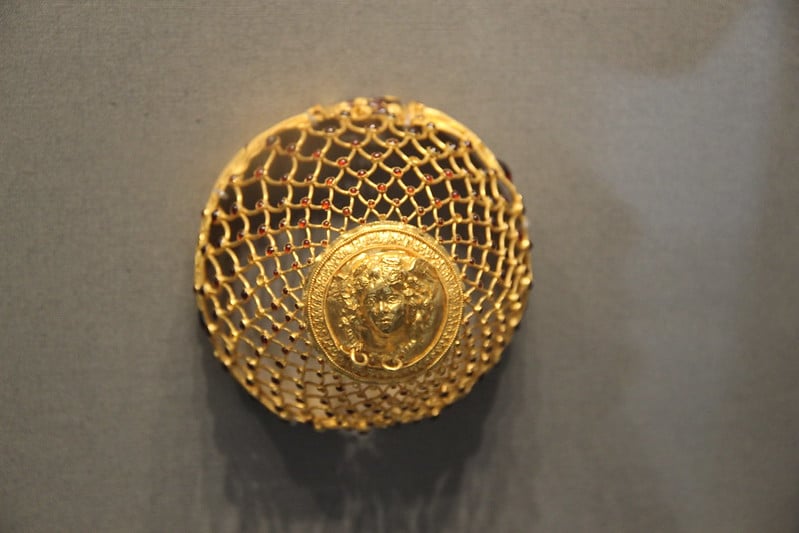
Long before Instagram tutorials, Greeks perfected the art of braided crowns. Hair was woven with ribbons, flowers, and gold threads, then arranged like laurel wreaths. These styles weren’t just pretty – they signified everything from:
- Marital status
- Religious devotion
- Athletic victory
- Social class
The goddess aesthetic never goes out of style.
Lock of Youth
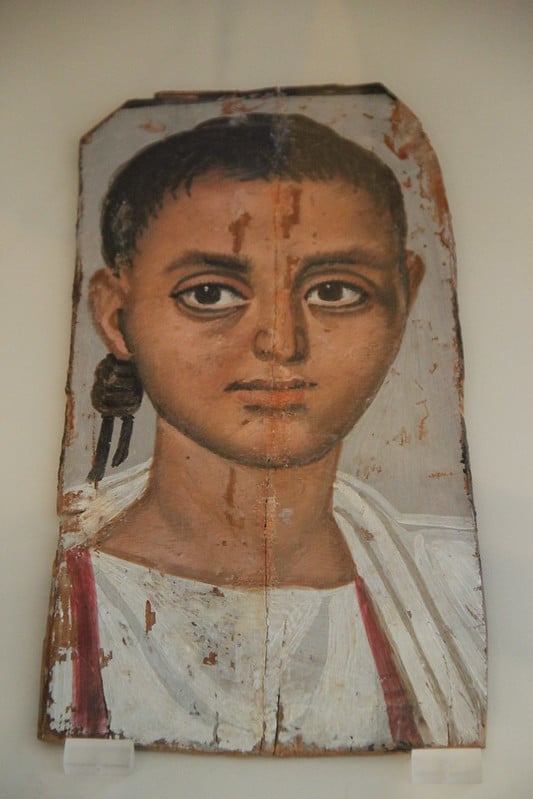
Children both male and female had essentially the same hairstyles – shaved heads with a lock of hair present on the left side of their scalp. Ancient Egyptian kids rocked this look until adulthood. Simple, practical, and surprisingly modern-looking.
Nubian Style Wigs
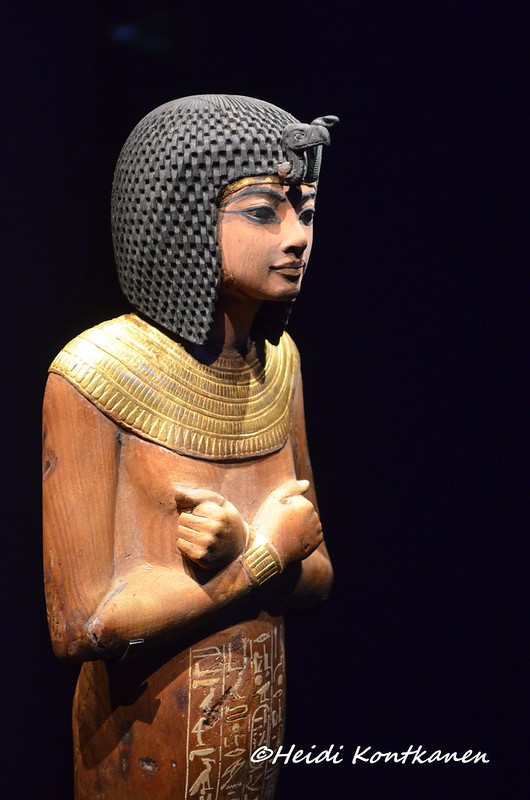
Nubian wigs, which Ancient Egyptians grew fond of during the Amarna period, were meant to mimic the short curly hair that Nubian tribespeople wore. Egyptologists believe Queen Nefertiti adopted the Nubian wig after witnessing the hairstyle worn by Nubians in the Pharaoh’s army.
Fashion inspiration came from everywhere, even ancient battlefields.
Crowned by Time
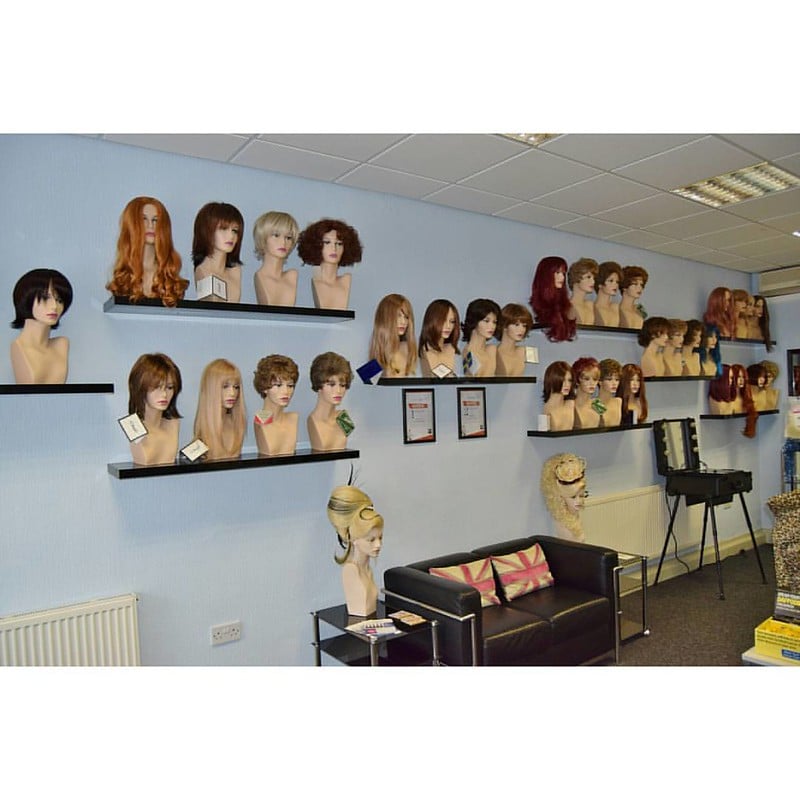
Each of these hairstyles tells a story bigger than beauty trends. They reveal how people saw themselves, what they valued, and how they challenged or embraced social norms. From Egyptian queens commanding respect through towering wigs to 1920s flappers shocking society with bobs, hair has always been humanity’s most personal form of artistic expression. The styles change, but the desire to make a statement through our crowning glory remains timeless.
More from Go2Tutors!

- 16 Historical Figures Who Were Nothing Like You Think
- 12 Things Sold in the 80s That Are Now Illegal
- 15 VHS Tapes That Could Be Worth Thousands
- 17 Historical “What Ifs” That Would Have Changed Everything
- 18 TV Shows That Vanished Without a Finale
Like Go2Tutors’s content? Follow us on MSN.