15 Iconic Shoes from the 80s and 90s
The 80s and 90s weren’t just about wild hair and questionable fashion choices. These decades gave us some of the most legendary footwear that still influences what we wear today. From basketball courts to punk rock venues, certain shoes became way more than just something to protect your feet—they became cultural statements.
Let’s be honest, some of these kicks were so iconic that people still line up outside stores just to get their hands on retro versions. Here’s a list of 15 shoes that truly defined an era and continue to make their mark on modern style.
Nike Air Jordan 1
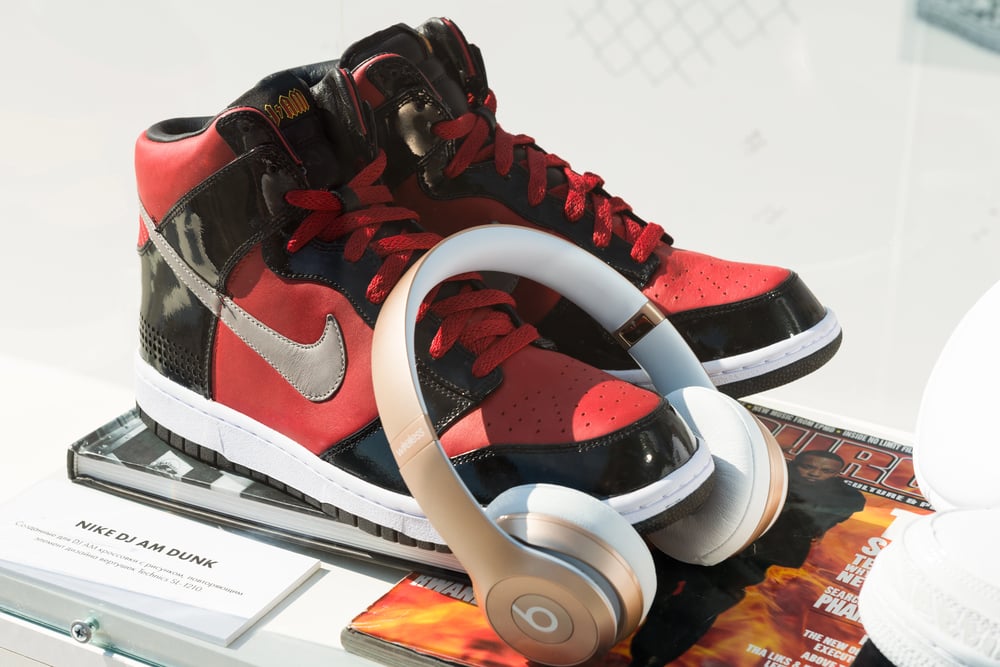
The shoe that changed everything hit the scene in 1985, and basketball was never the same. Michael Jordan’s first signature shoe wasn’t just athletic gear—it was a rebellion wrapped in leather and rubber that the NBA initially banned for not meeting their ‘uniformity of uniform’ rule.
Nike turned that ban into the greatest marketing gift in sports history, and suddenly every kid wanted to ‘Be Like Mike.’
Reebok Pump
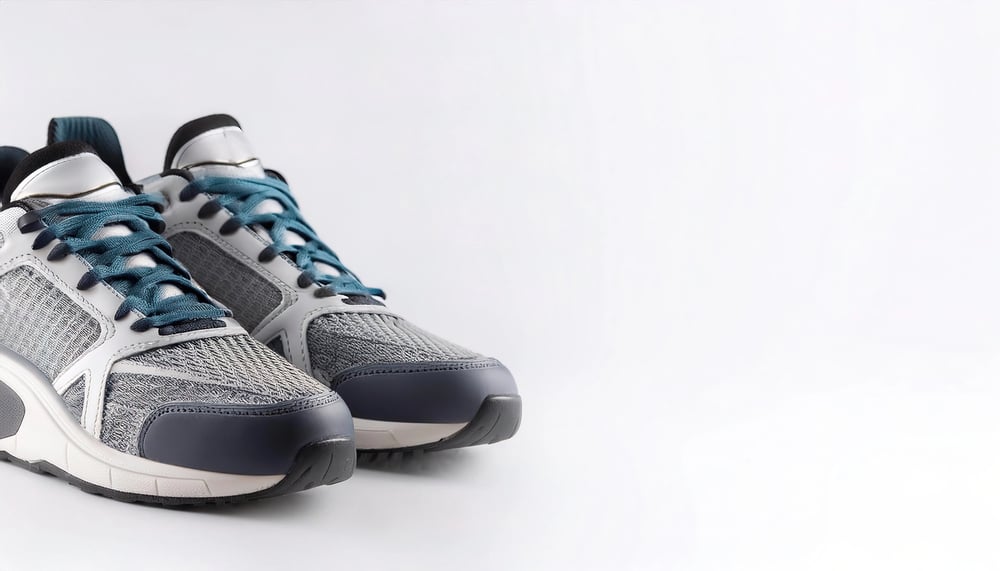
Nothing said ‘I’m serious about my game’ quite like manually inflating your shoes before stepping onto the court. Released in 1989, the Pump featured a built-in air bladder that you could customize for the perfect fit using that distinctive orange basketball button.
Sure, it was a bit gimmicky, but when Dominique Wilkins was dunking in them, nobody was complaining about the extra step.
Converse Chuck Taylor All Star
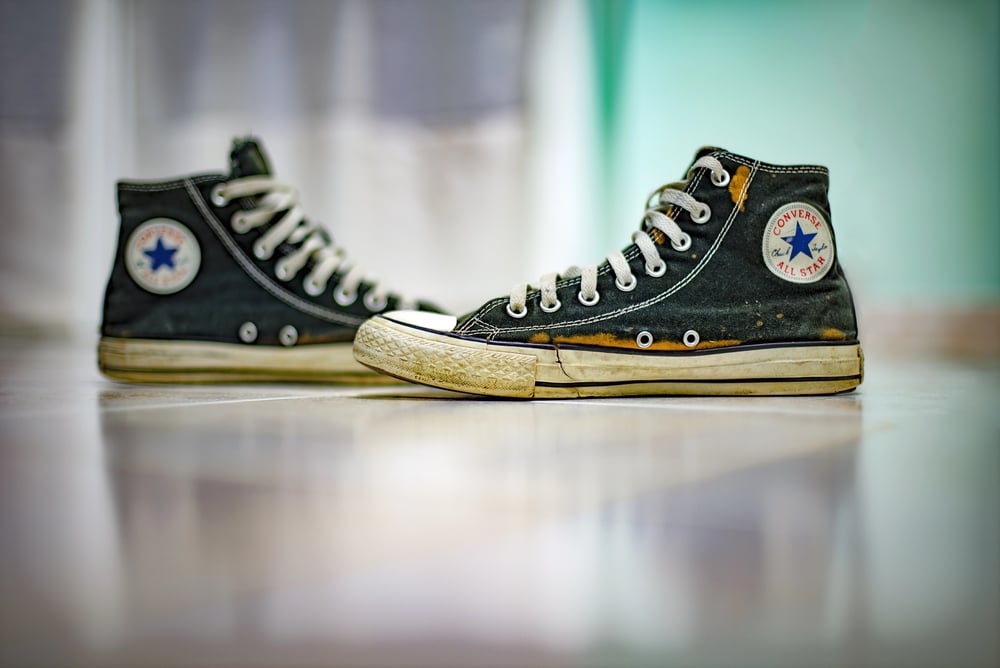
While Chuck Taylors technically date back to 1957, they became the unofficial uniform of 80s and 90s alternative culture. Every grunge band, punk rocker, and art student seemed to own at least one pair of these canvas classics.
The beauty was in their simplicity—no flashy tech, no premium materials, just a timeless silhouette that worked with everything from ripped jeans to vintage dresses.
Doc Martens 1460
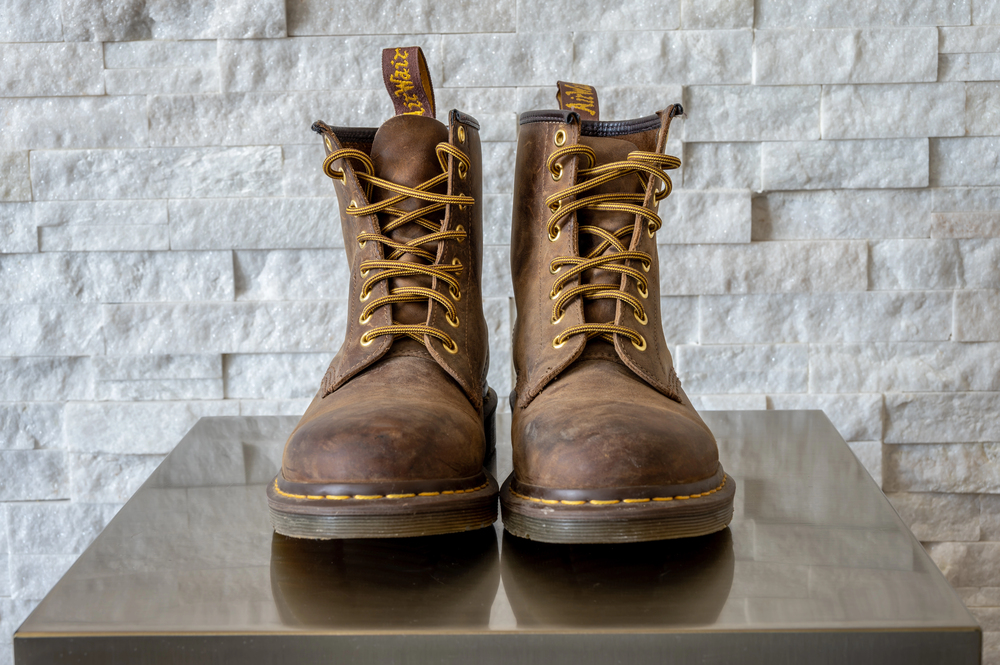
Originally designed for British workers in 1960, Doc Martens found their true calling in the rebellious spirit of the 80s and 90s. The iconic 8-eyelet boot became the footwear of choice for punks, goths, grunge kids, and anyone who wanted to make a statement without saying a word.
That distinctive yellow stitching and bouncy sole could handle a mosh pit as well as a peaceful protest march.
Adidas Stan Smith
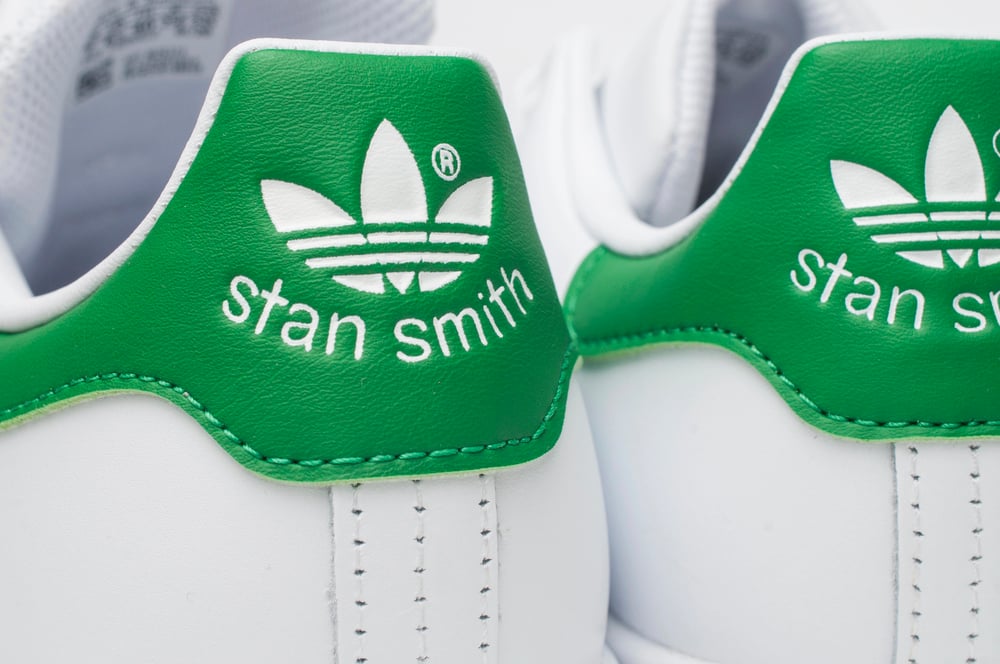
Named after the American tennis player, the Stan Smith became one of the best-selling tennis shoes of all time during the 80s. The clean white leather upper with green accents was understated perfection that worked just as well off the court as on it.
It’s the kind of shoe that looks effortlessly cool whether you’re grabbing coffee or attending a casual business meeting.
Vans Old Skool
Skate culture exploded in the 80s and 90s, and Vans was right there with the perfect shoe for the movement. The Old Skool, with its distinctive side stripe and reinforced toe cap, could handle countless hours of grinding rails and attempting kickflips.
Plus, that waffle sole provided the grip skaters needed while looking stylish enough for non-skaters who just wanted that California cool vibe.
Timberland 6-Inch Premium Boot
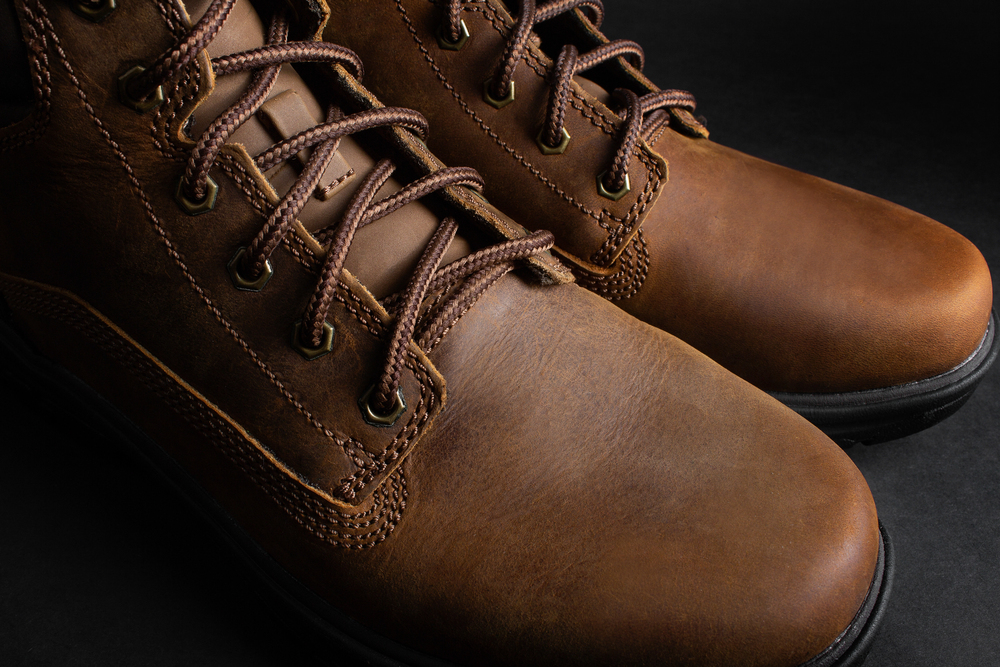
What started as rugged work boots for New England loggers became a fashion statement that defined East Coast hip-hop culture in the 90s. Rappers like Notorious B.I.G. and Jay-Z turned these wheat-colored boots into symbols of urban style and success.
The waterproof nubuck leather could handle both construction sites and city streets with equal swagger.
Nike Air Max 1
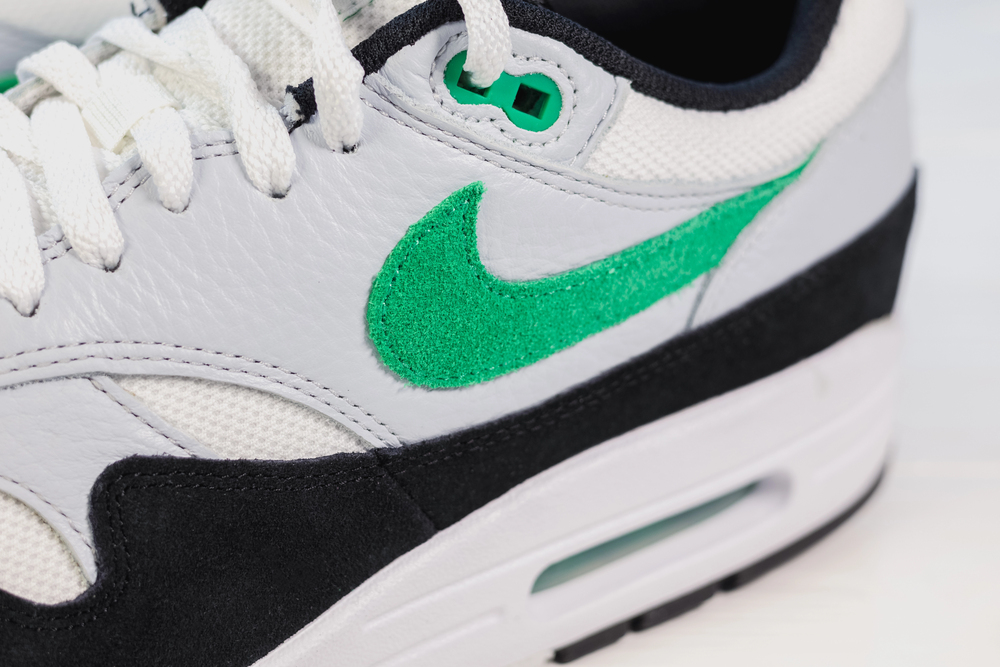
Tinker Hatfield revolutionized sneaker design in 1987 by making the Air Max sole visible through a clear window. This wasn’t just about function—it was about showing off the technology that made your stride bouncy and comfortable.
The original colorway with its grey, white, and red scheme became an instant classic that still influences running shoe design today.
Adidas Superstar
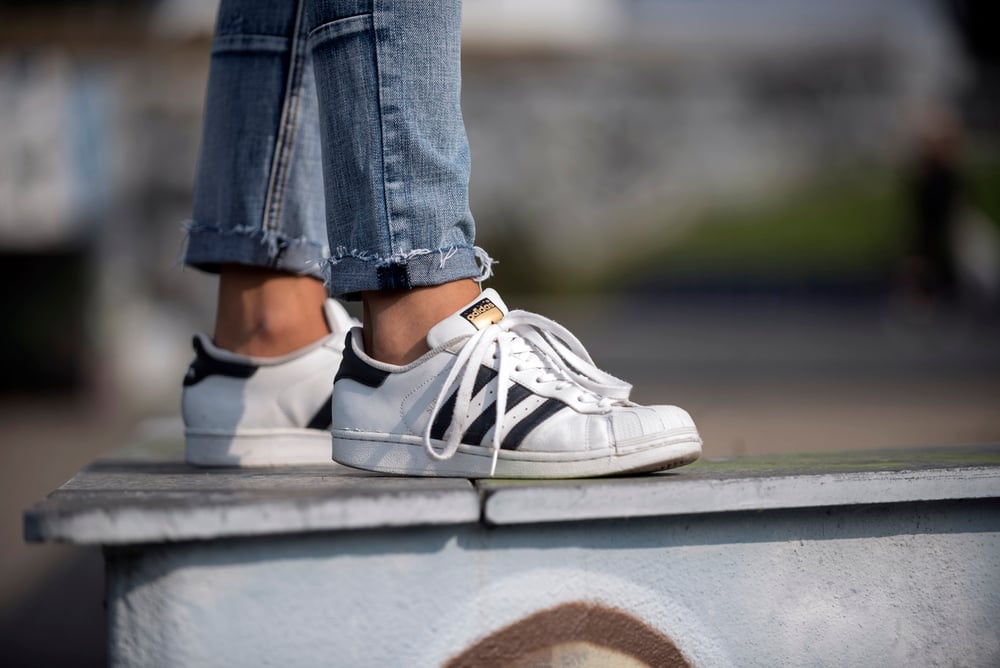
The shell-toe design made these basketball shoes instantly recognizable, but it was hip-hop culture that truly made them legendary. Run-DMC didn’t just wear Superstars—they wrote a song about them, turning athletic footwear into a cultural phenomenon.
Those three stripes became a symbol of street credibility and athletic performance rolled into one clean package.
New Balance 990
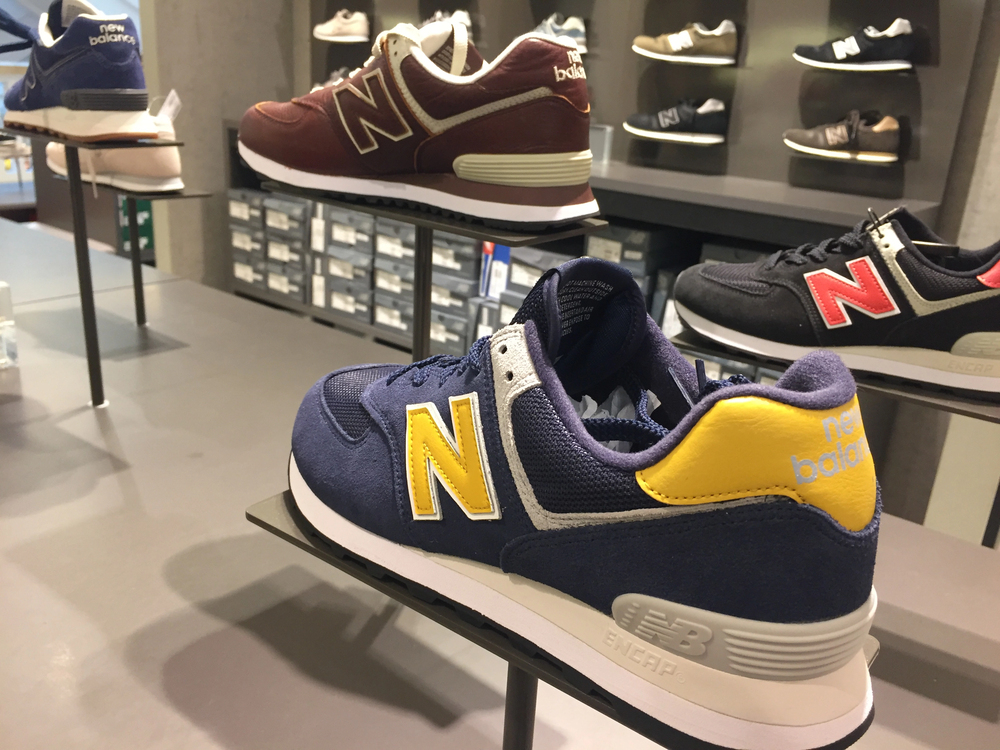
Released in 1982 but perfected throughout the 80s, the 990 was positioned as a premium running shoe with a price tag to match. At $100, it was expensive for its time, but the quality justified the cost with superior cushioning and durability.
The grey colorway became particularly popular among those who preferred subtle luxury over flashy branding.
Reebok Classic Leather
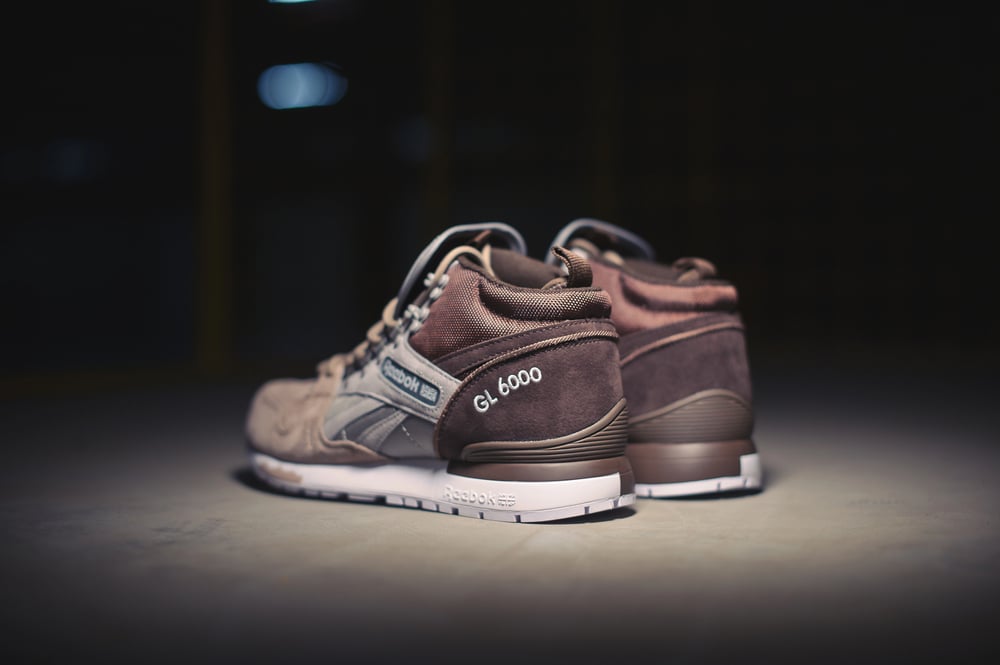
Sometimes the best designs are the most straightforward ones, and the Classic Leather proved that point perfectly. This clean, white leather sneaker with minimal branding became a versatile choice that worked with almost any outfit.
The soft leather upper and comfortable sole made it a practical choice that happened to look great with everything from tracksuits to casual business attire.
Nike Cortez
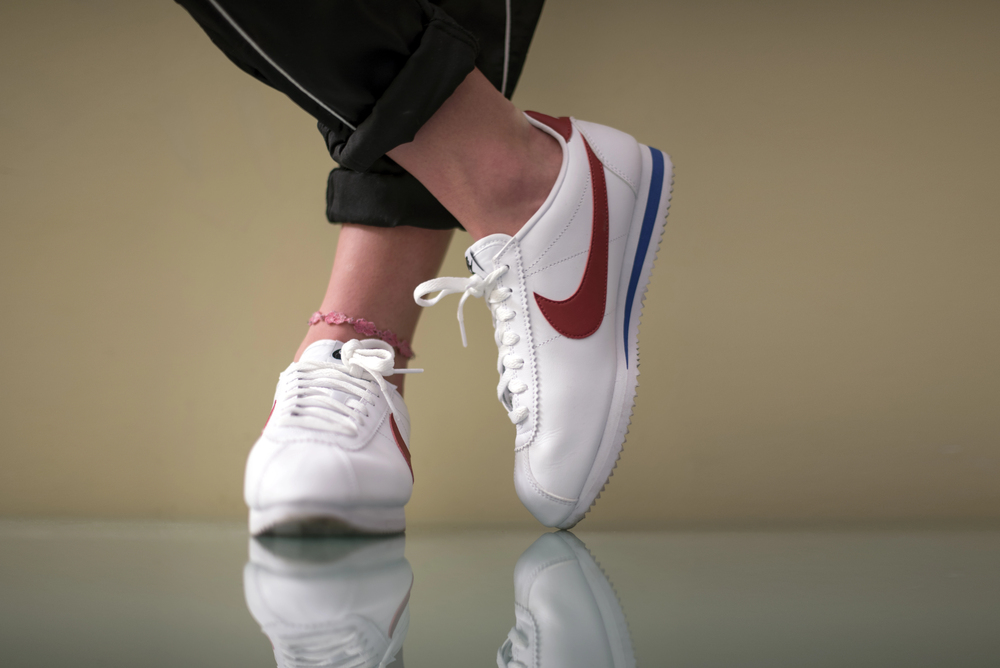
Forrest Gump might have made these famous in the movies, but the Cortez had already established itself as a running classic throughout the 80s. The nylon and suede construction with Nike’s signature swoosh created a lightweight shoe that was equally at home on morning jogs or casual weekend outings.
The variety of colorways meant there was a Cortez for every personal style.
Puma Suede
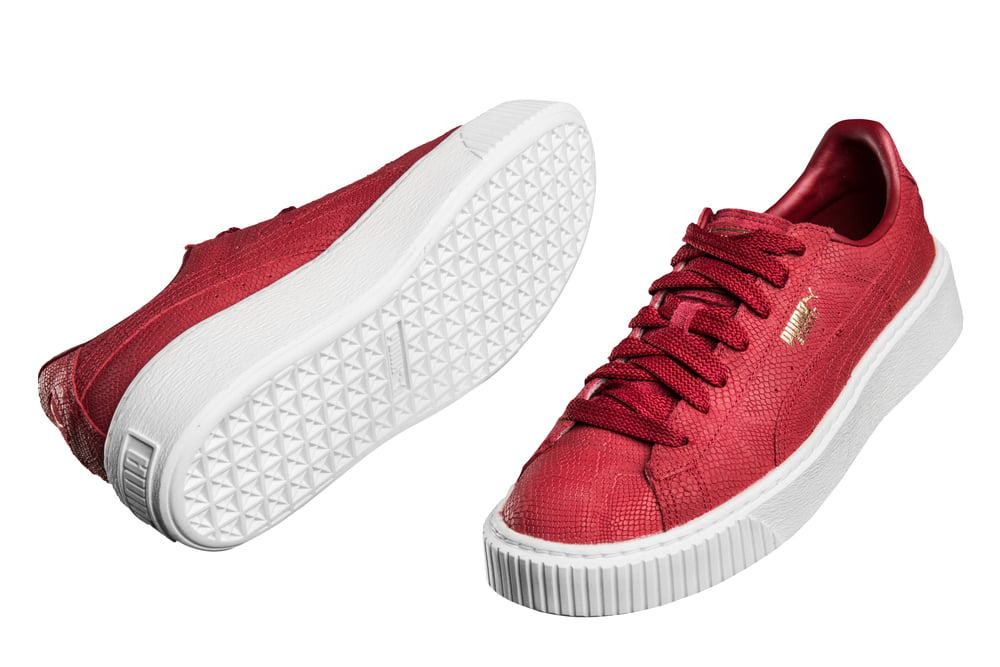
The soft suede upper and contrasting Puma stripe created a shoe that bridged athletic performance and street style effortlessly. B-boys and hip-hop dancers particularly loved these for their smooth sole that was perfect for spinning and sliding on cardboard or gym floors.
The rich colors and premium materials made them feel special without being overly flashy.
Keds Champion

Keds kept things refreshingly simple with their canvas Champion sneaker, while other brands concentrated on bold designs and high-tech materials. For those seeking a simple, preppy look without going over budget, these became the preferred option.
The simple white canvas with the rubber toe cap was like a blank canvas that went just as well with shorts, jeans, or sundresses.
L.A. Gear
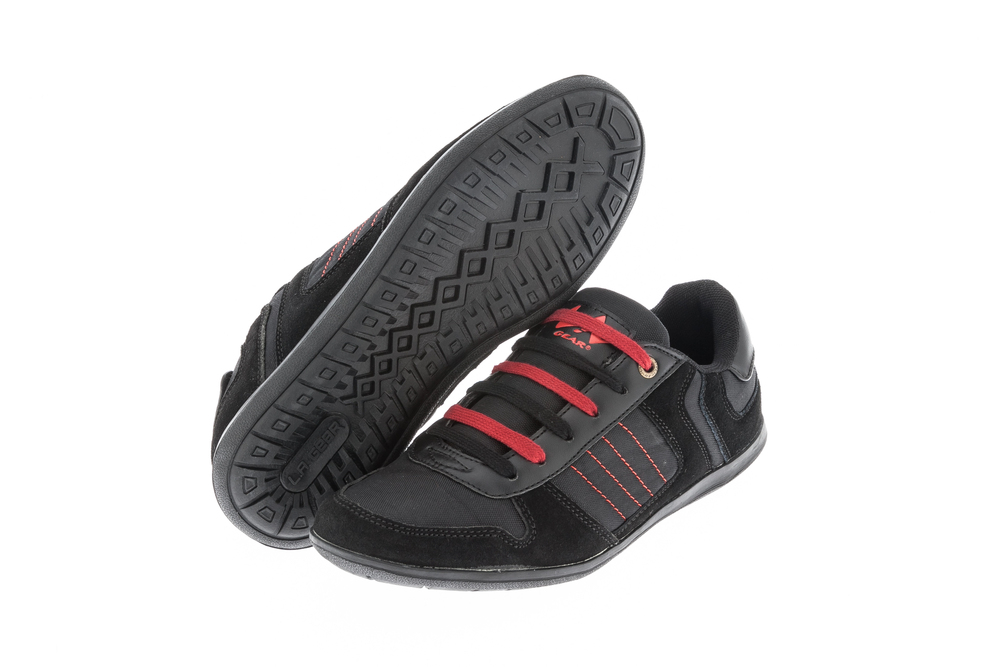
Although they didn’t have the same enduring influence as Adidas or Nike, L.A. Gear was very popular in the late 1980s and early 1990s. Bold colors, metallic accents, and gaudy details were common features of these shoes, which perfectly reflected the ‘more is more’ mentality of the time.
Unapologetically fun and completely of their era, they were the footwear equivalent of neon exercise gear.
The Foundation of Modern Sneaker Culture

Looking back, these 15 shoes didn’t just define what people wore—they created the blueprint for how we think about footwear today. The idea that shoes could be both functional and fashionable, that they could represent your personality or group identity, all started with these classics.
Many of these designs continue to influence new releases, proving that great design truly is timeless. Today’s sneaker culture, with its limited releases and collector mentality, traces its roots directly back to the cultural impact these shoes made decades ago.
Whether you’re wearing retro originals or modern interpretations, you’re participating in a tradition that started when someone decided shoes could be much more than just foot protection.
More from Go2Tutors!

- 16 Historical Figures Who Were Nothing Like You Think
- 12 Things Sold in the 80s That Are Now Illegal
- 15 VHS Tapes That Could Be Worth Thousands
- 17 Historical “What Ifs” That Would Have Changed Everything
- 18 TV Shows That Vanished Without a Finale
Like Go2Tutors’s content? Follow us on MSN.