15 Axolotl Facts That Defy Biology
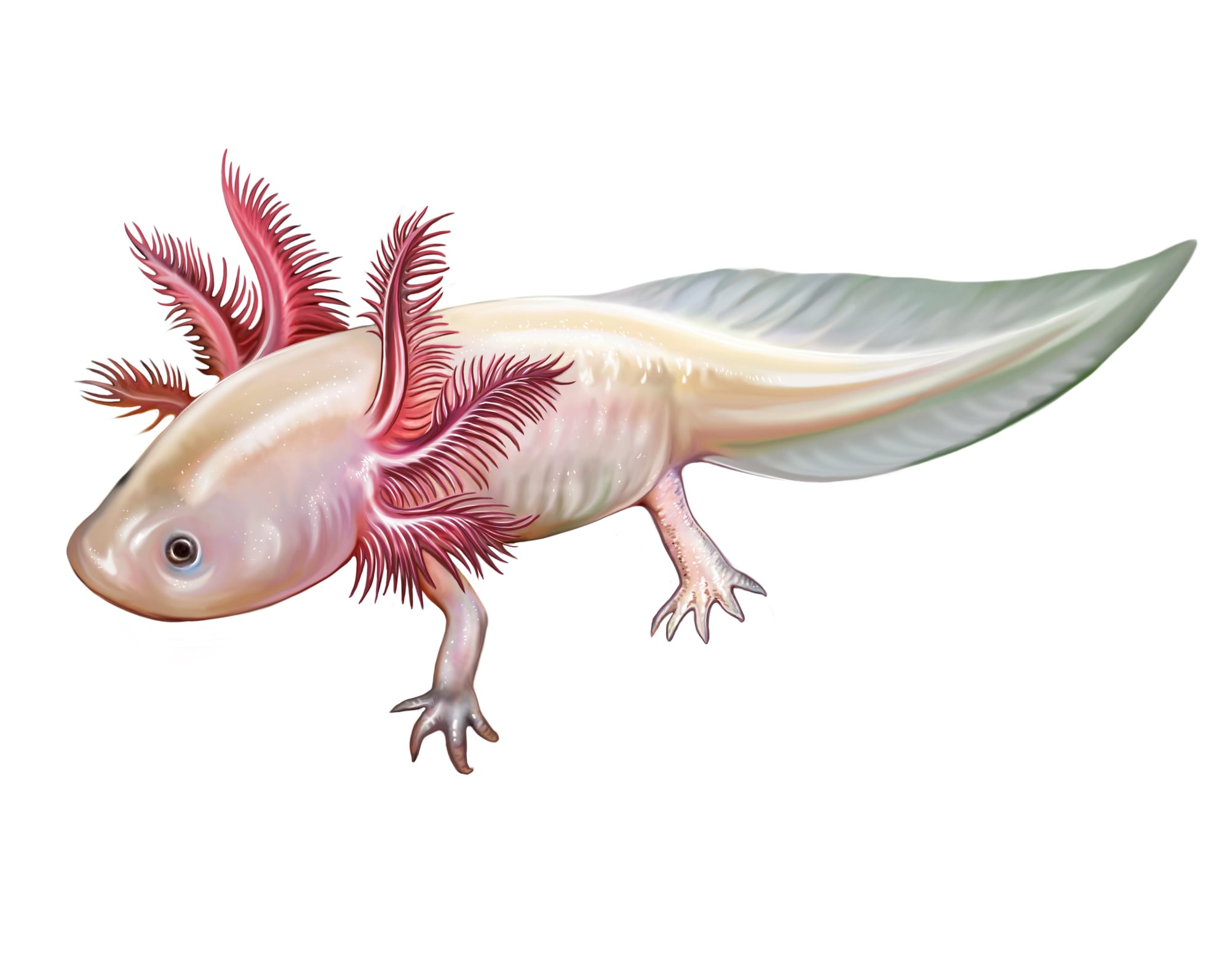
Axolotls don’t follow the usual rules. These strange-looking amphibians are born in water, stay in water, and somehow manage to keep their baby features forever. While most animals grow up and change shape, axolotls skip that step. They live their whole lives with gills and a wide smile that makes them look more like cartoons than real creatures.
But don’t let their cute looks fool anyone. These animals break some basic rules of biology—and they do it with ease.
They never grow up
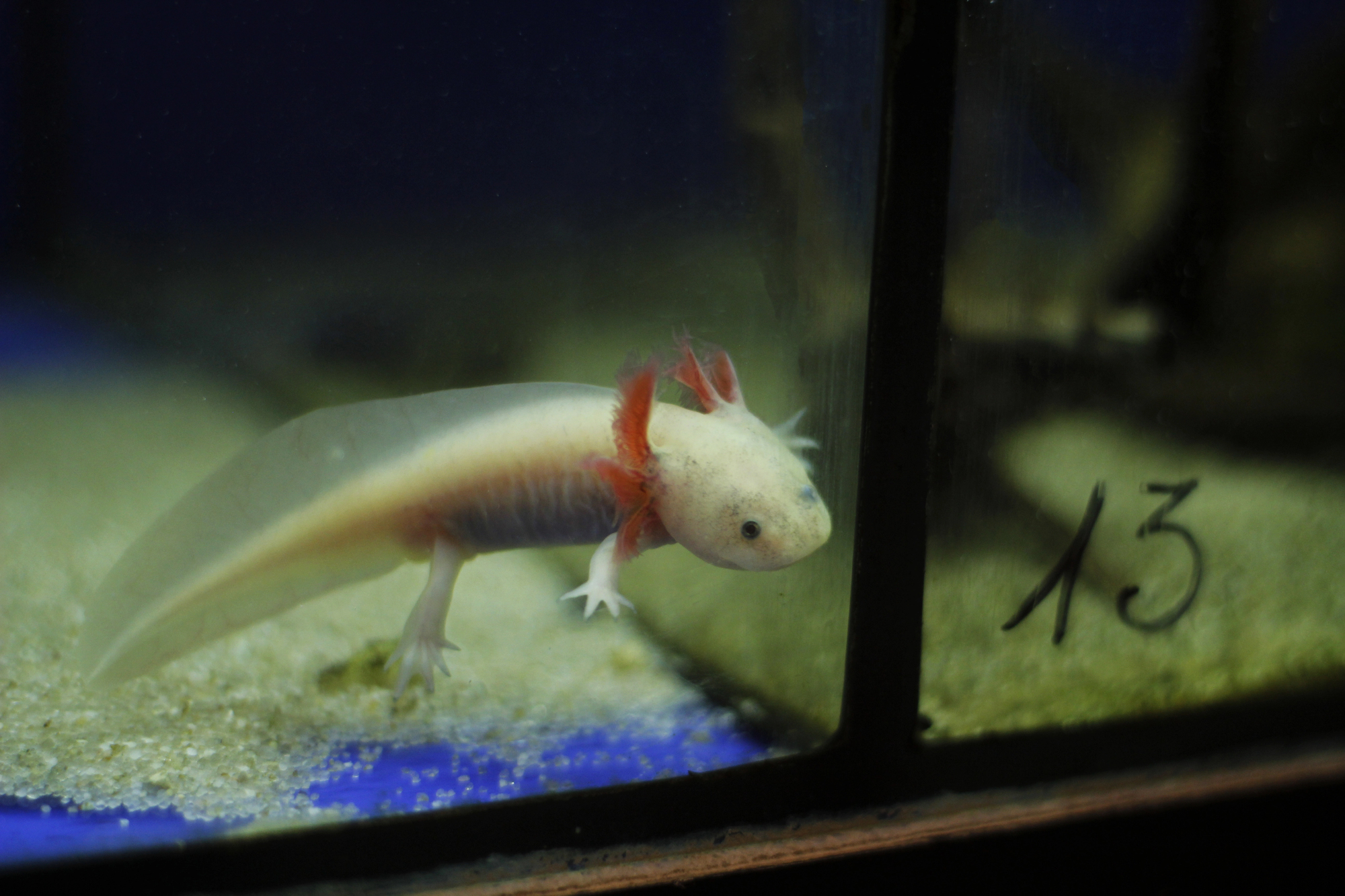
Most amphibians start life in water and then grow lungs to live on land. Axolotls skip that.
They stay in their larval form forever. This trait is called neoteny, and it means they keep their gills and stay underwater their whole lives.
They can regrow body parts
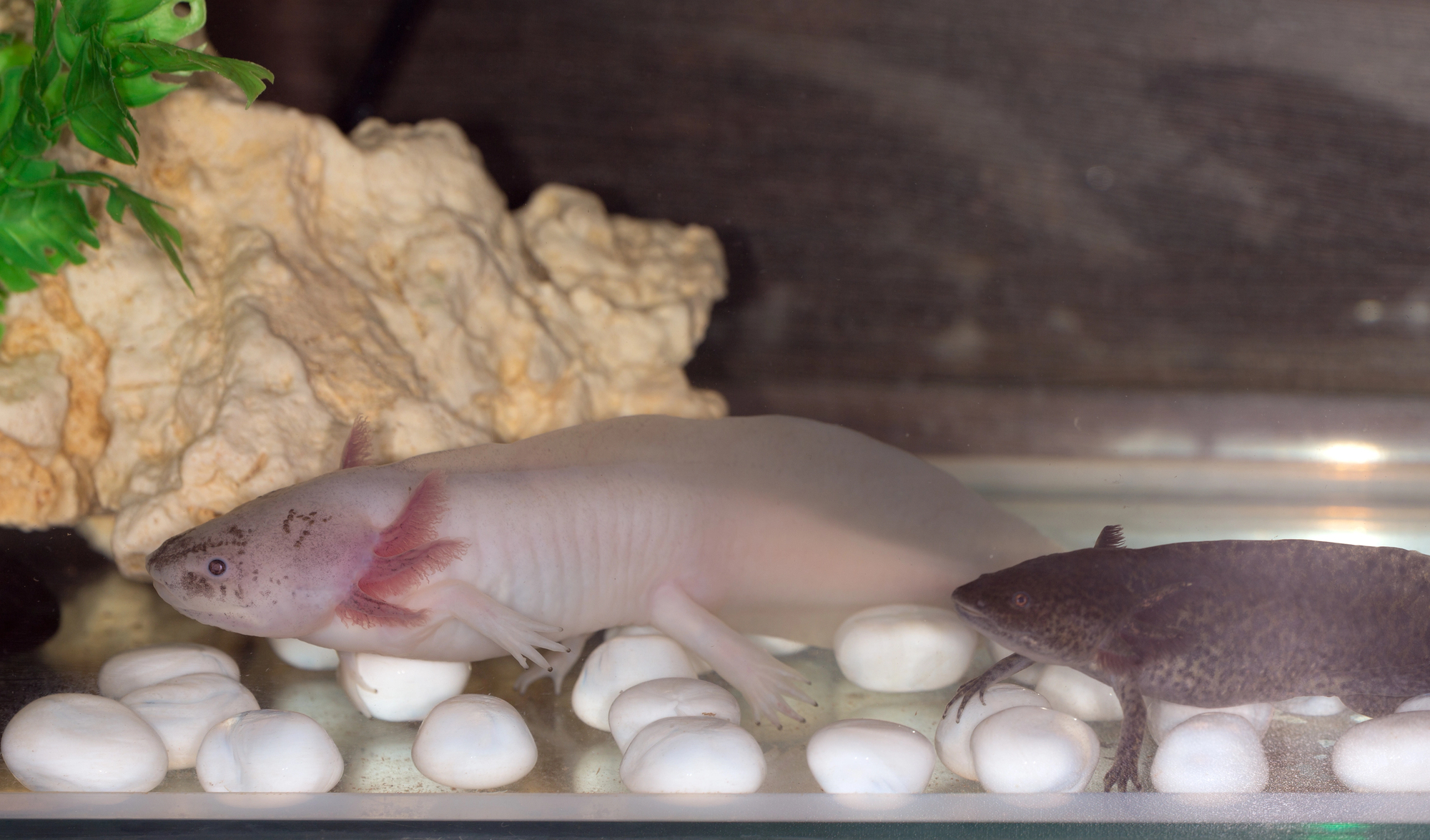
Axolotls can regrow almost any part of their body. That includes legs, tails, and even parts of their heart and brain.
And they don’t just do it once. They can repeat this process many times without scars or damage.
They stay underwater for life
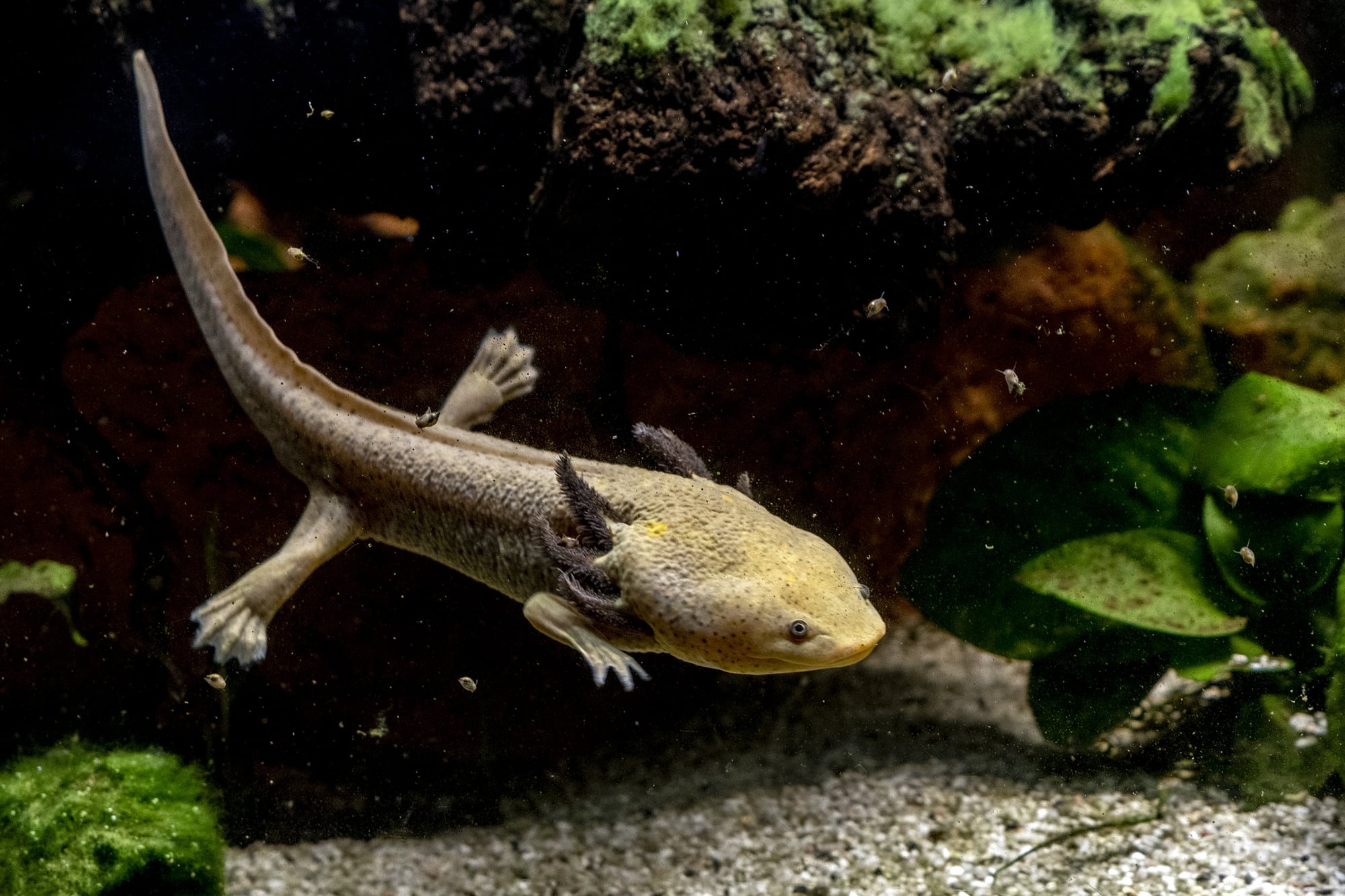
Axolotls don’t go through the full change that most amphibians do. They never lose their gills, so they breathe through them and stay underwater.
Some can be forced to grow lungs using special hormones, but it’s rare and risky. In nature, they always stick to the water.
They smile all the time
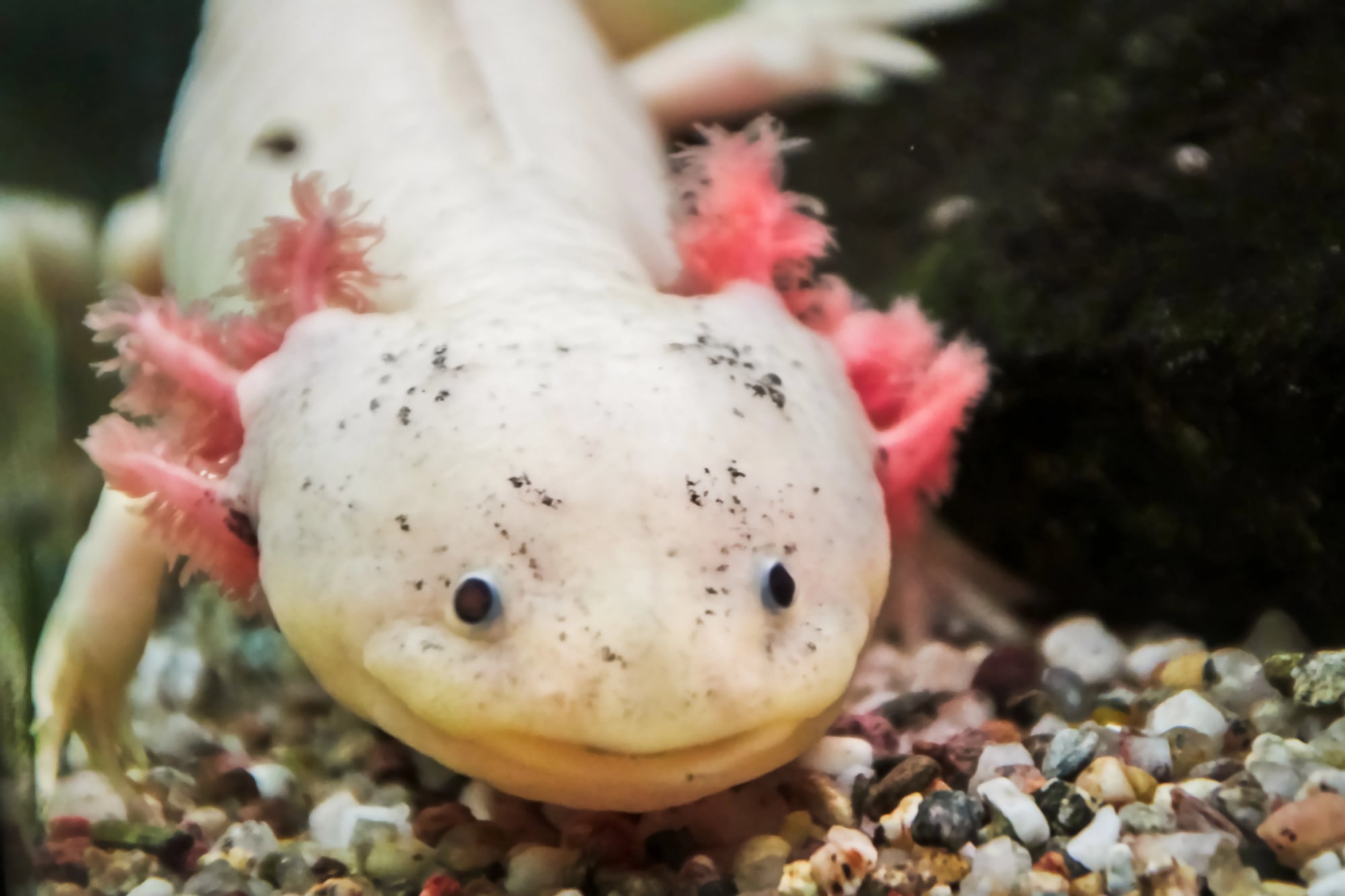
That wide grin isn’t just for looks. Axolotls have mouths that naturally curve up at the corners, giving them a permanent smile.
It’s just the way their face is shaped. People find it cute, but it serves no real function beyond being part of their design.
Their gills look like feathers
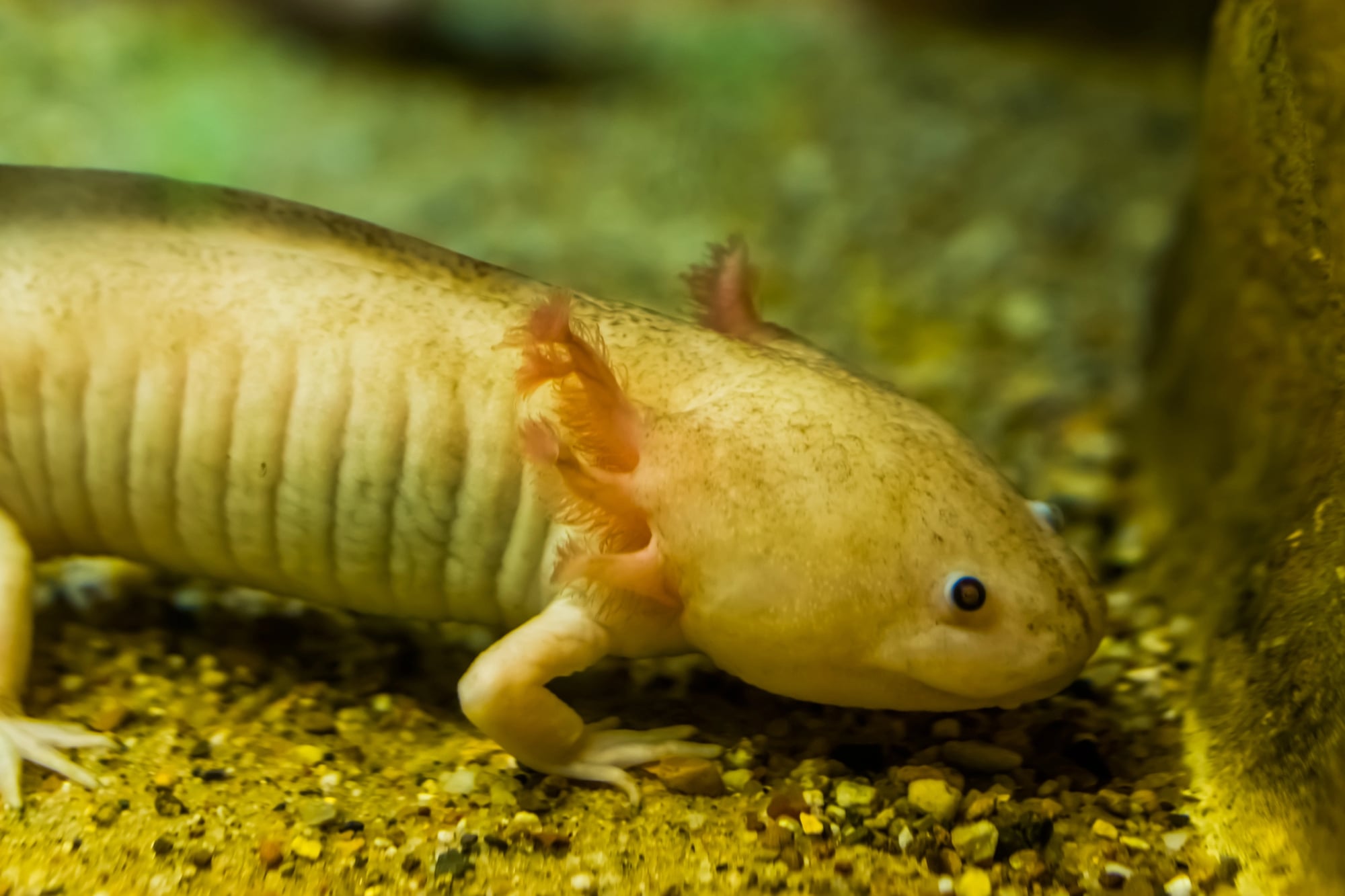
Axolotls have three feathery gills sticking out from each side of their head. These gills are full of blood and help pull oxygen from the water.
They look soft and flowy, like underwater plants, but they’re key to survival. This design helps them breathe better in still water.
They can live without food for weeks

Axolotls have a slow metabolism. If food is scarce, they can go without eating for a surprisingly long time—sometimes even weeks.
Of course, it’s not ideal, but it’s something they can handle better than many animals. They usually feed on worms, insects, and small fish.
They’re missing in the wild
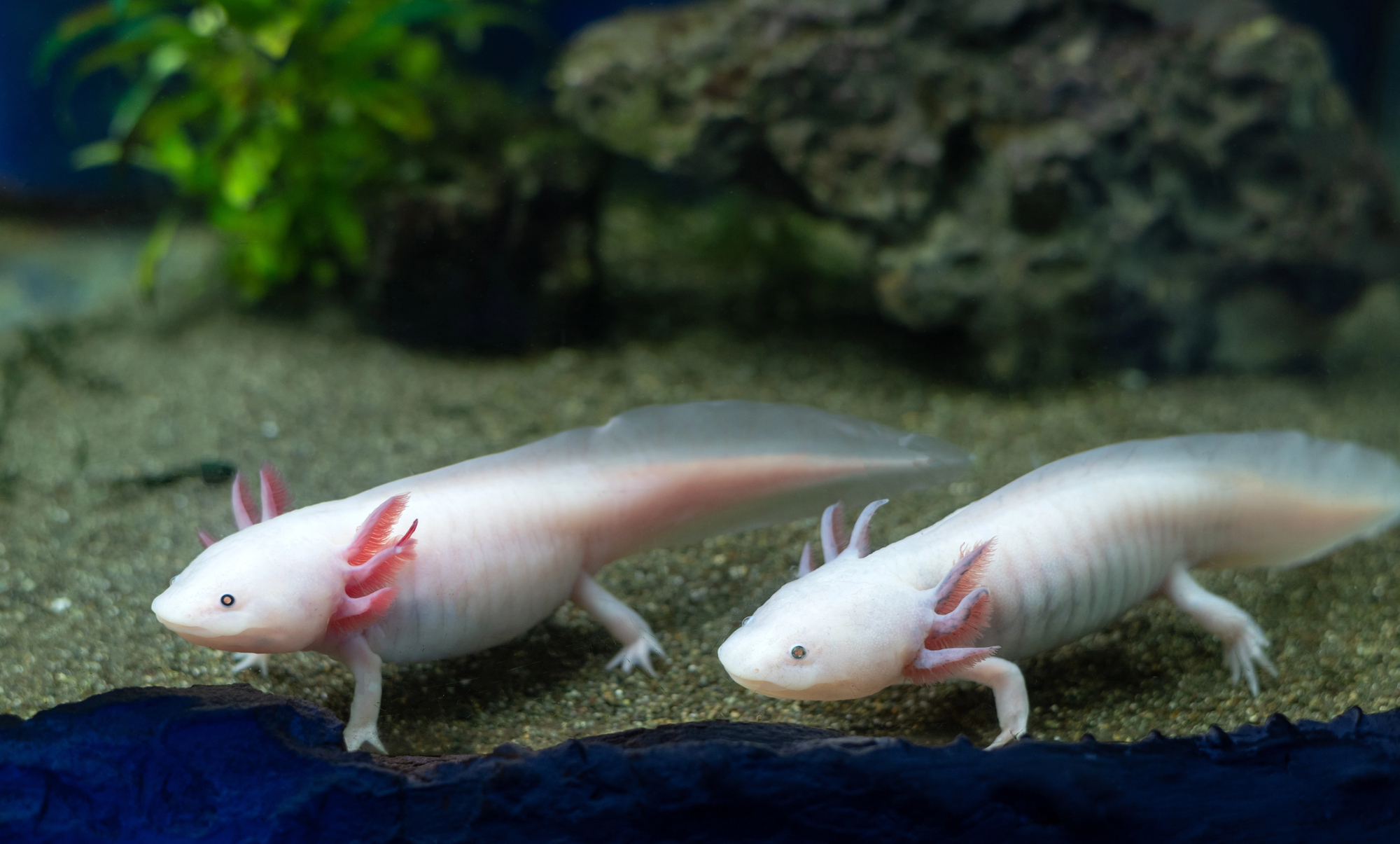
Wild axolotls live only in one place: the lakes around Mexico City. But pollution, habitat loss, and invasive species have made them nearly extinct in the wild.
Most axolotls today live in labs, homes, and aquariums around the world. They’re more common in tanks than in nature.
They’re important to science

Scientists study axolotls because of their amazing healing abilities. Their body can rebuild complex parts without leaving a mark.
This helps researchers understand how tissue regrowth works. The hope is that someday this knowledge can help people too.
They can change color
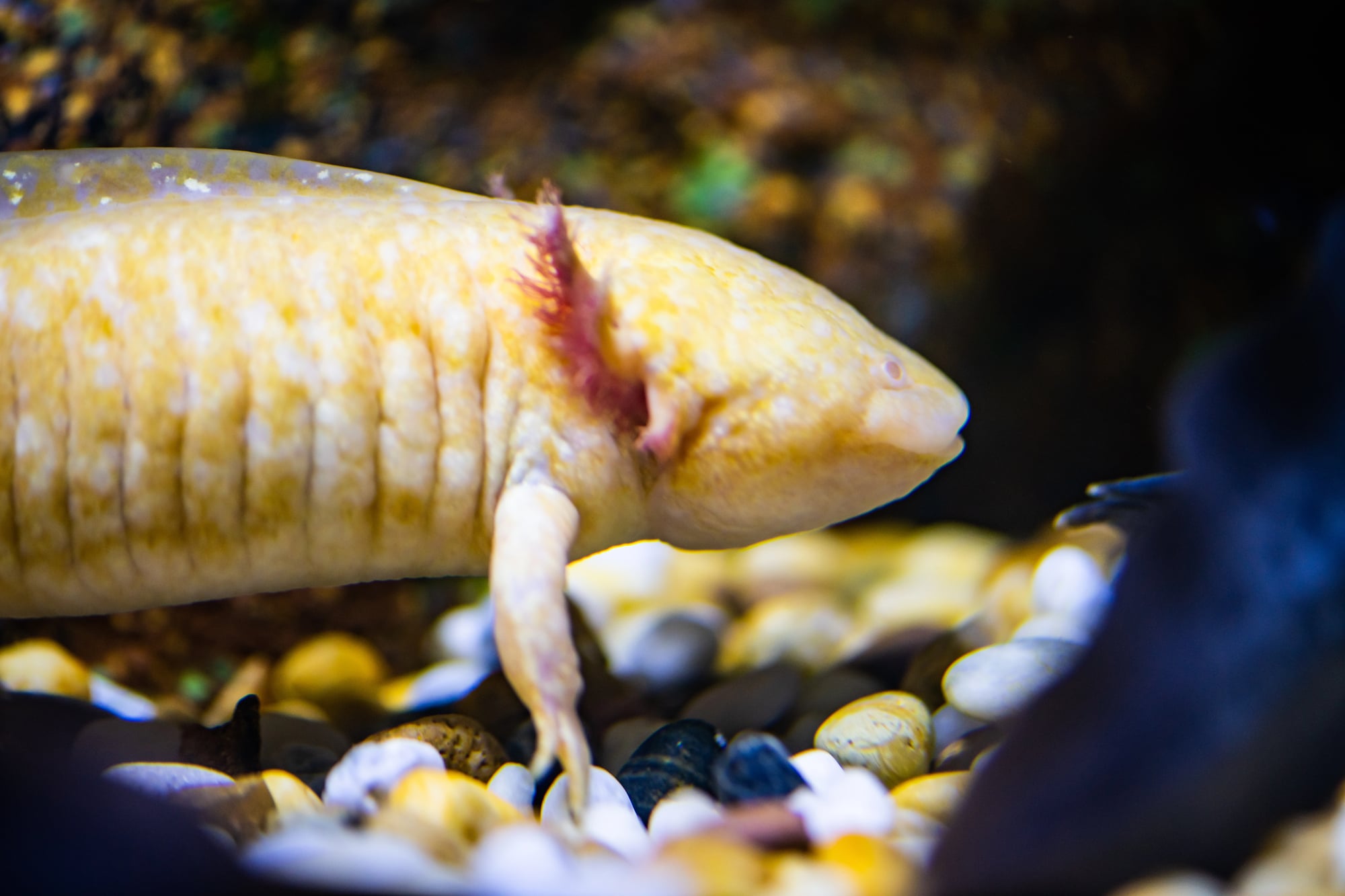
Axolotls come in different colors, especially in captivity. Some are pale pink, others are black, golden, or even speckled.
They don’t change color like chameleons, but they’ve been bred into many shades. In the wild, they are usually darker to help them blend in.
Their name comes from a god
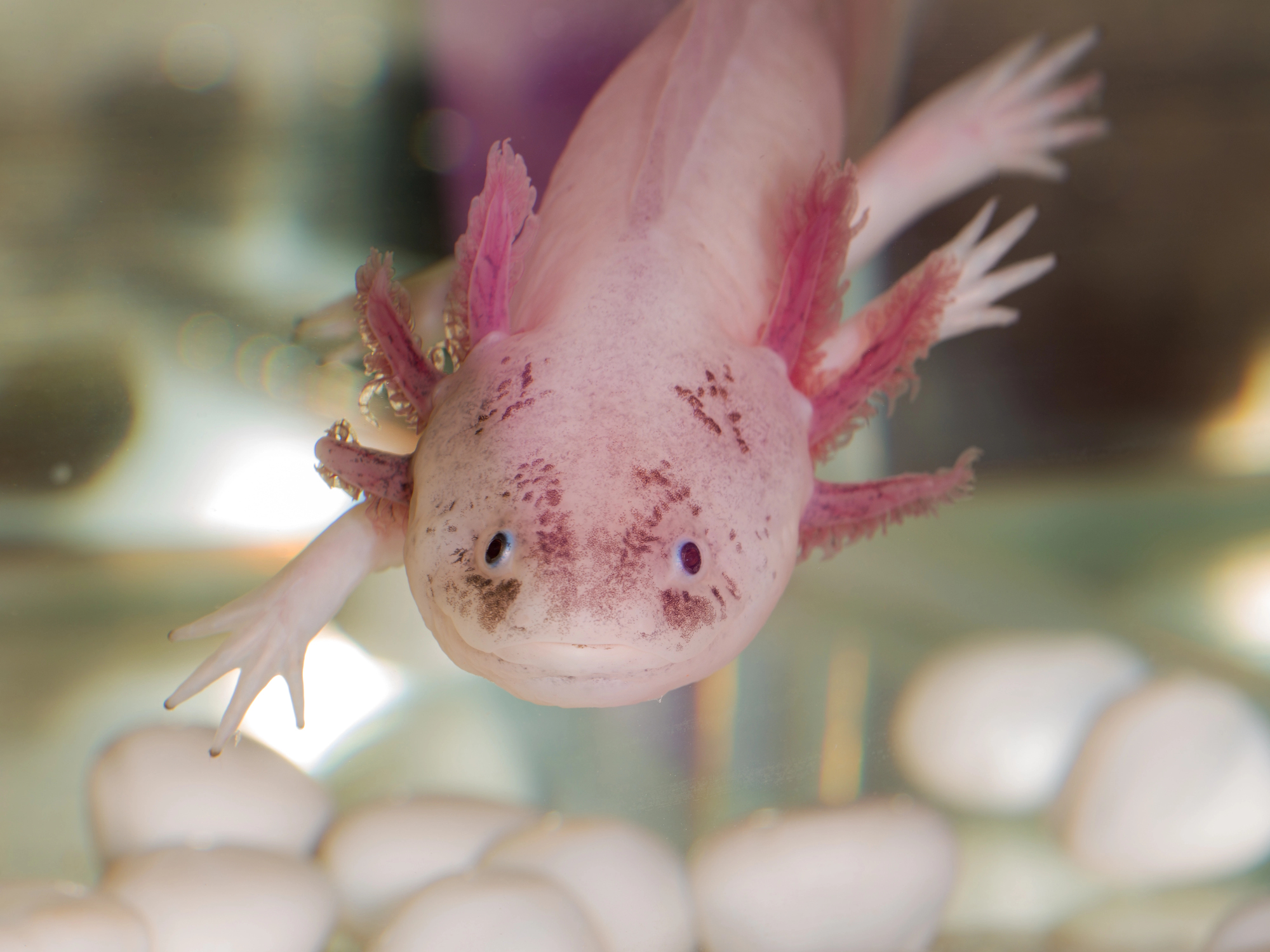
The name “axolotl” comes from the Aztec language and links to a god named Xolotl. According to stories, the god turned into one of these creatures to hide.
That name stuck for centuries. Today, it’s one of the few words from that old language still used worldwide.
They have lungs and gills
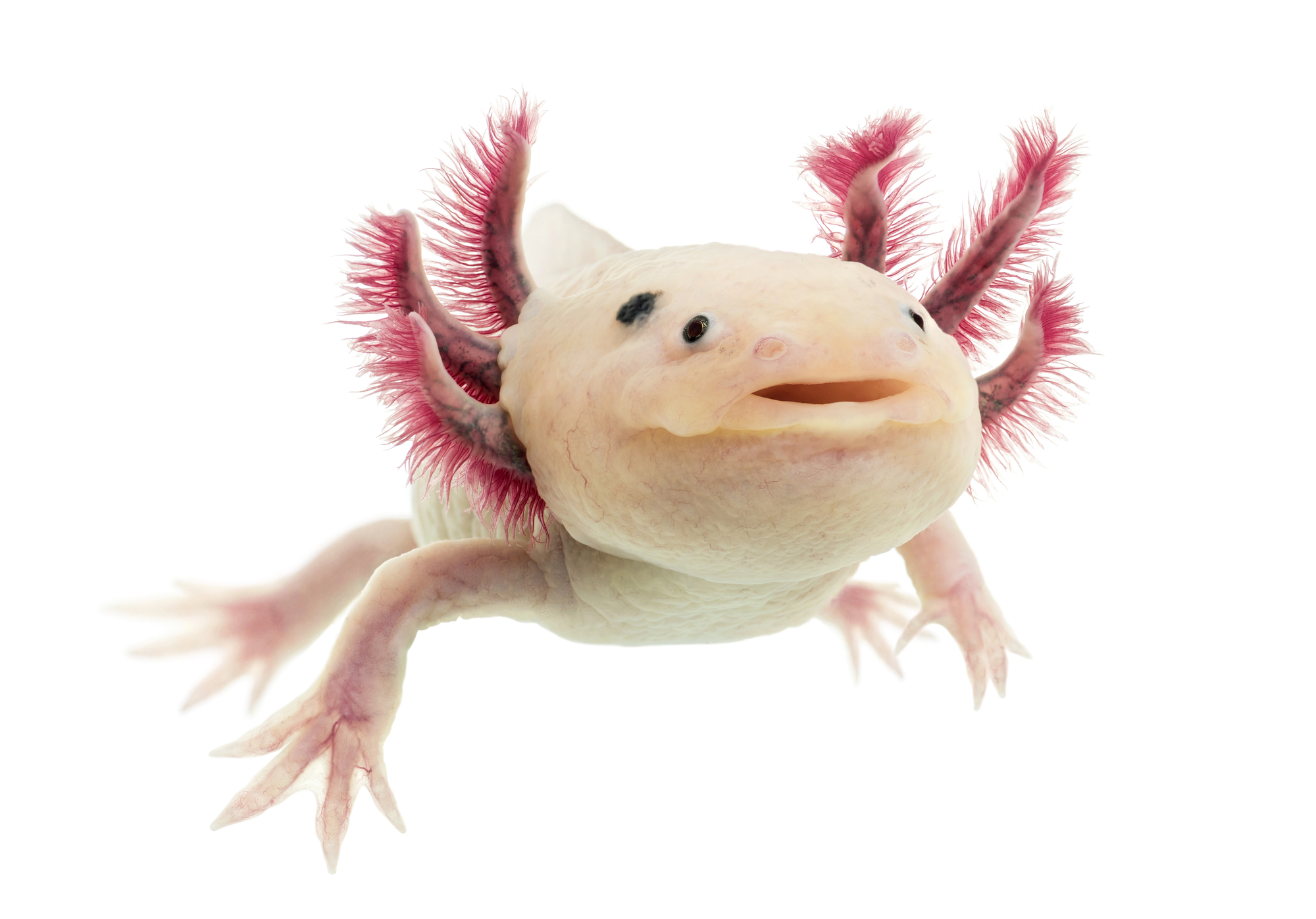
Axolotls mainly use their gills, but they also have lungs. If needed, they can rise to the surface and take a gulp of air.
This backup system helps them survive in low-oxygen water. It’s one more thing that makes their biology so unusual.
They eat by suction
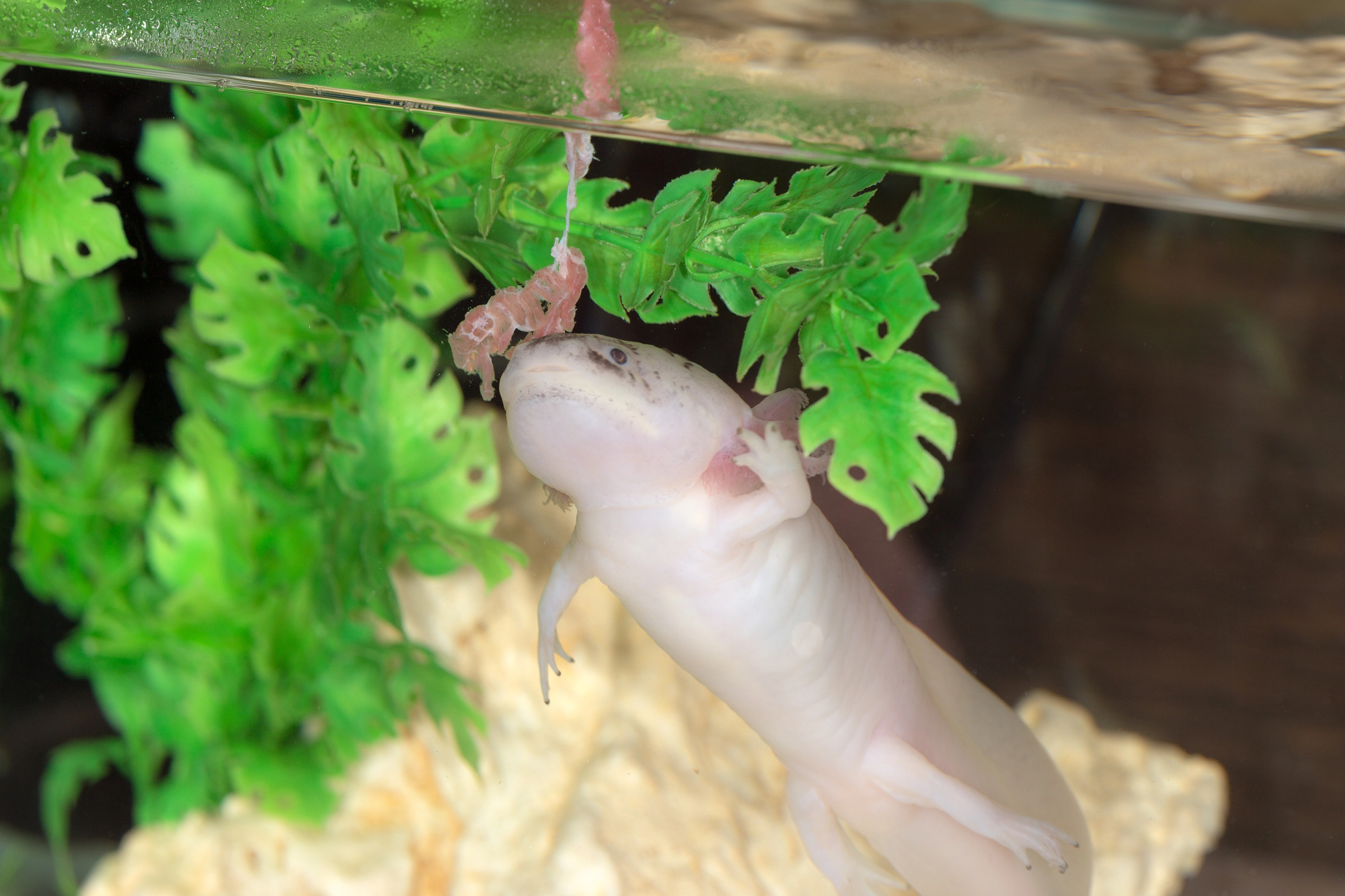
Axolotls don’t chew their food. They suck it in like a vacuum.
Their jaws open fast, and the water pulls prey into their mouth. It’s fast, simple, and effective for catching live food.
Their heart can repair itself

Few animals can fix heart damage, but axolotls can. If part of their heart gets hurt, it regrows and keeps working.
This is one reason scientists are so interested in them. Their healing goes beyond skin and limbs.
They don’t have eyelids
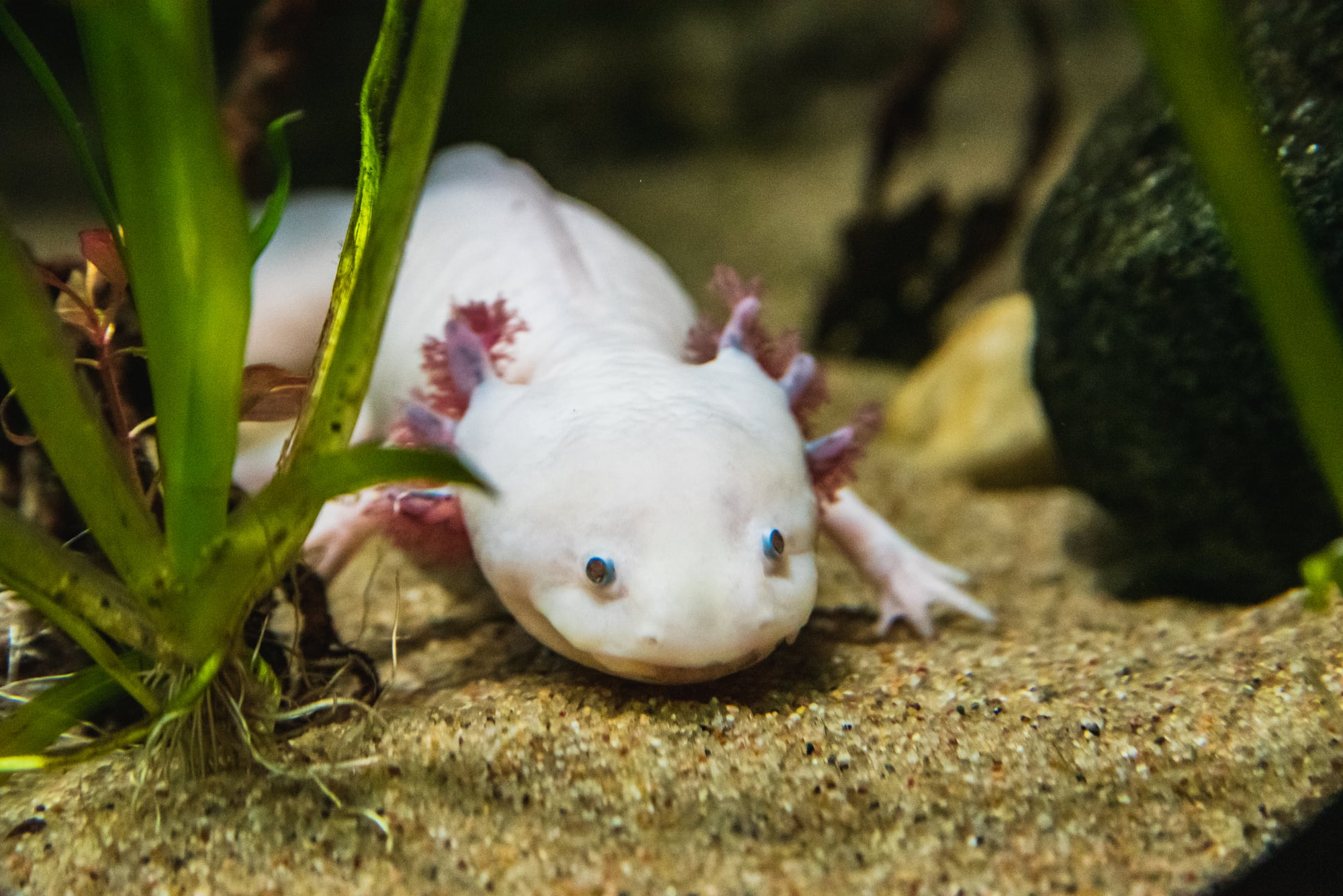
Axolotls can’t blink because they don’t have eyelids. Their eyes are always open.
This doesn’t bother them since they live underwater in dim light. Still, it’s one of the stranger things about their design.
They’ve been cloned and studied for decades
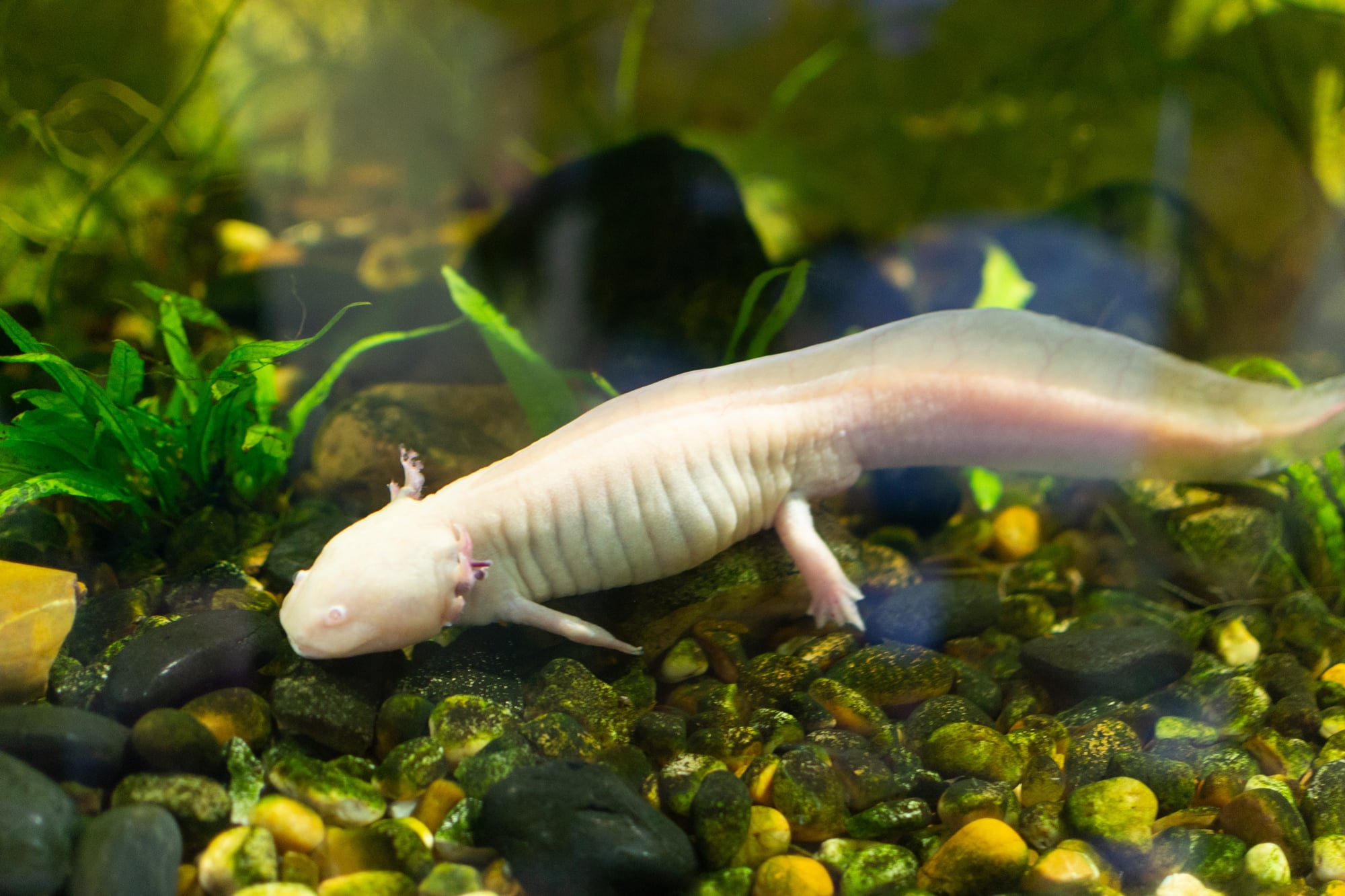
Axolotls have been kept in labs since the 1800s. Scientists cloned them, bred them, and used them to study development, genes, and healing.
They’ve helped answer a lot of big biology questions. Despite being rare in nature, they’re one of the most researched amphibians ever.
What axolotls remind us about life and science
Axolotls may look like simple creatures, but they show how much we still don’t know about nature. Their strange traits challenge what people expect from animals.
They’ve helped science in big ways and continue to amaze researchers and pet owners alike. In a world full of rules, they prove that not everything has to follow the same path.
More from Go2Tutors!

- The Romanov Crown Jewels and Their Tragic Fate
- 13 Historical Mysteries That Science Still Can’t Solve
- Famous Hoaxes That Fooled the World for Years
- 15 Child Stars with Tragic Adult Lives
- 16 Famous Jewelry Pieces in History
Like Go2Tutors’s content? Follow us on MSN.



