18 Mental Shortcuts That Can Lead You Astray
Your brain processes around 11 million bits of information every second, but you’re only consciously aware of about 40 of them. To handle this overwhelming flood of data, your mind relies on mental shortcuts called cognitive biases and heuristics. While these shortcuts help you make quick decisions and navigate daily life efficiently, they can also lead you down some pretty misleading paths.
Understanding these mental traps isn’t about becoming paranoid about every thought you have. It’s about recognizing when your brain might be taking shortcuts that don’t serve you well. Here’s a list of 18 mental shortcuts that can steer you in the wrong direction.
Confirmation Bias

You naturally seek out information that supports what you already believe while ignoring evidence that contradicts your views. Think of it like only reading news sources that align with your political opinions or only asking friends who share your taste in movies for restaurant recommendations.
This bias feels comfortable because it reinforces your existing worldview, but it keeps you trapped in an echo chamber where your understanding of reality becomes increasingly narrow.
Anchoring Bias
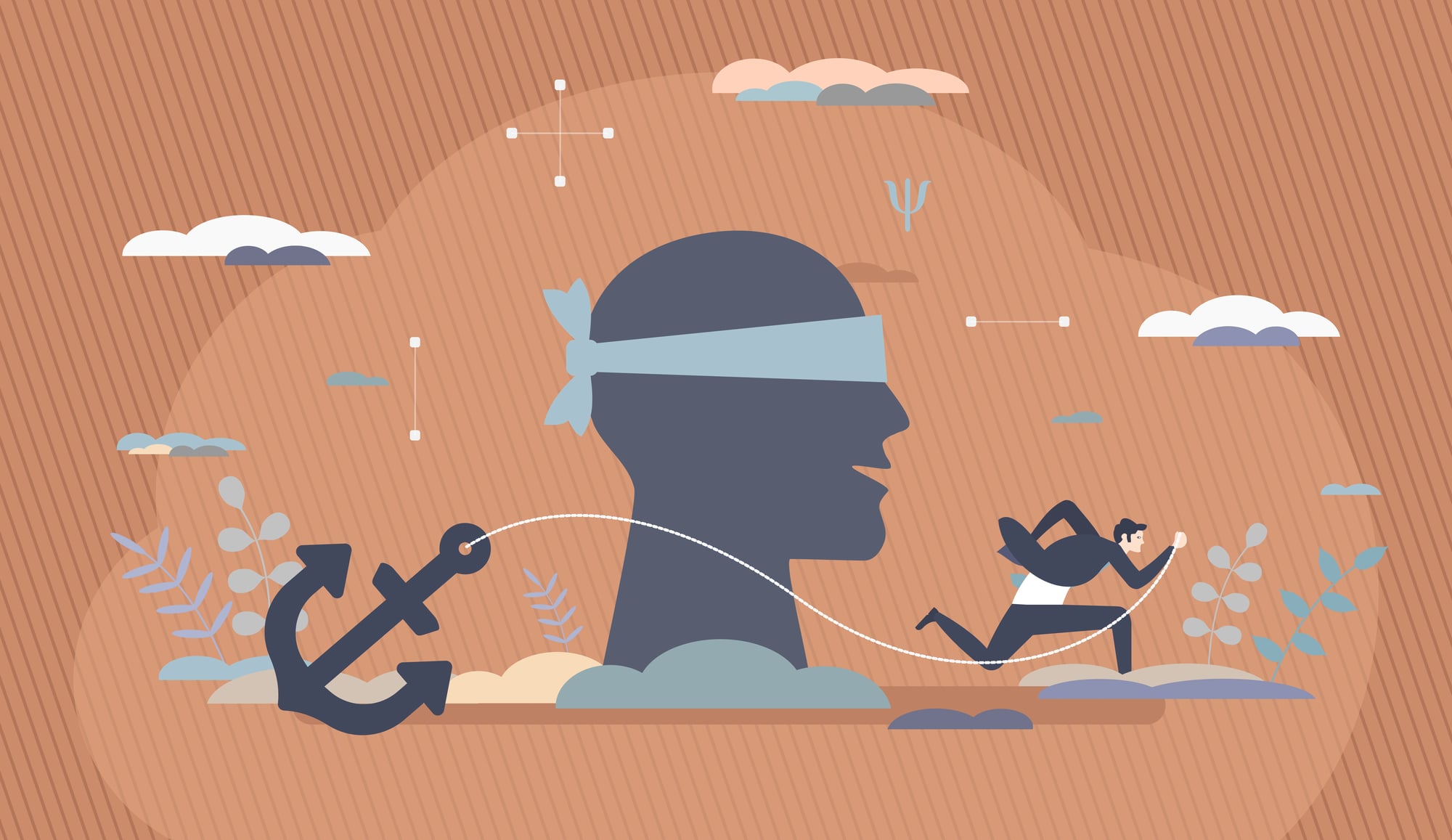
The first piece of information you encounter heavily influences all subsequent judgments, even when that initial information is completely irrelevant. If a car salesman starts negotiations at $30,000, you’ll likely consider $25,000 a reasonable compromise, even if the car is only worth $20,000.
Your brain gets ‘anchored’ to that first number and uses it as a reference point for everything that follows.
Like Go2Tutors’s content? Follow us on MSN.
Availability Heuristic

You judge how likely something is based on how easily you can remember examples of it happening. After watching news coverage of airplane crashes, flying feels more dangerous than driving, even though statistically you’re far more likely to be injured in a car accident.
Your brain mistakes what’s memorable or recently covered in media for what’s actually probable.
Sunk Cost Fallacy

You continue investing time, money, or effort into something simply because you’ve already invested so much, even when it’s clearly not working out. It’s like staying in a terrible movie because you paid for the ticket, or remaining in an unfulfilling relationship because you’ve been together for five years.
The resources you’ve already spent are gone regardless of what you do next, but your brain struggles to accept that loss.
Dunning-Kruger Effect
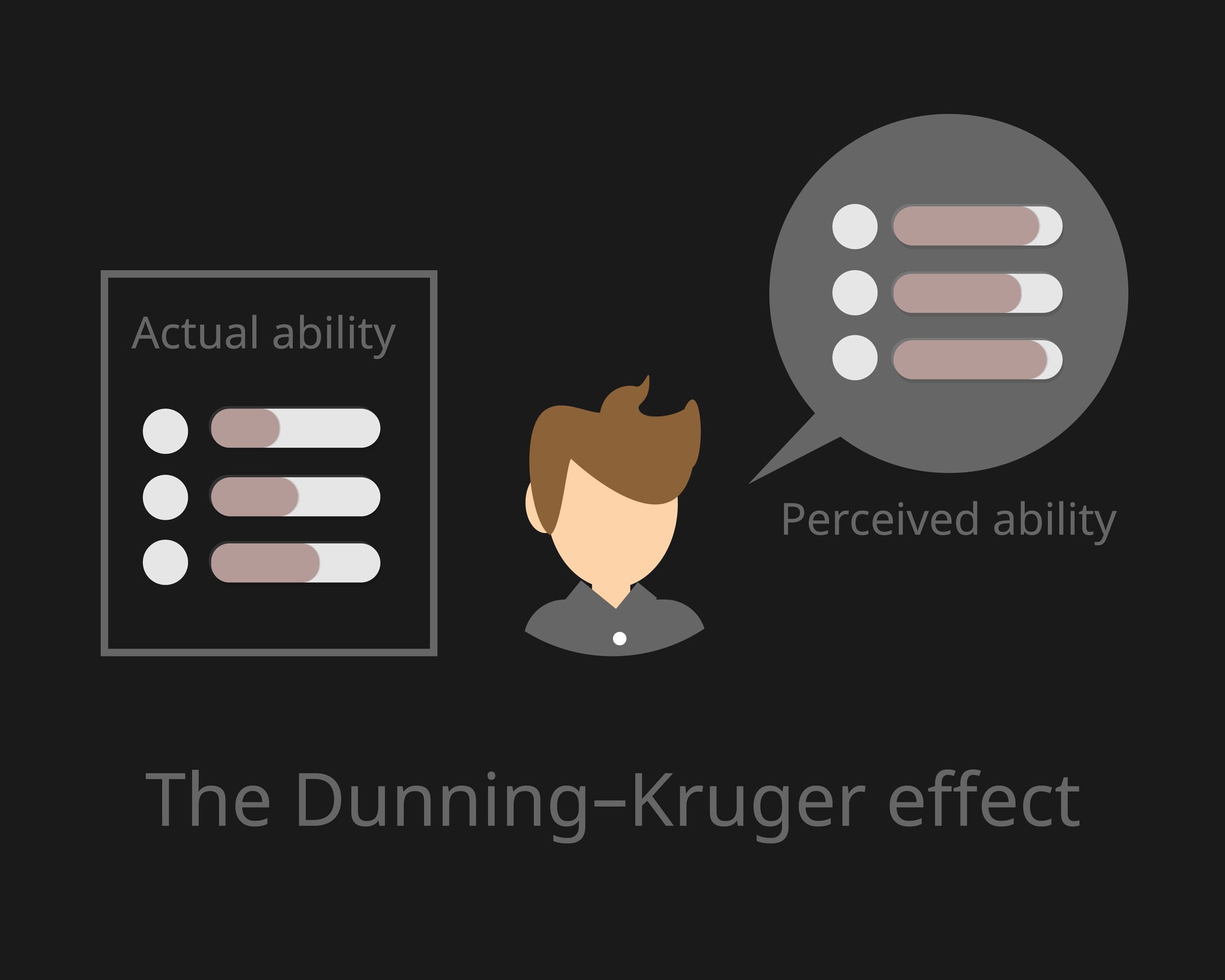
People with limited knowledge or competence in a particular area often overestimate their abilities in that field. Someone who’s watched a few YouTube videos about car repair might feel confident enough to tackle a complex engine problem, while actual mechanics know how much they still don’t know.
This happens because when you know very little about something, you don’t know enough to recognize your own ignorance.
Like Go2Tutors’s content? Follow us on MSN.
Halo Effect
One positive trait or characteristic influences your overall perception of a person, product, or situation. If someone is physically attractive, you might automatically assume they’re also intelligent, kind, or successful, even without evidence.
Companies exploit this when they use celebrity endorsements, hoping the positive feelings you have about the celebrity will transfer to their product.
Loss Aversion

The pain of losing something feels roughly twice as strong as the pleasure of gaining something of equal value. You’ll work harder to avoid losing $100 than you will to earn $100, even though the financial impact is identical.
This bias keeps people stuck in unsatisfying situations because the fear of potential loss outweighs the appeal of potential gain.
Bandwagon Effect
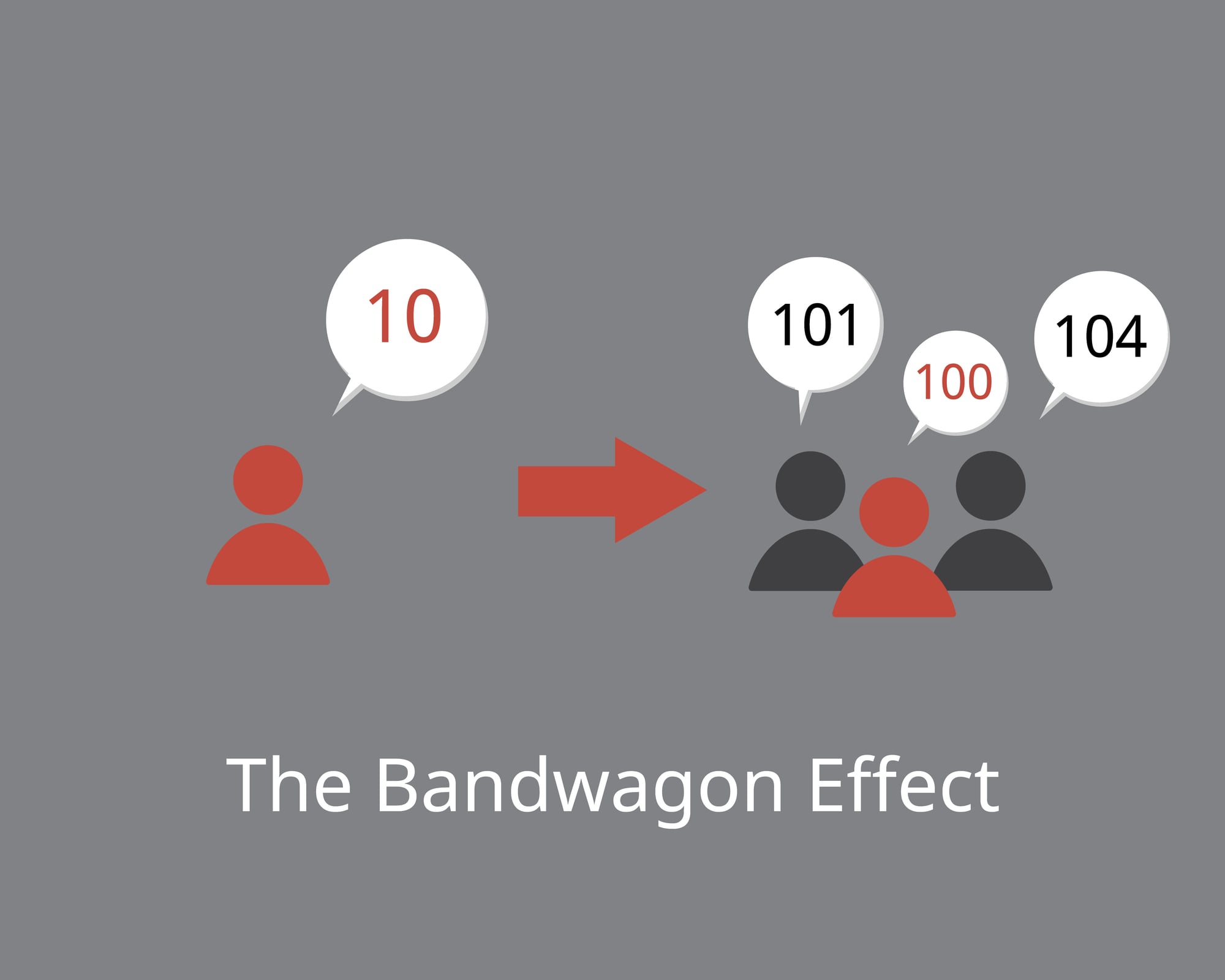
You adopt beliefs or behaviors simply because many other people have adopted them, regardless of whether they make sense for your situation. Fashion trends, investment bubbles, and viral social media challenges all exploit this tendency.
Your brain interprets popularity as proof of correctness, even when the crowd might be completely wrong.
Like Go2Tutors’s content? Follow us on MSN.
Recency Bias
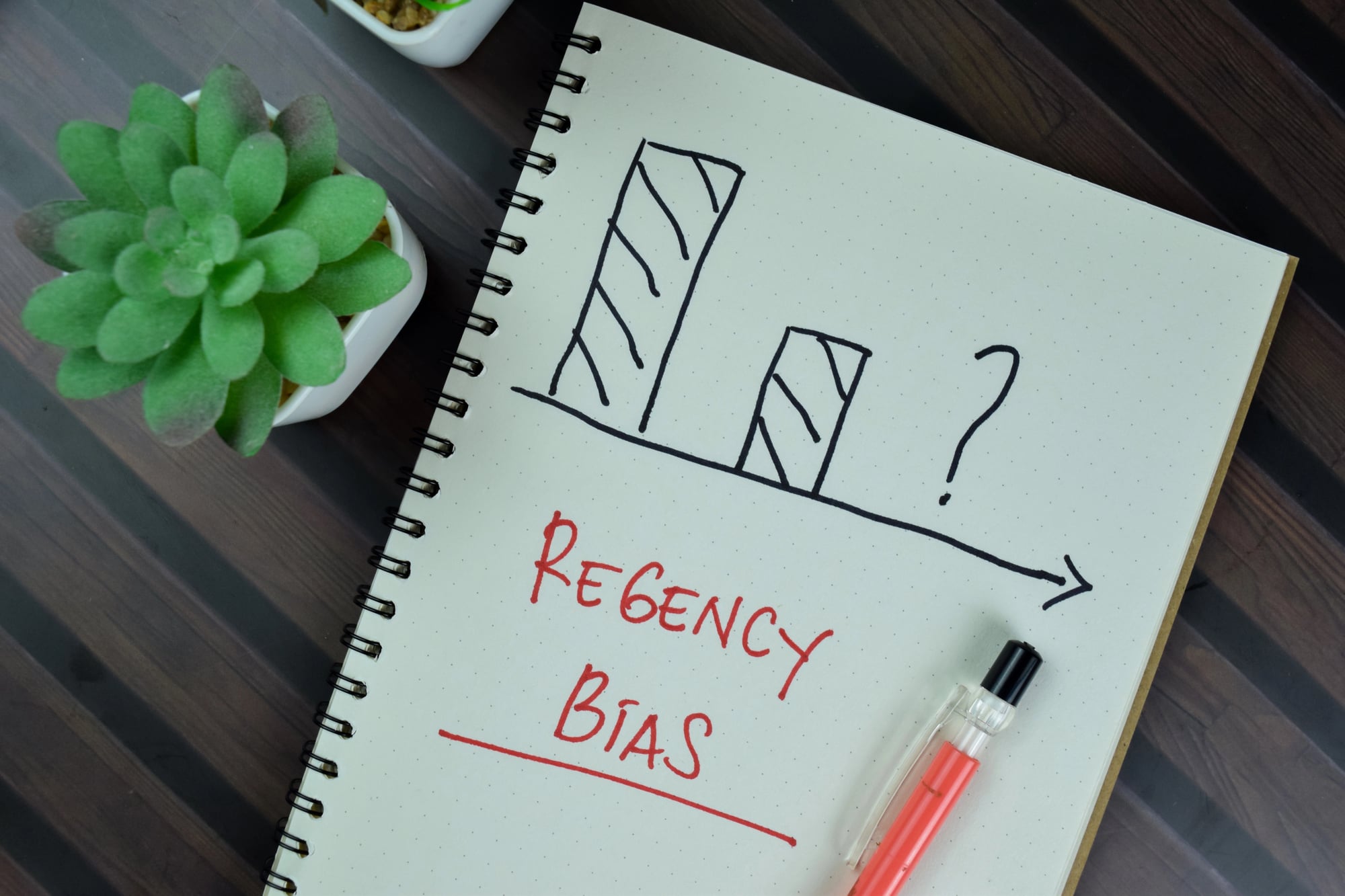
Recent events feel more important and influential than they actually are compared to earlier events. If your favorite sports team won their last three games, you might feel overly confident about their chances in the next match, even if their overall season record is poor.
Your brain gives disproportionate weight to whatever happened most recently.
Survivorship Bias

You focus only on successful examples while overlooking all the failures, leading to false conclusions about what causes achievement. Business schools love teaching case studies about successful entrepreneurs, but they rarely examine the thousands of failed startups with similar strategies.
This creates an illusion that certain approaches guarantee results when the reality includes many more failures than winners.
Planning Fallacy

You consistently underestimate how long tasks will take and overestimate your ability to complete them efficiently. Most people think they’ll finish home renovation projects in half the actual time required, or believe they can write a report the night before it’s due.
Your brain focuses on the best-case scenario while ignoring potential obstacles and complications that typically arise.
Like Go2Tutors’s content? Follow us on MSN.
Fundamental Attribution Error

You attribute other people’s behavior to their character while attributing your own behavior to circumstances. When someone cuts you off in traffic, you assume they’re a rude person, but when you cut someone off, it’s because you’re late for an important meeting.
This double standard happens because you have access to your own context and motivations but can only observe others’ actions.
Gambler’s Fallacy

You believe that past random events affect future probabilities in situations where they’re actually independent. After a coin lands on heads five times in a row, it feels like tails is ‘due’ to come up next, even though each flip still has exactly a 50-50 chance.
Casinos profit from this fallacy when players think they’re more likely to win after a losing streak.
Optimism Bias

You overestimate the likelihood of positive events happening to you while underestimating negative possibilities. Most people believe they’re less likely than average to experience divorce, job loss, or serious illness, even though statistics suggest otherwise.
This bias helps maintain mental health and motivation but can lead to inadequate preparation for potential problems.
Like Go2Tutors’s content? Follow us on MSN.
Choice-Supportive Bias
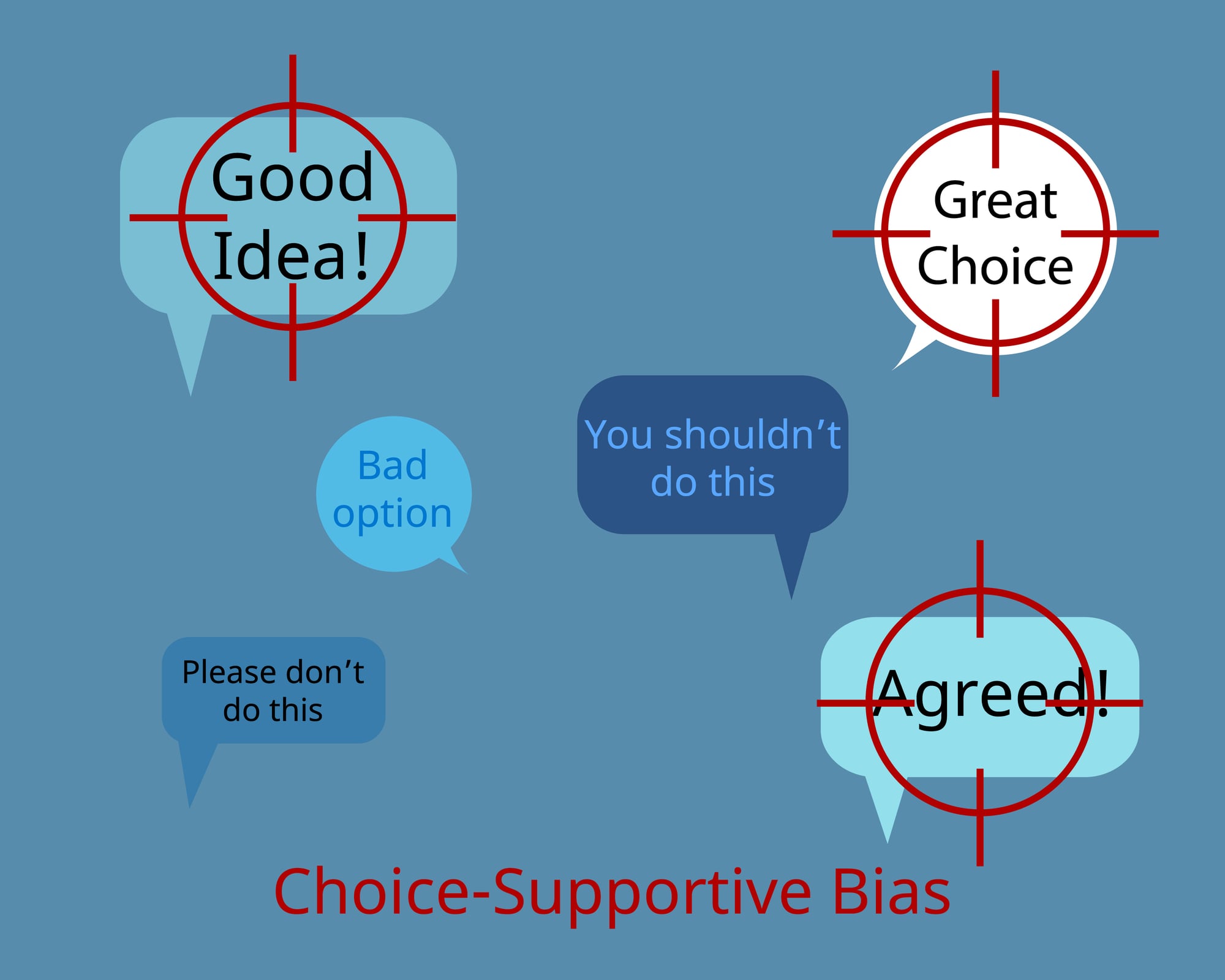
Once you make a decision, you focus on the positive aspects of your choice while downplaying the negatives, even when presented with contradictory evidence. After buying a particular car, you’ll notice all the positive reviews while dismissing criticism as unfair or irrelevant.
Your brain works to justify decisions you’ve already made rather than objectively evaluating them.
Hindsight Bias
After learning the outcome of an event, you believe you could have predicted it all along, even when you had no way of knowing beforehand. Following a stock market crash, everyone seems to remember ‘seeing it coming,’ but very few people actually moved their investments beforehand.
This bias makes you overconfident in your predictive abilities and less likely to learn from genuine surprises.
False Consensus Effect
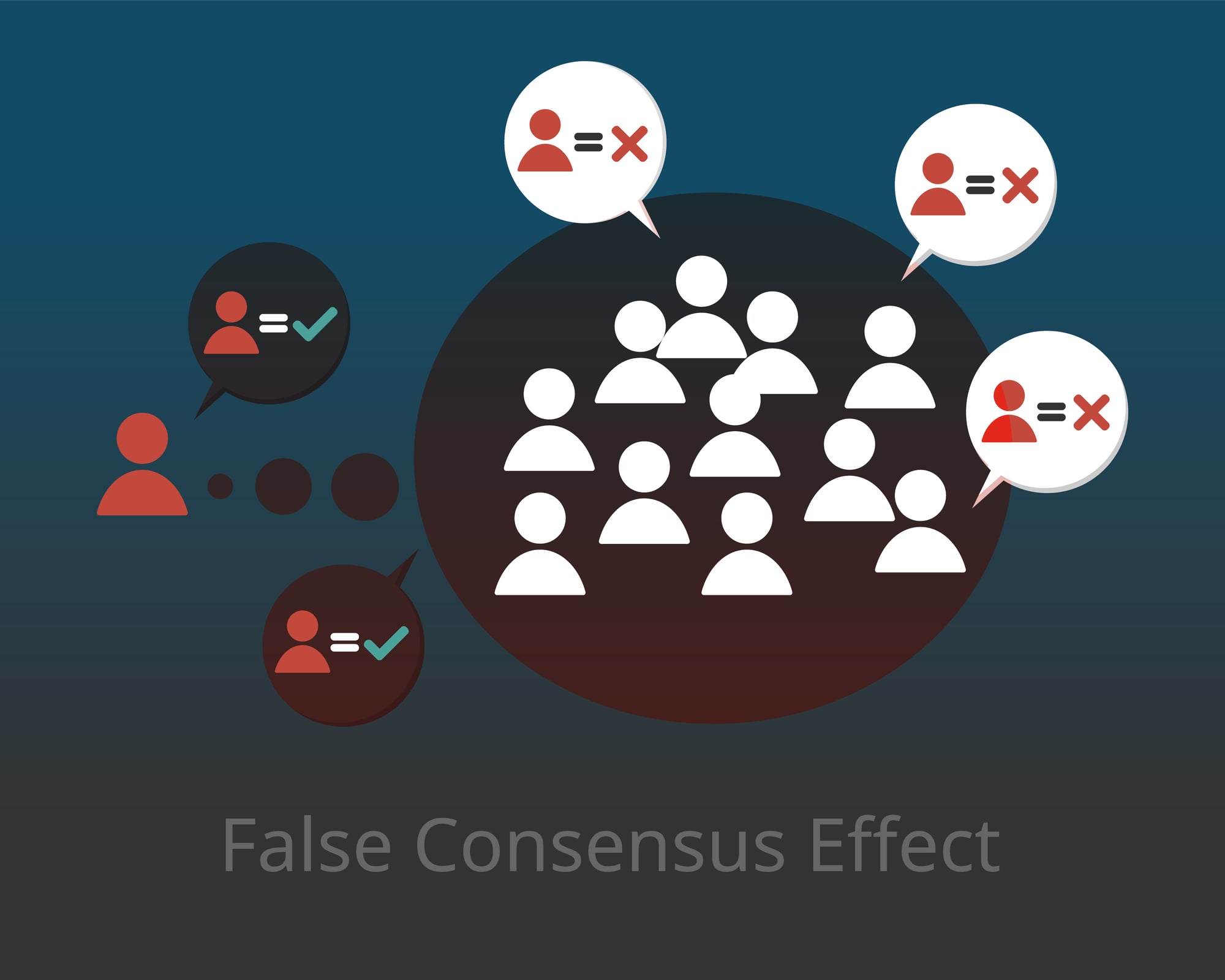
You assume that others share your opinions, beliefs, and behaviors more than they actually do. If you’re a vegetarian, you might overestimate how many people are also vegetarian, or if you dislike a popular movie, you’ll be surprised by how many people enjoyed it.
Your brain uses your own perspective as the default for understanding others, leading to miscalibrated expectations about social situations.
Like Go2Tutors’s content? Follow us on MSN.
Representativeness Heuristic

You judge probability based on how similar something is to your mental prototype, ignoring base rates and other relevant statistical information. If someone fits your stereotype of a librarian, you might guess they work in a library even though there are far more teachers, accountants, and other professionals who might fit that same description.
Your brain prioritizes pattern matching over mathematical probability.
The Shortcut Paradox
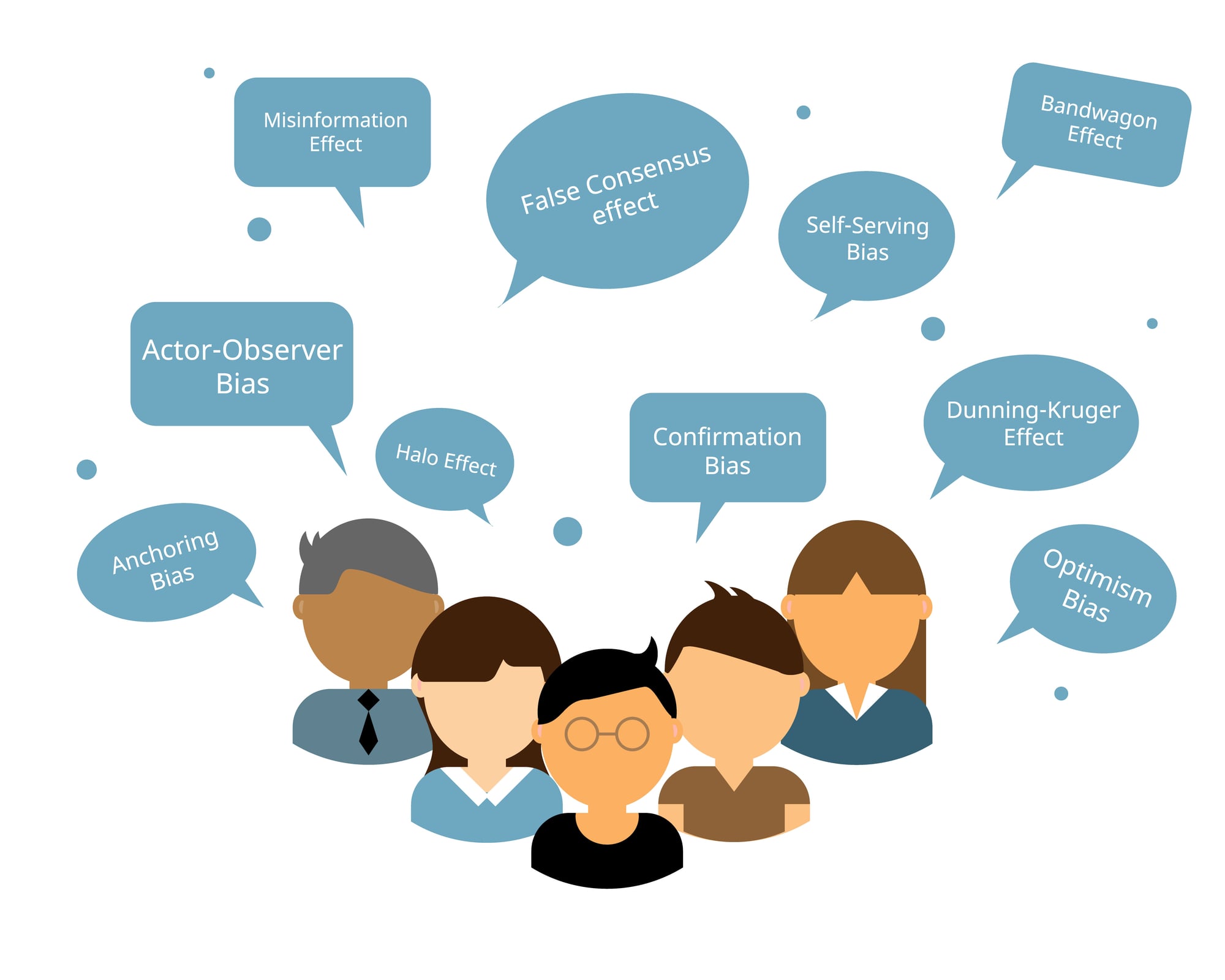
These mental shortcuts evolved to help humans make quick decisions when speed mattered more than perfect accuracy. In ancient environments, assuming every rustling bush contained a predator was better than carefully analyzing each situation and occasionally being wrong.
Today’s world moves faster and presents more complex decisions than our ancestors faced, but we’re still running on the same mental hardware. Recognizing these biases won’t eliminate them, but it can help you pause and double-check your thinking when the stakes are high.
More from Go2Tutors!

- 18 Unexpectedly Valuable Collectibles You Might Have Lying Around
- 20 Little-Known Historical Battles That Had Huge Consequences
- 20 Historical Artifacts That Scientists Can’t Explain
- 15 Inventions That Were Immediately Banned After Being Created
- 20 Actors Who Were Almost Cast in Iconic Roles
Like Go2Tutors’s content? Follow us on MSN.