Design details that made suits iconic
Suits have always had a way of standing out. Whether on movie screens, magazine covers, or city streets, a well-designed suit doesn’t just look good—it says something.
Over the years, specific details in suits have made them unforgettable. These aren’t just fashion choices. They’re decisions that gave suits their place in culture, history, and closets around the world.
Some of these details might seem small, but together they shape everything from style to confidence. Let’s look closer at the design elements that turned ordinary suits into lasting icons.
Peak lapels
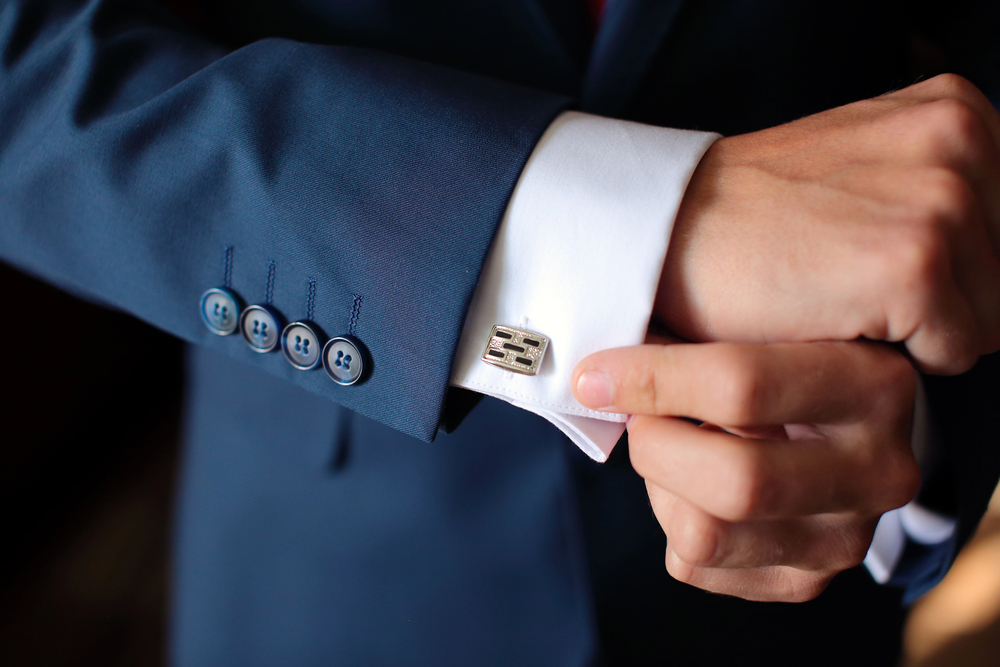
This lapel style points upward, creating a sharp angle that adds strength to a suit’s shape. It’s often seen on double-breasted suits or more formal jackets.
The design naturally draws the eye up, making the chest look broader and the wearer more commanding. Many classic movie characters wore suits with peak lapels. It’s a small feature that gives a big impression.
Wide shoulders
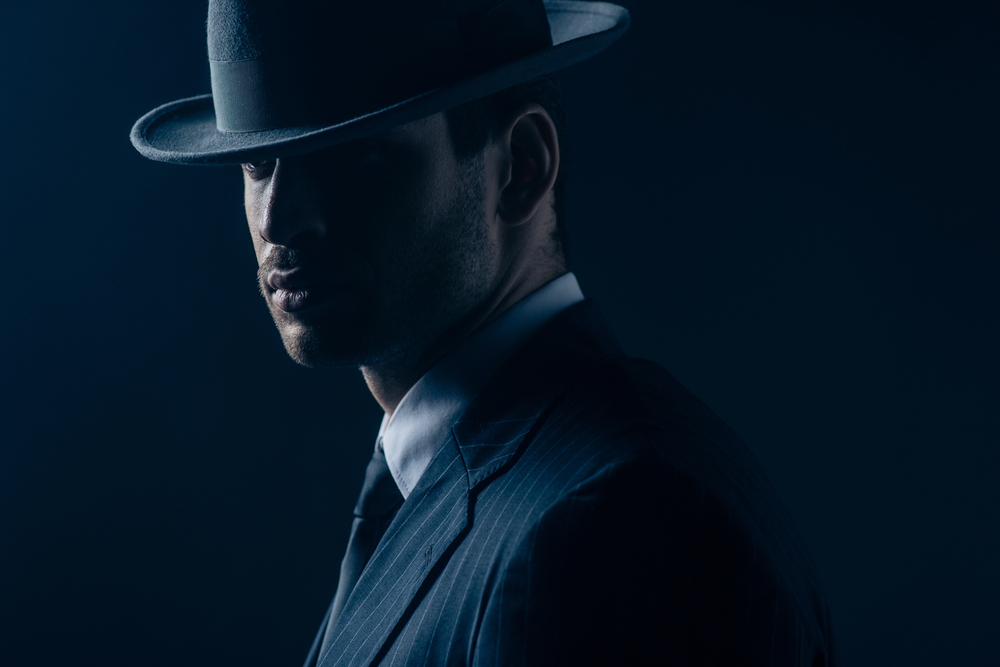
Strong, wide shoulders were a major trend in the 1980s. They gave suits a powerful, almost dramatic look.
The extra padding made wearers look more confident, even larger than life. This style worked especially well in business settings. It sent a message before the first word was spoken.
Like Go2Tutors’s content? Follow us on MSN.
Slim fit cuts
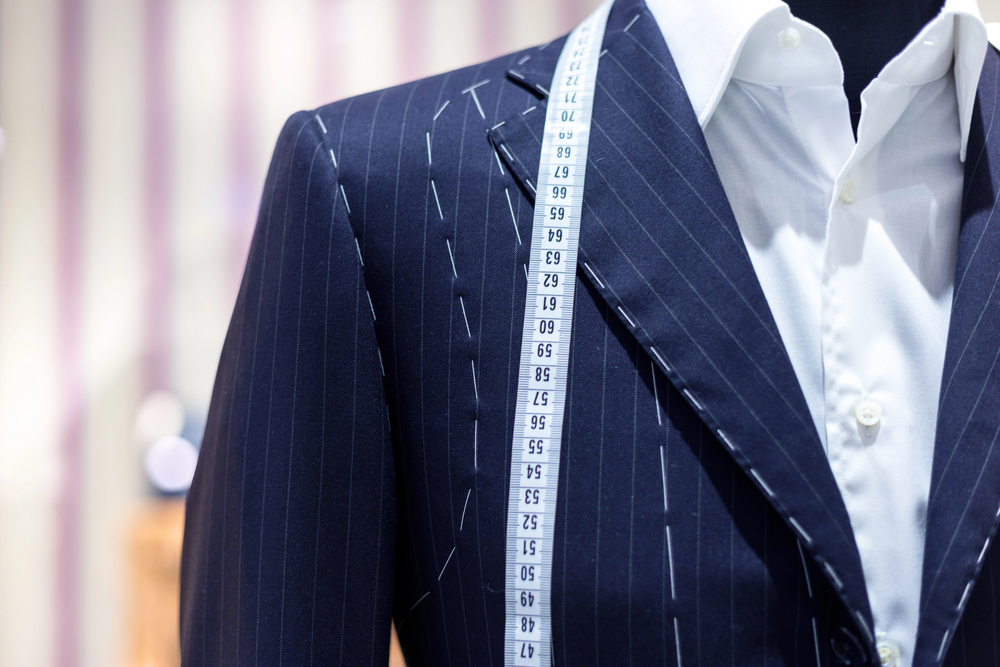
Not all iconic suits are bulky. The slim fit brought something new: a close, tailored shape that hugged the body.
It was neat, clean, and modern. Designers used this cut to make suits look younger and sharper. It was a shift from boxy to bold without needing extra fabric.
Double-breasted jackets
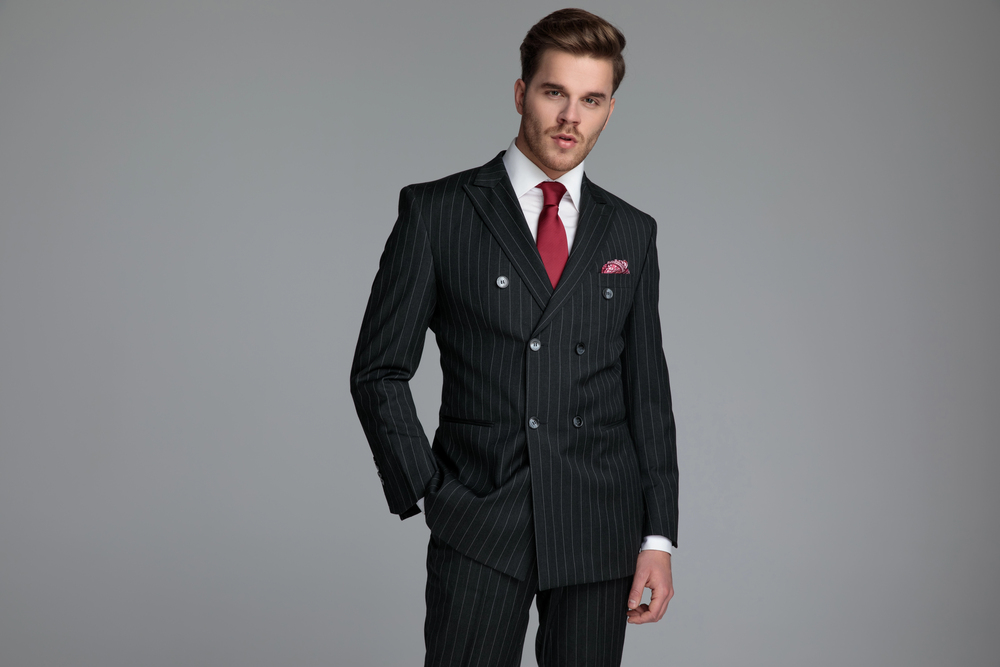
These jackets use two rows of buttons and a wider front. They instantly give a suit more weight and drama.
It’s a bold look that grabs attention without trying too hard. People often wear them when they want to stand out while still looking classic. They’ve gone in and out of style—but never too far.
Three-piece suits
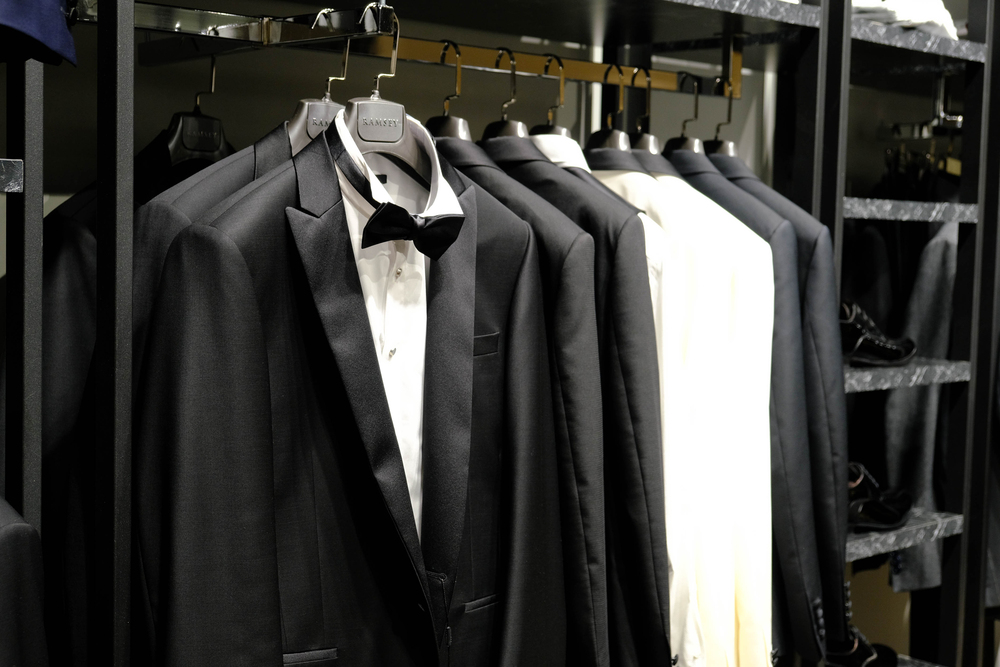
Adding a vest under the jacket gives the suit more layers and structure. It makes the whole outfit feel more complete and polished.
This design detail goes back to old tailoring traditions but still works today. The vest also adds a chance to mix textures or patterns subtly. It’s formal, but not stiff.
Like Go2Tutors’s content? Follow us on MSN.
Cuffed trousers
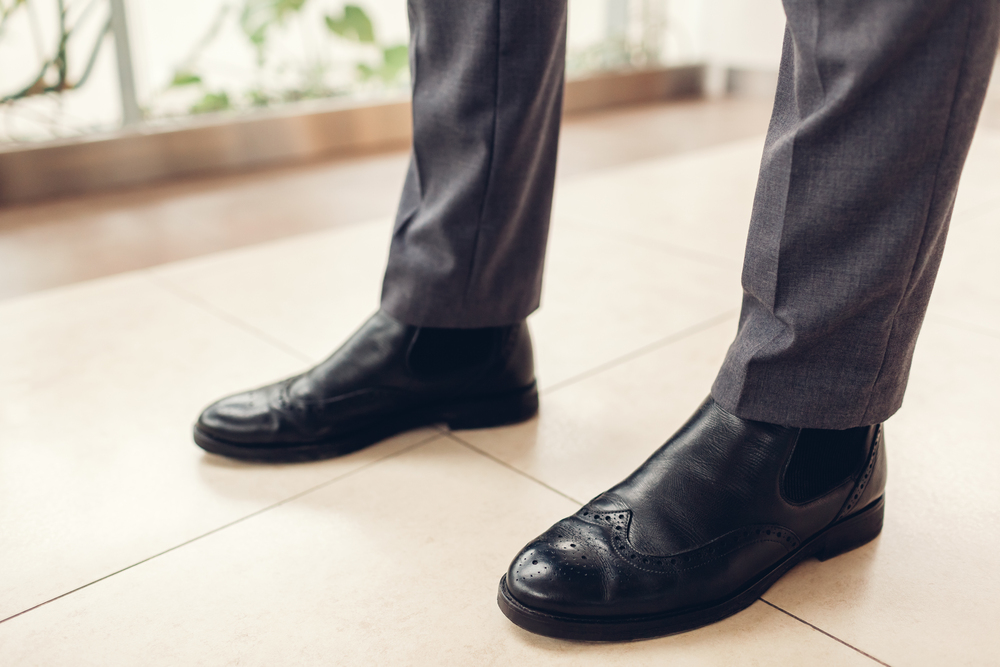
Cuffs at the bottom of trousers started as a way to keep pants clean. Over time, they became a style statement.
They add weight to the pants, helping them hang better. The extra fabric draws the eye to the shoes too. It’s a small touch that balances the whole outfit.
Ticket pockets

This little pocket sits just above the regular side pocket on some suit jackets. It started in British tailoring and was once used to hold train tickets.
Today, it’s mostly decorative—but it still adds character. It gives off an old-school charm and shows attention to detail. Not every suit has one, which makes it stand out when it does.
Functional sleeve buttons
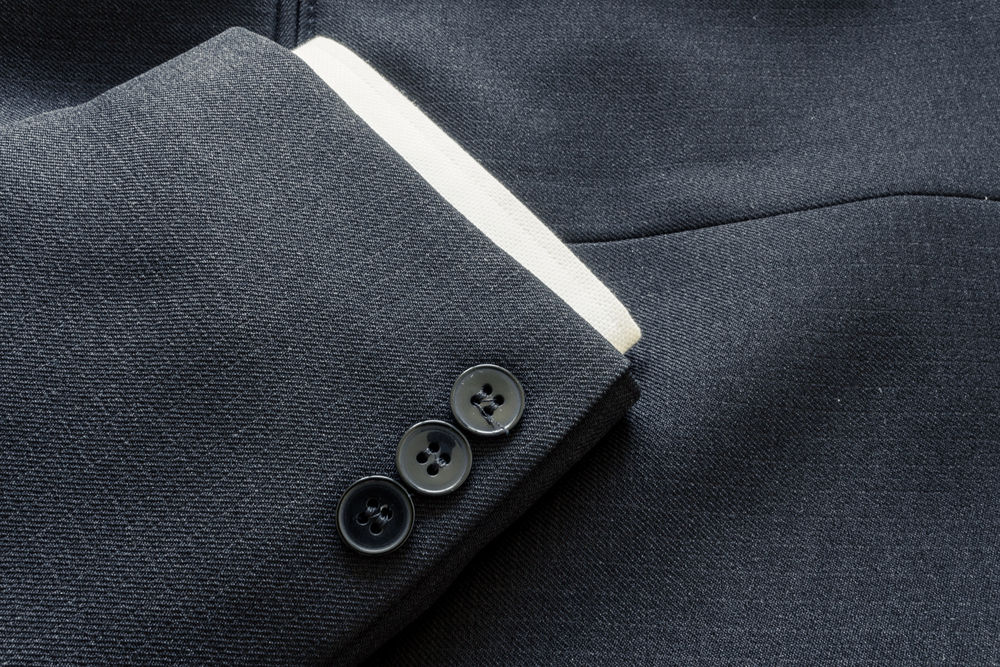
Also called “surgeon’s cuffs,” these are real, working buttons on the jacket sleeve. Most suits have fake ones, just for show.
But when the buttons actually open, it shows that the jacket was made with care. It’s a small hint that the suit might be custom or high-end. That kind of quiet detail speaks louder than logos.
Like Go2Tutors’s content? Follow us on MSN.
Contrasting linings
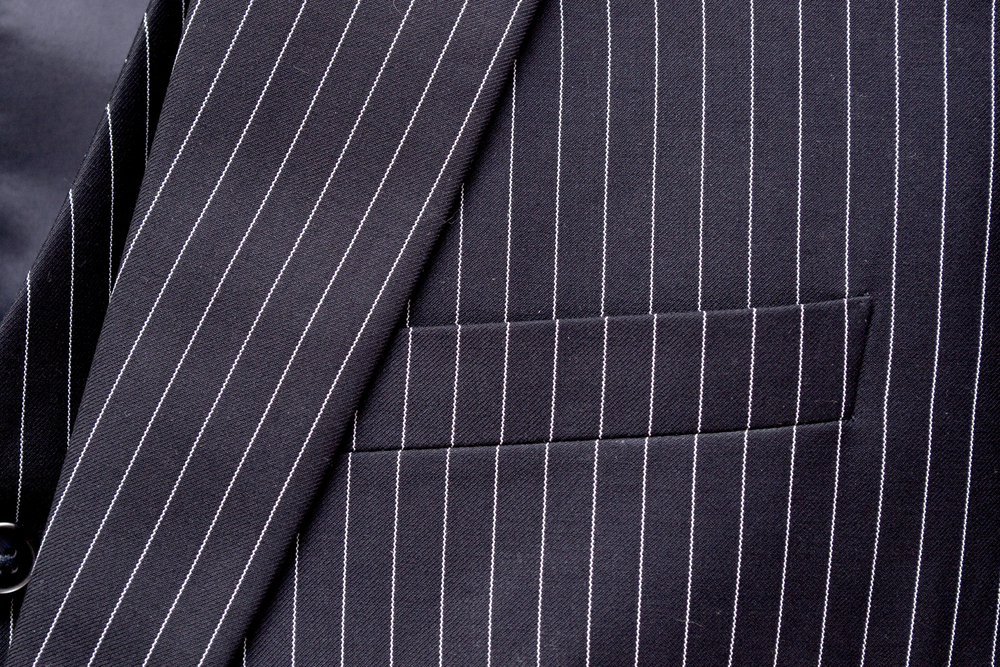
Open a jacket, and a bold lining tells a secret story. Many designers use bright or patterned fabrics inside suits.
It adds personality without changing the outer look. Linings can reflect the wearer’s taste or simply surprise people when the jacket moves. It’s a fun way to make a suit feel more personal.
Notch lapels
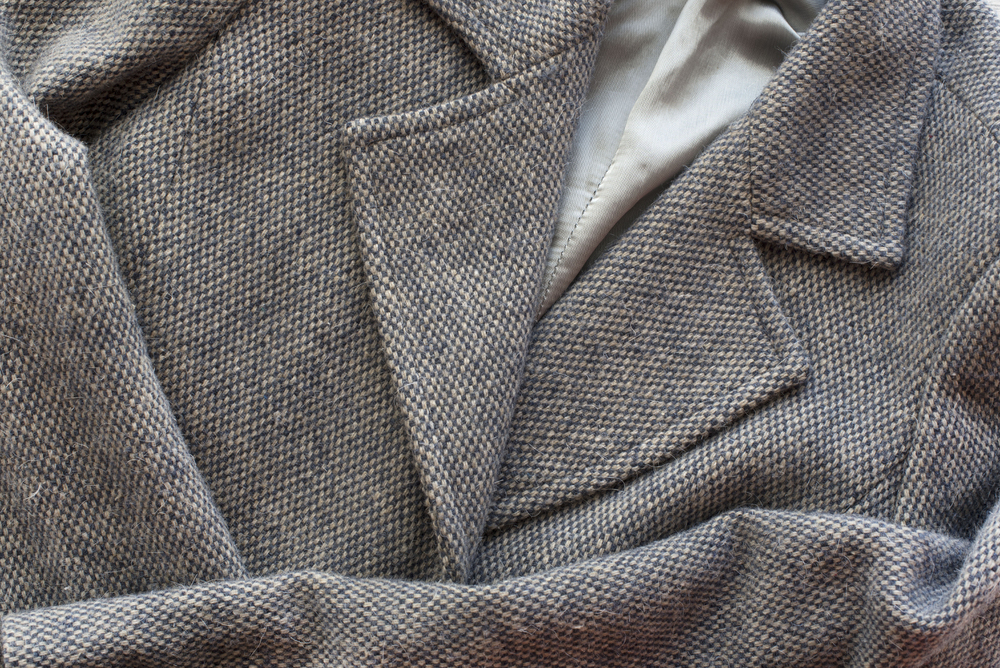
This is the most common lapel, but it’s still an icon. The small “notch” between the collar and the lapel makes the suit feel classic and clean.
It works for business, weddings, or just about anything. Designers love it because it’s simple but always looks right. Sometimes basic is best.
Bold pinstripes
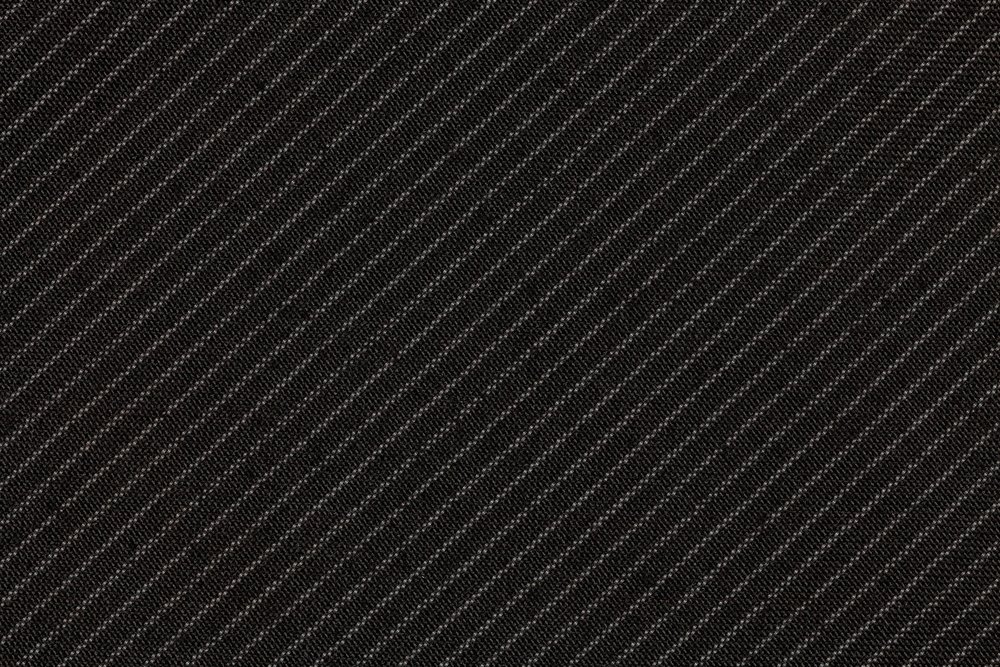
Pinstripes add rhythm to a suit. They make the fabric seem longer, which can help the wearer look taller and slimmer.
Pinstripe suits became famous in the 1920s and stayed popular in business circles. They give off a feeling of purpose and power. Wearing one feels like stepping into a different era—but still feeling sharp today.
Like Go2Tutors’s content? Follow us on MSN.
Monochrome looks

Some of the most famous suits in history were one solid color from top to bottom. Black, navy, white, or even brighter shades.
When everything matches, it creates a bold and clean effect. It removes distractions and focuses on shape and movement. Monochrome suits are simple, but never boring.
Velvet fabric
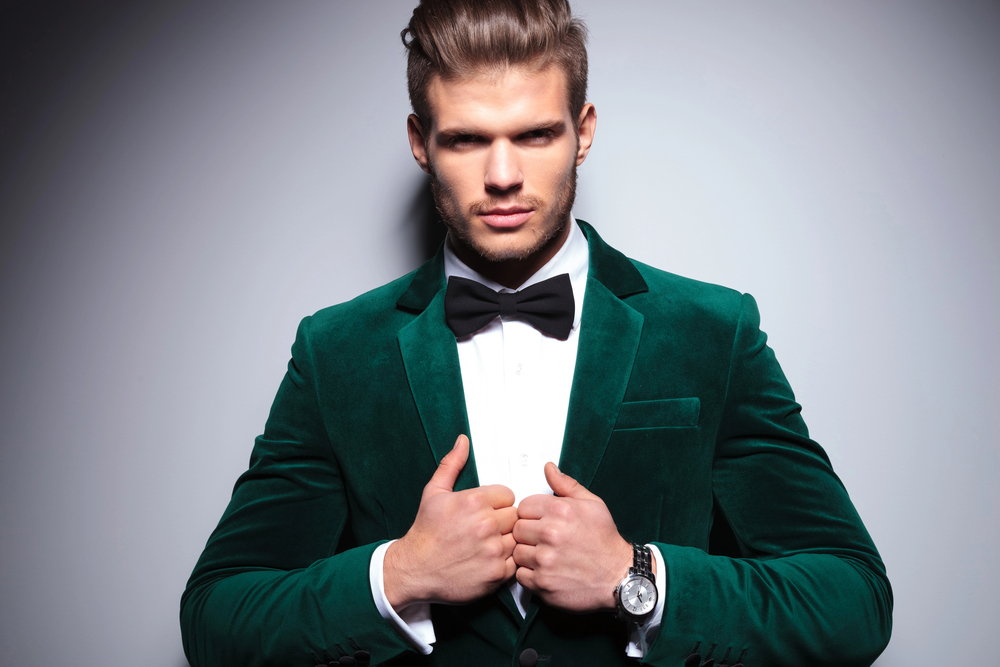
Velvet suits aren’t everyday wear, but they’ve created unforgettable moments. The soft texture catches light and adds depth.
Many stars have worn velvet jackets for award shows or big nights. It’s rich without feeling loud. When done right, it brings elegance and cool together.
Sharp creases
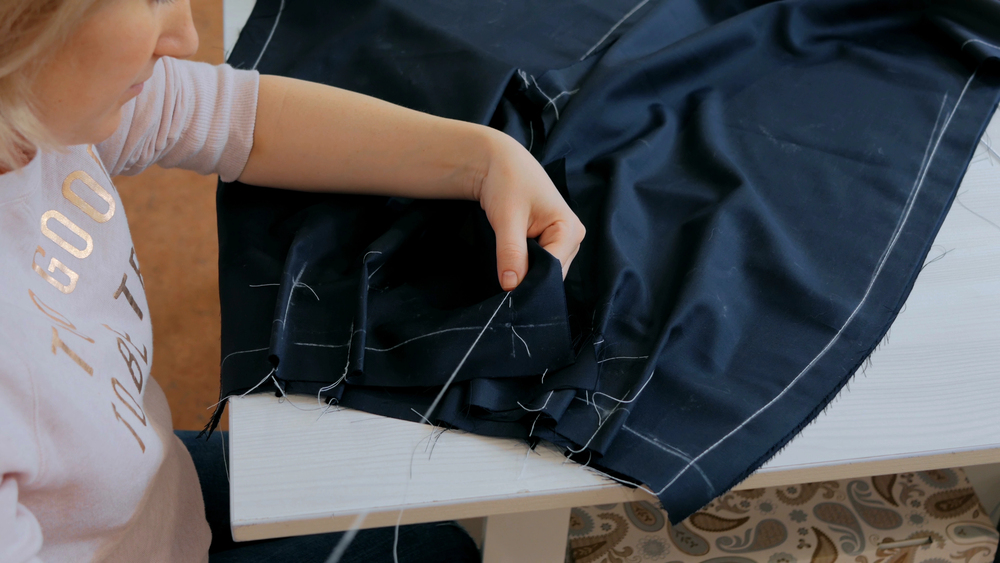
A crisp crease down the pant leg adds polish. It shows that the wearer pays attention to detail.
It also makes the leg look longer and the fit more tailored. A good crease doesn’t happen by accident—it’s a result of effort and care. It’s quiet, but effective.
Like Go2Tutors’s content? Follow us on MSN.
High armholes

Raising the armholes might seem minor, but it changes how the whole jacket moves. High armholes allow for better shape and freedom.
They help the suit hug the shoulders and frame the upper body better. Cheaper suits often skip this detail, which makes it even more noticeable in quality designs. Comfort and style work together here.
Statement buttons
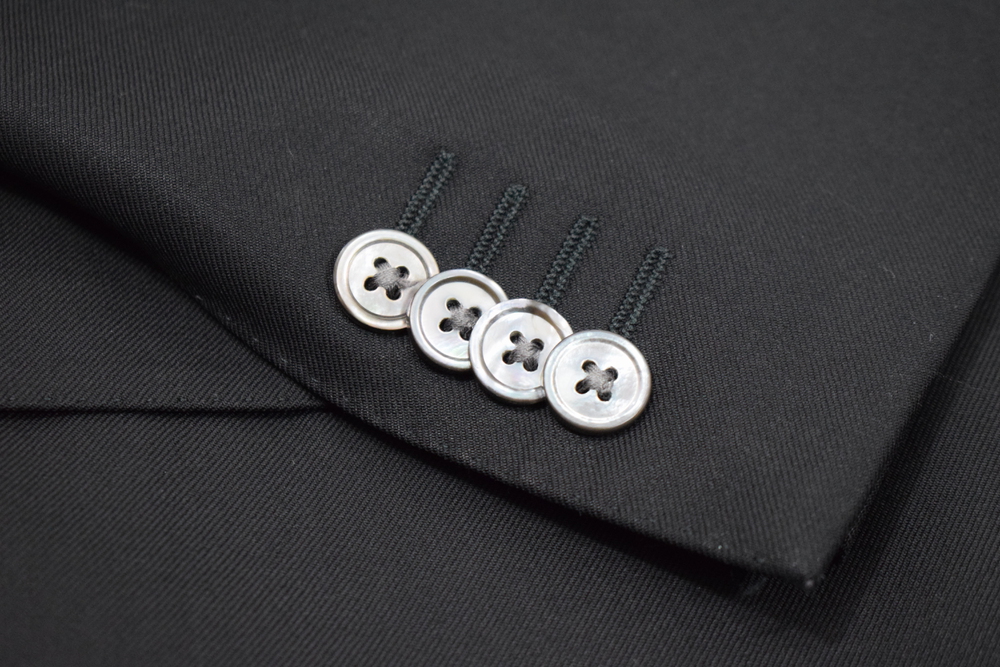
Sometimes it’s the buttons that make the suit memorable. Big, gold buttons. Matte black ones. Or even buttons carved from real horns.
Changing the buttons changes the mood of the whole outfit. Designers often use them as a final touch that pulls everything together.
Signature vents
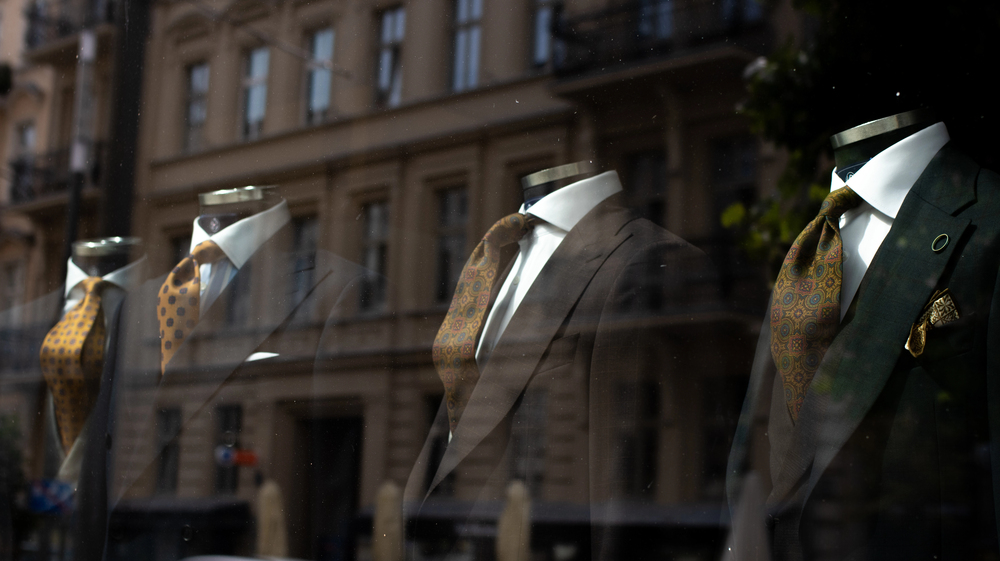
The slits at the back of a suit jacket—called vents—come in different styles. Single vent, double vent, or none at all.
British suits often use double vents for a cleaner drape when moving. American styles usually have a single vent. These small choices affect how the suit fits, especially when sitting or walking.
Like Go2Tutors’s content? Follow us on MSN.
Sharp waist suppression

Some suits shape tightly at the waist to create a strong “V” from the shoulders down. This cut gives the body more shape and adds a sense of structure.
It flatters almost every frame and looks sleek without being tight. It’s one of the most flattering design tricks in tailoring. A good tailor can make this detail stand out naturally.
Powerful collars

The collar area of a jacket plays a big role in how the whole suit feels. A well-shaped collar lies flat and follows the neck.
If it’s too loose or stiff, it throws everything off. Designers use just the right shape and material here to hold the jacket in place. When it’s right, the suit looks effortless.
Where past meets present
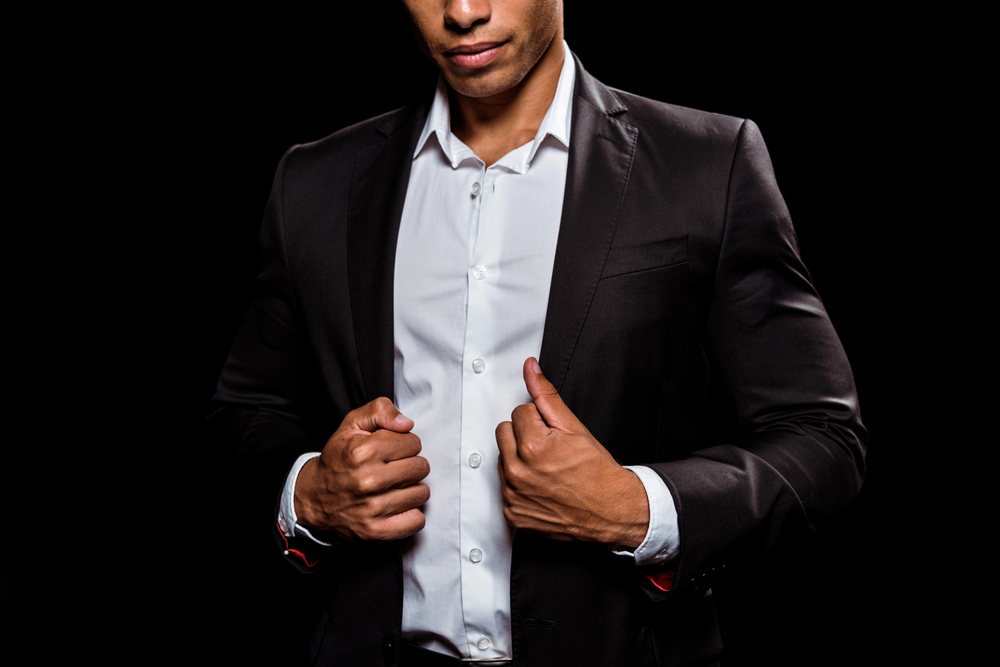
The classic suit has never been just about fabric and buttons. Over time, each design choice has added a little more meaning, a bit more character.
From old-world details like the ticket pocket to newer styles like slim cuts, the suit has kept changing without losing its core. Today’s suits still borrow from these ideas—even when they look brand new. Style may shift, but good design always lasts.
More from Go2Tutors!

- 16 Historical Figures Who Were Nothing Like You Think
- 12 Things Sold in the 80s That Are Now Illegal
- 15 VHS Tapes That Could Be Worth Thousands
- 17 Historical “What Ifs” That Would Have Changed Everything
- 18 TV Shows That Vanished Without a Finale
Like Go2Tutors’s content? Follow us on MSN.