15 Events That Changed the World in Under an Hour
History often pivots on brief moments that forever alter our collective path. Sometimes the most consequential events unfold in minutes rather than years, changing trajectories of nations and reshaping human experience in profound ways.
These fleeting instances demonstrate how quickly our world can transform when circumstances align.
Here is a list of 15 momentous events that changed the course of history in less than 60 minutes, each leaving an indelible mark on our world.
The Assassination of Archduke Franz Ferdinand

On June 28, 1914, Gavrilo Princip fired two shots in Sarajevo that triggered the cascade of events leading to World War I. After a failed bombing attempt earlier that day, Princip happened upon the Archduke’s car when it took a wrong turn, seizing his opportunity in a moment that lasted mere seconds.
This single act of violence set in motion a chain reaction of alliances and declarations of war that would claim over 16 million lives and redraw the map of Europe.
The Hiroshima Bombing
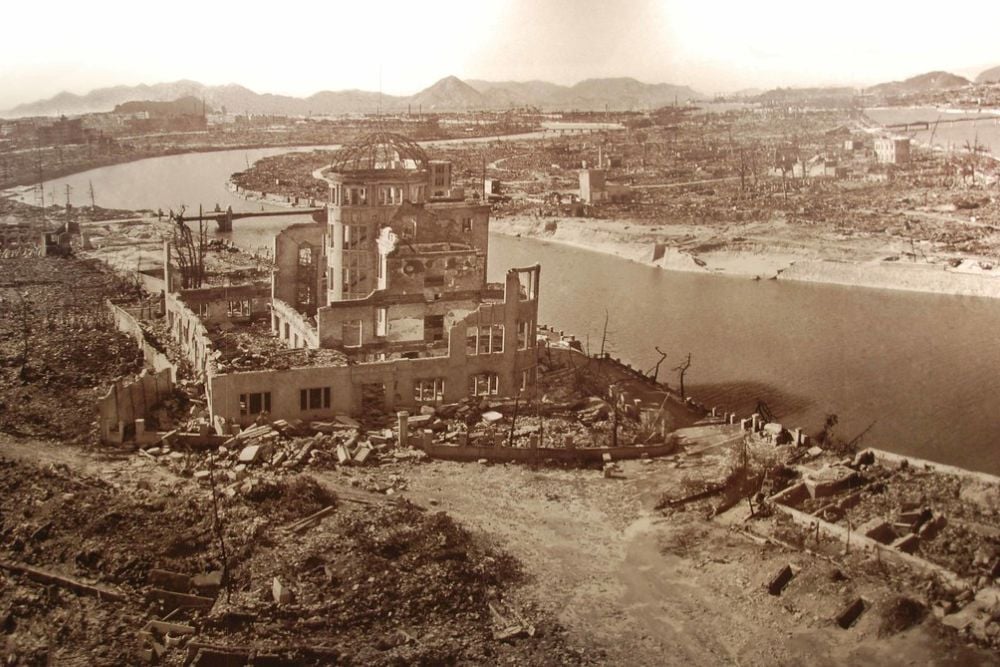
On August 6, 1945, at 8:15 AM, the United States bombed Hiroshima, Japan with the world’s first nuclear war bomb. The explosion and its consequences lasted only about a minute, but instantly killed approximately 80,000 people and revealed the terrifying capability of nuclear bombs.
This pivotal moment not only helped end World War II, but altered global relations forever, opening the nuclear age and leaving a shadow that still looms over international politics today.
The Moon Landing

Neil Armstrong took a journey that was the height of human exploration and technical prowess when he stepped onto the moon’s surface on July 20, 1969, at 10:56 PM EDT. It only took seconds, but the United States firmly asserted itself in the Space Race and fulfilled President Kennedy’s promise when it first touched down on the moon.
It inspired man’s imagination and told us what we could accomplish when we united and pooled our resources and minds for one purpose.
The Chernobyl Disaster
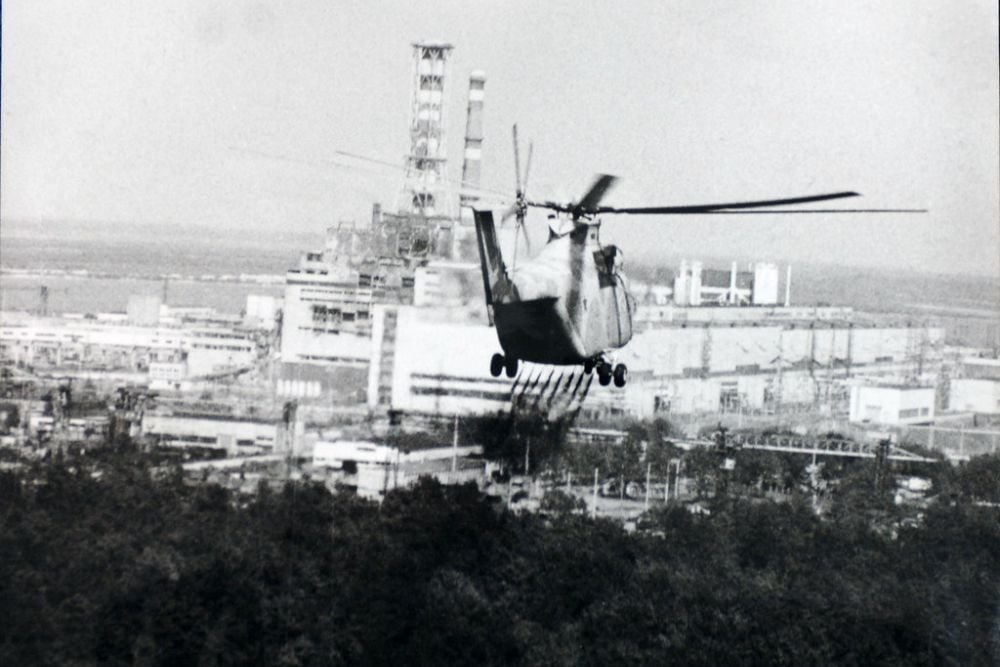
A safety test at the Chernobyl Nuclear Power Plant went horribly wrong in the early hours of April 26, 1986, when a power surge caused a string of explosions. In less than a minute, the first reactor failed, polluting large swaths of Ukraine, Belarus, and beyond with more radiation than the Hiroshima bomb.
In addition to causing considerable human misery, this catastrophe significantly altered perceptions of nuclear power around the world and helped bring about more openness in the Soviet Union.
The Fall of the Berlin Wall

On November 9, 1989, a misunderstood announcement at a press conference led East German citizens to flood checkpoints, overwhelming border guards who eventually opened the gates. The actual decision to open the wall happened in minutes, but effectively ended the Cold War division of Europe.
East and West Berliners celebrated together as they crossed freely for the first time in 28 years, marking a powerful symbolic end to communist rule in Eastern Europe and setting the stage for German reunification.
The JFK Assassination

On November 22, 1963, President John F. Kennedy was fatally shot while riding in a motorcade through Dallas, Texas. The assassination took place in a matter of seconds, yet it traumatized an entire nation and dramatically altered the course of American politics.
Kennedy’s death not only elevated Lyndon Johnson to the presidency but also created lasting cultural wounds and conspiracy theories that continue to resonate in American society decades later.
The Stock Market Crash of 1929
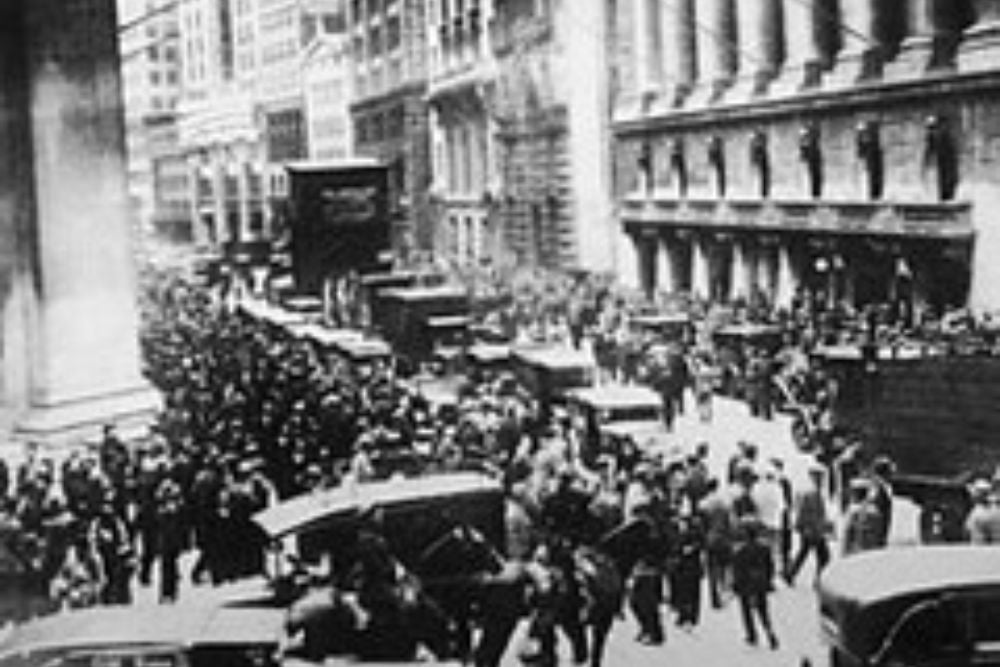
On October 24, 1929, now known as ‘Black Thursday,’ the New York Stock Exchange experienced catastrophic selling that set off the Great Depression. In just minutes, fortunes vanished as panic spread through the trading floor, with stock values plummeting at unprecedented rates.
This financial collapse reverberated globally, leading to widespread unemployment, poverty, and eventually contributing to the political conditions that enabled World War II.
The Indian Ocean Tsunami
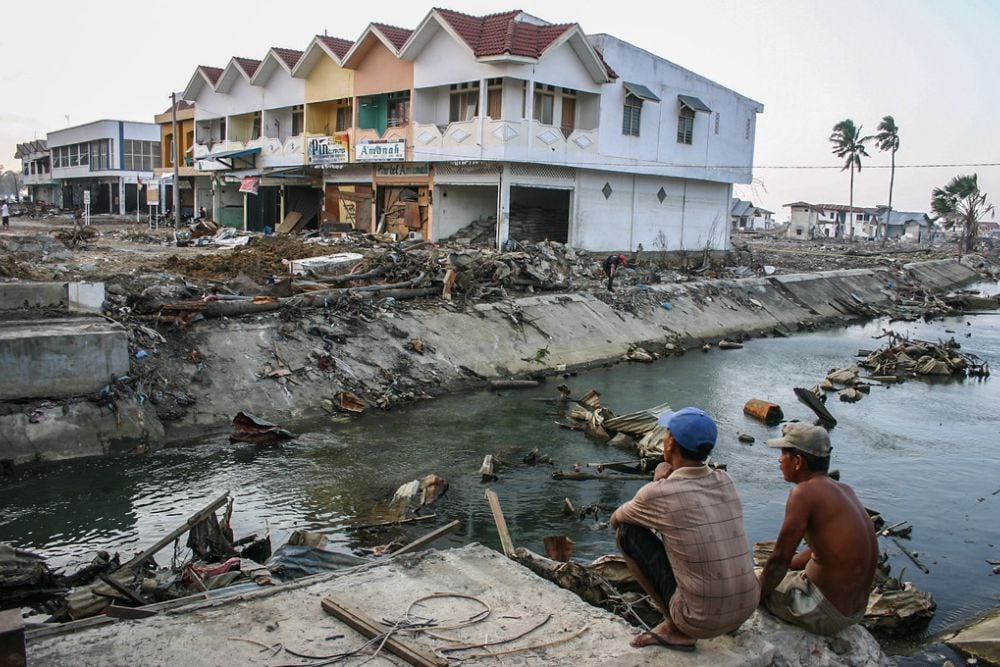
On December 26, 2004, a massive undersea earthquake triggered tsunami waves that devastated coastal communities across Southeast Asia. The initial earthquake lasted approximately 10 minutes, creating waves that traveled at jet-like speeds across the Indian Ocean.
This natural disaster killed over 230,000 people in 14 countries and prompted the development of improved tsunami warning systems throughout the affected regions.
The Challenger Disaster

On January 28, 1986, the Space Shuttle Challenger broke apart 73 seconds after liftoff, killing all seven crew members and shocking millions of live television viewers. The technical failure happened in less than a second when an O-ring seal failed in unusually cold weather conditions.
This tragedy temporarily halted the shuttle program, led to major reforms at NASA, and fundamentally changed public perception of the risks associated with space exploration.
The 9/11 Attacks

On September 11, 2001, terrorists hijacked four commercial airliners and carried out coordinated suicide attacks against the United States. The impacts and building collapses occurred within minutes, killing nearly 3,000 people and injuring thousands more.
These attacks transformed American foreign policy, led to two major wars, and fundamentally changed global security procedures and surveillance practices that continue to affect daily life worldwide.
The Partition of India

At midnight on August 14-15, 1947, British India was divided into two independent nations—India and Pakistan. Though the actual legal transfer of power took just minutes, it triggered one of the largest mass migrations in human history and communal violence that killed hundreds of thousands.
This abrupt political division created enduring tensions between the two nuclear-armed neighbors and shaped the geopolitical landscape of South Asia for generations.
The First Nuclear Chain Reaction

On December 2, 1942, scientists led by Enrico Fermi achieved the world’s first controlled nuclear chain reaction under the stands of a football stadium at the University of Chicago. The actual moment when the reaction became self-sustaining lasted just minutes but confirmed the theoretical possibility of both nuclear power and atomic weapons.
This scientific breakthrough opened the atomic age and would lead to technologies that transformed warfare, energy production, and medicine.
The Miracle on the Hudson
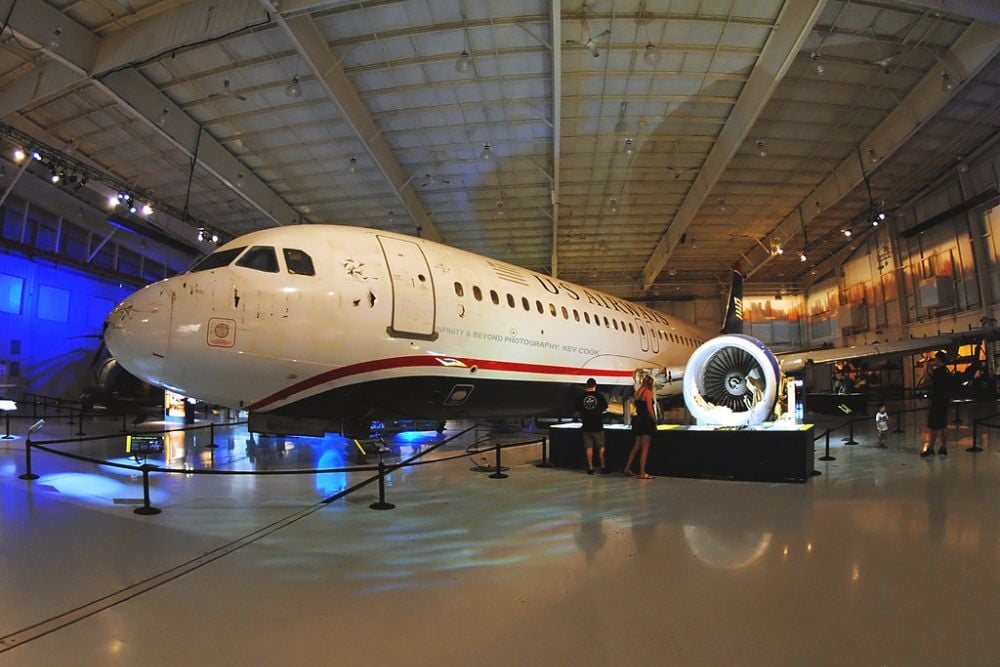
On January 15, 2009, US Airways Flight 1549 lost engine power after striking a flock of geese and was successfully ditched in the Hudson River by Captain Chesley Sullenberger. The entire emergency, from bird strike to water landing, lasted approximately five minutes, yet all 155 passengers and crew survived.
This extraordinary display of piloting skill under extreme pressure changed aviation safety procedures and stands as a testament to human capability in crisis situations.
The First Broadcast of War

On April 18, 1930, the BBC aired the first-ever live radio broadcast of war when a correspondent reported on a battle in the Chinese Civil War. The brief broadcast lasted only minutes but revolutionized how people experienced conflict, bringing distant battlefields directly into homes for the first time.
This technological leap fundamentally changed the relationship between civilians and warfare, laying the groundwork for the immediacy of modern war reporting that continues to shape public opinion and political decisions.
The Discovery of Penicillin
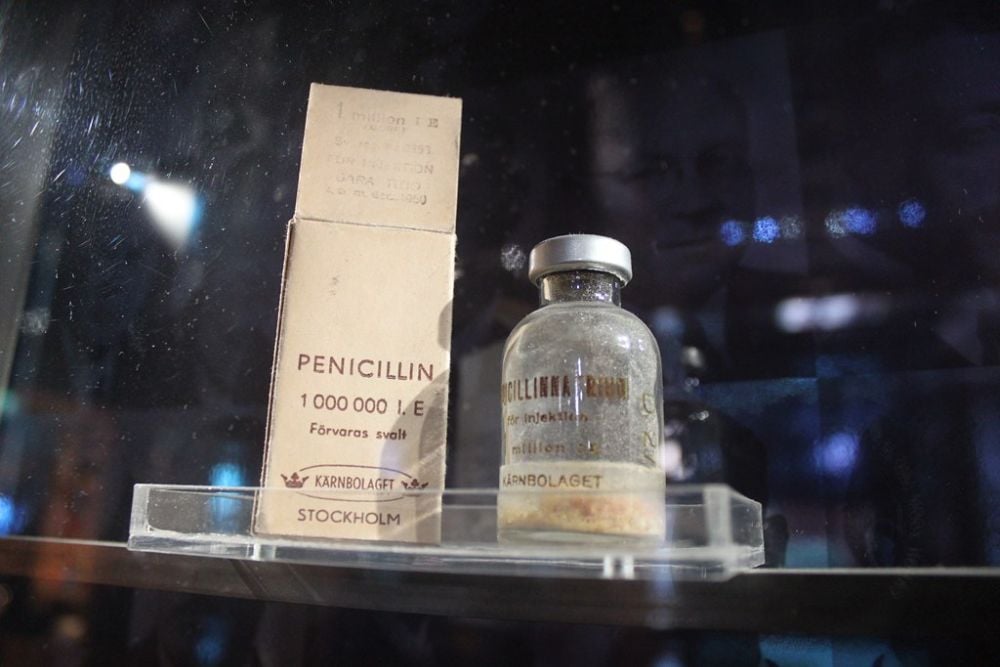
On September 28, 1928, Alexander Fleming noticed that a mold had contaminated one of his Petri dishes and was killing the surrounding bacteria. This observation, made in a matter of moments, led to the discovery of penicillin and launched the antibiotic revolution in medicine.
Fleming’s chance observation, properly recognized and developed, has since saved countless millions of lives by providing effective treatment for previously deadly infections.
Moments That Define Us
These fleeting yet significant occurrences serve as a reminder of the unpredictability of history and the enormous influence that one event may have on human civilization. In little time as it takes to view a television program, our planet has seen numerous changes, from technical innovations to natural disasters, from heroic deeds to violent incidents.
These turning points show that history frequently depends on snap judgments and brief opportunities that permanently change our collective course rather than on protracted, incremental processes.
More from Go2Tutors!

- The Romanov Crown Jewels and Their Tragic Fate
- 13 Historical Mysteries That Science Still Can’t Solve
- Famous Hoaxes That Fooled the World for Years
- 15 Child Stars with Tragic Adult Lives
- 16 Famous Jewelry Pieces in History
Like Go2Tutors’s content? Follow us on MSN.