Facts about chocolate through the ages
Chocolate’s journey from ancient sacred beverage to modern-day global phenomenon spans over 5,000 years of human history. This beloved treat has witnessed the rise and fall of civilizations, sparked international trade wars, and transformed from an elite luxury into an everyday pleasure enjoyed by millions worldwide.
From the rainforests of Ecuador to the chocolate houses of Europe, each era has added its own chapter to chocolate’s remarkable story. Here are some fascinating facts about chocolate through the ages.
Ancient Ecuador Was Chocolate’s Birthplace
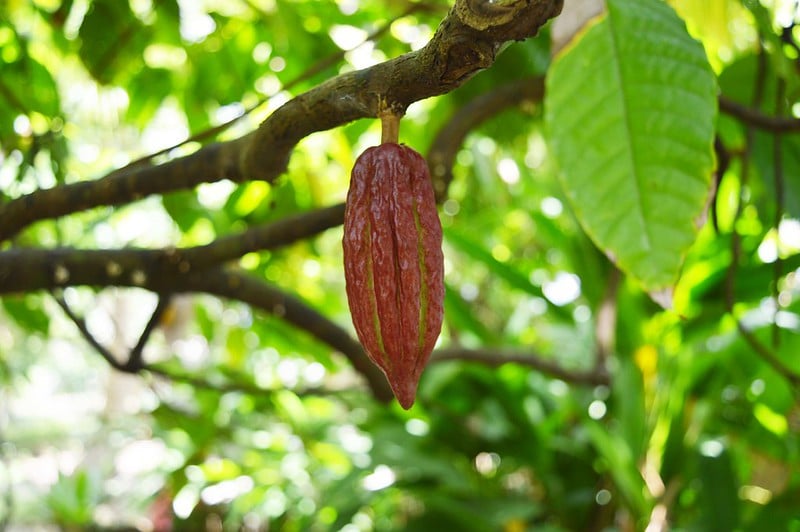
The cacao tree was first domesticated in present-day southeast Ecuador around 5,300 years ago by the Mayo-Chinchipe culture. This makes chocolate older than many ancient civilizations we commonly study. Archaeological evidence includes ceramic vessels containing cacao residue and fragments of ancient DNA unique to the cacao tree.
The Olmecs Created the First Chocolate Drinks

The Olmec civilization, one of the earliest known Mesoamerican cultures, discovered traces of theobromine in ancient pots dating back to around 1500 BC. They were likely the first to turn cacao into a ceremonial beverage, though they may have used the sweet pulp around the seeds rather than the beans themselves. This bitter drink was far from the sweet chocolate we know today.
Maya Considered Chocolate Food of the Gods
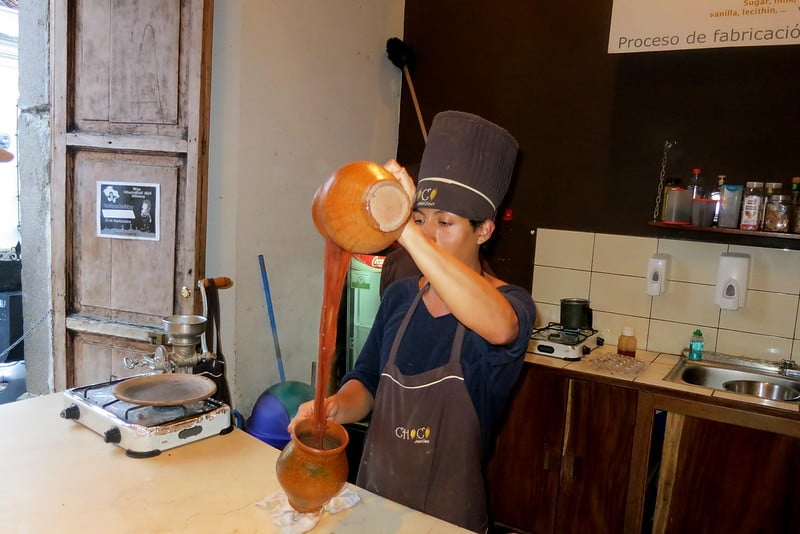
For the Maya, chocolate was a cocoa drink prepared with hot water and often flavored with cinnamon and pepper, called the ‘Food of the Gods.’ The Maya developed sophisticated methods for processing cacao and created the frothy beverage called ‘xocolatl,’ meaning ‘bitter water.’ Unlike later civilizations, chocolate wasn’t reserved only for elites but was available to most Maya people.
Aztecs Used Cacao Beans as Currency
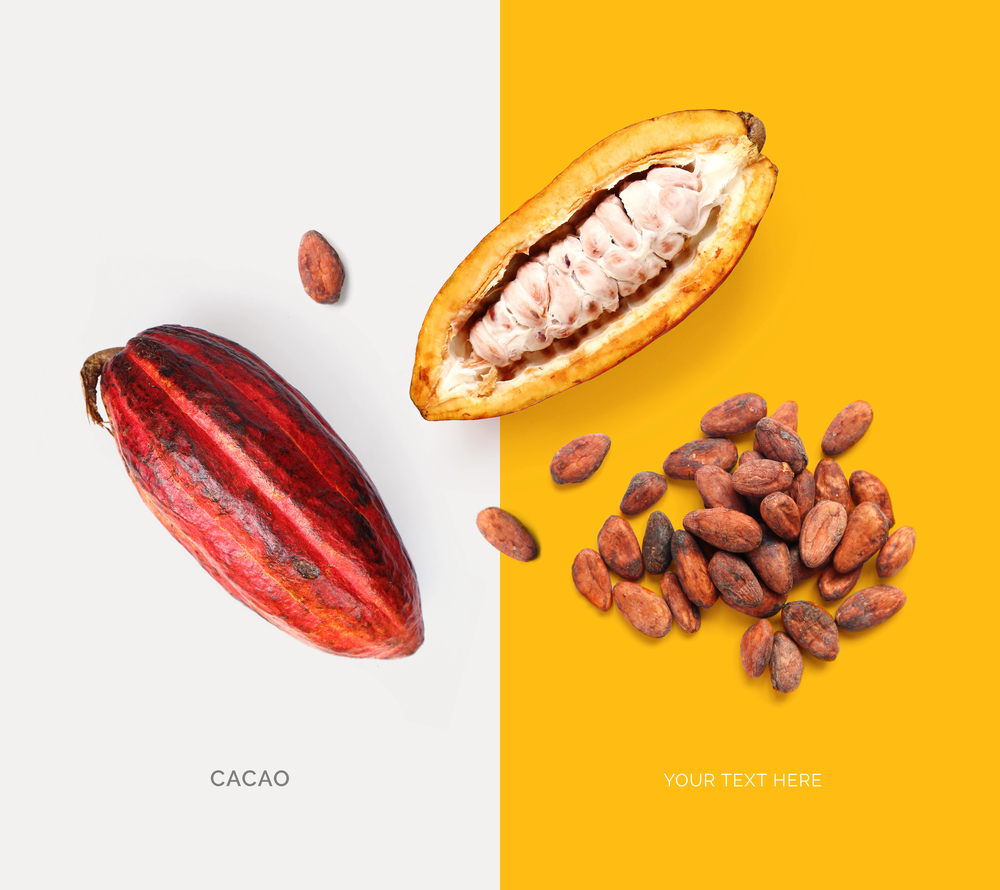
By the 15th century, the Aztecs used cocoa beans as currency and believed chocolate was a gift from the god Quetzalcoatl. The beans were so valuable that counterfeiting became a problem, with people creating fake beans from clay. Aztec emperor Moctezuma II reportedly consumed up to 50 cups of chocolate daily, believing it enhanced his strength and virility.
Columbus Encountered Chocolate But Didn’t Recognize Its Value
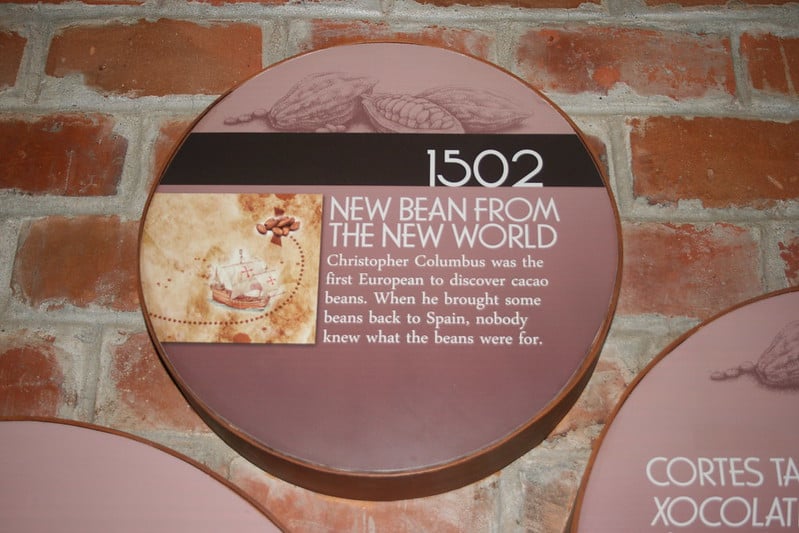
On Columbus’s fourth voyage in 1502, his expedition encountered a Mayan trading canoe containing cocoa beans, but they didn’t know what they were or that they could make a drink. The Europeans noted the apparent value based on the crew’s reaction when beans were dropped, but it would be decades before they understood chocolate’s true potential.
The First Chocolate Reached European Courts in 1544
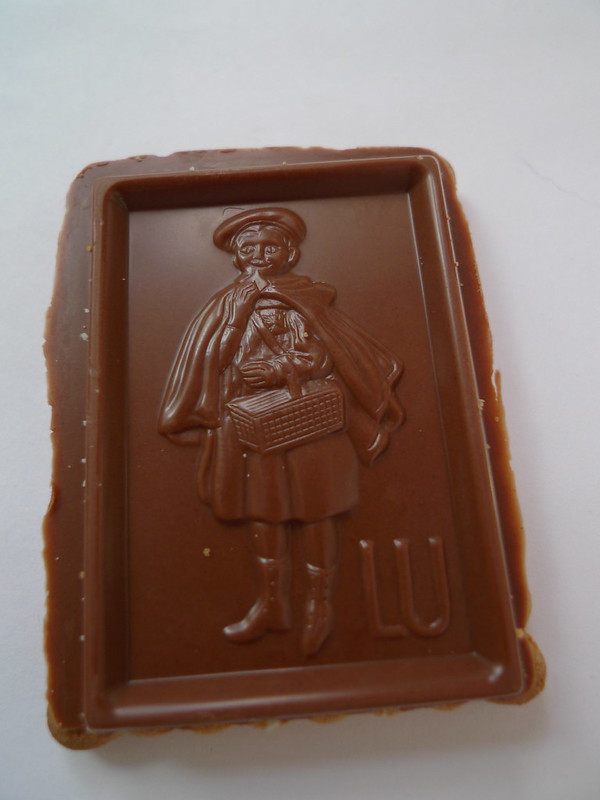
The first clearly documented evidence of cocoa beans and chocolate being presented to a European court was in 1544, when Dominican friar Bartolomé de las Casas brought a delegation of Kekchi leaders to the future Philip II of Spain. They presented gifts including quetzal feathers, chillies, and both cocoa beans and prepared chocolate for drinking.
Spain Kept Chocolate Secret for Nearly a Century
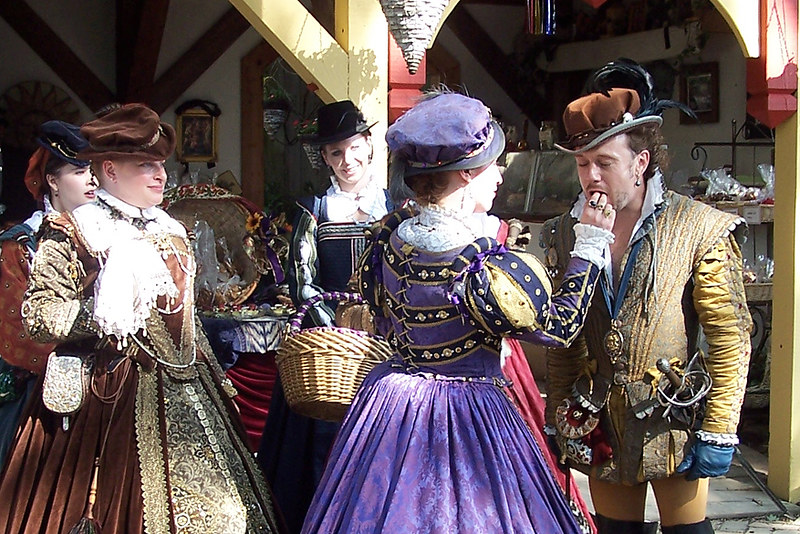
The Spanish kept chocolate quiet for nearly a century before the treat reached neighboring France. This monopoly allowed Spain to control the chocolate trade during its Golden Age. Spanish conquistadors initially used chocolate as medicine before recognizing its potential as a luxury beverage.
French Royalty Embraced Chocolate in 1615
In 1615, King Louis XIII married Anne of Austria, and she gave her husband-to-be a chest filled with chocolate as a wedding gift. The French court instantly fell in love with the confection, and subsequent kings like Louis XIV made hot chocolate a daily ritual. Marie Antoinette later brought her own chocolate maker when she married Louis XVI.
Catholic Fasting Days Boosted Chocolate’s Popularity
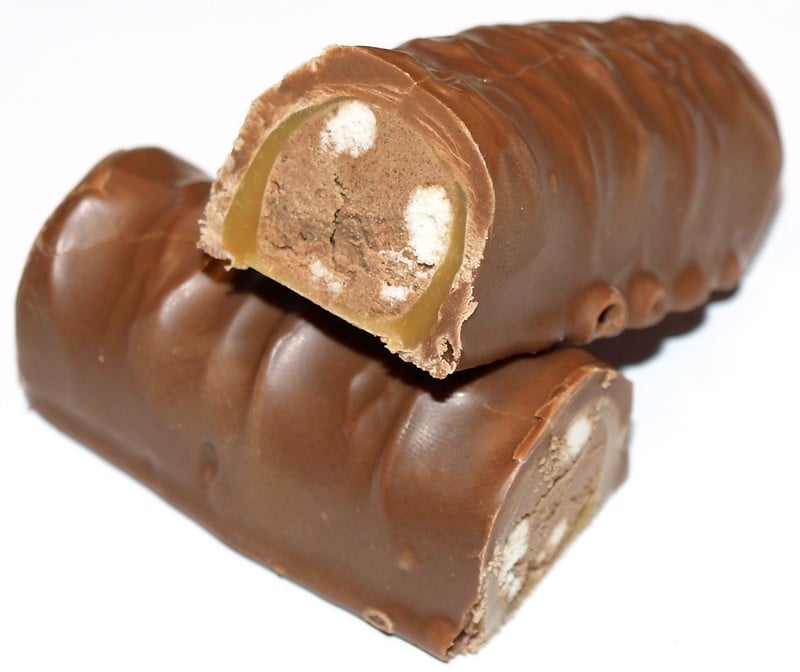
Hot chocolate was promoted as a nutritious and delicious option on Catholic fasting days, especially by the Jesuits, who secured papal endorsement for this practice. With over 100 fasting days per year in medieval Catholic Europe, chocolate became an acceptable substitute for forbidden animal products. This religious endorsement significantly increased chocolate’s acceptance across Europe.
Chocolate Houses Became Europe’s Social Centers
— Photo by Ale_Mi
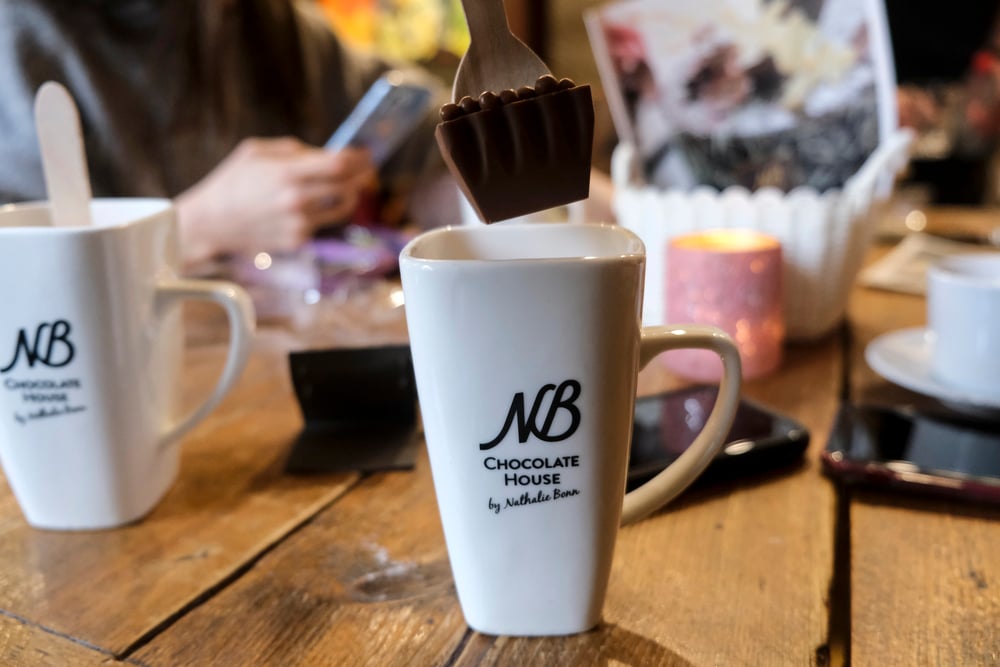
Chocolate houses, similar to coffeehouses today, became popular gathering spots for rich Europeans and Americans to meet over hot chocolate drinks. These establishments appeared first in Britain and spread across Europe, serving as centers for gambling, business, and social interaction. They helped establish chocolate as a symbol of sophistication and wealth.
The Industrial Revolution Transformed Chocolate Forever

In 1828, the invention of the chocolate press revolutionized chocolate making by squeezing cocoa butter from roasted cacao beans, leaving fine cocoa powder behind. This innovation allowed chocolate to be mixed with liquids and poured into molds, creating the first solid chocolate bars. The steam-powered machinery made mass production possible for the first time.
The First Chocolate Factory Opened in Switzerland
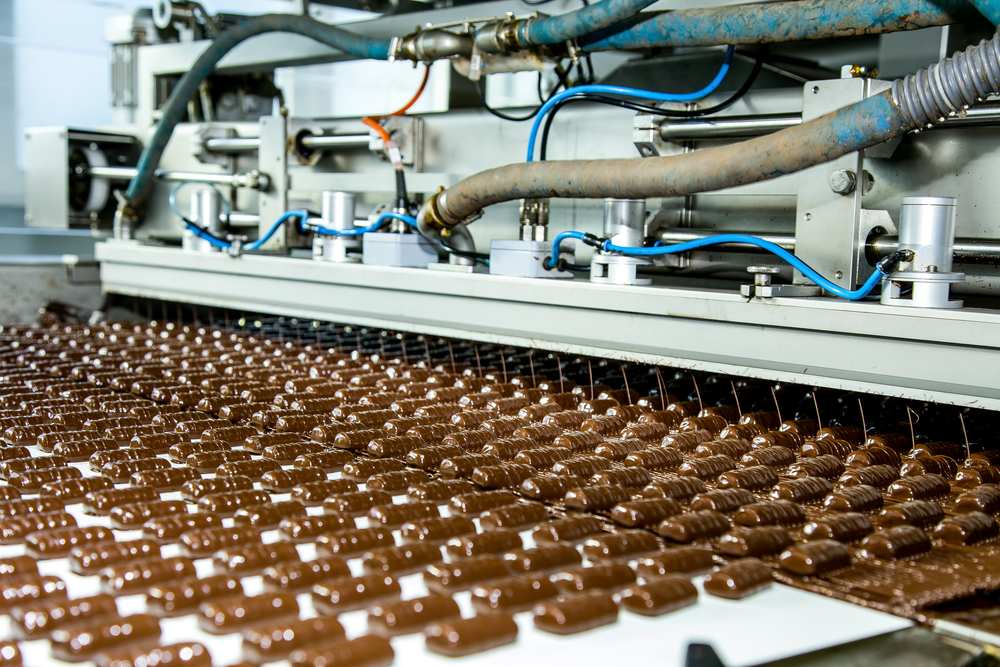
In 1819, François-Louis Cailler opened the first chocolate factory in Switzerland, featuring the first melanger (chocolate mixing machine). This factory produced chocolate more bitter than modern varieties, but it established Switzerland as a center of chocolate innovation. Swiss chocolate makers would go on to create many of the techniques still used today.
Milk Chocolate Was a Swiss Innovation
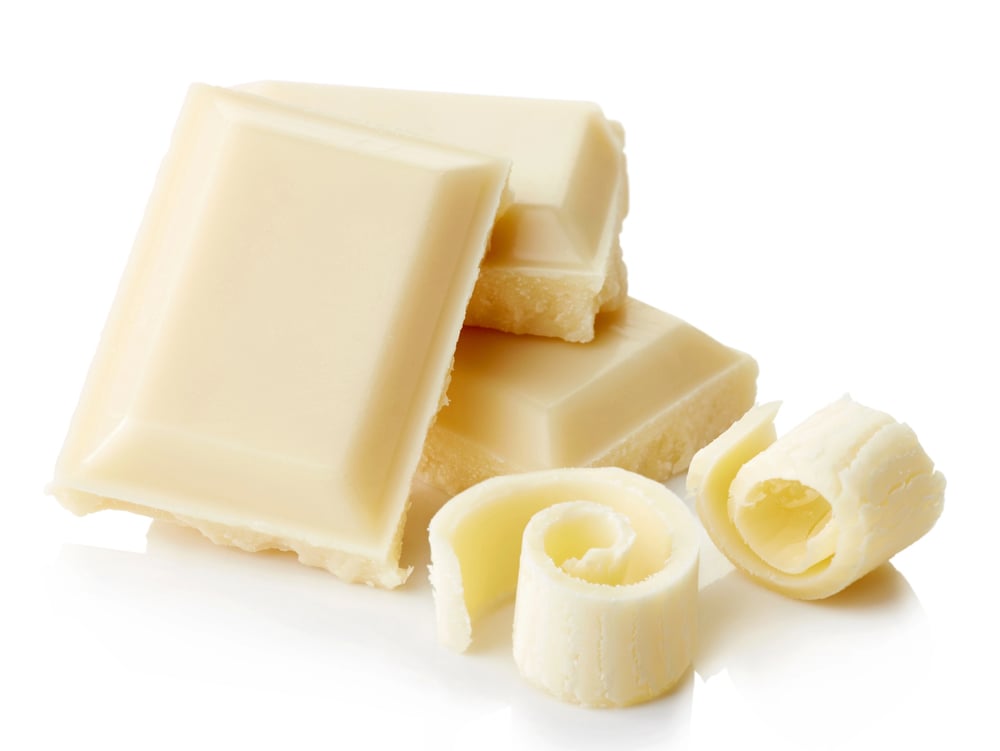
Modern milk chocolate was invented in 1875 when Swiss chocolate manufacturer Daniel Peter combined recently invented powdered milk with chocolate. He worked with his friend Henri Nestlé to bring milk chocolate to the mass market, creating the Nestlé Company. Before this innovation, adding milk to chocolate was expensive and difficult due to preservation challenges.
Conching Made Chocolate Smooth and Creamy
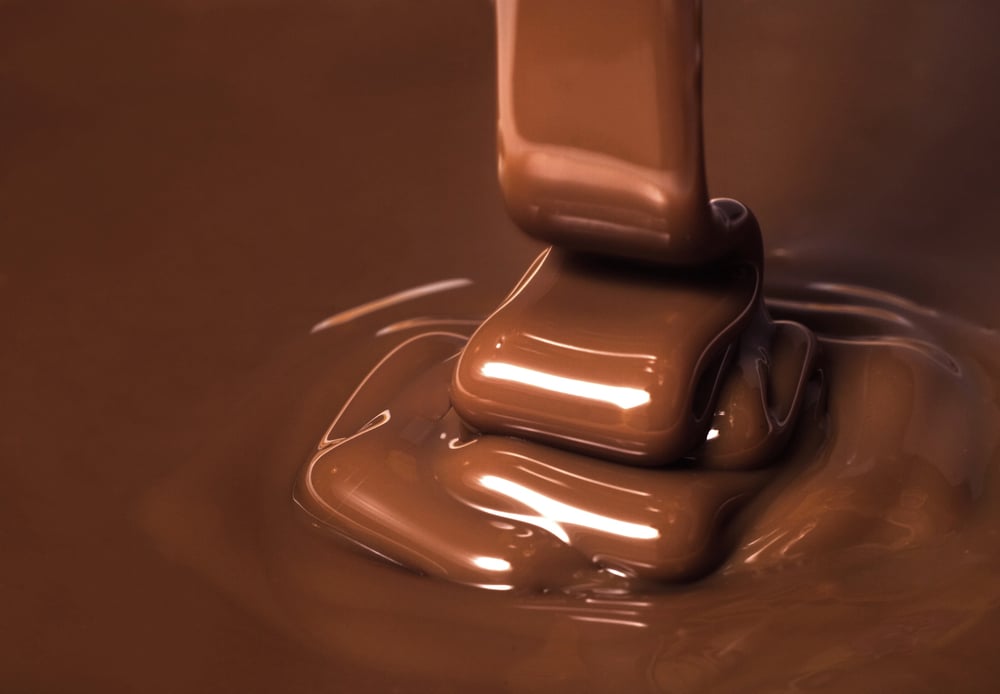
In 1879, Swiss chocolatier Rodolphe Lindt invented the conching process, which heats and agitates liquid chocolate for days to change flavor and increase smoothness. Before Lindt’s innovation, chocolate had been gritty and difficult to chew. He kept conching as a trade secret for over 20 years, giving his company a significant competitive advantage.
Belgian Pralines Revolutionized Chocolate Confections
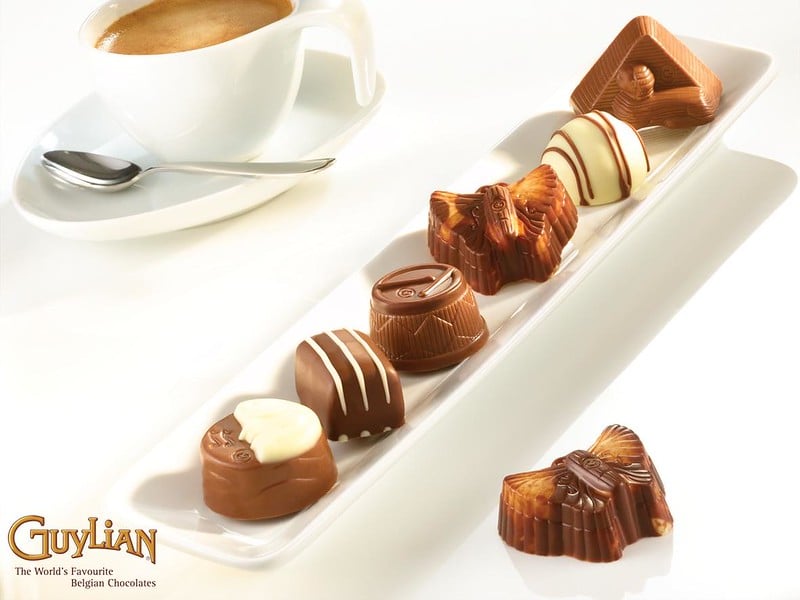
In 1912, Jean Neuhaus invented the Belgian praline, a smooth shaped shell filled with sweet confections. This innovation was made possible by Octaaf Callebaut’s 1925 invention of couverture chocolate storage and transport in liquid form. The first praline was created by replacing medicinal preparations with cream, and special box packaging was designed in 1915.
World Wars Made Chocolate a Military Staple

World War II further popularized chocolate as it became a staple in soldiers’ rations, emphasizing its importance as a high-energy food source. During the Revolutionary War, wounded American soldiers sipped chocolate to warm up and gain energy, and troops were sometimes paid with cocoa beans. These military uses established chocolate’s reputation as both comfort food and practical nutrition.
White Chocolate Emerged from a Health Product
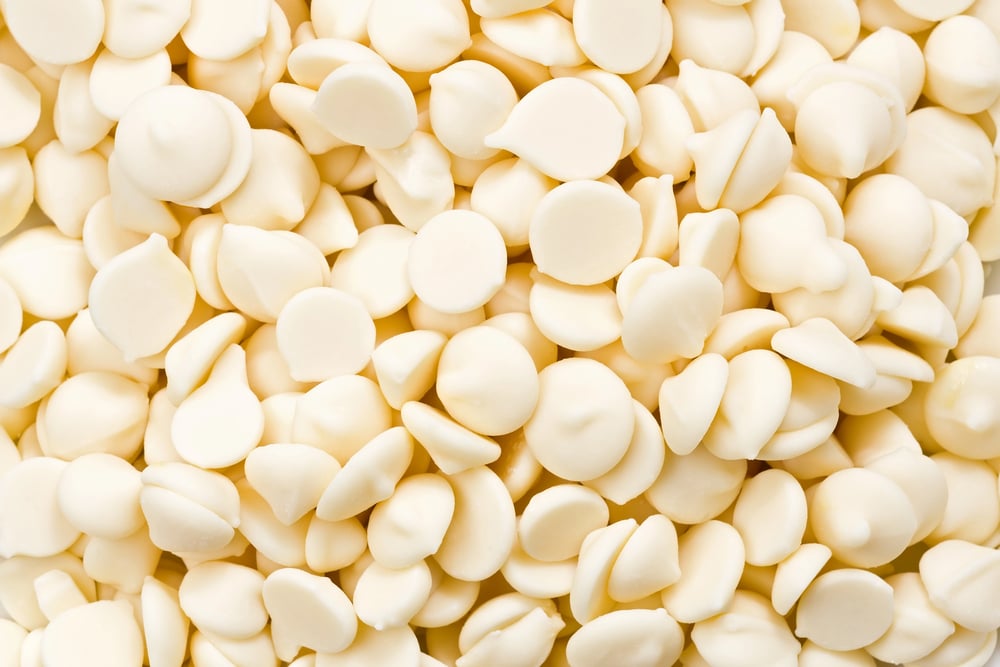
While recipes for white chocolate existed in the 1870s, it became its own category in 1936 when Nestlé’s Milkybar hit the shelves. Nestlé’s white chocolate began in 1929 as ‘Nestrovit,’ a multivitamin product for children’s health, but the sweet confection caught on as a treat rather than medicine. This innovation finally found a profitable use for cocoa butter, which had previously been largely a waste product.
The Big Five Dominate Modern Chocolate
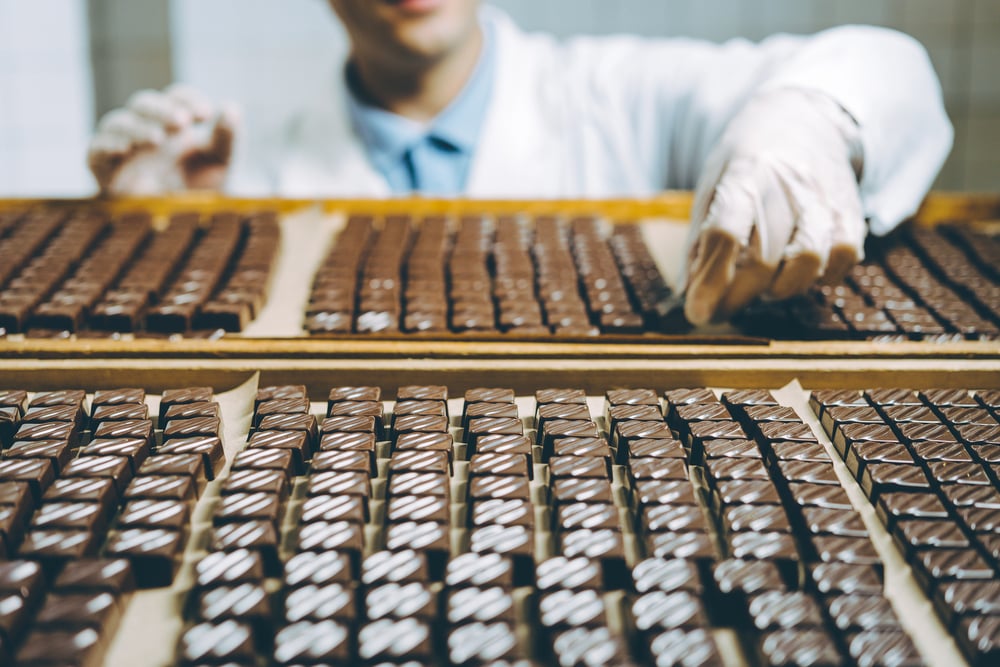
As of 2018, chocolate-makers Mars, Mondelez (owner of Cadbury), Ferrero, Nestlé and Hershey, known as the ‘Big Five,’ comprised almost two-thirds of the global chocolate market. In 2015, these five firms held 61.8% of the chocolate market share. This concentration has increased in the 21st century as companies seek to reduce retailer power and expand into new markets.
West Africa Now Produces Most of the World’s Cocoa
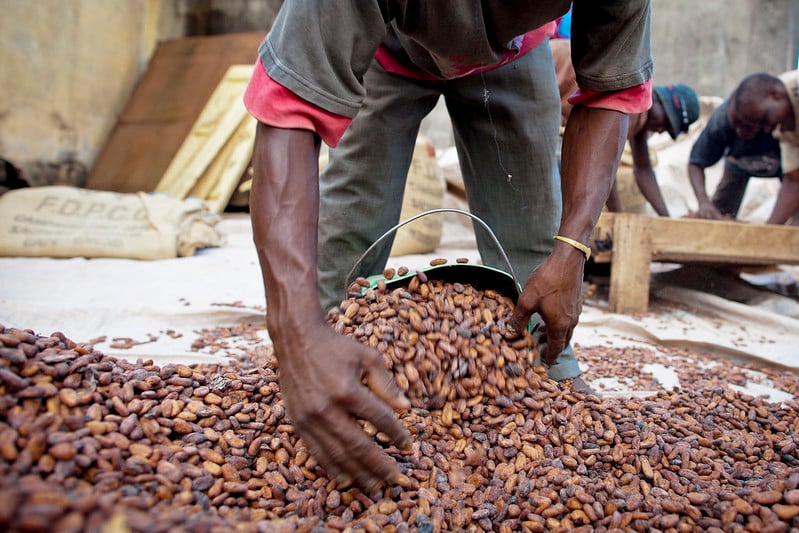
Today, cocoa beans for most chocolate are produced in West African countries, particularly Ivory Coast and Ghana, which contribute about 60% of the world’s cocoa supply. This shift occurred throughout the 20th century as European diseases devastated American populations and colonial powers established African plantations. At least 70% of the world’s cocoa is now produced in West and Central Africa.
The 21st Century Brings Ethical Chocolate Movement
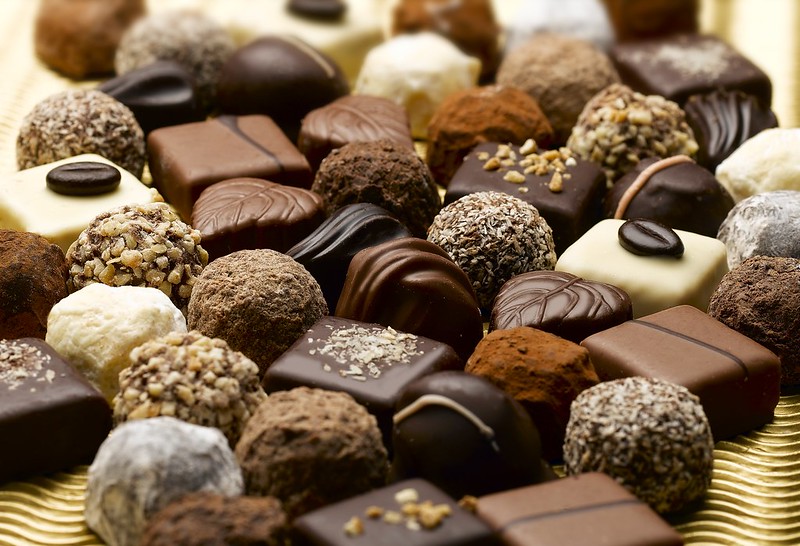
The 21st century has seen a rise in artisan and craft chocolate, focusing on quality, origin, and ethical sourcing. Fair-trade practices and sustainability are connecting consumers with producers in a more direct way, creating a bridge between both groups. This movement addresses historical issues of child labor and exploitation that have plagued the industry for centuries, though significant challenges remain.
From Sacred Drink to Global Commodity
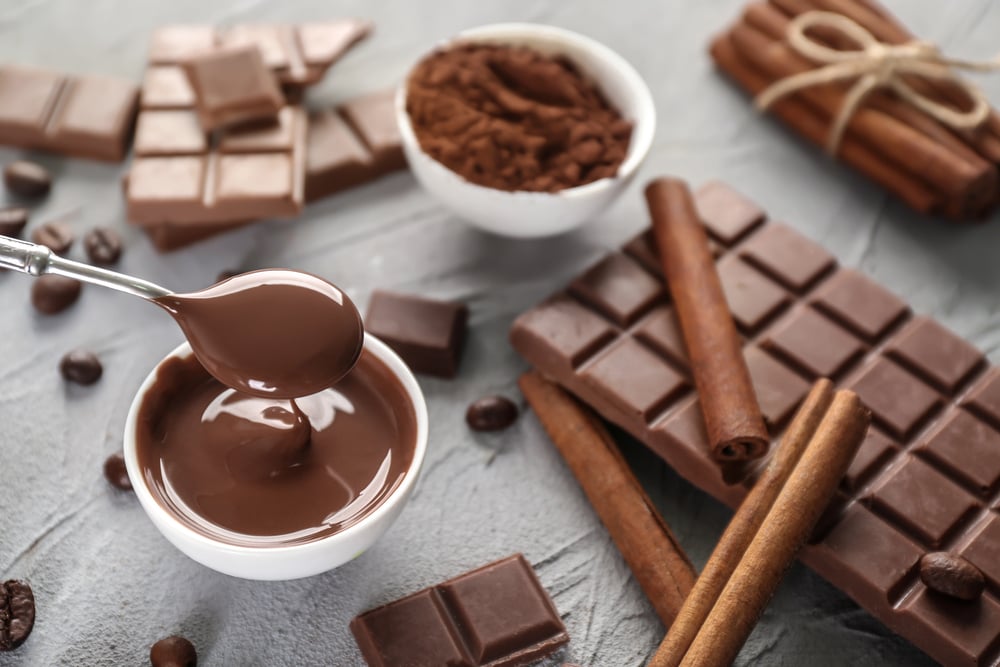
Chocolate’s transformation from a sacred Mesoamerican beverage to today’s $156 billion global industry reflects humanity’s evolving relationship with luxury, technology, and ethics. What began as ‘food of the gods’ in ancient temples now faces modern challenges of sustainability and social responsibility. The next chapter in chocolate’s story will likely be written by consumers demanding both quality and conscience in their sweet indulgences.
More from Go2Tutors!

- 16 Historical Figures Who Were Nothing Like You Think
- 12 Things Sold in the 80s That Are Now Illegal
- 15 VHS Tapes That Could Be Worth Thousands
- 17 Historical “What Ifs” That Would Have Changed Everything
- 18 TV Shows That Vanished Without a Finale
Like Go2Tutors’s content? Follow us on MSN.



