17 Terms and Phrases and Their Origins
Language is full of weird expressions that nobody questions until you actually think about them. You say these things every day without wondering why “letting the cat out of the bag” has anything to do with revealing secrets or how “raining cats and dogs” became a way to describe heavy rain.
Some origins are fascinating, others are disappointing, and a few are so strange you’ll wish you never asked.
Break The Ice

This phrase means to start a conversation or ease tension in an awkward social situation. The origin is pretty literal.
Ships in Arctic regions needed icebreaker vessels to clear paths through frozen waters before they could proceed. The phrase transferred to social situations where someone needs to “break through” the cold awkwardness before real conversation can flow.
People were comparing uncomfortable silence to frozen water centuries ago, apparently.
Bite The Bullet

Today this means facing something difficult or painful with courage. The origin comes from battlefield medicine before anesthesia existed.
Soldiers undergoing surgery would literally bite down on a bullet to cope with the pain. The lead bullet gave them something to focus on and prevented them from biting their tongue.
Modern dentists use less violent methods, but the phrase stuck around for any situation requiring courage through discomfort.
Spill The Beans
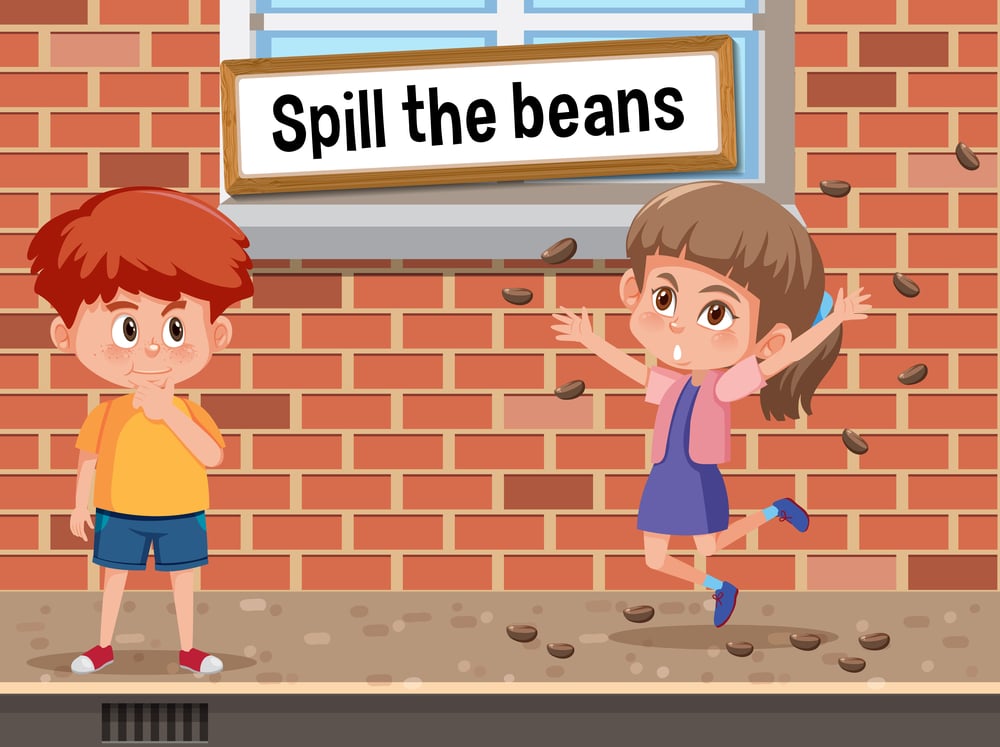
You use this when someone reveals a secret, but the original meaning comes from ancient Greek voting practices. Citizens would vote by placing beans in jars. White beans meant yes, colored beans meant no.
If someone knocked over the jar before the official count, they’d literally spill the beans and reveal the results early. The phrase evolved to mean revealing any secret, not just election results.
Though honestly, most secrets today are more interesting than ancient Greek municipal votes.
The Whole Nine Yards
DepositPhotos
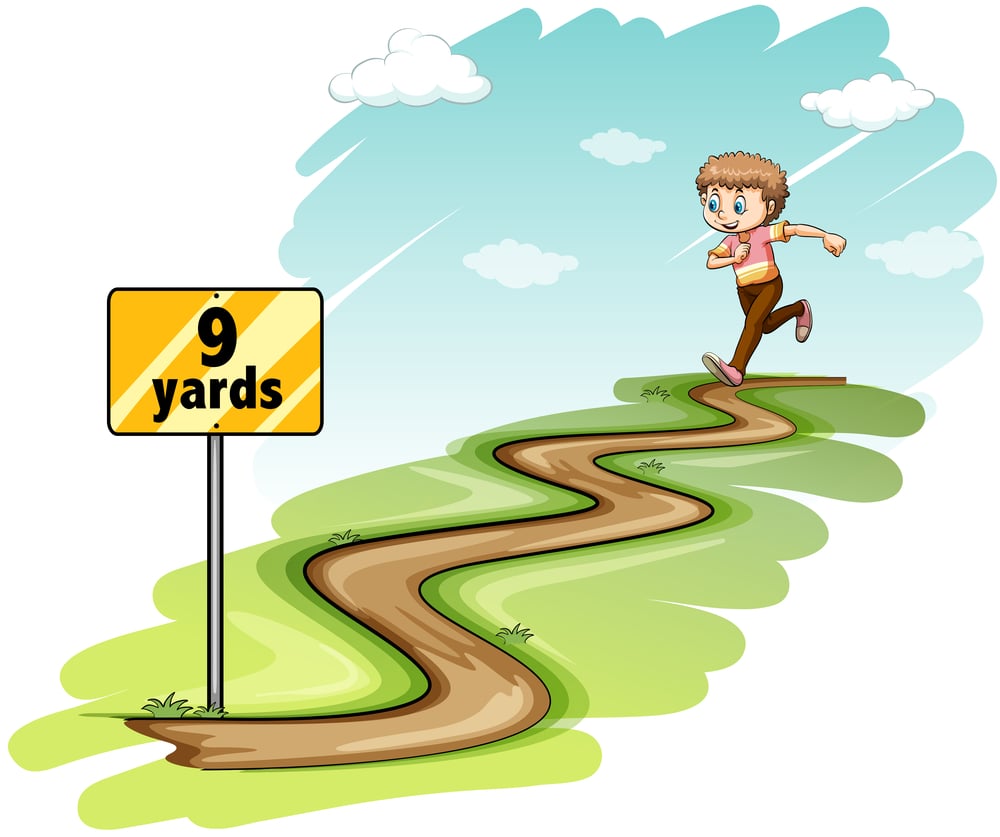
This phrase means “everything” or “all of it,” but the origin is disputed. Some claim it refers to the length of ammunition belts in World War II fighter planes.
Using the whole nine yards meant firing everything you had. Other theories point to concrete mixer trucks holding nine cubic yards, or fabric measurements for suits and wedding dresses.
Nobody knows for certain, but everyone agrees it means going all the way with something.
Caught Red-handed
DepositPhotos
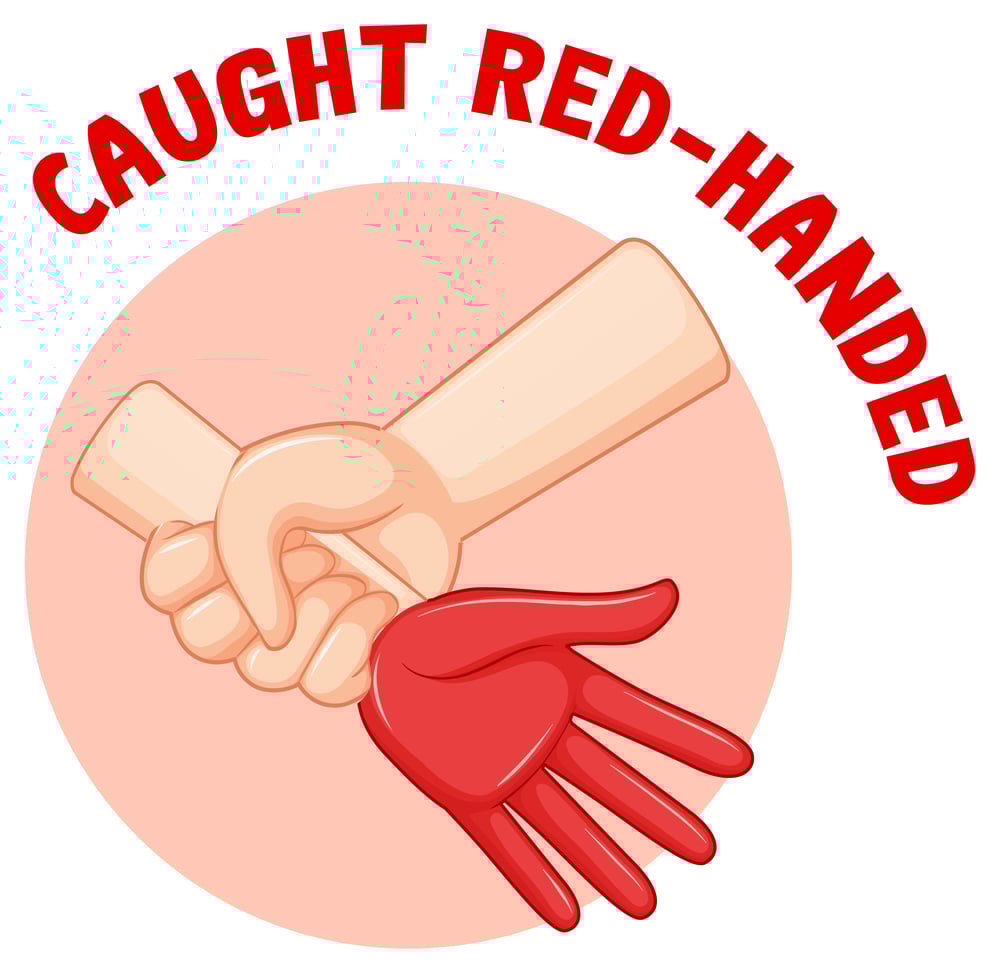
Getting caught red-handed means being found in the middle of doing something wrong. The phrase comes from catching someone with blood on their hands after committing murder or poaching.
The red hands were literal evidence of the crime. Scottish law used this phrase as early as the 15th century.
The visual image is strong enough that the phrase expanded to include any crime, even ones that don’t involve blood or hands.
Raining Cats and Dogs

Heavy rain gets this bizarre description, but nobody truly knows why. One theory suggests that thatched roofs in medieval times housed animals seeking warmth.
During heavy storms, animals would fall through the roof, making it appear to rain cats and dogs. Another theory points to Norse mythology where cats represented rain and dogs represented wind.
Or maybe people just liked the absurd image. The real origin is lost to history, but the phrase remains ridiculous.
Turn A Blind Eye

This means deliberately ignoring something you should address. The phrase comes from Admiral Horatio Nelson at the Battle of Copenhagen in 1801.
His superior signaled for retreat, but Nelson literally put his telescope to his blind eye and claimed he couldn’t see the signal. He continued the attack and won the battle.
The phrase now applies to anyone pretending not to notice something inconvenient. Nelson’s insubordination worked out, but that doesn’t mean you should try it.
Cost An Arm And A Leg

Expensive things cost an arm and a leg, meaning you’d have to give up something valuable to afford them. One popular but false origin claims portrait paintings charged more to include subjects’ limbs, so full-body portraits were more expensive.
The actual phrase only appeared after World War II, likely referencing the literal cost soldiers paid in combat. The exaggeration emphasizes extreme expense without the gruesome reality of actual limb loss.
Kick The Bucket
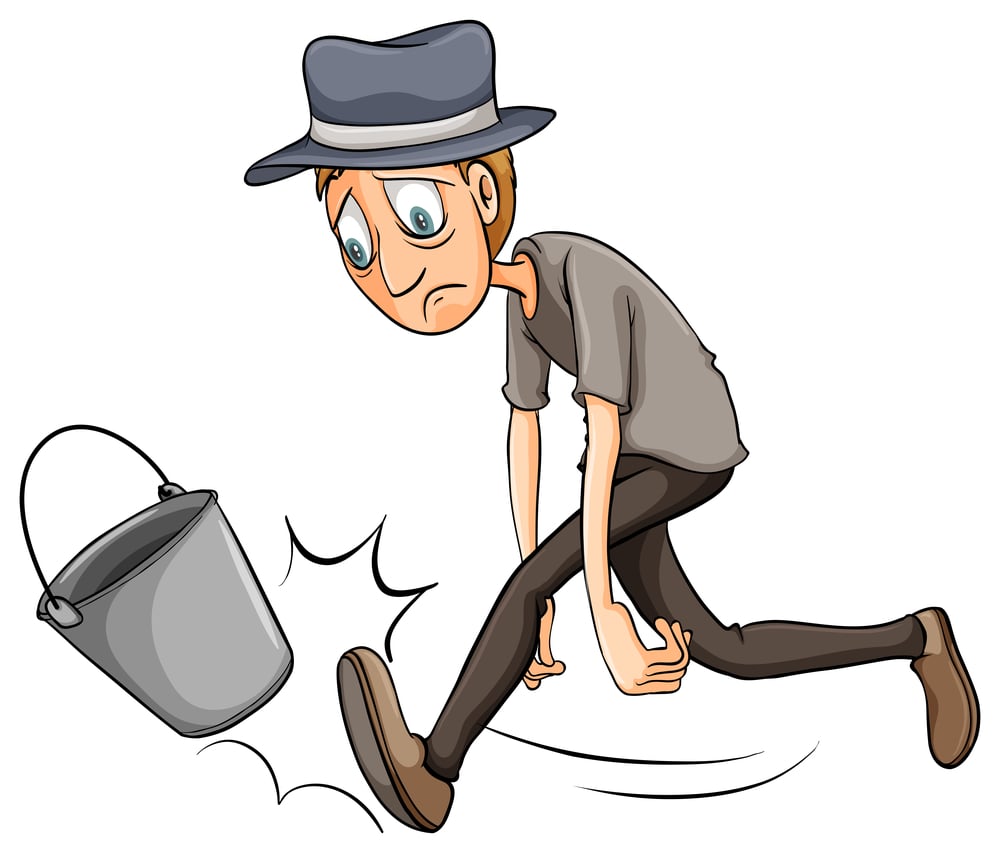
This euphemism for dying has a surprisingly dark origin. One theory suggests it refers to someone standing on a bucket to hang themselves, then kicking it away.
Cheerful stuff. Another theory points to the beam called a bucket that animals were hung from during slaughter.
When they died, their last spasms would kick the bucket. Either way, it’s not a pleasant image, but people prefer it to saying someone died.
Let The Cat Out Of The Bag

Revealing a secret gets this description from medieval market fraud. Merchants would sell piglets at markets, but dishonest sellers would swap the pig for a cat in the bag.
If someone opened the bag too soon, they’d let the cat out and reveal the deception. The phrase now applies to any revealed secret, though modern scams are usually more sophisticated than cat-for-pig substitutions.
Though honestly, some modern scams are just as obvious.
Butter Someone Up
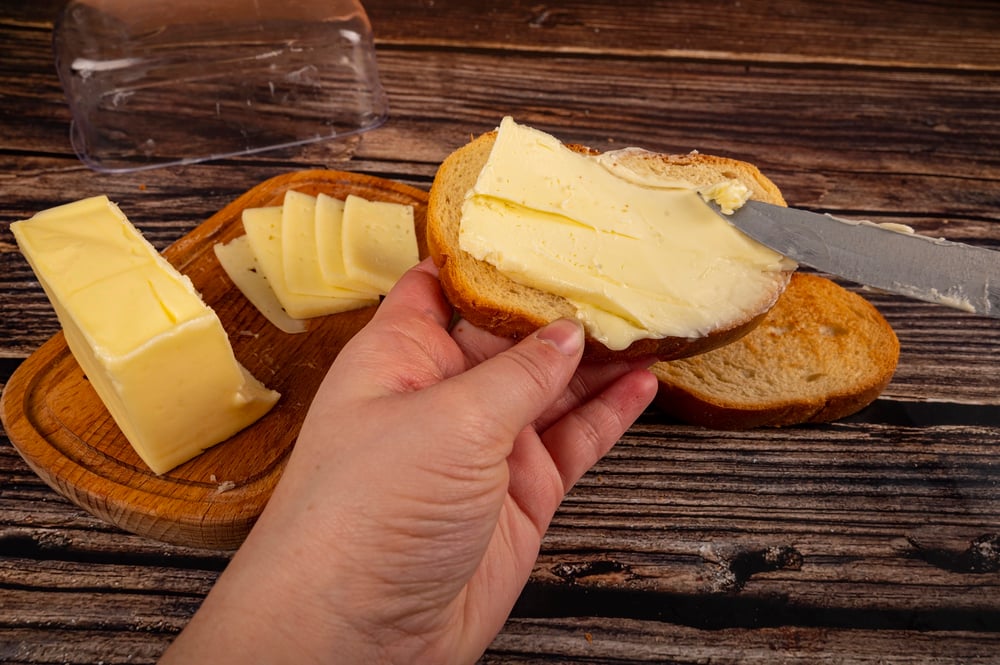
Flattering someone to gain favor is called buttering them up. Ancient Indians would throw butter at statues of gods as offerings.
The practice was meant to seek divine favor through literal butter application. The phrase transferred to humans, minus the actual butter throwing.
Though covering someone in dairy products would definitely get their attention, words work better for modern flattery.
Under The Weather

Feeling sick or unwell gets described as being under the weather. The phrase comes from the maritime language.
Sailors who felt seasick would go below deck to get away from the harsh weather conditions making them ill. Being under the deck meant being sheltered from the weather.
The phrase shortened over time and now applies to any illness, even ones that have nothing to do with storms or boats.
Barking Up The Wrong Tree
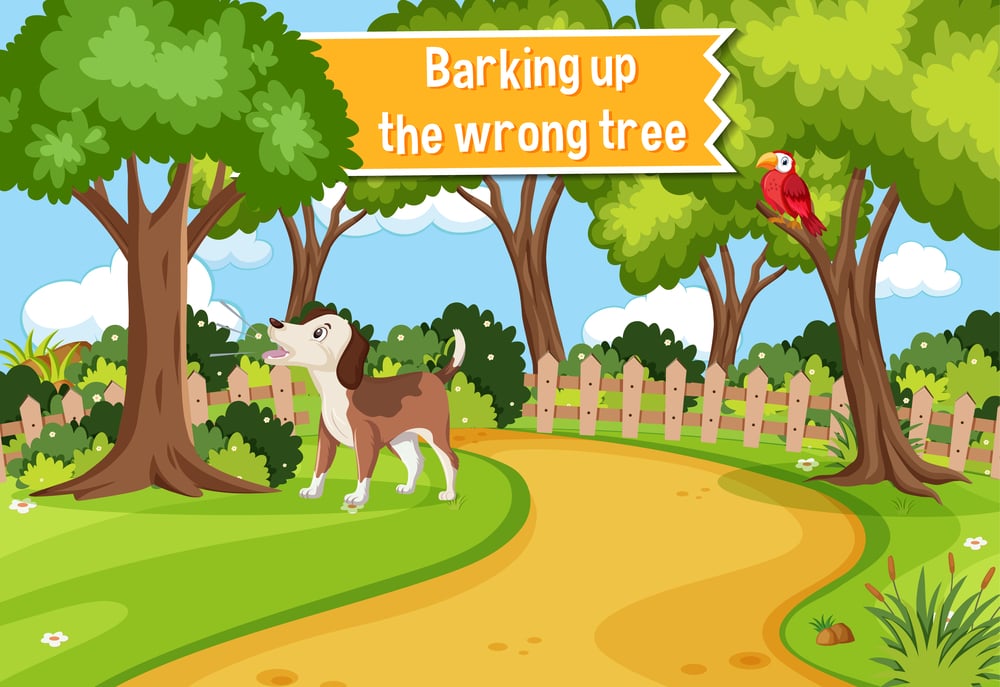
This means pursuing a mistaken course of action. The origin comes from hunting dogs that would chase prey up trees.
Sometimes dogs would bark at the wrong tree while the animal escaped up a different one. The image of a confused dog yelling at an empty tree while the squirrel watches from safety is funny enough that the phrase survived.
People are still barking up wrong trees constantly, just usually in office settings rather than forests.
Sleep Tight

This bedtime phrase seems to just mean sleep well, but the origin might reference bed construction. Old beds used ropes woven across the frame to support the mattress.
Over time, the ropes would loosen and need tightening for a comfortable sleep. Sleeping tight meant sleeping on a properly tensioned bed.
Modern mattresses don’t require rope maintenance, but the phrase persists as a warm goodnight wish.
Mind Your Ps and Qs

This reminder to be on your best behavior has several claimed origins. One theory points to printing presses where lowercase p and q letters looked similar and were easy to mix up.
Printers needed to mind their Ps and Qs to avoid errors. Another theory suggests it comes from taverns where bartenders tracked drinks by marking P for pints and Q for quarts.
Customers needed to mind their Ps and Qs to avoid being overcharged. Or maybe it just refers to minding your pleases and thank-yous.
Nobody knows for sure.
Rule Of Thumb

This phrase means a general guideline rather than an exact measurement. The origin comes from using your thumb as a rough measuring tool.
Brewers would test beer temperature by dipping their thumb in. Carpenters would use thumb width for quick estimates.
There’s a false origin claiming it refers to a law allowing men to beat their wives with sticks no thicker than their thumb. That law never existed, but the myth persists.
The real origin is boring measurement talk.
Throwing Shade

Modern slang for subtle insults or disrespect actually has roots in 1990s culture and drag communities. Throwing shade meant making a cutting remark or giving a look of disapproval without being overtly aggressive.
The phrase went mainstream in the 2010s but the concept of artful insults has existed forever. People just gave it a catchier name.
Now everyone throws shade at everything from bad movies to overpriced coffee.
Terms That Moved Across Ages

These expressions stuck around since they paint clear pictures in your mind or cover real conversational gaps. A lot no longer mean exactly what they first did, yet still hit hard with symbolic meaning.
You’ll go on saying them without recalling old tricks involving pigs or bean games from Greece – no problem there. Words don’t need to be fact-checked by history to work right.
All that matters is others get it when you say someone’s chasing a dead-end idea.
More from Go2Tutors!

- The Romanov Crown Jewels and Their Tragic Fate
- 13 Historical Mysteries That Science Still Can’t Solve
- Famous Hoaxes That Fooled the World for Years
- 15 Child Stars with Tragic Adult Lives
- 16 Famous Jewelry Pieces in History
Like Go2Tutors’s content? Follow us on MSN.