Forgotten Rules on Good Manners and Conduct
Social etiquette has always been a reflection of the times, evolving with cultural shifts and changing values. What once dictated proper behavior in drawing rooms and dinner parties now seems almost comically rigid by today’s standards. Yet these forgotten rules offer a fascinating glimpse into how our ancestors navigated social situations with elaborate codes of conduct that governed everything from conversation topics to clothing choices.
These historical manners weren’t just arbitrary customs—they served as social glue that held communities together, established hierarchies, and demonstrated one’s education and breeding. Here is a list of forgotten rules on good manners and conduct that would leave modern society scratching their heads.
Never Ask Direct Questions

Victorians found it incredibly rude to ask a direct question. Instead of asking someone, ‘How are you doing?’ a polite person would reword the question to something along the lines of ‘I hope you’re doing well.’ This roundabout approach was considered more refined than blunt inquiries. The thinking was that direct questions put people on the spot and could force them into uncomfortable conversations they might want to avoid.
Cover Your Mouth While Laughing

Women were expected to cover their mouths while laughing or smiling broadly. Modesty was a prized virtue, and excessive displays of emotion were considered unladylike and could damage a woman’s reputation. A hearty laugh was seen as too animated for proper ladies. This small gesture allowed women to demonstrate the self-restraint that Victorian society demanded from the fairer gender.
Always Pass Salt and Pepper Together

Separating the salt from the pepper is a big etiquette no-no. Instead, one should pass the two spices as a couple, even if the person asked for just one. This rule treated the condiments like a married pair that shouldn’t be separated. The logic was that keeping them together maintained table order and prevented multiple reaching episodes during meals.
Use the Tablecloth as Your Napkin
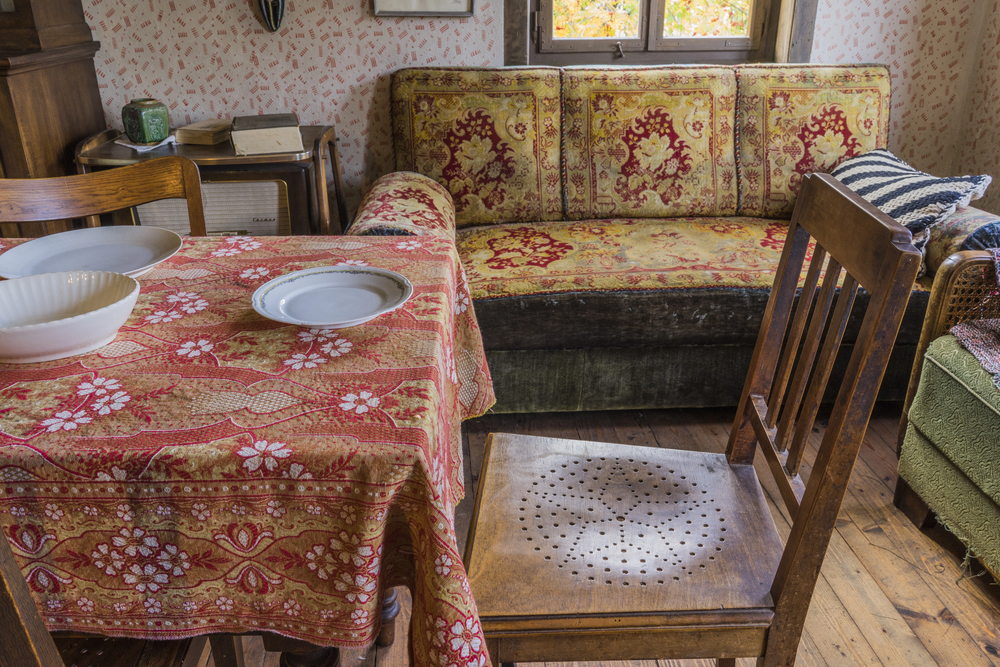
A host would be appalled if you wiped your greasy hands on the dinner table, but this was considered the norm before the Renaissance. National Geographic reported medieval era tablecloths were there for guests to wipe their hands on. Modern diners would be mortified, but medieval hosts actually expected this behavior. However, even then there were limits—spitting and sneezing on the cloth crossed the line into truly offensive territory.
Never Enter Someone’s Home at Noon or Later

Oh, and by the way: it was illegal to celebrate a marriage after noon. Victorian England took timing seriously when it came to social events. Fortunately, things loosened up near the end of the century, and weddings could be held as late as gasp 3 p.m. The morning was considered the proper time for ceremonies, with afternoon events viewed as somewhat scandalous.
Avoid Eye Contact with Royalty

In ancient Rome, the emperor was not just a political leader but was often considered a living deity embodying the state’s power and divine favor. Citizens and even nobles were expected to show the utmost respect in his presence, which included avoiding direct eye contact. Looking directly at the emperor was more than impolite—it challenged his divine authority. This practice extended beyond Rome to various royal courts where direct eye contact with rulers was considered presumptuous.
Keep Your Head Covered Indoors

— Photo by DirkM.deBoer
In the Ottoman Empire, social etiquette required men to keep their heads covered indoors, especially in places of religious or social importance like mosques or private homes. This custom was rooted in notions of humility before God and respect within the social hierarchy. Removing one’s head covering inappropriately wasn’t just poor manners—it could be seen as an act of defiance. The fez or turban served as both a symbol of faith and social status.
Never Step on a Threshold

In ancient Egypt, the threshold of a home was more than just a physical boundary—it was a spiritual one. Stepping directly on the threshold when entering someone’s house was considered disrespectful to both the host and the protective deities believed to guard the home. Guests were expected to step over the threshold entirely. This belief system treated doorways as sacred spaces that shouldn’t be violated by careless foot placement.
Bow Before Speaking
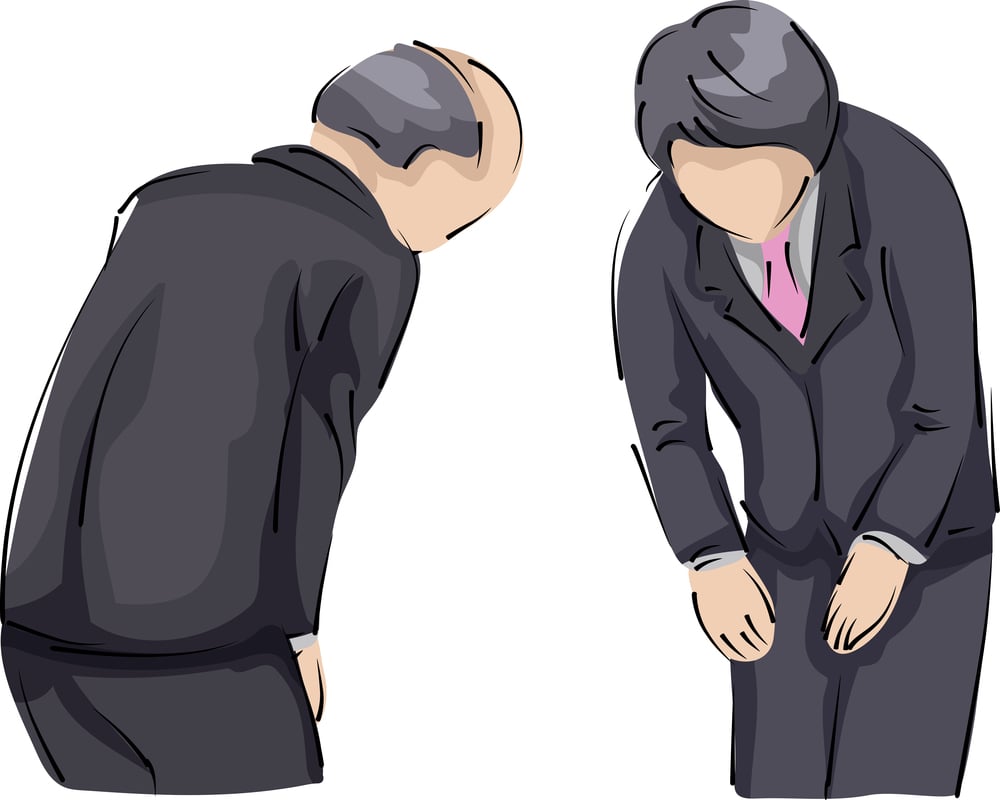
For the samurai class, who lived by the strict code of Bushido, adherence to proper bowing was a matter of honor and discipline. Neglecting this could lead to serious consequences, including loss of status or even duels. The depth and duration of bows conveyed precise social messages. Getting it wrong wasn’t just embarrassing—it could result in serious social consequences or even physical confrontation among the warrior class.
Communicate Through Fan Language
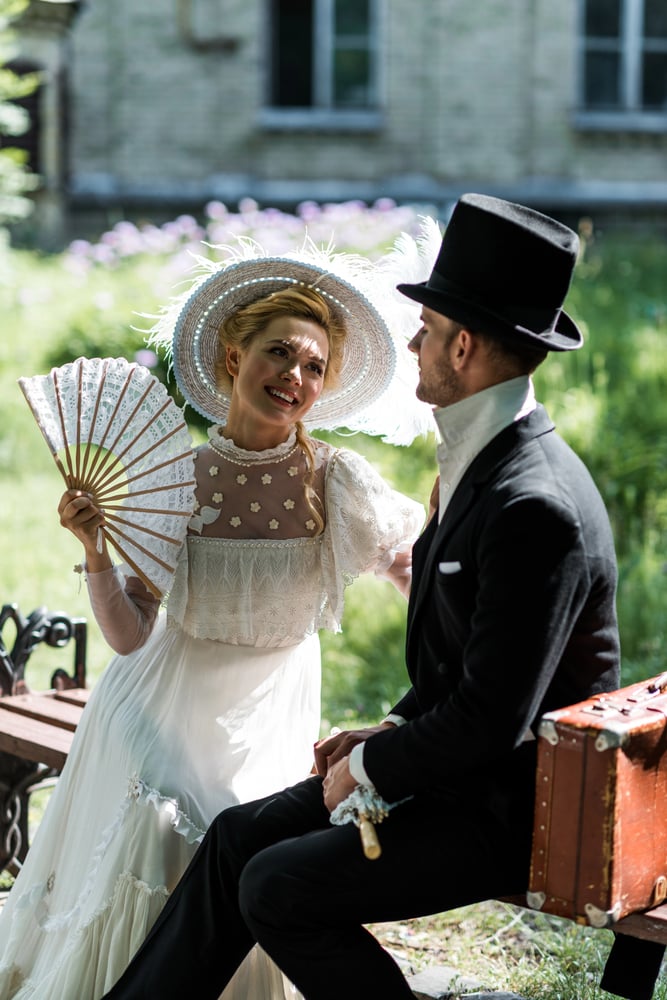
In the intricate social dances of the Victorian era, fans weren’t just for cooling. Women used them to communicate secret messages, a practice known as ‘The Fan Language.’ A flick of the fan might mean ‘I am engaged,’ while a slow fan movement could signify ‘Wait for me.’ This elaborate system turned accessories into communication devices. Ladies could conduct entire conversations through subtle fan movements, discussing everything from romantic interest to social plans without uttering a word.
Arrive Fashionably Late

Arriving on time was considered rude. But don’t think this rule could be applied to just any party. The handbook later mentions that country affairs are distinct from those in-town. In the latter scenario, to arrive an hour after the time on the invitation would be ‘an unwarrantable assumption of fashion.’ The key was knowing your social setting. Urban sophisticates were expected to arrive later than their rural counterparts, but the timing had to be just right to avoid appearing pretentious.
Never Smoke in Public

Let that sink in: puffing nicotine in the street was considered a deadly crime. Victorian gentlemen could enjoy, but only in designated private spaces. It was seen as vulgar and inconsiderate to ladies and other pedestrians. The practice was confined to men’s clubs, private studies, and other male-only environments where the habit wouldn’t offend delicate sensibilities.
Women Must Wear Their Hair Up

A woman was expected to look fresh, polished, and composed for her husband at all times. In Victorian terms, that meant her hair must be worn up, except when in the privacy of her bed chamber. Loose hair in public was considered almost intimate, something only a husband should see. The elaborate updos weren’t just fashion statements—they were symbols of a woman’s moral character and social respectability.
Gift-Giving Has Gender Rules

A woman could only give a man a gift if he gives her one first — and even then women should only reciprocate with inexpensive or handmade gifts. Victorian courtship came with strict financial boundaries. Expensive gifts from women to men suggested improper financial independence or worse, romantic forwardness. Handmade items were acceptable because they showed domestic skills rather than monetary means.
Keep Street Conversations Brief

In the streets, conversations were required to be short—wouldn’t want to hold up traffic!—but when taking a longer ‘promenade’ through the garden, discussions were granted more time. Urban efficiency trumped social pleasantries in busy areas. Extended conversations belonged in parks and gardens where they wouldn’t impede the flow of commerce and daily business.
Mind Your Eating Posture

One rule reads, ‘Hold not thy knife upright, but sloping; lay it down at the right hand of the plate, with the end of the blade on the plate.’ Another rule stated, ‘Look not earnestly at any other person that is eating.’ Colonial American children learned precise table positioning from an early age. Watching others eat was considered both rude and potentially unsanitary, while proper utensil placement demonstrated good breeding and consideration for fellow diners.
Always Wear Gloves in Public

A lady would never be seen without her gloves in public, especially during social gatherings. Removing gloves at inappropriate times was considered a faux pas. Gloves weren’t just about fashion or warmth—they were symbols of respectability and social status. Today, gloves are mostly worn for practical reasons, and the strict etiquette surrounding them is virtually forgotten. Bare hands in public suggested a working-class background or poor upbringing.
The Evolution of Social Grace

These forgotten rules remind us that manners have always served deeper purposes than mere politeness. They created social order, established boundaries, and provided a common language for navigating complex hierarchies. While many of these practices seem absurd today, they reflected the values and concerns of their time—from religious beliefs about spiritual protection to practical concerns about disease prevention and social stability. Understanding these historical customs helps us appreciate how dramatically our social landscape has changed and how the fundamental human need for respectful interaction continues to evolve with each generation.
More from Go2Tutors!

- 16 Historical Figures Who Were Nothing Like You Think
- 12 Things Sold in the 80s That Are Now Illegal
- 15 VHS Tapes That Could Be Worth Thousands
- 17 Historical “What Ifs” That Would Have Changed Everything
- 18 TV Shows That Vanished Without a Finale
Like Go2Tutors’s content? Follow us on MSN.